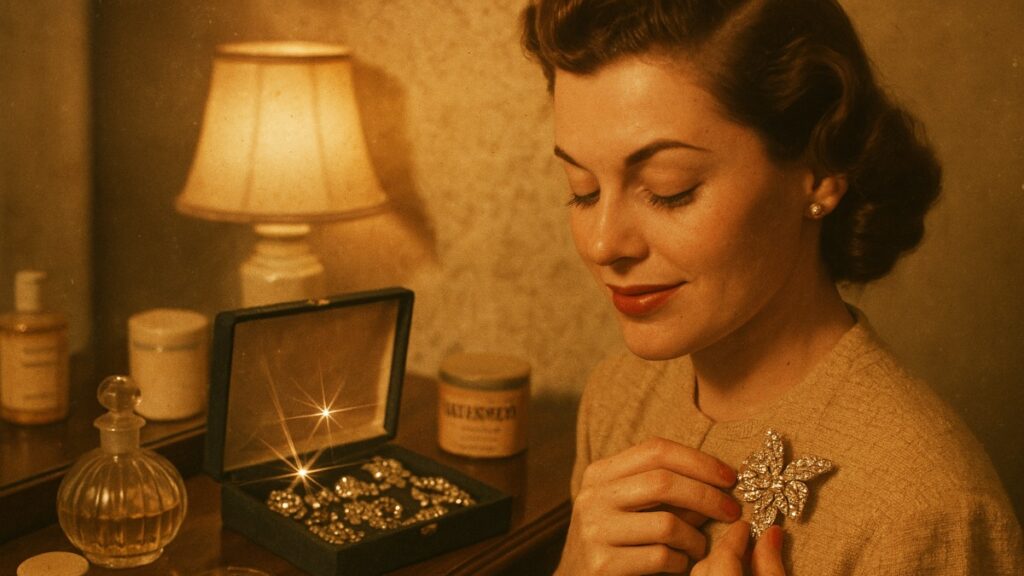
You know what really gets me? Thinking about all the things that used to cost next to nothing – or better yet, were completely free. It’s not just about inflation; it’s about how our whole way of life has changed. Let me take you back to a time when many things we pay premium prices for today were just part of the everyday service you could expect.
Table of Contents
- 1 1. Bank Services and Free Gifts
- 2 2. Gas Station Full Service
- 3 3. Airline Amenities
- 4 4. Car Dealership Services
- 5 5. Television
- 6 6. Phone Book Listings
- 7 7. Highway Travel
- 8 8. Water at Restaurants
- 9 9. Children’s Activities
- 10 10. Milk Delivery
- 11 11. Department Store Services
- 12 12. Car Repair Diagnostics
- 13 13. Movie Theater Extras
- 14 14. Local Calls
1. Bank Services and Free Gifts

Remember when banks actually wanted your business? Opening a new account often meant receiving a free toaster, clock, or blanket. Many checking accounts were truly free, with no minimum balance requirements or monthly fees. Even better, you’d get personal service from a teller who knew your name, and they’d give your kids lollipops just for tagging along.
Save for later
Want to come back to this story? Save it with your email so it is easy to find again.
2. Gas Station Full Service

Pull into any gas station, and an attendant would rush out to fill your tank, check your oil, clean your windshield, and check your tire pressure – all at no extra charge. These services were just part of the deal, and the only thing you paid for was the gas itself. Some stations would even give out free road maps or drinking glasses with a fill-up.
3. Airline Amenities
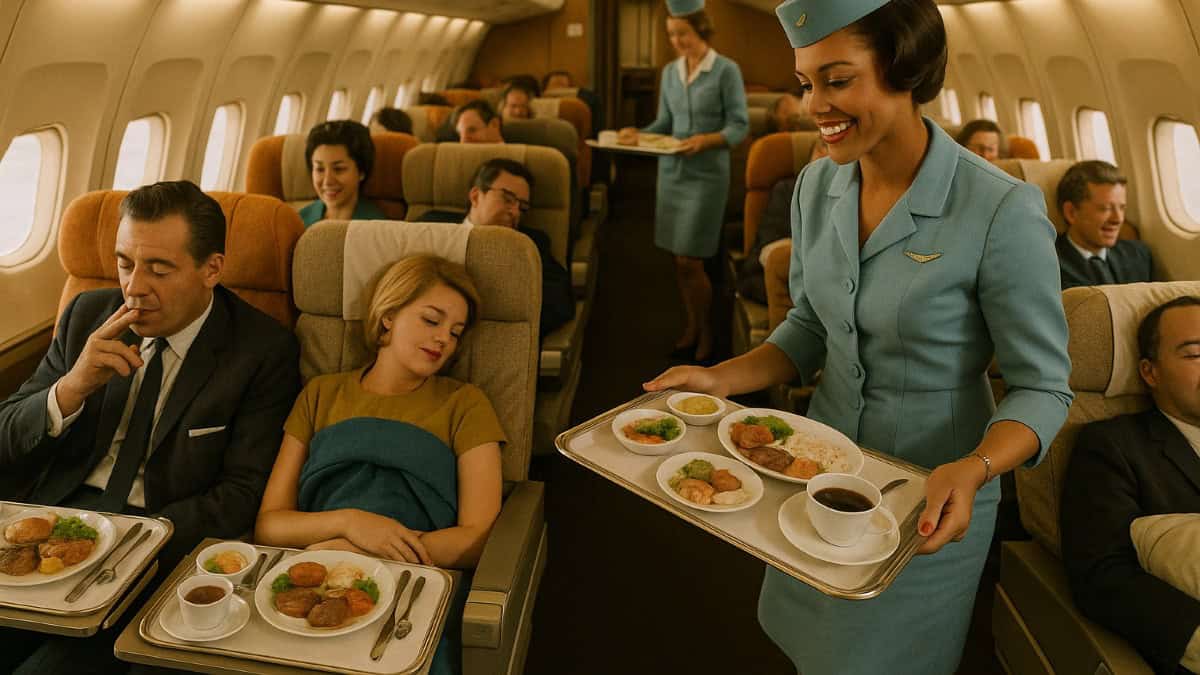
Flying used to be a luxurious experience, even in economy class. Checked bags were free, seats had ample legroom, and you got full meals with real silverware on most flights. Airlines provided complimentary pillows, blankets, and playing cards for entertainment. Children would often get wings pins and tours of the cockpit, which made flying exciting for young travelers.
4. Car Dealership Services

Dealerships used to provide free oil changes and basic maintenance for the first year or two after purchase. They’d even give you a loaner car at no charge while yours was being serviced. The relationship between dealership and customer was more personal, and these services were seen as part of building long-term loyalty.
5. Television
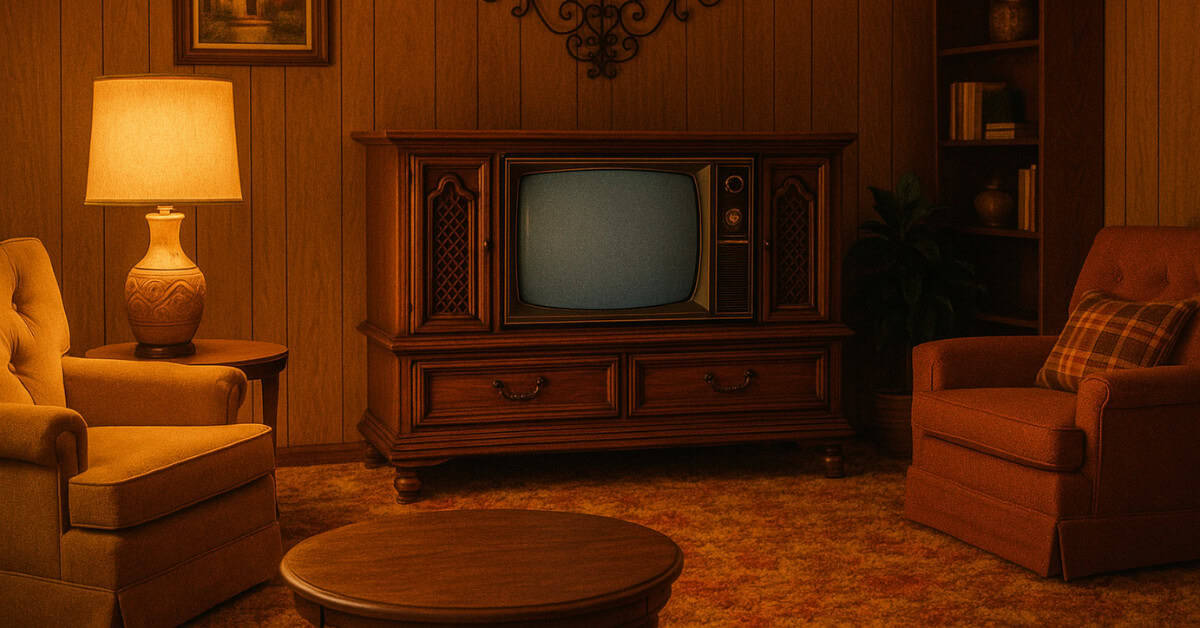
Once you had a TV and antenna, broadcasting was completely free. You might only get three or four channels, but they provided all the entertainment you needed. No monthly cable bills, no streaming subscriptions, just free programming supported by advertisements. Even TV Guide was affordable at just a few cents per issue.
6. Phone Book Listings
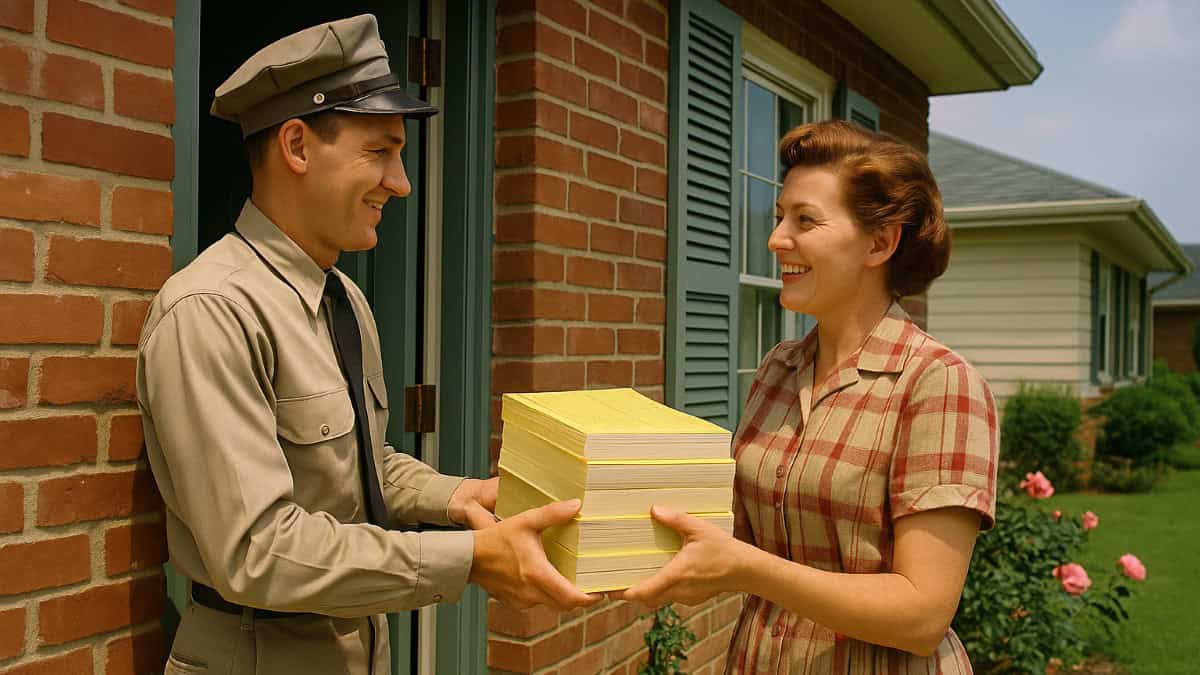
Not only were phone books delivered free to your door, but getting your number listed was also free. Yellow Pages listings for businesses were complimentary too, unless you wanted a larger ad. These massive directories were a vital community resource that connected everyone in town.
7. Highway Travel

Most highways were free to travel, with toll roads being the rare exception. Rest stops were clean and well-maintained, offering free maps and travel information. Many even had attendants to help with directions and local recommendations, all at no charge.
8. Water at Restaurants
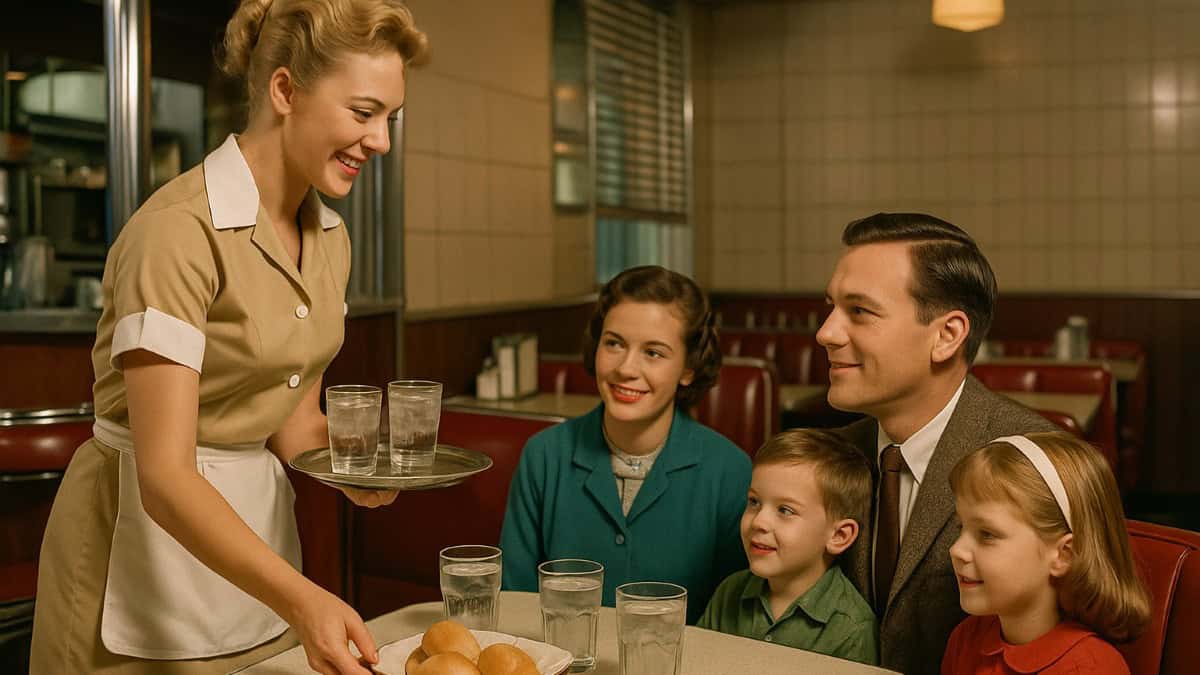
Restaurants automatically brought glasses of tap water to your table, no questions asked. Bread baskets were complimentary, and refills on coffee were standard practice. The idea of paying for bottled water would have seemed absurd to most Americans, as tap water was a staple of dining out.
9. Children’s Activities

Local recreation centers and libraries offered free activities for kids, especially during summer months. Many museums had free admission days, and school field trips rarely required extra fees. Communities organized free events and festivals that provided entertainment for the whole family, fostering a sense of community and belonging.
10. Milk Delivery

Home delivery of milk didn’t cost extra – you just paid for the milk itself. The milkman would even collect your empty bottles and leave fresh ones in their place. This convenient service was considered part of the standard cost of dairy products, making daily life a bit simpler.
11. Department Store Services

Department stores offered free gift wrapping, alterations, and delivery for larger items. Personal shopping assistants would help you find exactly what you needed at no additional charge. These services were considered essential to the shopping experience, not premium add-ons, enhancing customer loyalty and satisfaction.
12. Car Repair Diagnostics
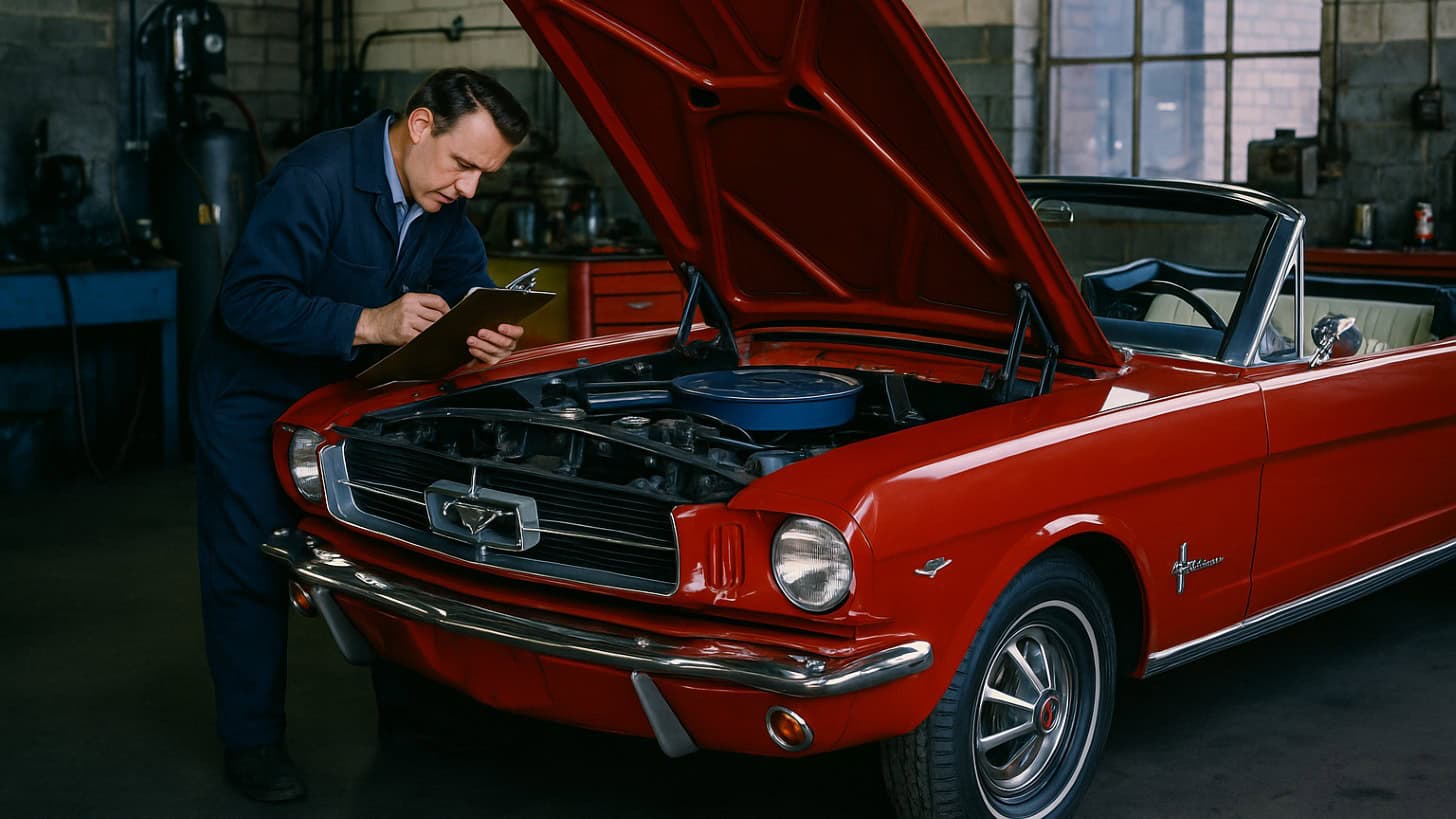
Mechanics would diagnose your car problems for free, often taking a quick look while you waited. They’d give honest advice about what needed immediate attention and what could wait. The relationship between mechanic and customer was built on trust rather than diagnostic fees, fostering long-term relationships.
13. Movie Theater Extras
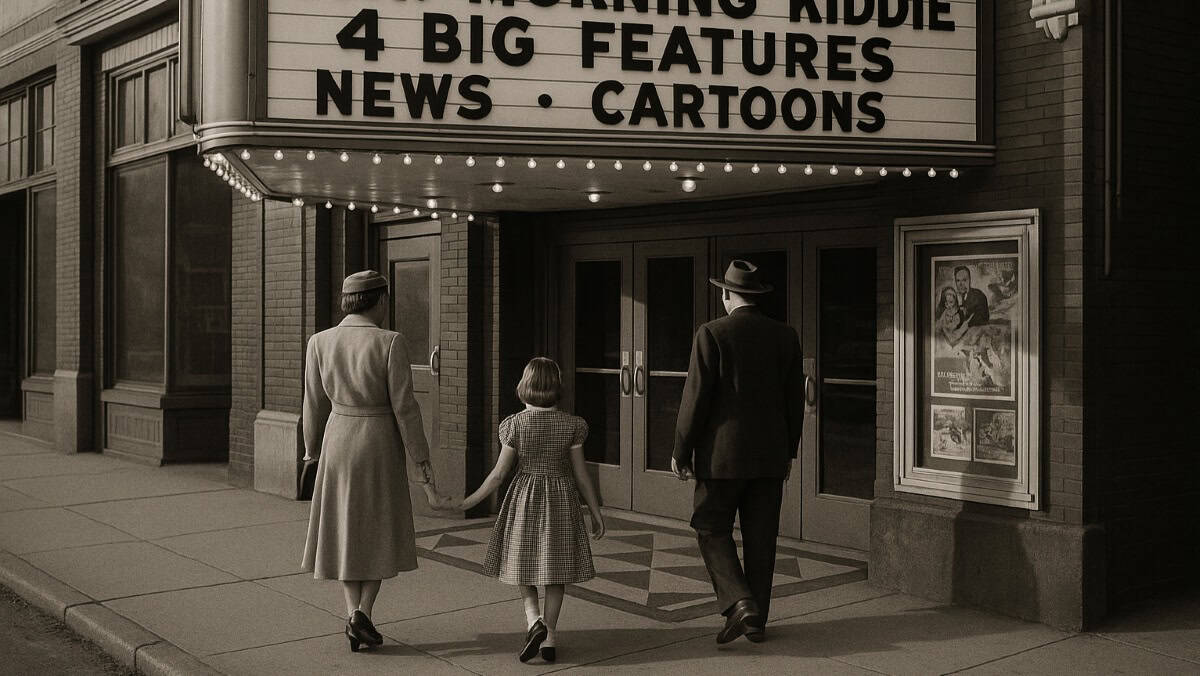
Your movie ticket included newsreels, cartoons, and sometimes even double features. Theaters often offered special matinee prices for children, and some even provided free kiddie shows on Saturday mornings. The concept of paying extra for 3D glasses or premium seating would have seemed bizarre, as theaters aimed to provide a complete entertainment package.
14. Local Calls

Once you had a phone line, local calls were unlimited and free. You could talk for hours without worrying about minutes or data usage. Pay phones were everywhere, and a local call cost just a nickel, later a dime. The idea of paying for every call would have seemed outrageous, as telecommunication was viewed as a public utility.