Before liability concerns and safety regulations transformed amusement parks, these entertainment venues operated under very different rules. What was once considered normal park behavior would now result in immediate ejection or possibly legal action. Here’s a look at some common amusement park activities from decades past that would be unthinkable today.
Table of Contents
- 1 1. Standing Up on Roller Coasters
- 2 2. Bringing Food on Rides
- 3 3. Barefoot Water Rides
- 4 4. Riding Without Height Restrictions
- 5 5. Unsupervised Ride Operation
- 6 6. Standing on the Carousel
- 7 7. Loose Articles on Rides
- 8 8. Running Between Rides
- 9 9. Ride Line Jumping
- 10 10. Smoking Everywhere
- 11 11. Unsupervised Swimming
- 12 12. Bringing Outside Food
- 13 13. Ride Maintenance Viewing
- 14 14. After-Hours Exploring
1. Standing Up on Roller Coasters
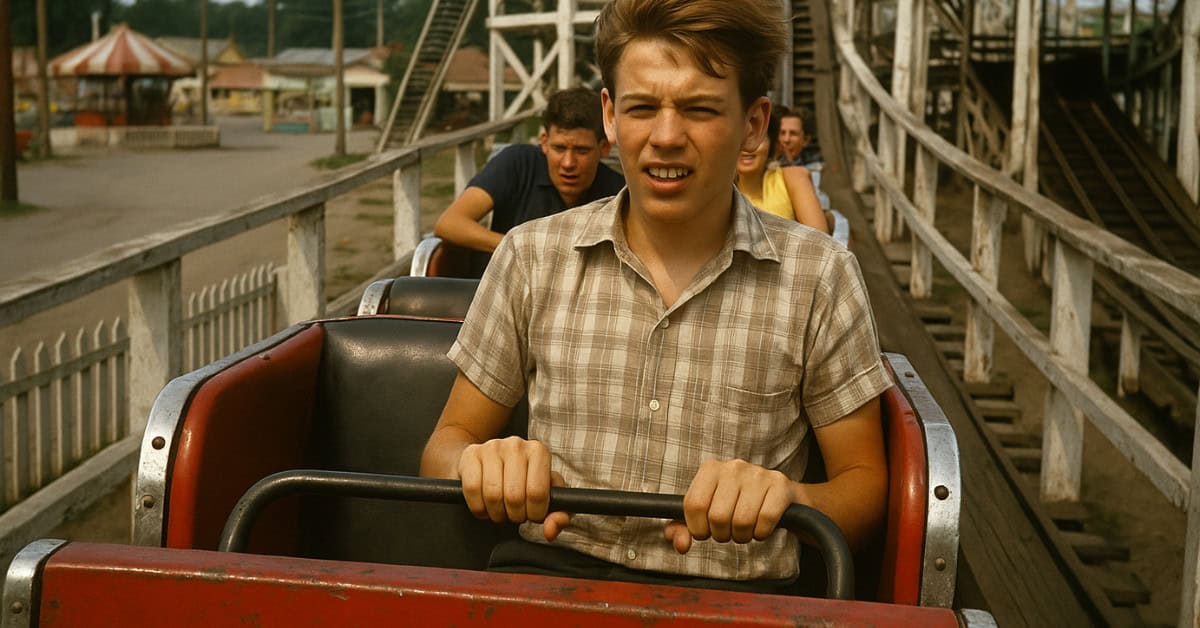
Before lap bars and shoulder harnesses became mandatory, riders could stand up during coaster rides. The only restraint was often a single metal bar, and enforcement of safety rules was minimal. Thrill-seekers would intentionally lift themselves during drops for extra excitement.
Save for later
Want to come back to this story? Save it with your email so it is easy to find again.
2. Bringing Food on Rides
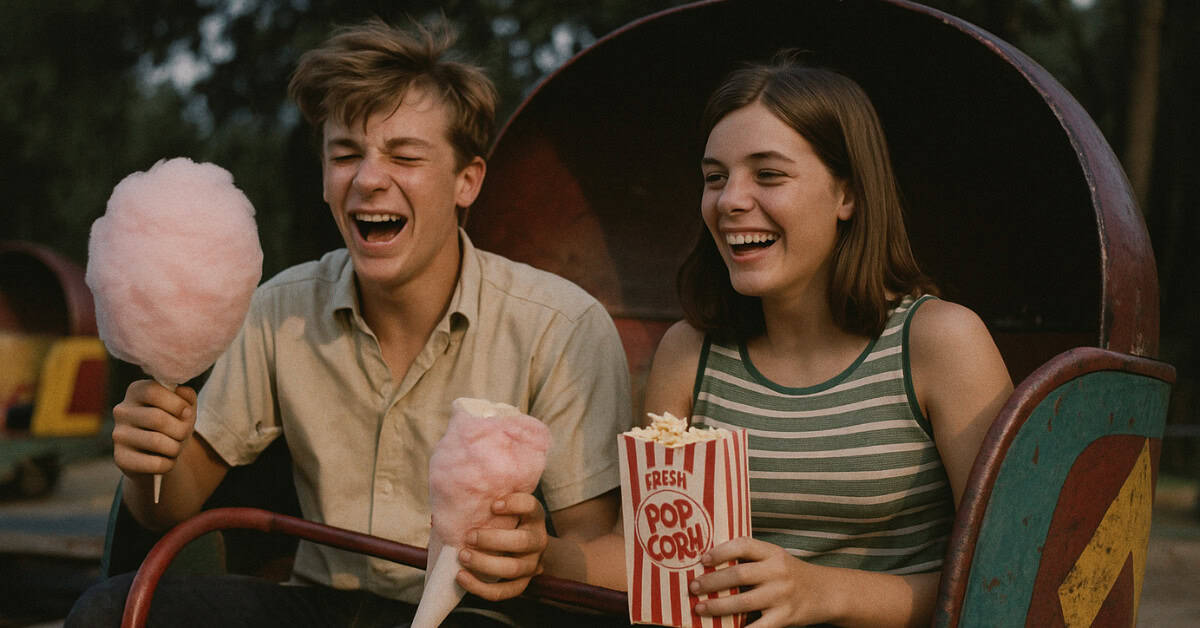
Cotton candy, hot dogs, and sodas were regular companions on rides. No one thought twice about eating while spinning on the Tilt-A-Whirl or munching popcorn on the Ferris wheel. The resulting mess was just part of the park experience.
3. Barefoot Water Rides
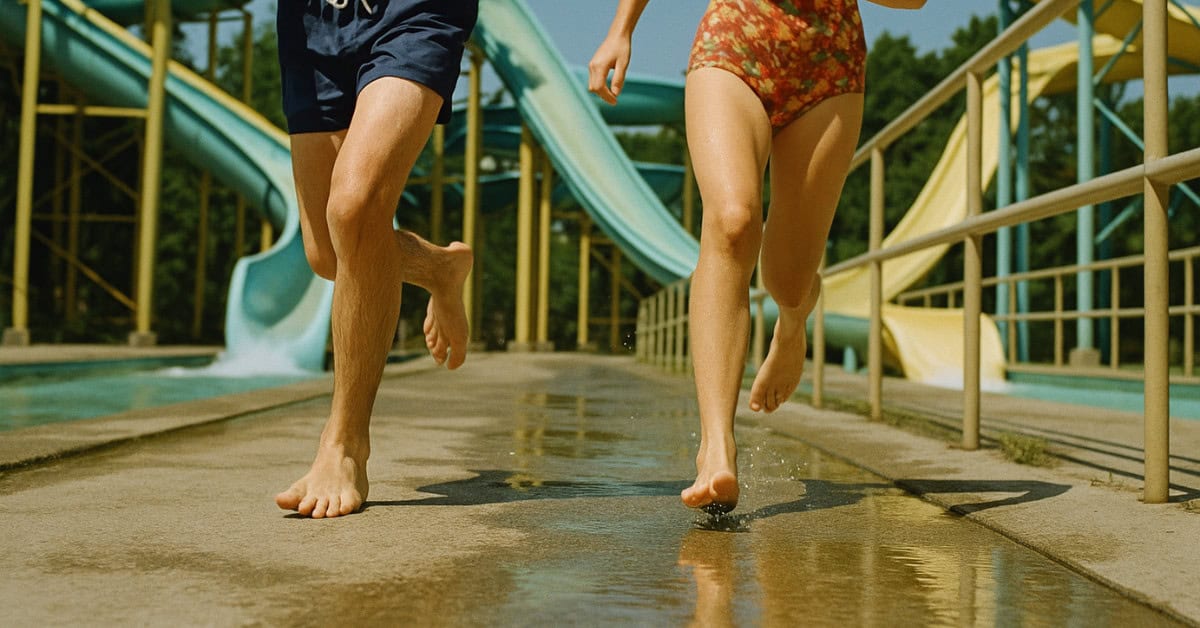
Kids would remove their shoes for water rides to keep them dry. Walking barefoot through the park was a common practice. The hot pavement and occasional broken glass or bottle caps were just considered part of the adventure.
4. Riding Without Height Restrictions
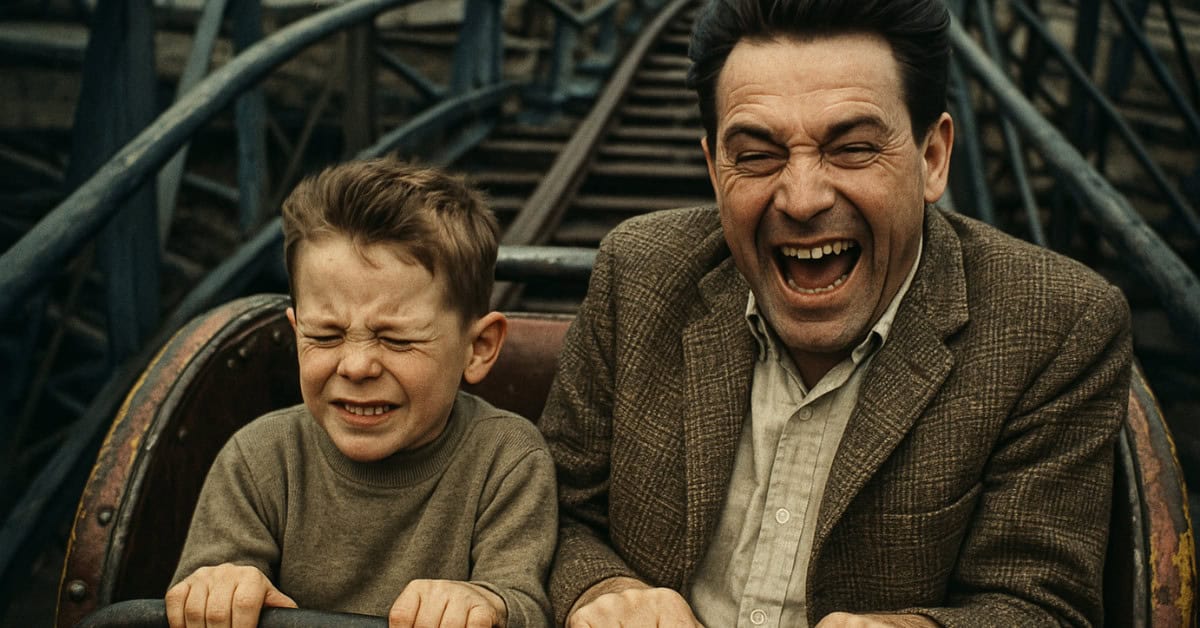
Height requirements were often ignored or non-existent. Small children would slip under restraint bars or be lifted onto rides by older siblings. Parents could often convince operators to let undersized kids ride “just this once.”
5. Unsupervised Ride Operation
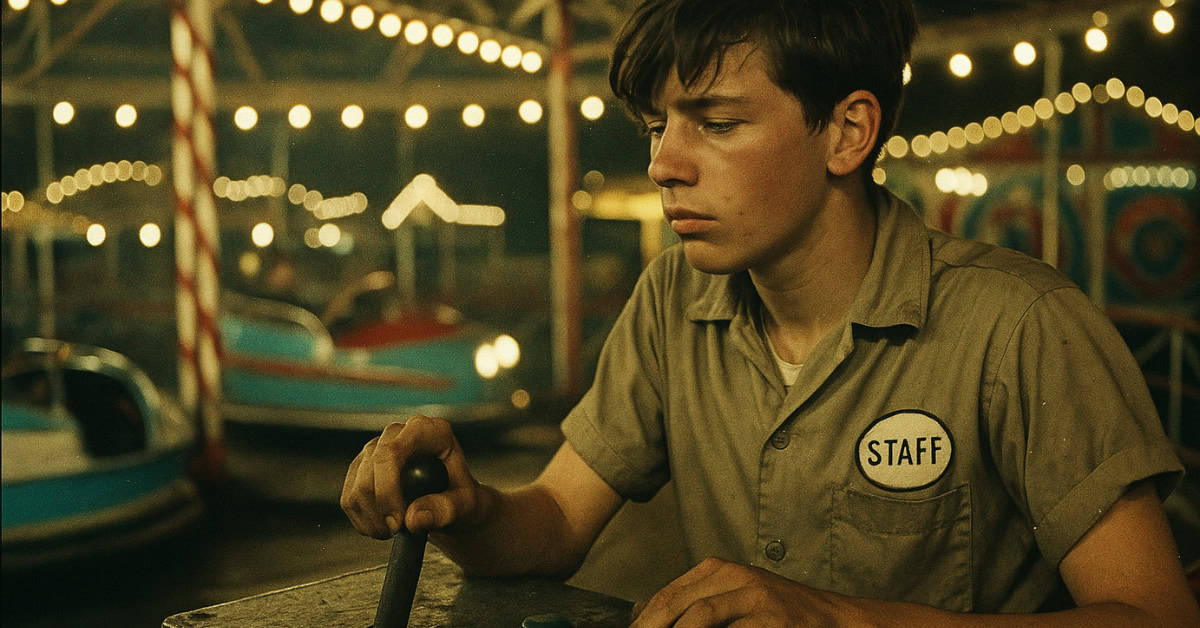
Teenage operators would often run multiple rides simultaneously or leave rides unattended briefly. Friends of operators might get extra-long rides or free turns. Safety checks were casual at best.
6. Standing on the Carousel
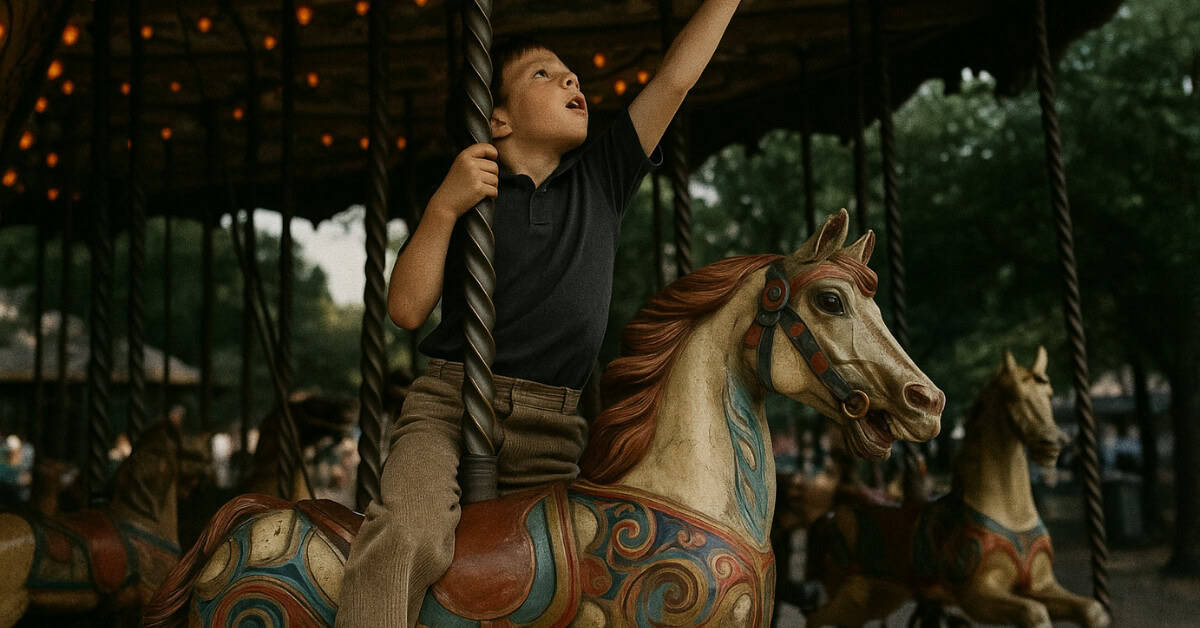
Kids would stand on the carousel horses and even jump between them while the ride was moving. The brass rings were grabbed while leaning dangerously far off the platform. Safety bars on horses were often ignored.
7. Loose Articles on Rides
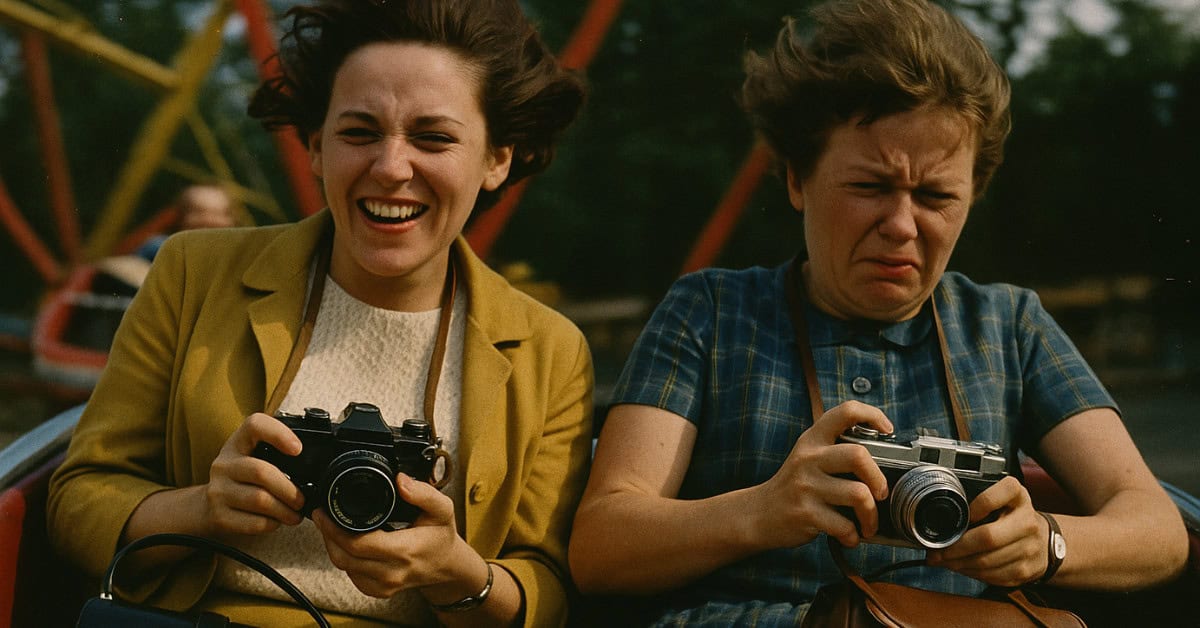
Cameras, purses, and other loose items were regularly taken on high-speed rides. People would often try to take photos during the biggest drops. Lost items would create a scavenger hunt under the rides at day’s end.
8. Running Between Rides
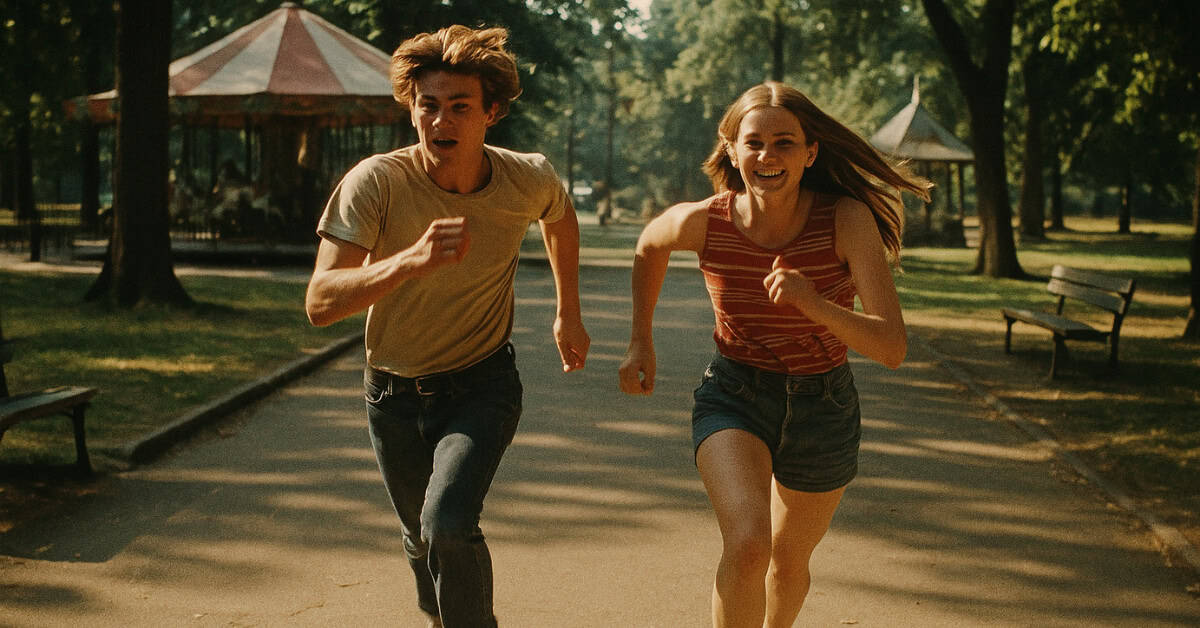
Children would sprint from ride to ride, weaving between crowds and maintenance equipment. The wet pavement around water rides created especially hazardous conditions. No one thought twice about running up the exit ramps.
9. Ride Line Jumping
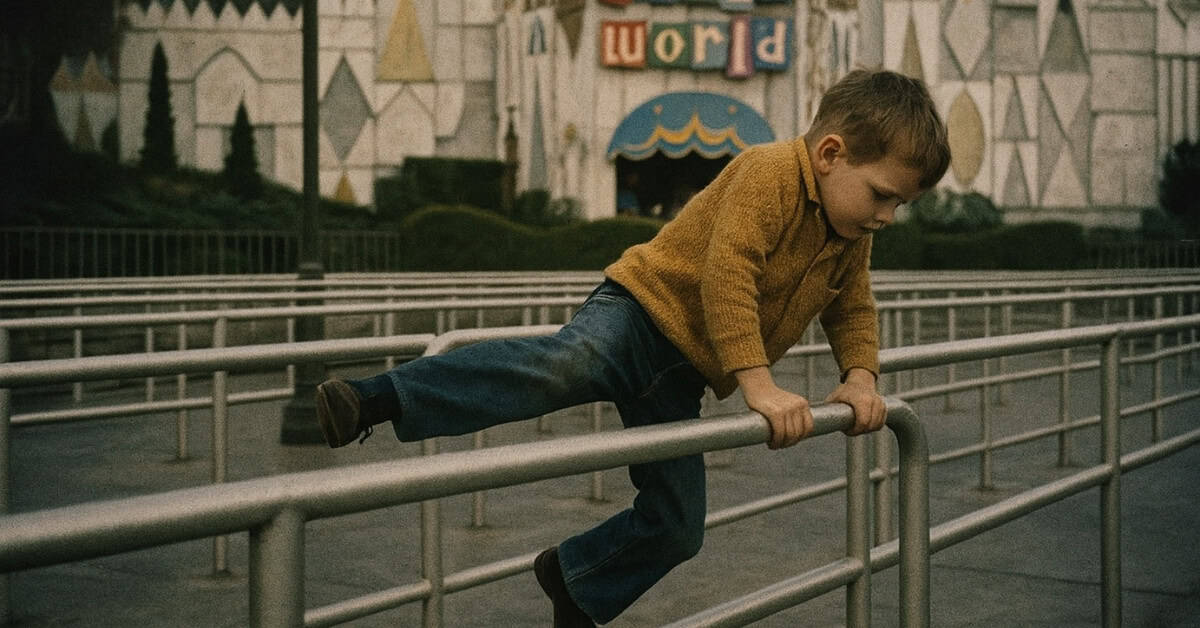
Climbing over or ducking under queue rails was a common practice. Friends would hold spots for entire groups, and line-cutting was handled by other guests rather than security. The queue barriers were often treated like playground equipment.
10. Smoking Everywhere
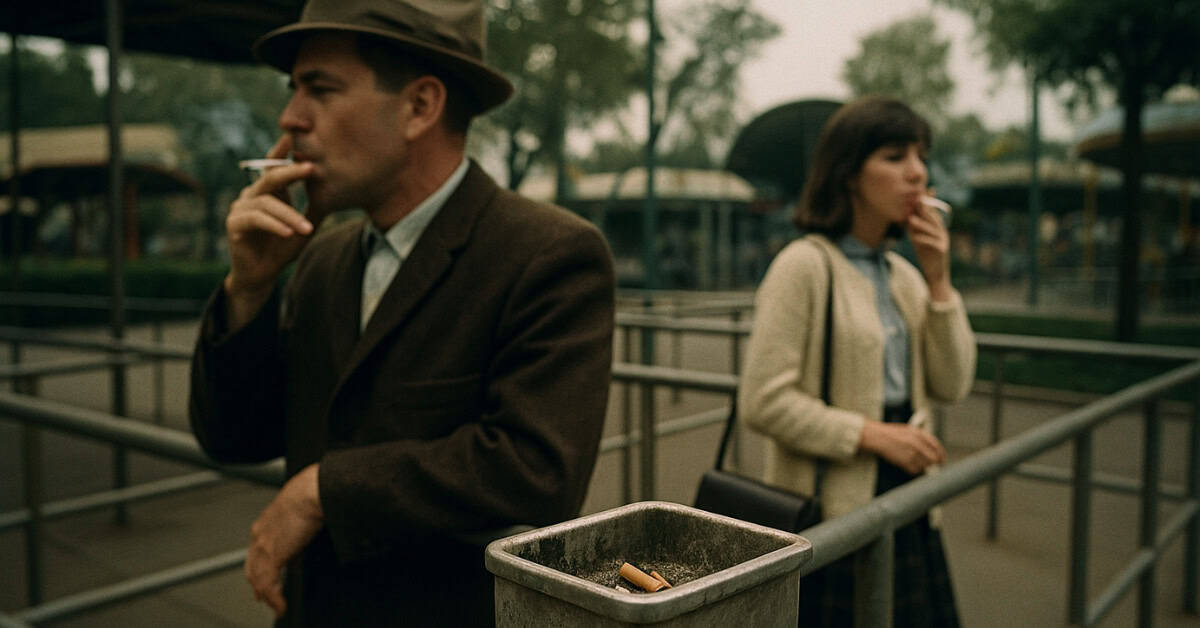
Smoking was allowed throughout the park, including in ride lines and on some rides. Ashtrays were built into queue rails, and cigarette burns on rides were common. The only restriction was typically on wooden roller coasters.
11. Unsupervised Swimming
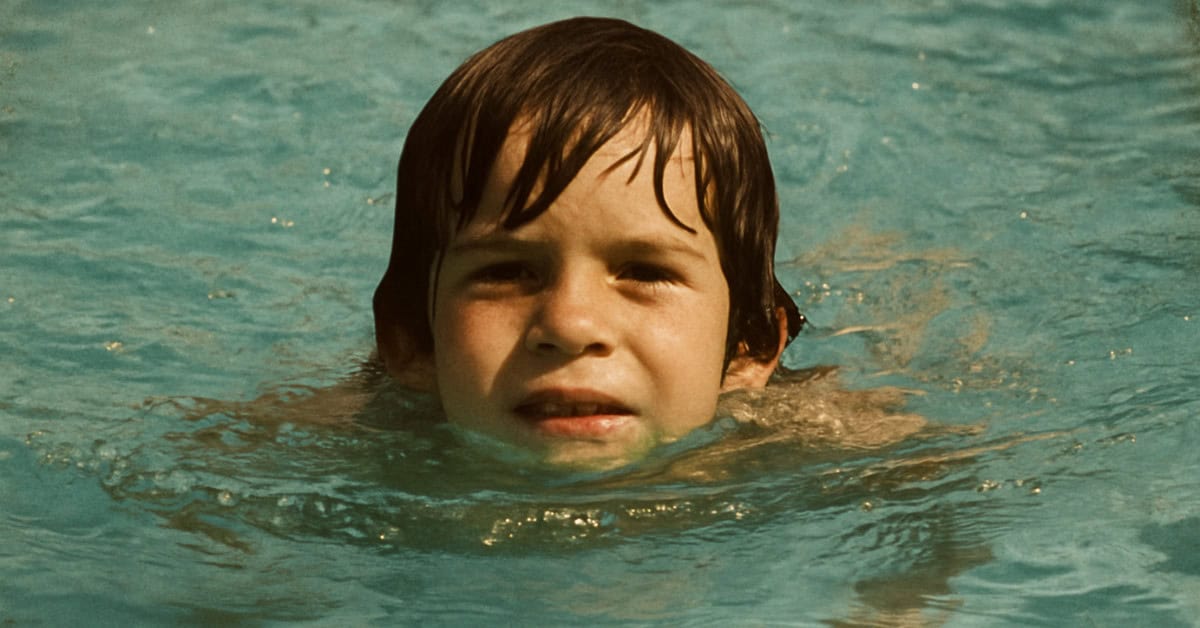
Park pools often had minimal lifeguard coverage. Deep ends were less restricted, and horseplay was generally ignored. Kids would regularly dive from the shoulders of friends or practice handstands in deep water.
12. Bringing Outside Food

Families would bring entire picnic spreads into the park. Coolers, thermoses, and large bags of snacks were common sights. Food safety and outside vendor restrictions were minimal to non-existent.
13. Ride Maintenance Viewing

Children would gather to watch ride maintenance and repairs up close. Safety barriers around maintenance areas were minimal, and curious onlookers could get surprisingly close to mechanical work.
14. After-Hours Exploring

Security was often lax after closing time. Local teenagers would sneak into parks after hours to explore. The practice was so common that some parks had unofficial “looking the other way” policies.