Growing up in the 1960s and early ’70s, we were taught to fix things rather than replace them. It wasn’t just about saving money – it was about understanding how things worked and taking pride in maintaining what you owned. Today’s throwaway culture would have been unthinkable back then, when every household had a well-stocked toolbox and the know-how to use it.
Table of Contents
1. Bicycle Tires and Chains
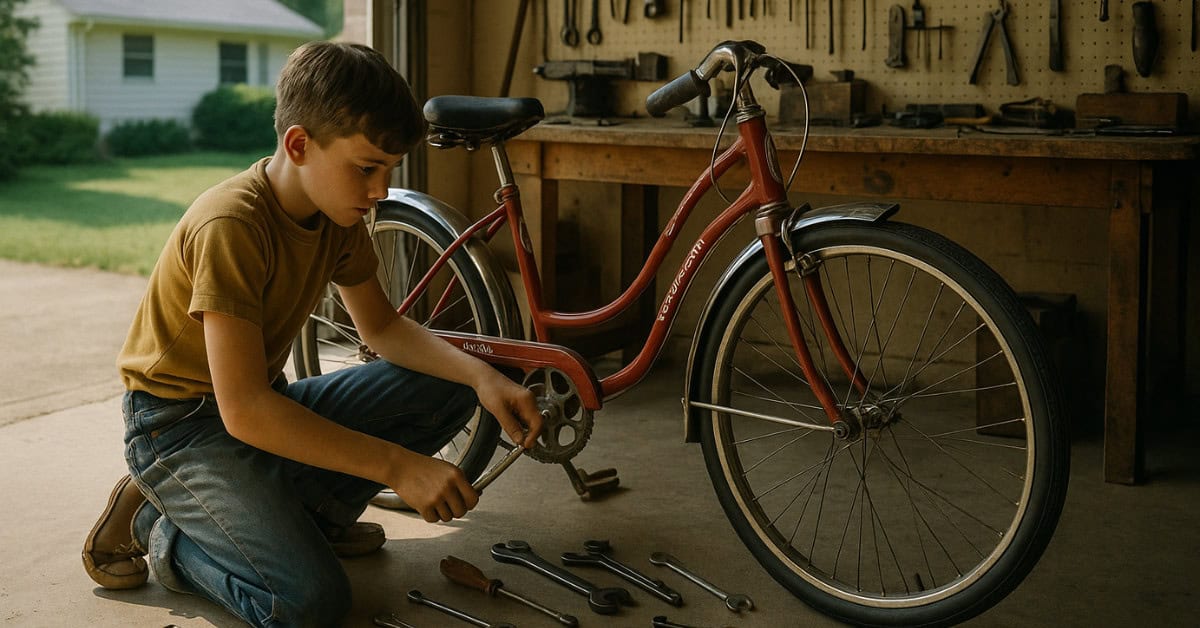
Every kid knew how to patch a bike tube and oil a chain. We carried repair kits in our bike baskets, ready to fix a flat anywhere. The satisfaction of finding the leak, roughing up the rubber, and applying the patch was a rite of passage. Chain maintenance was a regular Saturday morning ritual.
Save for later
Want to come back to this story? Save it with your email so it is easy to find again.
2. Transistor Radios

Those pocket-sized radios were our constant companions, and we learned to replace batteries, fix loose connections, and even solder new wires when needed. A basic understanding of electronics was common knowledge, and radio repair shops would sell replacement parts to young tinkerers.
3. Baseball Gloves

A good baseball glove was an investment that lasted years with proper care. We knew how to oil the leather, replace worn laces, and reshape the pocket. Dad would teach us the proper way to break in a new glove, and minor repairs were handled at home with basic leather-working tools.
4. Roller Skates

Metal skates with leather straps required regular maintenance. We replaced worn-out wheels, oiled bearings, and fixed loose straps. The key that adjusted the skates’ size was a prized possession, and we all knew how to tighten wheels and adjust toe stops.
5. Board Games

Lost game pieces didn’t mean buying a new set. We crafted replacement pieces from wood or clay, fixed torn cards with tape, and mended box corners. Monopoly money was often reinforced with clear tape, and homemade spinners replaced broken ones.
6. Toy Cars

Die-cast cars could be restored with paint and new wheels. We learned to straighten bent axles, replace missing parts with pieces from other toys, and touch up paint chips. Some kids became experts at customizing their collections through creative repairs.
7. Record Players
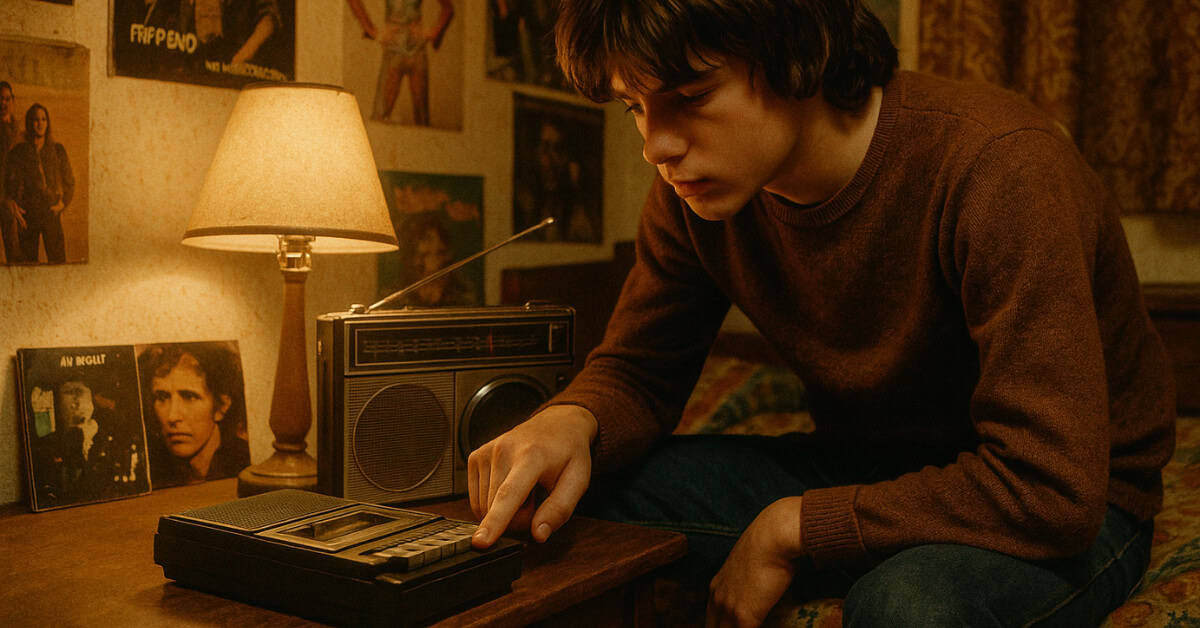
Basic turntable maintenance was essential knowledge. We replaced needles, adjusted speed controls, and cleaned mechanisms with precision. A steady hand was needed to repair tone arms and belt drives, skills often learned from older siblings.
8. School Supplies
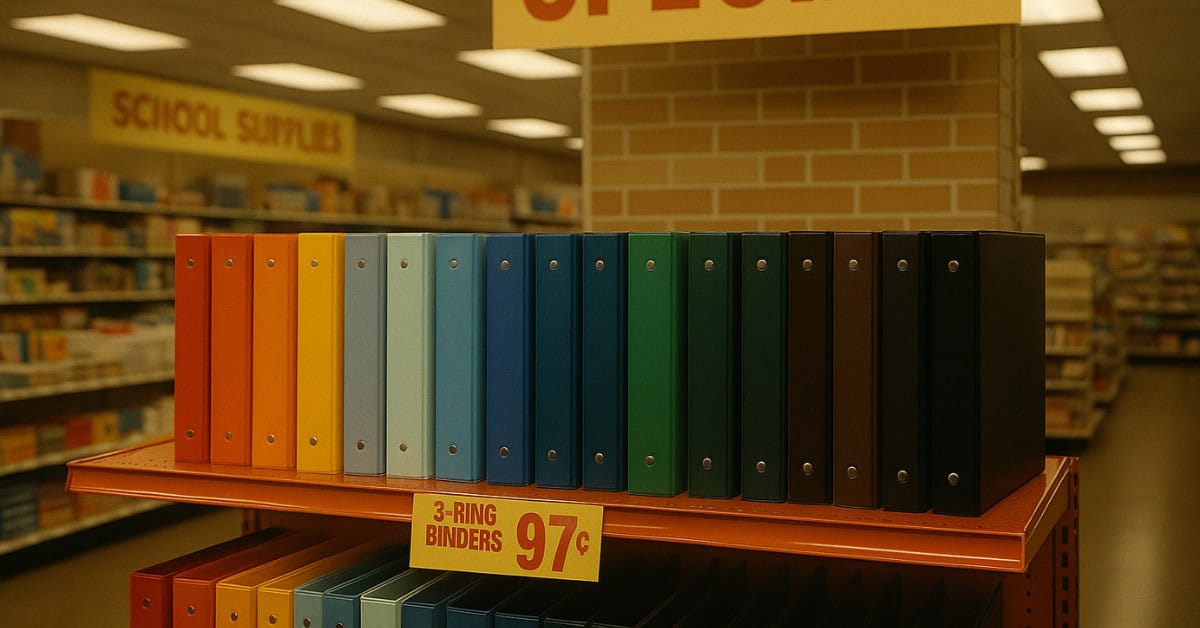
Binders were repaired with tape, pencil cases were stitched back together, and broken pencils were saved with brass pencil holders. Book covers were carefully maintained and reused, while torn notebook pages were meticulously taped.
9. Model Kits
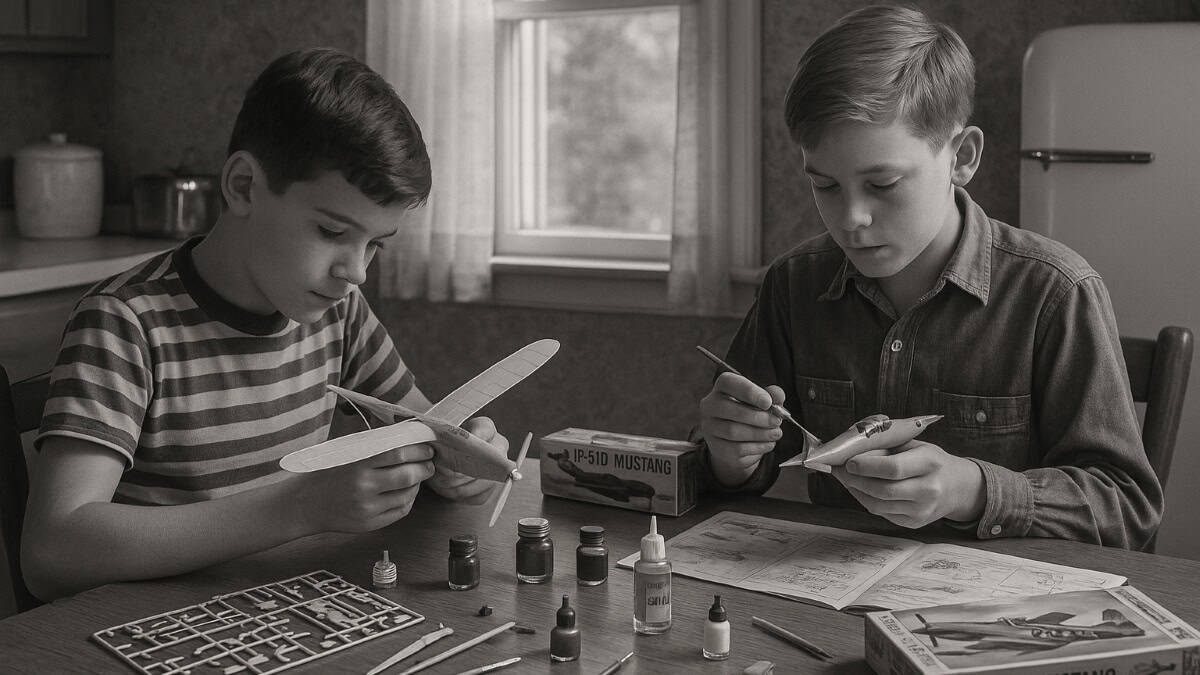
Broken model airplanes and cars were carefully repaired with glue and paint. We learned to fix snapped wings, replace decals, and touch up paint jobs. The skills learned from model repair often led to bigger projects later in life.
10. Sports Equipment

Basketball repair kits were common, used to fix leaks and replace worn-out bladders. Football laces were replaced, tennis racket strings were repaired, and hockey sticks were taped. Every sport had its own maintenance routine.
11. Clothing

Basic sewing skills were taught early. We learned to patch jeans, sew on buttons, and darn socks. Iron-on patches were a popular fix for worn knees, and hand-me-downs were carefully maintained to last through multiple siblings.
12. Dolls and Action Figures
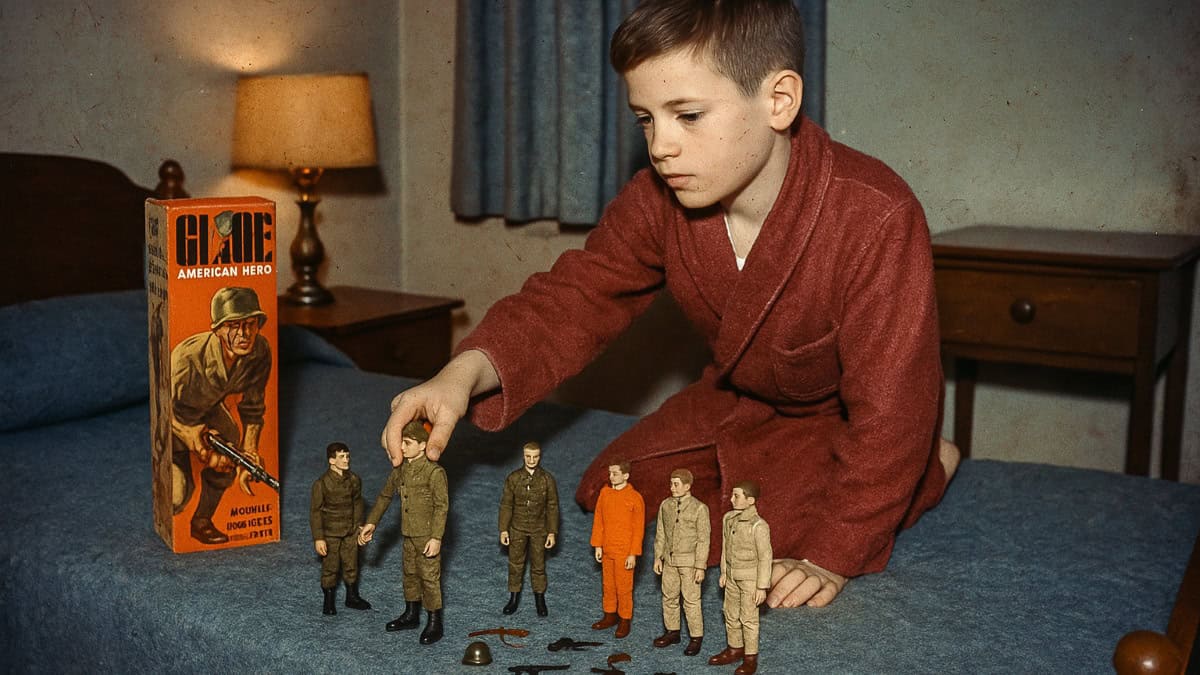
Broken limbs were reattached, hair was restyled, and clothing was mended. We became experts at fixing loose joints and replacing missing accessories. Even Barbie’s shoes could be repaired with careful application of glue.
13. Remote Control Cars

Early RC cars required constant maintenance. We learned to replace motors, fix wiring, and repair transmitters. Battery compartments were cleaned of corrosion, and broken antennae were carefully soldered back together.
14. Backyard Play Equipment
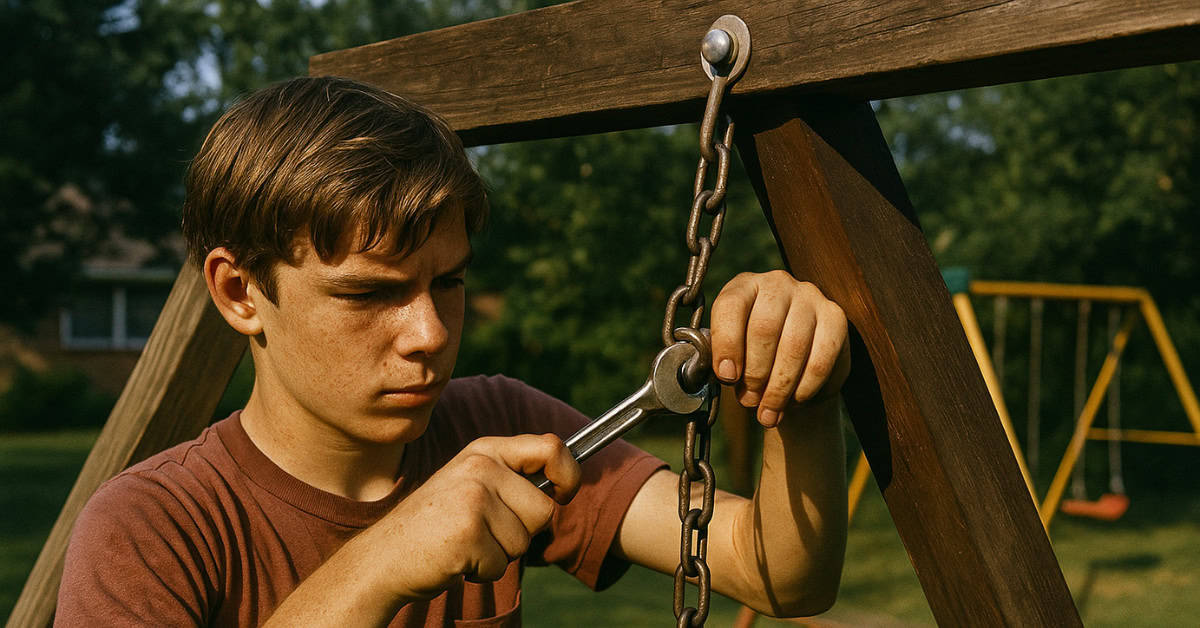
Swing sets were maintained with new chains and seats, while tree houses got fresh boards and weatherproofing. We learned to tighten bolts, replace ropes, and repair wooden components. These projects often became family weekend activities.