Growing up with siblings in the 1950s and ’60s was like being part of a daily survival challenge that today’s parents would never allow. From the backseat battles during long car rides to the unwritten rules of bedroom territory wars, we somehow made it through experiences that would horrify modern child psychologists. Let’s take a walk down memory lane and remember some of those character-building moments of sibling rivalry.
Table of Contents
- 1 1. The “Wait Till Your Father Gets Home” Threat
- 2 2. The Invisible Car Line
- 3 3. Shared Bath Water
- 4 4. The “He Started It” Defense
- 5 5. Hand-Me-Down Everything
- 6 6. Forced Sharing
- 7 7. The Oldest as Babysitter
- 8 8. Physical Discipline by Older Siblings
- 9 9. Bedroom Sharing Without Choice
- 10 10. The Last Bite Battles
- 11 11. Clothing Territory Wars
- 12 12. Sibling Revenge Pacts
- 13 13. The “Because I Said So” Hierarchy
- 14 14. Public Embarrassment Tactics
1. The “Wait Till Your Father Gets Home” Threat
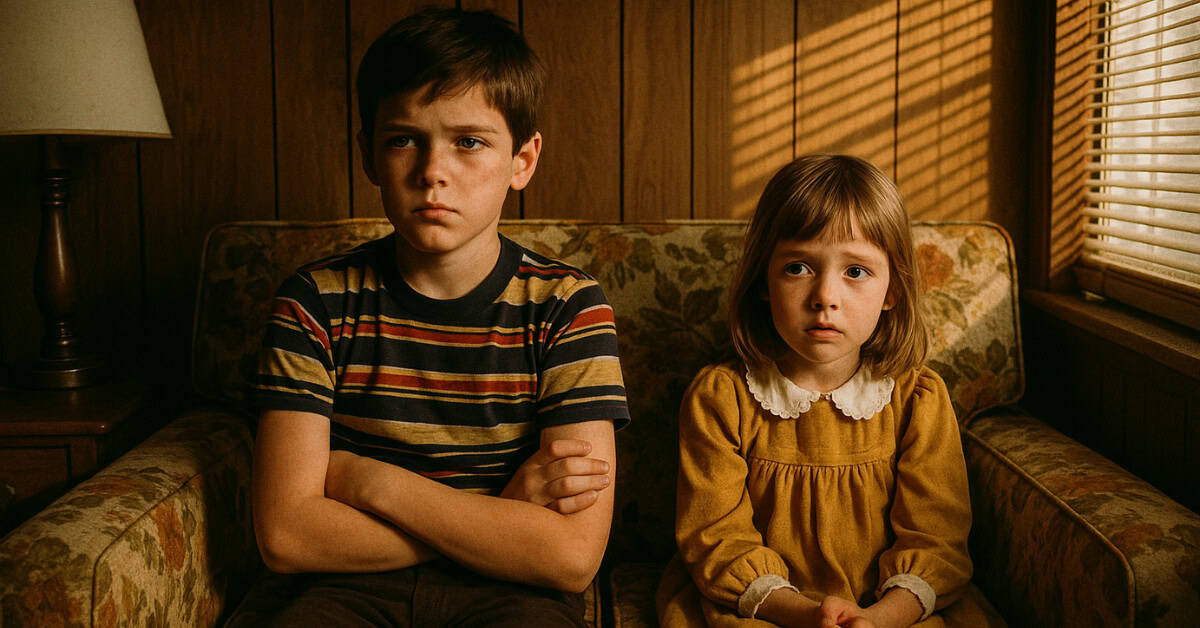
This dreaded phrase meant hours of nervous anticipation as siblings negotiated peace treaties and cover stories. Mom would use this psychological warfare to maintain order, and we’d spend the day figuring out how to present a united front when Dad came home. Today’s parenting experts would call this emotional manipulation.
Save for later
Want to come back to this story? Save it with your email so it is easy to find again.
2. The Invisible Car Line

The imaginary line in the backseat that siblings couldn’t cross was serious business. Crossing this DMZ would result in pinches, pokes, and eventual parental intervention. Modern car seat laws have eliminated this particular battlefield, but the memory of those territorial disputes lives on.
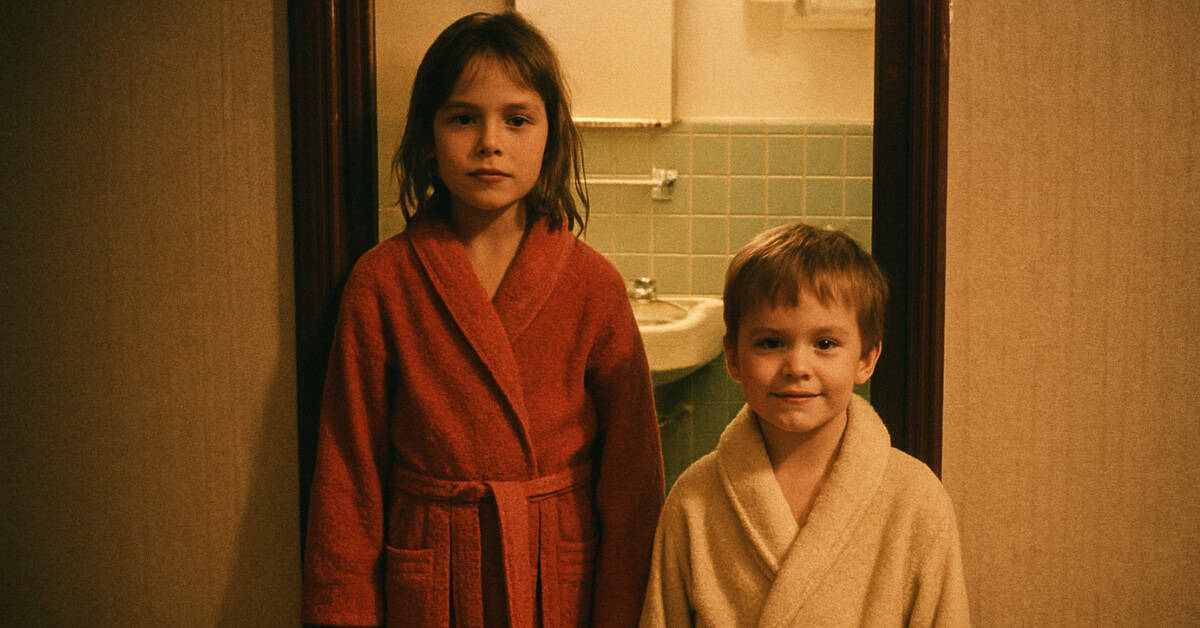
To save hot water, siblings would take turns bathing in the same bathwater. The pecking order was strictly enforced – youngest to oldest. Today’s parents would be horrified at the hygiene implications, but it was just another part of life in a big family.
4. The “He Started It” Defense

This universal sibling defense strategy often resulted in both parties being punished regardless of who actually initiated the conflict. Parents didn’t have time for detailed investigations – swift justice was the norm. Modern conflict resolution techniques would consider this approach overly simplistic.
5. Hand-Me-Down Everything

From clothes to school supplies, younger siblings inherited everything. Nobody worried about a child’s self-esteem being damaged by wearing their older sibling’s clothes. The phrase “when it’s your turn” became a mantra that younger siblings learned to accept.
6. Forced Sharing

Parents enforced mandatory sharing of everything from toys to TV time. The concept of personal property was loose at best. Today’s emphasis on personal boundaries and consent would view this approach as potentially problematic.
7. The Oldest as Babysitter

Older siblings were often automatic unpaid babysitters, watching younger ones for hours without a real emergency plan. The responsibility came without training or choice. Modern parenting would consider this an unfair burden on the older child.
8. Physical Discipline by Older Siblings

Older siblings were often authorized to enforce rules through physical means. “Don’t make me come up there” wasn’t just a parental threat – big brothers and sisters had similar authority. This delegation of discipline would be considered inappropriate today.
9. Bedroom Sharing Without Choice

Privacy was a foreign concept as siblings shared rooms well into their teens. Boys and girls might share rooms until puberty, and personal space was limited to a drawer or shelf. Today’s emphasis on personal space and privacy would make this arrangement questionable.
10. The Last Bite Battles

Fighting over the last piece of anything was a regular mealtime sport. Parents often solved this by cutting it in half or giving it to neither child. Modern parents might see this as promoting unhealthy competition around food.
11. Clothing Territory Wars

Unauthorized borrowing of clothes led to epic sibling battles. The concept of asking permission was foreign – it was more of a “catch me if you can” situation. Today’s emphasis on respect for personal property would frown upon this free-for-all approach.
12. Sibling Revenge Pacts

Siblings would form temporary alliances to get revenge on another sibling, only to switch sides the next day. These complex political maneuvers would be seen as bullying or exclusionary behavior by modern standards.
13. The “Because I Said So” Hierarchy

Age-based authority was absolute, with older siblings wielding power simply because they were born first. This rigid hierarchy would clash with modern parenting philosophies about equality and fairness among siblings.
14. Public Embarrassment Tactics

Siblings would deliberately embarrass each other in public, especially in front of friends or potential dates. This form of social warfare was considered normal, though today it might be labeled as emotional abuse or bullying.