Growing up in the 1960s without much money taught us valuable lessons about happiness, creativity, and appreciation. While we might not have had the latest toys or fanciest clothes, we learned to find joy in simple pleasures and developed skills that would serve us well throughout life. Here’s a look at experiences that only kids who grew up poor but happy will truly understand.
Table of Contents
- 1 1. Hand-Me-Down Creativity
- 2 2. Making Our Own Toys
- 3 3. Free Entertainment Skills
- 4 4. Creative Cooking
- 5 5. Library Card Appreciation
- 6 6. Neighborhood Bartering
- 7 7. Repair Instead of Replace
- 8 8. Simple Birthday Celebrations
- 9 9. Garden Appreciation
- 10 10. Creative Gift-Giving
- 11 11. Outdoor Innovation
- 12 12. Community Support
- 13 13. Appreciation for Small Treats
- 14 14. Work Ethic Development
1. Hand-Me-Down Creativity

We became experts at making hand-me-downs look like our own. Adding patches, changing buttons, or creative alterations turned older siblings’ clothes into personal fashion statements. Each piece had a history, and we learned to see potential in everything, developing both practical skills and creative vision.
Save for later
Want to come back to this story? Save it with your email so it is easy to find again.
2. Making Our Own Toys

Cardboard boxes became spaceships, old sheets transformed into superhero capes, and sticks turned into magic wands. We developed incredible imagination and resourcefulness, creating entire worlds from simple materials. These homemade toys often provided more entertainment than store-bought ones ever could.
3. Free Entertainment Skills

We mastered the art of finding free fun. Public libraries became second homes, parks were our entertainment centers, and we knew every free community event in town. This ability to create entertainment from nothing developed creativity and resourcefulness that would last a lifetime.
4. Creative Cooking

We learned to make meals from whatever was available. Government cheese became gourmet dishes, and bread ends transformed into creative sandwiches. This resourcefulness in the kitchen taught us valuable cooking skills and the ability to see possibilities in limited ingredients.
5. Library Card Appreciation
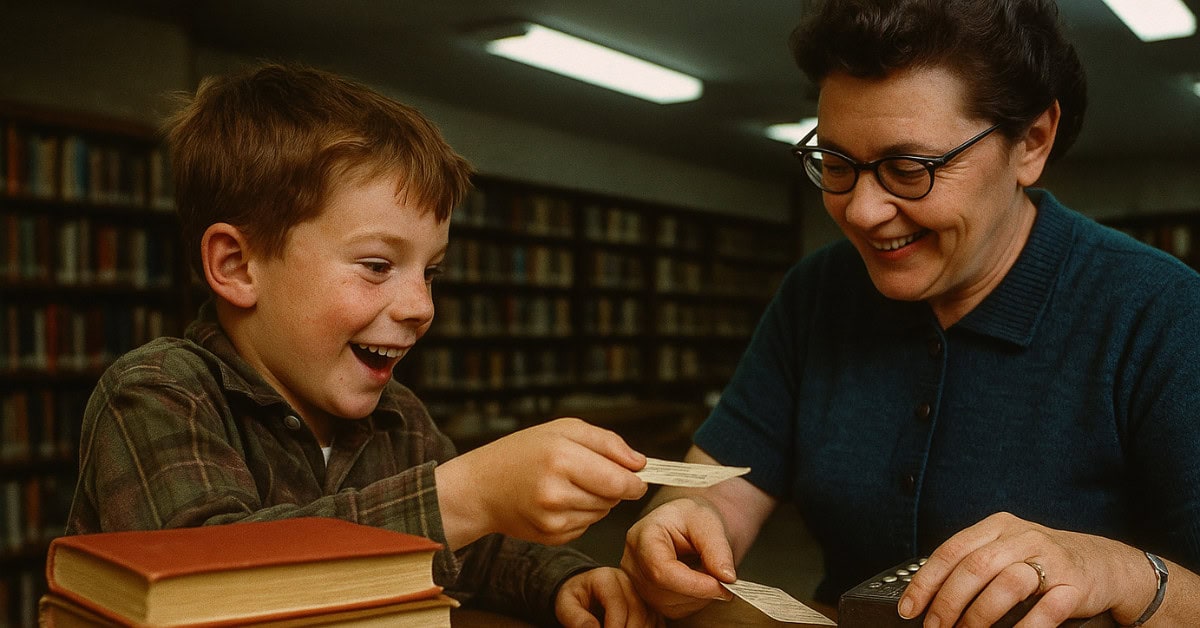
A library card was our passport to endless adventures. We could travel anywhere through books, learn any skill, and escape into countless stories – all for free. The librarians knew us by name, and we treated books like precious treasures because they were our window to the world.
6. Neighborhood Bartering

We developed sophisticated trading systems with neighbors. Skills were exchanged for goods, produce was shared between gardens, and everyone helped each other out. This community-based economy taught us the value of relationships and mutual support.
7. Repair Instead of Replace

Nothing was ever thrown away without attempting repair. We learned to fix toys, mend clothes, and repair appliances. These skills not only saved money but taught us the value of maintaining what we had and the satisfaction of fixing things ourselves.
8. Simple Birthday Celebrations

Birthdays meant homemade cakes, handcrafted decorations, and simple games that created lasting memories. We learned that celebration wasn’t about expensive gifts but about making people feel special through creative effort and personal attention.
9. Garden Appreciation
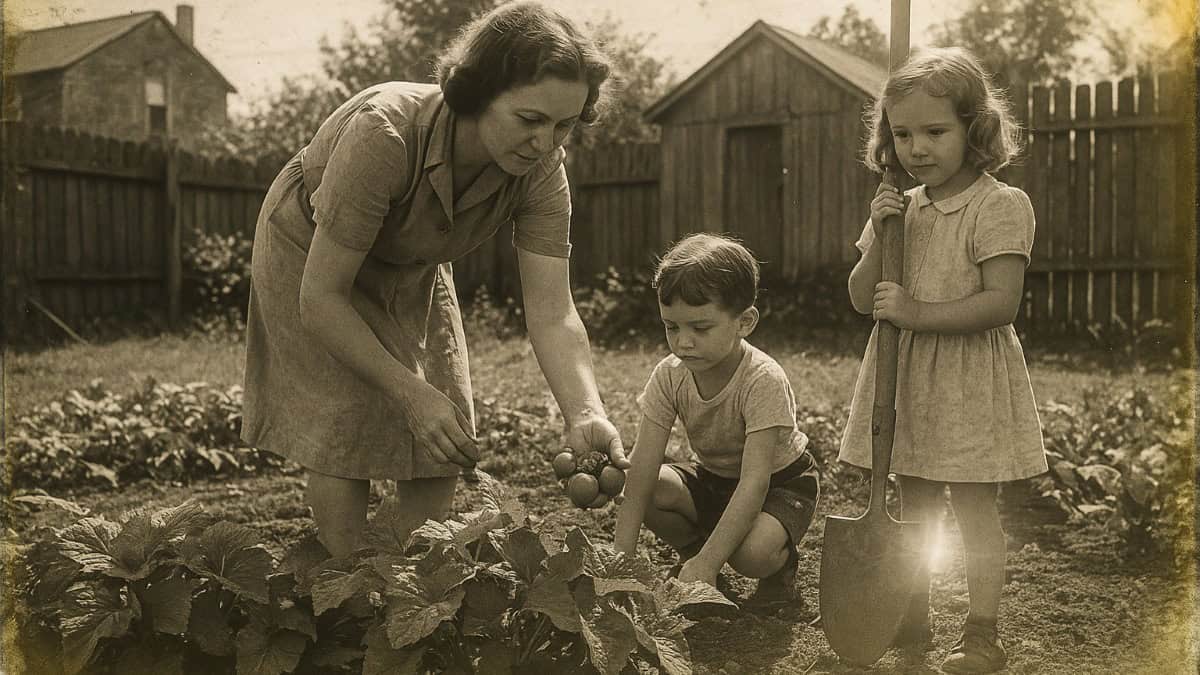
The family garden wasn’t a hobby – it was a food source. We learned to plant, tend, and harvest vegetables, understanding the direct connection between effort and sustenance. This experience taught us patience, responsibility, and appreciation for fresh food.
10. Creative Gift-Giving
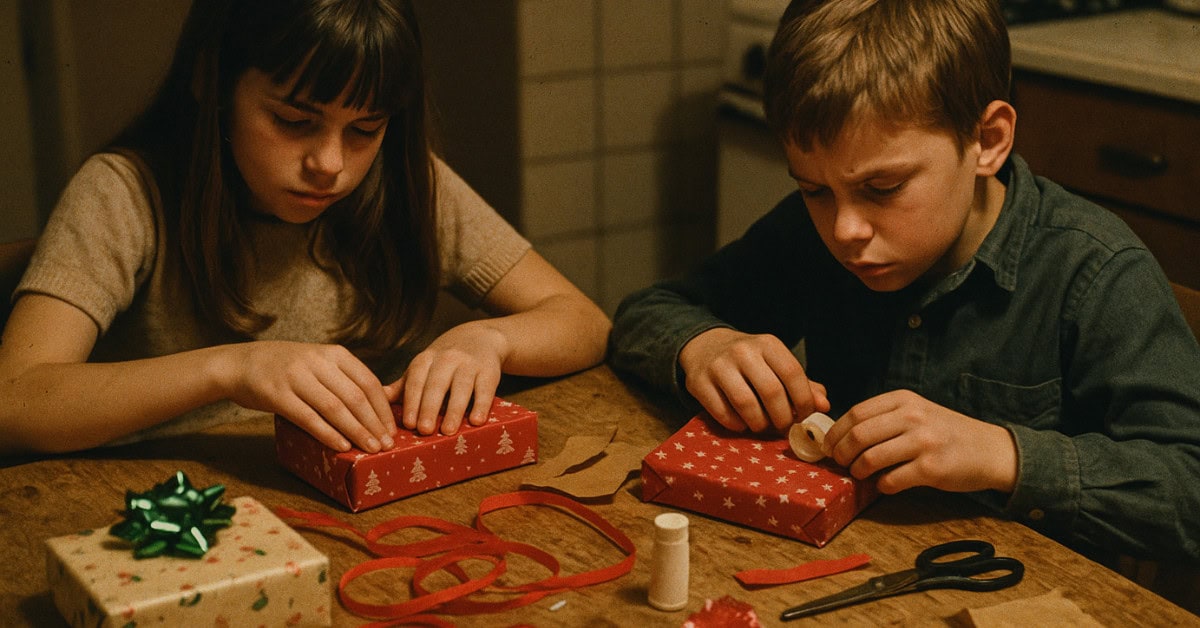
Gifts were often handmade with love and creativity. We learned to create meaningful presents from simple materials, understanding that thoughtfulness mattered more than monetary value. These experiences developed our creative abilities and appreciation for personal effort.
11. Outdoor Innovation

We created our own outdoor games and adventures using natural resources. Sticks became baseball bats, empty lots transformed into baseball fields, and trees became climbing challenges. This resourcefulness taught us to see possibilities in everything around us.
12. Community Support
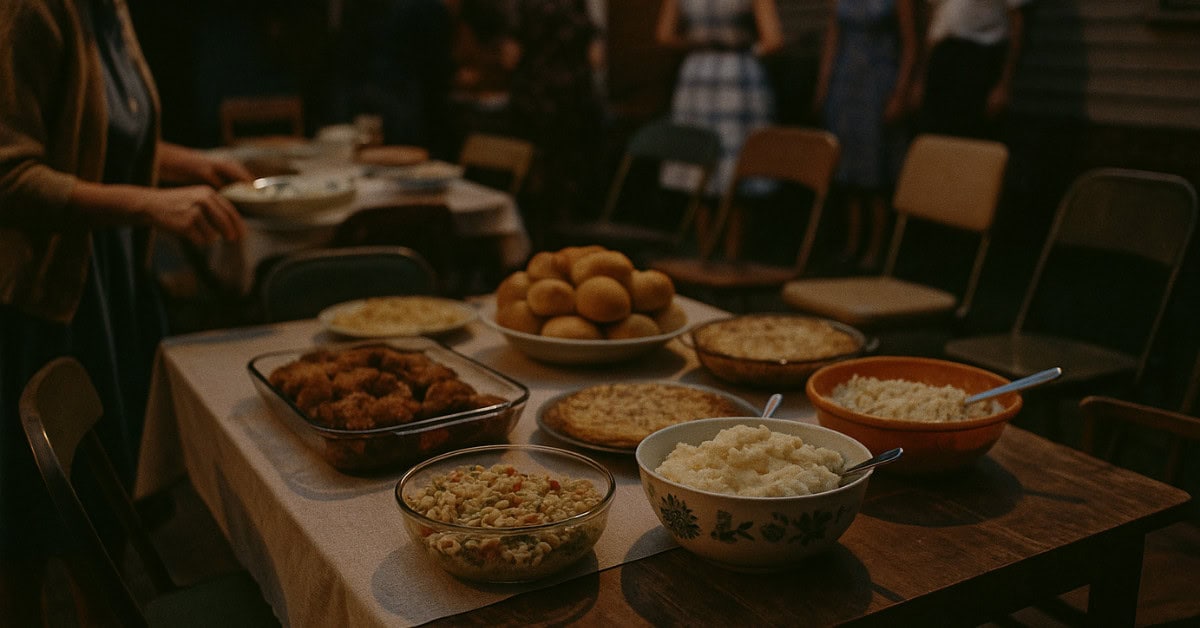
Everyone in the neighborhood looked out for each other. Food was shared, childcare was communal, and help was always available when needed. This sense of community taught us the value of social connections and mutual support.
13. Appreciation for Small Treats
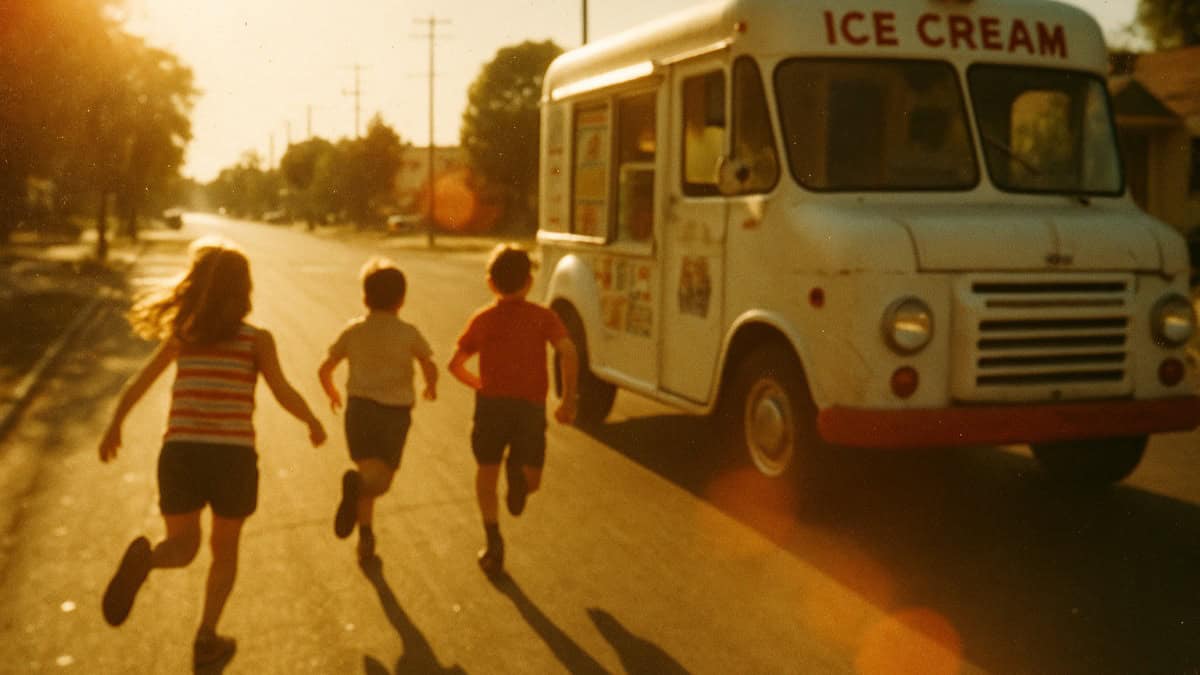
Rare treats like store-bought ice cream or candy were savored and appreciated. These occasional luxuries taught us to value special moments and find joy in simple pleasures. The anticipation and gratitude for small treats created lasting memories.
14. Work Ethic Development
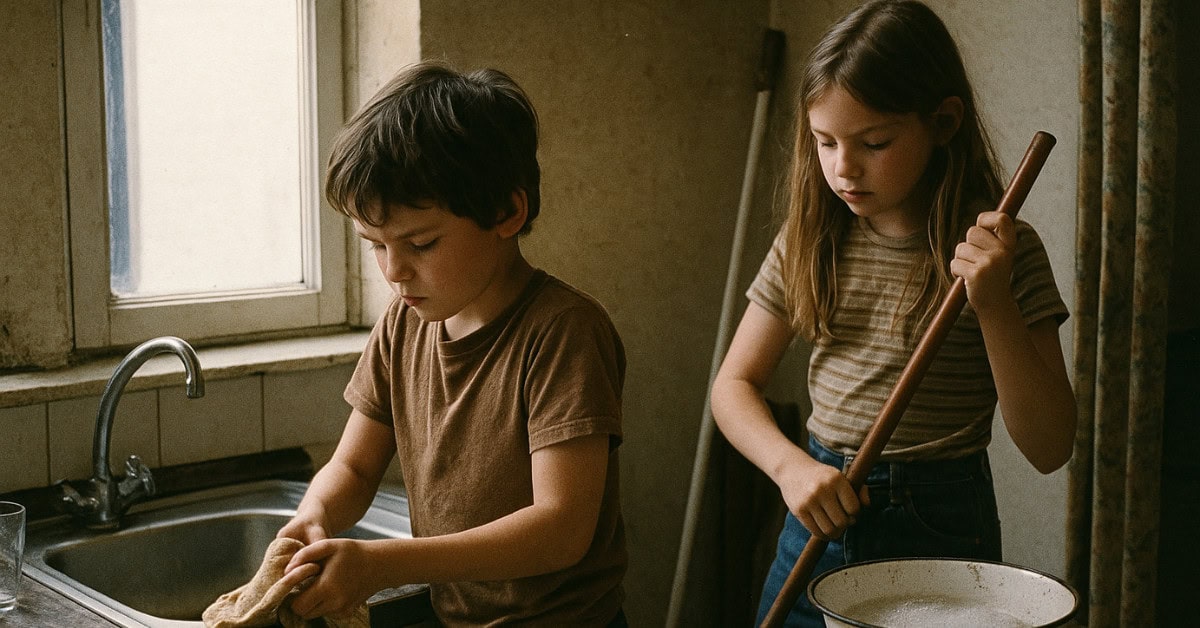
From an early age, we contributed to family survival through chores and odd jobs. This early responsibility developed a strong work ethic and understanding of the connection between effort and reward. These experiences shaped our approach to work and responsibility.