
Remember when things just seemed to make more sense? As I look back on how we used to do things, I can’t help but wonder why we’ve let some of these practical customs slip away. Here’s a nostalgic look at traditions and practices that, quite frankly, worked better than what we do today.
Table of Contents
- 1 1. Sunday Family Dinners
- 2 2. Writing Letters by Hand
- 3 3. Kids Playing Outside Until Dark
- 4 4. Repairing Instead of Replacing
- 5 5. Front Porch Sitting
- 6 6. Phone Calls Instead of Texts
- 7 7. Home-Cooked Meals as the Norm
- 8 8. Department Store Service
- 9 9. Dress Codes for Travel
- 10 10. Face-to-Face Business Deals
- 11 11. Community Involvement
- 12 12. Memorizing Phone Numbers
- 13 13. Library Research
- 14 14. Dating Without Apps
1. Sunday Family Dinners

Every Sunday, families gathered around the dinner table without fail – no phones, no TV, just conversation and connection. This weekly ritual wasn’t just about food; it was about maintaining family bonds, sharing news, and teaching children the art of conversation. Studies show that regular family dinners improve children’s vocabulary, academic performance, and emotional stability more effectively than any app or educational program.
Save for later
Want to come back to this story? Save it with your email so it is easy to find again.
2. Writing Letters by Hand

The thoughtful practice of letter writing engaged both the mind and heart in ways that instant messaging never could. Research shows handwriting activates neural circuits that enhance learning and memory. Plus, receiving a handwritten letter provided a tangible connection to loved ones that lasted far longer than today’s ephemeral text messages.
3. Kids Playing Outside Until Dark

Children developed problem-solving skills, creativity, and physical fitness naturally through unstructured outdoor play. The neighborhood was our playground, and the street lights were our curfew. This freedom helped build independence, social skills, and resilience that today’s heavily scheduled, screen-focused children often miss out on.
4. Repairing Instead of Replacing

When something broke, our first instinct was to fix it, not replace it. Local repair shops thrived, and people took pride in maintaining their possessions. This approach wasn’t just economical; it was environmentally conscious before being “green” became trendy, and it fostered a deeper appreciation for craftsmanship and quality.
5. Front Porch Sitting

The front porch was our social network, where neighbors actually knew each other and community bonds were forged naturally. Evening conversations, watching children play, and greeting passersby created a sense of belonging and security that no neighborhood Facebook group can replicate.
6. Phone Calls Instead of Texts

Real conversations with tone, laughter, and natural flow helped maintain genuine connections. We spent hours on the phone with friends and family, picking up on subtle emotional cues that emojis can never convey. These conversations developed better communication skills and deeper relationships than today’s quick text exchanges.
7. Home-Cooked Meals as the Norm

Families regularly ate meals prepared from scratch, using fresh ingredients and time-tested recipes passed down through generations. This practice wasn’t just healthier; it taught valuable life skills and created opportunities for family bonding that are lost in today’s culture of convenience foods and delivery apps.
8. Department Store Service

Shopping was an experience, with knowledgeable staff who knew their products and customers by name. Personal service, gift wrapping, and home delivery were standard offerings, not premium add-ons. This approach created loyalty and satisfaction that online shopping algorithms can’t match.
9. Dress Codes for Travel

People dressed up for air travel and special occasions, showing respect for themselves and others. This custom wasn’t about elitism; it was about treating travel as a special experience and maintaining a level of dignity in public spaces that seems largely forgotten today.
10. Face-to-Face Business Deals

Business was conducted in person, sealed with a handshake and eye contact. These personal interactions built trust and long-lasting professional relationships that were more meaningful than today’s virtual meetings and email chains. The practice encouraged accountability and clearer communication.
11. Community Involvement

People actively participated in local organizations, from church groups to civic clubs. These gatherings fostered real-world connections and community support systems that were more effective than online forums. Members worked together to improve their neighborhoods and help those in need.
12. Memorizing Phone Numbers
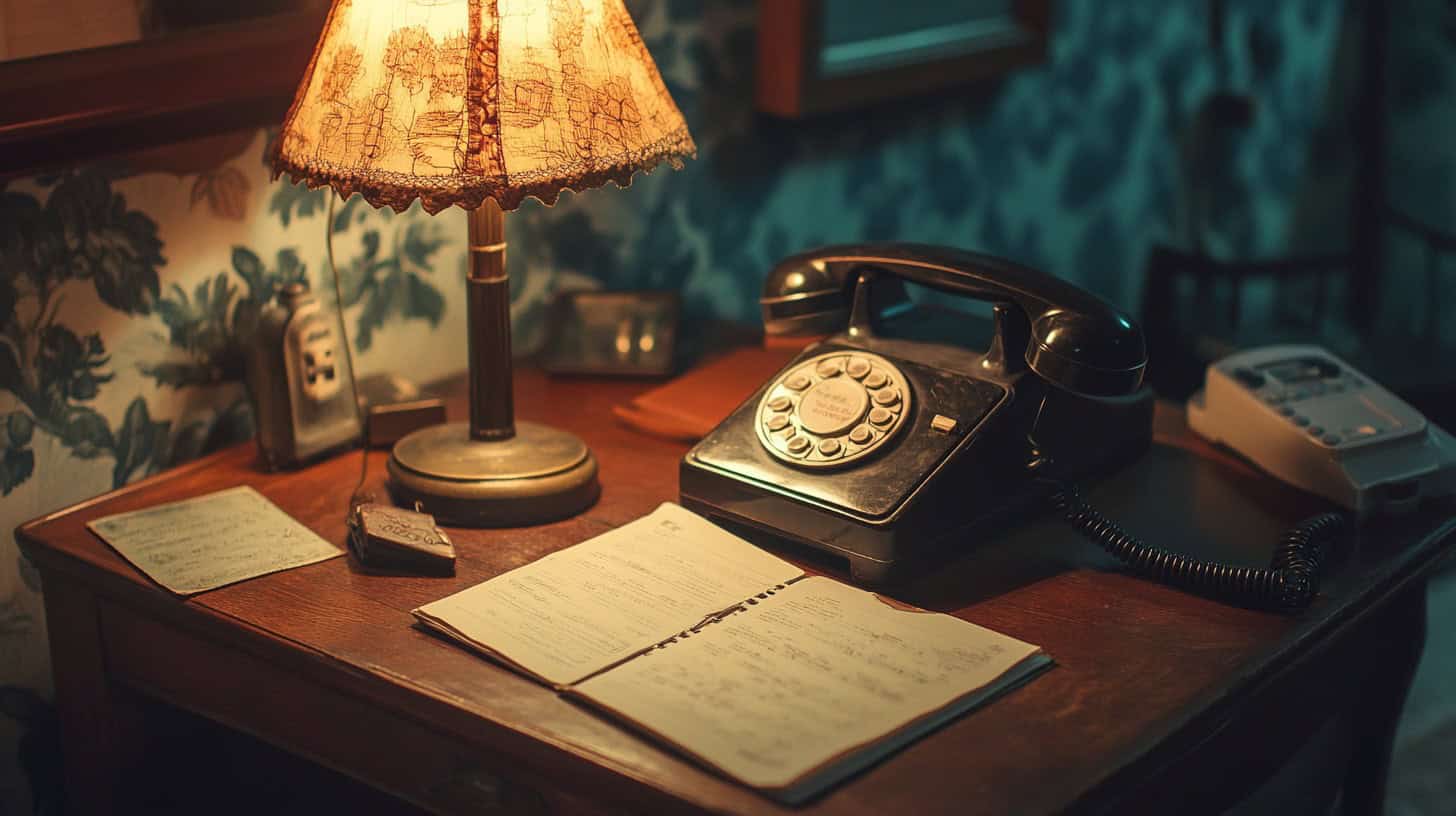
We kept important phone numbers in our heads, exercising our memories and ensuring we could always reach loved ones. This practice kept our minds sharp and provided a sense of security that we didn’t need to rely on devices to maintain essential connections.
13. Library Research

Research meant diving into books and periodicals at the library, developing critical thinking skills along the way. This methodical approach to learning required patience and discernment, resulting in deeper understanding than today’s quick internet searches typically provide.
14. Dating Without Apps

Meeting potential partners through friends, social events, or chance encounters created more authentic connections. This organic approach to dating relied on real chemistry and shared experiences rather than algorithms and carefully curated profiles.