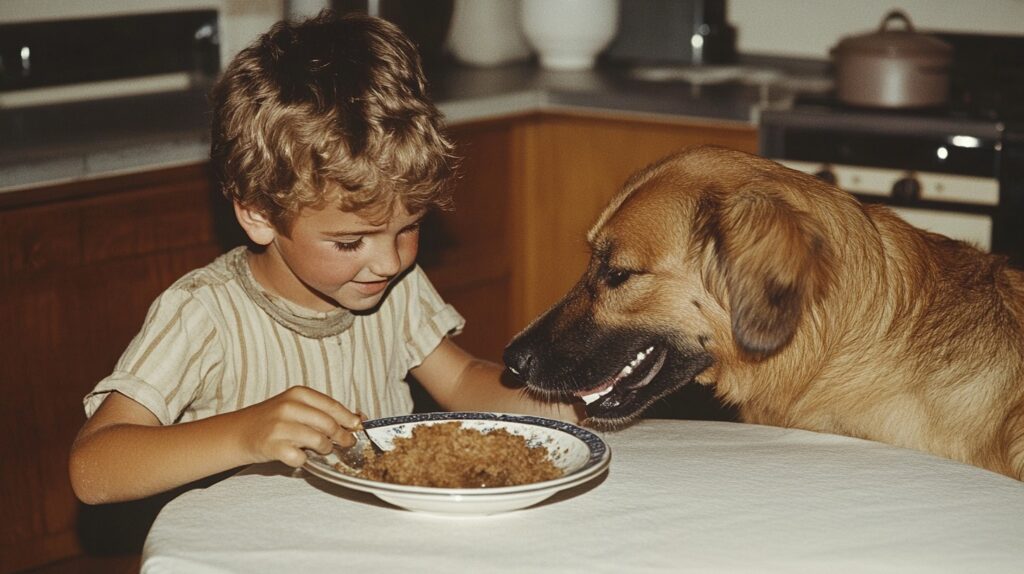
Growing up in the 1960s and early ’70s, we learned responsibility without needing constant reminders or structured programs. Life was simpler then, but it taught us valuable lessons that shaped who we became. Here’s a look back at how we naturally developed a sense of duty and accountability in those golden childhood days.
Table of Contents
- 1 1. Paper Routes Built Character
- 2 2. Watching Younger Siblings
- 3 3. Walking to School Solo
- 4 4. Maintaining Our Bikes
- 5 5. Running Errands for Mom
- 6 6. Household Chores Without Reminders
- 7 7. Playing Outside Until Dark
- 8 8. Saving Allowance for Purchases
- 9 9. Answering the Home Phone
- 10 10. Mowing Neighbors’ Lawns
- 11 11. Making Our Own Lunch
- 12 12. Caring for Family Pets
- 13 13. Managing School Projects Solo
- 14 14. Being Home Alone After School
1. Paper Routes Built Character
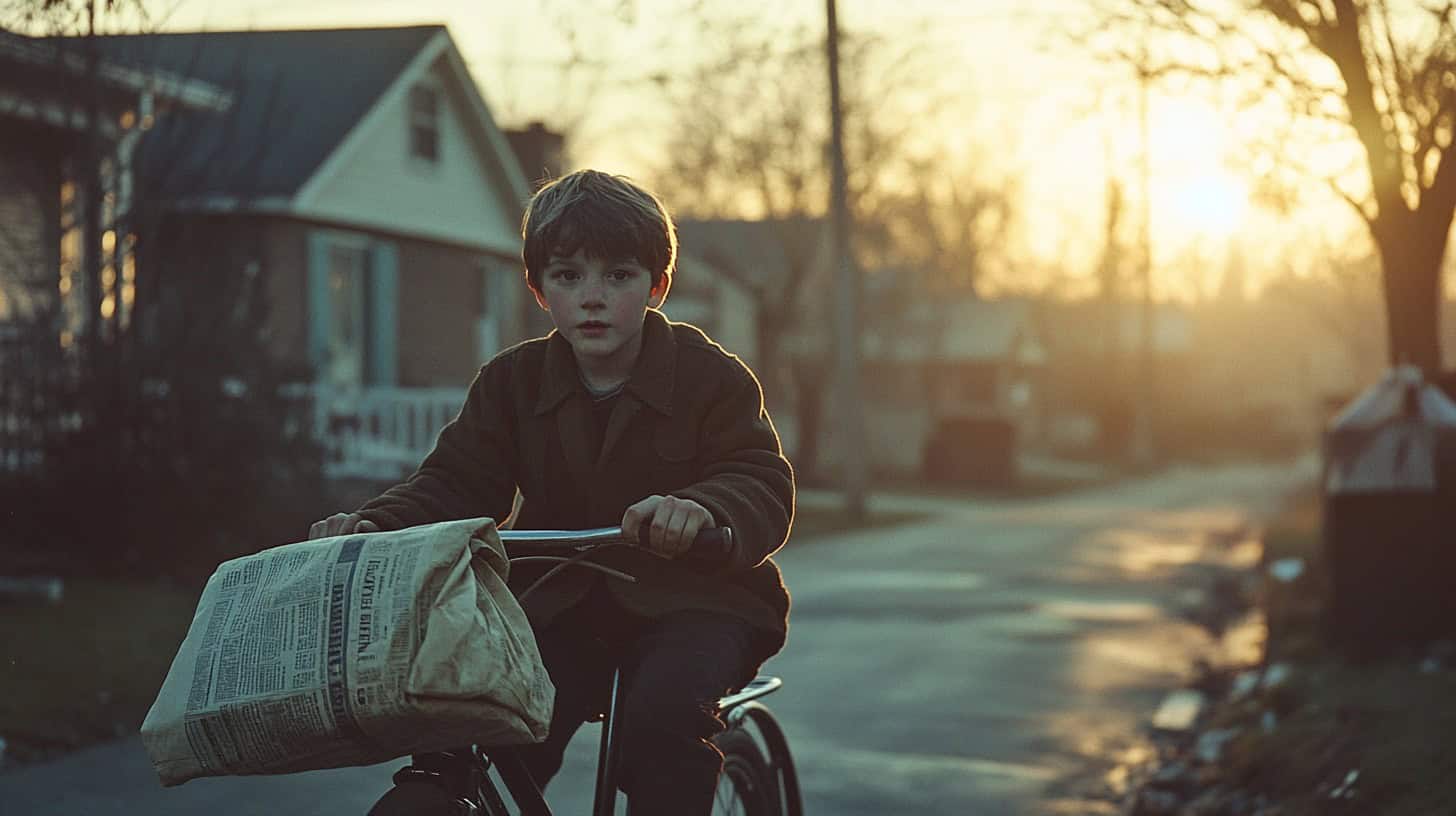
Nothing taught responsibility quite like having a paper route. Rain or shine, we’d wake up before dawn to deliver newspapers to our neighbors. We learned to manage money by collecting payments and keeping track of our earnings. This first taste of entrepreneurship showed us that success came from dedication and reliability.
Save for later
Want to come back to this story? Save it with your email so it is easy to find again.
2. Watching Younger Siblings
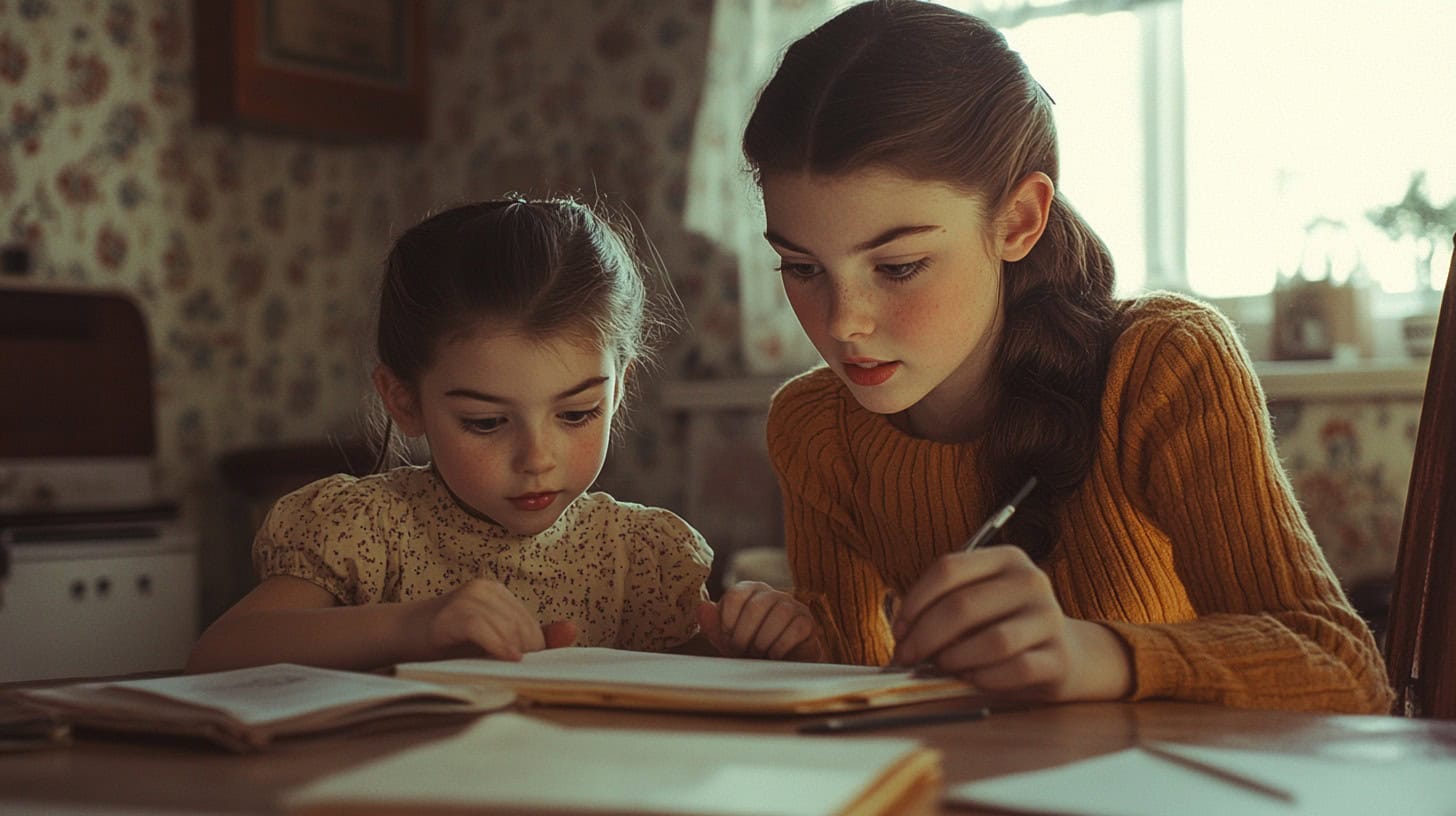
By age 12, many of us were trusted to watch our younger siblings while mom ran errands. We took this role seriously, ensuring everyone was fed, safe, and behaving. This early caregiving experience taught us to put others’ needs before our own and handle emergencies calmly.
3. Walking to School Solo

From first grade, most of us walked to school alone or with neighborhood kids. We learned to manage time, navigate safely, and make decisions independently. This daily journey taught us punctuality and the importance of looking out for one another.
4. Maintaining Our Bikes
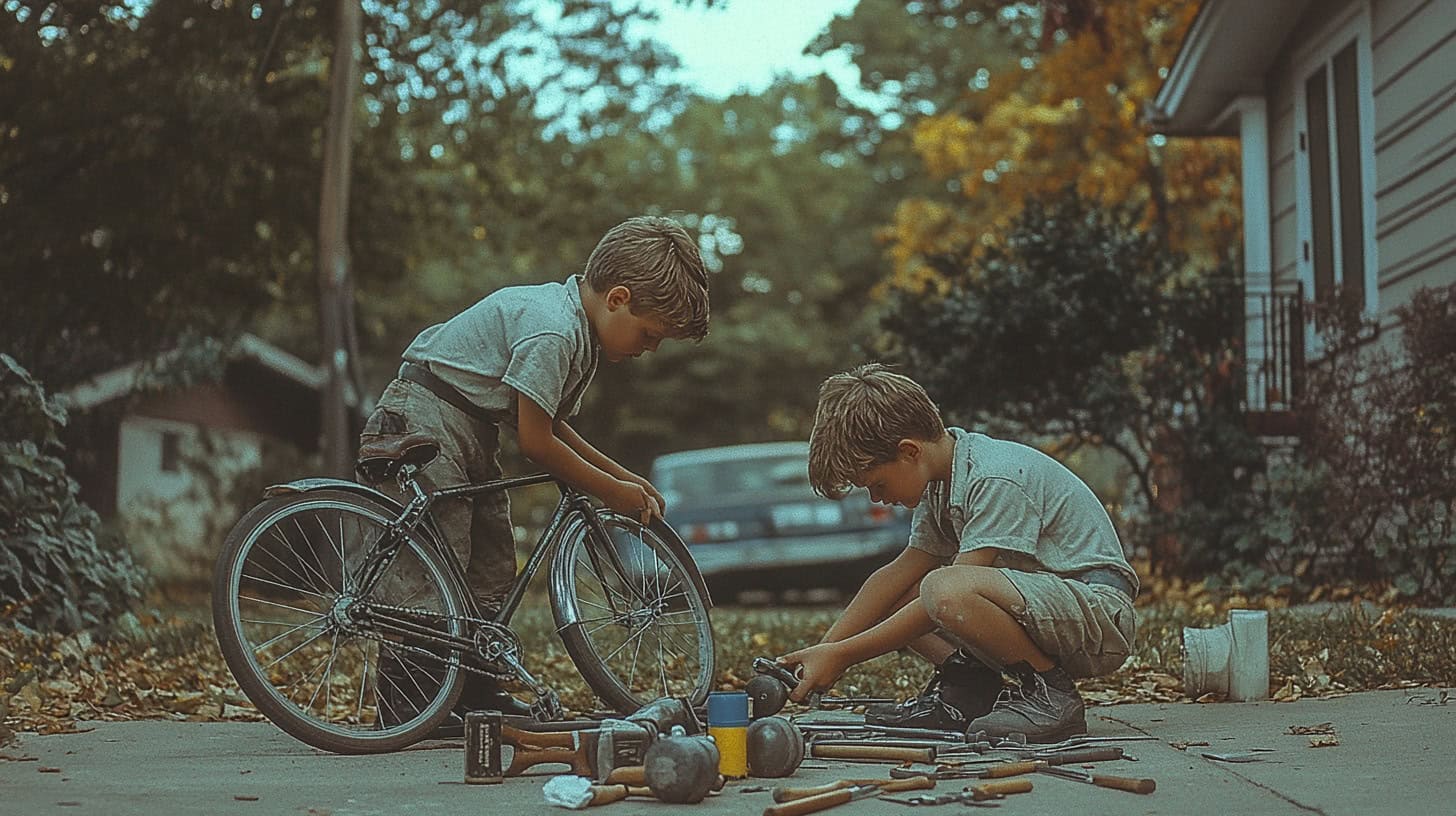
Our bikes were our freedom, and keeping them running was our job. We learned to fix flat tires, adjust chains, and oil squeaky parts. This hands-on maintenance taught us that taking care of our possessions meant they’d last longer and serve us better.
5. Running Errands for Mom

Being sent to the corner store with a handful of change and specific instructions was a rite of passage. We had to remember the shopping list, count money correctly, and come back with the right items. These simple errands built confidence and trustworthiness.
6. Household Chores Without Reminders

Daily chores were just part of life, not something that earned an allowance or required charts. We knew our duties—making beds, doing dishes, taking out trash—and did them because that’s what family members did. This routine created lifelong habits of contribution and self-discipline.
7. Playing Outside Until Dark

We roamed the neighborhood freely but knew to be home when the streetlights came on. This freedom taught us to manage time, make good decisions, and look out for ourselves and others. We learned natural consequences and developed strong situational awareness.
8. Saving Allowance for Purchases

When we wanted something special, we saved our modest allowance for weeks or months. This practice taught us patience, delayed gratification, and the value of money. We appreciated our purchases more because we worked hard to earn them.
9. Answering the Home Phone

Answering the family phone politely and taking accurate messages was an important responsibility. We learned proper phone etiquette, clear communication, and the importance of relaying information correctly. This skill helped develop our social confidence and reliability.
10. Mowing Neighbors’ Lawns

Summer meant earning money by mowing lawns throughout the neighborhood. We learned to negotiate prices, show up on schedule, and take pride in our work. This introduction to self-employment taught us customer service skills and the satisfaction of a job well done.
11. Making Our Own Lunch

We were expected to pack our school lunches by third or fourth grade. This daily task taught us planning, food preparation, and self-reliance. We quickly learned that forgetting to make lunch meant going hungry at school—a natural consequence that stuck with us.
12. Caring for Family Pets

Having a pet meant daily feeding, walking, and cleaning up after them without being reminded. This responsibility taught us empathy, routine, and the importance of putting another creature’s needs before our own desires. It was our first lesson in unconditional care.
13. Managing School Projects Solo

Parents didn’t hover over homework or school projects – these were our responsibility entirely. We learned to manage time, gather materials, and complete assignments independently. This self-reliance in education built confidence and organizational skills that lasted a lifetime.
14. Being Home Alone After School

Many of us were “latchkey kids,” coming home to an empty house after school. We had to follow safety rules, start homework, and sometimes begin dinner prep before parents returned from work. This independence taught us self-sufficiency and responsible decision-making.