When it comes to weddings, the 1960s were truly a special time. From elegant pillbox hats to intimate backyard ceremonies, there was something magical about tying the knot during this transformative decade. Today’s couples could learn a thing or two from these timeless wedding traditions that perfectly balanced sophistication with personal touches.
Table of Contents
- 1 1. Daytime Ceremonies
- 2 2. Empire Waist Dresses
- 3 3. Pillbox Hats with Veils
- 4 4. Church Fellowship Hall Receptions
- 5 5. Receiving Lines
- 6 6. Bride’s Book Attendant
- 7 7. Formal Wedding Portraits
- 8 8. Traditional Wedding Cake Toppers
- 9 9. Punch Bowl Attendants
- 10 10. Going Away Outfits
- 11 11. Rice Throwing
- 12 12. Wedding Breakfast
- 13 13. Handwritten Invitations
- 14 14. Family-Style Reception Dinners
1. Daytime Ceremonies
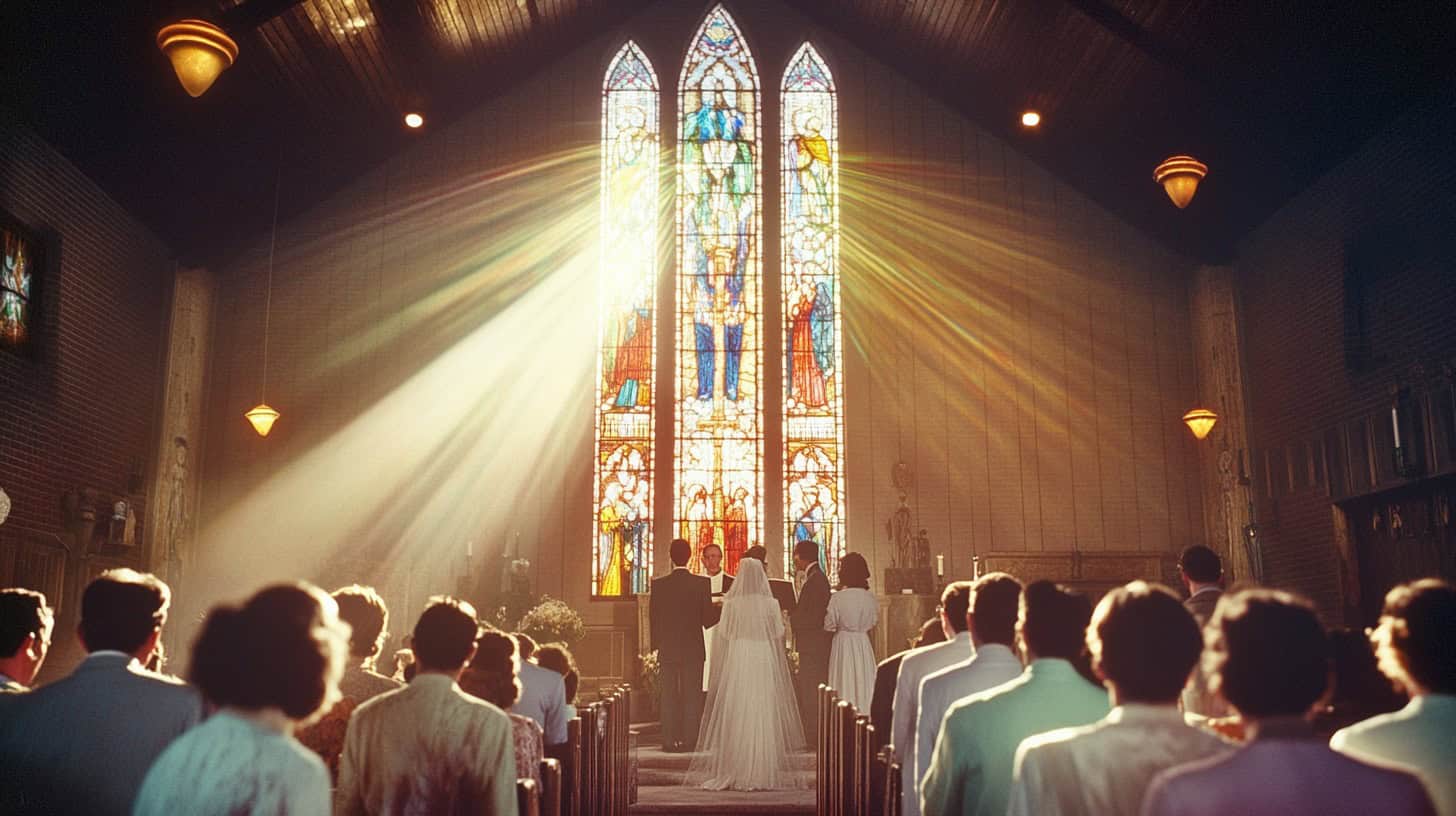
Most weddings in the ’60s took place before 4 PM, followed by an elegant lunch or early dinner reception. This timing created beautiful natural lighting for photographs and allowed guests to celebrate without a late night. The tradition of afternoon ceremonies made weddings feel more like sophisticated garden parties than nightclub events.
Save for later
Want to come back to this story? Save it with your email so it is easy to find again.
2. Empire Waist Dresses
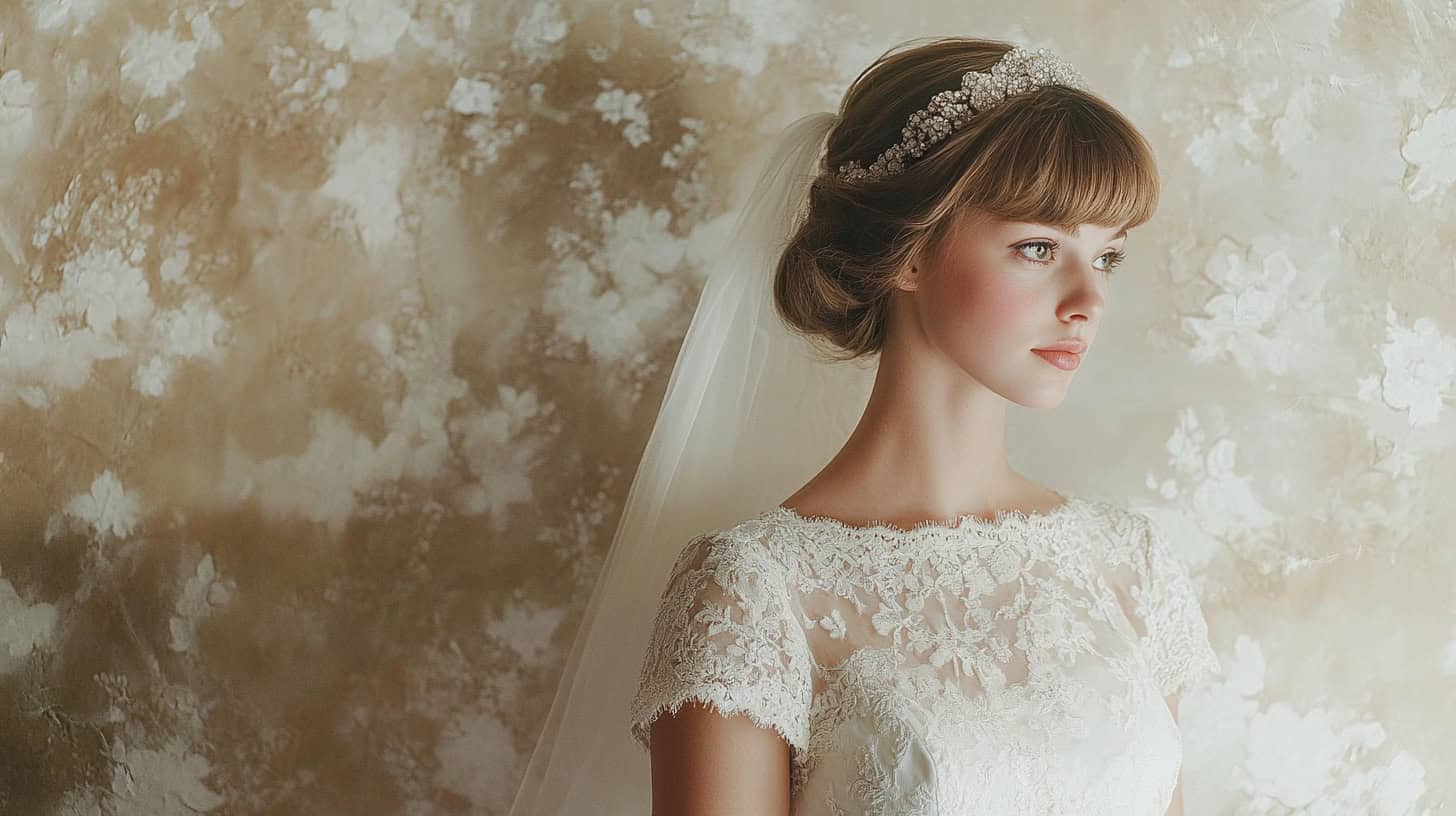
The empire waist gown, popularized by designers like Priscilla of Boston, defined 1960s bridal fashion. These elegant dresses featured high waistlines, A-line skirts, and often incorporated delicate lace overlays. The style was both sophisticated and comfortable, allowing brides to move and dance freely throughout their special day.
3. Pillbox Hats with Veils

Jackie Kennedy’s influence on bridal fashion was undeniable, especially when it came to headpieces. Pillbox hats with attached veils became the must-have accessory for fashion-forward brides. These chic toppers added a touch of sophistication while keeping veils securely in place throughout the ceremony.
4. Church Fellowship Hall Receptions

Before elaborate venue rentals became the norm, many couples celebrated in church fellowship halls. These receptions had a warm, community feel with punch bowls, cake, and finger sandwiches served by the ladies’ auxiliary. The focus was on fellowship and celebration rather than elaborate decorations.
5. Receiving Lines
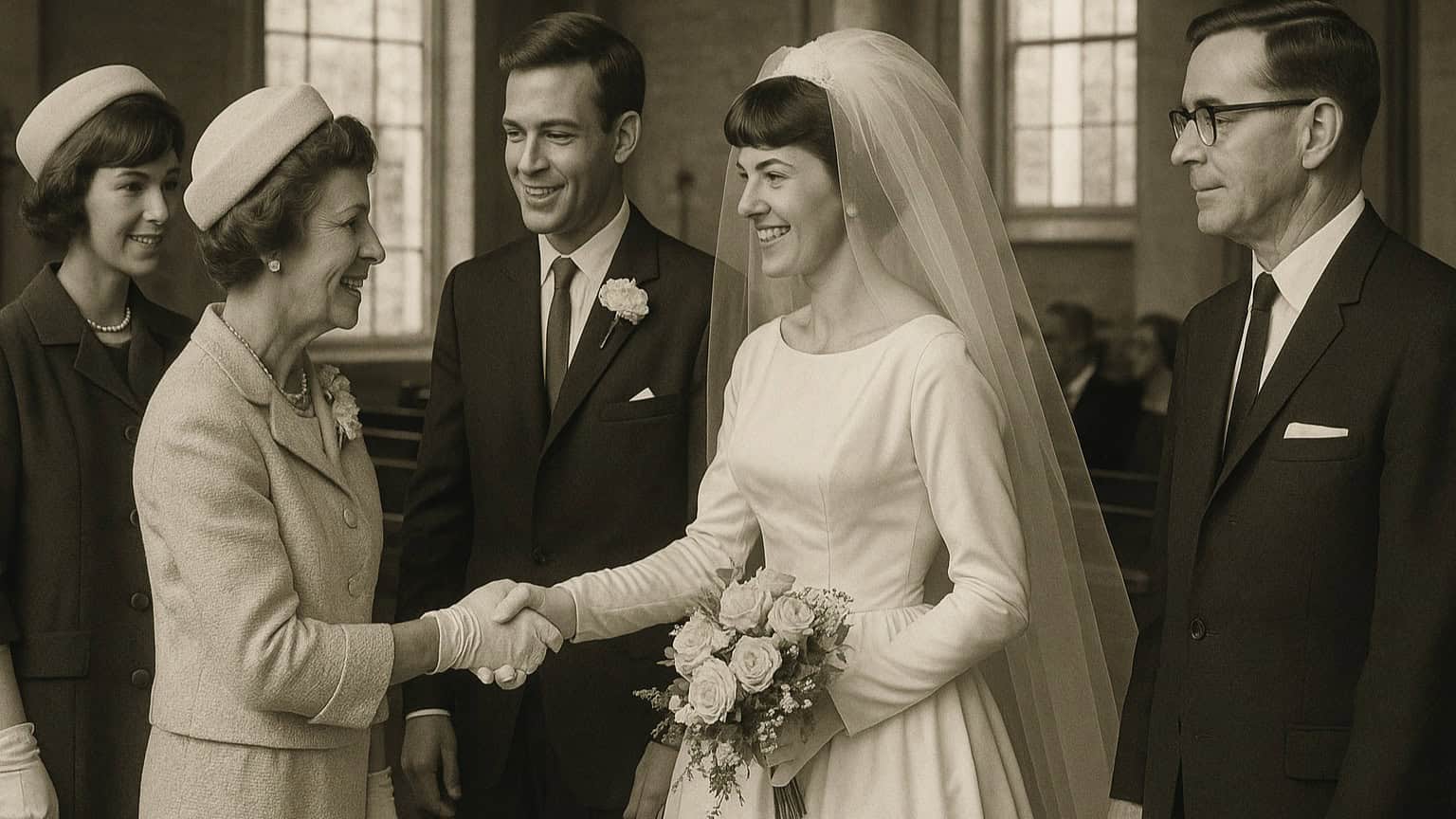
The formal receiving line was a must-have tradition, allowing every guest to greet the newlyweds and both sets of parents personally. This organized approach to guest interaction ensured no one was overlooked and provided a perfect photo opportunity. It was considered the height of proper wedding etiquette.
6. Bride’s Book Attendant
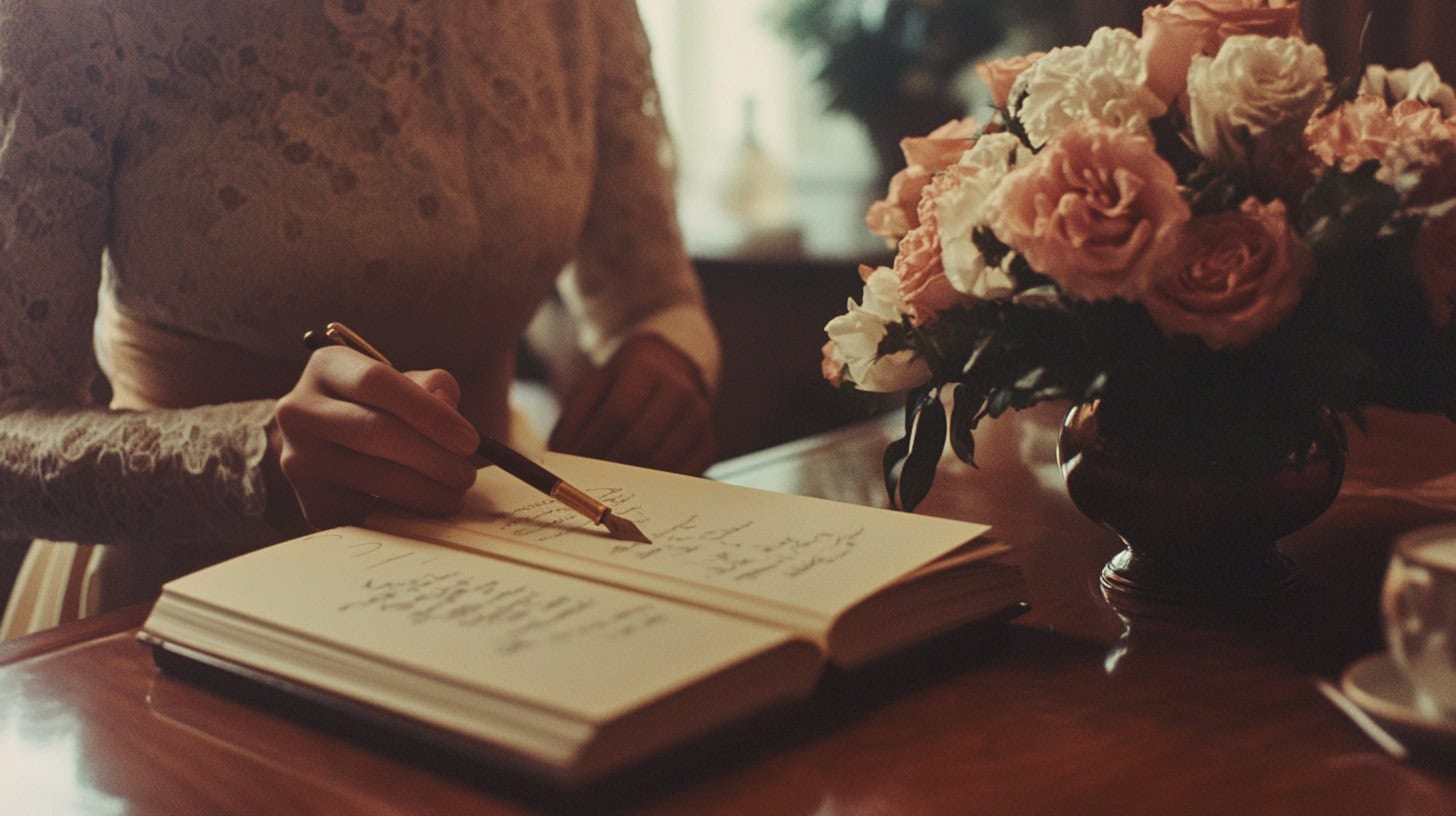
A designated attendant would oversee the bride’s book, ensuring every guest signed in and recorded their gift. This role was often given to a cousin or family friend who wasn’t in the wedding party. The detailed record-keeping helped with thank-you notes and created a cherished keepsake.
7. Formal Wedding Portraits
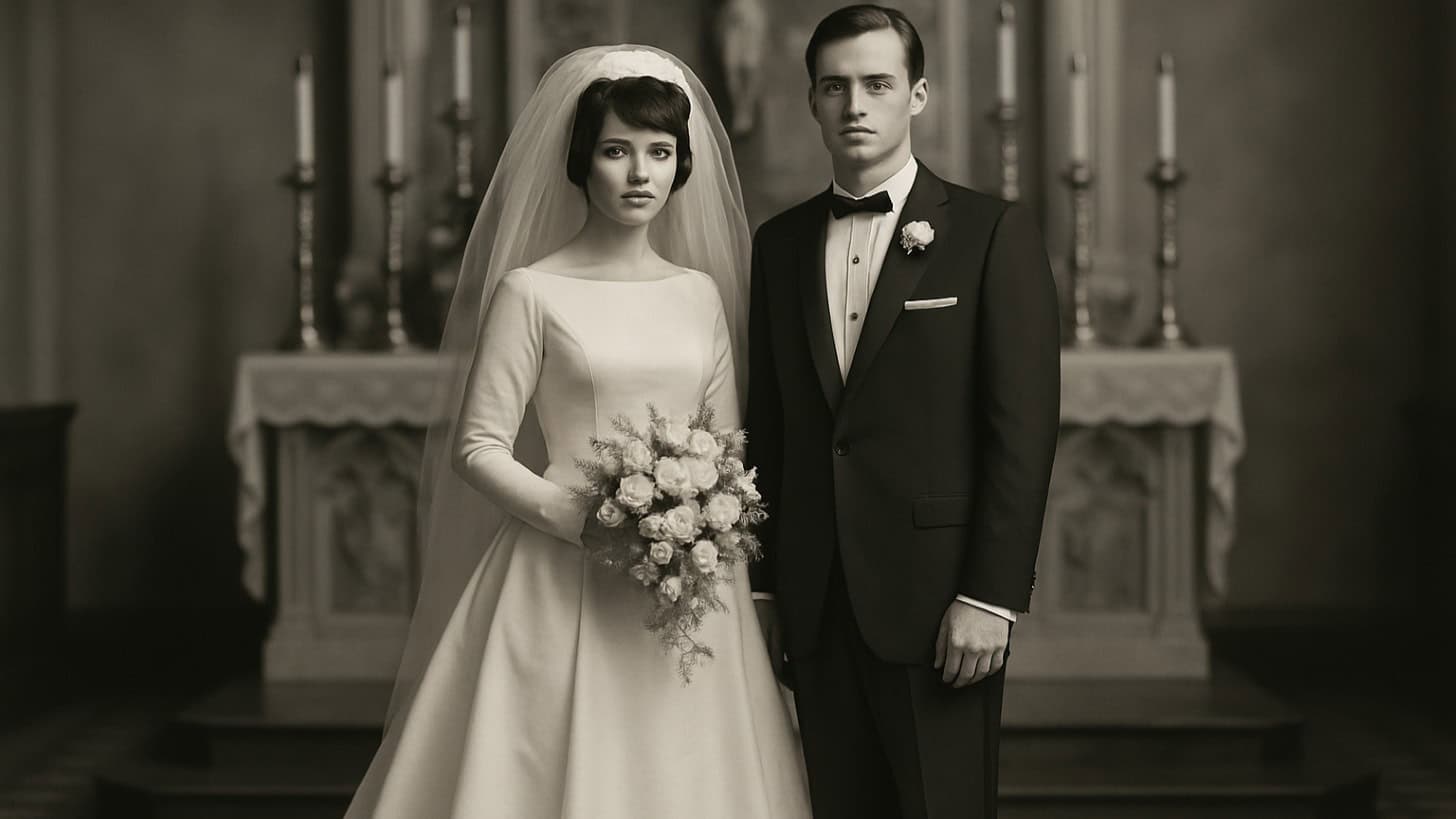
Wedding photography in the ’60s was an art form, with carefully posed formal portraits being the centerpiece. Photographers used medium-format cameras to capture every detail, and couples would spend a significant amount of time creating these timeless images before joining their reception.
8. Traditional Wedding Cake Toppers
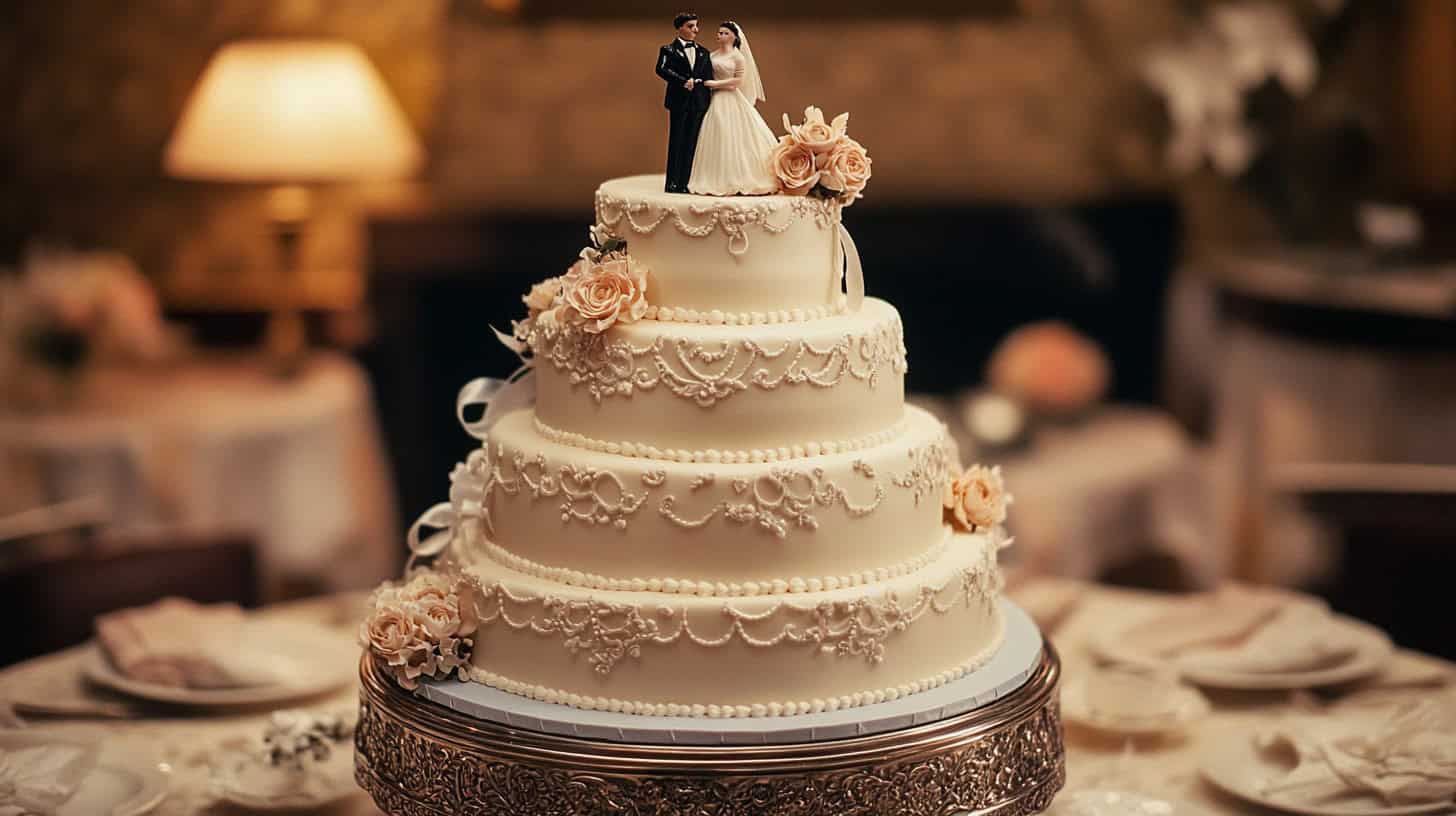
The classic bride and groom cake topper was a must-have, often kept as a cherished memento. These porcelain figures were carefully chosen to match the couple’s features and attire. Many families still have these heirloom toppers, passed down through generations.
9. Punch Bowl Attendants
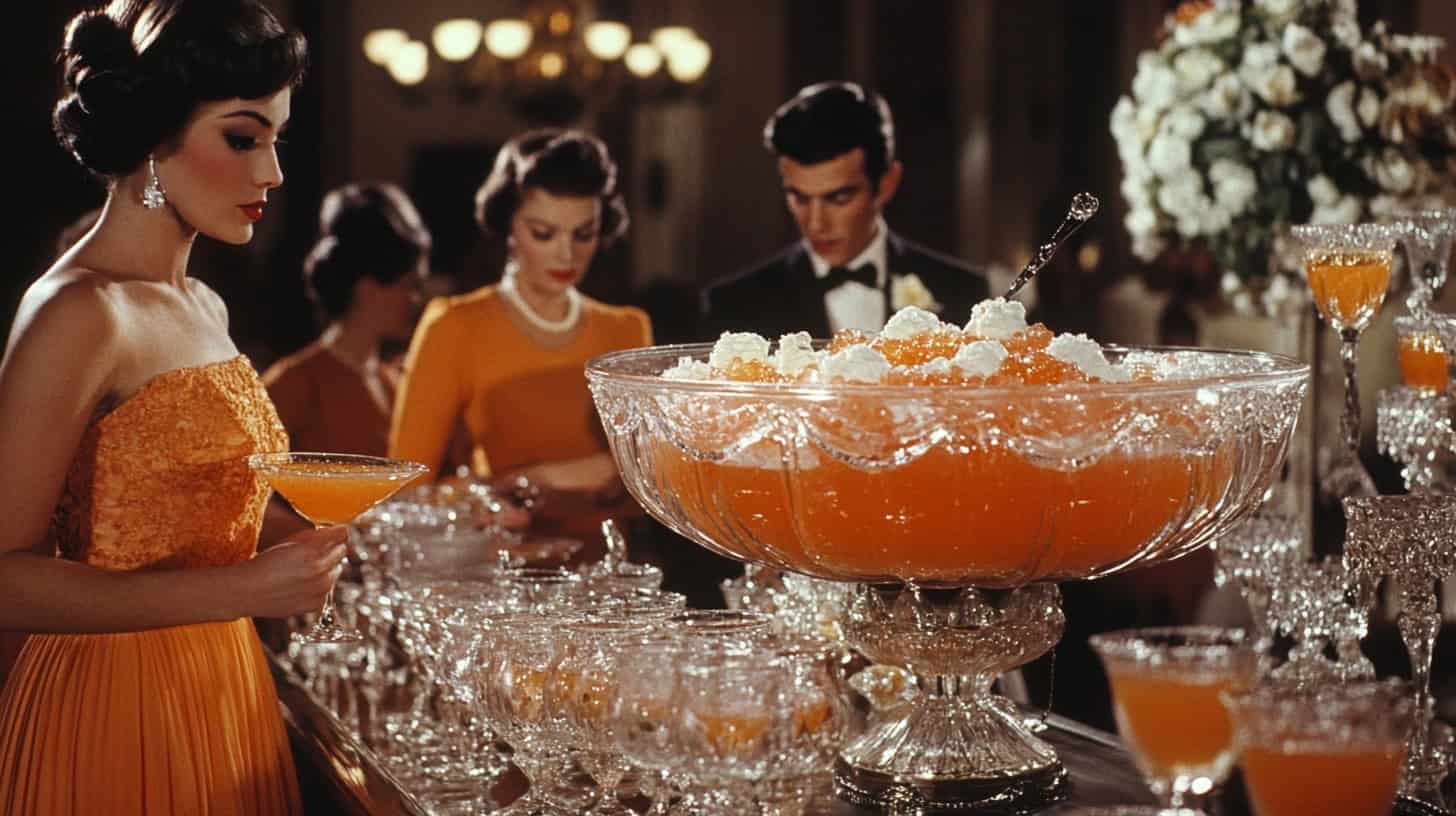
The punch bowl station served as the reception centerpiece, complete with designated attendants who served guests. Whether it was lime sherbet punch or the famous champagne punch, these beverages were served with style from crystal bowls. The recipes were often closely guarded family secrets.
10. Going Away Outfits

The bride’s going-away outfit was almost as important as her wedding dress. Typically, a smart suit or dress-and-jacket ensemble, this outfit would be worn as the couple departed their reception. The moment of changing from a wedding dress to traveling clothes was a significant tradition.
11. Rice Throwing

Before bubbles and sparklers, there was rice throwing. Guests would shower the departing couple with rice as a symbol of fertility and prosperity. Small packets of rice were often distributed to guests during the reception in preparation for the grand exit.
12. Wedding Breakfast
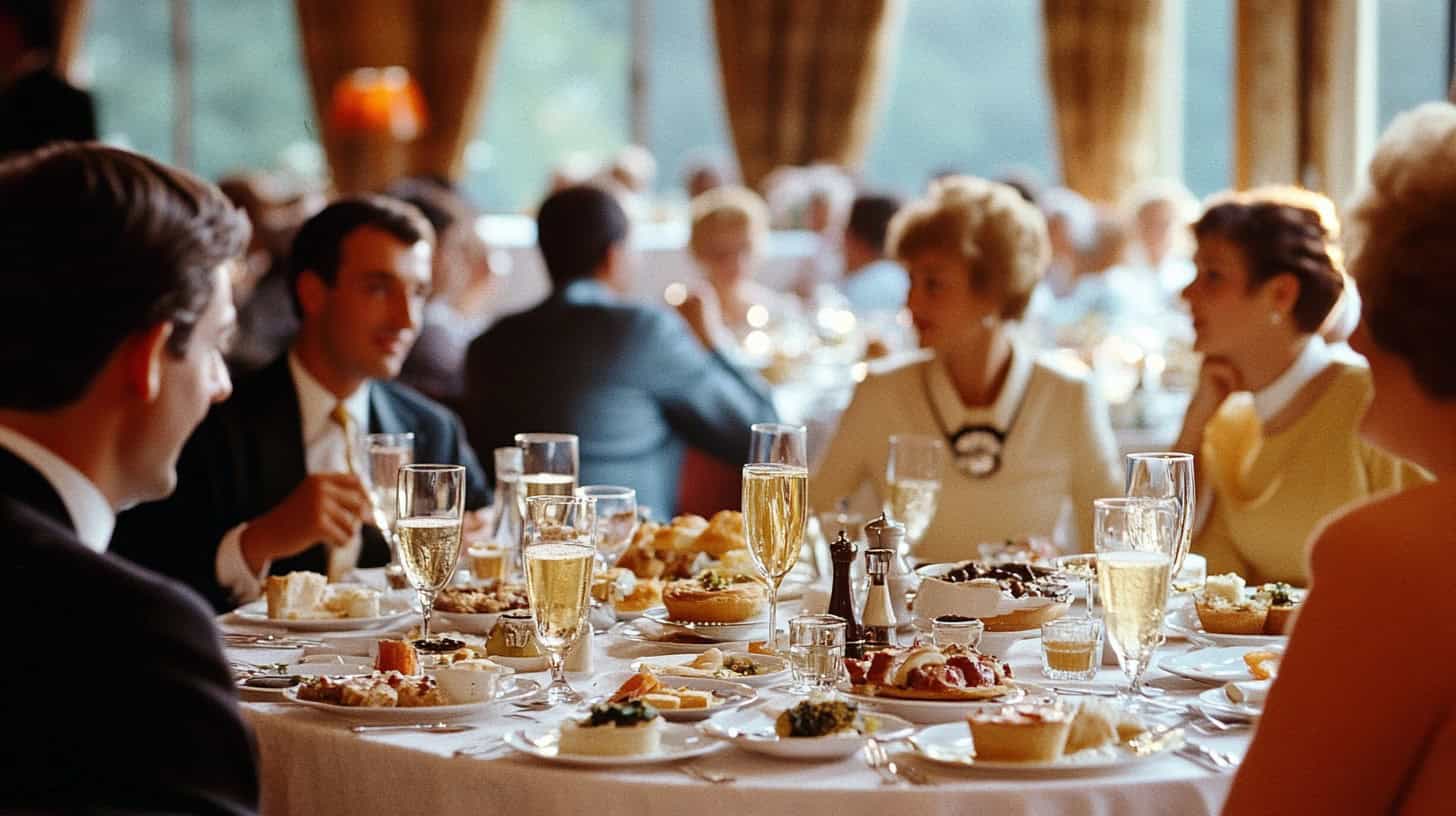
Many couples opted for morning ceremonies followed by elegant wedding breakfasts. These featured classic dishes like eggs benedict, fresh fruit, and champagne mimosas. The earlier timing made for a more budget-friendly celebration while maintaining an air of sophistication.
13. Handwritten Invitations
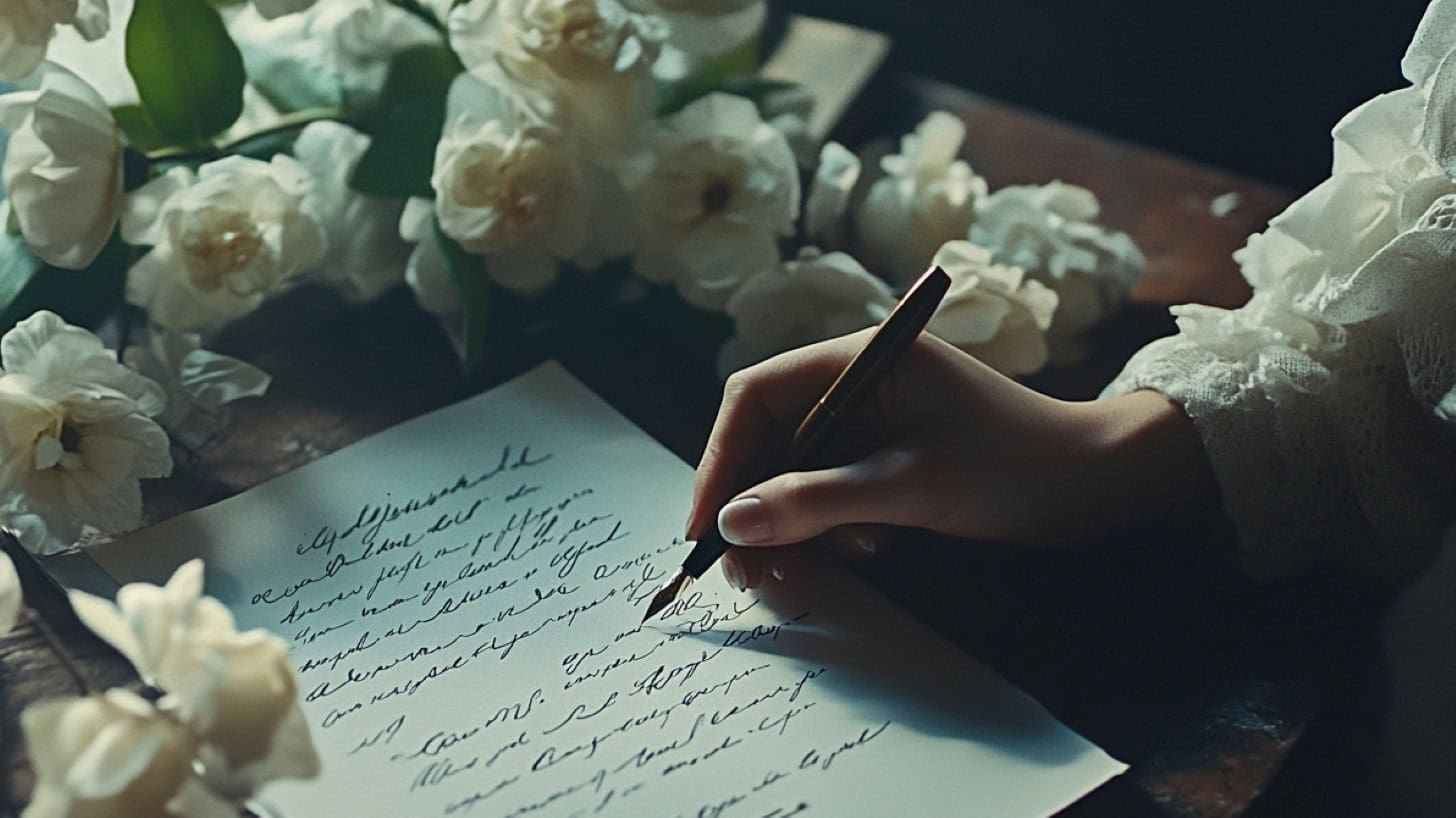
Before the advent of digital printing, wedding invitations were often handwritten by professional calligraphers or talented family members. This personal touch added elegance and showed attention to detail. The art of beautiful handwriting was highly valued, making each invitation truly special.
14. Family-Style Reception Dinners

Rather than individual plated meals, receptions often featured family-style dining where large platters were passed around the table. This created a warm, communal atmosphere and encouraged conversation among guests. Home-style dishes made with love were the stars of these celebrations.