Looking back at the everyday items we grew up with in the 1960s, it’s amazing how many would send today’s safety regulators into a panic. From toys that could double as weapons to household items that would make modern parents cringe, we somehow survived an era when safety wasn’t always the top priority. Here’s a nostalgic look at some common items from our childhood that would never make it to store shelves today.
Table of Contents
- 1 1. Lawn Darts (Jarts)
- 2 2. Metal Playground Equipment
- 3 3. Chemistry Sets with Real Chemicals
- 4 4. Lead Paint Everywhere
- 5 5. Clackers
- 6 6. Baby Car Seats
- 7 7. Vintage Easy-Bake Ovens
- 8 8. Metal Roller Skates
- 9 9. Thalidomide Baby Bottles
- 10 10. Asbestos Christmas Decorations
- 11 11. Aluminum Christmas Trees
- 12 12. Mercury Thermometers
- 13 13. Vintage Cribs
- 14 14. Toy Guns with Real Caps
- 15 15. Wood-Burning Art Sets
1. Lawn Darts (Jarts)
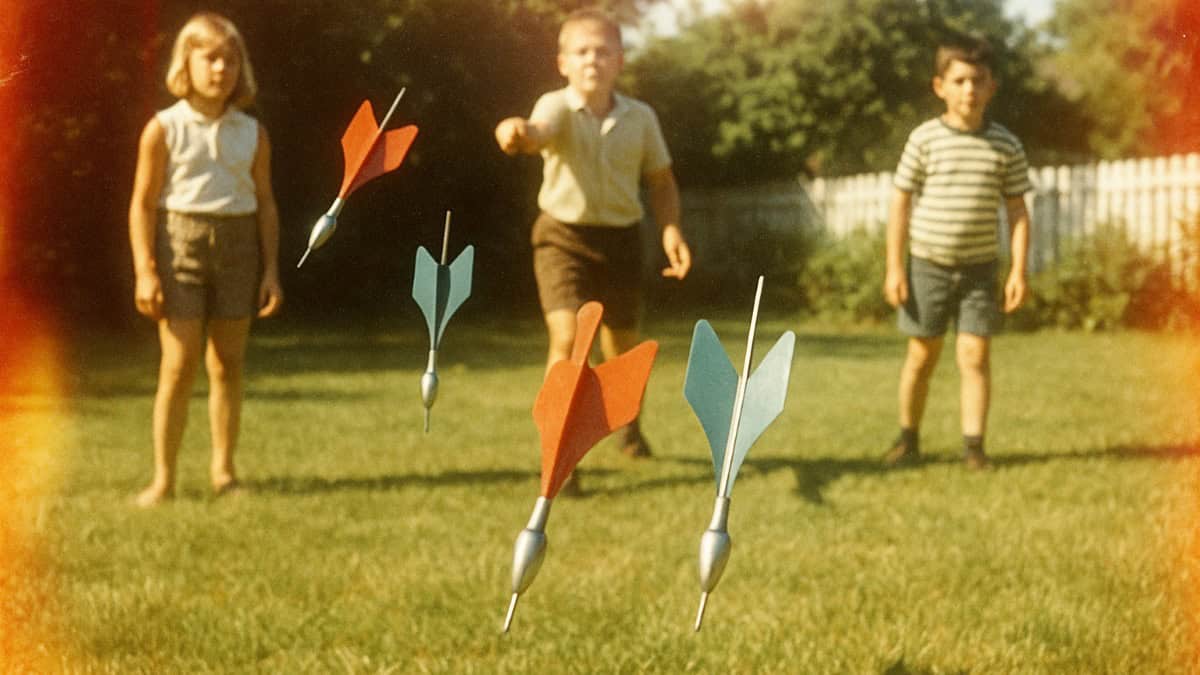
These weighted metal spears with plastic fins were marketed as a family yard game, despite being essentially deadly missiles. We’d toss these foot-long steel darts high into the air, aiming for plastic rings on the ground. The fact that they could penetrate a skull didn’t seem to concern anyone until they were finally banned in 1988 after numerous injuries and deaths.
Save for later
Want to come back to this story? Save it with your email so it is easy to find again.
2. Metal Playground Equipment

Our playgrounds were metallic wonderlands of danger. Towering steel slides that became scorching hot in summer sun, uncoated metal monkey bars installed over concrete, and merry-go-rounds that could achieve dizzying speeds. The 15-foot-tall rocket slides were particularly memorable – no safety rails, just smooth metal and gravity.
3. Chemistry Sets with Real Chemicals
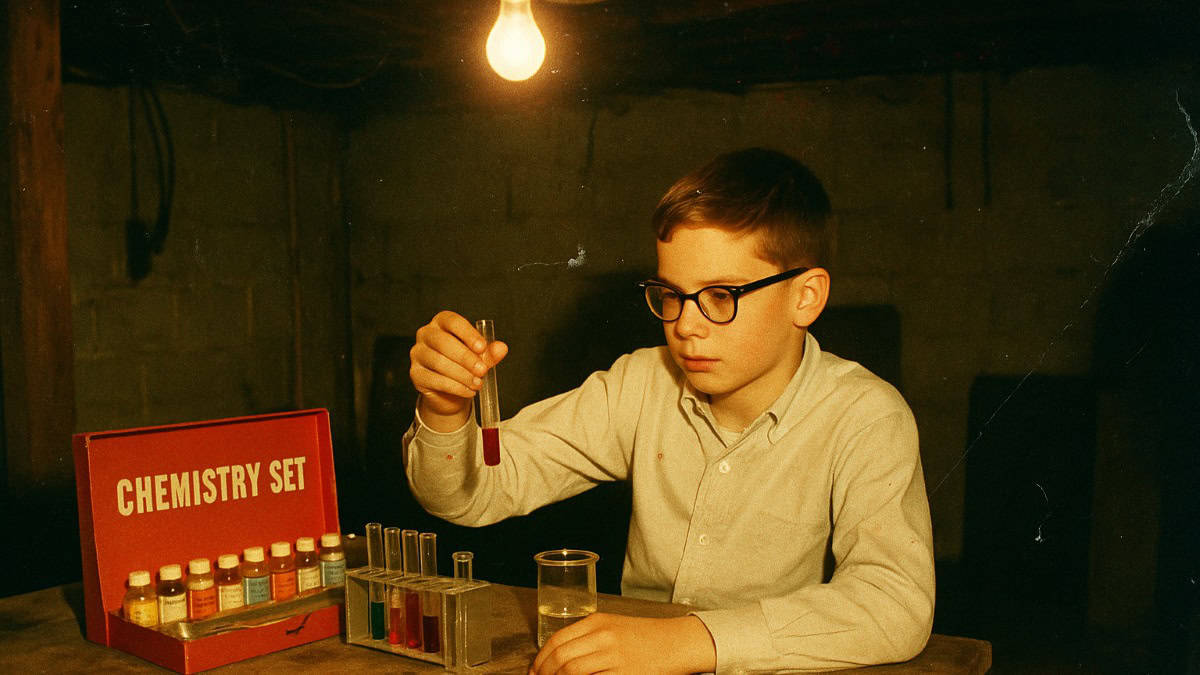
The Gilbert Chemistry Sets of the 1960s contained actual dangerous chemicals and radioactive materials. These weren’t simplified toy versions – they included real laboratory equipment and chemicals that could explode, burn, or create toxic gases. Some even came with samples of uranium ore and instructions for creating explosions.
4. Lead Paint Everywhere

Lead paint was everywhere in the 1960s – on walls, furniture, and especially toys. The sweet taste actually encouraged some kids to chew on their painted toys and windowsills. It wasn’t until 1978 that lead paint was finally banned for residential use, after decades of use despite known health risks.
5. Clackers

These consisted of two heavy acrylic balls on a string that you’d swing up and down to make them clack together. The faster you went, the more impressive it looked – until they shattered, sending sharp plastic shrapnel flying. Some versions were made of glass or hard plastic that could crack or explode from the impact.
6. Baby Car Seats

The car seats of the 1960s were more like death traps than safety devices. Made of flimsy metal and vinyl, they hooked over the back of the car seat with no actual restraints. Some models were designed to give the child a better view out the window rather than any actual protection in a crash.
7. Vintage Easy-Bake Ovens
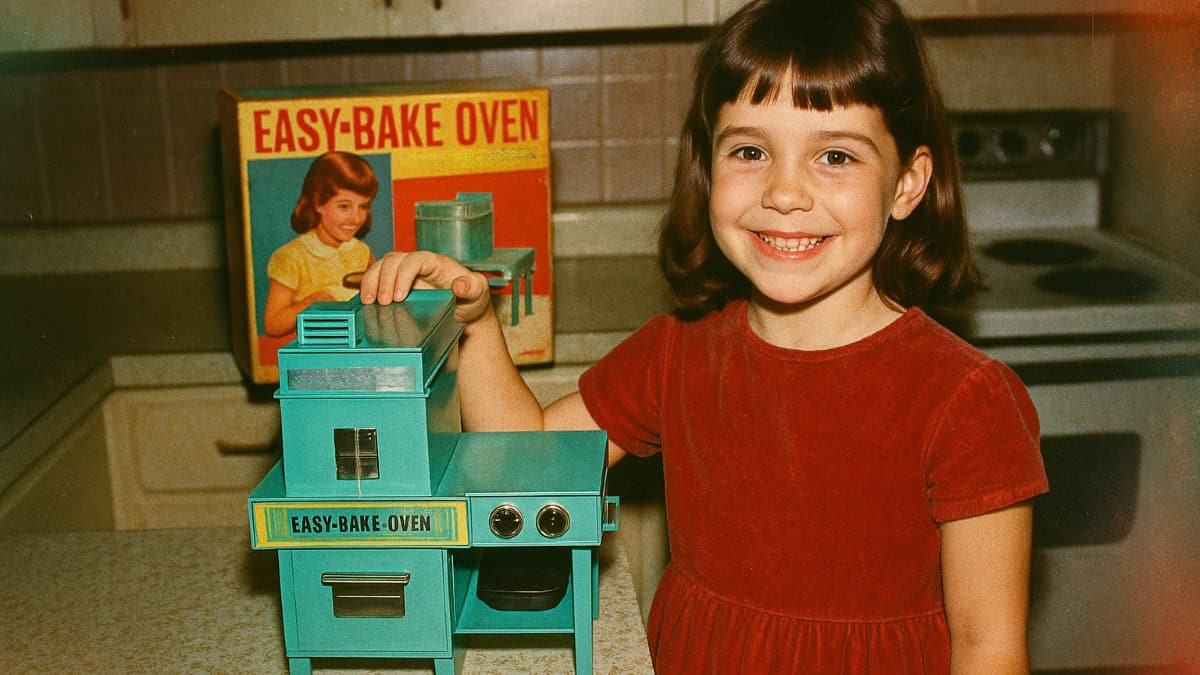
The original Easy-Bake Ovens used a real 100-watt light bulb as a heating element, reaching temperatures of up to 350 degrees. The metal box had minimal insulation and could get hot enough to cause serious burns. Yet these were marketed to children as young as eight years old.
8. Metal Roller Skates

These adjustable metal skates clamped onto your regular shoes with a key, often coming loose at the worst possible moments. The metal wheels offered zero shock absorption, and the sharp edges of the adjustable parts could slice fingers. No helmets or pads were even suggested as safety equipment.
9. Thalidomide Baby Bottles

Baby bottles in the 1960s were often made with soft vinyl containing phthalates and BPA. The nipples were made from potentially toxic rubber compounds, and sterilization guidelines were minimal. Some bottles even had glass components that could break during feeding.
10. Asbestos Christmas Decorations

Artificial snow and Christmas decorations often contained pure asbestos fibers. We’d sprinkle this “snow” on trees and windowsills, unaware it was a deadly carcinogen. The fibers would float through the air during decoration and cleanup, creating a holiday hazard that would horrify modern safety experts.
11. Aluminum Christmas Trees
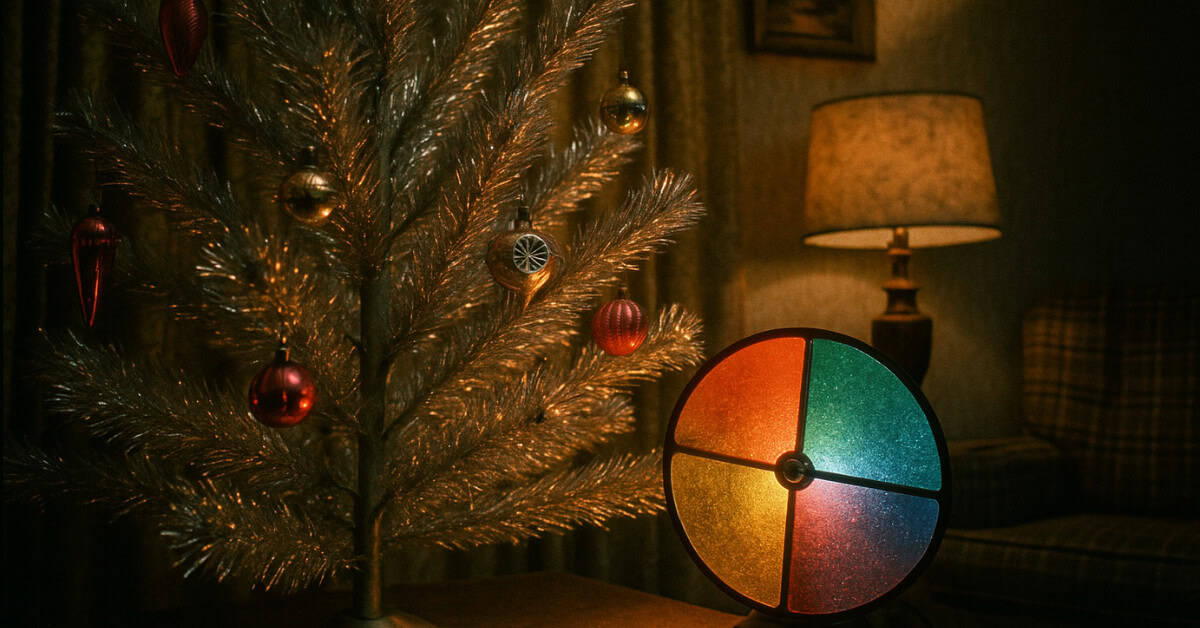
Those shimmering aluminum trees were illuminated by a rotating color wheel with a high-powered bulb. The combination of metal tree, electrical components, and hot lights created a significant fire hazard. The sharp edges of the aluminum needles could also cut skin, and the metal would conduct electricity if it contacted any exposed wiring.
12. Mercury Thermometers

Every household had several mercury thermometers, and breaking one was a common occurrence. We’d watch the fascinating silver balls of mercury roll around, sometimes playing with them, unaware they were highly toxic. Schools often had jars of mercury in science labs for students to handle directly.
13. Vintage Cribs

Drop-side cribs were standard, with wide slat spacing and lead-based paint. The moving sides could malfunction, creating gaps that could trap infants. The decorative cutouts and corner posts posed strangulation hazards, and the paint could chip off into babies’ mouths.
14. Toy Guns with Real Caps
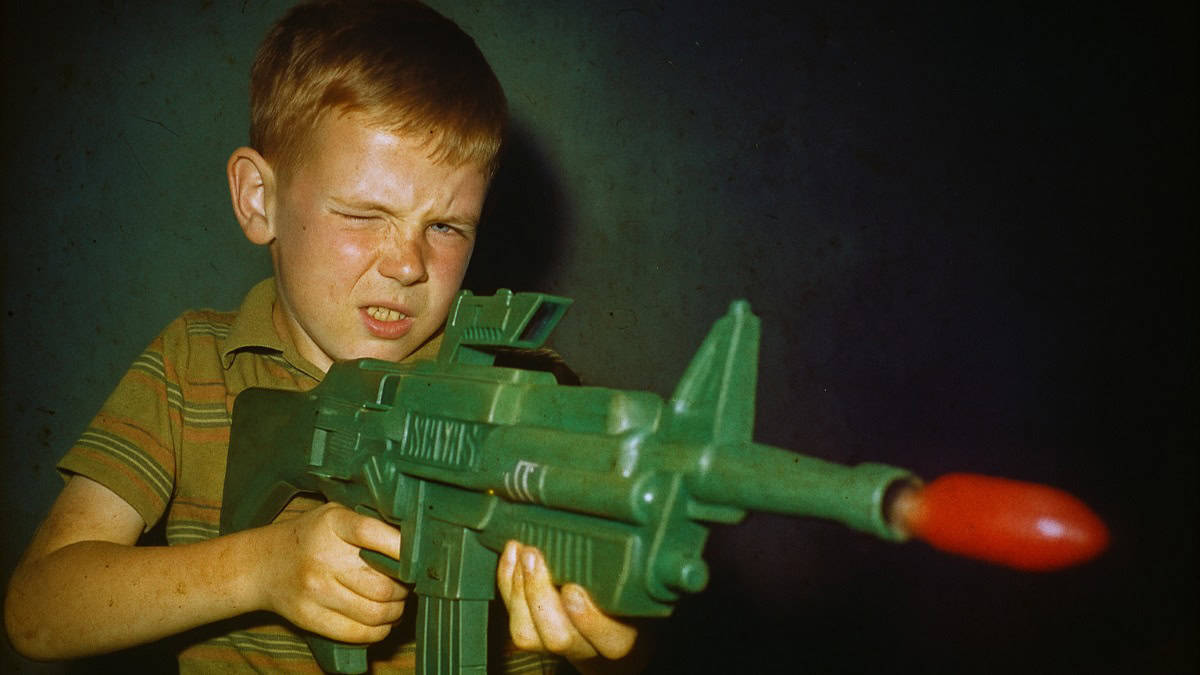
Cap guns used actual explosive caps that could cause burns and eye injuries. The caps contained a small amount of explosive powder that would create a loud bang and spark when struck. We’d sometimes set off whole rolls at once or hit them with hammers for bigger explosions.
15. Wood-Burning Art Sets

These kits came with a pen-like tool that heated up to extremely high temperatures for burning designs into wood. There were minimal safety features, and the cord could easily fray. Children were encouraged to create art by essentially wielding a hot poker, often without supervision.