The 1960s weren’t just about changing times – they were about changing voices, particularly the powerful female voices that redefined popular music. As someone who spent that decade managing a record store, I witnessed firsthand how these extraordinary women transformed the industry. Their music didn’t just top the charts; it challenged conventions, broke barriers, and created templates for generations of artists to follow.
Table of Contents
1. Aretha Franklin
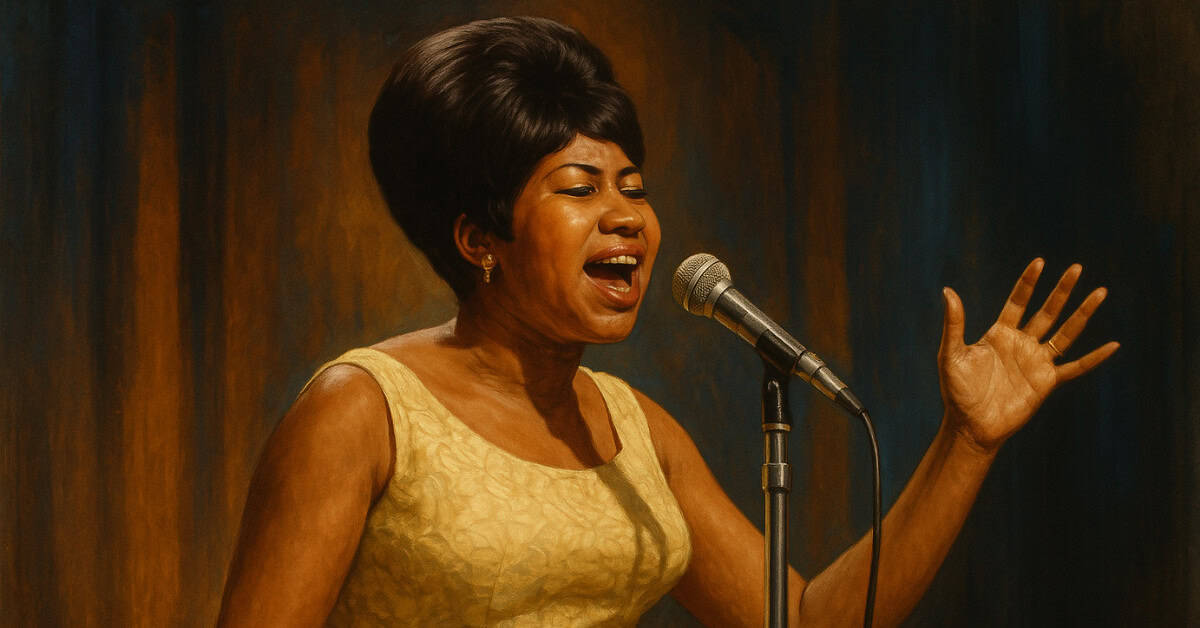
The Queen of Soul revolutionized music with her 1967 demand for “Respect.” Her powerful voice and commanding presence helped define the sound of the decade. Franklin’s ability to combine gospel roots with pop appeal created a template for soul music that artists still follow today. Her 18 Grammy awards and 112 charted singles demonstrate her unprecedented impact.
Save for later
Want to come back to this story? Save it with your email so it is easy to find again.
2. Diana Ross
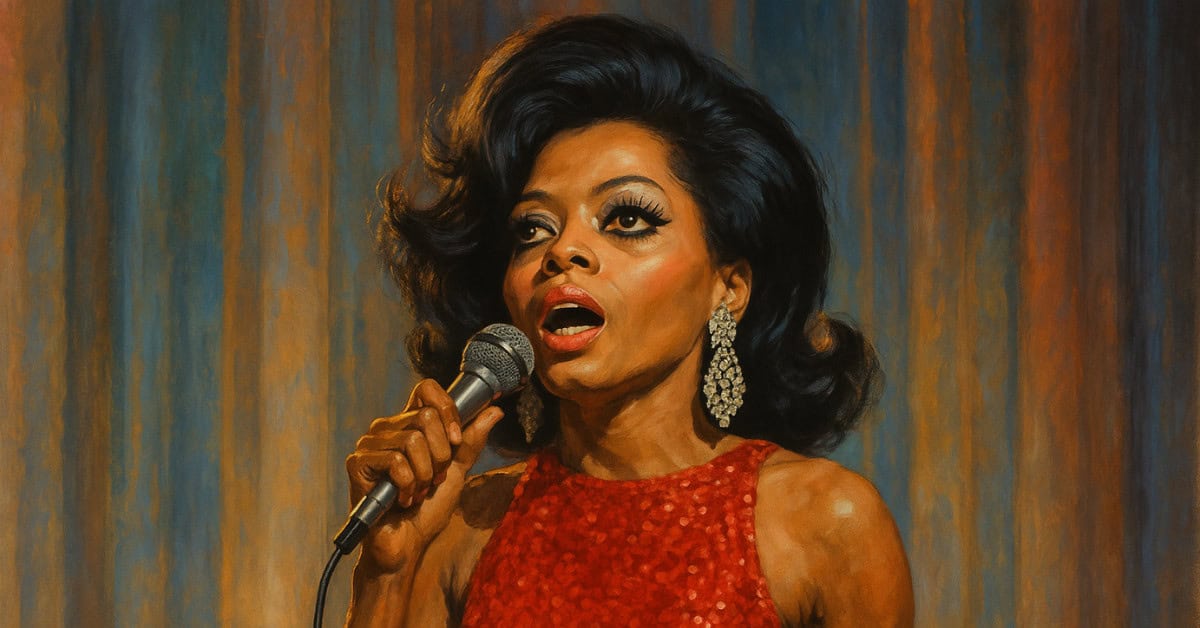
As lead singer of The Supremes, Ross helped define the Motown sound and broke racial barriers on television and in venues across America. The group’s string of number-one hits between 1964-1969 remains unmatched by any American group. Her sophisticated style and crossover appeal paved the way for future African American performers in mainstream entertainment.
3. Dusty Springfield
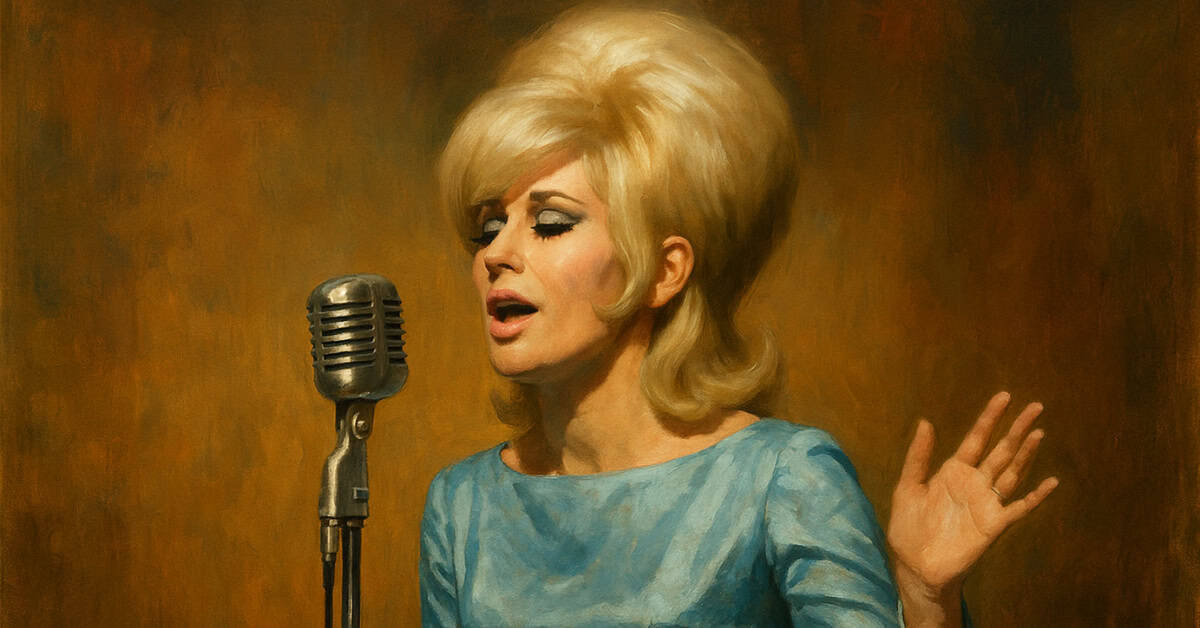
Britain’s “White Queen of Soul” brought American R&B to UK audiences while creating her own distinctive sound. Her 1969 album “Dusty in Memphis” is considered one of the greatest pop records ever made. Springfield’s emotional depth and distinctive voice influenced countless female vocalists who followed.
4. Tina Turner
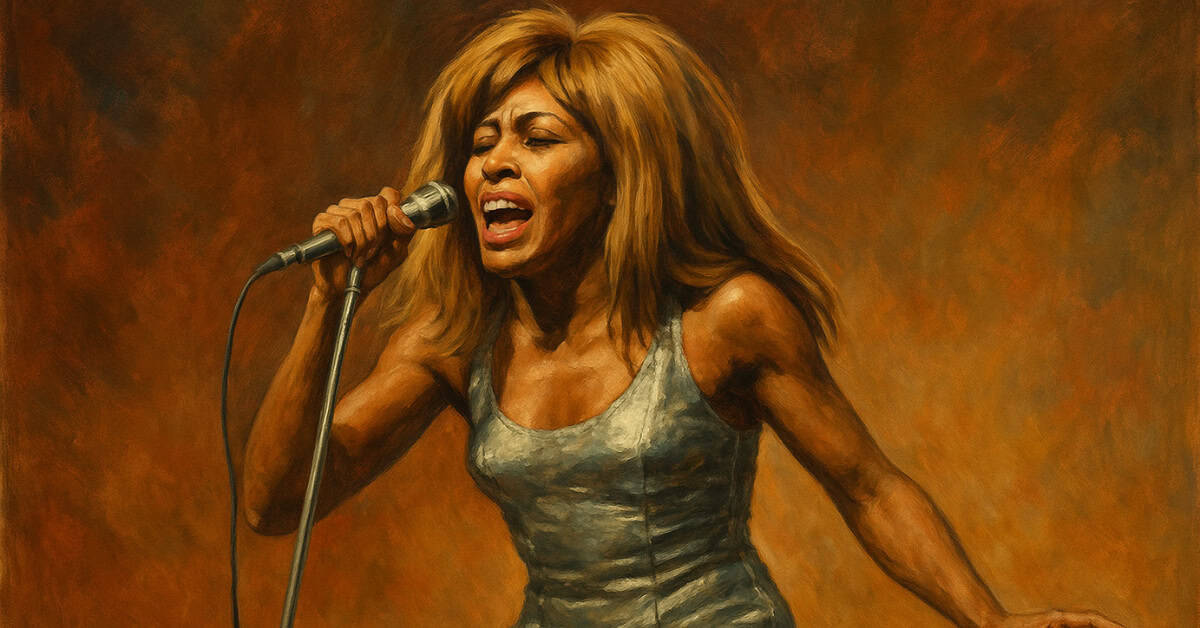
With the Ike & Tina Turner Revue, she brought raw energy and unbridled sexuality to mainstream stages. Their cover of “Proud Mary” became a defining moment of the era. Turner’s dynamic performances and powerful voice set new standards for live shows and influenced rock and soul music alike.
5. Nancy Sinatra
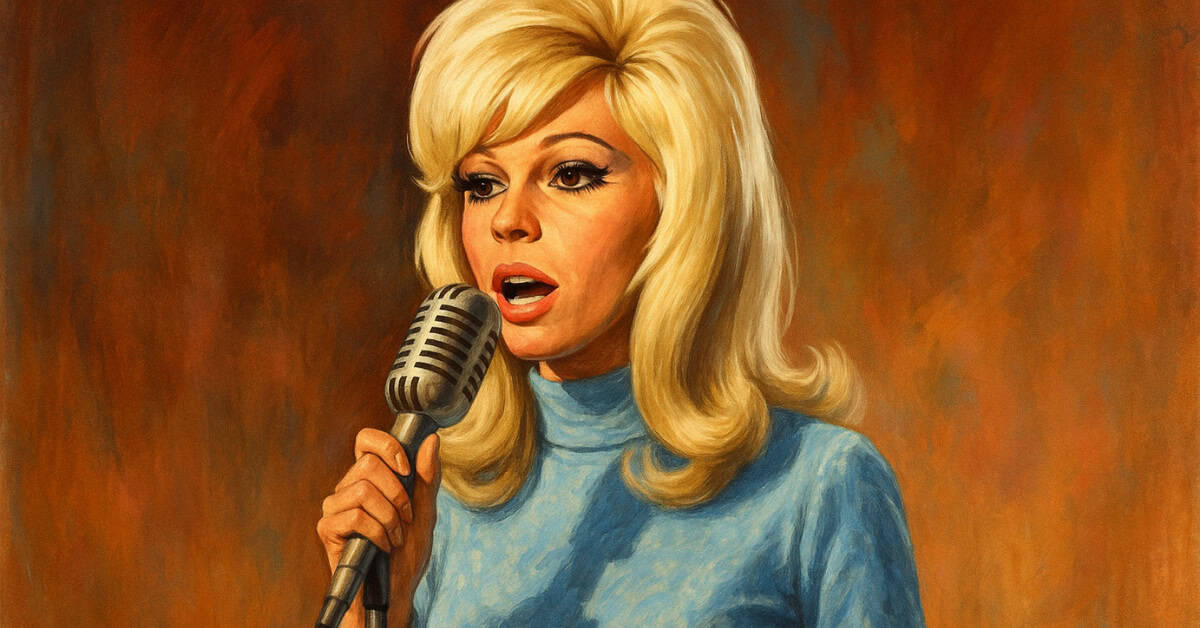
“These Boots Are Made for Walkin'” became an anthem of female empowerment in 1966. Sinatra’s combination of sultry vocals and tough-girl attitude created a new archetype for female performers. Her collaborations with Lee Hazlewood produced some of the decade’s most innovative pop recordings.
6. Cher
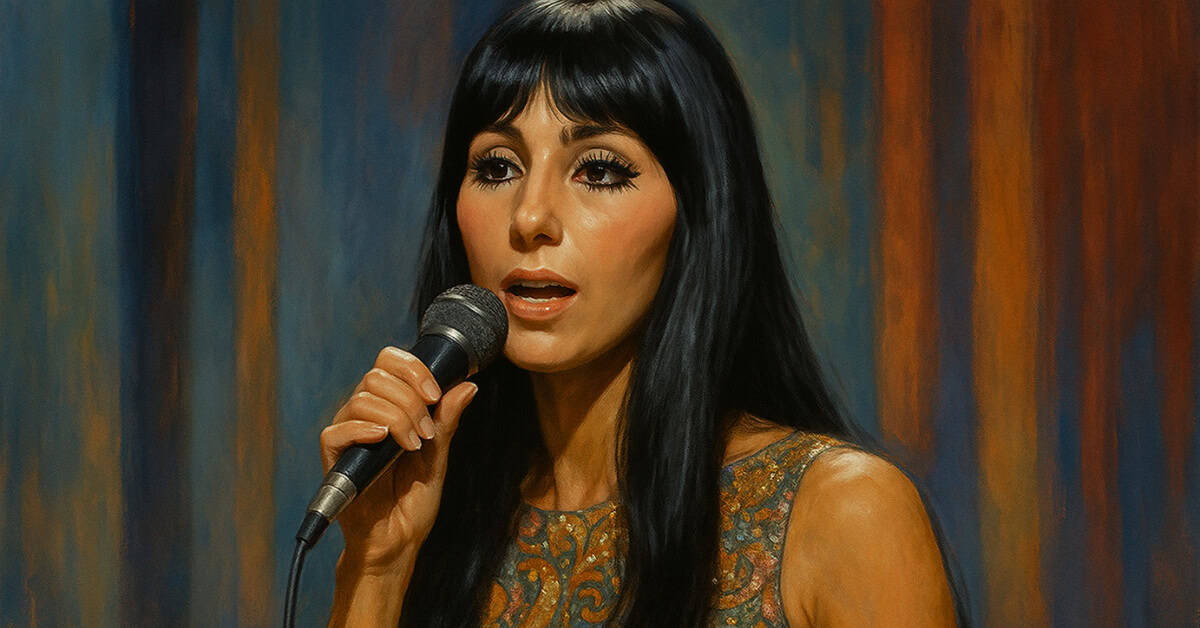
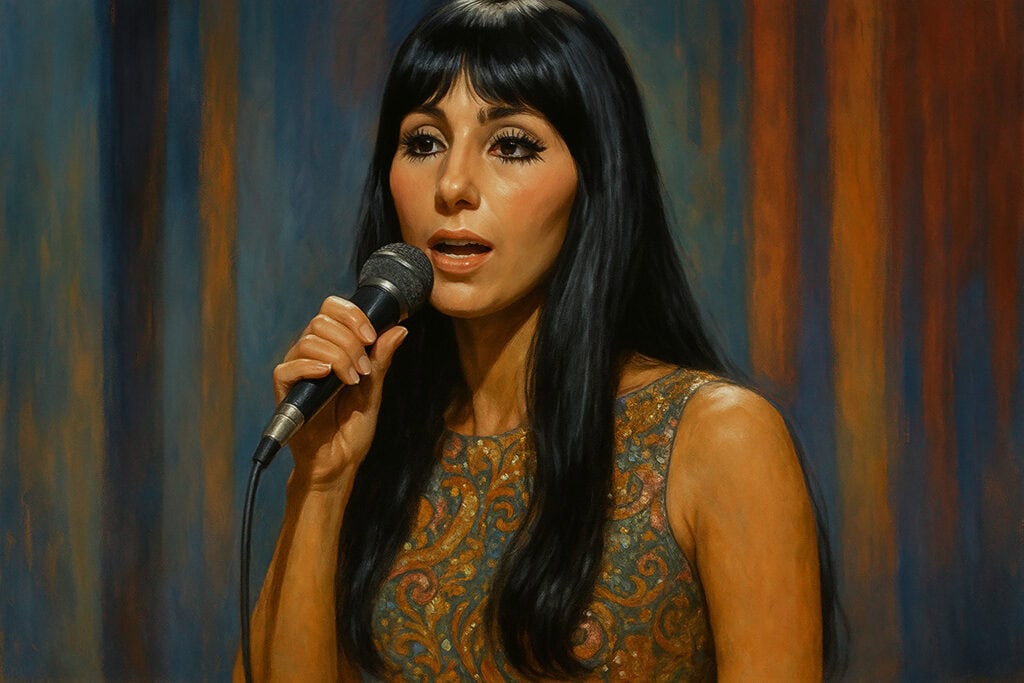
Beginning with Sonny & Cher’s “I Got You Babe” in 1965, she helped define the folk-rock sound while creating a new standard for fashion and style. Her distinctive contralto voice and exotic looks challenged conventional beauty standards. Cher’s television success later in the decade proved female performers could conquer multiple media formats.
7. Grace Slick

As the voice of Jefferson Airplane, Slick brought psychedelic rock to mainstream audiences with “White Rabbit” and “Somebody to Love.” Her powerful vocals and commanding stage presence proved women could rock as hard as men. She helped define the San Francisco sound and became an icon of the counterculture movement.
8. Dionne Warwick
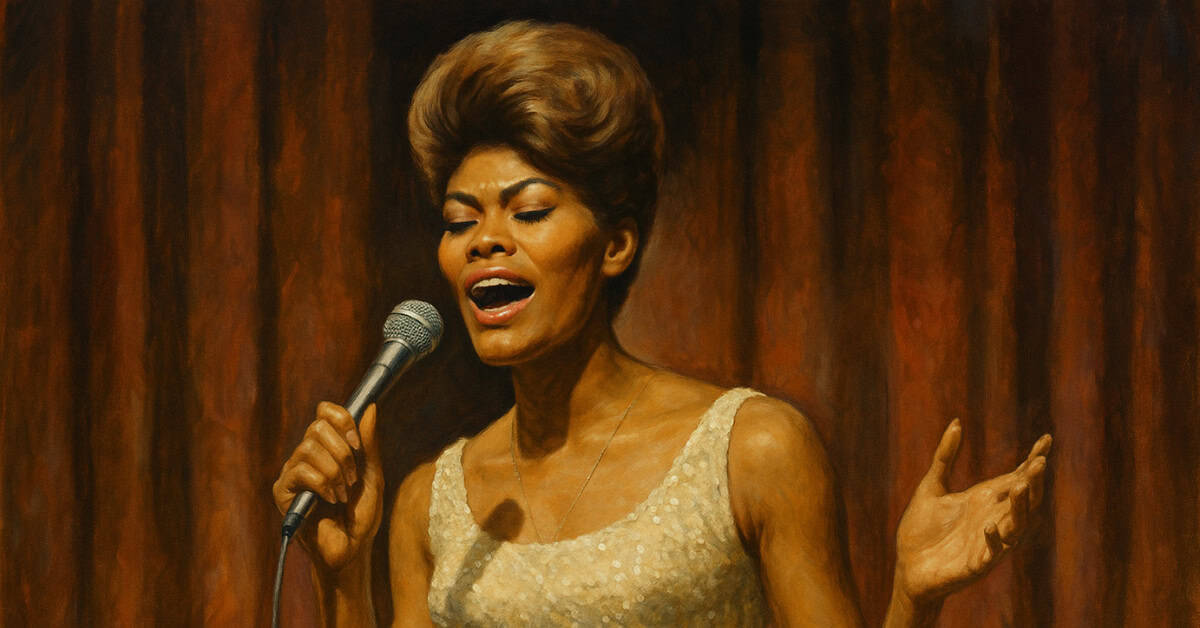
Her collaborations with Burt Bacharach and Hal David produced sophisticated pop classics like “Walk On By” and “I Say a Little Prayer.” Warwick’s elegant style and precise vocals created a bridge between R&B and mainstream pop. Her success helped pave the way for African American artists in the adult contemporary market.
9. Janis Joplin
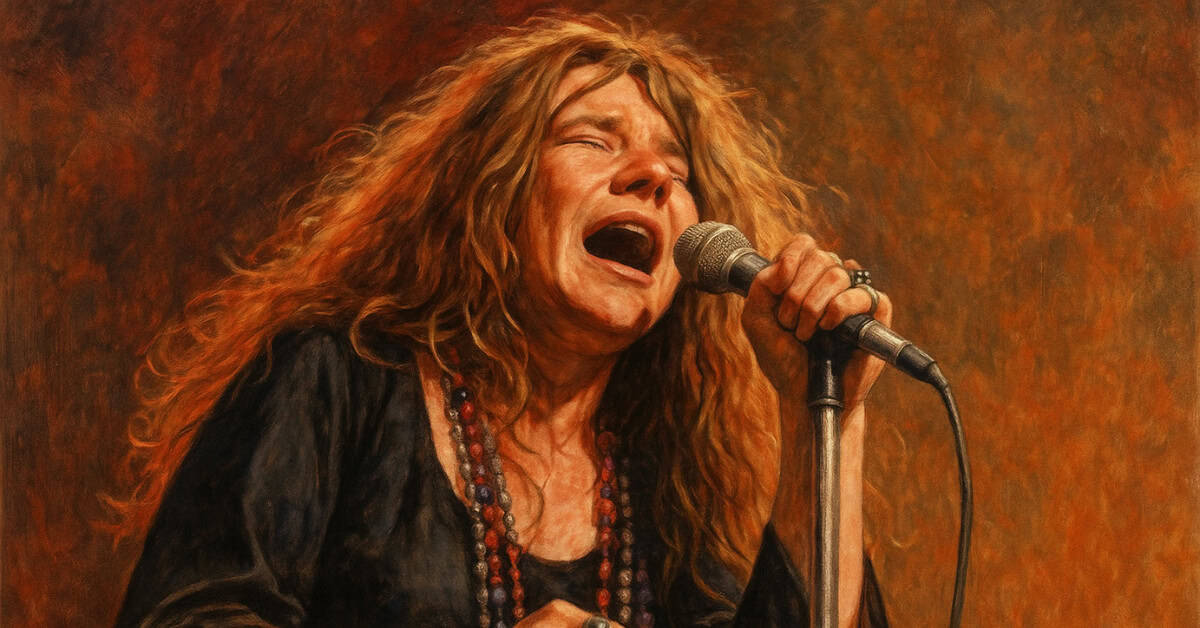
With Big Brother and the Holding Company and later solo, Joplin redefined what a female rock singer could be. Her raw, emotional performances and bluesy vocals influenced generations of rock singers. Her appearance at Woodstock cemented her status as the premier female rock vocalist of the era.
10. Petula Clark
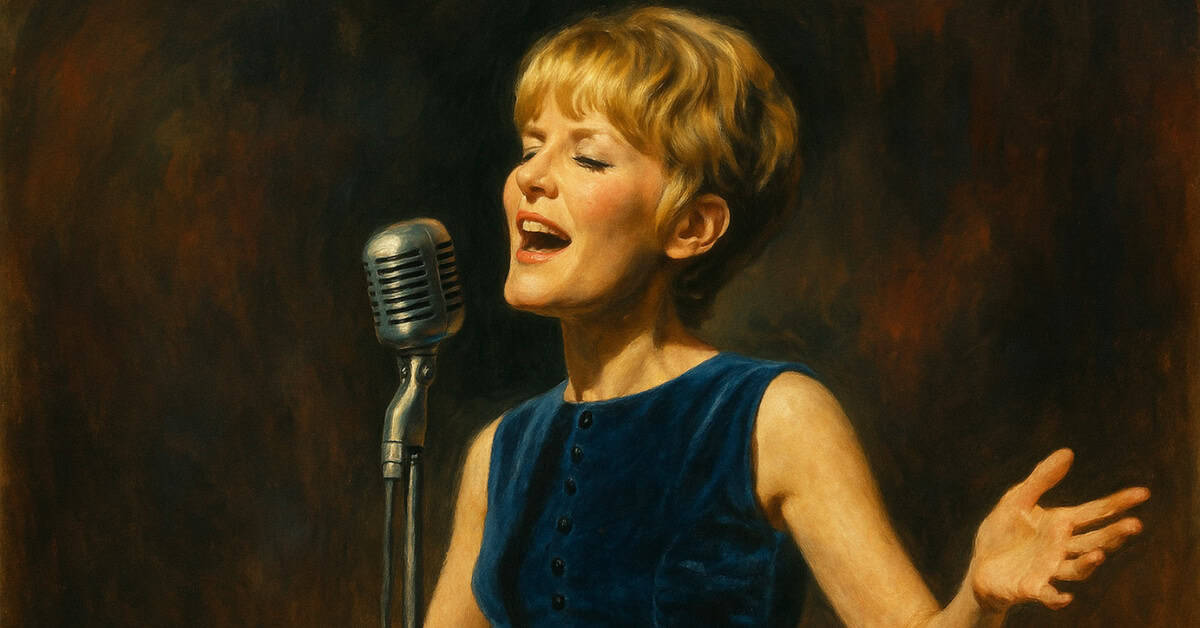
“Downtown” became an international hit that helped define the British Invasion’s female side. Clark’s sophisticated pop style and multilingual recordings made her one of the first truly global female pop stars. Her success proved that female artists could maintain long-term international careers.
11. Marianne Faithfull

Beginning with “As Tears Go By” in 1964, Faithfull embodied the sophisticated yet rebellious spirit of Swinging London. Her transformation from pop ingénue to rock survivor influenced future generations of female artists. Her connections to the Rolling Stones and the London art scene made her an icon of the era.
12. Martha Reeves

With the Vandellas, Reeves created some of Motown’s most energetic hits, including “Dancing in the Street” and “Heat Wave.” Their powerful sound influenced both soul and rock music. The group’s dynamic stage presence set new standards for live performance and choreography.
13. Nina Simone

The “High Priestess of Soul” combined classical training with jazz, folk, and civil rights activism. Songs like “Mississippi Goddam” helped create the soundtrack for the Civil Rights Movement. Her uncompromising artistry and powerful stage presence influenced musicians across all genres.
14. Brenda Lee

“Little Miss Dynamite” bridged the gap between rockabilly and pop with hits throughout the early ’60s. Despite her small stature, her powerful voice made her one of the decade’s top-selling female artists. Her versatility across genres helped pave the way for country-pop crossover success.
15. Ronnie Spector
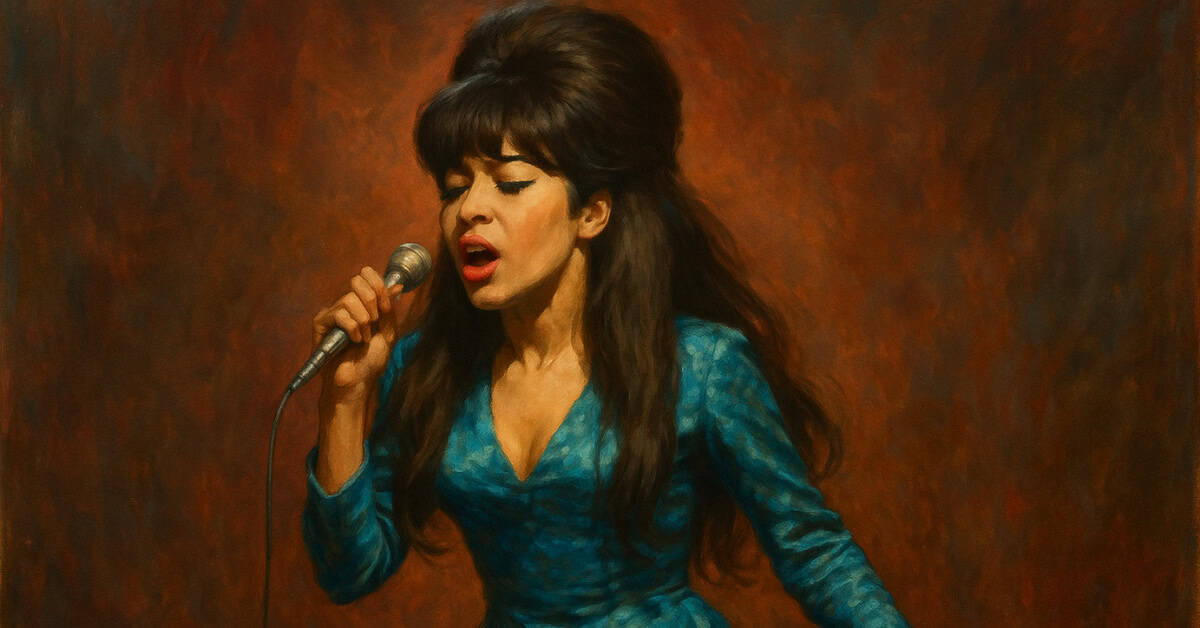
As lead singer of The Ronettes, Spector’s distinctive voice defined the girl group sound. “Be My Baby” became one of the most influential recordings of the era. Her edgy style and powerful vocals influenced everyone from the Beatles to Amy Winehouse.