Growing up in the 1960s was a different world entirely. As someone who lived through those wonder years, I can tell you that our parents had some pretty strict rules—some might say even stricter than prison! While we might chuckle about them now, these household regulations shaped an entire generation. Let’s take a nostalgic trip back to some of the most memorable (and sometimes questionable) rules that defined our childhood homes.
Table of Contents
- 1 1. No Phone Calls After 8 PM
- 2 2. Clean Your Plate
- 3 3. Shoes Off at the Door
- 4 4. Children Should Be Seen and Not Heard
- 5 5. Limited TV Time
- 6 6. Dress Up for Dinner (on Sundays or Special Occasions)
- 7 7. Early and Consistent Bedtimes
- 8 8. Table Manners: No Elbows!
- 9 9. Saturday Morning Chores First
- 10 10. No Dating Until 16
- 11 11. No Snacking Between Meals
- 12 12. Homework Before Television
- 13 13. Sunday Best for Church and Special Occasions
- 14 14. No Talking Back to Parents
- 15 15. The Front Door Rule
1. No Phone Calls After 8 PM

In most homes, the family phone was in a central spot and everyone could hear your conversation. Evening calls, especially after 8 PM, were discouraged out of courtesy for family time and the possibility of disturbing someone’s rest. It was especially true for long-distance calls, which could be expensive. Unless it was important, kids were expected to keep social calls to earlier hours.
Save for later
Want to come back to this story? Save it with your email so it is easy to find again.
2. Clean Your Plate

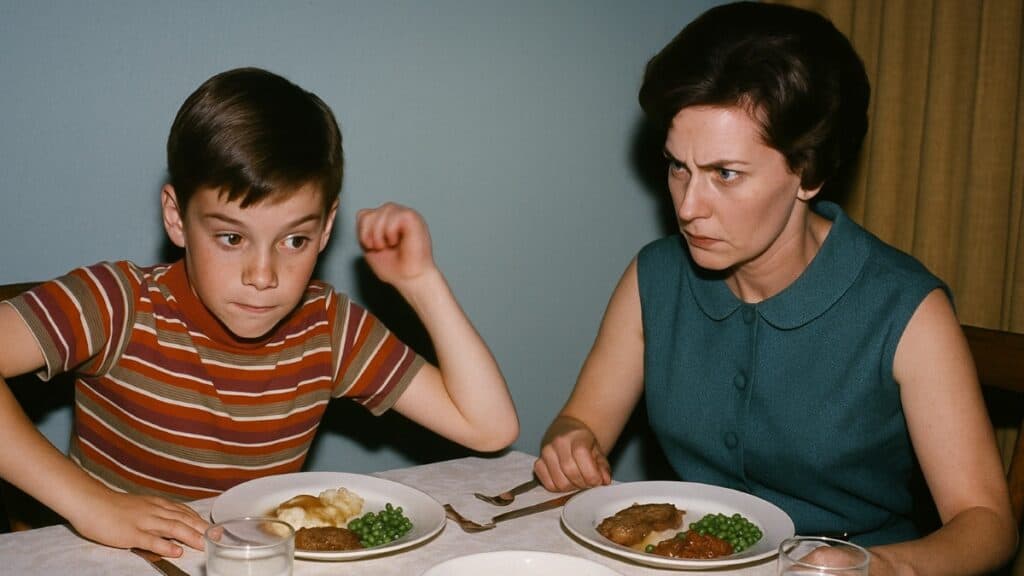
The “clean plate club” was a real thing. Many parents who remembered the deprivations of the Depression or World War II made sure we finished every bite at dinner. Leaving food was frowned upon, and kids were often reminded of “starving children” elsewhere. While not every family was ironclad, it was a widespread expectation that you’d finish what was served.
3. Shoes Off at the Door

While not universal, many mothers preferred shoes to be left at the door—especially after a day of play. With carpet or waxed linoleum, tracking in dirt was a big no-no. Guests sometimes got a pass, but kids were usually expected to keep the floors clean and avoid extra work for Mom.
4. Children Should Be Seen and Not Heard
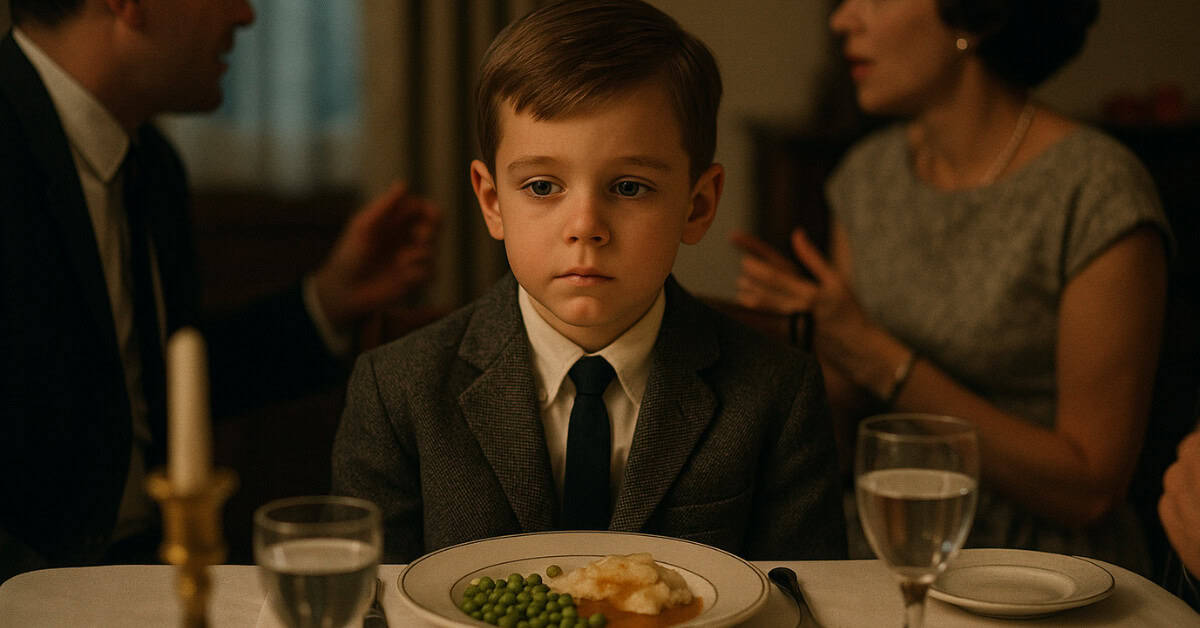
This old adage was still alive and well. When company visited or adults were talking, children were expected to play quietly elsewhere or remain silent until spoken to. Interrupting adults was considered rude, and a single “look” from a parent could restore order fast.
5. Limited TV Time

Television was a treat, not a right. Most families set limits on how much TV kids could watch, often restricting it to after homework and chores were finished. Saturday morning cartoons were a beloved exception, but otherwise, parents kept a close eye on TV habits and content.
6. Dress Up for Dinner (on Sundays or Special Occasions)

While not every dinner was formal, many families expected nicer clothes at the table on Sundays or when guests were over. Clean hands, neat hair, and tidy clothes were a must. Showing respect for the meal and family time was the real rule behind the dress code.
7. Early and Consistent Bedtimes

Bedtime was usually early and rarely up for debate, even in the summer. Most kids were tucked in by 8 or 9 PM. Exceptions were made for holidays or special occasions, but parents believed strongly in the value of a good night’s sleep for growing children.
8. Table Manners: No Elbows!

Good manners at the dinner table were non-negotiable. Kids were taught to keep elbows off the table, chew with their mouths closed, and ask to be excused. These habits were drilled in at every meal, forming the foundation for polite behavior later in life.
9. Saturday Morning Chores First

Chores came before play on Saturdays. Kids were expected to clean their rooms, help with laundry, dust, or do yard work before heading out to join friends. This was seen as a way to teach responsibility and teamwork in the family.
10. No Dating Until 16

The rule in most households was clear: no dating until at least 16. “Group dates” or chaperoned outings were common for younger teens. Meeting a date’s parents was standard, and strict curfews were enforced to keep everyone out of trouble.
11. No Snacking Between Meals

Many parents discouraged snacking, believing it would spoil their appetite for dinner. The kitchen wasn’t exactly “off-limits,” but grabbing cookies or chips without permission was likely to get you a reminder to “wait until mealtime.”
12. Homework Before Television

After-school routines usually meant homework came first. Kids were expected to finish assignments before going outside or turning on the TV. Some parents checked work, while others trusted the honor system, but skipping homework for TV was definitely frowned upon.
13. Sunday Best for Church and Special Occasions

Dressing up for church on Sunday was expected in almost every household, regardless of how casual weekday attire might be. Clean dresses, patent leather shoes, and pressed slacks were the norm, especially for Sunday service and holidays.
14. No Talking Back to Parents

Talking back was rarely tolerated. The phrase “because I said so” often ended debates, and disrespectful responses could get you in trouble. Parents’ authority was to be respected, and discipline was usually swift and certain if lines were crossed.
15. The Front Door Rule

In many homes, the front door was reserved for company, while family used the side or back door. This kept the front hallway presentable for guests and helped manage muddy shoes and bags. It wasn’t universal, but was common enough to be a familiar memory for many who grew up in the era.