Growing up in the 1960s, we had to master a whole set of skills that would leave today’s kids scratching their heads. Before computers and smartphones took over, these everyday abilities were essential for navigating daily life. Let’s look back at some of the practical knowledge that every Boomer had to learn – skills that have largely disappeared in our digital age.
Table of Contents
- 1 1. Reading a Paper Map
- 2 2. Writing in Cursive
- 3 3. Using a Rotary Phone
- 4 4. Making Change Without a Calculator
- 5 5. Darning Socks
- 6 6. Adjusting TV Antennas
- 7 7. Developing Photographs
- 8 8. Using a Card Catalog
- 9 9. Typing on a Manual Typewriter
- 10 10. Making Coffee Without a Machine
- 11 11. Operating a Manual Transmission
- 12 12. Balancing a Checkbook
- 13 13. Using a Slide Rule
- 14 14. Reading a Clock Face
- 15 15. Home Canning and Preserving
1. Reading a Paper Map

Before GPS, navigation meant mastering the art of paper map reading. We learned to understand topographic symbols, calculate distances using the scale, and, most importantly, how to fold those unwieldy maps back correctly. Family road trips required a skilled navigator in the passenger seat, calling out turns well in advance.
Save for later
Want to come back to this story? Save it with your email so it is easy to find again.
2. Writing in Cursive
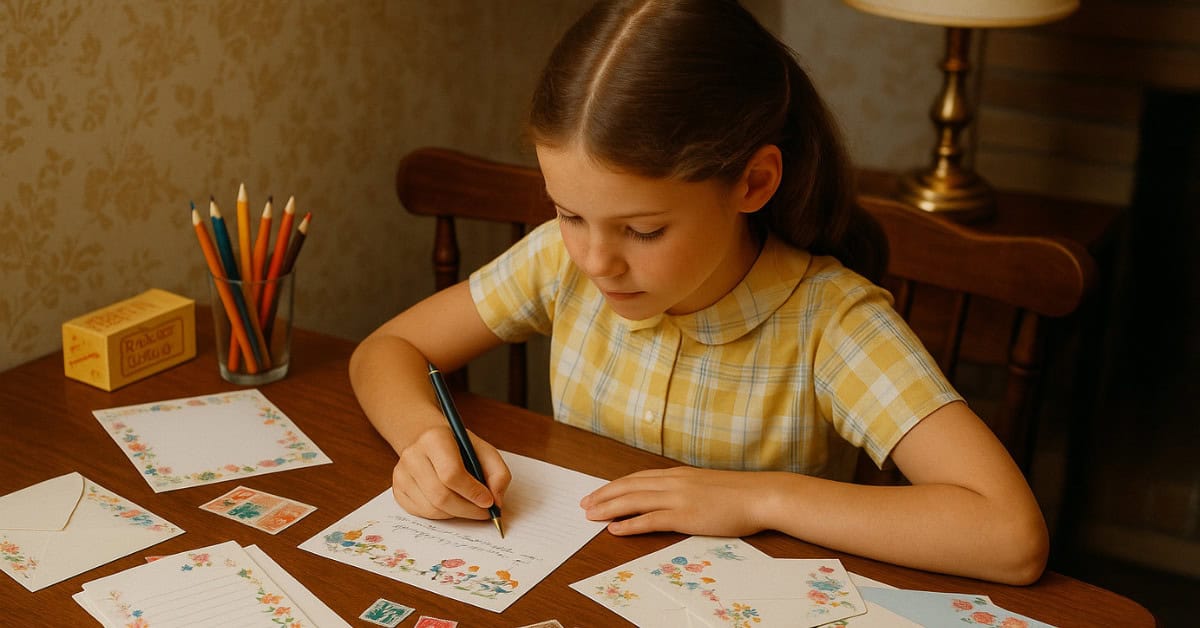
Hours were spent practicing those loops and swirls until our penmanship was perfect. Cursive wasn’t just for show – it was the standard form of written communication. Thank-you notes, letters, and even school assignments had to be written in flowing script that anyone could read.
3. Using a Rotary Phone
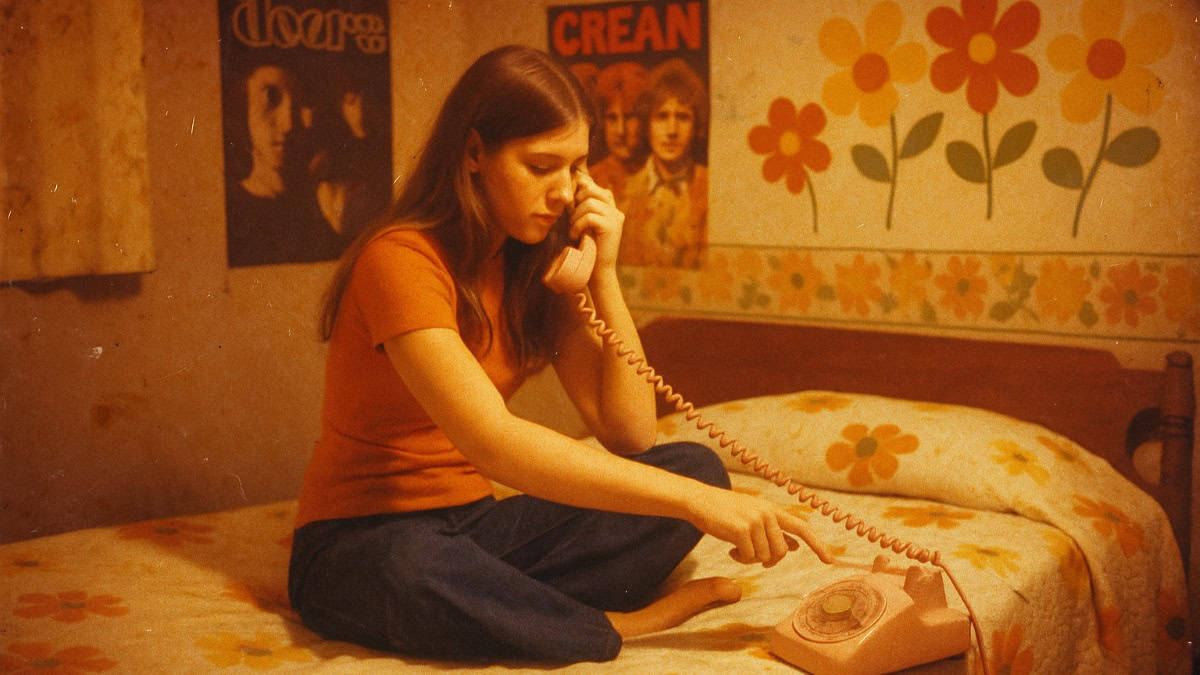
Dialing a phone number meant physically rotating that heavy dial for each digit and waiting for it to spin back. We memorized important numbers because there was no contact list to scroll through. Long-distance calls were saved for special occasions, and party lines meant sharing your connection with neighbors.
4. Making Change Without a Calculator

Mental math was a required skill for anyone working a cash register or shopping. We could quickly calculate the change from a dollar, counting up from the purchase price. No digital displays telling us the exact amount – just quick thinking and basic math skills.
5. Darning Socks
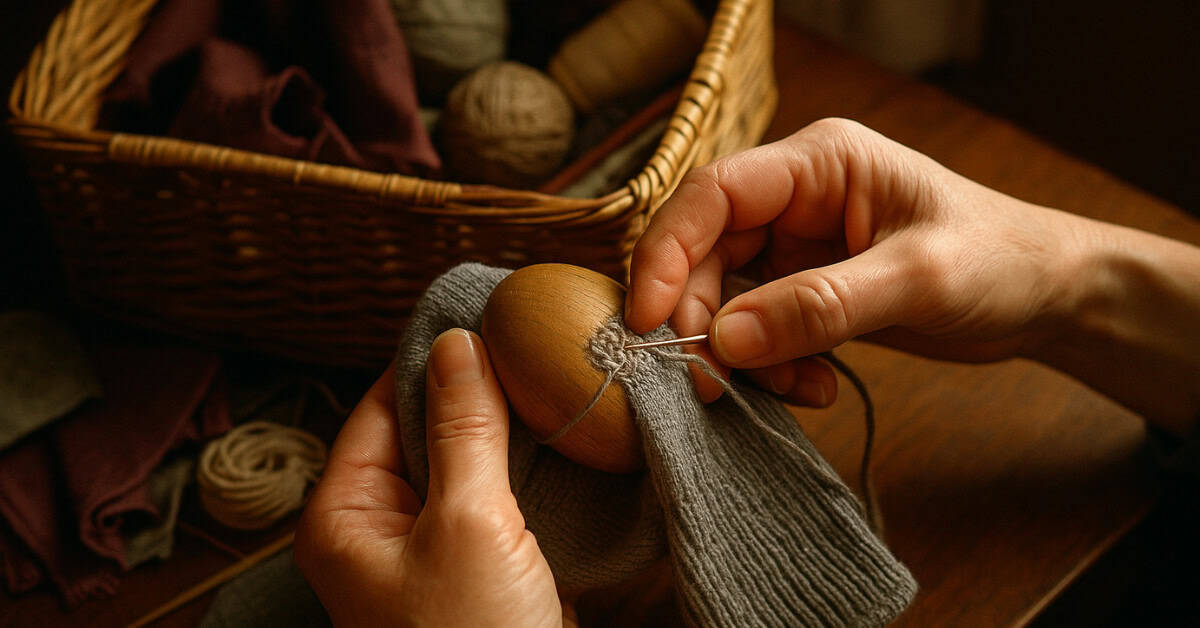
When socks developed holes, we didn’t just throw them away – we darned them. Using a special wooden egg and thread, we’d carefully weave new material to cover the hole. This money-saving skill was passed down from mothers to children, along with other clothing repair techniques.
6. Adjusting TV Antennas

Getting a clear TV picture was an art form. We became experts at adjusting rabbit ears or climbing onto the roof to rotate the antenna. Someone would stand by the TV yelling “Better!” or “Worse!” while another family member made minute adjustments until the picture was just right.
7. Developing Photographs

Many of us learned the basics of darkroom photography, even if just in school. Understanding film speeds, exposure times, and chemical processes was part of capturing memories. The magic of watching an image appear in the developer solution never got old.
8. Using a Card Catalog
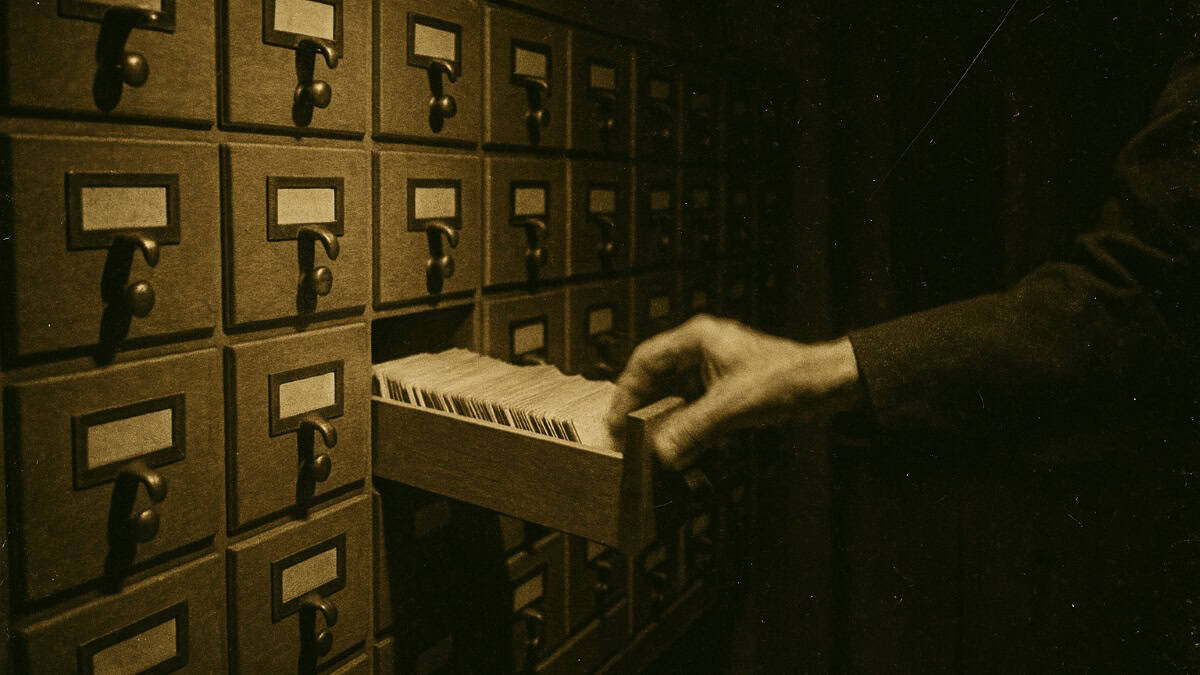
Library research meant mastering the Dewey Decimal System and navigating those long drawers of index cards. We learned to search by author, title, or subject, writing down call numbers to locate books. Cross-referencing meant physically checking multiple drawers.
9. Typing on a Manual Typewriter

Typing required real physical effort and precision. We learned proper finger placement and rhythm, knowing that mistakes meant starting over or dealing with messy correction fluid. Carbon paper was essential for making copies, and changing ribbons was a regular maintenance task.
10. Making Coffee Without a Machine

Percolators and manual drip methods required understanding water temperature, grind size, and timing. We knew how to make a perfect cup without digital controls or pod systems. The sound of coffee perking on the stove was our morning alarm.
11. Operating a Manual Transmission

Learning to drive meant mastering the clutch and gear shift. The coordination of feet and hands, knowing when to shift by sound and feel, was a rite of passage. Hill starts require special skill to avoid rolling backward.
12. Balancing a Checkbook
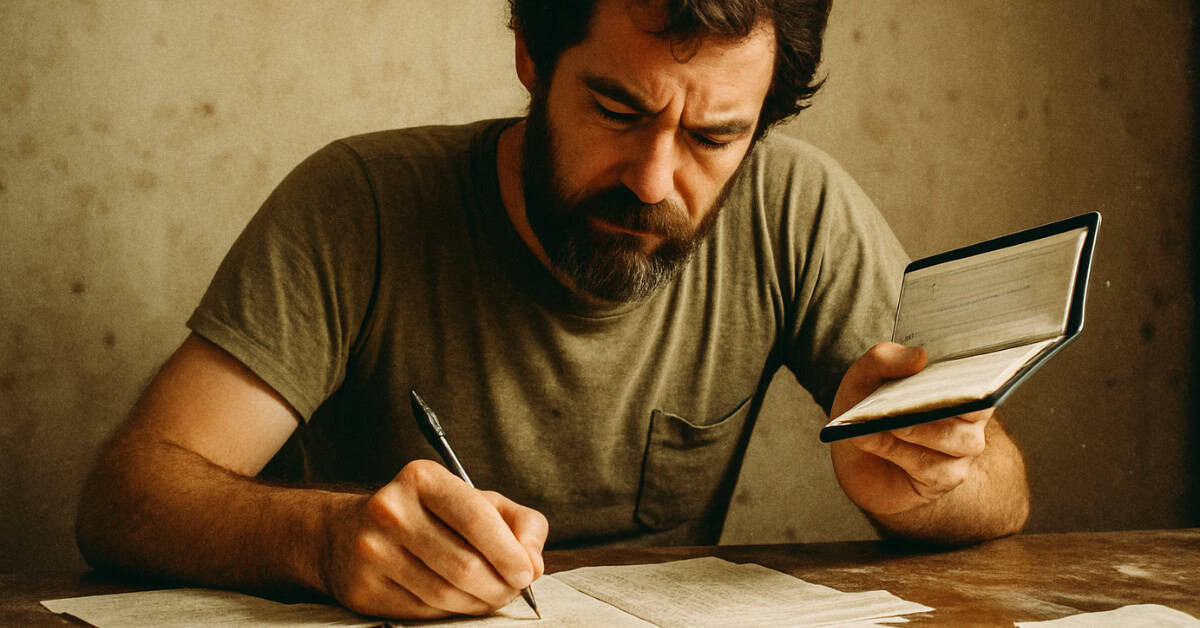
Keeping track of every penny meant maintaining an accurate checkbook register. We learned to record every transaction and reconcile with monthly statements. Mathematical errors could mean bounced checks and bank fees.
13. Using a Slide Rule
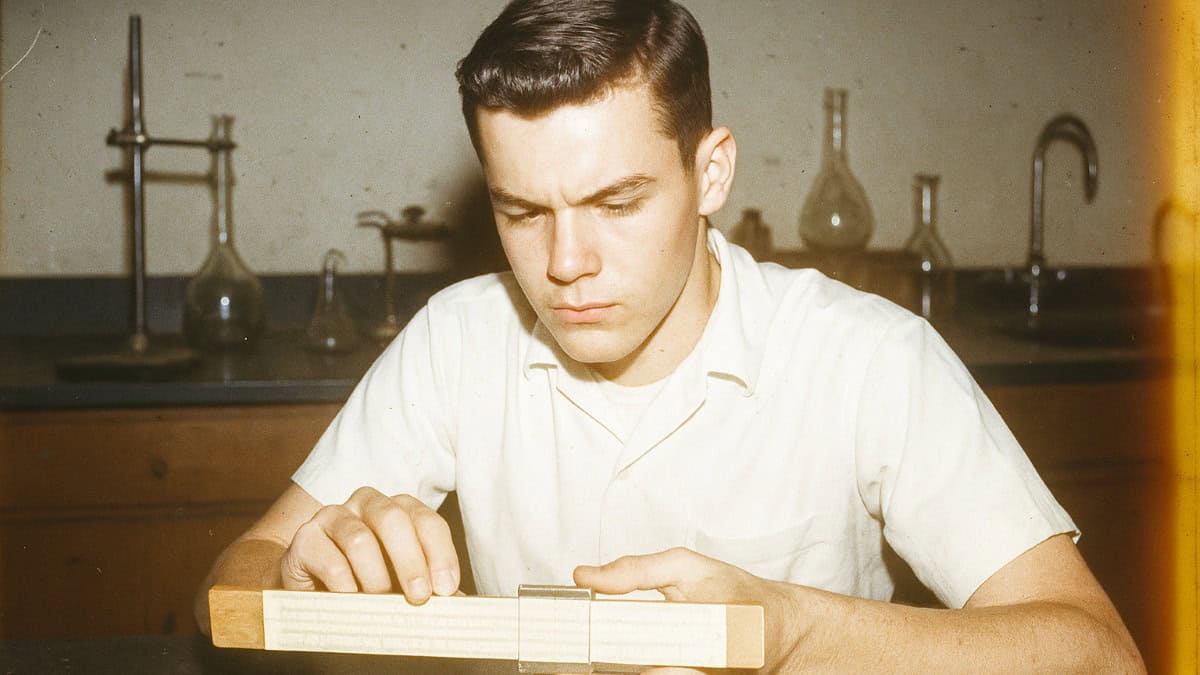
Before calculators, slide rules were essential for complex mathematical calculations. We learned to line up the scales and read the results, using this analog computer for everything from basic multiplication to advanced engineering problems.
14. Reading a Clock Face

Analog clocks were the norm, and everyone needed to read them quickly and accurately. Understanding the relationship between hour and minute hands, and concepts like “quarter past” and “half past,” was essential knowledge taught early in life.
15. Home Canning and Preserving

Food preservation was a crucial skill passed down through generations. We learned proper sterilization techniques, processing times, and how to test for proper sealing. The basement shelves lined with home-canned vegetables and fruits were a source of pride.