Growing up in the 1950s and ’60s, our neighborhoods had their own set of unwritten rules that every kid knew by heart. These weren’t official laws posted anywhere – they were just understood, passed down from older siblings and enforced by watchful mothers on front porches and fathers mowing their lawns. Looking back, these simple guidelines kept us safe, taught us respect, and helped shape us into responsible adults. Here’s a trip down memory lane to those neighborhood rules we all lived by.
Table of Contents
- 1 1. Be Home When the Street Lights Come On
- 2 2. Don’t Cut Through Neighbors’ Yards Without Permission
- 3 3. Always Ask “Can \[Friend\] Come Out and Play?”
- 4 4. Don’t Play Ball Near Windows
- 5 5. Say Hello to Adults
- 6 6. Don’t Leave Your Bike in the Driveway
- 7 7. Stay Where Your Parents Can Hear You
- 8 8. No Playing in the House on Nice Days
- 9 9. Clean Up Your Messes
- 10 10. Don’t Disturb Neighbors During Dinner Time
- 11 11. Share Your Toys
- 12 12. No Calling After 9 PM
- 13 13. Respect the Gardens
- 14 14. Watch Out for Younger Kids
- 15 15. Don’t Talk Back to Any Parent
1. Be Home When the Street Lights Come On

This was the universal timer of childhood – no watches needed. When those street lights flickered on, it didn’t matter if you were in the middle of a baseball game or building the world’s greatest fort. You knew it was time to head home. This simple rule kept us safe and gave us a clear boundary that everyone understood and respected.
Save for later
Want to come back to this story? Save it with your email so it is easy to find again.
2. Don’t Cut Through Neighbors’ Yards Without Permission

Every neighbor’s yard was their castle, and we respected those boundaries. Sure, the path through Old Mr. Johnson’s yard might have been a great shortcut to school, but unless you had explicit permission, you stuck to the sidewalk. This taught us about private property and respecting others’ space.
3. Always Ask “Can \[Friend\] Come Out and Play?”

There was no barging into houses or calling on the phone—you showed up at the door and asked politely. This ritual taught us manners and respect for other families’ homes and schedules. Parents appreciated the face-to-face interaction, and it gave them a chance to know who their kids were playing with.
4. Don’t Play Ball Near Windows

This golden rule saved many a window and kids from the dreaded “you’ll-have-to-pay-for-that” conversation. Ball games belonged in backyards, empty lots, or, better yet, the park. Breaking this rule usually meant a summer’s allowance gone to replace a window.
5. Say Hello to Adults
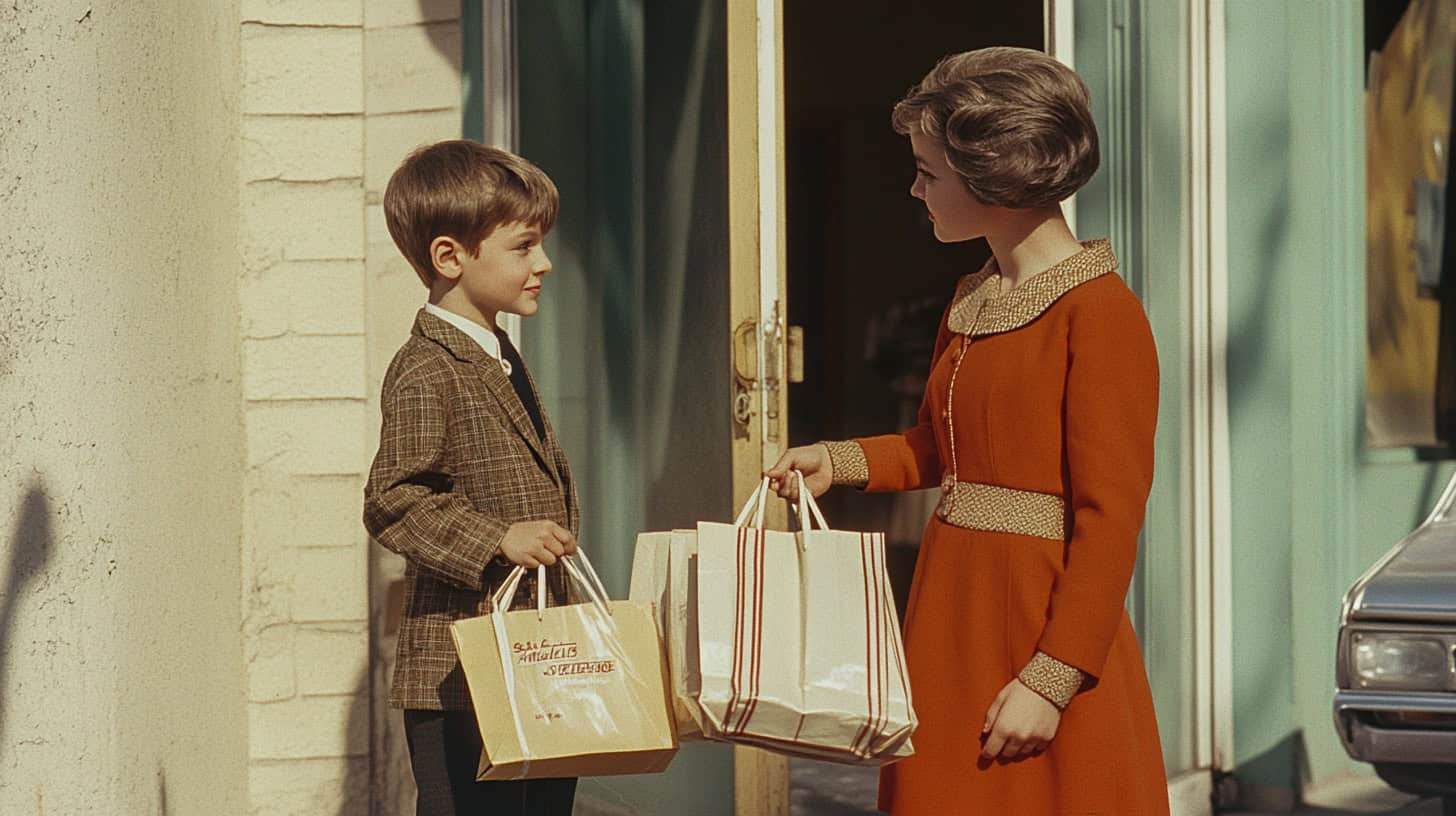
You acknowledged them with a proper greeting when you passed an adult neighbor. A simple “Hello, Mrs. Smith” went a long way in showing respect and building community. Plus, those same neighbors would tell your parents if they caught you misbehaving later.
6. Don’t Leave Your Bike in the Driveway

Your bicycle was your responsibility, and leaving it where cars needed to go was a cardinal sin. We learned to properly store our bikes in garages, on porches, or at least safely on the lawn. This rule taught us about property care and consideration for others.
7. Stay Where Your Parents Can Hear You

Before cell phones, your mother’s voice calling home was your lifeline. The rule was simple – if you couldn’t hear her calling, you were too far from home. This created natural boundaries for our play areas and kept us within a safe distance.
8. No Playing in the House on Nice Days

We were expected to get fresh air and exercise outside when the sun shone. Indoor activities were frowned upon unless it was raining or freezing. This rule kept us active and helped us develop a healthy outdoor lifestyle.
9. Clean Up Your Messes

Whether it was toys, games, or snack wrappers, we were expected to clean up after ourselves in our yards and the neighborhood. Leaving a mess meant losing the privilege to play there next time. This taught us responsibility and respect for shared spaces.
10. Don’t Disturb Neighbors During Dinner Time

Dinner time was sacred, and everyone knew roughly when each family ate. During these hours, no one knocked on doors or yelled for friends. This respect for family time was universal and understood by all neighborhood kids.

If you brought something outside to play with, you had to be willing to share it with others. This rule taught us generosity and how to play well with others. Of course, special or new toys could stay safely inside if you weren’t ready to share them.
12. No Calling After 9 PM
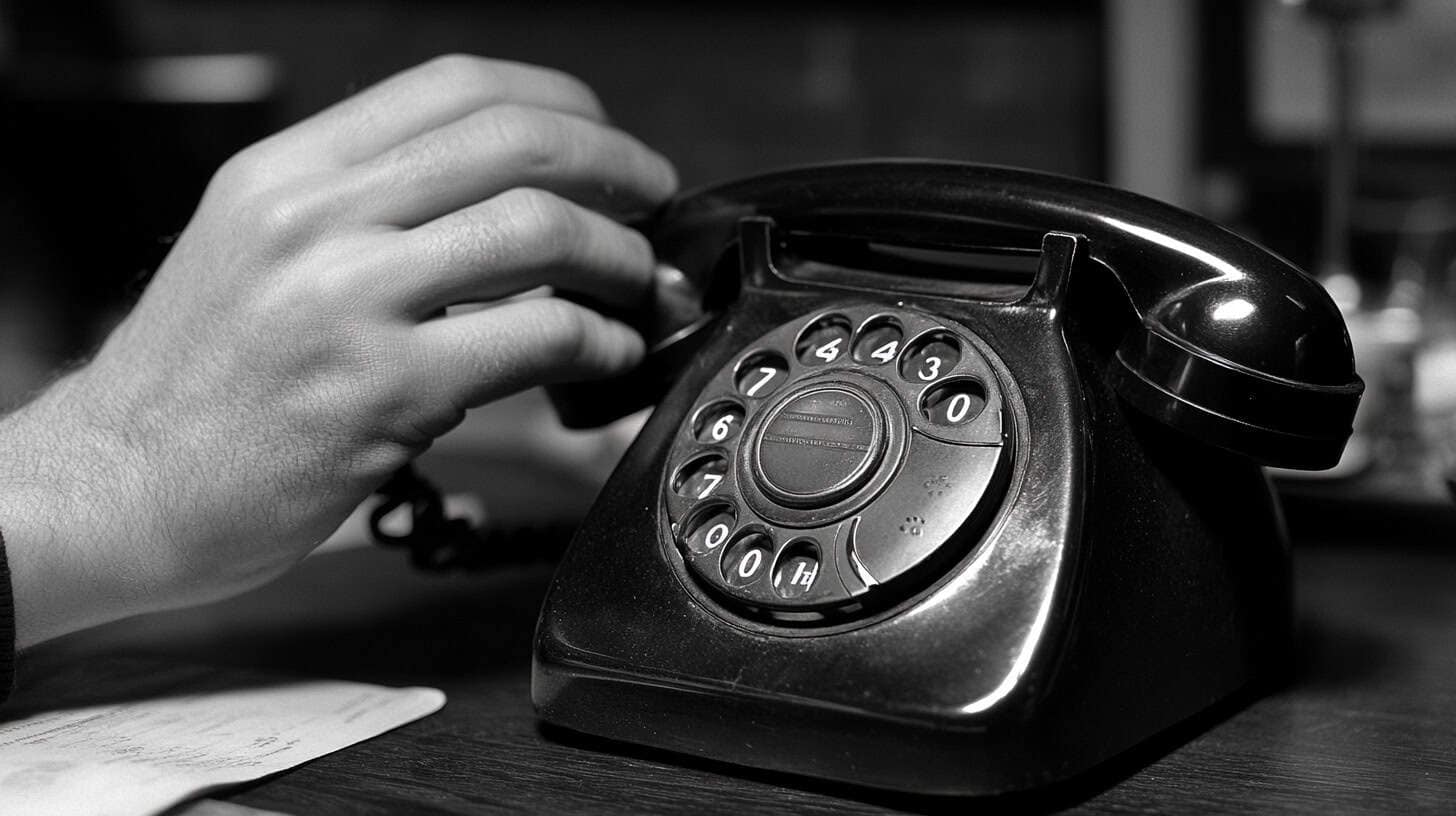
Phone calls had strict hours, and late-night calls were for emergencies only. This rule taught us to respect other families’ evening routines and private time. Breaking this rule could mean losing phone privileges altogether.
13. Respect the Gardens

Neighborhood gardens were off-limits for games and shortcuts. Many neighbors took pride in their flowers and vegetables, and trampling through their gardens was a serious offense. This taught us to appreciate others’ hard work and the beauty they added to our neighborhood.
14. Watch Out for Younger Kids

Older kids were expected to look out for the younger ones in the neighborhood. This meant including them in appropriate games, helping them if they got hurt, and ensuring they stayed out of trouble. It taught us responsibility and leadership.
15. Don’t Talk Back to Any Parent
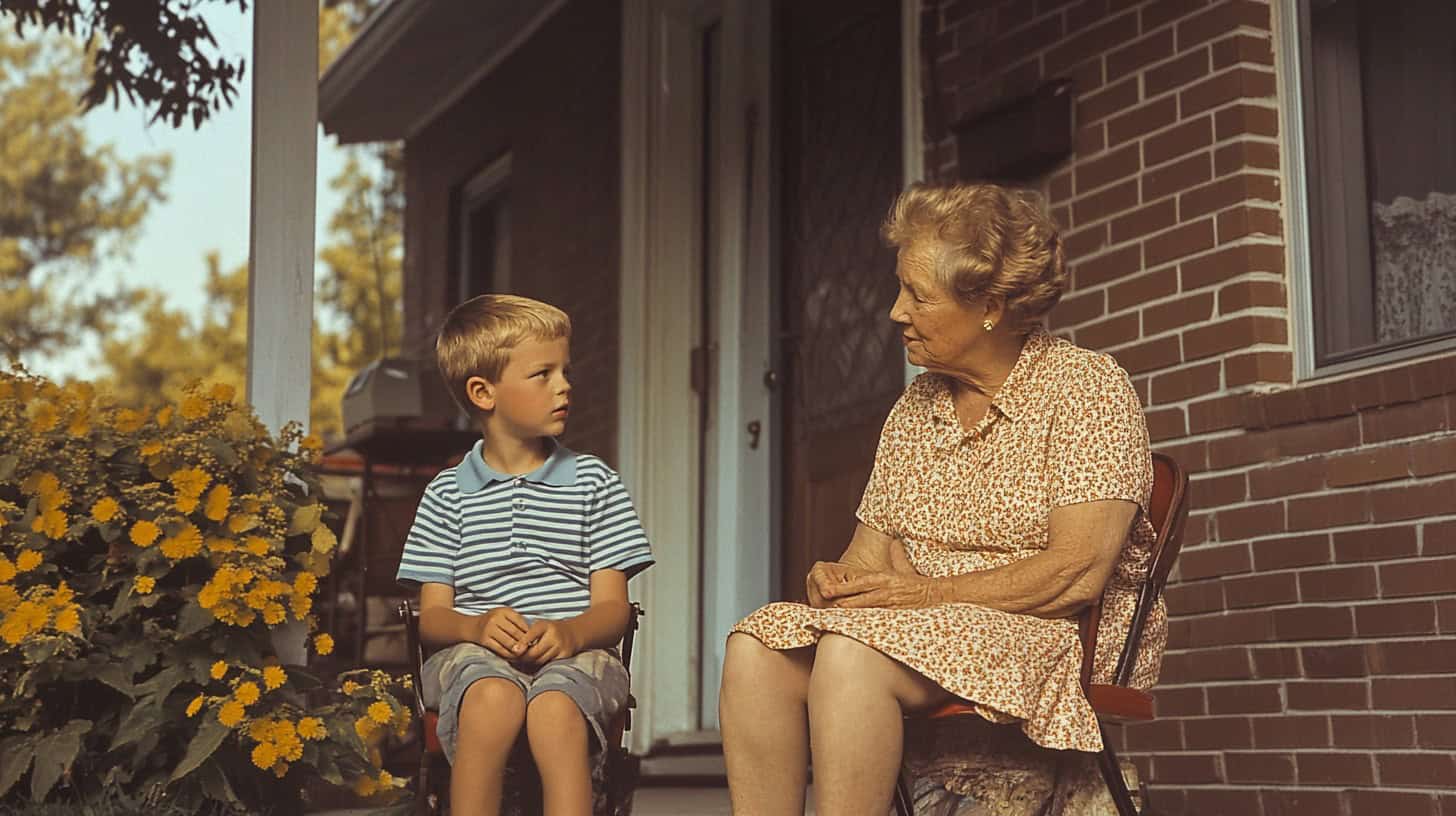
Any parent in the neighborhood had the authority to correct bad behavior, and talking back was never an option. The news of such disrespect would make it home before you did. This created a community of caring adults who helped raise all the neighborhood kids.