School dress codes in the 1960s weren’t just strict – they were practically military in their precision and enforcement. From exact measurements for hemlines to specific rules about hair length, these regulations shaped the appearance of an entire generation. Let’s look back at some of the most stringent dress code requirements that would seem unbelievable to today’s students.
Table of Contents
- 1 1. The Ruler Test for Skirts
- 2 2. Boys’ Hair Length Restrictions
- 3 3. Mandatory Dress Shoes
- 4 4. No Pants for Girls
- 5 5. Mandatory Socks Height
- 6 6. Belt Requirements
- 7 7. Tie Requirements for Boys
- 8 8. Makeup Restrictions
- 9 9. Jewelry Limitations
- 10 10. Shirt Tucking Rules
- 11 11. Color Restrictions
- 12 12. Nail Polish Bans
- 13 13. Sweater Regulations
- 14 14. Hat Prohibitions
- 15 15. Specific Fabric Requirements
1. The Ruler Test for Skirts
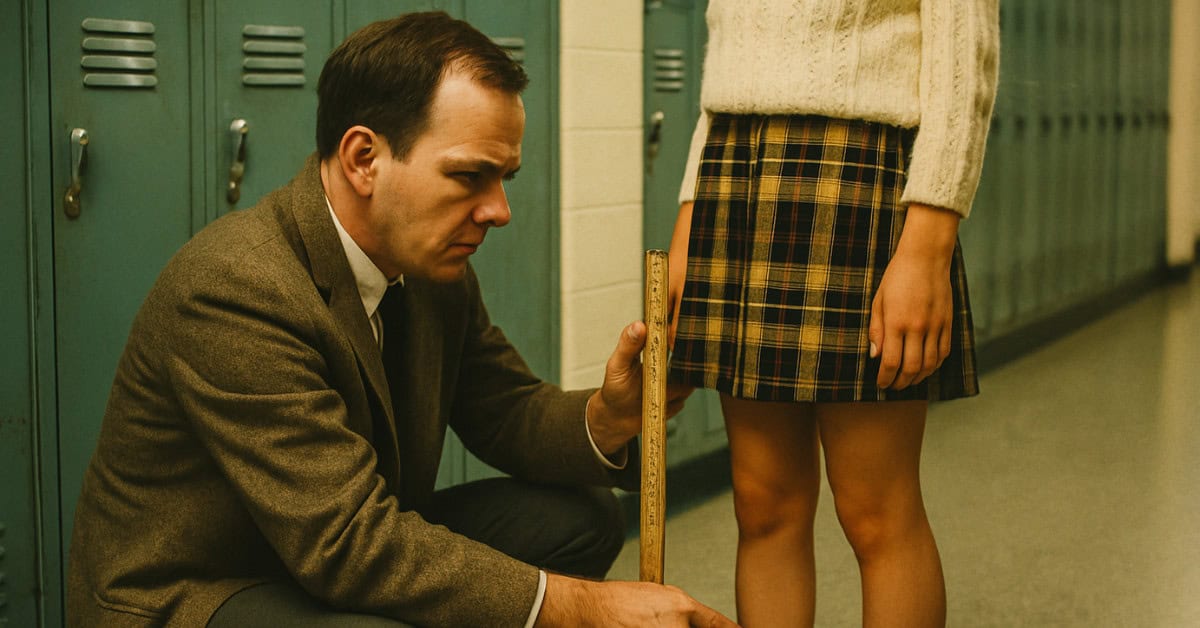
Girls had to kneel on the floor while teachers measured their skirt length with rulers. The rule was absolute: the hem had to touch the floor in this position. Any skirt deemed too short resulted in immediate dismissal from class, and parents would be called to bring appropriate clothing.
Save for later
Want to come back to this story? Save it with your email so it is easy to find again.
2. Boys’ Hair Length Restrictions
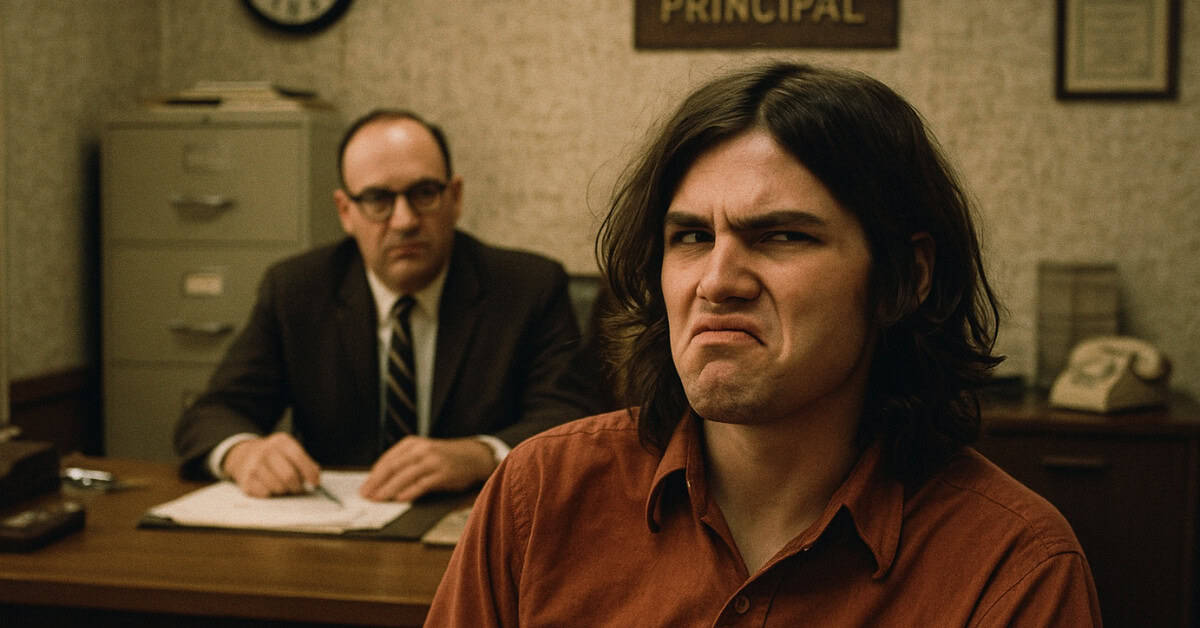
Hair couldn’t touch the shirt collar or cover the ears. Administrators kept rulers handy to measure hair length, and boys could be sent home if their hair was deemed too long. The Beatles’ influence was considered a threat to proper academic appearance.
3. Mandatory Dress Shoes
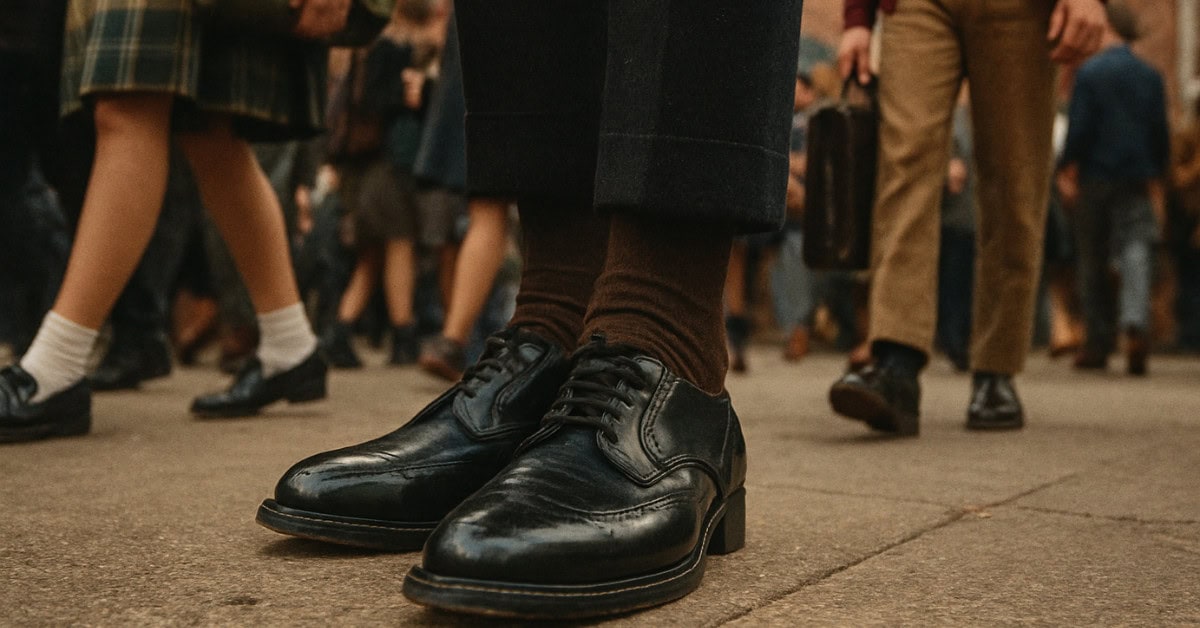
Sneakers were strictly forbidden except for PE class. Girls had to wear closed-toe shoes with heels no higher than one inch, while boys were required to wear polished leather shoes. Even in winter, athletic footwear was not permitted in regular classes.
4. No Pants for Girls
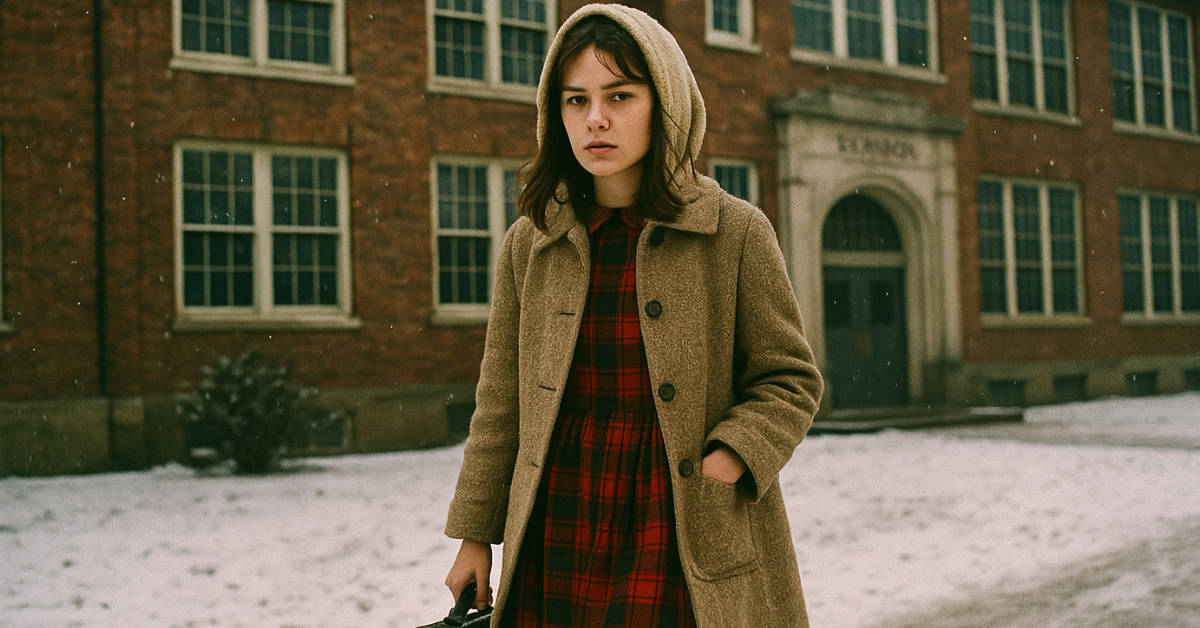
Girls were required to wear skirts or dresses – pants were absolutely forbidden. Even in freezing weather, this rule was strictly enforced. Some girls would wear pants under their skirts for the walk to school, then remove them upon arrival.
5. Mandatory Socks Height

Girls’ socks had to be a specific length – ankle socks or knee-highs only, no in-between lengths allowed. Boys were required to wear dark socks pulled up to mid-calf. Sock color was often specified in the dress code with no variations permitted.
6. Belt Requirements

Boys were required to wear belts with any pants that had belt loops. The belt had to be plain leather, black or brown only, with a simple buckle. Forgetting your belt could result in a detention slip.
7. Tie Requirements for Boys
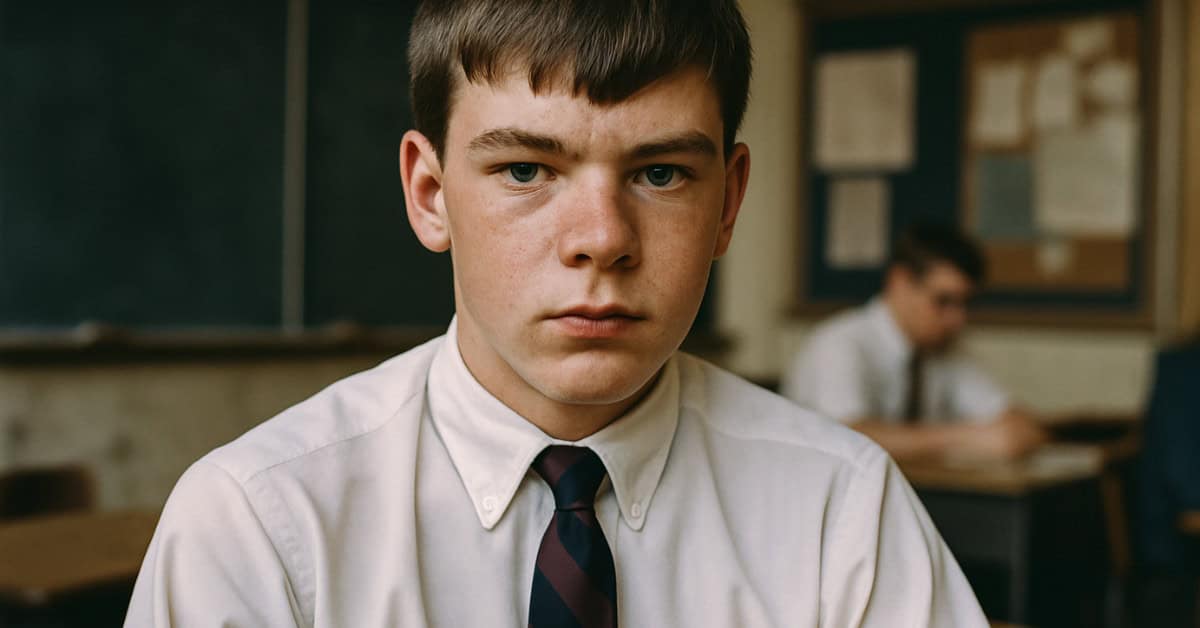
Many schools required boys to wear ties daily. These had to be properly knotted and pulled up to the collar button. Clip-on ties were often forbidden, as learning to tie a proper knot was considered part of education.
8. Makeup Restrictions

Most schools completely banned makeup for girls. Those that allowed it had strict guidelines – only light powder and minimal lipstick permitted. Teachers would make girls wash their faces if they appeared to be wearing too much makeup.
9. Jewelry Limitations

Girls were limited to one ring per hand and small post earrings only. Bracelets and necklaces were often completely forbidden. Boys were not allowed to wear any jewelry except watches and class rings.
10. Shirt Tucking Rules
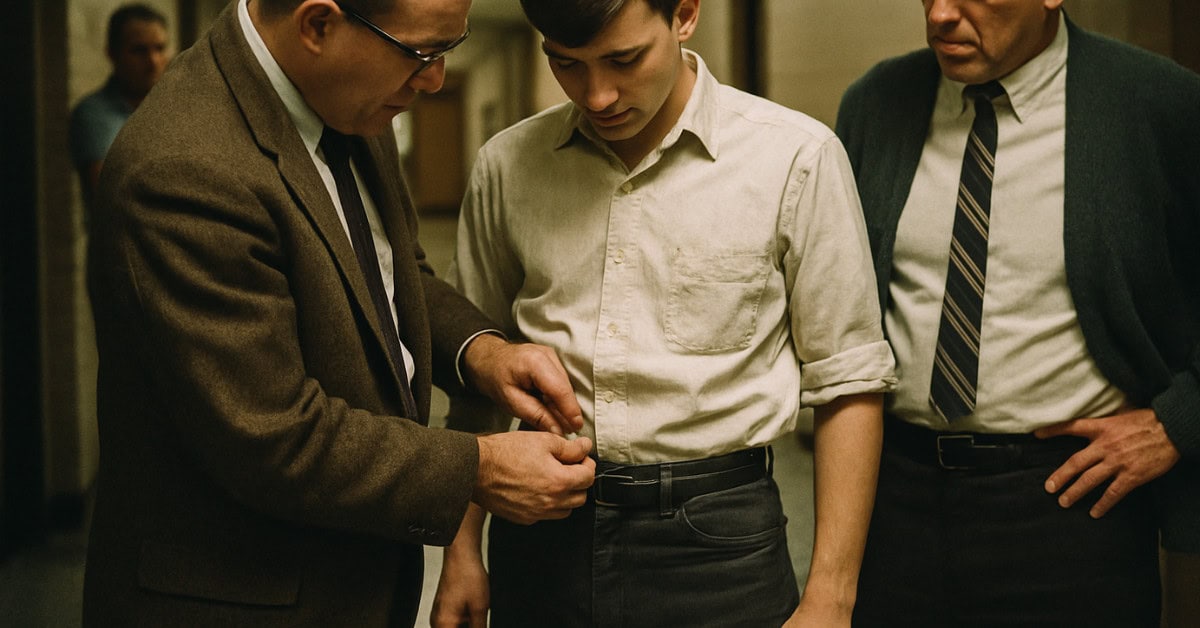
All shirts had to be tucked in at all times, with no exception for style or fashion. Teachers would perform “shirt checks” throughout the day. Multiple violations could result in detention or parent conferences.
11. Color Restrictions
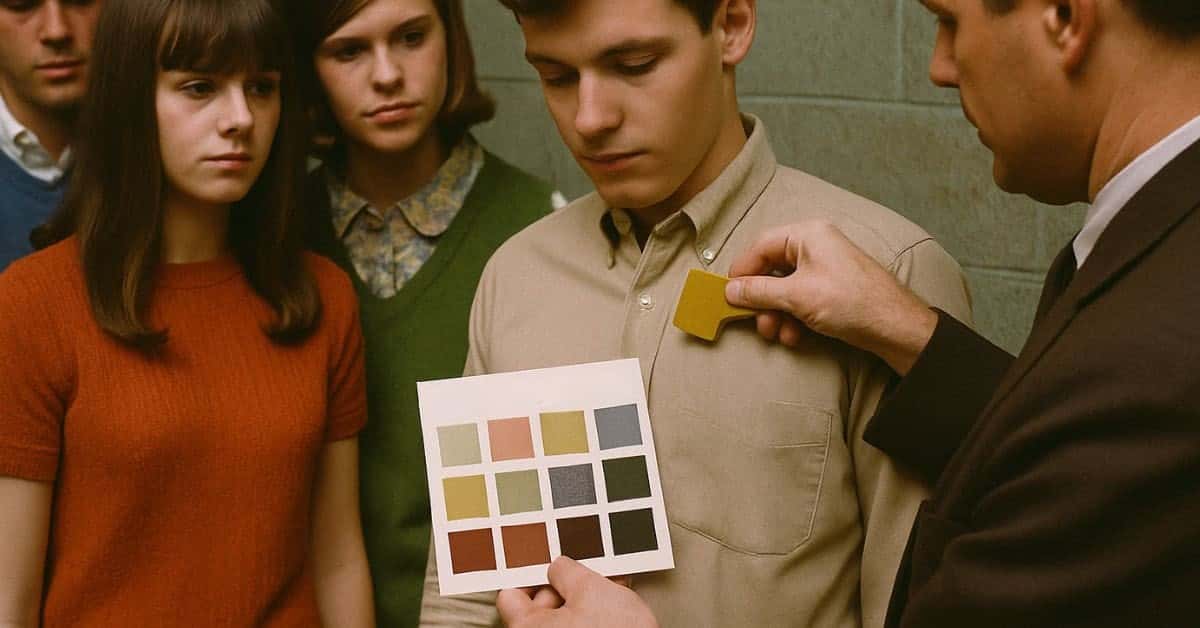
Many schools had strict color palettes for clothing. Bright colors were often forbidden, with only navy, black, brown, and white permitted. Even socks and shoes had to conform to these color restrictions.
12. Nail Polish Bans
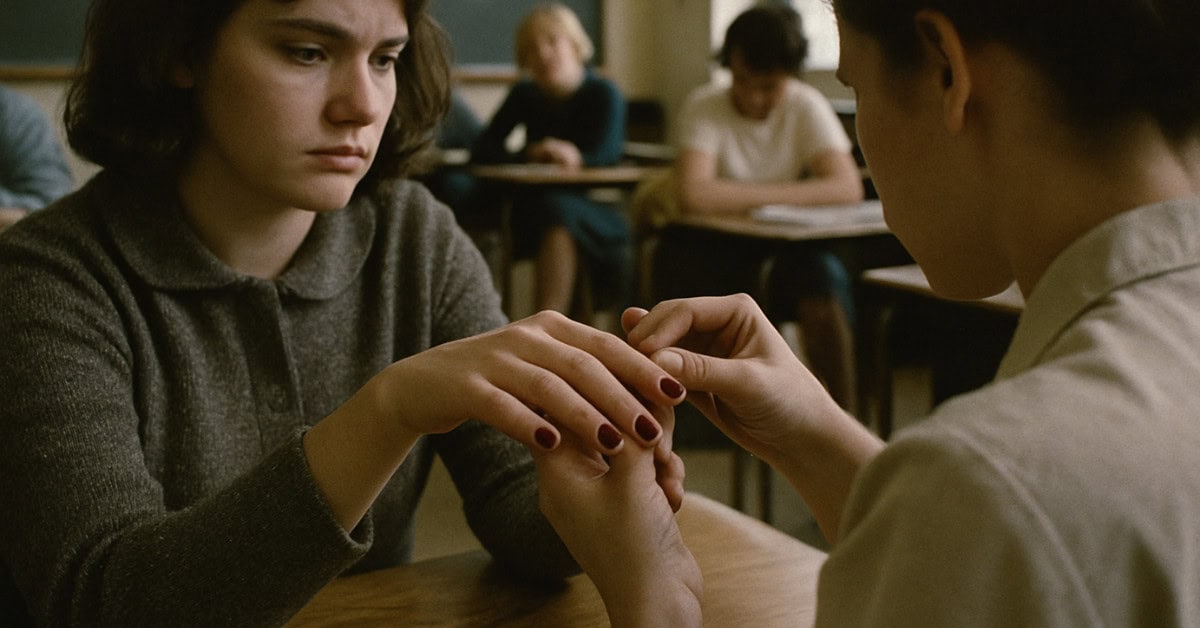
Colored nail polish was completely forbidden in most schools. Some allowed clear polish only, but this had to be perfectly maintained – no chips or peeling allowed. Girls would be sent to the office to remove any unauthorized colors.
13. Sweater Regulations
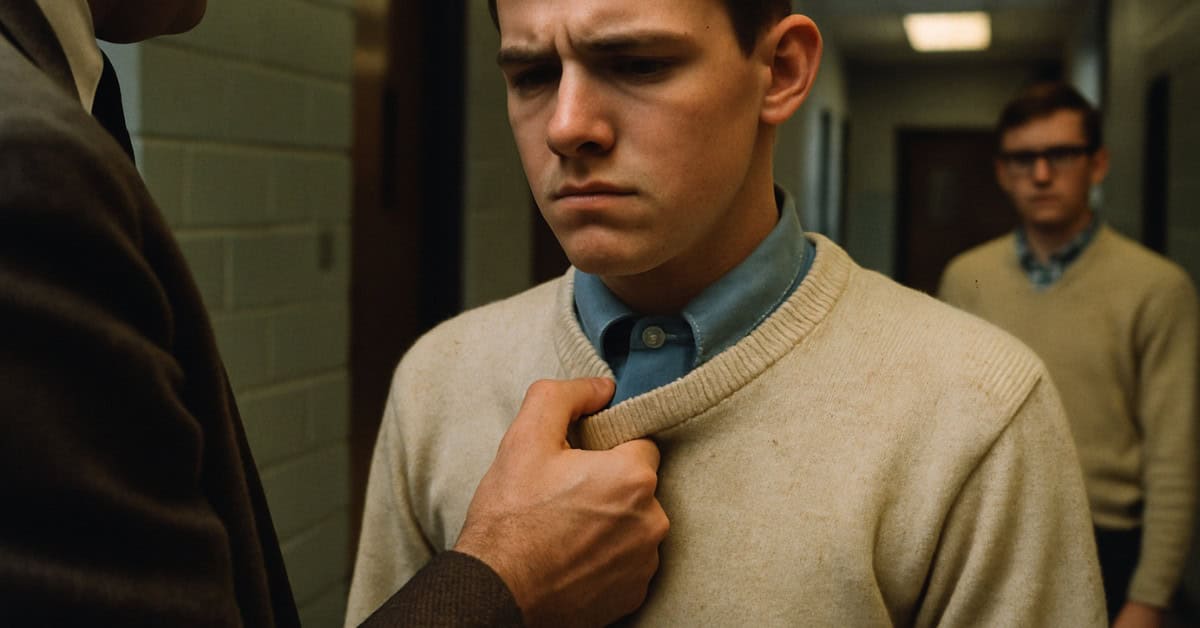
Sweaters had to be solid color cardigans or pullovers – no patterns allowed. They had to be worn properly, not draped over shoulders or tied around waists. Even the way sweaters were buttoned was regulated.
14. Hat Prohibitions
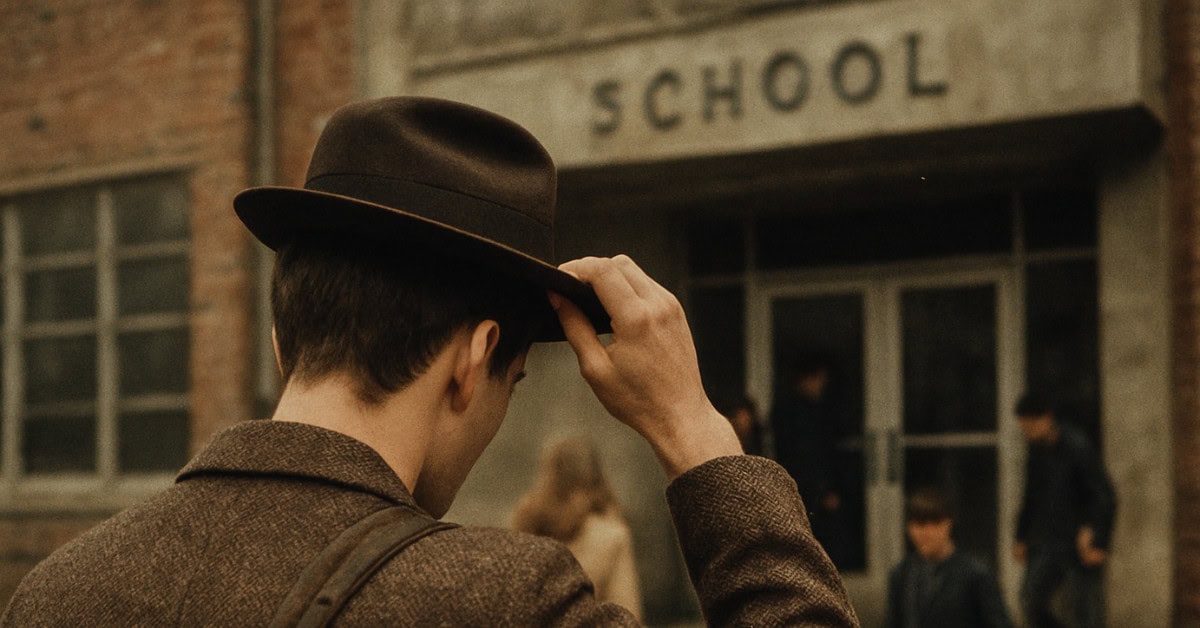
Hats of any kind were strictly forbidden inside school buildings. Even outdoor hats had to conform to specific styles and colors. Girls’ hair ribbons and headbands were subject to size and color restrictions.
15. Specific Fabric Requirements
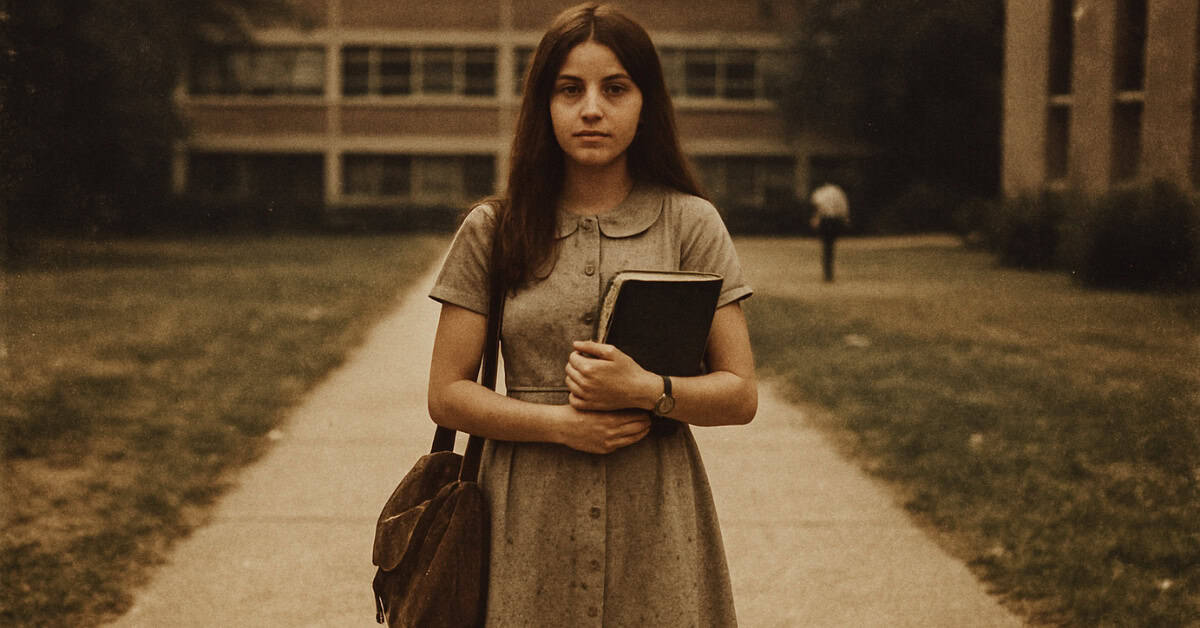
Schools often specified acceptable fabric types. Denim was frequently banned outside of designated “casual days.” Certain materials like corduroy or velvet were restricted, and all fabrics had to be wrinkle-free and properly pressed.