Today, a field trip almost feels like a day off from school, but back in our day, we were adventuring even if it was a little dangerous. We used to pack into those big yellow school buses and head out to locations that modern day parents would almost definitely keep their kids from. In this blog, I’m going to try to remember the field trips that would 100% get cancelled today.
Table of Contents
- 1 1. Factory Tours With Heavy Machinery
- 2 2. Unsupervised Swimming at Local Quarries
- 3 3. Hands-on Farm Experiences
- 4 4. Nuclear Power Plant Tours
- 5 5. Overnight Camping Without Background Checks
- 6 6. Construction Site Visits
- 7 7. Chemistry Lab Demonstrations
- 8 8. Fire Station Sliding Poles
- 9 9. Mine Shaft Explorations
- 10 10. Zoo Animal Encounters
- 11 11. Visiting Active Printing Presses
- 12 12. Exploring Abandoned Historical Sites
- 13 13. Hands-on Taxidermy Demonstrations
- 14 14. Climbing Inside Military Equipment
- 15 15. Glass Factory Hot Shops
1. Factory Tours With Heavy Machinery

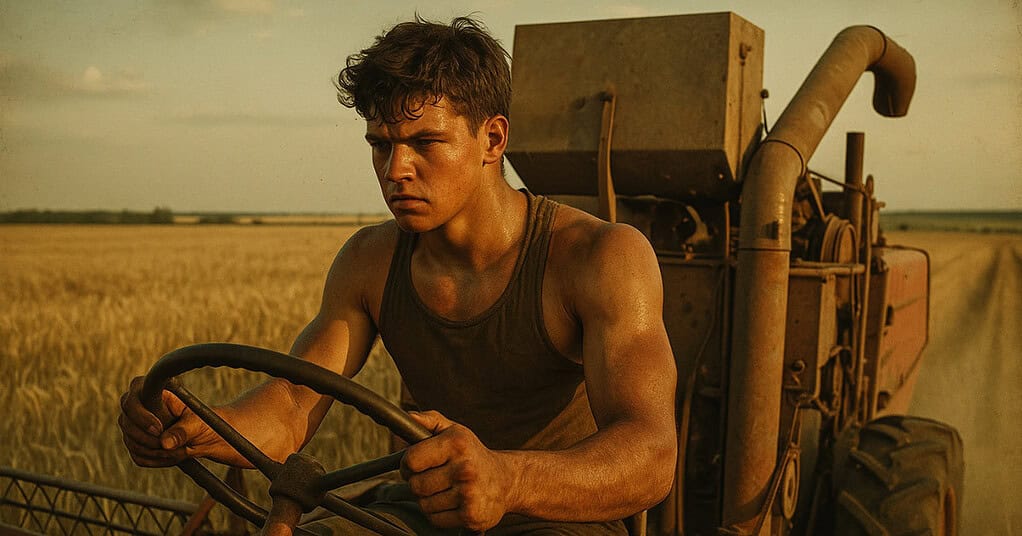
In the 60’s and 70’s, children were taken to watch large terrifying machines at work in a factory. Kids walked right past assembly lines and printing presses for what we would now consider the world’s greatest safety hazard. While a factory was an exciting place to visit and see how work gets done, modern day factory visits are out of the question.
Save for later
Want to come back to this story? Save it with your email so it is easy to find again.
2. Unsupervised Swimming at Local Quarries

Visiting a swimming hole or a quarry was the greatest trip of the year, and I can understand why. Teachers were expected to supervise a ton of students as they swam in a big open pit with no lifeguard, no water testing, and no contract signing. At this point, school administrators are probably begging to never see this again.
3. Hands-on Farm Experiences
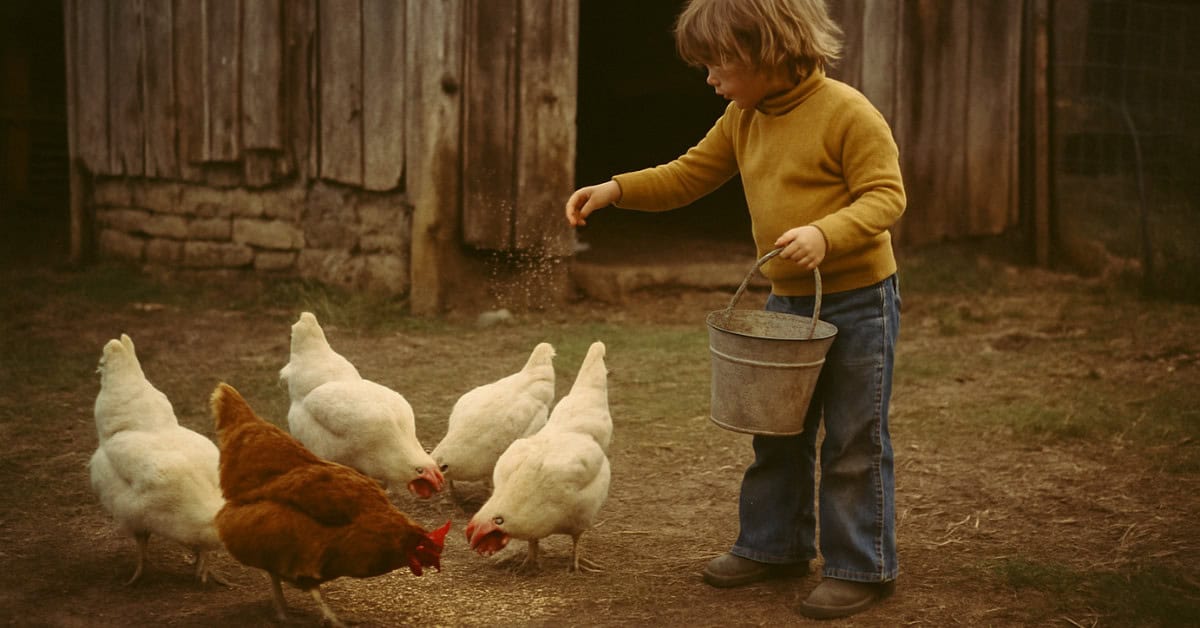
Real working farms were taken to on many field trips. We genuinely learned about food production and farming during activities like cow milking and livestock feeding, which was a true joy. In those days, we didn’t have to worry about disease and allergies because there was no hand sanitizer.
4. Nuclear Power Plant Tours
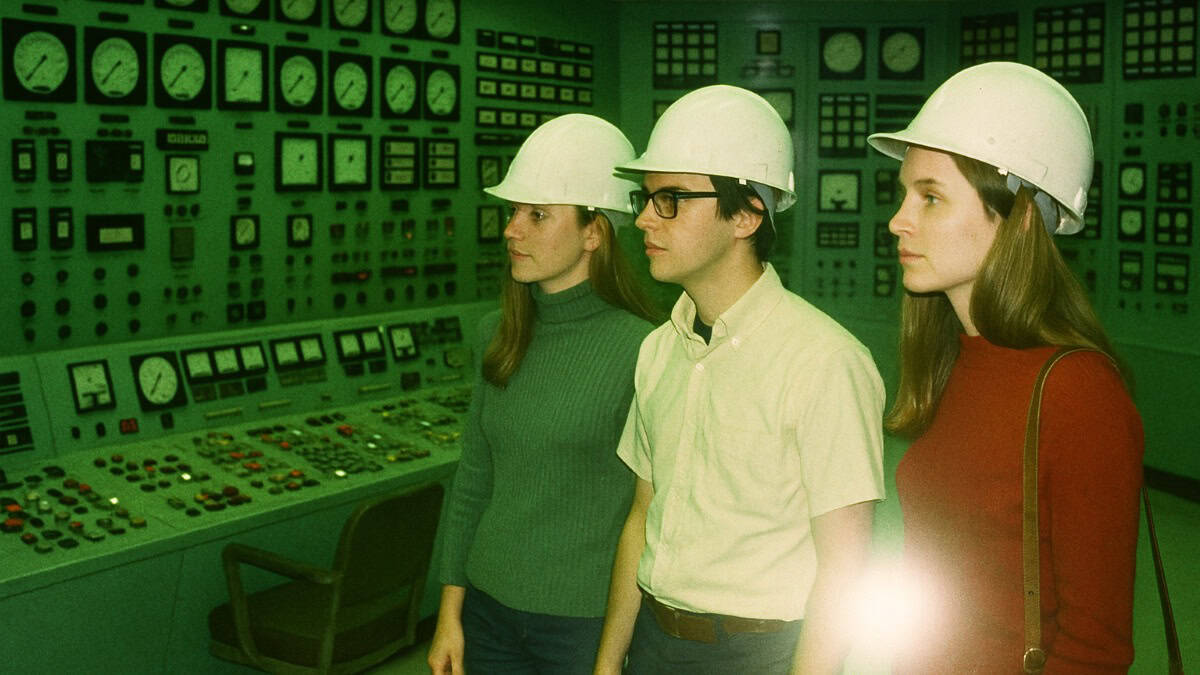
In the past, power plants had no problem taking in school kids. We learned about nuclear energy and got to go up close to the giant cooling towers. We did not have much security clearance and did not know how to handle radiation.
5. Overnight Camping Without Background Checks
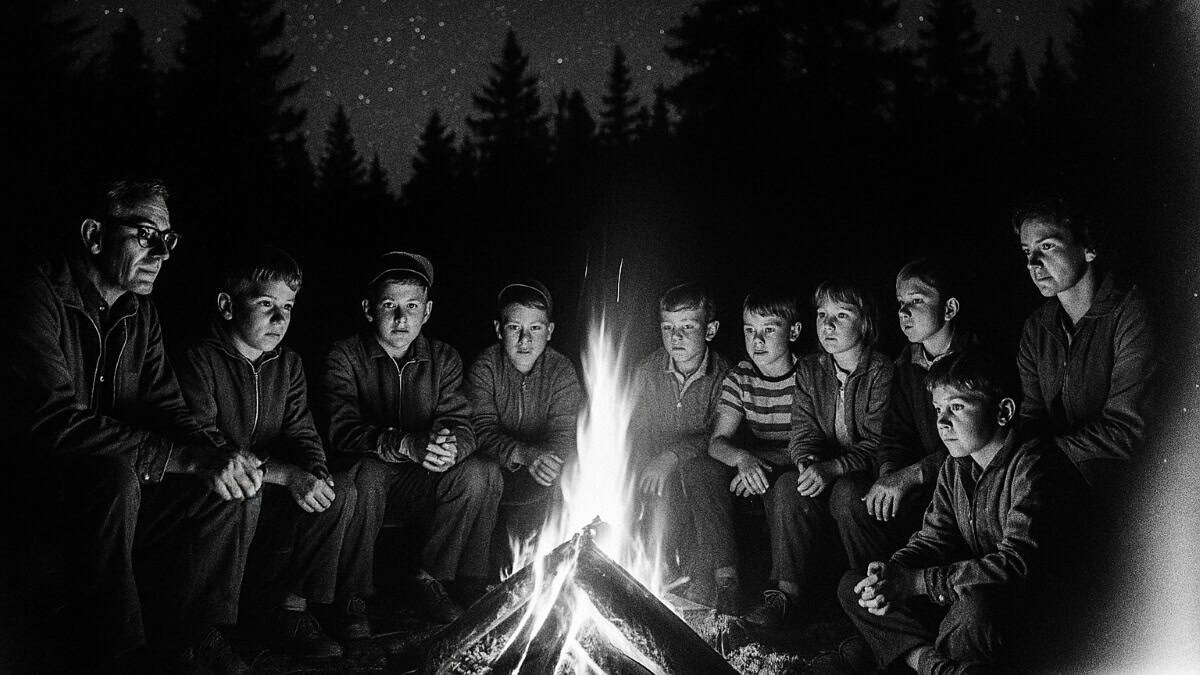
Camping trips taken by the school like these were unusual. Teachers and parent volunteers would take kids into the wilderness with little supervision. No one checked backgrounds, had any special training, or had satellite phones. We would sleep outside, cook on an open fire and learn about the wild.
6. Construction Site Visits
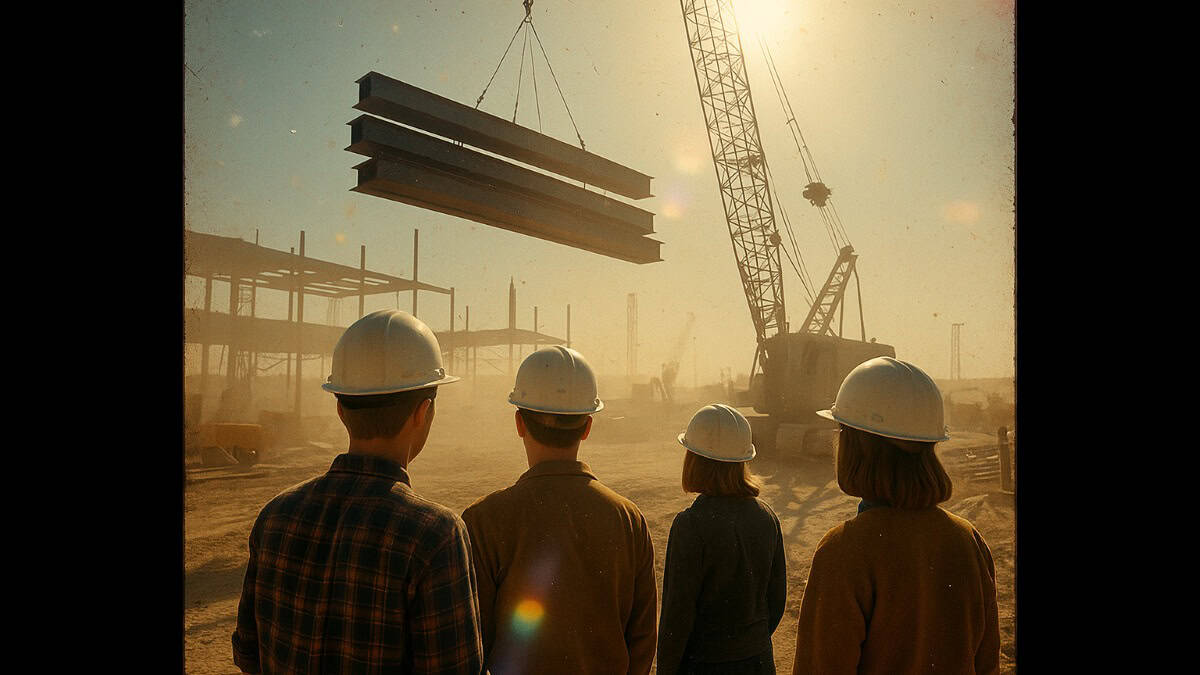
Construction sites were regular field trip destinations in the 60s and 70s. We walked through a building under construction watched the cranes working and even got to try on hard hats. No safety protocols were in place and no liability was given to the kids. However, It was an amazing experience.
7. Chemistry Lab Demonstrations
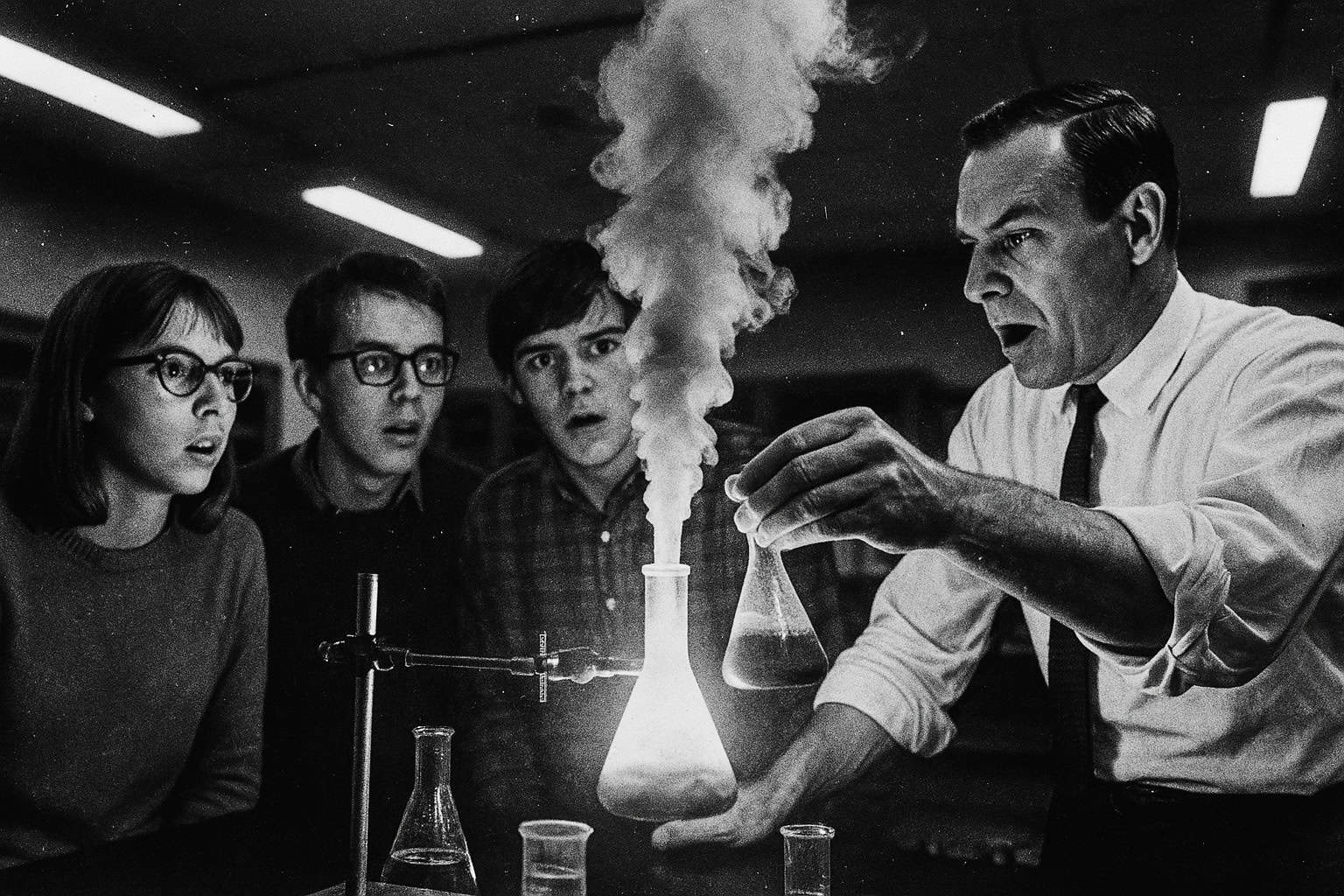
High school and college chemistry labs always had a big audience. A high school college chemistry teacher with unstable chemicals and an audience created an explosion. They were very careless with dangerously unstable chemicals.
8. Fire Station Sliding Poles
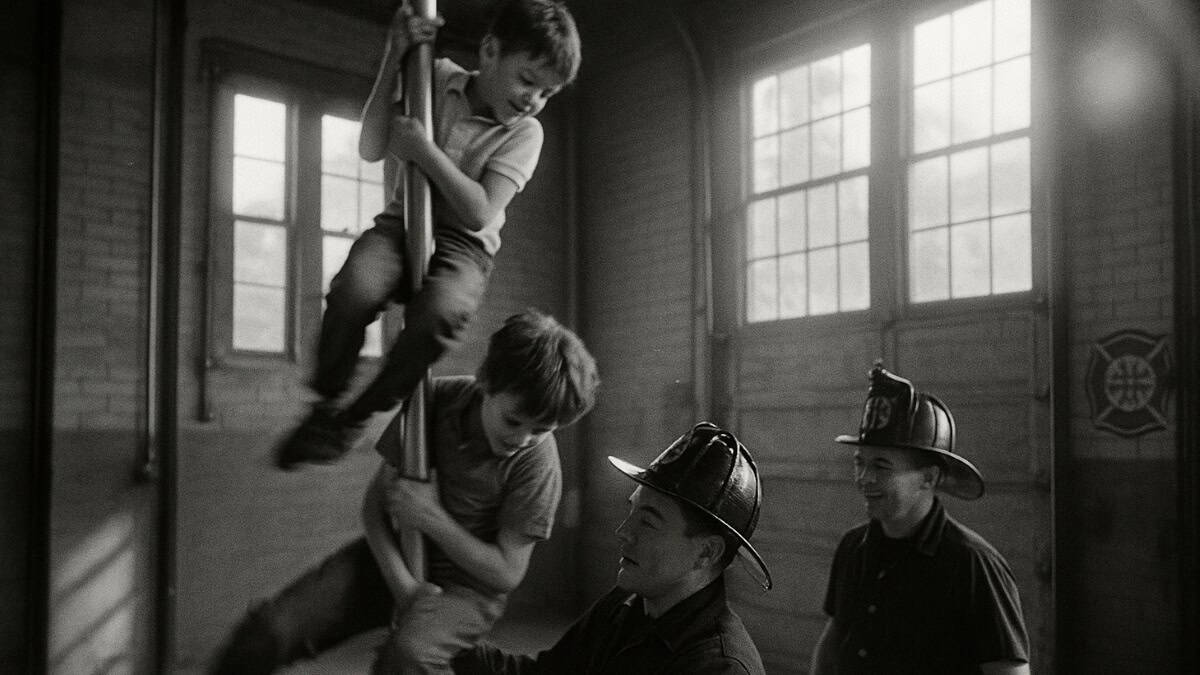
When we visited fire stations as little kids, we got to slide down the fire pole and climb on fire engines. Fire fighters let us wear their uniforms and play with the hoses. We got to experience the real life firefighter experience. No liability waivers or harnesses, just real life hands on experiences that kids can only dream about today.
9. Mine Shaft Explorations
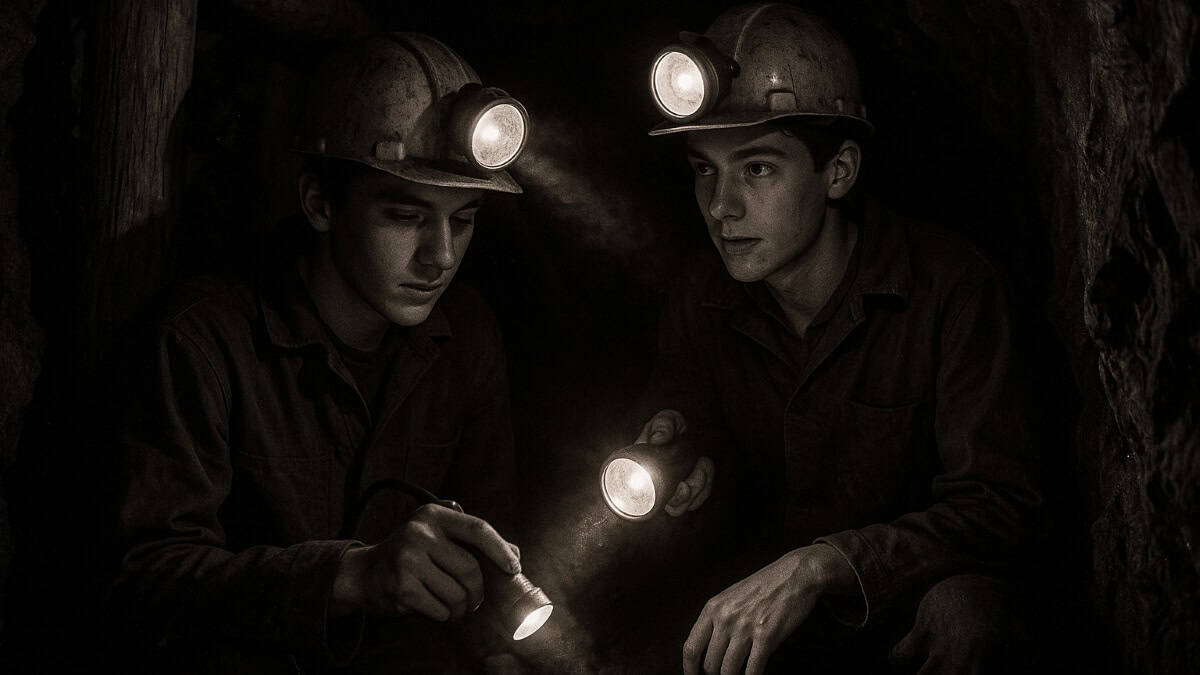
In mining towns, our school excursions went into miner shafts. We wore hard hats and went underground. We learned about the earth’s layers and the history of mining. Today’s parents would be horrified at the lack of safety equipment and air quality monitoring.
10. Zoo Animal Encounters
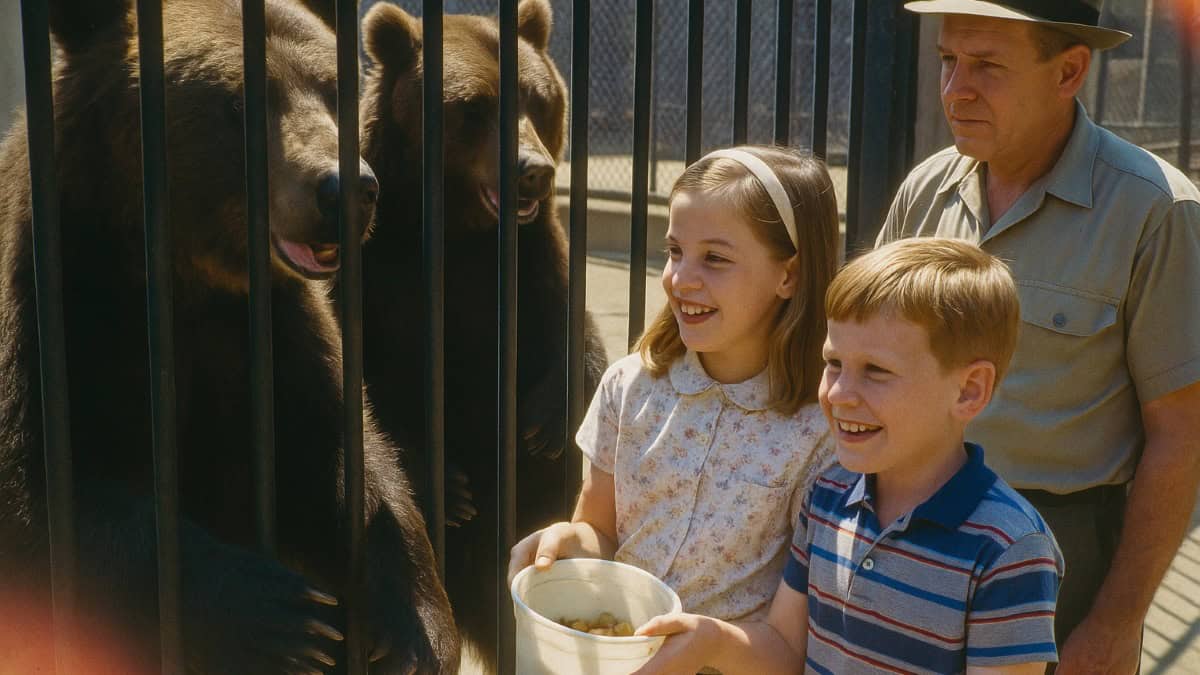
In the sixties, school trips to the zoo let us feed bears and touch exotic animals. We got dangerously close to wild animals. No modern zoo would allow this.
11. Visiting Active Printing Presses
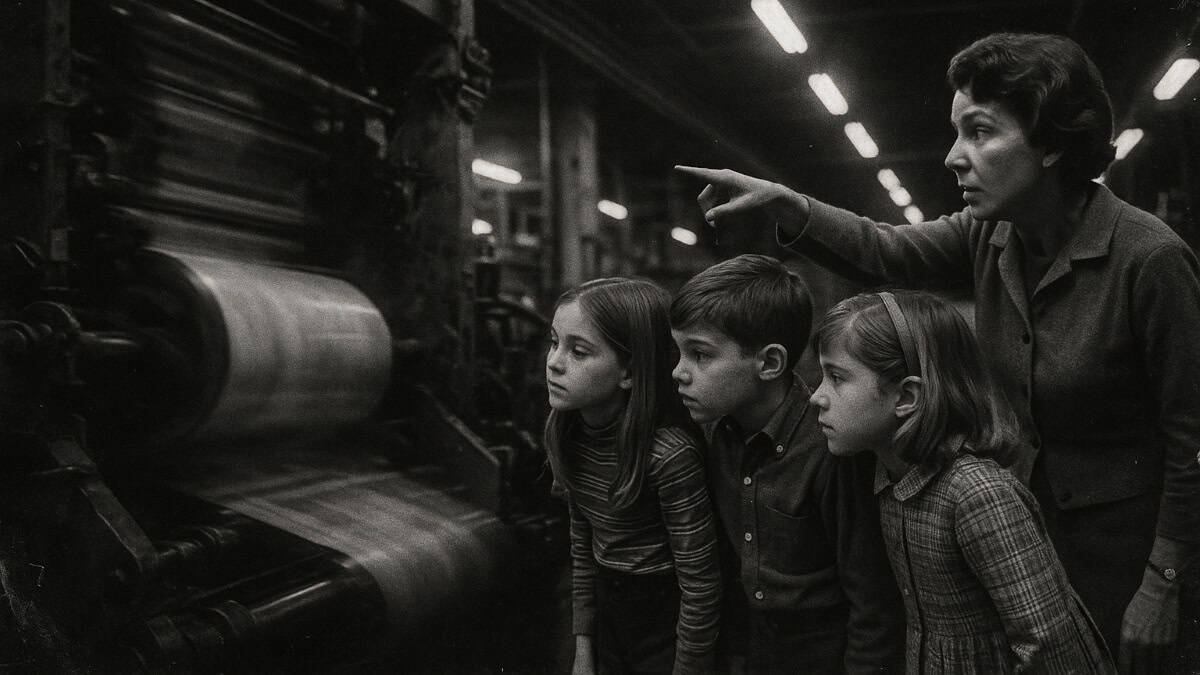
We visited local printing presses and watched the news get printed. We stood next to loud, fast moving machinery. There was fresh ink everywhere. There was no ear protection, safety barriers or noise restrictions. It was a remarkable experience.
12. Exploring Abandoned Historical Sites

History class was always an adventure. We would explore old ghost towns and wander through abandoned buildings and historical sites. While there were no safety precautions in place, we would climb through old edifices, look down into old, dusty wells, and explore the corners of history no one dared to visit. We were given the opportunity to experience history that would be frowned upon today due to modern liability issues.
13. Hands-on Taxidermy Demonstrations
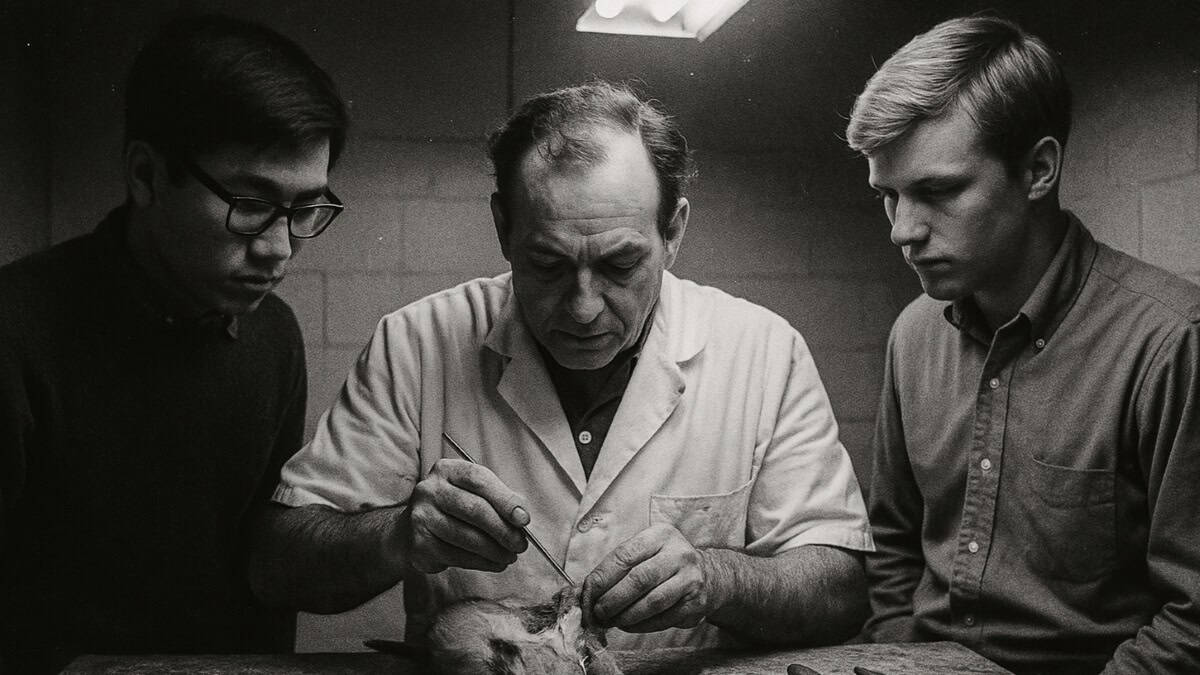
Field trips to the Natural History Museum were an experience like no other. We were treated to live demonstrations of taxidermy, and we were able to handle the preserved remains of animals. We learned about the anatomy of different creatures at a level that is forbidden by the contemporary regulations governing health and safety. Despite the lax approach to biological materials, it certainly made biology my favorite class.
14. Climbing Inside Military Equipment

Visiting military bases was always exciting because we could climb on the tanks, planes and artillery pieces. We were allowed to sit in the cockpits and explore the insides of military vehicles, and handle (but of course, unloaded) weapons. Because of the security and safety regulations we have today, we would not be able to have that type of exploration of military equipment.
15. Glass Factory Hot Shops
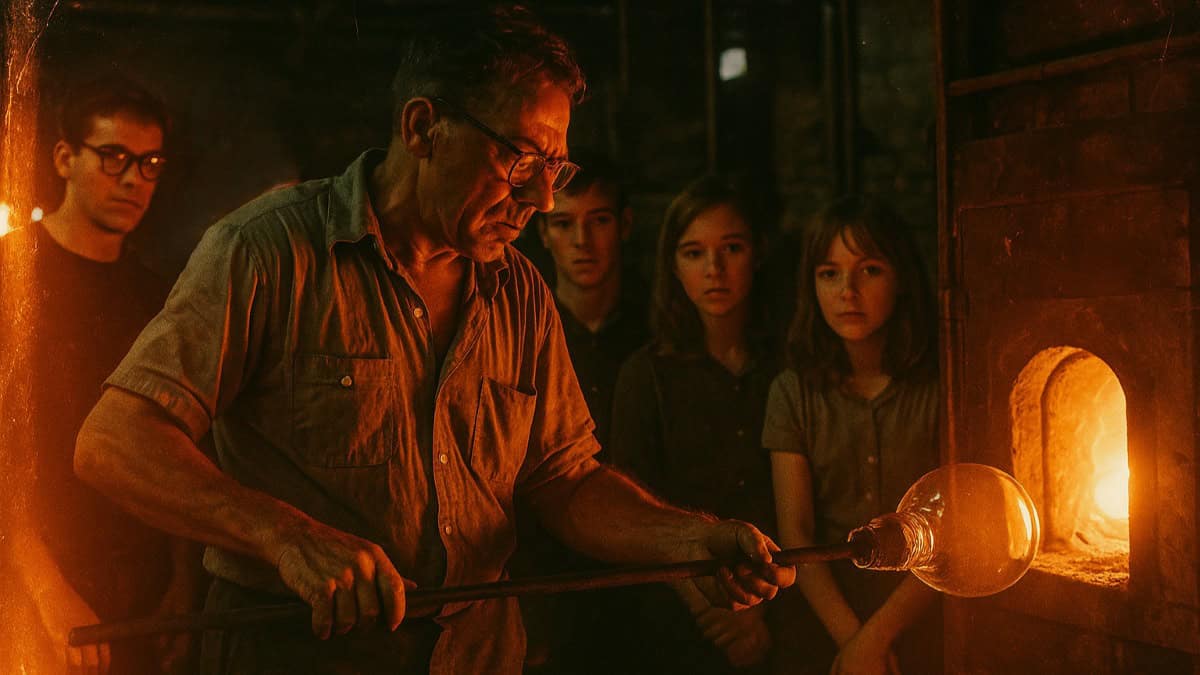
We would visit glass factories and watch glassblowers work with glass that was at a temperature of 2000 degrees. We were even given the chance to try our hand at glass-blowing. The casual approach to safety that we were given then would be unheard of in today’s world with strict OSHA regulations.