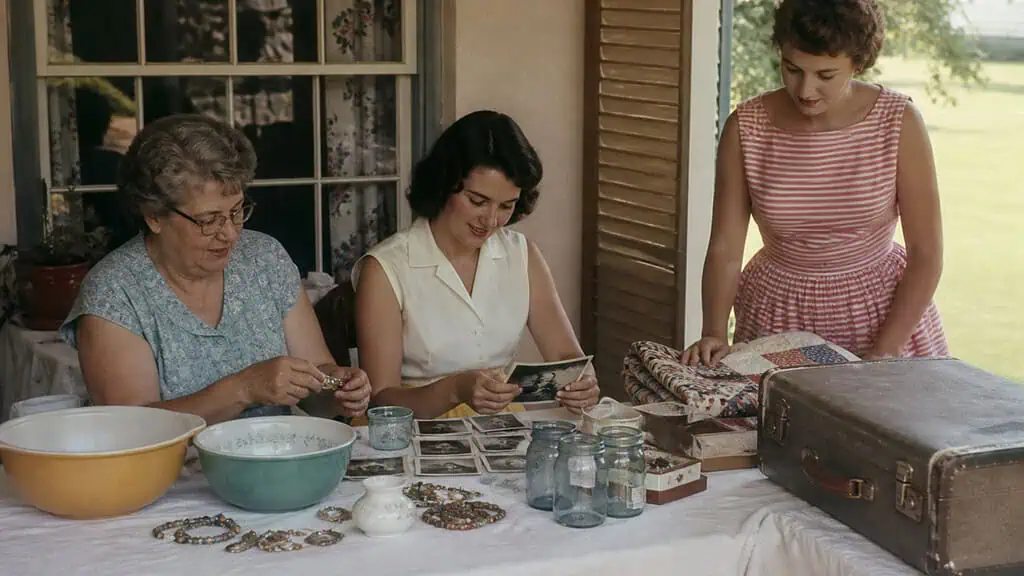
Remember when we had to talk to people face-to-face to make plans? When a firm handshake meant something, and we couldn’t hide behind screens to avoid awkward conversations? Those of us who grew up before the digital age learned social skills that seem almost quaint today. Let’s walk down memory lane and explore some essential social graces that, for better or worse, today’s kids might never experience.
Table of Contents
- 1 1. The Art of Phone Etiquette
- 2 2. Writing Thank-You Notes by Hand
- 3 3. Making Plans Without Instant Confirmation
- 4 4. Face-to-Face Conflict Resolution
- 5 5. The Lost Art of Small Talk
- 6 6. Entertaining Ourselves Without Screens
- 7 7. Reading Social Cues in Group Settings
- 8 8. The Importance of Eye Contact
- 9 9. Door-to-Door Social Skills
- 10 10. The Art of Letter Writing
- 11 11. Remembering Phone Numbers by Heart
- 12 12. The Skill of Active Listening
- 13 13. Navigating Social Events Without an Escape Device
- 14 14. The Practice of Patience in Communication
- 15 15. The Art of Group Decision Making
1. The Art of Phone Etiquette

Remember when answering the phone meant politely introducing yourself and asking who was calling? We mastered the delicate art of speaking clearly on a shared family line, taking messages accurately, and knowing when it was too late to call someone’s house. These days, kids text first and rarely make actual phone calls, missing out on these crucial voice-to-voice communication skills.
Save for later
Want to come back to this story? Save it with your email so it is easy to find again.
2. Writing Thank-You Notes by Hand

After every birthday party or holiday gathering, we sat down with our stationery and carefully penned thank-you notes to relatives and friends. This wasn’t just about gratitude – it taught us penmanship, proper formal letter writing, and the importance of acknowledging others’ thoughtfulness. Today’s quick “thx!” text message just doesn’t carry the same weight or teach the same lessons.
3. Making Plans Without Instant Confirmation

When we made plans to meet friends at the mall or movie theater, we had to stick to them. There was no texting “running late” or “can’t make it” at the last minute. This taught us reliability, punctuality, and the importance of keeping our word. The commitment meant something because changing plans wasn’t as simple as sending a quick message.
4. Face-to-Face Conflict Resolution

When disagreements arose, we had to handle them in person. There was no hiding behind screens or ghosting someone until the problem went away. We learned to read body language, manage emotions in real-time, and find compromises through direct conversation. These face-to-face negotiations built emotional intelligence that’s harder to develop through text-based communications.
5. The Lost Art of Small Talk

We grew up conversing with everyone—the grocery store clerk, the bank teller, and neighbors on their porches. These brief exchanges taught us how to read social cues, show interest in others, and build community connections. Today’s self-checkout lanes and online banking have reduced these opportunities for casual social interaction.
6. Entertaining Ourselves Without Screens

We mastered the art of entertaining ourselves and others through storytelling, imaginative play, and group games. Whether it was making up stories on long car rides or creating neighborhood-wide games, we developed creativity and social bonds through shared experiences. These skills helped us become better conversationalists and more resourceful individuals.
7. Reading Social Cues in Group Settings

Without smartphones to retreat to, we learned to navigate group dynamics by reading facial expressions, body language, and tone of voice. We could tell when someone felt left out, when it was time to change the subject, or when someone needed cheering up. These intuitive social skills came from years of uninterrupted, face-to-face interaction.
8. The Importance of Eye Contact

Making proper eye contact was a fundamental skill we all learned early on. It showed respect, attention, and engagement in conversation. Today’s screen-focused interactions mean many young people feel uncomfortable with sustained eye contact, missing out on this crucial element of human connection.
9. Door-to-Door Social Skills

Whether selling Girl Scout cookies or collecting for school fundraisers, we learned how to approach strangers’ homes, make our pitch, and handle rejection gracefully. These experiences built confidence, sales skills, and the ability to represent ourselves professionally – valuable lessons that aren’t easily replicated in today’s digital fundraising world.
10. The Art of Letter Writing

Pen pals and long-distance friendships meant crafting detailed letters that could capture our thoughts, feelings, and experiences. This practice developed our writing skills, emotional expression, and patience – waiting weeks for a reply taught us the value of anticipation. Today’s instant messaging can’t replicate the thoughtfulness required in letter writing.
11. Remembering Phone Numbers by Heart

Before speed dial and smartphone contacts, we memorized dozens of phone numbers out of necessity. This wasn’t just about memory – it meant we always had a way to reach our loved ones in emergencies. It created a sense of connection and responsibility, knowing that important numbers were stored in our minds rather than in a device that could be lost or broken.
12. The Skill of Active Listening

Without the constant distraction of notifications and screens, we developed genuine listening skills. We learned to focus entirely on the speaker, remember details of conversations, and respond thoughtfully. This deep engagement in conversation created stronger relationships and better understanding between people, something that’s becoming increasingly rare in today’s multitasking world.
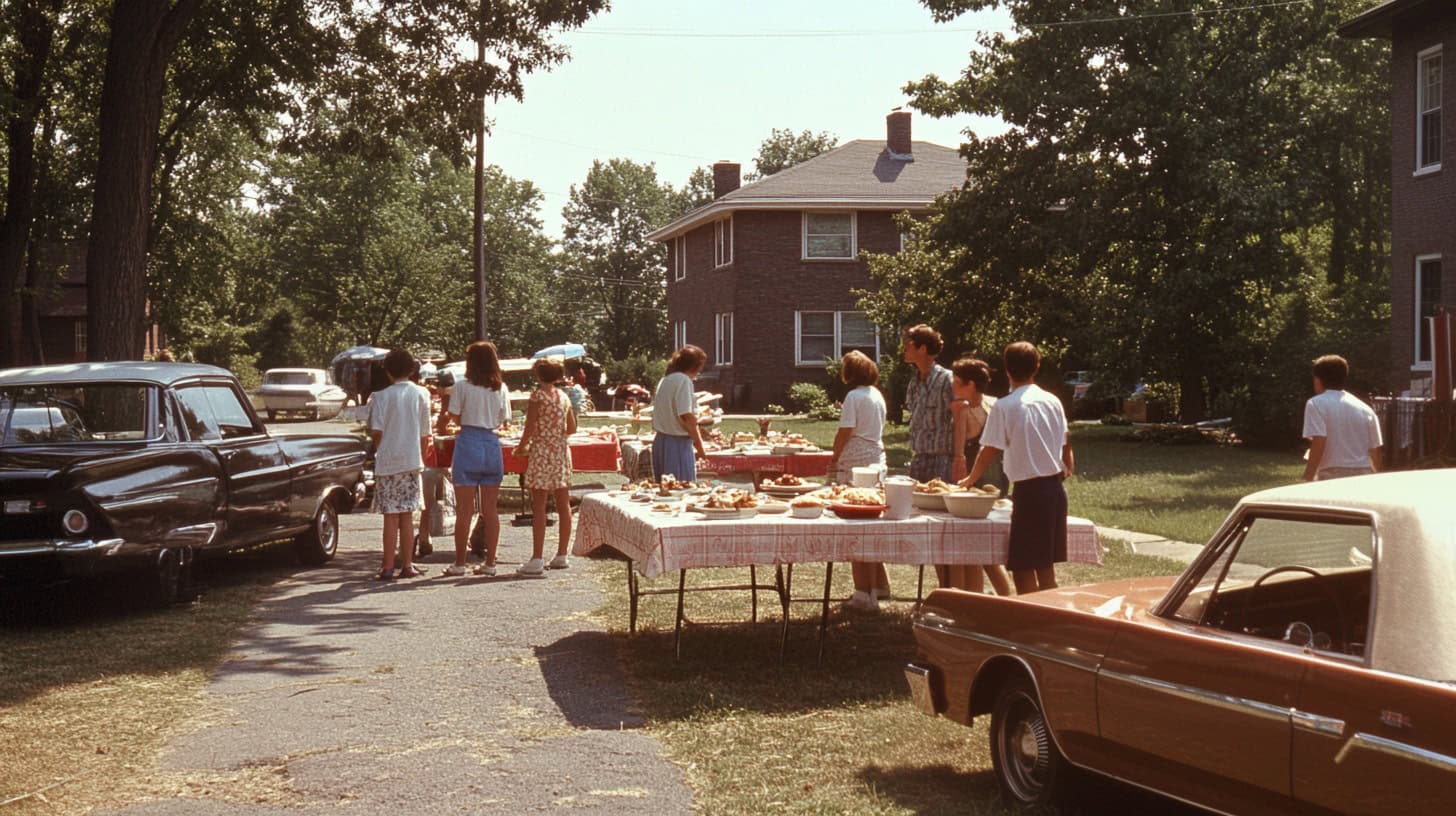
We couldn’t retreat into our phones when feeling awkward or bored at parties or family gatherings. Instead, we developed crucial skills like finding common ground with strangers, gracefully exiting conversations, and making the best of uncomfortable social situations. These experiences built resilience and adaptability in social settings.
14. The Practice of Patience in Communication

Whether waiting for a letter in the mail or for our turn to use the family phone, we learned that good things take time. This enforced patience helped us appreciate the value of thoughtful communication and taught us that not every message needed an immediate response. Today’s instant gratification culture has made this kind of patience nearly obsolete.
15. The Art of Group Decision Making

Before group chats and polling apps, we had to make decisions as a group in real-time. Whether choosing where to eat or what game to play, we learned negotiation, compromise, and how to build consensus face-to-face. These skills fostered leadership abilities and taught us to balance different personalities and preferences in a group setting.