
The 1960s produced some of the most enduring songs in popular music history – tracks that speak to each new generation. Whether addressing social justice, love, war, or personal freedom, these songs continue to resonate with modern audiences. Their messages and melodies remain as powerful today as they were when first released, proving that great music truly is timeless.
Table of Contents
- 1 1. “The Times They Are A-Changin'” – Bob Dylan (1964)
- 2 2. “What’s Going On” – Marvin Gaye (1969)
- 3 3. “Blowin’ in the Wind” – Bob Dylan (1962)
- 4 4. “A Change Is Gonna Come” – Sam Cooke (1964)
- 5 5. “Respect” – Aretha Franklin (1967)
- 6 6. “For What It’s Worth” – Buffalo Springfield (1966)
- 7 7. “Bridge Over Troubled Water” – Simon & Garfunkel (1969)
- 8 8. “White Rabbit” – Jefferson Airplane (1967)
- 9 9. “The Sound of Silence” – Simon & Garfunkel (1964)
- 10 10. “Ohio” – Crosby, Stills, Nash & Young (1970)
- 11 11. “Give Peace a Chance” – John Lennon (1969)
- 12 12. “People Get Ready” – The Impressions (1965)
- 13 13. “Eve of Destruction” – Barry McGuire (1965)
- 14 14. “Get Together” – The Youngbloods (1967)
- 15 15. “We Shall Overcome” – Pete Seeger (1963)
1. “The Times They Are A-Changin'” – Bob Dylan (1964)
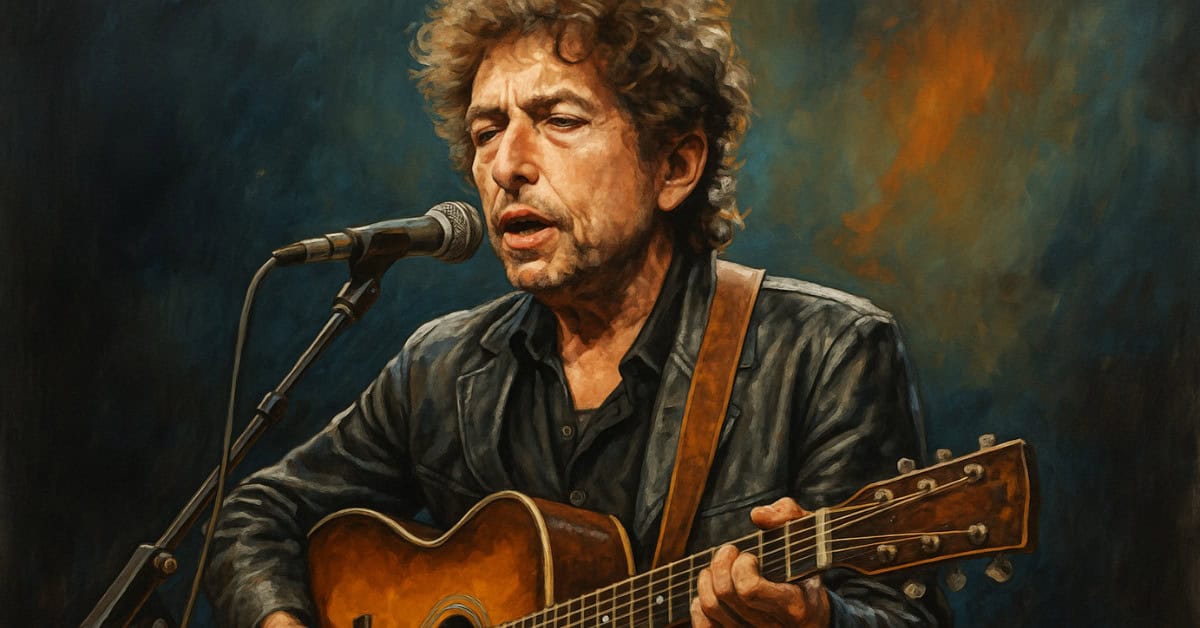
Dylan’s anthem of change became the voice of a generation and remains relevant whenever society faces upheaval. Its message about the inevitable march of progress and the need to adapt or be left behind resonates particularly strongly during times of social transformation. The song continues to be quoted by politicians, activists, and journalists addressing contemporary issues.
Save for later
Want to come back to this story? Save it with your email so it is easy to find again.
2. “What’s Going On” – Marvin Gaye (1969)
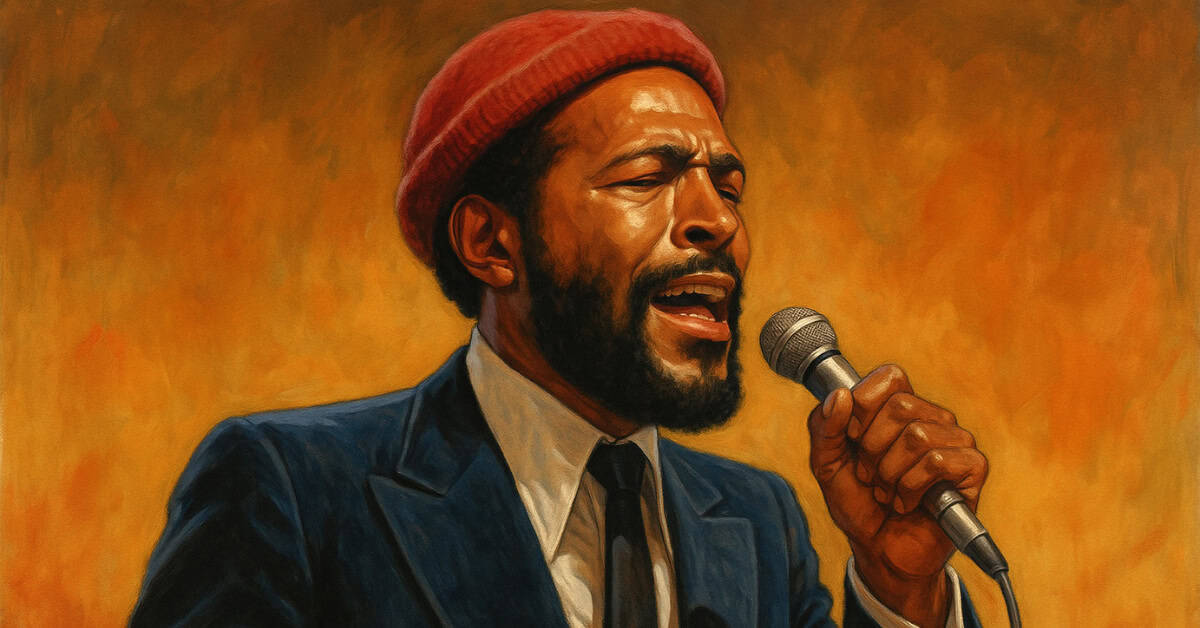
Released at the height of the Vietnam War, this song’s plea for understanding and peace continues to capture hearts. Its questions about war, injustice, and environmental destruction remain painfully relevant. Modern protest movements still use this song as their soundtrack, proving its message transcends its original context.
3. “Blowin’ in the Wind” – Bob Dylan (1962)

This simple yet profound questioning of war, peace, and freedom became a civil rights movement anthem. Its universal message about seeking answers to humanity’s eternal questions remains powerful. The song continues to be covered by artists addressing contemporary social issues.
4. “A Change Is Gonna Come” – Sam Cooke (1964)

Cooke’s powerful anthem of hope and perseverance speaks to anyone facing adversity. Written in response to personal experiences with segregation, its message of resilience and inevitable progress toward justice resonates with modern civil rights movements. The song’s emotional depth continues to move new generations.
5. “Respect” – Aretha Franklin (1967)
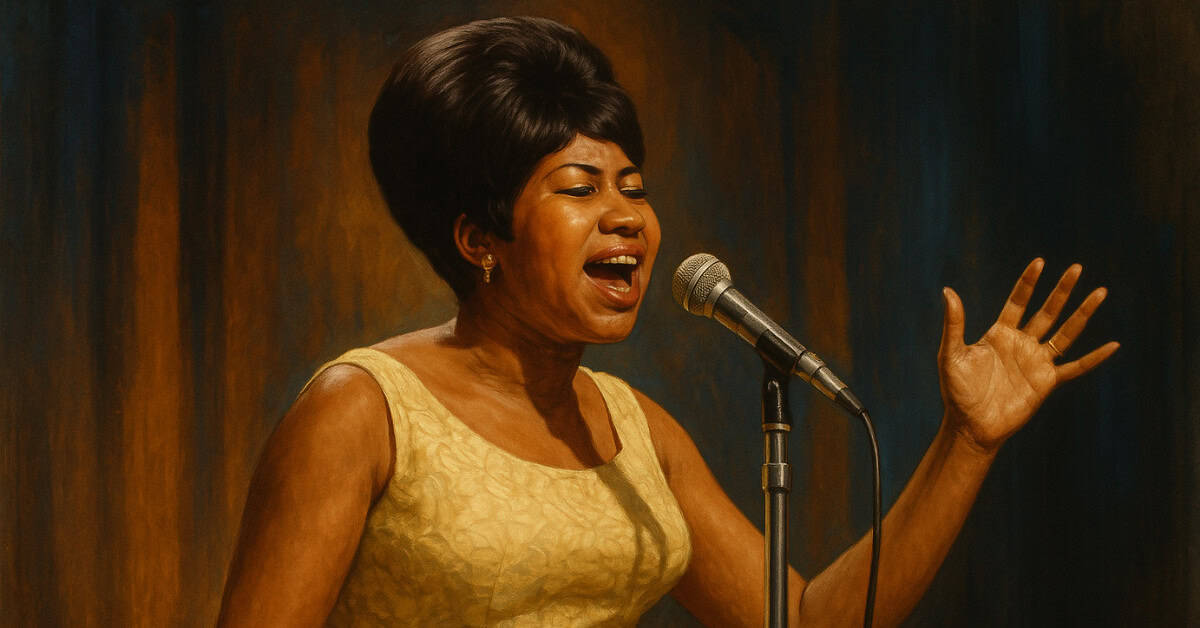
Franklin transformed Otis Redding’s song into a powerful declaration of feminine strength and dignity. It became an anthem for both the civil rights and women’s movements. Today, it remains a rallying cry for equality and respect across all demographics, featured prominently in modern movements for social justice.
6. “For What It’s Worth” – Buffalo Springfield (1966)
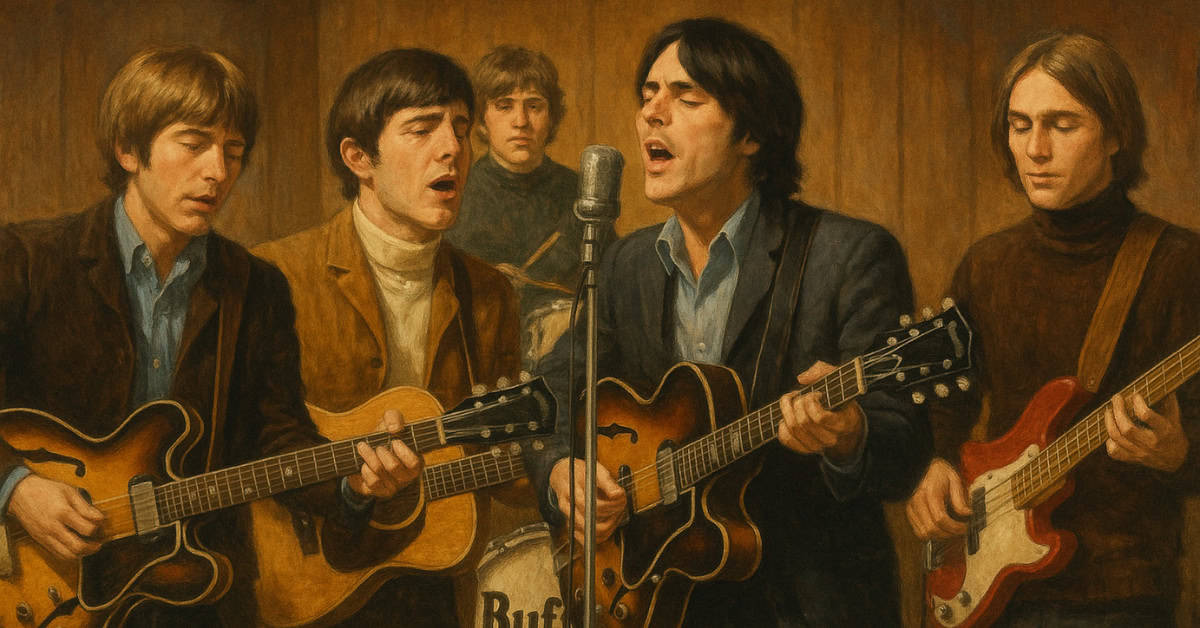
Originally written about Sunset Strip curfew riots, this song became a broader protest anthem. Its warnings about paranoia, division, and conflict in society remain eerily relevant. The song frequently resurfaces during times of social unrest, its message about questioning authority and remaining vigilant still powerful.
7. “Bridge Over Troubled Water” – Simon & Garfunkel (1969)
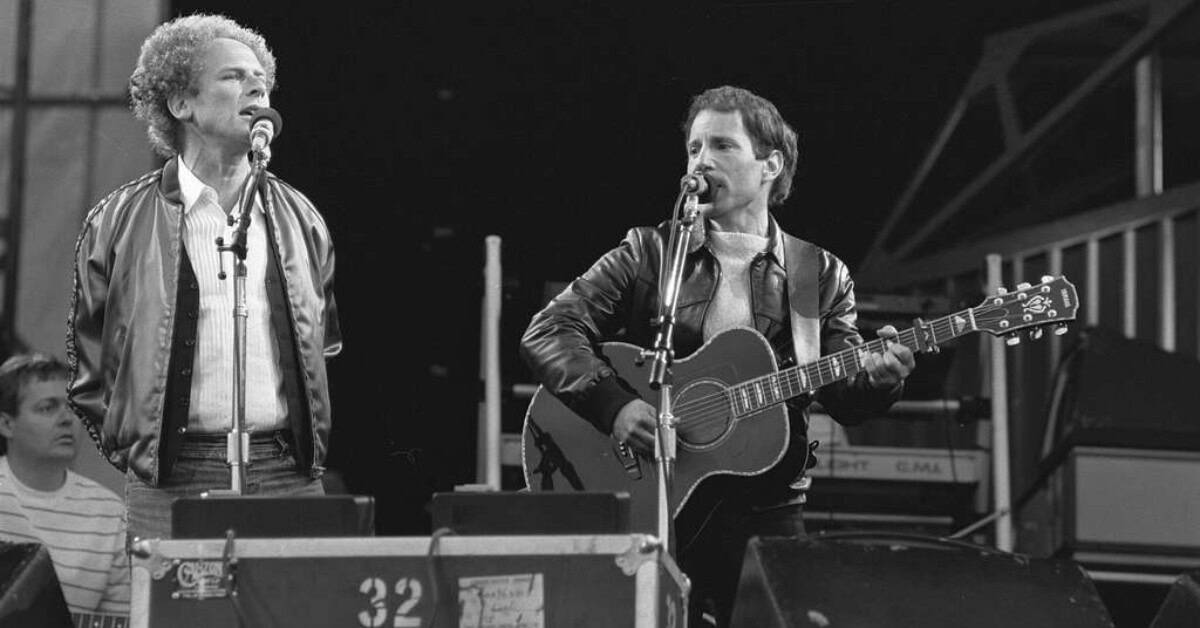
This timeless song about friendship and support during difficult times continues to comfort listeners. Its message of unconditional love and assistance resonates during personal and national crises. The song remains a go-to choice for memorial services and times of collective healing.
8. “White Rabbit” – Jefferson Airplane (1967)
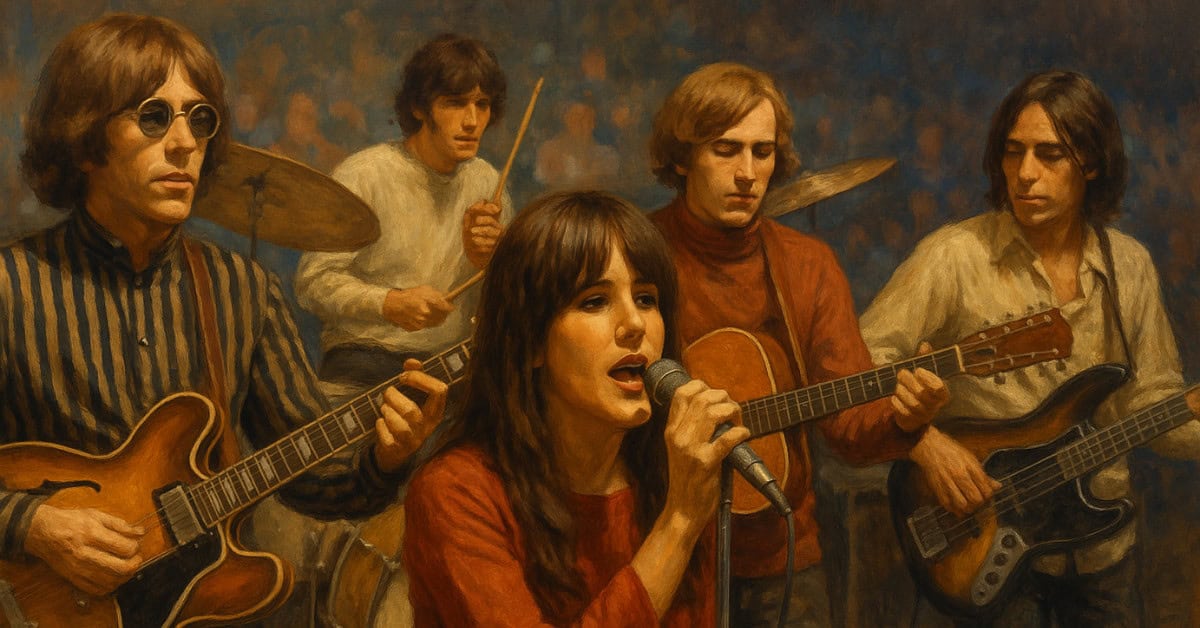
This psychedelic masterpiece about questioning authority and expanding consciousness remains influential. Its critique of societal norms and educational conformity still speaks to younger generations. The song continues to appear in films and TV shows exploring themes of rebellion and awakening.
9. “The Sound of Silence” – Simon & Garfunkel (1964)
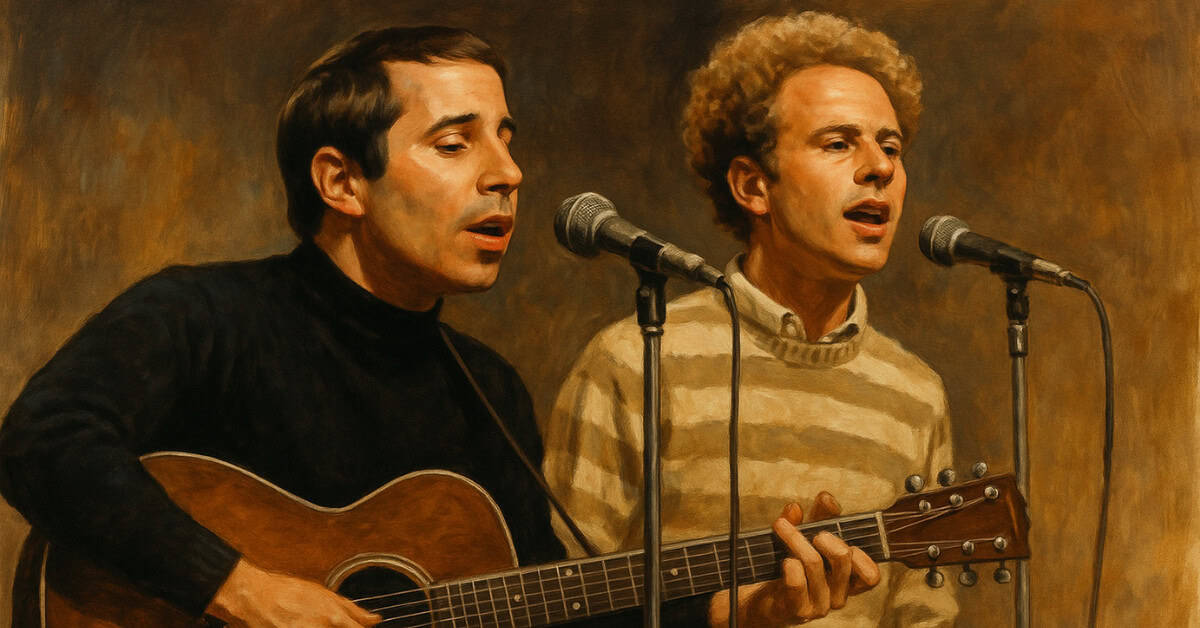
The song’s exploration of alienation and failed communication in modern society remains startlingly relevant. Its warnings about the dangers of apathy and isolation seem even more pertinent in our digital age. Recent covers have introduced new generations to its powerful message.
10. “Ohio” – Crosby, Stills, Nash & Young (1970)
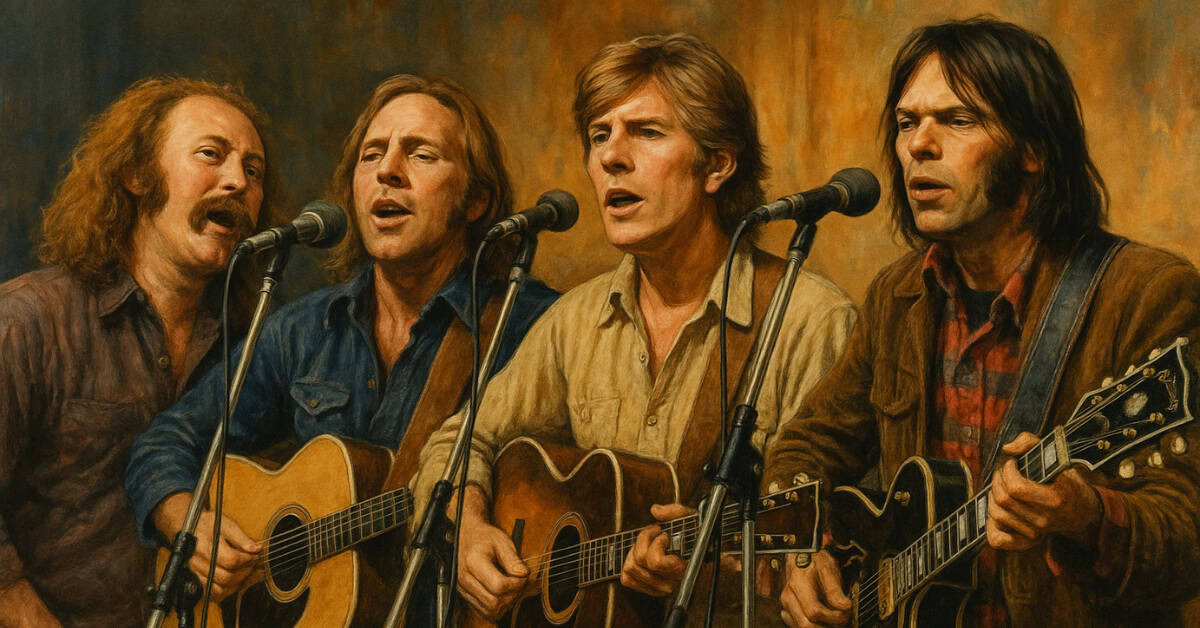
Written in response to the Kent State shootings, this protest song about government overreach and violence against civilians remains powerful. Its message about standing up to authority and questioning official narratives continues to resonate during times of civil unrest.
11. “Give Peace a Chance” – John Lennon (1969)

Lennon’s simple plea for peace became an anthem for the anti-war movement. Its straightforward message and easy-to-sing chorus make it perfect for protests and demonstrations. The song continues to be sung at peace rallies worldwide.
12. “People Get Ready” – The Impressions (1965)

Curtis Mayfield’s gospel-influenced call for hope and unity in the face of adversity still inspires. Its message of preparation for change and collective progress resonates with modern social movements. The song has been covered countless times, each version finding new relevance.
13. “Eve of Destruction” – Barry McGuire (1965)

This protest song’s warnings about nuclear war, civil rights, and environmental destruction remain relevant. Its litany of social and political problems could easily describe today’s headlines. The song’s urgent message about humanity’s self-destructive tendencies continues to resonate.
14. “Get Together” – The Youngbloods (1967)
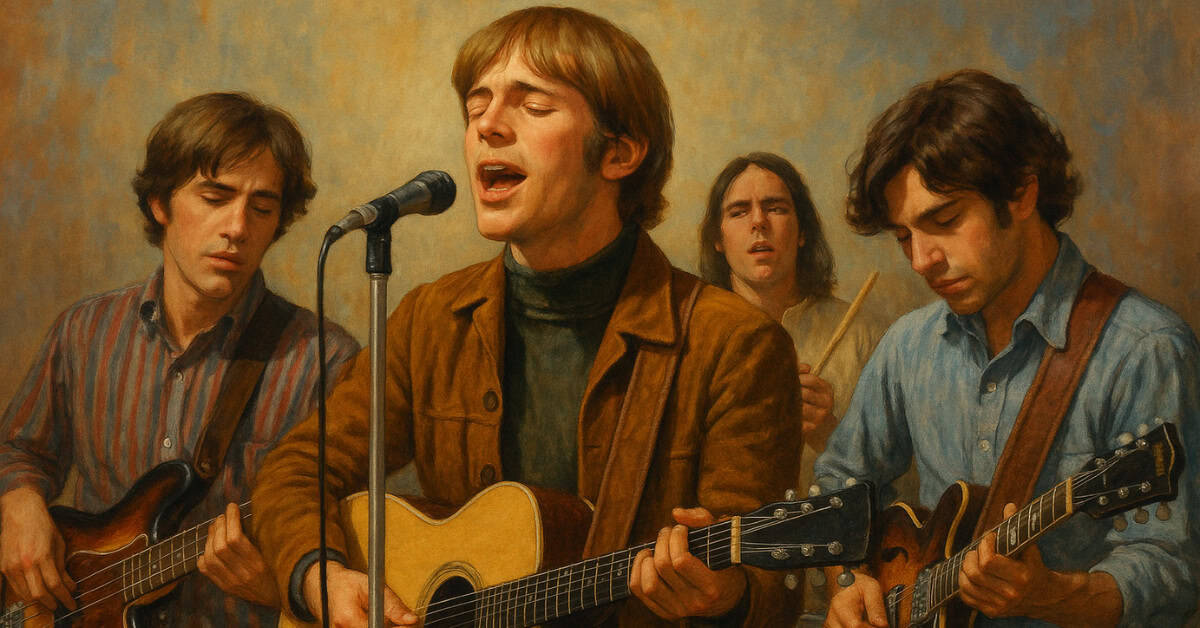
This gentle plea for unity and understanding continues to touch hearts. Its message about choosing love over hate and finding common ground remains particularly relevant in our divided times. The song frequently appears in films and advertisements promoting social harmony.
15. “We Shall Overcome” – Pete Seeger (1963)

Though dating back earlier, this civil rights anthem found its definitive form in the 1960s. Its message of perseverance and eventual triumph over injustice continues to inspire protest movements worldwide. The song remains a powerful symbol of nonviolent resistance and a source of hope.