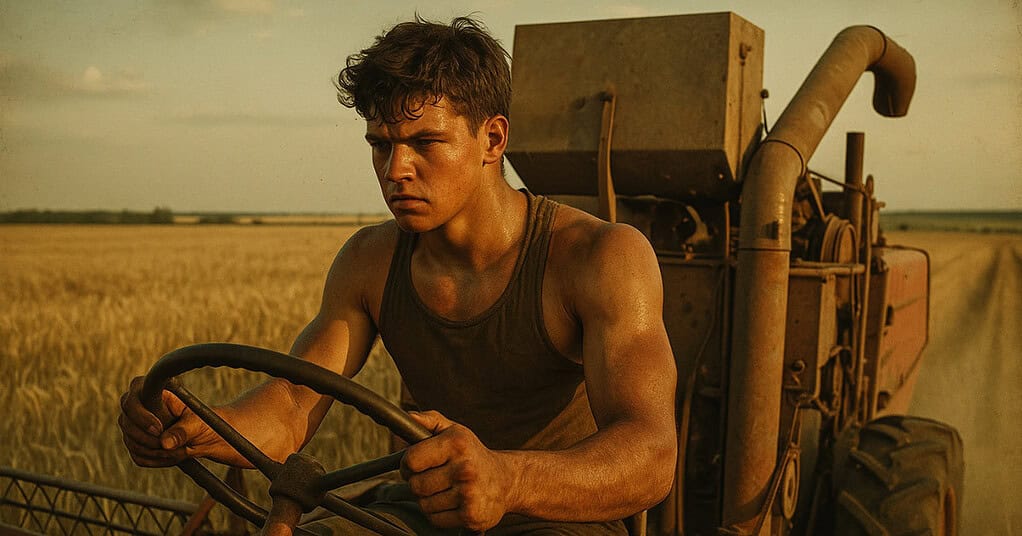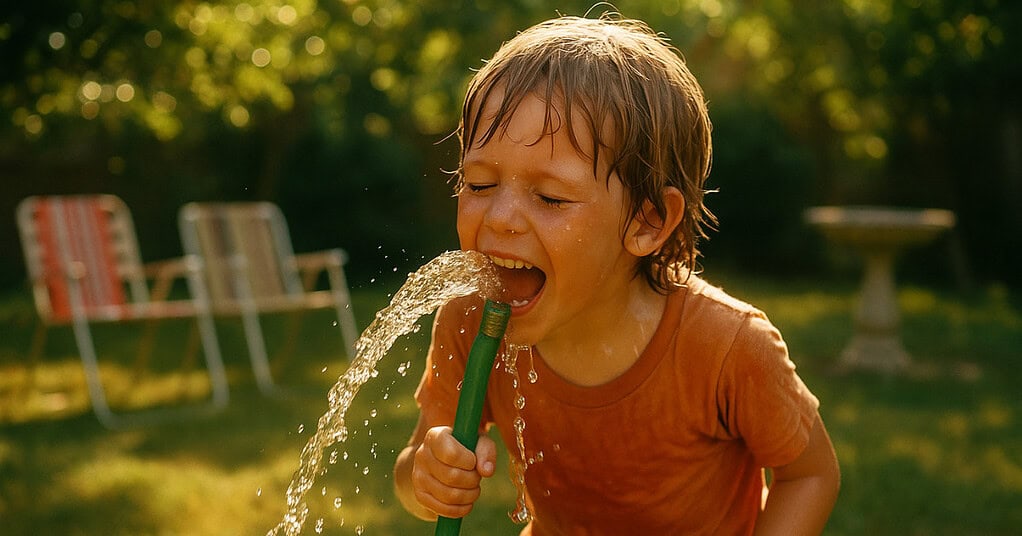
Growing up in the 1960s and early ’70s was a different world when it came to childhood safety. Before helicopter parenting and endless warning labels, kids experienced a kind of freedom that’s almost unimaginable today. While some of these practices might make modern parents cringe, they shaped a generation that learned independence, resilience, and common sense through firsthand experience.
Table of Contents
- 1 1. Riding in the Back of Pickup Trucks
- 2 2. Walking to School Alone
- 3 3. Bike Riding Without Helmets
- 4 4. Playing Until Dark
- 5 5. Making Their Own Fun
- 6 6. Drinking from Garden Hoses
- 7 7. BB Gun Adventures
- 8 8. Lawn Darts
- 9 9. Sledding Adventures
- 10 10. Fireworks Handling
- 11 11. Climbing Trees
- 12 12. Chemical Science Kits
- 13 13. Swimming Unsupervised
- 14 14. Wood Shop Freedom
- 15 15. Car Repair Helpers
1. Riding in the Back of Pickup Trucks
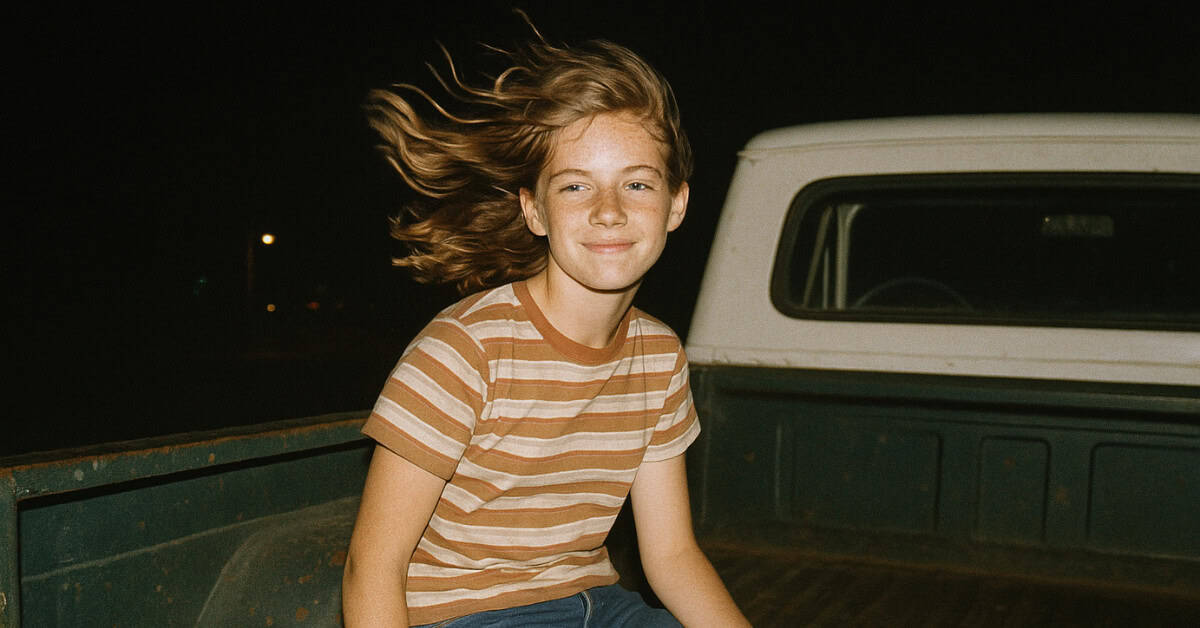
Nothing beats the thrill of riding in the back of Dad’s pickup truck, wind in our hair, watching the world go by. On hot summer days, this was our air conditioning, and on special occasions, it became prime parade seating. Looking back, it’s amazing we all survived, but it taught us balance, awareness, and trust.
Save for later
Want to come back to this story? Save it with your email so it is easy to find again.
2. Walking to School Alone
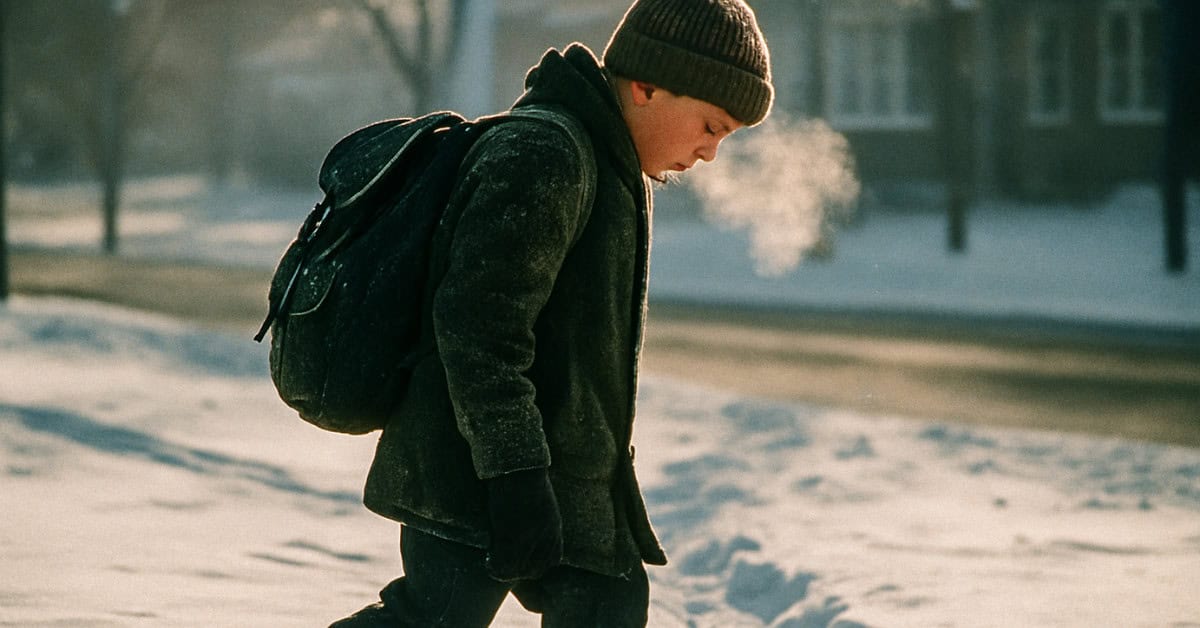
From age six or seven, we’d walk to school by ourselves or with siblings, sometimes up to a mile each way. This independence taught us responsibility, time management, and street smarts. We knew every shortcut, every neighbor’s dog, and every house where a friendly face might offer shelter from sudden rain.
3. Bike Riding Without Helmets
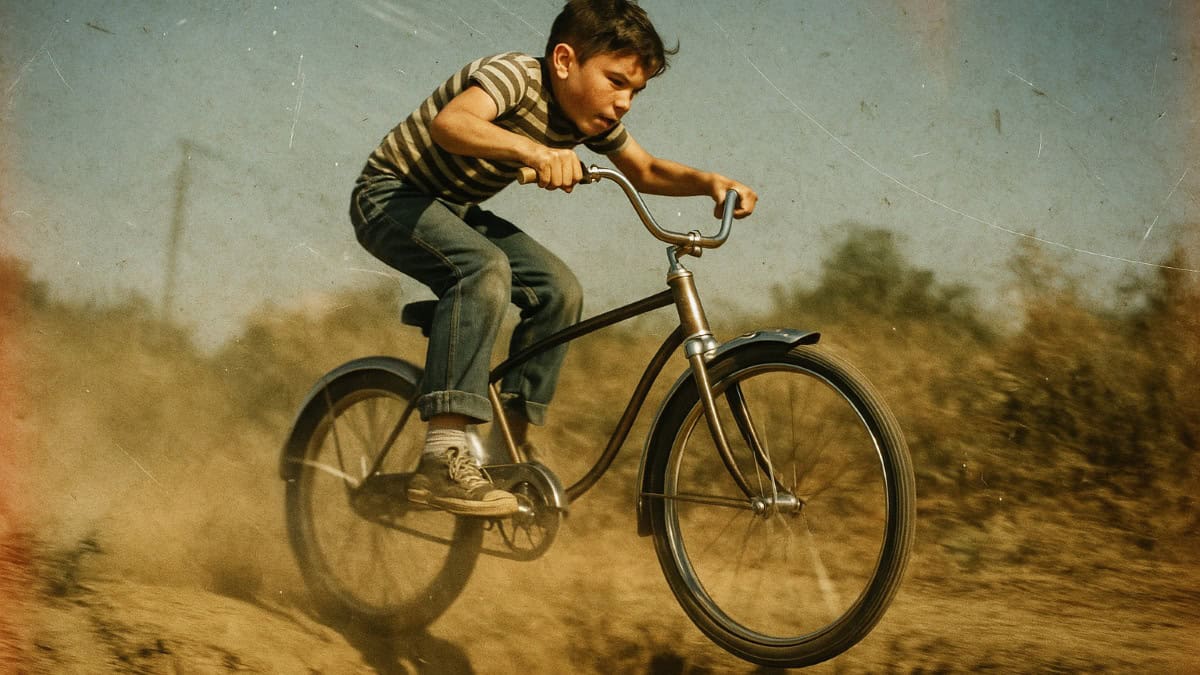
Our bikes were our freedom machines, and helmets were unheard of. We’d ride everywhere, trying stunts, racing down hills, and learning our limits through trial and error. While we certainly don’t advocate against helmets today, there was something liberating about those carefree rides.
4. Playing Until Dark
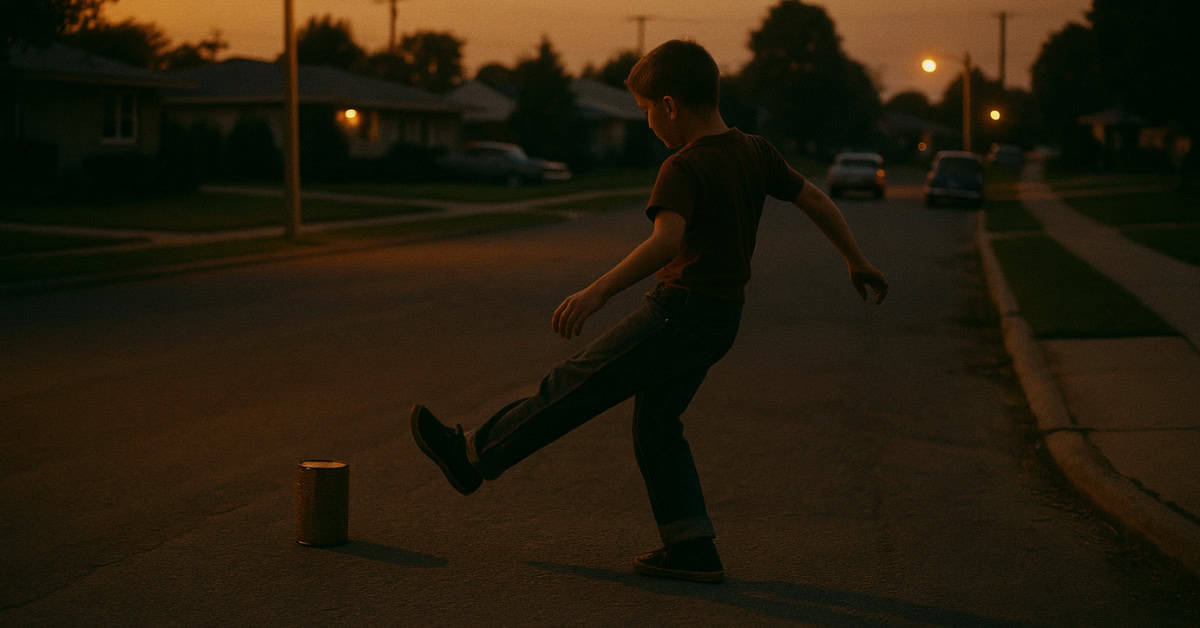
The only rule was “be home when the streetlights come on.” We’d roam the neighborhood, playing hide-and-seek, kick-the-can, and other games, completely unsupervised. Parents trusted us to make good decisions and come home safely, and generally, we did.
5. Making Their Own Fun
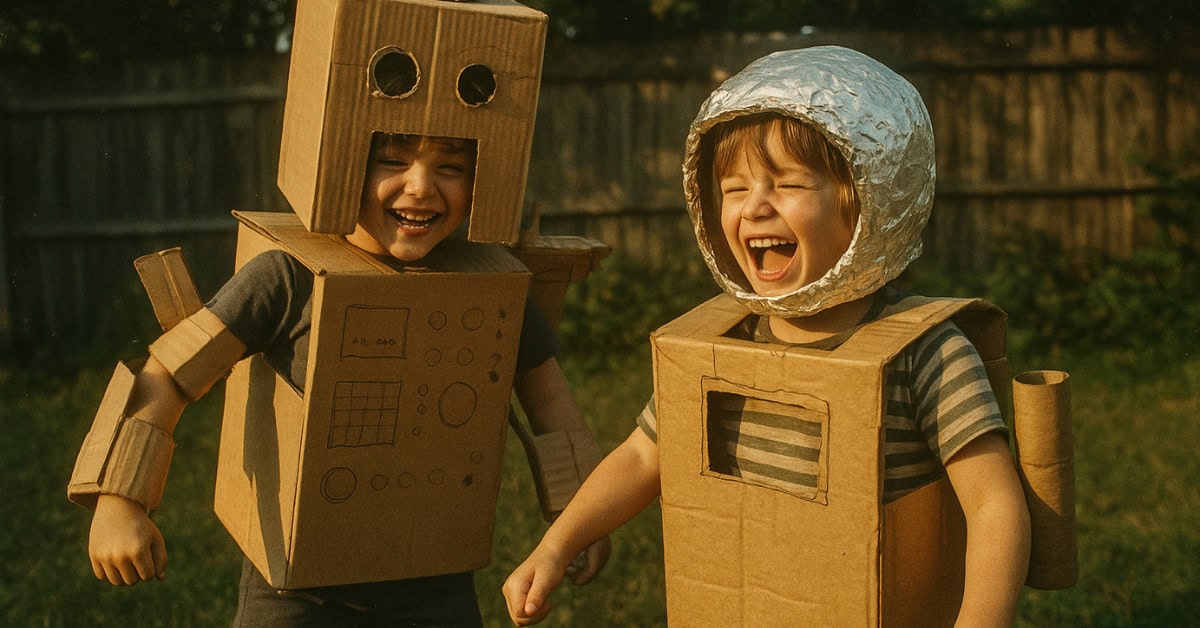
We built tree houses with found lumber and questionable engineering. We made ramps for our bikes using plywood and cinder blocks. Kids were expected to be creative and solve their own entertainment problems, even if solutions weren’t always the safest.
6. Drinking from Garden Hoses
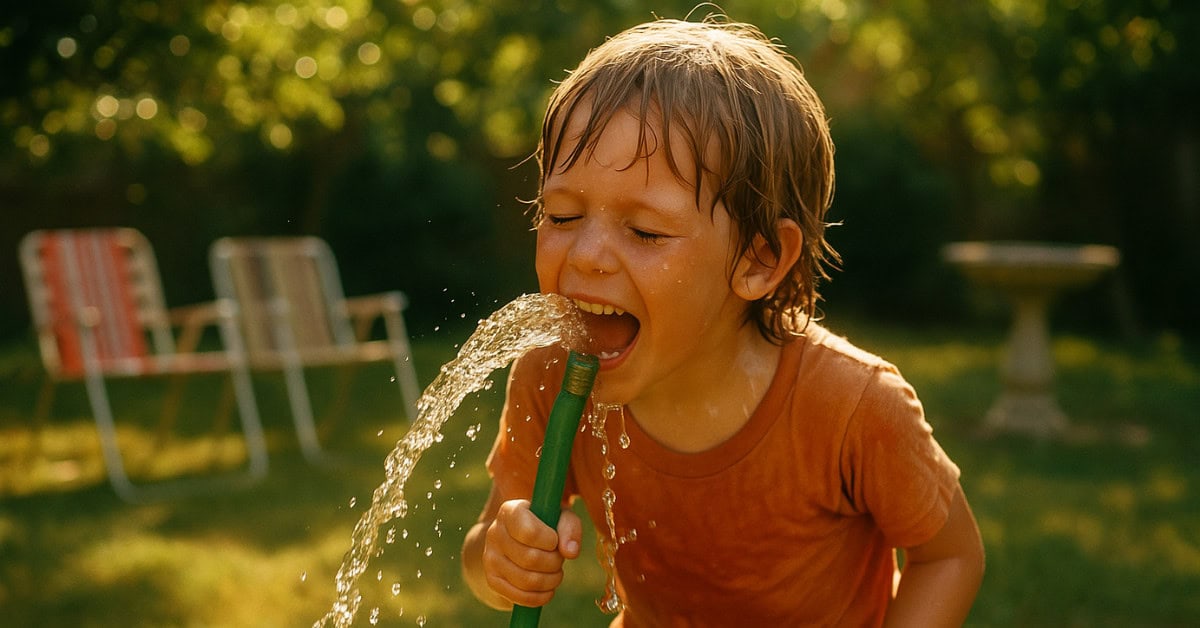
When thirsty from playing outside, the nearest garden hose was our water fountain. No one worried about water quality or BPA-free hoses. That first burst of hot water was like a summer rite of passage, teaching us patience as we waited for the cool water to flow.
7. BB Gun Adventures

Many kids had BB guns and were taught proper gun safety from an early age. We’d set up target practice with tin cans and learn responsibility along with marksmanship. The trust placed in us with these weapons taught valuable lessons about consequences and careful handling.
8. Lawn Darts
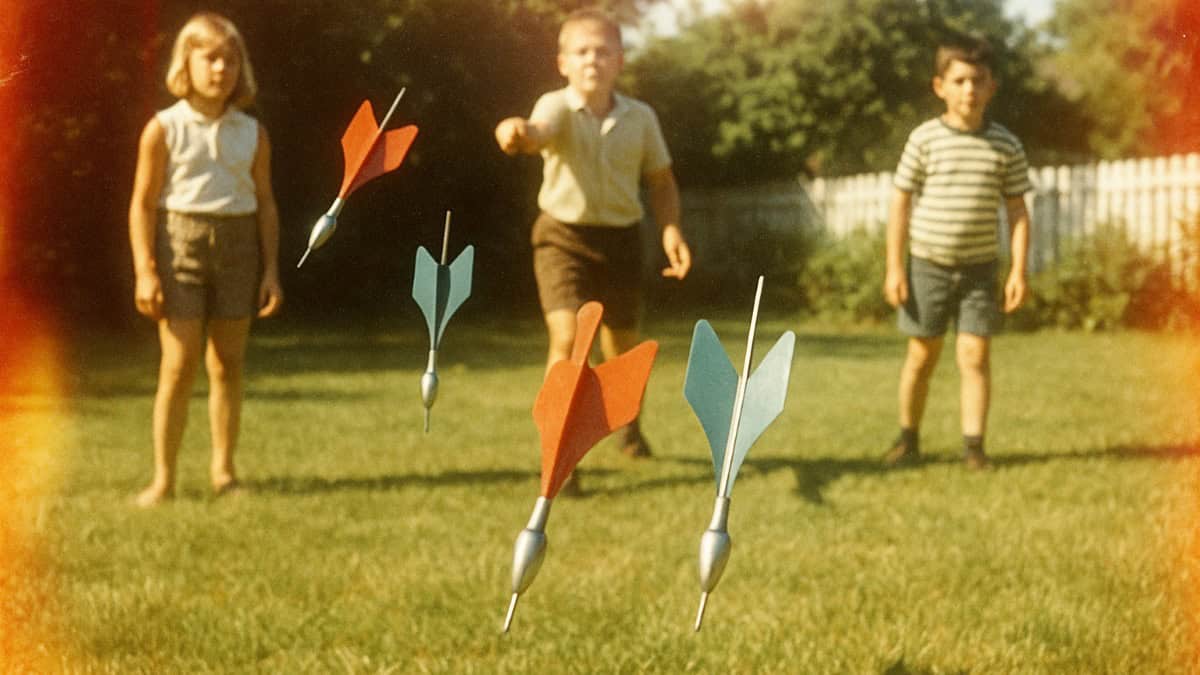
These heavy metal projectiles were a common backyard game, despite being essentially weapons. Somehow, most of us survived playing with these dangerous toys, learning spatial awareness, and the importance of paying attention to our surroundings.
9. Sledding Adventures

We’d spend winter days sledding down the steepest hills we could find, often with minimal adult supervision. Trees, rocks, and other obstacles were just part of the challenge. These adventures taught us risk assessment and quick decision-making skills.
10. Fireworks Handling

Kids were often trusted with fireworks during holidays, learning about fuse timing and safe distances through experience. While not the safest practice, it taught us respect for dangerous items and the importance of following safety instructions.
11. Climbing Trees

We climbed as high as we dared in neighborhood trees, building forts and testing our limits. Parents trusted us to know our capabilities and make good decisions. This freedom helped develop physical confidence and risk assessment skills.
12. Chemical Science Kits

Chemistry sets in the ’60s contained real chemicals and glass equipment. We conducted actual experiments that could be dangerous if mishandled. This hands-on experience with science taught us responsibility and careful following of instructions.
13. Swimming Unsupervised
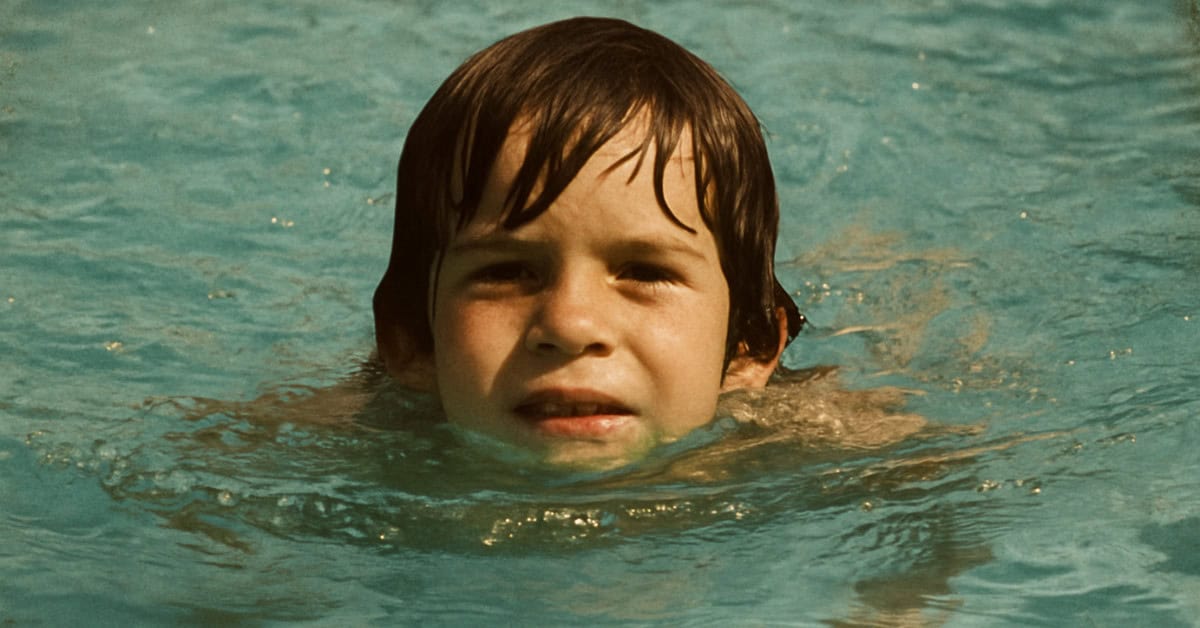
Local swimming holes and creeks were popular hangouts, often without lifeguards or adult supervision. We learned to swim early and watched out for each other. These experiences built confidence and taught us the importance of buddy systems.
14. Wood Shop Freedom
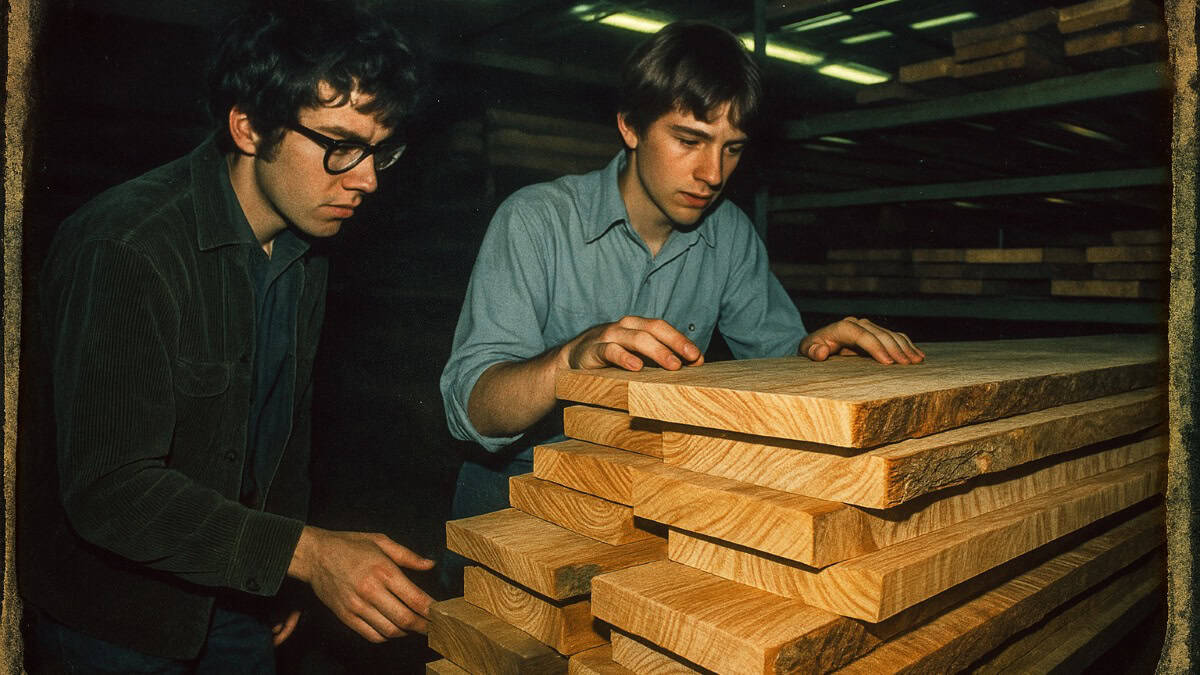
School wood shops let kids use real power tools and sharp implements. We learned proper tool handling and respect for dangerous equipment. This hands-on experience built practical skills and confidence in working with tools.
15. Car Repair Helpers
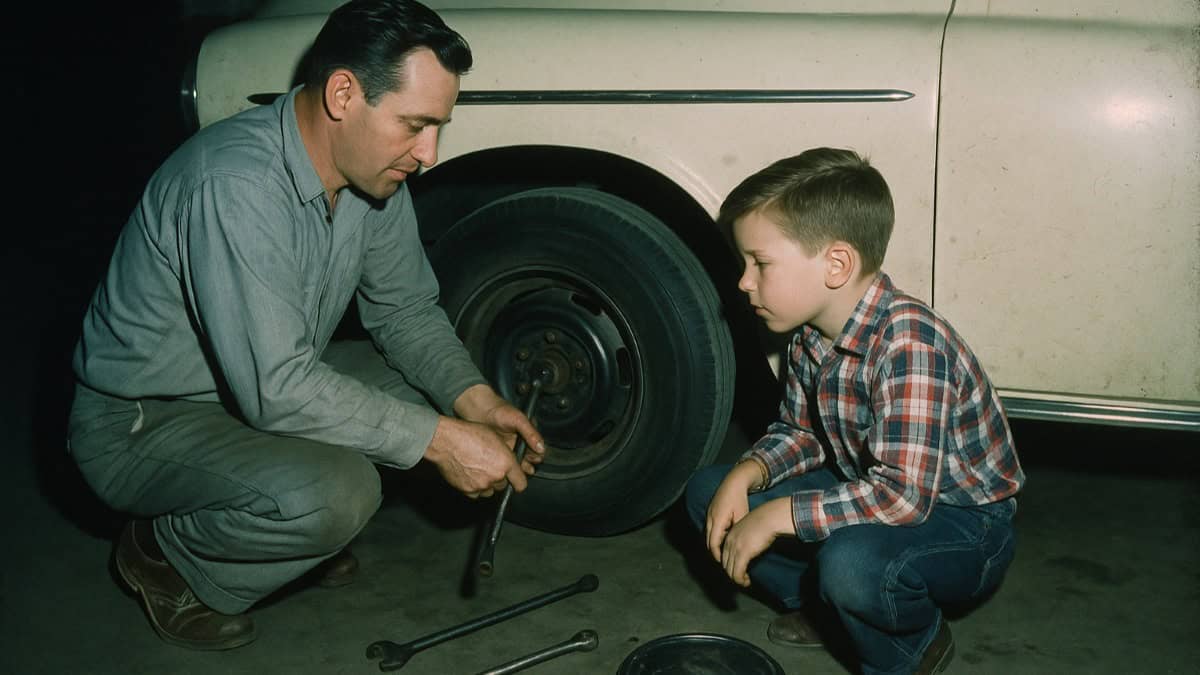
Kids often helped with car repairs, handling tools, and learning about engines from an early age. We’d hold flashlights, fetch tools, and gradually learn mechanical skills. This hands-on experience with machinery taught practical skills and problem-solving abilities.