Turning 16 used to be a major milestone that came with a whole new set of freedoms. Looking back now, it’s amazing how many things we took for granted that would raise eyebrows—or even legal issues — today. Let’s take a nostalgic look at some activities that were perfectly normal for 16-year-olds back then but would probably get you in trouble now.
Table of Contents
- 1 1. Buying Cigarettes for Your Parents
- 2 2. Riding in the Back of a Pickup Truck
- 3 3. Working Full Shifts on School Nights
- 4 4. Driving Without Insurance
- 5 5. Carrying a Pocket Knife to School
- 6 6. Leaving Campus for Lunch
- 7 7. Pumping Gas Before Paying
- 8 8. Driving Friends Without Restrictions
- 9 9. Handling School Paperwork
- 10 10. Working With Heavy Machinery
- 11 11. Hitchhiking
- 12 12. Handling Prescription Pickups
- 13 13. Supervising Younger Siblings
- 14 14. Driving Without a Cell Phone
- 15 15. Managing Their Own Bank Accounts
1. Buying Cigarettes for Your Parents

Back then, parents would regularly send their teenagers to the store with a note to buy cigarettes. The local shop owners knew most families and didn’t think twice about it. Some stores even kept records of parents’ preferred brands to make it easier when kids were sent on these errands.
Save for later
Want to come back to this story? Save it with your email so it is easy to find again.
2. Riding in the Back of a Pickup Truck
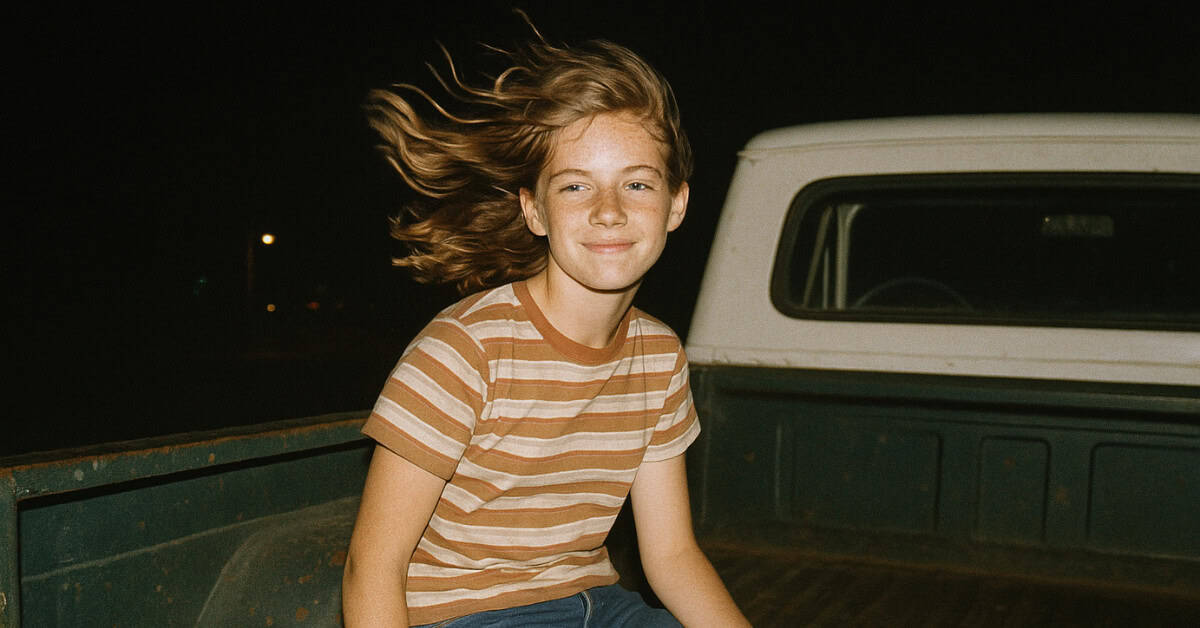
Nothing beat the feeling of wind in your hair while sitting in the back of a pickup truck. Whether heading to the beach or just cruising around town, this was a common way to transport a group of teenagers. No one worried about safety regulations or liability issues.
3. Working Full Shifts on School Nights

Many teenagers worked late shifts at local diners or gas stations, often until midnight or later. Labor laws were more relaxed, and it wasn’t unusual for high school students to work 30-40 hours per week while attending school full-time.
4. Driving Without Insurance

Car insurance wasn’t mandatory in many states until the 1970s. Teenagers could legally drive with just a license and registration. Many families only insured their primary vehicle, leaving the “kid’s car” unprotected.
5. Carrying a Pocket Knife to School

Many students carried pocket knives as everyday tools. They were used for everything from sharpening pencils to opening packages in shop class. Teachers rarely gave them a second thought, and they weren’t considered weapons.
6. Leaving Campus for Lunch

Open campus policies meant students could drive anywhere they wanted during lunch break. Local diners and drive-ins were packed with teenagers during school hours. No one monitored who left or returned to campus.
7. Pumping Gas Before Paying
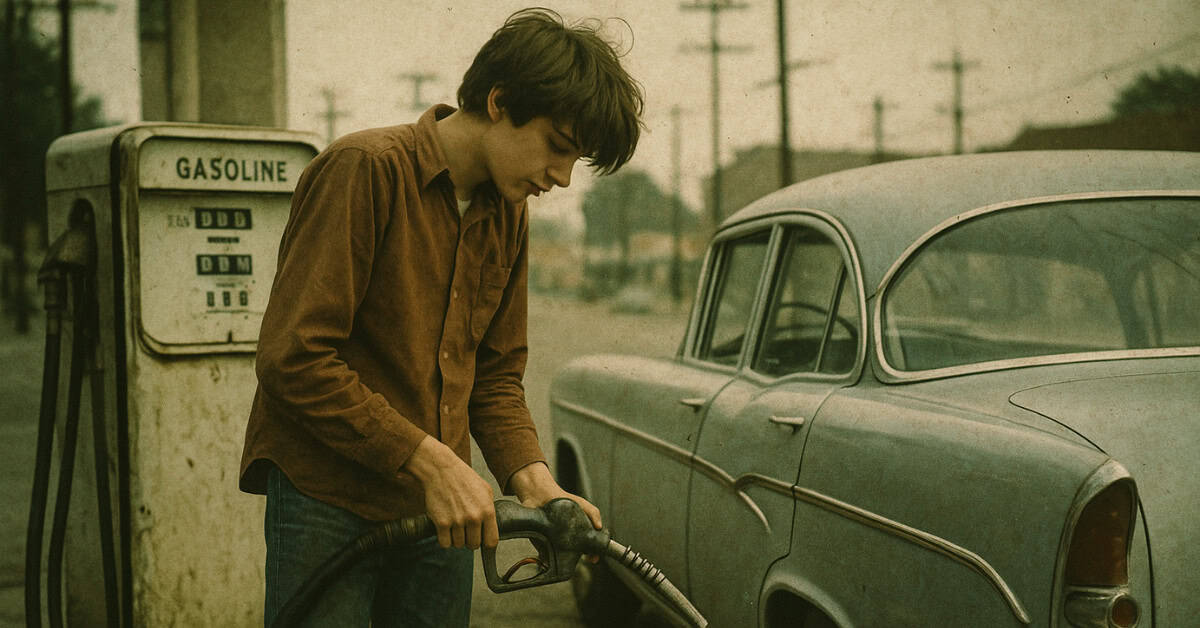
The trust-based system of filling up before paying was normal at most gas stations. Teenagers could pull up, pump their gas, and then go inside to pay. Station owners knew most local families and kept an open tab for regular customers.
8. Driving Friends Without Restrictions

New drivers could pile as many friends as would fit into their cars. There were no graduated license restrictions limiting passengers or night driving. Six teenagers in a car was a common sight on weekend nights.
9. Handling School Paperwork

Students could handle their own school registration, sign their own absence notes, and manage their own records. Many schools accepted a student’s signature on official documents without parental involvement.
10. Working With Heavy Machinery

Teenagers regularly operated dangerous equipment in vocational classes or at part-time jobs. From industrial lathes to agricultural machinery, young workers were entrusted with significant responsibilities.
11. Hitchhiking
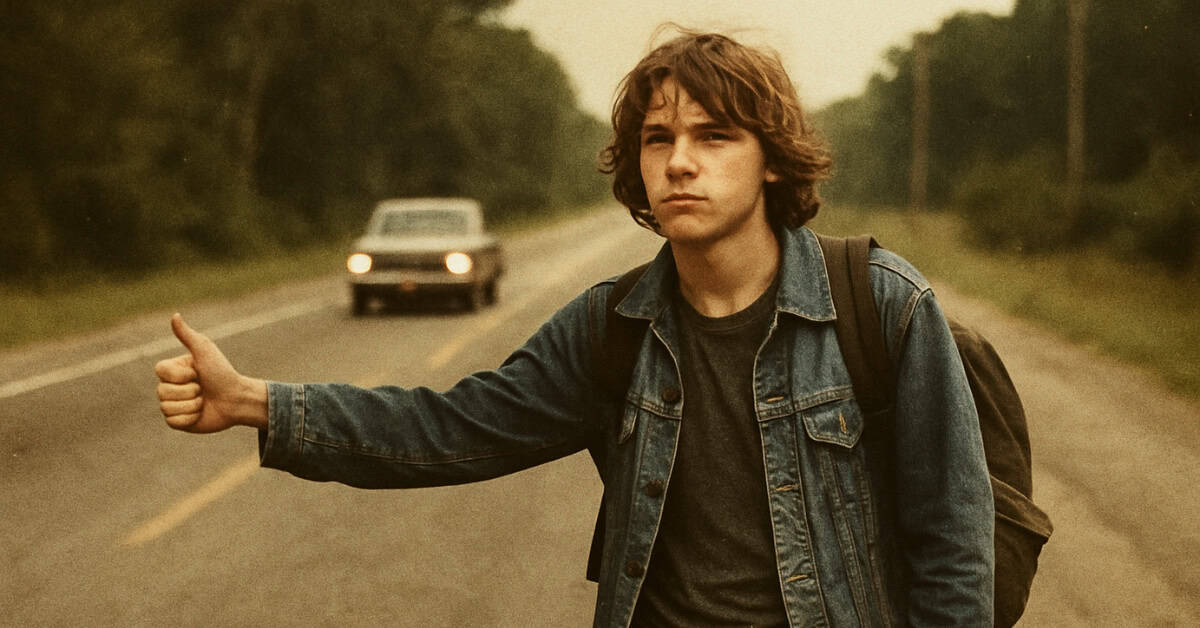
Thumbing a ride was a common way for teenagers to get around. It wasn’t considered particularly dangerous, and many parents saw it as a normal part of teenage independence. Even small towns had designated spots where everyone knew hitchhikers gathered.
12. Handling Prescription Pickups

Teenagers regularly picked up prescriptions for family members. Local pharmacists knew most families and would hand over medications to their children without question. A simple note from parents was all that was needed.
13. Supervising Younger Siblings

Sixteen-year-olds were often left in charge of younger siblings for extended periods, including overnight. They could make medical decisions, handle emergencies, and were considered capable caretakers.
14. Driving Without a Cell Phone

Teenagers regularly took long drives without any way to contact home. If your car broke down, you either fixed it yourself or walked to the nearest phone booth. Parents simply trusted you’d return eventually.
15. Managing Their Own Bank Accounts

Teenagers could open and manage their own bank accounts without parental oversight. They could write checks, make withdrawals, and handle their own finances independently. Local banks knew most families and treated young customers like adults.