Growing up in the 1960s and early 70s meant experiencing school life that would seem unimaginable by today’s safety standards. From asbestos-filled classrooms to questionable playground equipment, we somehow survived educational experiences that would trigger immediate shutdowns and lawsuits today. Here’s a look back at some common school situations that modern parents and administrators would find absolutely shocking.
Table of Contents
- 1 1. Asbestos in Everything
- 2 2. Metal Playground Equipment
- 3 3. Dodge Ball with Hard Balls
- 4 4. Mercury in Science Class
- 5 5. Lead Paint Everywhere
- 6 6. Corporal Punishment
- 7 7. Teacher’s Smoking Lounge
- 8 8. No Climate Control
- 9 9. Questionable Cafeteria Standards
- 10 10. Unsafe Bus Transportation
- 11 11. Chemical Exposure in Art Class
- 12 12. Unfiltered Water Fountains
- 13 13. Open Windows Without Screens
- 14 14. Shop Class Hazards
- 15 15. Unsupervised Gym Equipment
1. Asbestos in Everything
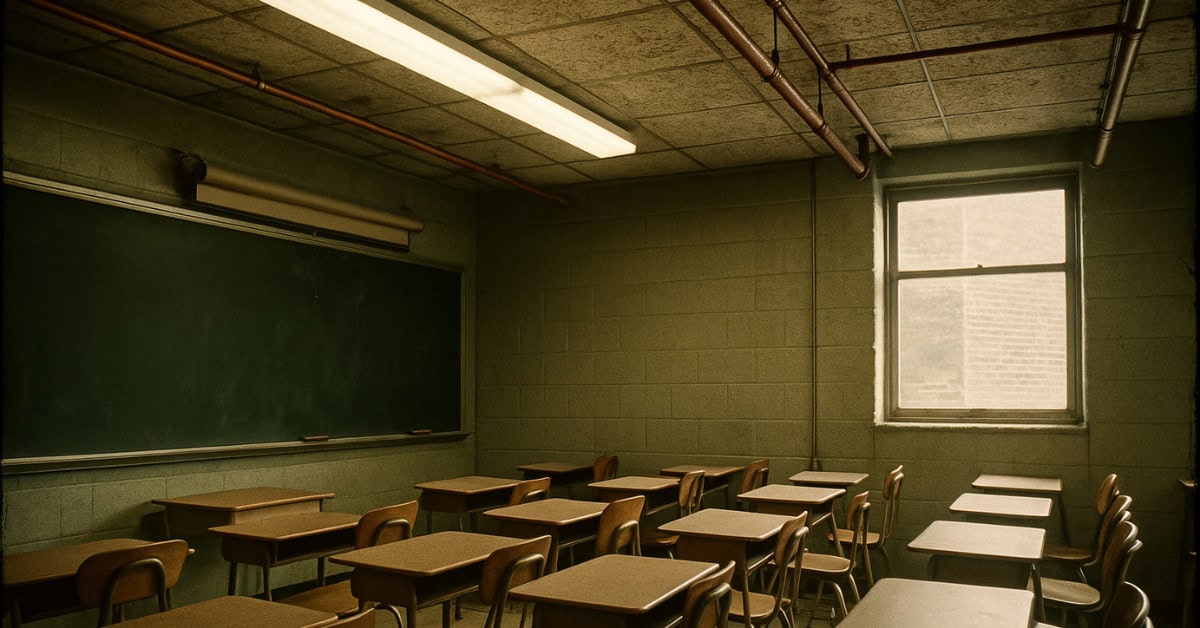
From ceiling tiles to pipe insulation, our schools were filled with asbestos. We’d often have competitions to see who could poke the most holes in the soft ceiling tiles with pencils, unknowingly releasing harmful fibers. The boiler rooms were particularly hazardous, with exposed asbestos insulation that would flake off at the slightest touch.
Save for later
Want to come back to this story? Save it with your email so it is easy to find again.
2. Metal Playground Equipment
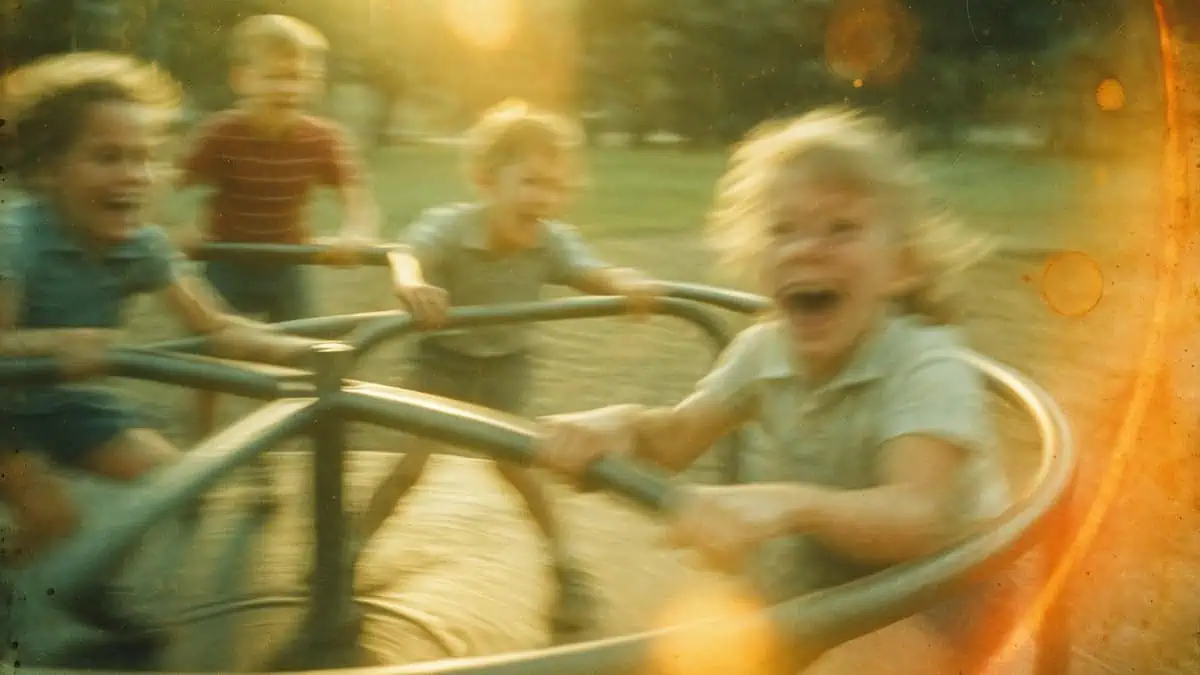
Our playgrounds featured towering metal slides that became scorching hot in summer, uncoated steel monkey bars installed over concrete, and merry-go-rounds that could achieve dizzying speeds. The 15-foot-tall rocket slides were particularly memorable – no safety rails, just smooth metal and gravity teaching us valuable lessons about risk assessment.
3. Dodge Ball with Hard Balls
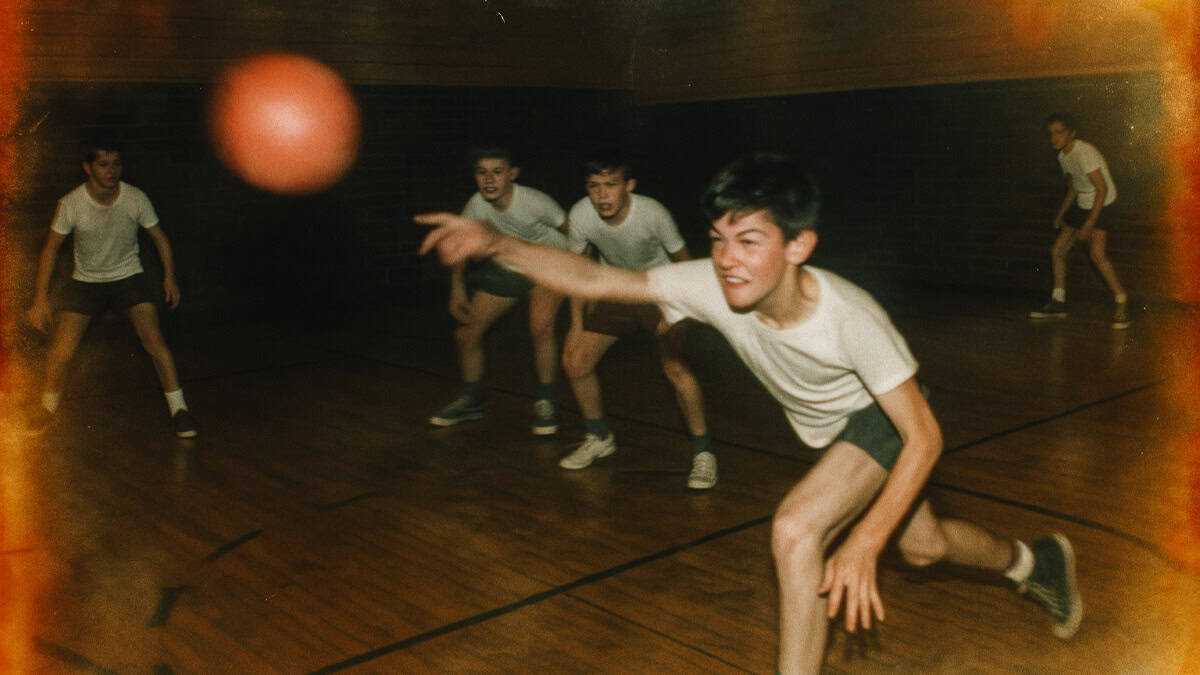
Gym class meant facing rock-hard rubber balls thrown at maximum velocity. Getting hit in the face was considered a character-building experience. There were no special foam balls or safety rules – just pure survival instinct and the occasional bloody nose. The sound of those balls whistling past your head still brings back memories.
4. Mercury in Science Class

Science classes regularly featured open containers of mercury for experiments. We’d watch fascinated as silver balls of mercury rolled across lab tables, sometimes playing with them bare-handed. Broken thermometers were common occurrences, leading to impromptu mercury-collecting sessions that would horrify modern safety inspectors.
5. Lead Paint Everywhere

Every surface was covered in lead-based paint that would chip and peel regularly. We’d often pick at peeling paint during boring lessons, creating small piles of paint chips on our desks. Window sills and radiators were particularly popular spots for absent-minded paint picking during long lectures.
6. Corporal Punishment

The principal’s paddle was a legendary deterrent to misbehavior. Getting sent to the office meant facing real consequences, not just a stern talking-to. Teachers could also distribute physical punishment, from ruler slaps to standing in corners holding heavy books. Discipline was swift and memorable.
7. Teacher’s Smoking Lounge
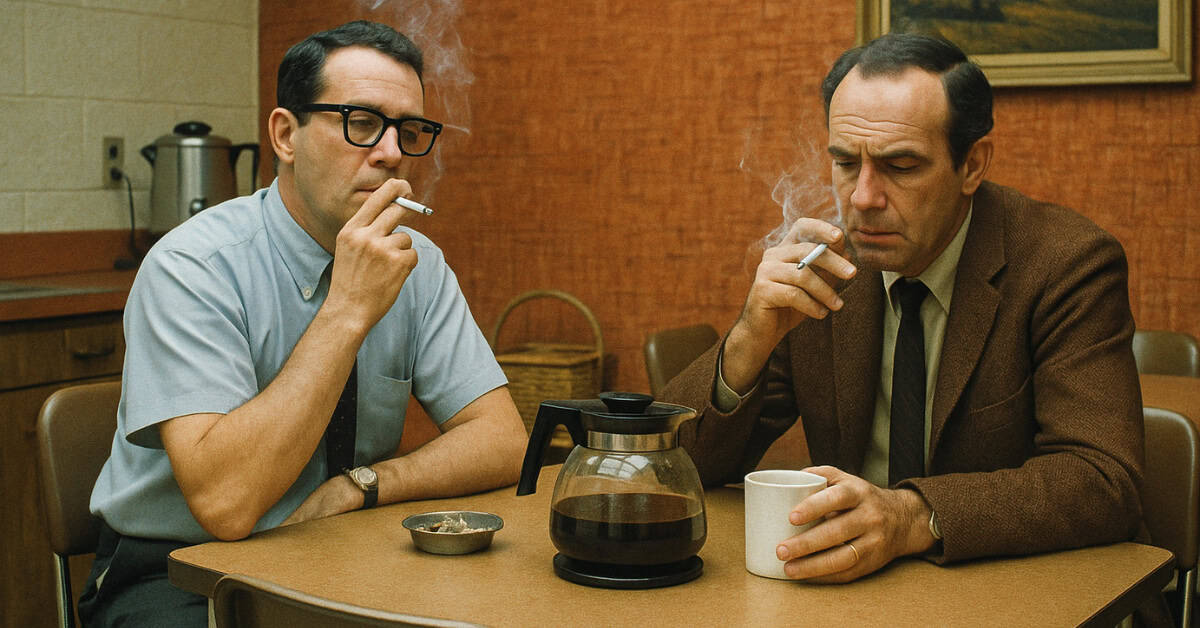
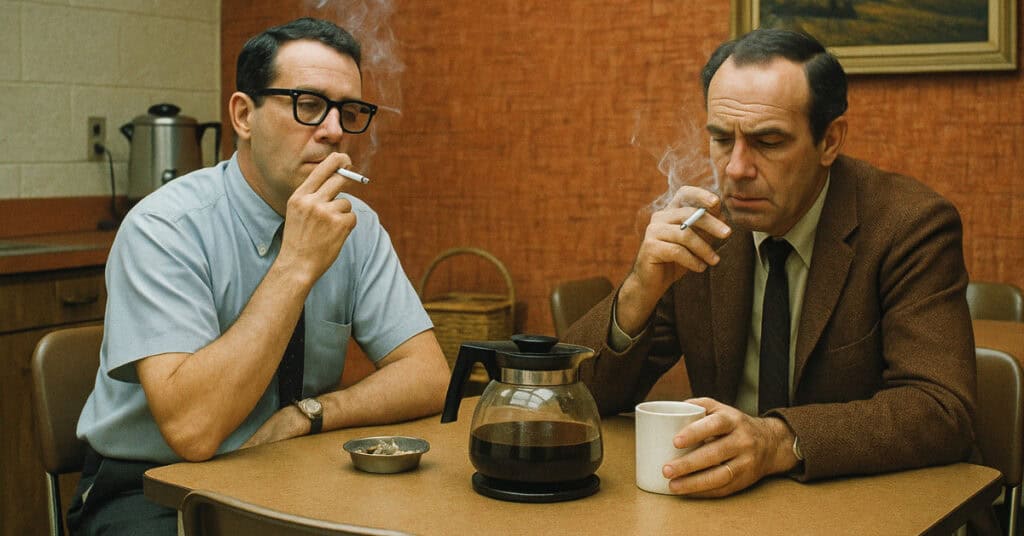
The teacher’s lounge was perpetually filled with cigarette smoke that wafted into nearby classrooms. Teachers could smoke while grading papers, and some even smoked during parent conferences. The distinct smell of tobacco followed certain teachers into the classroom, mixing with chalk dust in the air.
8. No Climate Control

Classrooms were freezing in winter and sweltering in summer. Opening windows was our only cooling system, and ancient radiators clanked and hissed through the winter months. We’d often sit in class sweating through our clothes or wearing coats indoors, depending on the season.
9. Questionable Cafeteria Standards

Food safety standards were remarkably relaxed. Mystery meat sat for hours under dim warming lights, and the same ice cream scoop stayed in room-temperature water all lunch period. Hair nets were optional, and food allergies were virtually unheard of. The cafeteria ladies ruled their domain with iron fists and questionable hygiene practices.
10. Unsafe Bus Transportation

School buses had no seat belts, emergency exits were often rusted shut, and overcrowding meant three kids to a seat was normal. During winter, the windows would fog up completely, and the driver would navigate almost blindly. Breakdowns were common, leaving bus loads of kids stranded on rural roads.
11. Chemical Exposure in Art Class

Art supplies contained all sorts of toxic materials. We used rubber cement without ventilation, handled pottery glazes containing lead, and cleaned oil paints with turpentine. The art room always had a distinctive chemical smell that would probably trigger an EPA investigation today.
12. Unfiltered Water Fountains

Water fountains were connected directly to city water, often through lead pipes. The water would come out brown after weekends or holidays, and the fountain heads were usually crusty with mineral deposits. Nobody thought twice about drinking from them, despite the metallic taste and questionable color.
13. Open Windows Without Screens
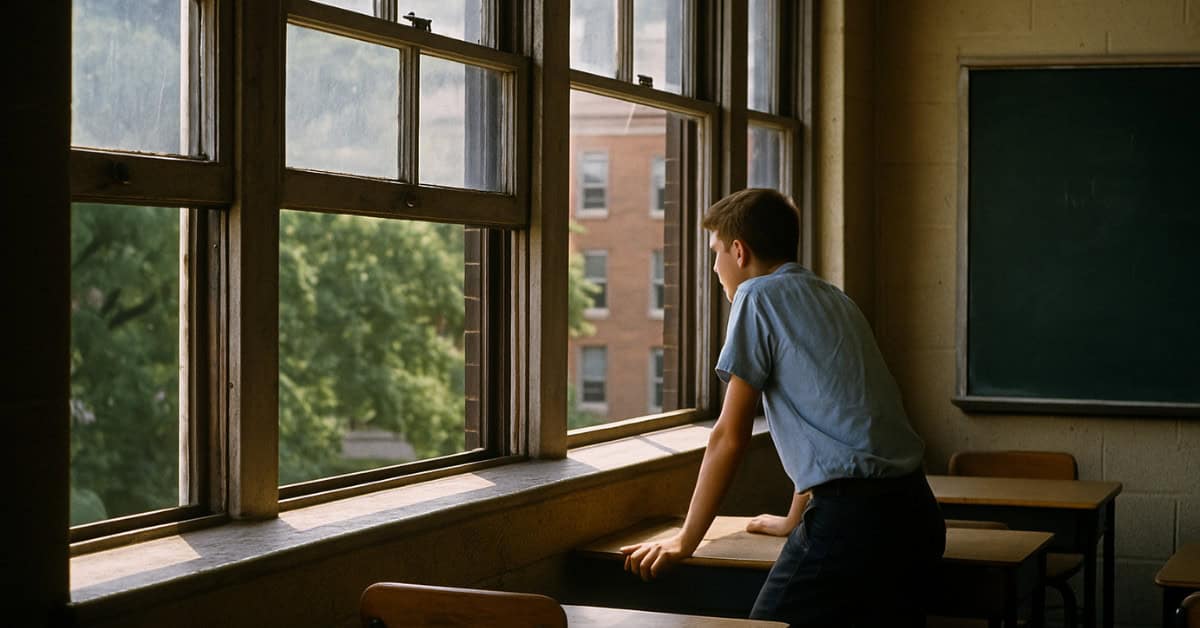
Classroom windows opened fully without screens or safety stops. During spring and fall, windows would be wide open, creating dangerous temptations for bored students. Papers regularly flew out, and ambitious paper airplanes would occasionally follow them. Third-floor classrooms had particularly exciting potential for mischief.
14. Shop Class Hazards
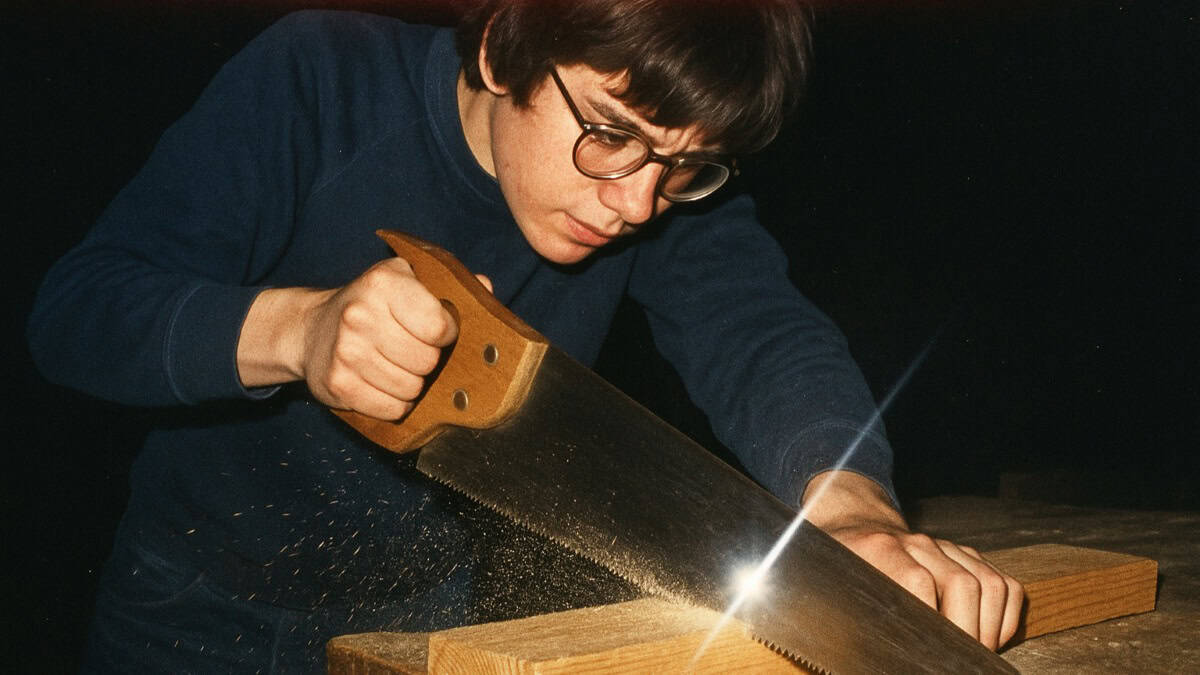
Shop class was a wonderland of potential accidents waiting to happen. Power tools had minimal safety guards, eye protection was optional, and ventilation was poor at best. Students operated band saws, lathes, and welding equipment with basic instruction and a lot of trust. Missing fingers were considered occupational hazards.
15. Unsupervised Gym Equipment

The gymnasium was often left unlocked and unsupervised. Students would use gymnastics equipment, climbing ropes, and weight rooms without supervision or spotters. The wrestling mats were rarely cleaned, and the locker rooms were breeding grounds for various fungi. Safety checks consisted of occasionally testing if equipment was still attached to the walls.