Growing up without the convenience of modern technology and constant adult supervision taught us invaluable life skills. We learned to solve problems creatively, make do with what we had, and figure things out on our own. These experiences didn’t just entertain us – they shaped us into resourceful, independent thinkers.
Table of Contents
- 1 1. Building Your Own Entertainment
- 2 2. Fixing Your Own Bike
- 3 3. Making Money from Nothing
- 4 4. Navigation Without GPS
- 5 5. Creating Games from Scratch
- 6 6. Entertaining Yourself When Bored
- 7 7. Basic Home Repairs
- 8 8. Weather Forecasting by Observation
- 9 9. Making Your Own Toys
- 10 10. Food Preservation Skills
- 11 11. Creative Problem Solving
- 12 12. Basic First Aid
- 13 13. Clothing Repairs
- 14 14. Natural Navigation
- 15 15. Social Problem Resolution
- 16 16. Food Foraging
1. Building Your Own Entertainment

We turned cardboard boxes into spaceships, built elaborate forts from blankets and chairs, and created entire worlds in our backyards. This wasn’t just play – it was engineering, architecture, and creative problem-solving rolled into one. Every discarded item had potential as building material for our next big project.
Save for later
Want to come back to this story? Save it with your email so it is easy to find again.
2. Fixing Your Own Bike

A flat tire or broken chain meant learning basic mechanics. We became experts at patching tubes, adjusting brakes, and maintaining our own transportation. These skills taught us both independence and the satisfaction of solving mechanical problems.
3. Making Money from Nothing

We created our own businesses, including lemonade stands, car washes, and lawn mowing services. This wasn’t just about earning pocket money; it taught us marketing, customer service, and basic economics. Every quarter earned was a lesson in entrepreneurship.
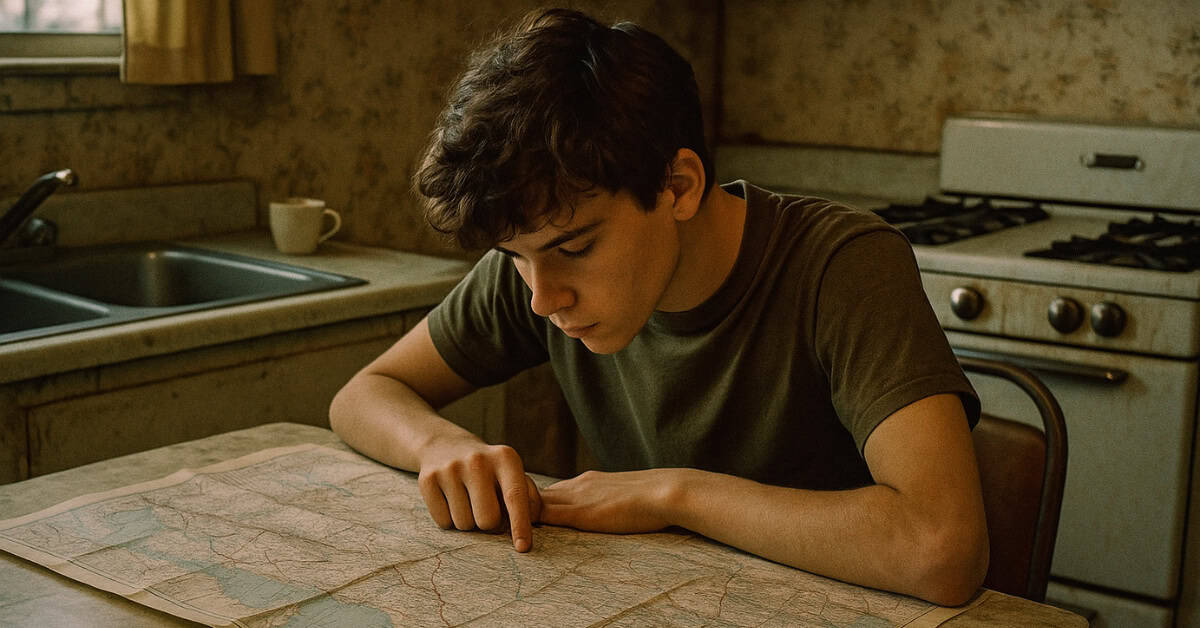
We learned to read maps, remember landmarks, and find our way home from anywhere in the neighborhood. This developed spatial awareness and problem-solving skills that no GPS can replace. Getting lost meant figuring out solutions rather than recalculating.
5. Creating Games from Scratch

With nothing but chalk, a ball, or some sticks, we invented complex games with elaborate rules. These weren’t just games – they were exercises in negotiation, rule-making, and conflict resolution. Every new game was a lesson in social dynamics.
6. Entertaining Yourself When Bored

Without endless digital entertainment, we learned to combat boredom creatively. Books became portals to adventure, and imagination was our most valuable resource. This developed internal motivation and creative thinking skills.
7. Basic Home Repairs
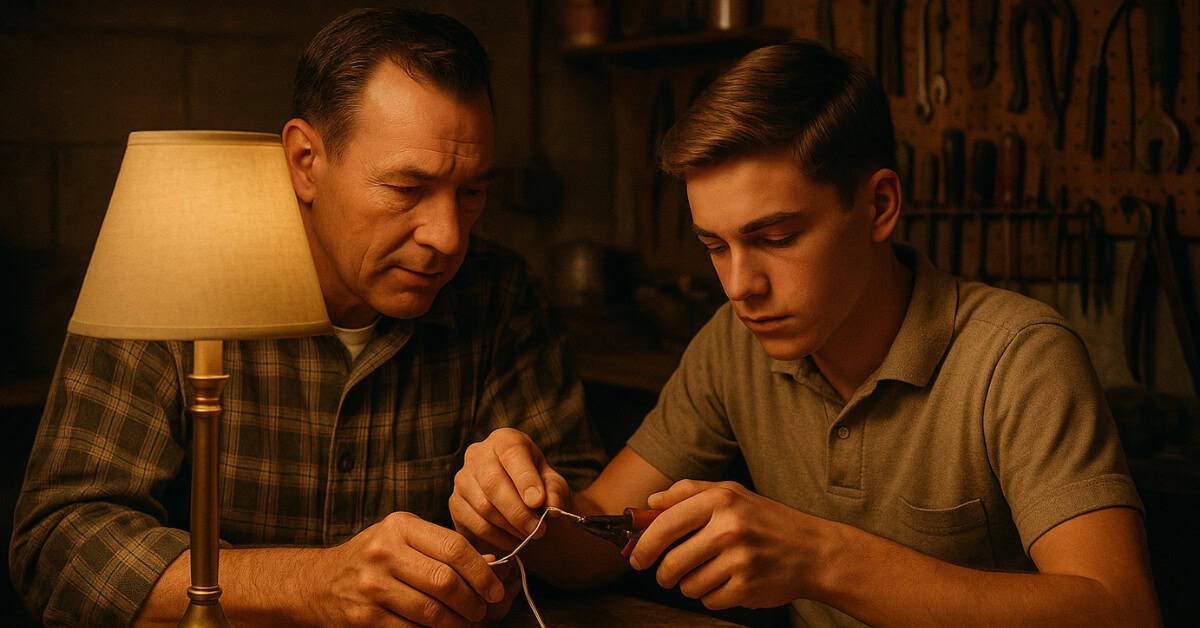
We learned to fix things alongside our parents – changing fuses, patching screens, fixing leaky faucets. These hands-on experiences taught us how things worked and built confidence in tackling mechanical problems.
8. Weather Forecasting by Observation

Without weather apps, we learned to read natural signs – cloud patterns, wind direction, animal behavior. This connection to nature developed observation skills and practical meteorological knowledge.
9. Making Your Own Toys
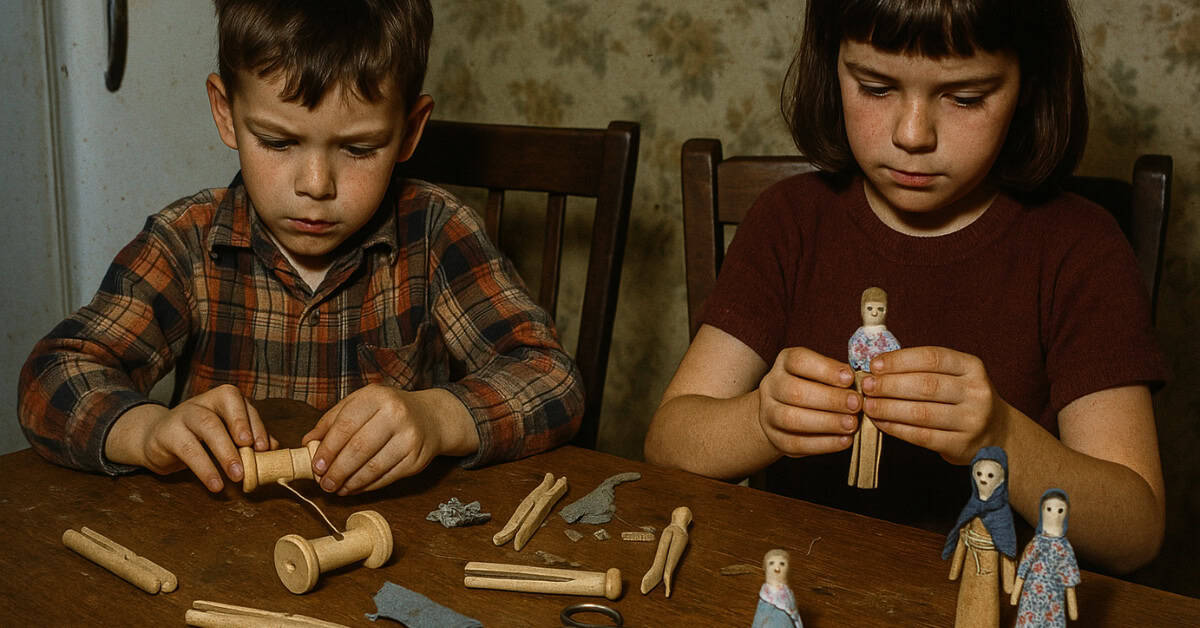
We created our own toys from available materials – slingshots from tree branches, dolls from clothespins, cars from wooden spools. This developed creativity and basic engineering skills while teaching the value of making things yourself.
10. Food Preservation Skills

Many of us learned to can vegetables, make preserves, and store food for winter. These practical skills taught planning, patience, and the importance of preparing for the future.
11. Creative Problem Solving
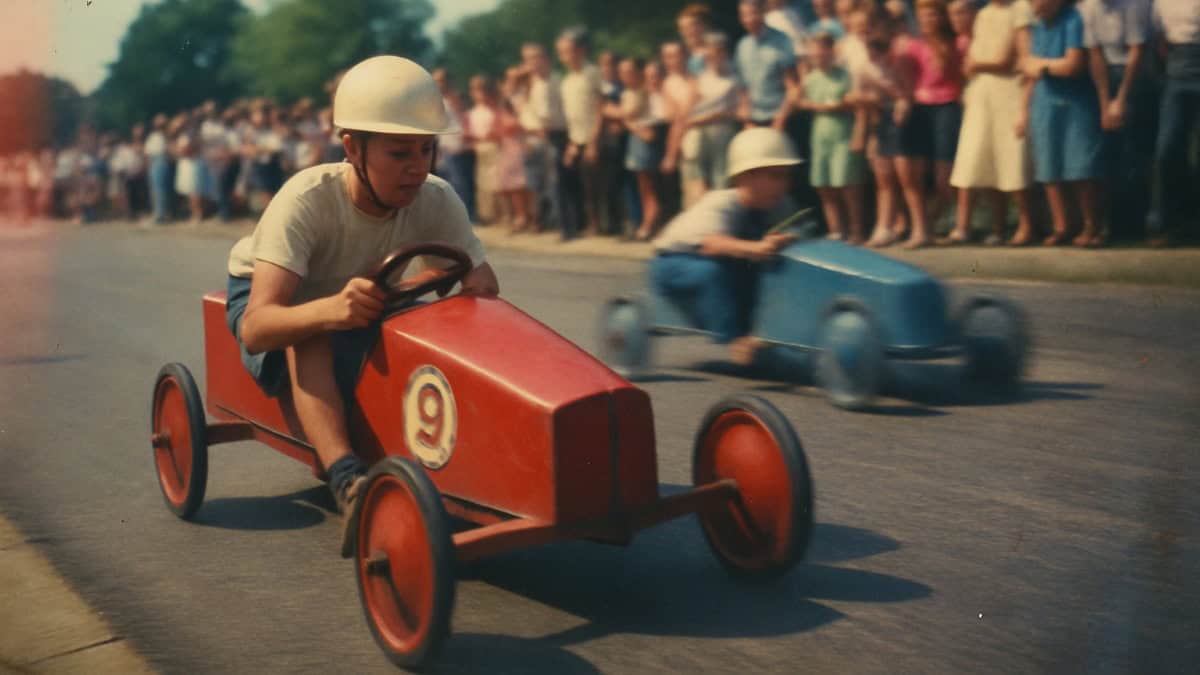
Without Google for instant answers, we had to figure things out through trial and error. This developed critical thinking skills and the confidence to tackle unknown challenges.
12. Basic First Aid

Minor injuries were handled without running to adults for every scrape. We learned to clean wounds, apply bandages, and assess what needed professional attention versus what we could handle ourselves.
13. Clothing Repairs
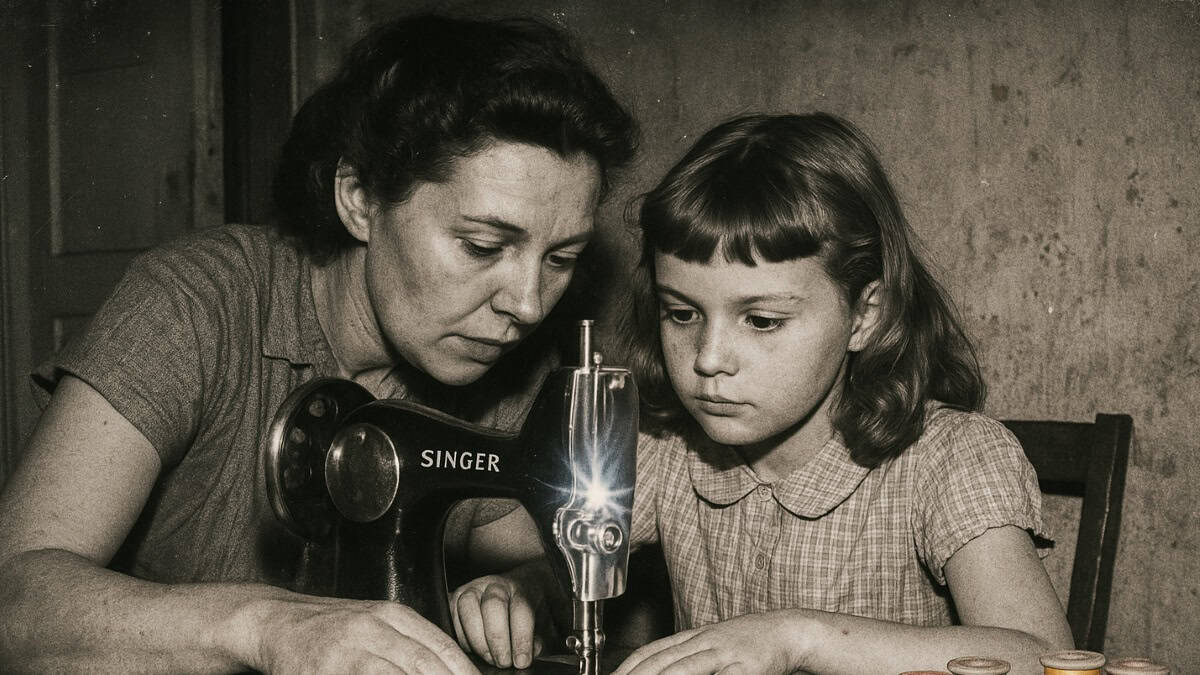
Basic sewing skills were essential, including patching holes, sewing buttons, andfixing tears. These skills taught self-reliance and the value of maintaining what you owned rather than replacing it.
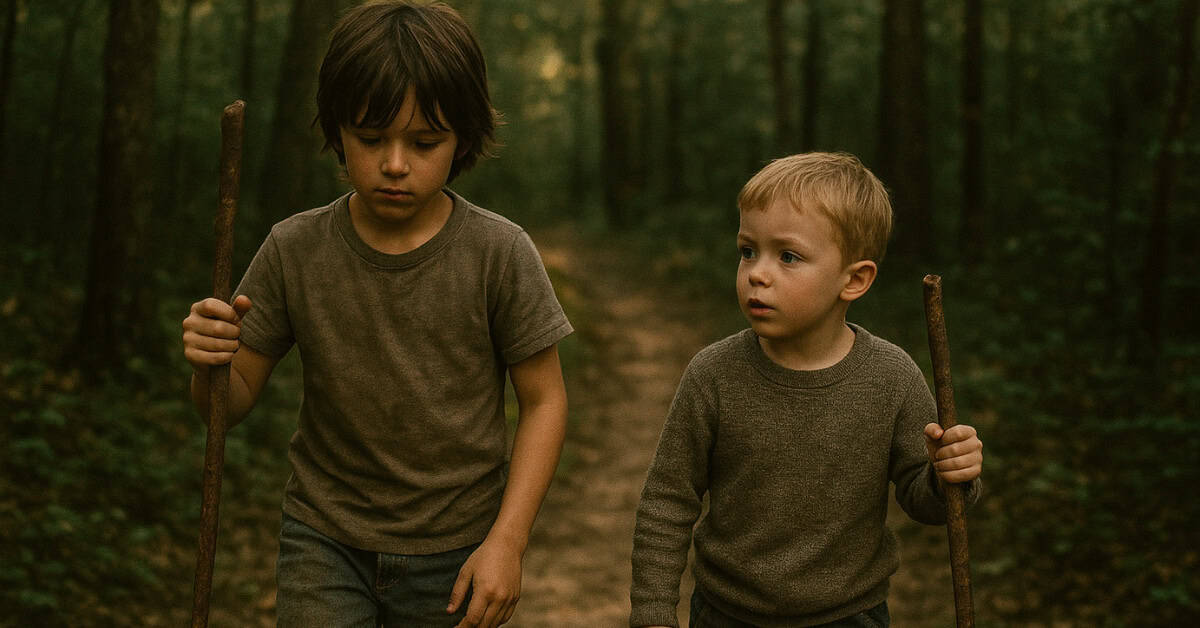
We learned to navigate using the sun, stars, and natural landmarks. This connection with our environment developed spatial awareness and confidence in outdoor settings.
15. Social Problem Resolution
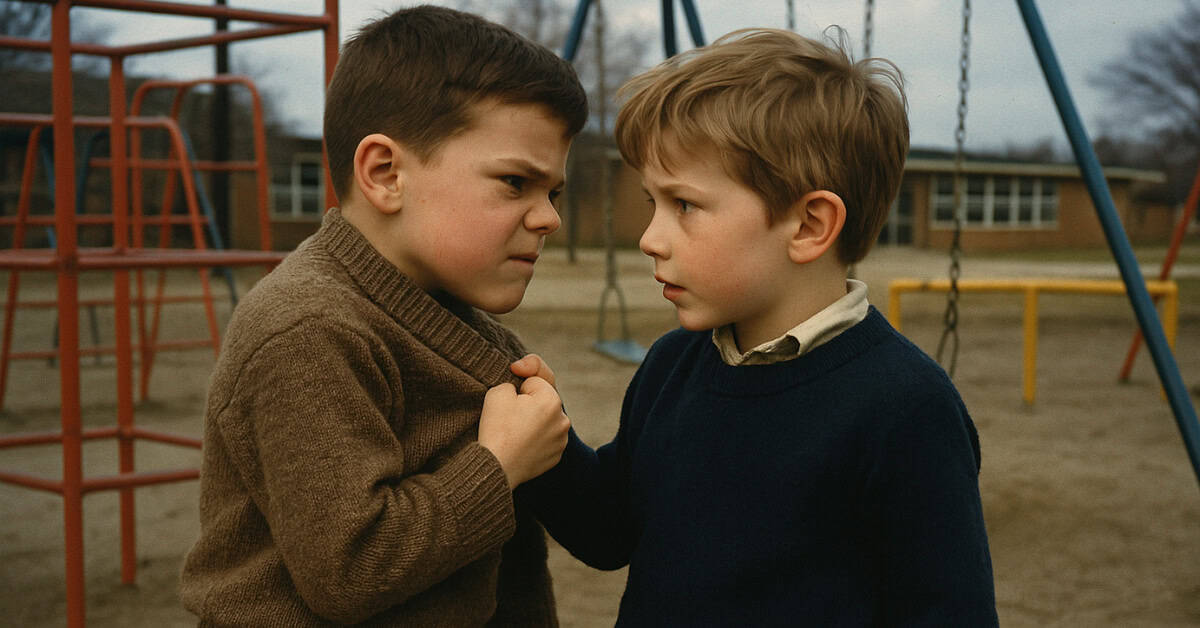
Without adult intervention for every dispute, we learned to negotiate, compromise, and resolve conflicts independently. These experiences built essential social skills and emotional intelligence.
16. Food Foraging
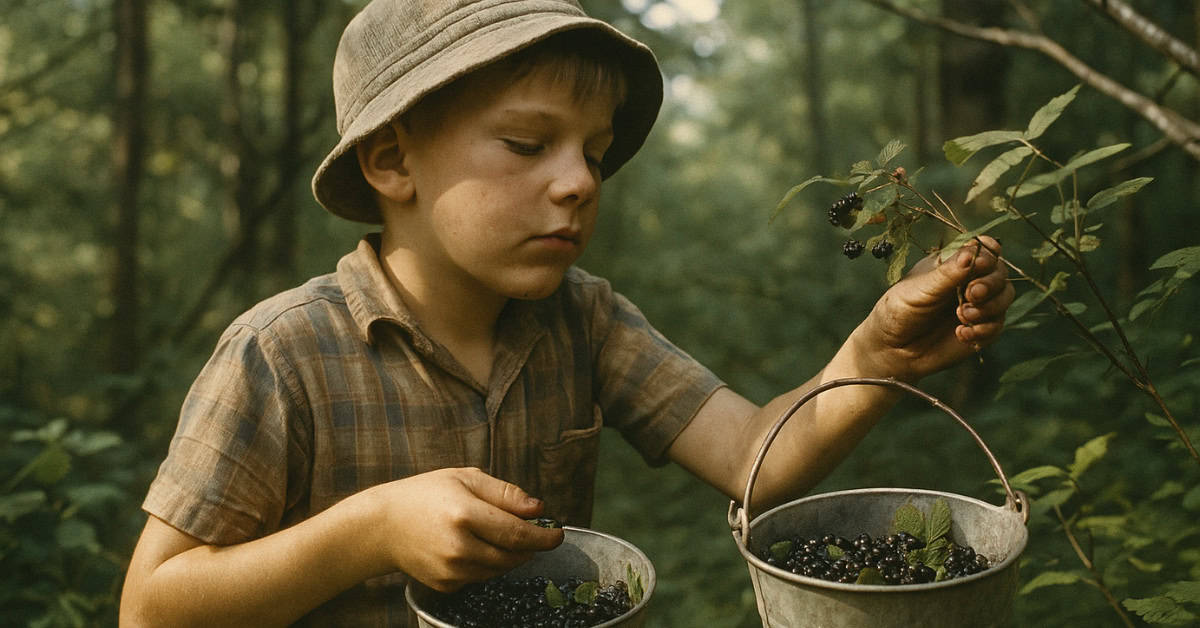
Many of us learned which berries were safe to eat, where to find wild edibles, and how to identify harmful plants. This knowledge connected us with our environment and taught valuable survival skills.