
Growing up in the 1950s with siblings was like being part of an unwritten code of conduct that every kid just seemed to understand. Before helicopter parenting and scheduled playdates, we navigated family life with a set of unofficial rules that shaped our relationships and daily adventures. Let’s take a nostalgic look back at those unspoken guidelines that every ’50s sibling lived by.
Table of Contents
- 1 1. The Front Seat Was Always Reserved for the Oldest
- 2 2. Never Tell Mom About Minor Injuries
- 3 3. Sharing the Last Cookie Required a Complex Negotiation
- 4 4. Television Channel Selection Had a Strict Hierarchy
- 5 5. The Oldest Was the Substitute Parent
- 6 6. Borrowing Clothes Required Prior Authorization
- 7 7. Phone Time Was Strictly Rationed
- 8 8. Unified Front Against Parental Questioning
- 9 9. Chores Were Traded Like Commodities
- 10 10. The Basement Was Both Playground and Battleground
- 11 11. Allowance Lending Had Strict Terms
- 12 12. Bedroom Borders Were Strictly Enforced
- 13 13. Dibs Was a Legally Binding Contract
- 14 14. Hand-Me-Downs Were a Way of Life
- 15 15. The Sibling Code of Silence
1. The Front Seat Was Always Reserved for the Oldest

There was no arguing about this one – the oldest sibling automatically got “shotgun” in the family car. This wasn’t just about seating preferences; it was a hierarchical system that everyone understood. The pecking order continued into the back seat, with the youngest usually squeezed in the middle, using the armrest as their seat back.
Save for later
Want to come back to this story? Save it with your email so it is easy to find again.
2. Never Tell Mom About Minor Injuries

Scraped knees and minor bumps were handled within the sibling coalition. We knew that telling Mom meant potential restrictions on our outdoor adventures. Instead, we became experts at basic first aid, with older siblings dispensing mercurochrome and Band-Aids like battlefield medics.
3. Sharing the Last Cookie Required a Complex Negotiation

When it came to the final cookie in the jar, there was an intricate system of negotiations. The standard procedure was “you split, I choose” – one sibling would divide the cookie, and the other got first pick of the halves. This ensured the most precise splitting possible and taught us valuable lessons in fairness.
4. Television Channel Selection Had a Strict Hierarchy

With only three channels to choose from, TV viewing was a carefully orchestrated affair. The oldest sibling usually controlled the dial, but there were unwritten time-sharing agreements. Saturday morning cartoons were strictly democratic territory, while weekday evening shows followed a rotating schedule that everyone memorized.
5. The Oldest Was the Substitute Parent
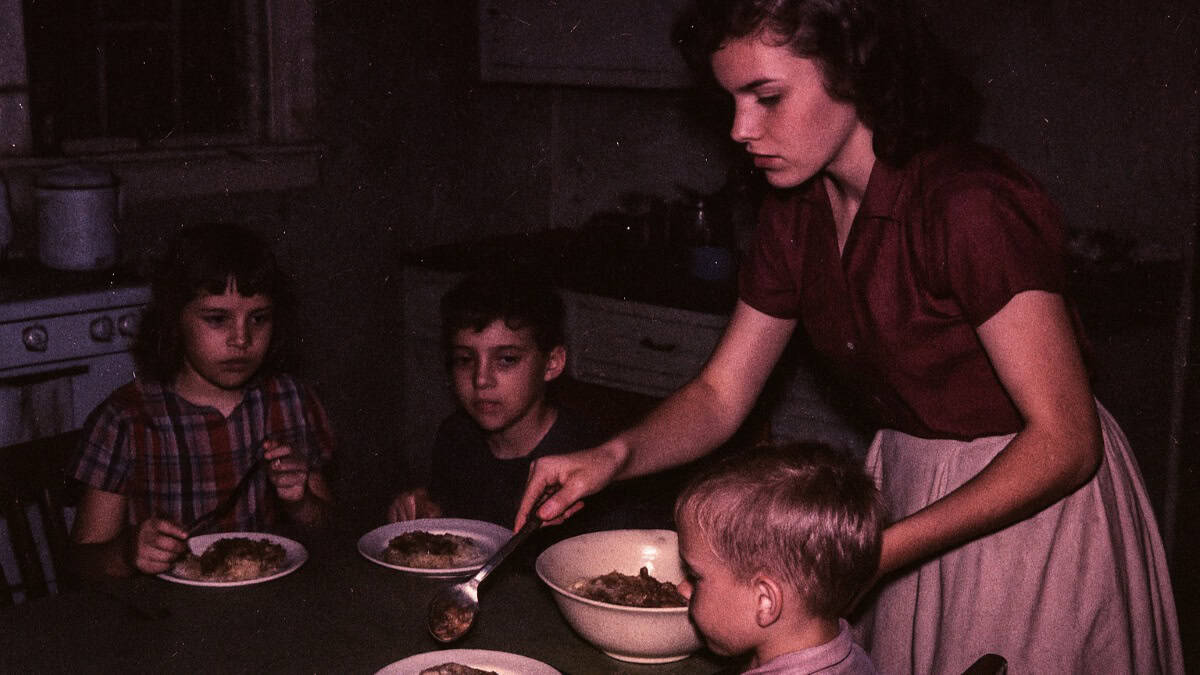
When parents were out, the oldest sibling automatically became the authority figure. This meant they could make executive decisions about snacks, bedtime (within reason), and settling disputes. However, this power came with the responsibility of ensuring everyone’s safety and keeping the house relatively intact.
6. Borrowing Clothes Required Prior Authorization

Taking a sibling’s clothes without asking was considered a serious offense. This was especially true for special items like varsity jackets or poodle skirts. The unwritten rule was “ask first, borrow later,” and returning items in the same condition was non-negotiable.
7. Phone Time Was Strictly Rationed

With one phone line for the entire family, we developed an informal scheduling system. Teenagers got priority during certain hours, but calls were limited to 10 minutes when others were waiting. The classic stretch cord to reach a private corner was a common sight in every home.
8. Unified Front Against Parental Questioning

When parents investigated broken items or mysterious noises, siblings maintained a united front. The standard response was “I don’t know” or “it was like that when we found it.” This solidarity was sacred, though it could be broken for truly serious infractions.
9. Chores Were Traded Like Commodities
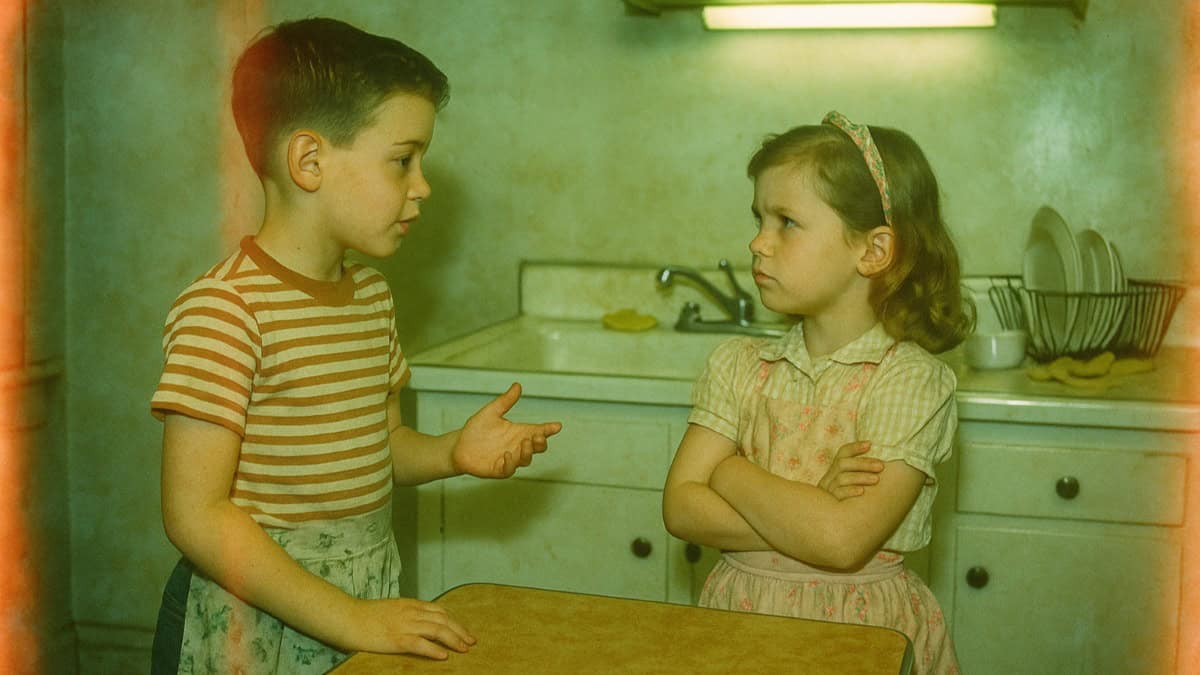
We developed a complex bartering system for household duties. Dish washing might be traded for trash duty, or vacuum cleaning swapped for lawn mowing. These negotiations were binding verbal contracts, often sealed with the phrase “cross your heart and hope to die.”
10. The Basement Was Both Playground and Battleground

The basement was our domain, where we could be as loud as we wanted. It served as everything from a theater to a wrestling arena. Unfinished basements were especially prized for their potential as obstacle courses and hideouts.
11. Allowance Lending Had Strict Terms

Borrowing money from siblings came with clearly understood terms. Interest was often charged in the form of favors or future candy shares. Defaulting on these loans could result in the dreaded “I’m telling Mom” threat, which usually ensured prompt repayment.
12. Bedroom Borders Were Strictly Enforced

In shared bedrooms, invisible but inviolable boundaries were established. These lines might be marked by a rug or simply understood, but crossing them without permission was considered a serious offense. Even shared closet space was carefully divided into territories.
13. Dibs Was a Legally Binding Contract

Calling “dibs” was a sacred declaration that had to be respected. Whether it was for the best seat in the car or the biggest piece of cake, once dibs was called, it was final. The only exception was if a parent overruled it, which rarely happened.
14. Hand-Me-Downs Were a Way of Life
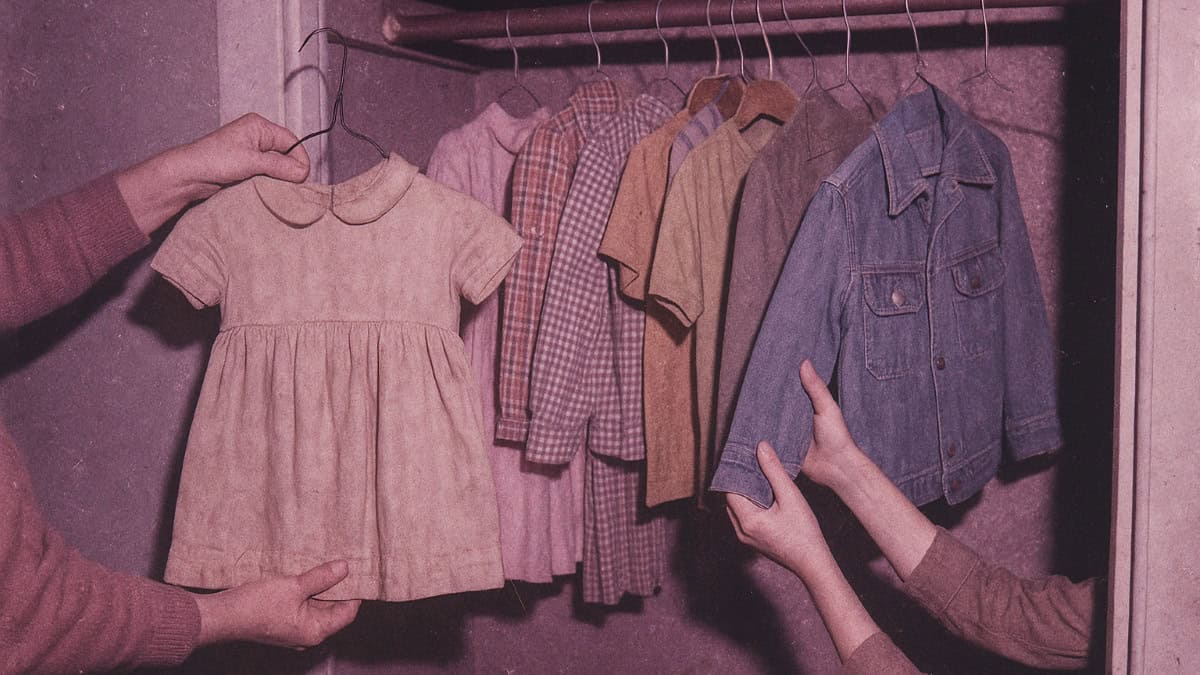
Younger siblings understood that most of their clothes would be hand-me-downs. The unwritten rule was that you couldn’t complain about wearing your older sibling’s clothes, but you could negotiate for at least one or two new items each school year.
15. The Sibling Code of Silence

Some things were never to be shared with parents, period. This included knowledge of secret hideouts, minor infractions, and especially dating adventures. Breaking this code of silence was considered the ultimate betrayal and could result in long-term consequences for the snitch.