Growing up in the 1950s and ’60s, board games were a staple of family entertainment, but many of us never knew the fascinating and sometimes unsettling stories behind our favorite pastimes. From wartime propaganda to social commentary, these beloved games often had origins far darker than their colorful boxes suggested. Let’s take a look at some classic board games whose histories might surprise you.
Table of Contents
1. Monopoly
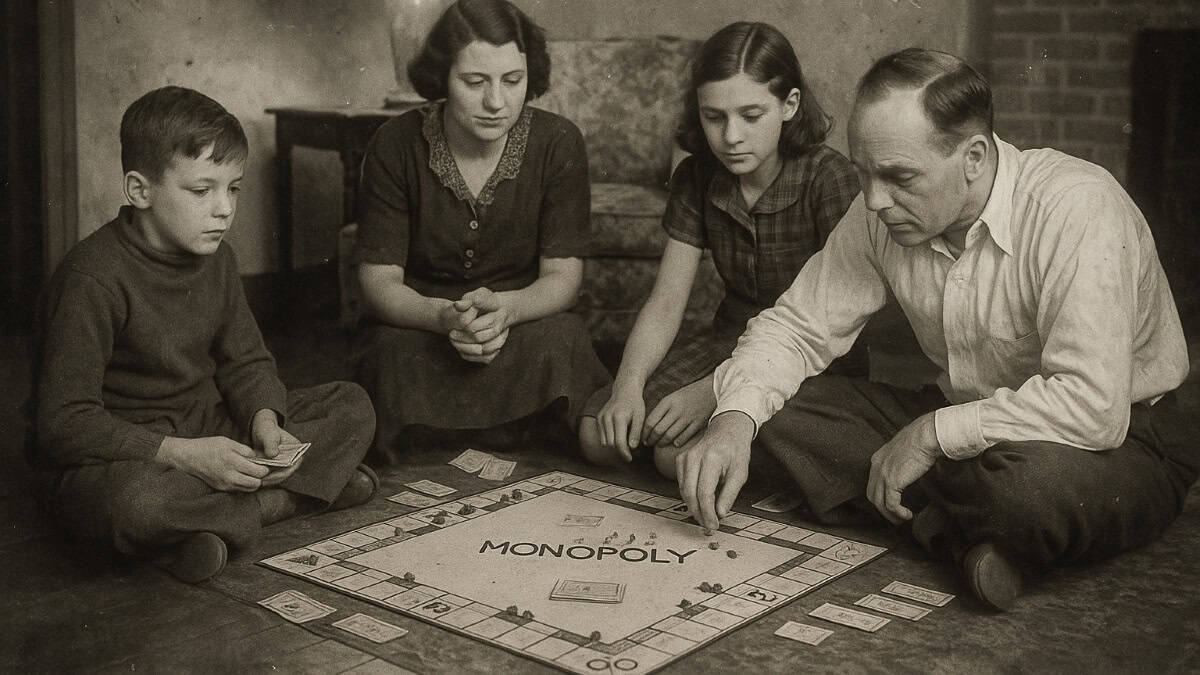
Originally called “The Landlord’s Game,” Monopoly was created by Elizabeth Magie in 1903 to demonstrate the economic principles of Georgism and the negative aspects of concentrating land in private monopolies. Parker Brothers later purchased the rights for $500 and transformed it into the capitalistic game we know today, largely erasing Magie’s original anti-monopolist message.
Save for later
Want to come back to this story? Save it with your email so it is easy to find again.
2. Operation

The buzzing classic was invented by John Spinello in 1962 while he was a University of Illinois industrial design student. He sold the rights for just $500, never receiving royalties for what became a multi-million dollar success. The game was initially designed as a physical therapy tool for war veterans with nerve damage, helping them regain fine motor control.
3. The Game of Life

Milton Bradley’s first game, created in 1860, was originally called “The Checkered Game of Life” and featured squares for “suicide,” “disgrace,” and “poverty.” It reflected Victorian moral values and was designed to teach children about the consequences of good and bad life choices, with distinctly dark undertones about moral failure.
4. Candy Land

Eleanor Abbott created Candy Land in 1948 while recovering in a polio ward. The game was designed to entertain children confined to hospital beds during the polio epidemic. The bright colors and simple gameplay provided escape for young patients who were often isolated in iron lungs or confined to wheelchairs.
5. Clue (Cluedo)

Created during World War II air raids in Birmingham, England, Clue was designed by Anthony E. Pratt to pass time in bomb shelters. The original version was much darker, featuring more weapons and additional rooms like the bomb shelter itself. Some character names were changed for being too politically charged in post-war Britain.
6. Ouija Board

Patented in 1891, the Ouija board was initially marketed as a legitimate tool for communicating with the dead during the Spiritualism movement. The patent was filed by Elijah Bond, and the name was supposedly obtained from the board itself when asked what it should be called. Parker Brothers marketed it as a harmless parlor game in 1966.
7. Risk
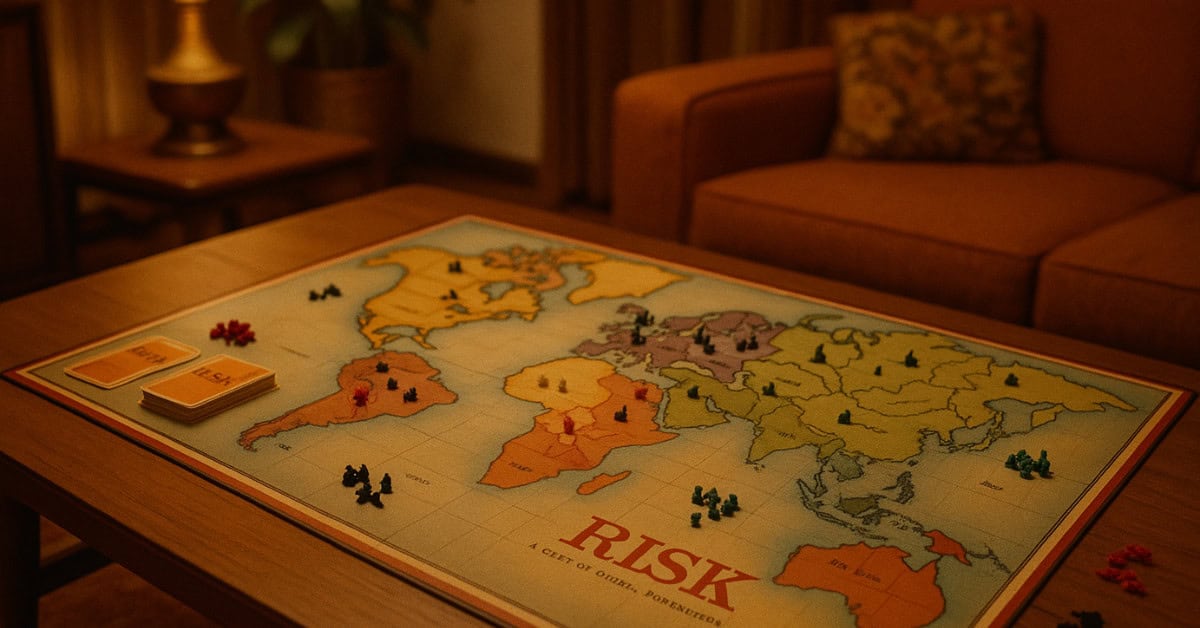
Originally called “La Conquête du Monde” (The Conquest of the World), Risk was created by French film director Albert Lamorisse in 1957. The game’s development was influenced by Cold War tensions and the ongoing threat of global conflict. Early versions included more explicit references to nuclear warfare and colonialism.
8. Chutes and Ladders

Originally an ancient Indian game called “Moksha Patam,” it was a serious tool for teaching Hindu spiritual lessons about karma and destiny. The ladders represented virtues, while the snakes represented vices. Victorian England modified it for children, but kept dark morality tales, including one square showing a child burning to death for playing with matches.
9. Mouse Trap
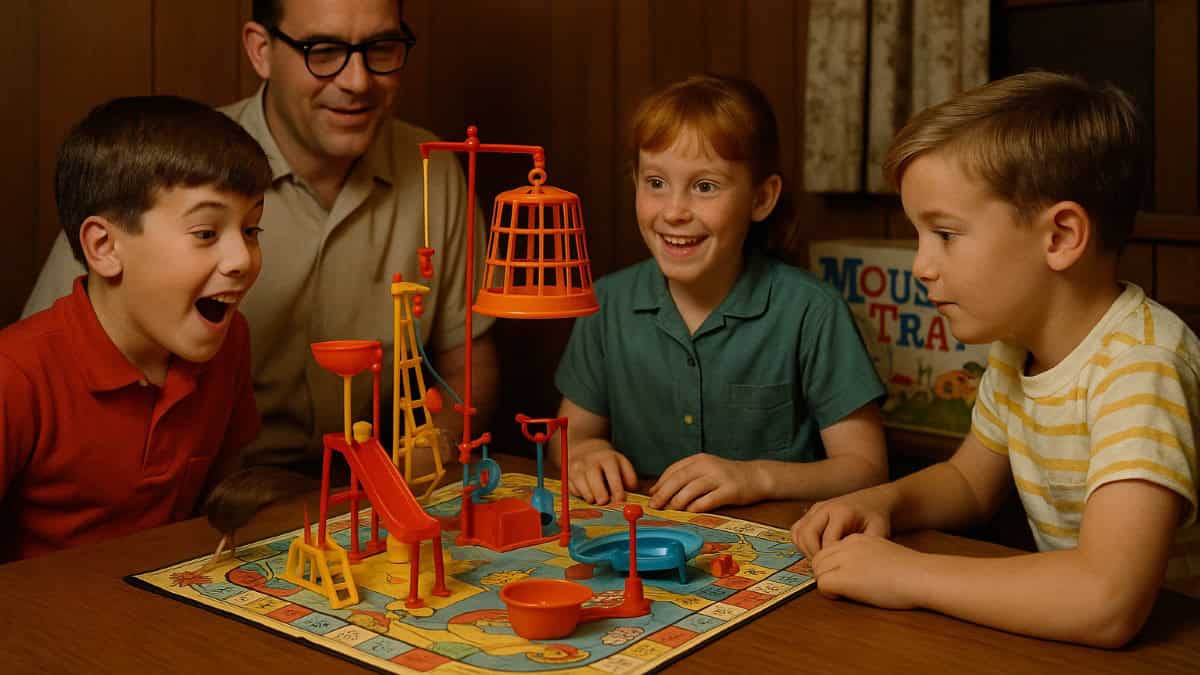
Invented by Marvin Glass in 1963, the game was inspired by Rube Goldberg machines but had a darker inspiration. Glass, who suffered from clinical depression, was fascinated by elaborate mechanisms of capture and containment. The original concept was much more sinister before being lightened for children.
10. Battleship

The game originated as “L’Attaque” in France during World War I, played on paper by soldiers in the trenches. It was based on real naval warfare tactics and was used as a training tool for military strategy. Milton Bradley’s plastic version sanitized the war theme for family entertainment in 1967.
11. Scrabble
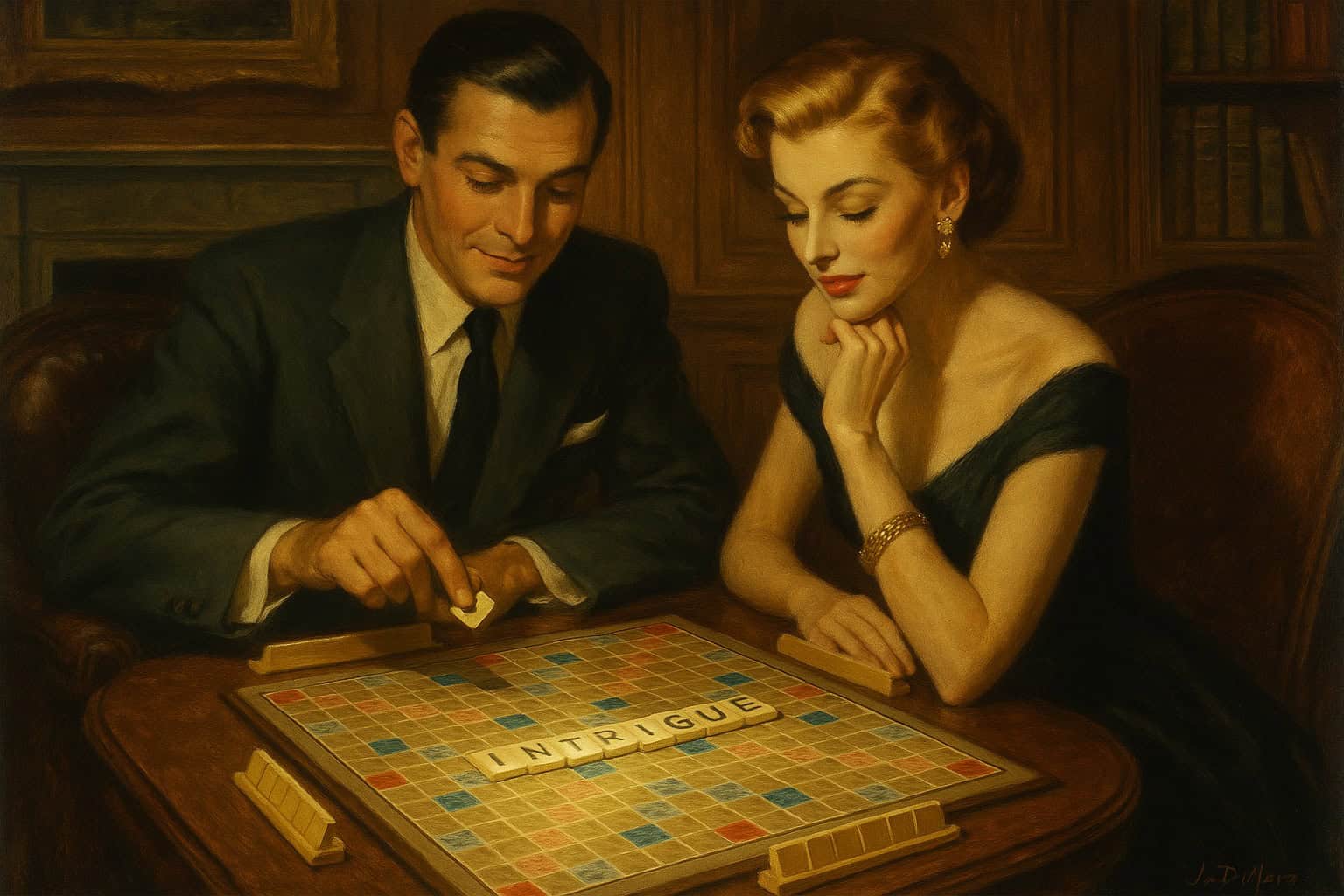
Created during the Great Depression by architect Alfred Butts, who lost his job in the crash of 1929, Scrabble began as “Lexiko” and later “Criss Crosswords.” Butts studied the front page of The New York Times to calculate letter frequencies, including analyzing crime reports and disaster stories. The game’s scoring system was partly based on the frequency of letters in death notices and murder reports.
12. Sorry!

Based on the ancient Indian game Pachisi, Sorry! was patented in England during the Great Depression. The game’s seemingly polite title was actually a sardonic commentary on British social classes, where saying “sorry” while ruthlessly moving ahead was seen as proper etiquette. The original 1934 version included more aggressive card text reflecting social tensions of the era.
13. Chinese Checkers
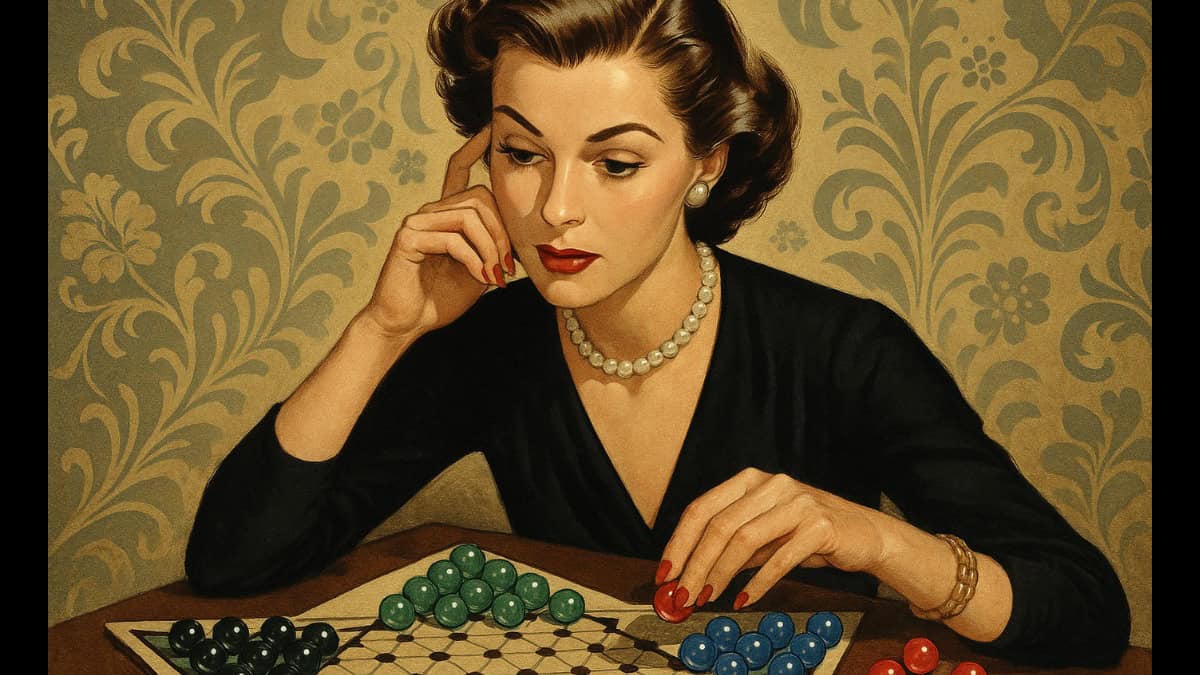
Despite its name, this game has no Chinese origins. It was invented in Germany as “Stern-Halma” in 1892 but was rebranded as “Chinese Checkers” by American game companies in the 1920s to avoid anti-German sentiment after World War I. The marketing played on Orientalist stereotypes and cultural appropriation, common in the era’s advertising.
14. Stratego

Originally created as “L’Attaque” in France in 1908, Stratego was modified by a Jewish game enthusiast in the Netherlands during Nazi occupation. The designer, Jacques Johan Mogendorff, had to hide the game’s development while in hiding from the Nazis. The game’s military theme reflected the real-life strategic warfare happening around him.
15. Trivial Pursuit

Created in 1979 by journalists Chris Haney and Scott Abbott, Trivial Pursuit’s early development was marked by controversy. Many original questions were taken without attribution from other sources, leading to lawsuits. The game’s first edition included numerous questions about death, disasters, and dark historical events, which were later toned down for mass market appeal.