Kids today wouldn’t believe what school was like back in our day. Sure, we didn’t have smartphones or laptops, but we had something better – real discipline, practical skills, and lessons that stuck with you for life. Let me tell you about how school in the ’60s and ’70s wasn’t just tougher – it was preparing us for the real world in ways that today’s education system seems to have forgotten.
Table of Contents
- 1 1. Strict Dress Codes
- 2 2. Real Physical Education
- 3 3. Handwriting Mattered
- 4 4. Mental Math Skills
- 5 5. Real Consequences
- 6 6. Shop Class
- 7 7. Home Economics
- 8 8. No Cell Phones
- 9 9. Research Skills
- 10 10. Memorization
- 11 11. Walking to School
- 12 12. Actual Books
- 13 13. Proper English
- 14 14. Recess Rules
- 15 15. School Lunch
1. Strict Dress Codes
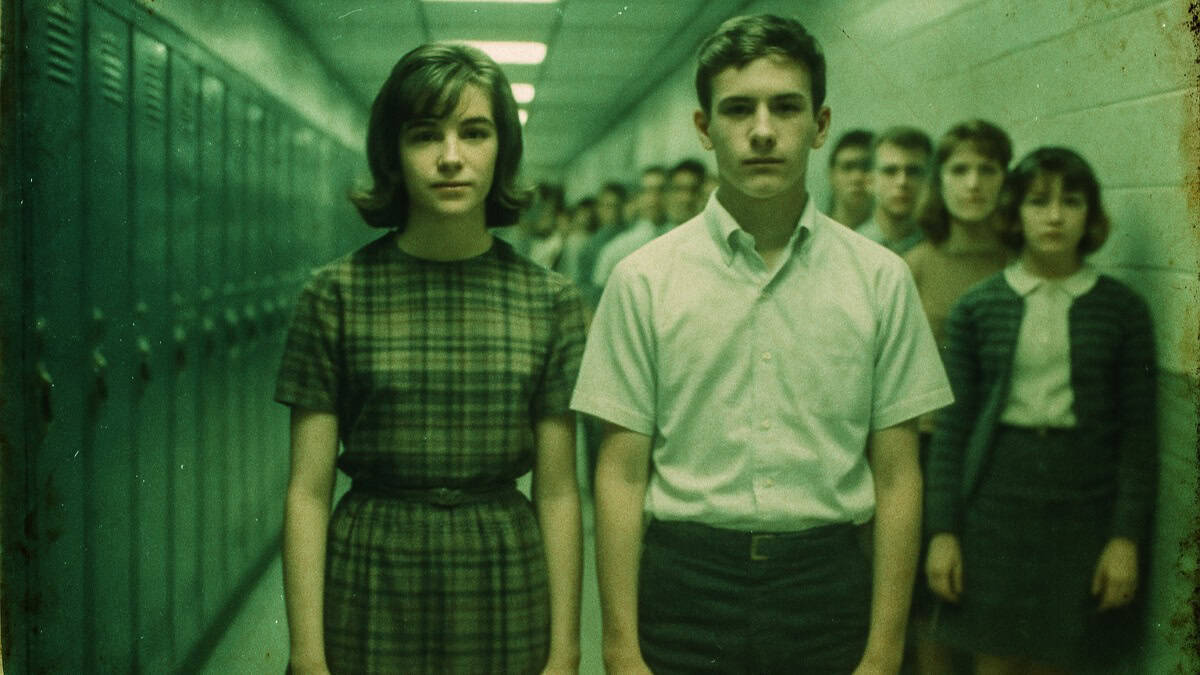
Girls couldn’t wear pants to school until the early ’70s, and skirts had to touch the ground when kneeling. Boys’ hair couldn’t touch their shirt collars, and T-shirts were strictly forbidden – collared shirts only. Being sent home to change wasn’t just embarrassing; it meant calling your parents, and that was the real punishment!
Save for later
Want to come back to this story? Save it with your email so it is easy to find again.
2. Real Physical Education
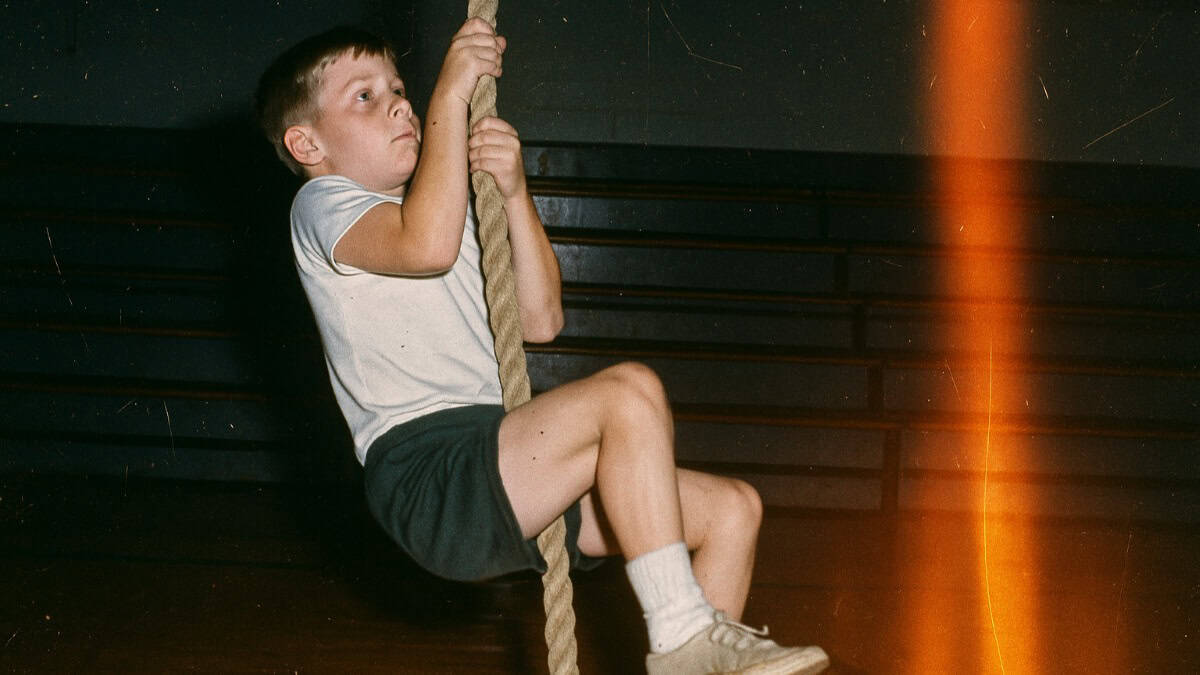
None of this “everyone gets a trophy” business – PE was serious exercise. We did rope climbing, dodgeball with real rubber balls, and the dreaded Presidential Fitness Test. No air conditioning in the gym either; you learned to tough it out. Those rope burns and bruises were badges of honor!
3. Handwriting Mattered

Penmanship wasn’t just a class – it was an art form. We spent hours practicing cursive writing with real fountain pens, and teachers would grade you on how neat your writing was. Those blue-lined practice sheets and ink-stained fingers were part of daily life, and sloppy writing meant doing it all over again.
4. Mental Math Skills

Calculators? Those were for college students and engineers. We learned multiplication tables by heart and did long division on paper. Mental math was a survival skill – no smartphone calculator to figure out the tip at restaurants. Those flashcard drills and times table competitions prepared us for real life.
5. Real Consequences

Misbehavior had real consequences – detention, paddling (in many states), or being sent to the principal’s office weren’t just threats. Parents always sided with teachers, and getting in trouble at school meant double trouble at home. It taught us respect and self-discipline that served us well in life.
6. Shop Class

Boys learned real-world skills in shop class – woodworking, basic car maintenance, and how to use power tools safely. No liability waivers needed; you just learned to be careful or faced the consequences. Many of us still have the birdhouses and toolboxes we made, showing our kids what we created with our own hands.
7. Home Economics

Girls learned practical skills like cooking, sewing, and household budgeting. While it might seem outdated now, these were real-life skills that saved money and taught self-reliance. The pride of wearing a dress you made yourself or cooking your first successful meal was unforgettable.
8. No Cell Phones

We actually talked to each other between classes and at lunch. Passing notes was an art form, and you learned to communicate face-to-face. If you needed to call home, you had to convince the school secretary it was important enough to use the office phone. Social skills developed naturally through real interaction.
9. Research Skills

The library was our Google, and we had to master the Dewey Decimal System to find anything. Research meant hours with encyclopedias and card catalogs, teaching us patience and thoroughness. No quick copy-and-paste from Wikipedia – we had to read, understand, and write it in our own words.
10. Memorization
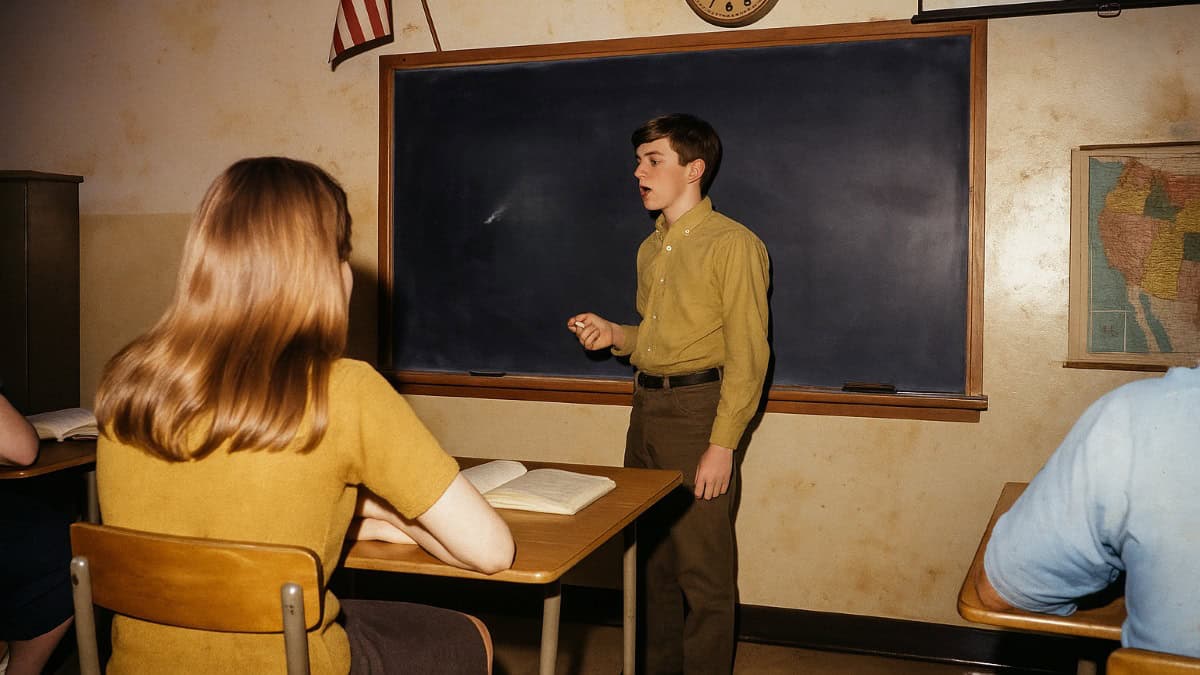
We memorized everything from multiplication tables to famous speeches and poems. Standing in front of the class to recite “The Midnight Ride of Paul Revere” was a rite of passage. These exercises strengthened our minds and taught us the value of mental discipline.
11. Walking to School

Rain, snow, or shine, most of us walked to school. No parent drop-off lines or school buses for kids who lived within a mile or two of school. It taught us responsibility, time management, and independence. Plus, we got our exercise before and after school every day.
12. Actual Books

Textbooks were actual books – heavy ones that we carried home every night. No online assignments or digital textbooks. We learned to be responsible for our materials, and those book covers we made from paper bags were an art form unto themselves. Lost or damaged books came out of your allowance!
13. Proper English

Grammar was serious business, and text speak didn’t exist. Diagramming sentences was a daily exercise, and using proper English was expected everywhere, not just in English class. Red ink markups on our papers taught us to write correctly, and spelling tests were a weekly ritual.
14. Recess Rules

Recess meant actual physical activity – jump rope, kickball, and games we made up ourselves. No supervised structured activities or worry about hurt feelings. We learned to resolve conflicts, make up rules, and negotiate with each other. These were vital social skills learned through play.
15. School Lunch

School lunches were made from scratch by lunch ladies who actually cooked, not just reheated. The food wasn’t always great, but it was real food – no chicken nuggets or pizza every day. Brown-bagging it meant using an actual brown paper bag, and trading items from your lunch was a daily ritual.