Remember those days when we would hurry home after school or work just to make sure that we didn’t miss our daily game show? How about the excitement that came with shouting “Come on Down” on The Price is Right? Of course, we have also enjoyed the fast paced excitement that comes when the buzzer sounds in Password. These shows were not just entertianment, they were a part of our daily lives. Here, we’ll relive the nostalgic moments from these game shows that keep us comng back for more time after time.
Table of Contents
- 1 1. The Price is Right
- 2 2. Jeopardy!
- 3 3. Wheel of Fortune
- 4 4. Password
- 5 5. $25,000 Pyramid
- 6 6. Match Game
- 7 7. Hollywood Squares
- 8 8. To Tell the Truth
- 9 9. What’s My Line?
- 10 10. Let’s Make a Deal
- 11 11. Family Feud
- 12 12. Card Sharks
- 13 13. Sale of the Century
- 14 14. Press Your Luck
- 15 15. Concentration
- 16 16. Name That Tune
1. The Price is Right
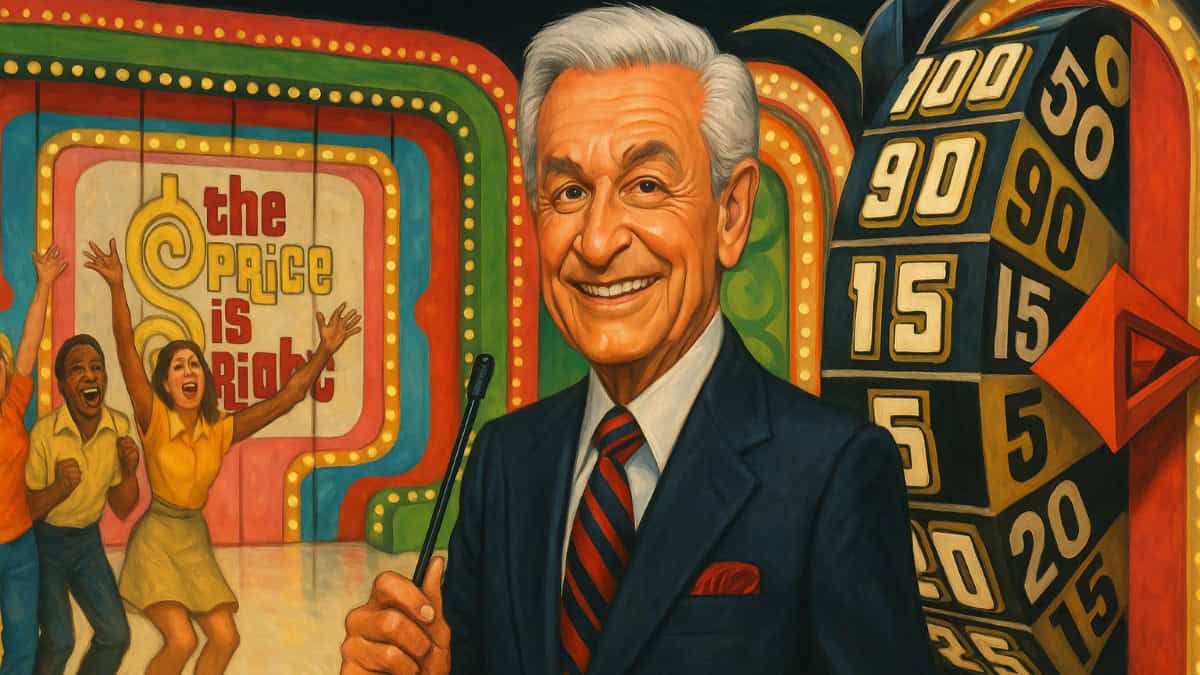
For 35 year Bob Barker hosted The Price is Right with his signature microphone and over the top hosting style. When the show first appeared on TV in 1972, it seemed to be just another game show that displayed a series of typical game show concepts. However, it became obvious that Bob was just getting started. The Big Wheel became a part of game show history and is still used to this day.
Save for later
Want to come back to this story? Save it with your email so it is easy to find again.
2. Jeopardy!

One game show that is also still on air is Jeopardy, which first aired in 1964 and is hosted today by Ken Jennings. Countless contestants have had the opportunity to win prize money hosting the show. In addition, millions of viewers have also had the chance to test their intellect against the competition. Of course, the show is famous for its blue screens and white text, and well known music. Contestants have been given a variety of categories such as Potent Potables and Famous Paintings. To this day, a large audience watches the game show.
3. Wheel of Fortune
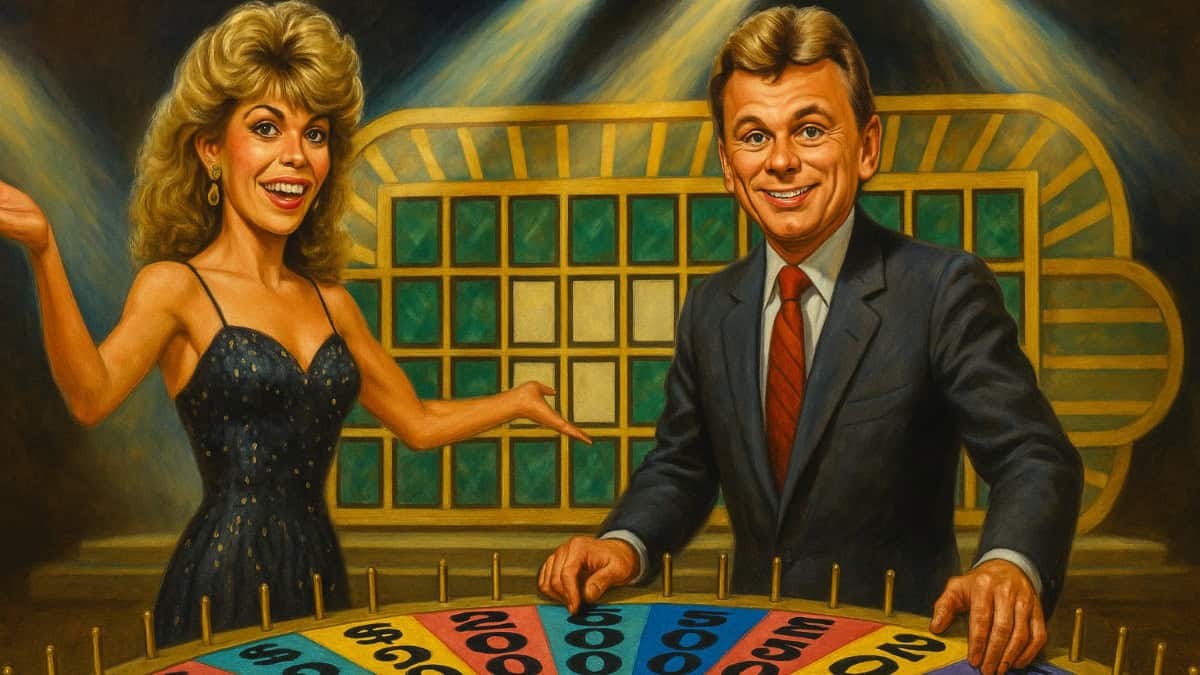
Vanna White and Pat Sajak became household names in the early 1980s when they began hosting this word puzzle phenomenon. TV history was made as players spun the wheel while others clicked the letters to reveal puzzle clues. Family game night memories were created as we watched from home, trying to solve the word puzzle before the contestants, competing with our family members. The show made word skill games easy and fun for all viewers, combining both chance and skill.
4. Password
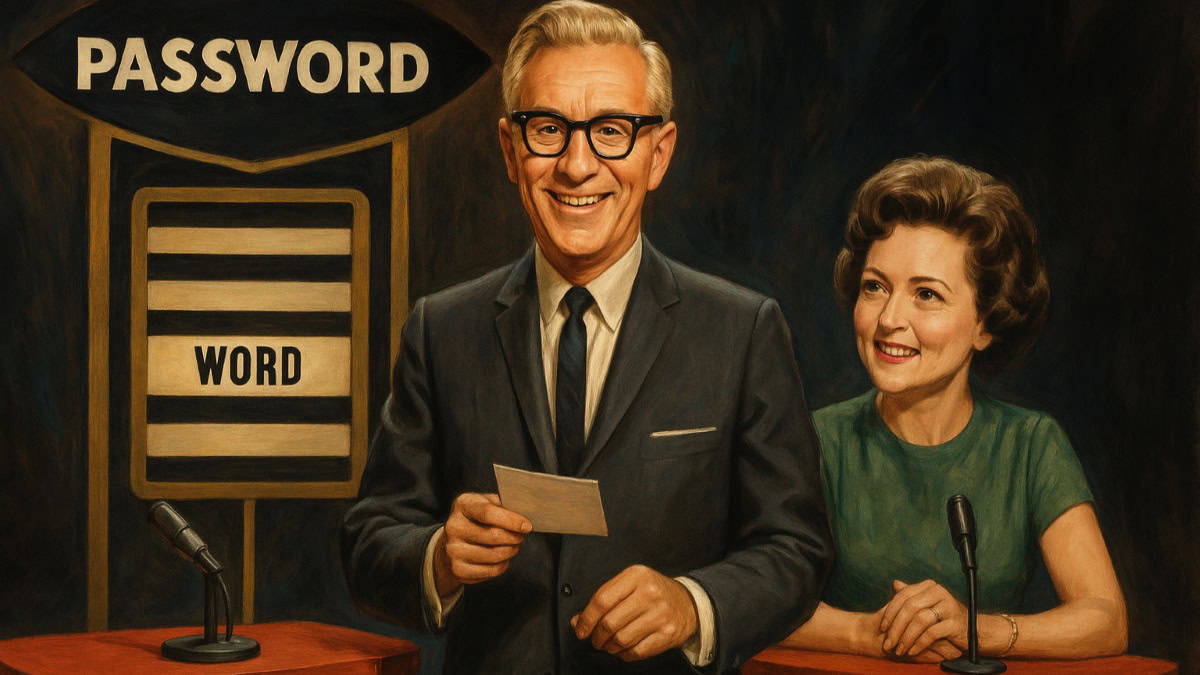
Allen Ludden’s Password was a word association game where viewers were encouraged to play along at home with him. The game was fun as pairings of contestants and celebrities created great moments of victory and funny misunderstanding. The atmosphere was plush, lit for drama, and made the average game feel like high level entertainment. Especially when Betty White was in the seat next to her husband Allen.
5. $25,000 Pyramid

Daytime TV was made a lot better by this fast-paced word game with a show host who was called Dick Clark. The Winner’s Circle created game show host tension as contestants had to give clues to a category. The show’s many versions from ten thousand to one-hundred thousand kept audiences wanting more of the same formula. The set of the pyramid and the show’s music were elements of TV history that were easy to remember.
6. Match Game
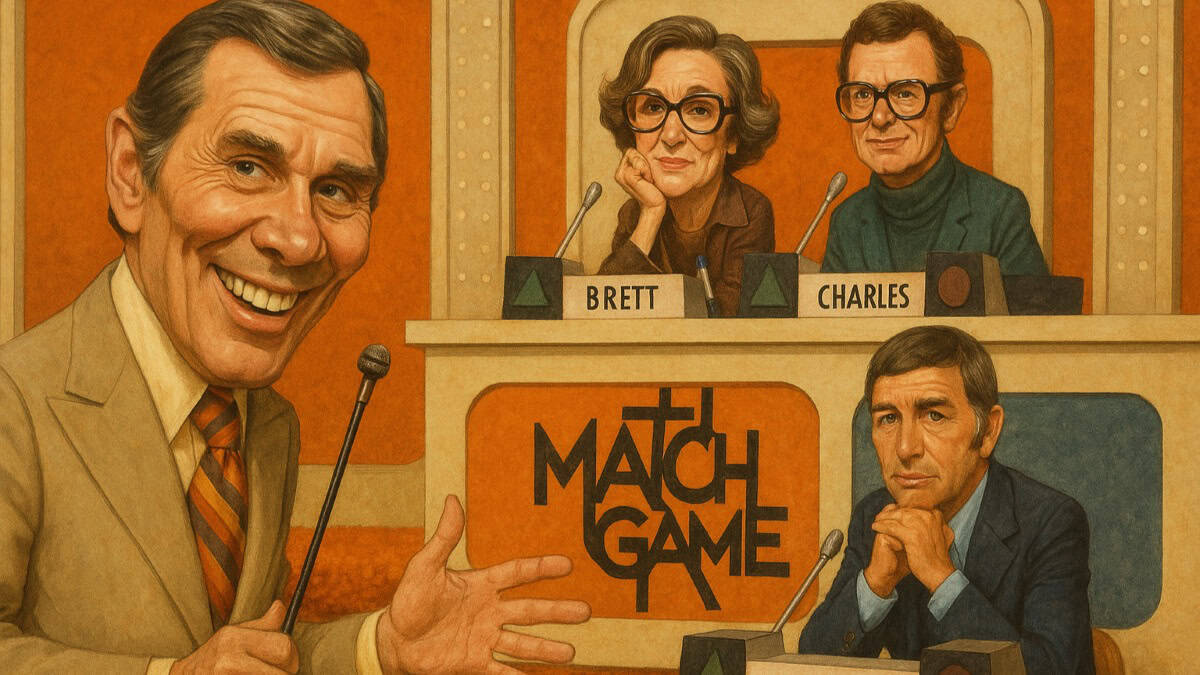
The celebrity panel and Gene Rayburn’s suggestive hosting technique made Match Game the most risqué game show of the 1970’s. We loved the chemistry, which made us shout with laughter, from the interactions of the show’s regulars, like Brett Somers, Richard Dawson, and Charles Nelson Reilly. The famous skinny microphone, the show’s bright orange, shag carpet set, and the show’s many “blank” fills, exemplified the era, while creating many unforgettable moments.
7. Hollywood Squares
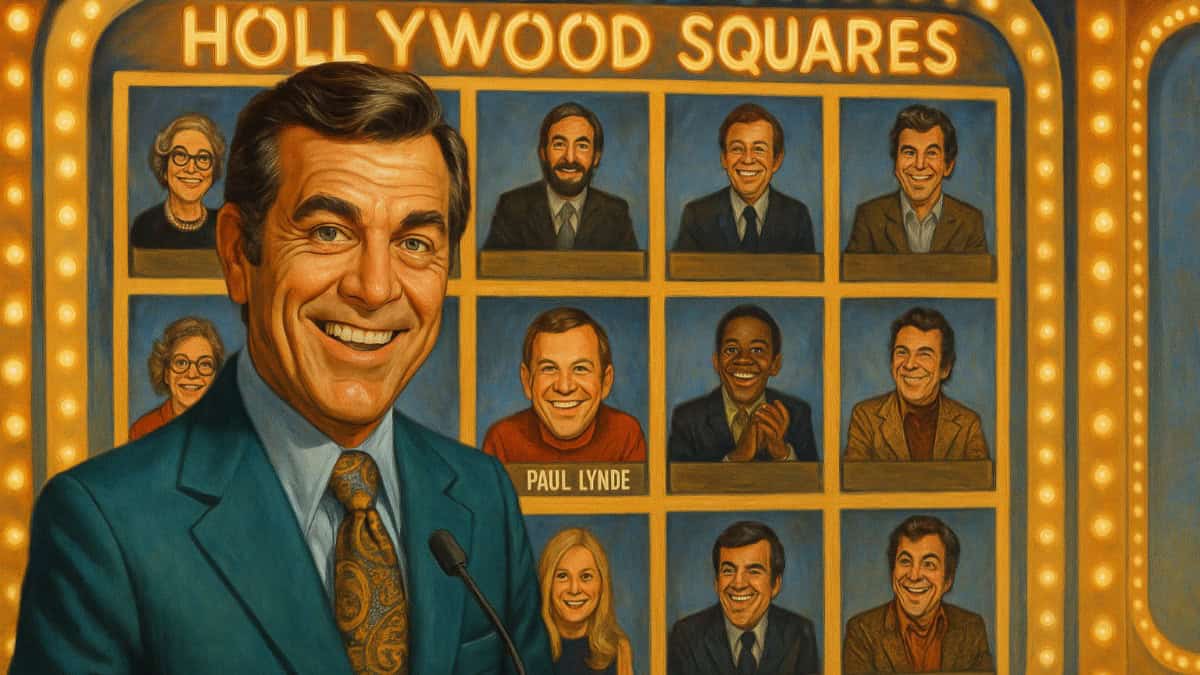
Hollywood Squares excelled in blending humor with trivia, especially with its giant tic-tac-toe board and celebrity guests. Paul Lynde was always great as the center square, and Peter Marshall was an excellent host, providing a comfortable atmosphere for the stars to display their cleverness. The celebrities’ actual strategies to win the game by giving truthful or bogus answers to questions added an extra layer of strategy to the game. The show left the audience guessing along with the contestants.
8. To Tell the Truth
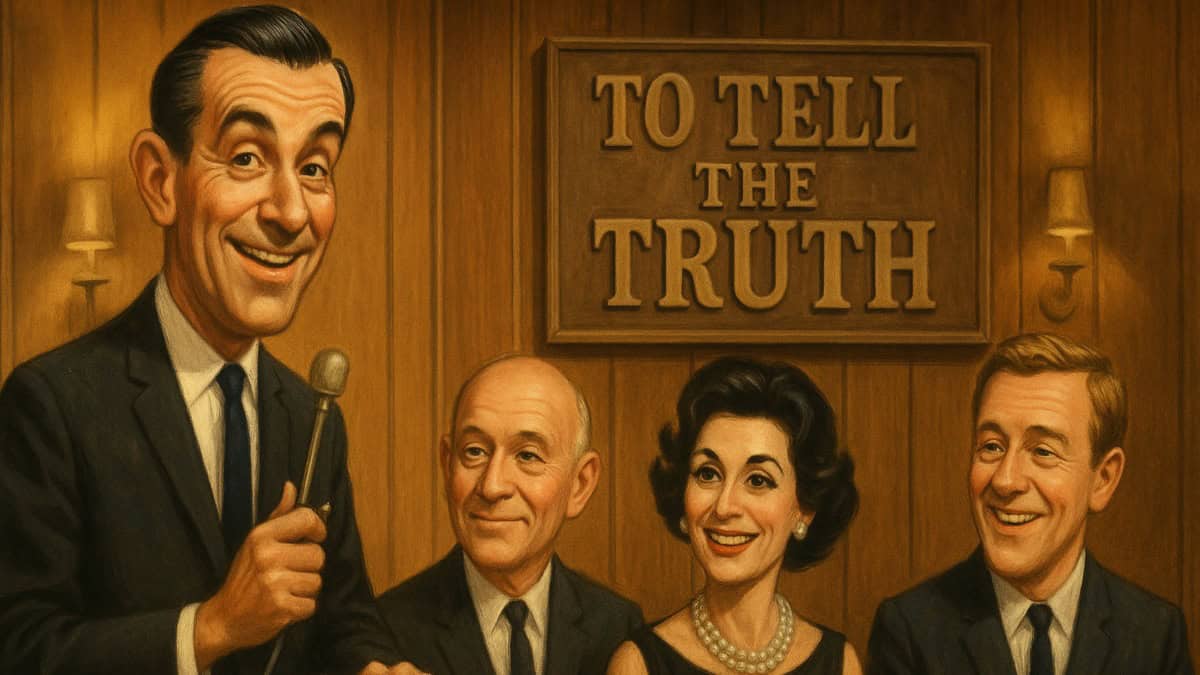
The classic show has a premise that has captivated audiences since 1956. Bud Collyer was the first host, and he set the standard for all game show hosts with class. Garry Moore and all the subsequent hosts maintained that same class. The moment when the real person would stand up created television suspense, and the celebrity panel’s questioning often uncovered a treasure trove of stories about everyday heroes and unusual professions.
9. What’s My Line?
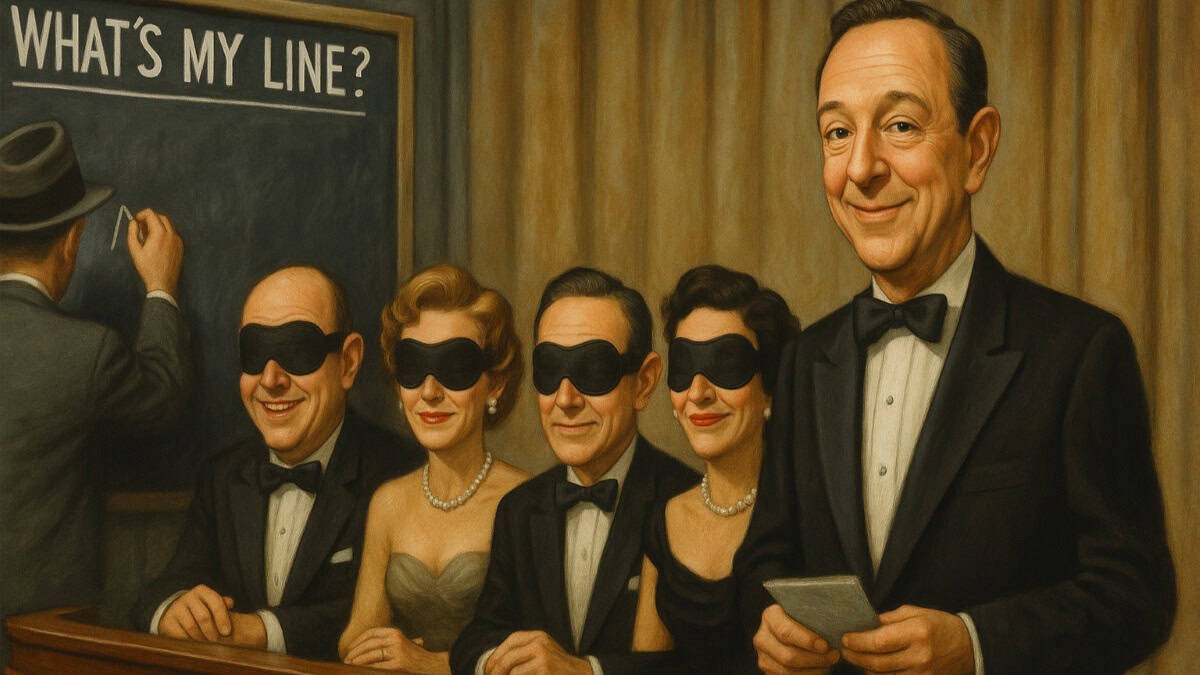
The longest-running primetime television game show has also been the most sophisticated, with its panelists always dressed in formal attire. The show’s host, John Charles Daly, made Sunday evenings special with his warm and inviting style, and a parade of celebrity mystery guests. The concept of contestants’ guessing the occupations of the contestants through a series of yes and no questions was enough to keep audiences entertained without the need for extravagant sets and special effects.
10. Let’s Make a Deal

With costumed characters, and big deals of the day, Monty Halls Trading Game Show featured an innovative approach to engagement. The show’s curtain conundrum, gamble to keep your prize or win a big mystery, transformed television audience participation into a legitimate mathematical probability problem. Participants in the show’s audience dressed in elaborate costumes to get picked. This phenomenon has continued to the present day with Wayne Brady’s new version.
11. Family Feud
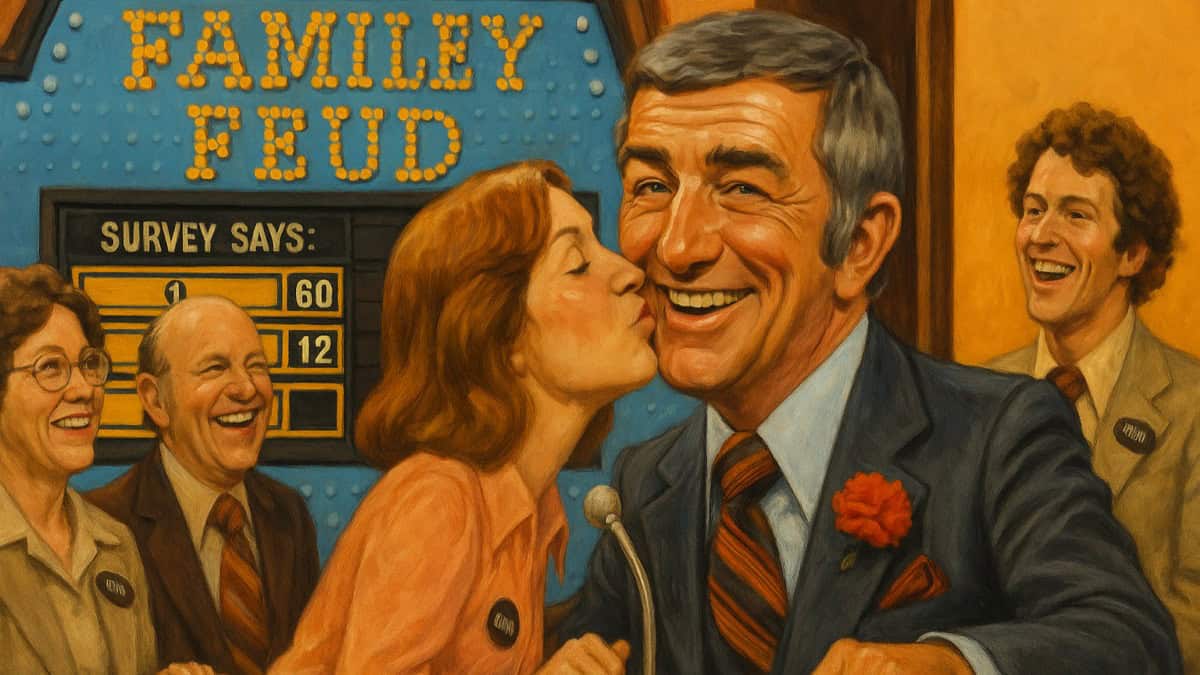
Family Feud burst into the cultural zeitgeist when it was launched in 1976 and Richard Dawson’s hosting style and kissing contestants became legendary. Its brilliance was in the plainness of the concept. Guess the most popular responses to the survey questions. The competition at the podium and the striking of the buzzer followed by the suspense of three strikes kept people coming back to the show. Dawson’s sharpness and amicability were attributes that future hosts aspired to.
12. Card Sharks
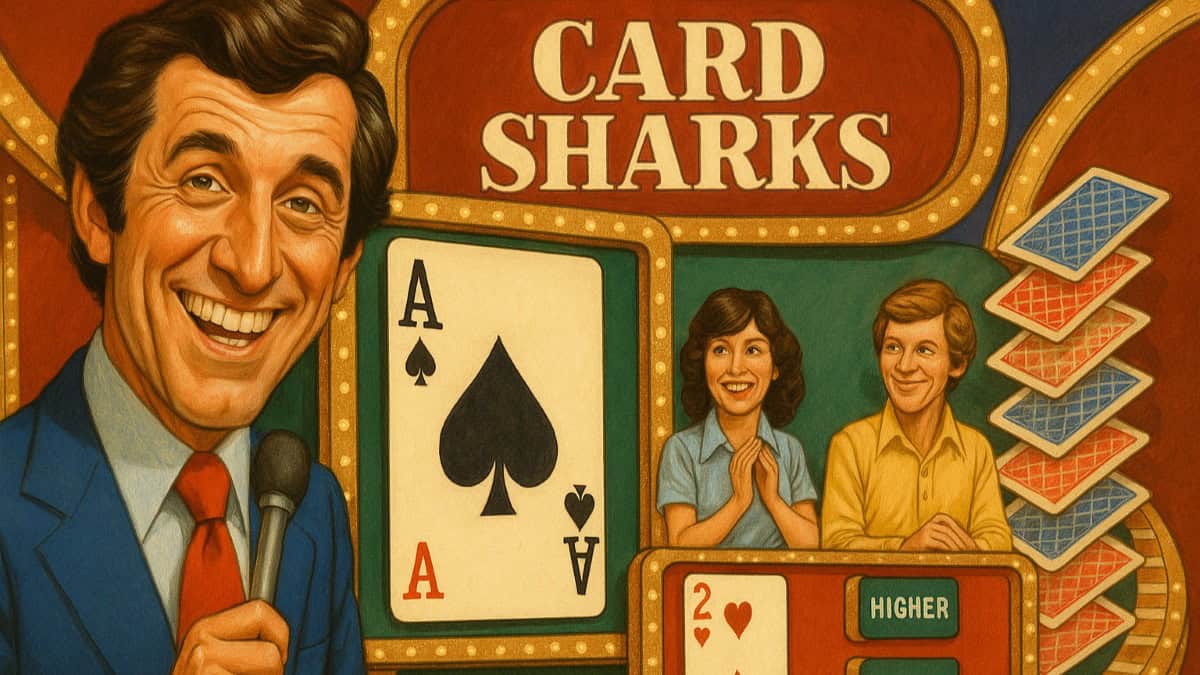
Jim Perry’s Card Sharks was the first of its kind to merge gambling with survey questions. The big cards plus the high drama created by money cards, and the anticipation of higher or lower was pure drama. The winner of the cards created a new level of strategy with the audience answer questions which was the reason watchers kept coming back.
13. Sale of the Century
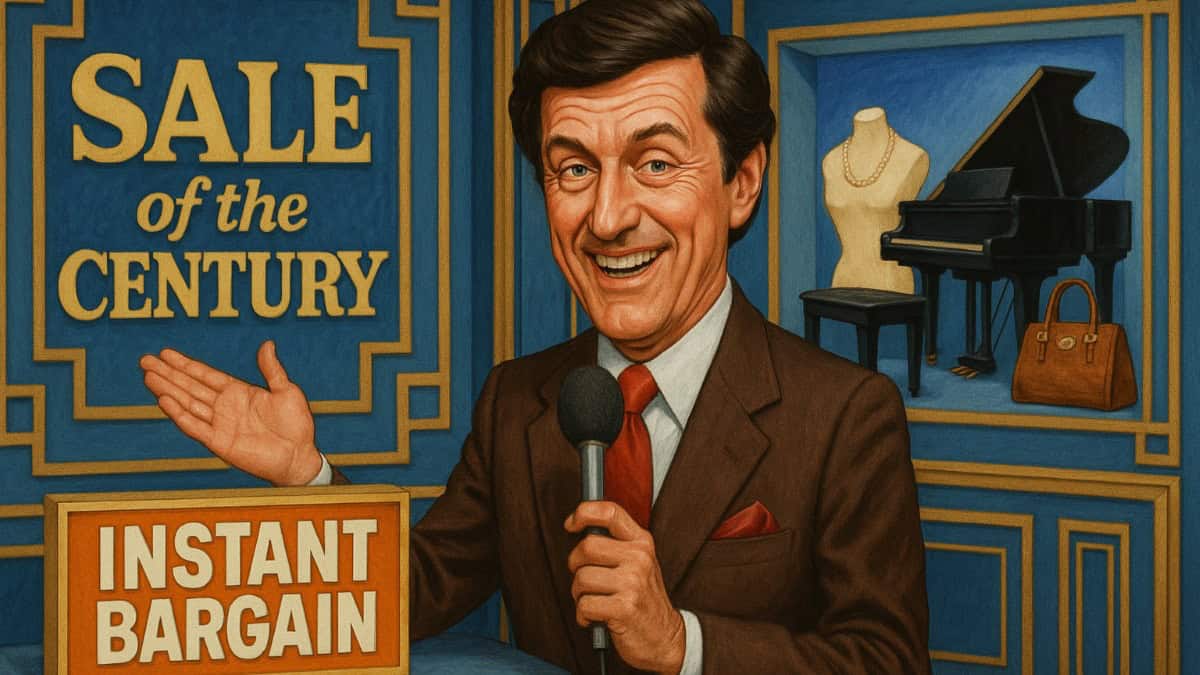
Contestants on this game show hosted by Jim Perry could win big-ticket items at a low cost. The show’s “Instant Bargain” segments even created some real drama as contestants had to choose whether they wanted to spend their money on an offered item. Each episode’s combination of shopping and trivia reflected 1980s materialism and also kept us mentally engaged.
14. Press Your Luck
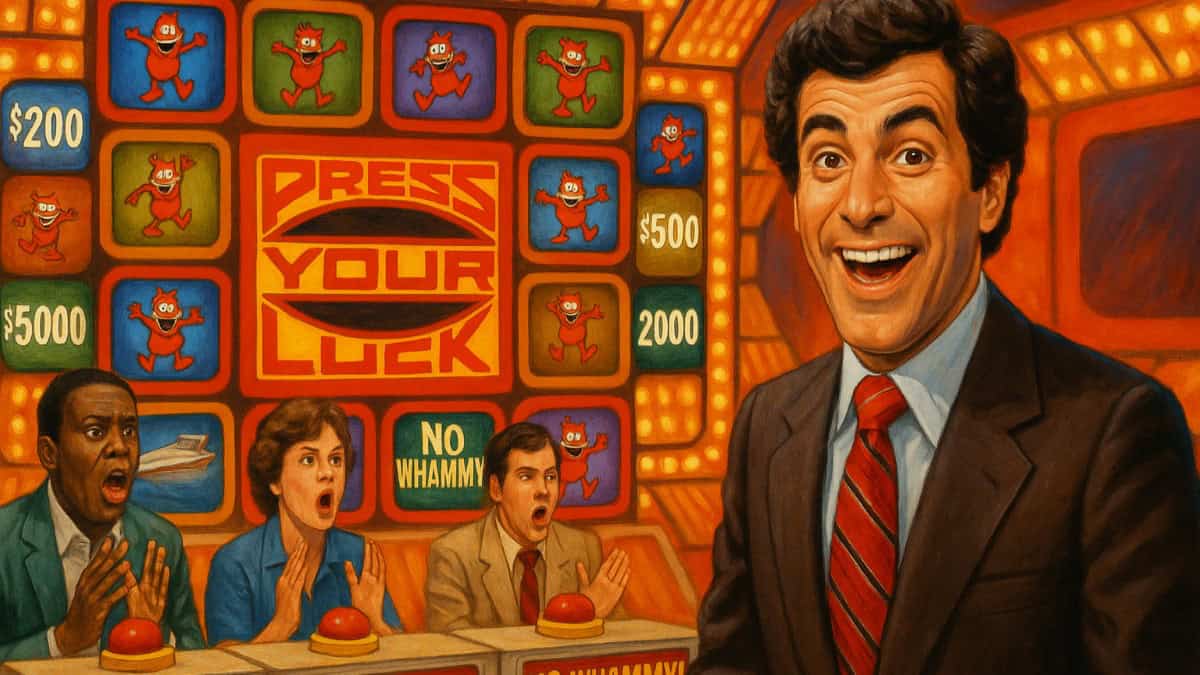
Peter Tomarken’s show had unique elements of both strategy and luck since he hosted with so much enthusiasm and the “whammy” was dreaded. Part of pop culture was also the big board with changing panels while contestants would scream “No Whammy, No Whammy, STOP”. One of the most famous episodes of game show television was the case of Michael Larson, who memorized the board’s pattern and won an incredible $110,237, giving the show even more notoriety in 1984.
15. Concentration
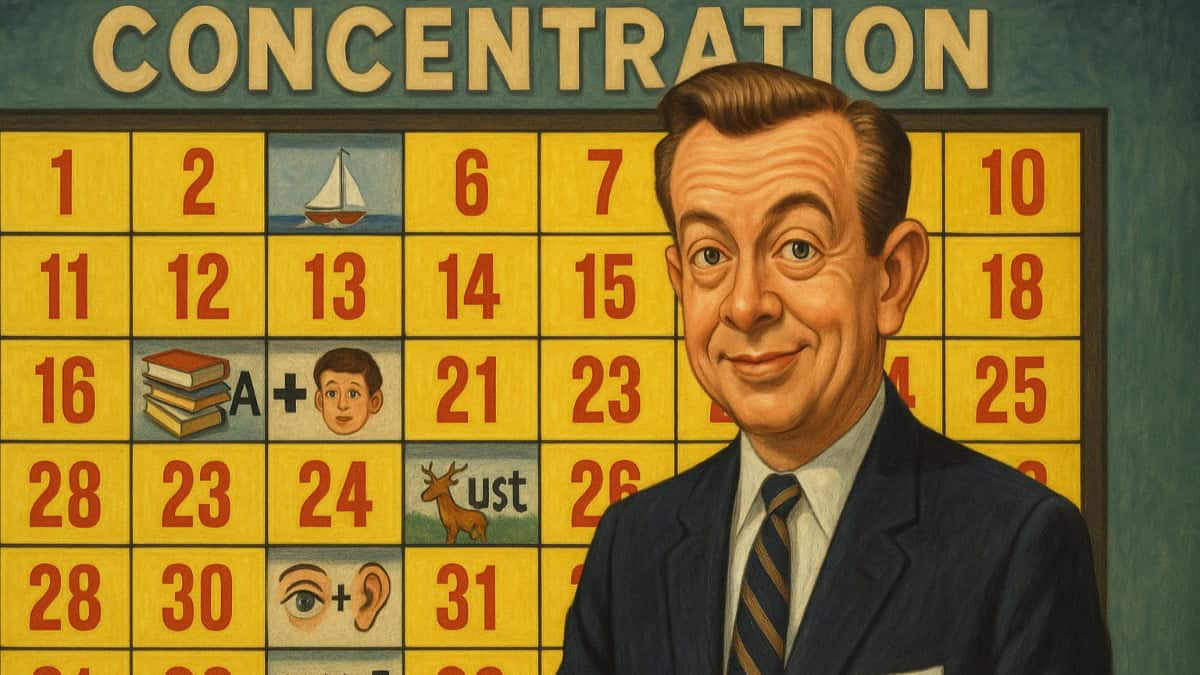
Hugh Downs and then later Alex Trebek, hosted this game show that was a memory game and had all of us playing along from home. The unique engagement of this show came from the challenge of solving a rebrus puzzle and matching prizes that were numbered behind the panels. The 1980s revival of “Classic Concentration” proved that the best game shows never get old.
16. Name That Tune
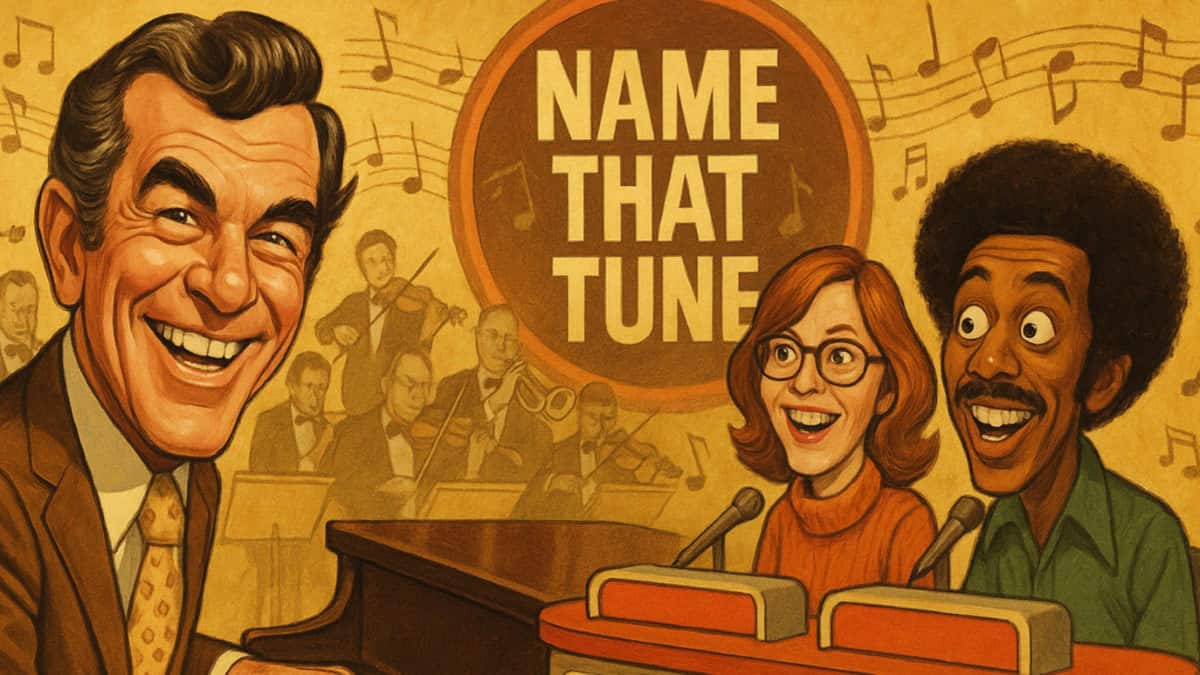
Hosted by Tom Kennedy, this game show was a highlight of television in the 1970s. The “Bid-a-Note” rounds, where contestants would name songs in the least amount of notes possible created great “I can name that tune in 3 notes” tension. Viewers would be singing along to the songs during the Golden Medley speed round, where contestants raced against the clock to identify songs.