The transformation of the movie industry with multiplexes and streaming services created a new paradigm of movie viewing. However, during the 1970s when I managed a movie theater, I saw how unique aspects of the cinema culture created a sense of community and provided lasting memories. Here are sixteen experiences that today’s modern audiences would have difficulty imagining.
Table of Contents
- 1 1. The Curtain Reveal
- 2 2. The Newsreel Preview
- 3 3. The Intermission Break
- 4 4. The Cigarette Girls
- 5 5. The Projectionist’s Art
- 6 6. The Double Feature
- 7 7. The Balcony Experience
- 8 8. The Organ Prelude
- 9 9. The Usher’s Flashlight Dance
- 10 10. The Film Break Drama
- 11 11. The Saturday Matinee Club
- 12 12. The Coming Attractions Voice
- 13 13. The Crying Room
- 14 14. The Phone Booth Reservations
- 15 15. The Carbon Arc Projector
- 16 16. The Midnight Movie Cult
1. The Curtain Reveal
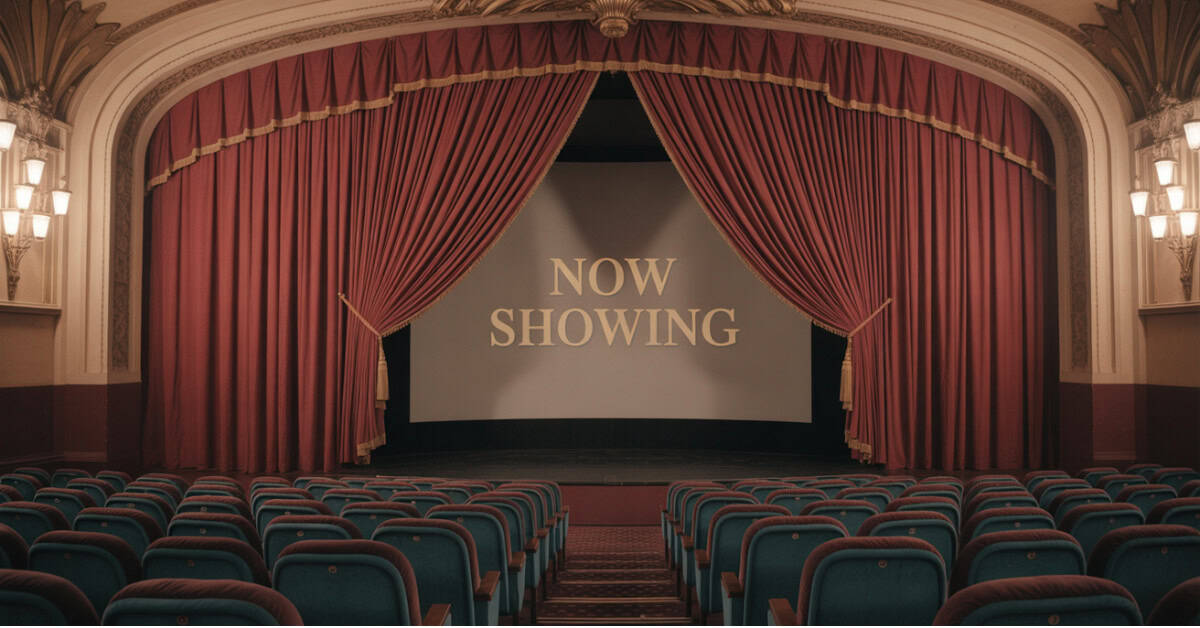
The melting of the velvet curtain added to the suspense. Coupled with lighting and music, every screening gave a sense of exclusivity. Even low-budget films had the air of Hollywood.
Save for later
Want to come back to this story? Save it with your email so it is easy to find again.
2. The Newsreel Preview

Before 24-hour news cycles, moviegoers got their news through newsreels. They were short films that covered current events, sports, and even human interest stories. They were part of the cinema experience, and the movie-goers ritual.
3. The Intermission Break
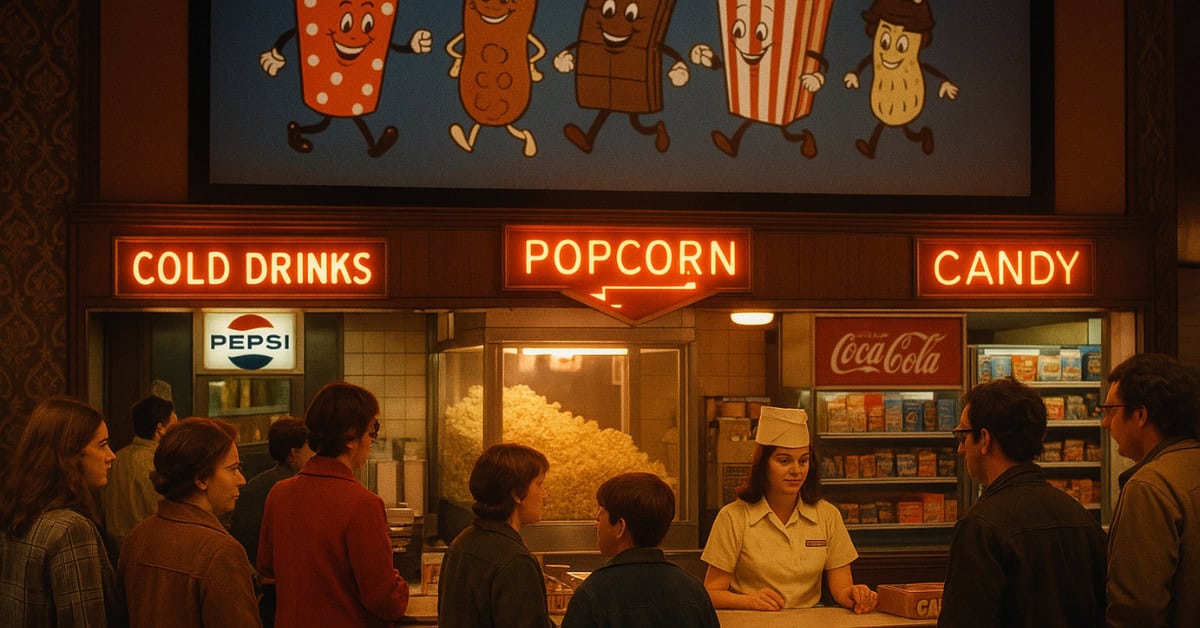
For longer films, there were intermissions, and there were even countdown clocks. This was a chance for patrons to grab a snack from the concession stand or chat about the first half of the film. “Let’s all go to the Lobby” became a classic cinema memory.
4. The Cigarette Girls

During the show, uniformed vendors would walk the aisles selling cigarettes and candy. They used flashlights to direct late patrons to empty seats, and their walking concessions added to the elegance of the theater.
5. The Projectionist’s Art
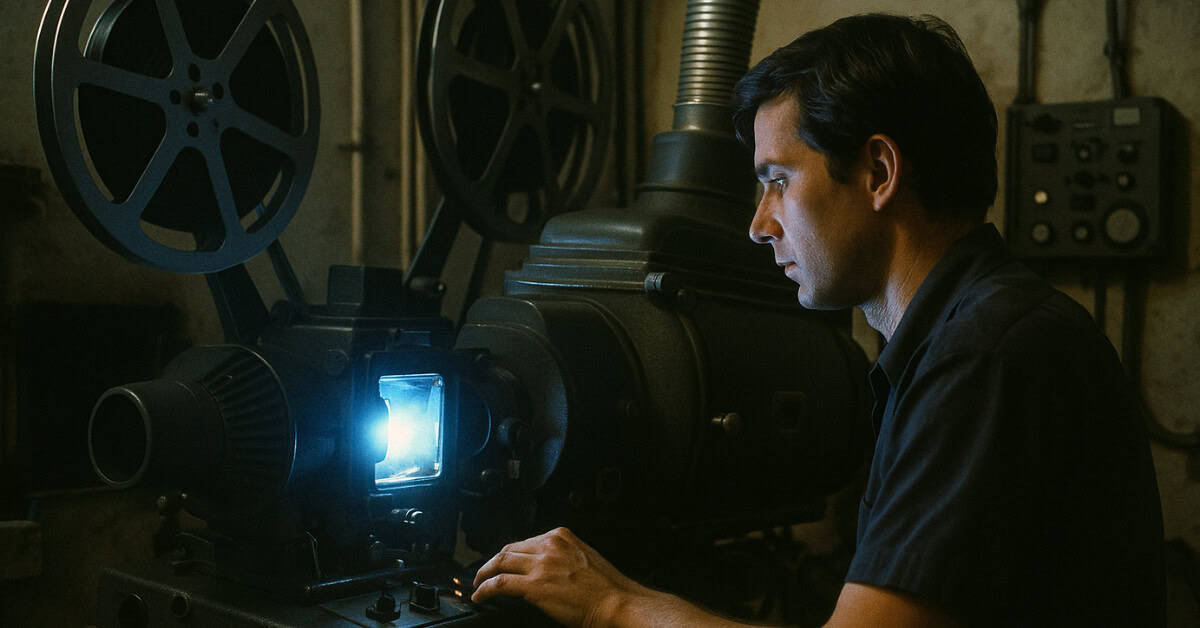
Projectionists had to swap reels in a way that the audience could not see. The cue marks in the corner of the screen were known as cigarette burns, meaning the audience should not look at them because they were just cues for showing the next reel. A projectionist with a lot of experience would be able to time all of these switches perfectly to make the show seem seamless.
6. The Double Feature

When you bought a ticket to see a movie, it would also get you access to a second movie that would be paired with the first and shown back to back. These could last over four hours and were perfect for dates and weekends with bad weather. People would bring cushions so they could sit in the not so comfy seats for a marathon session.
7. The Balcony Experience

The balcony seats would offer the best viewing and a bit of privacy. Tickets for these seats were generally more expensive and offered the best viewing angles and sound. The teenagers especially liked the balcony because it was secluded.
8. The Organ Prelude

Some theaters had organ players that would play some music. The organ would rise from below the stage and provide a great show. The organist would play popular songs and take requests.
9. The Usher’s Flashlight Dance
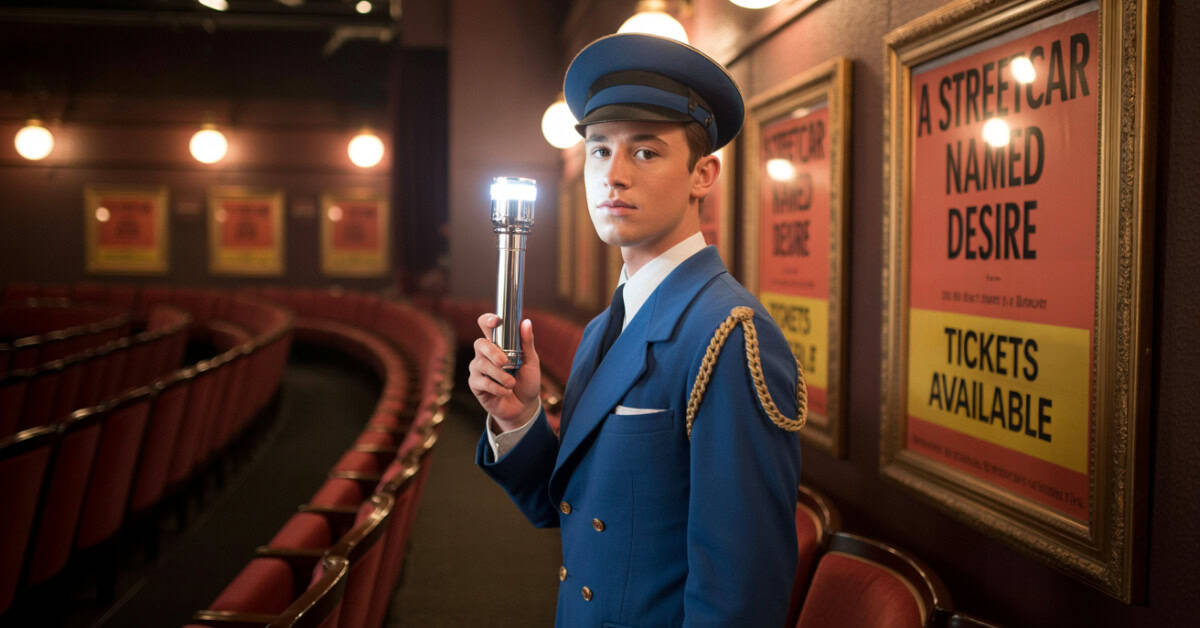
The ushers that greeted you were dressed nicely and would show you to your seat. They helped keep the place clean and organized and their presence helped elevate the experience.
10. The Film Break Drama

When there were problems with the films, the audience would stomp, yell and scream while the projectionist would try to fix it. These moments provided entertainment for the audience as they incorporated their own improvised show.
11. The Saturday Matinee Club
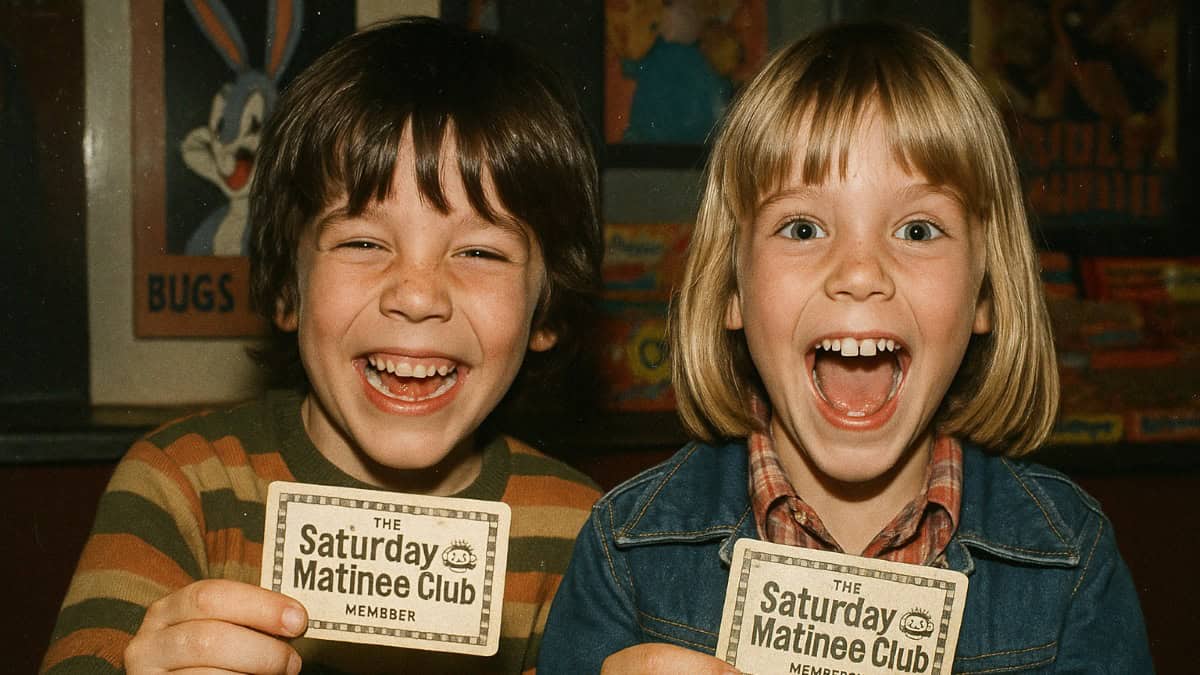
Children’s programs incorporated cartoons, serials, and family films at lower price points. Children would get membership cards and stamps for regular attendance. Social events formed such as sharing popcorn and telling adventure stories during these weekend events.
12. The Coming Attractions Voice
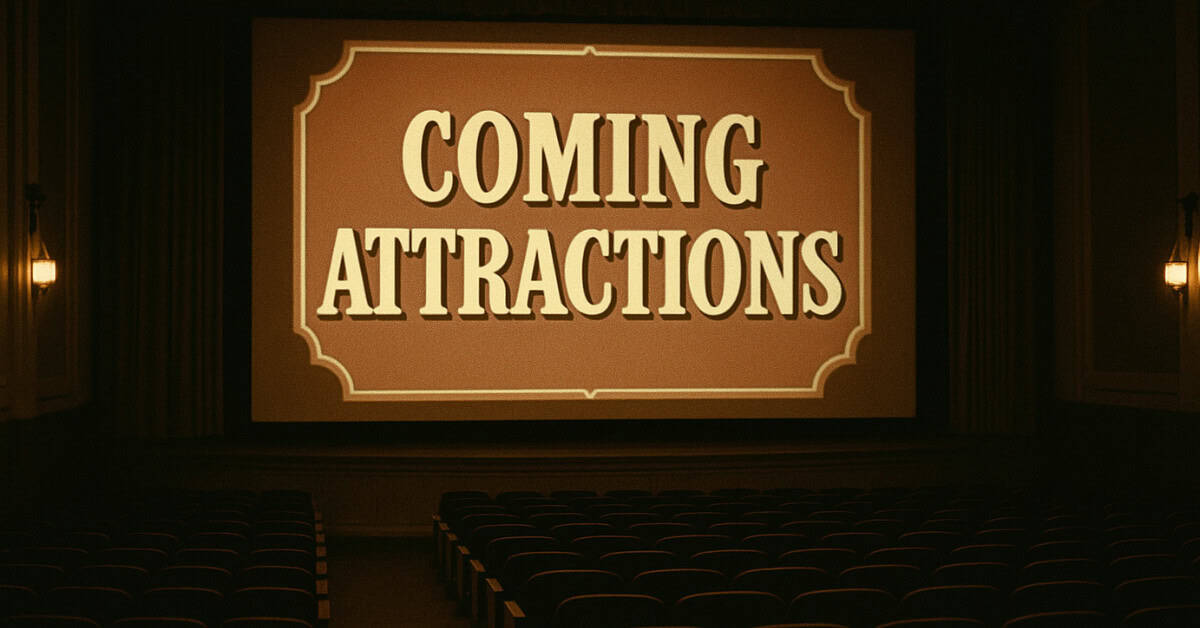
The voice announcing “Coming Attractions” appeared to have developed its own fan base. That dramatic voice over provided a promise of future entertainment. People even stopped talking as soon as they heard that voice.
13. The Crying Room
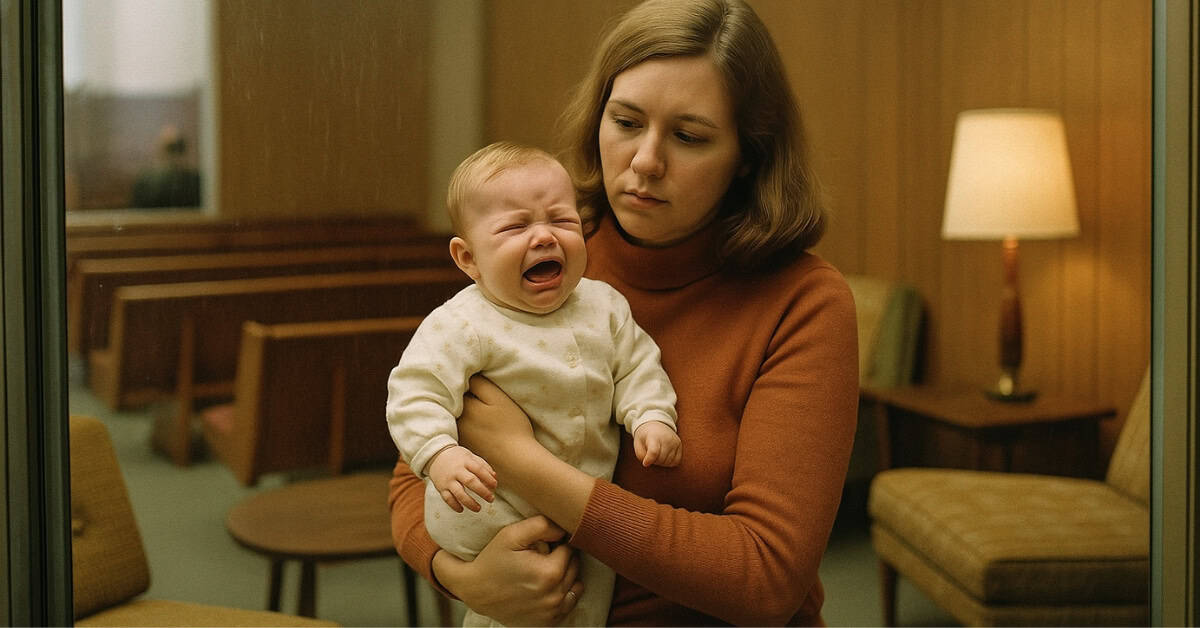
In many cinemas, there were soundproof rooms where parents could watch films and not disturb anyone with a crying baby. These rooms, made of glass, provided families a way to watch a movie together without bothering anyone else. The rooms even had their own speakers and seats.
14. The Phone Booth Reservations
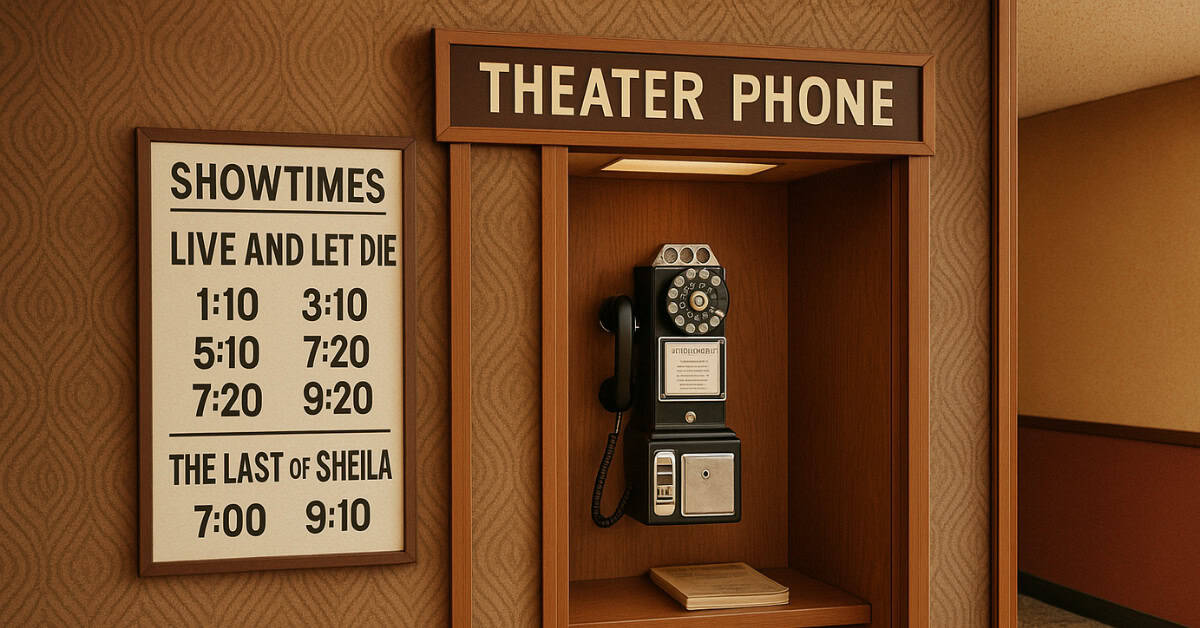
People used to call theaters to check what movies were playing before online ticketing was a thing. It was common for people to sit in phone booths to call and reserve a seat. The message recording tell them what movies were playing, and what times, and many people had to call several times to get the entire message.
15. The Carbon Arc Projector

The blue glow and hum of carbon arc projectors added excitement to the projection rooms. The projectors produced images that were much better than any digital projector. The light levels generated by the burning rods provided for a much better picture than any digital projector could ever give.
16. The Midnight Movie Cult
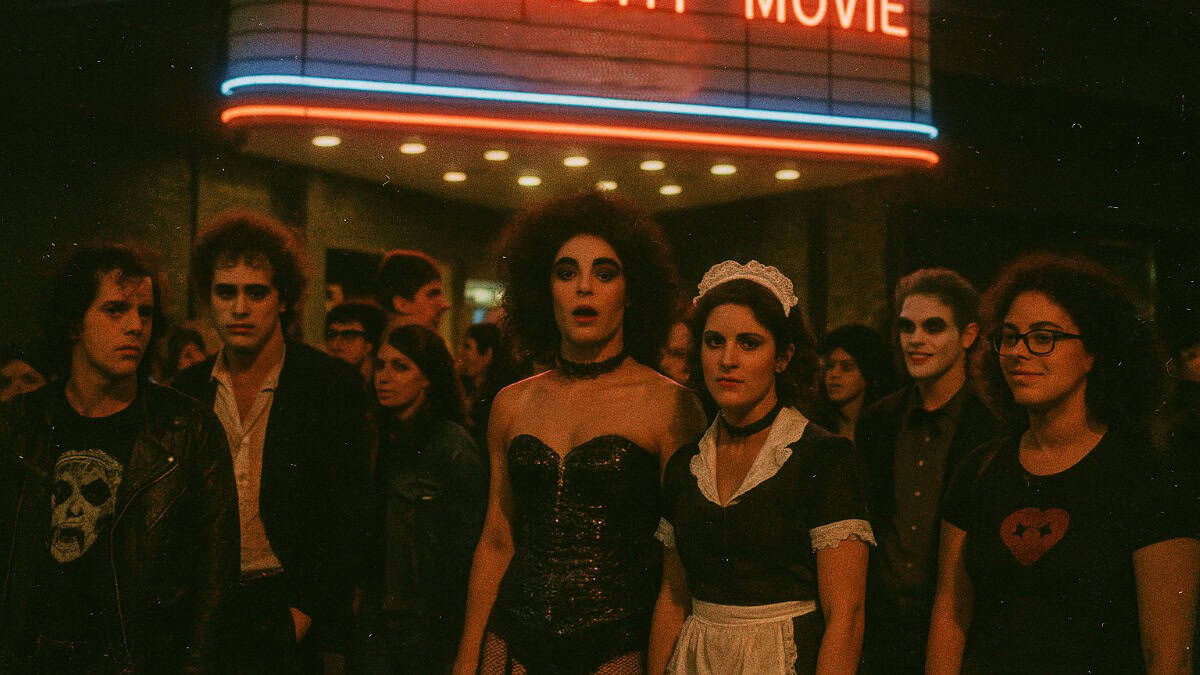
The late-night screenings of cult films created a culture of their own. Attendees dress up, learned the lines of the movie being shown, and even wrote the movie along with a lot to respond to with the movie.