Before smartphones and Google could solve every problem, we had to figure things out for ourselves. Growing up in the 1970s taught us practical skills that could still come in handy today, especially when technology fails us. Let’s look back at some essential abilities we learned back then that might just save the day in our modern world.
Table of Contents
- 1 1. Reading a Paper Map
- 2 2. Basic Car Maintenance
- 3 3. Mental Math
- 4 4. Writing in Cursive
- 5 5. Basic Home Repairs
- 6 6. Cooking from Scratch
- 7 7. Memorizing Phone Numbers
- 8 8. Darning and Basic Sewing
- 9 9. Growing Your Own Food
- 10 10. Social Navigation Without Phones
- 11 11. Balancing a Checkbook
- 12 12. Using Reference Materials
- 13 13. Basic First Aid
- 14 14. Telling Time on Analog Clocks
- 15 15. Making Change Without a Calculator
- 16 16. Face-to-Face Conflict Resolution
1. Reading a Paper Map

When GPS fails or your phone dies, knowing how to navigate with a paper map becomes invaluable. We learned to understand topographic features, calculate distances using the scale, and find our way using landmarks and intersections. This skill can still save you during power outages or in areas with poor cell service.
Save for later
Want to come back to this story? Save it with your email so it is easy to find again.
2. Basic Car Maintenance
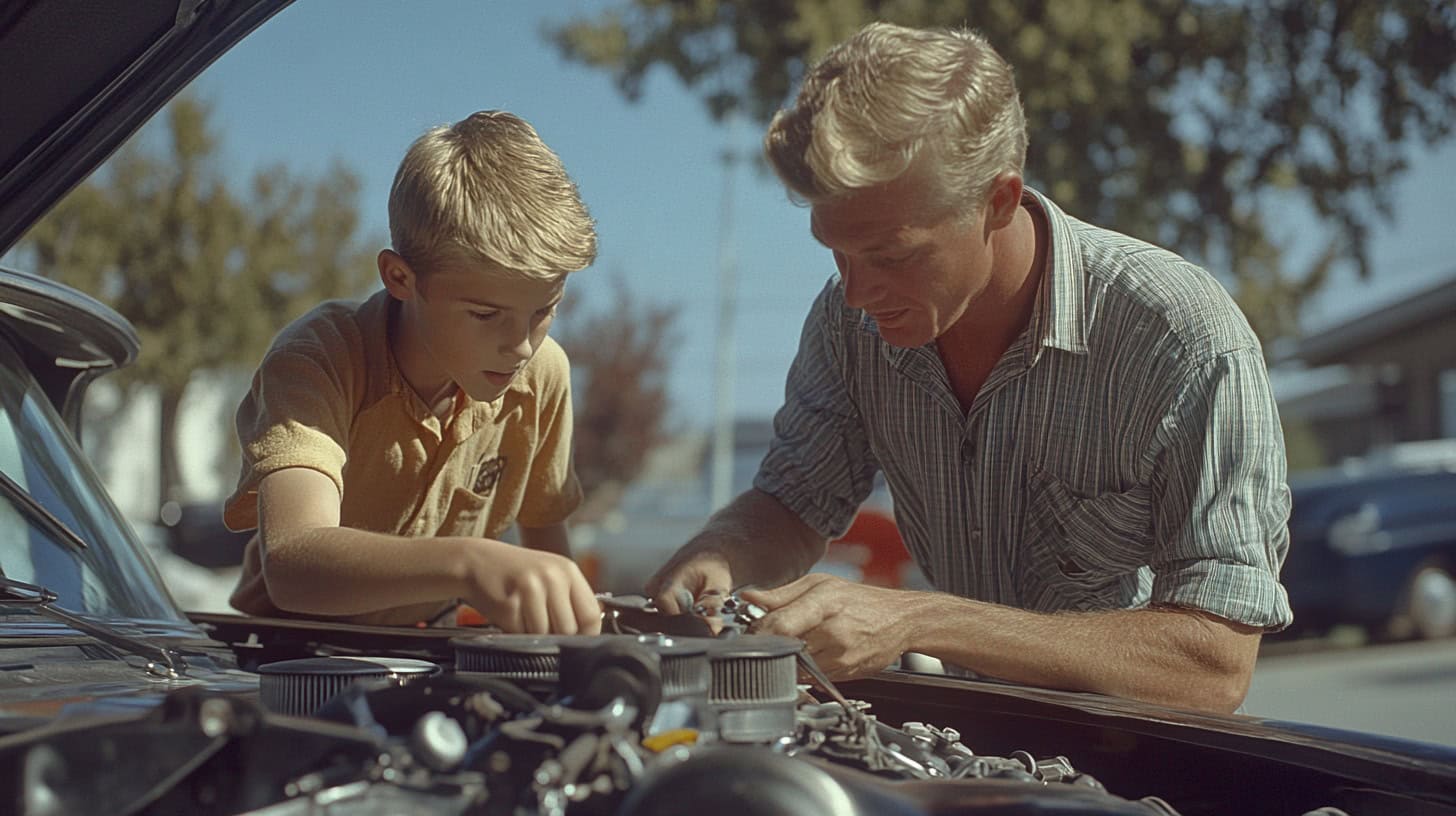
Back then, everyone knew how to change a tire, check oil levels, and jump-start a car. These fundamental skills weren’t just for mechanics – they were survival skills for any driver. Even with today’s sophisticated vehicles, these basic maintenance abilities can still get you out of a tough spot.
3. Mental Math
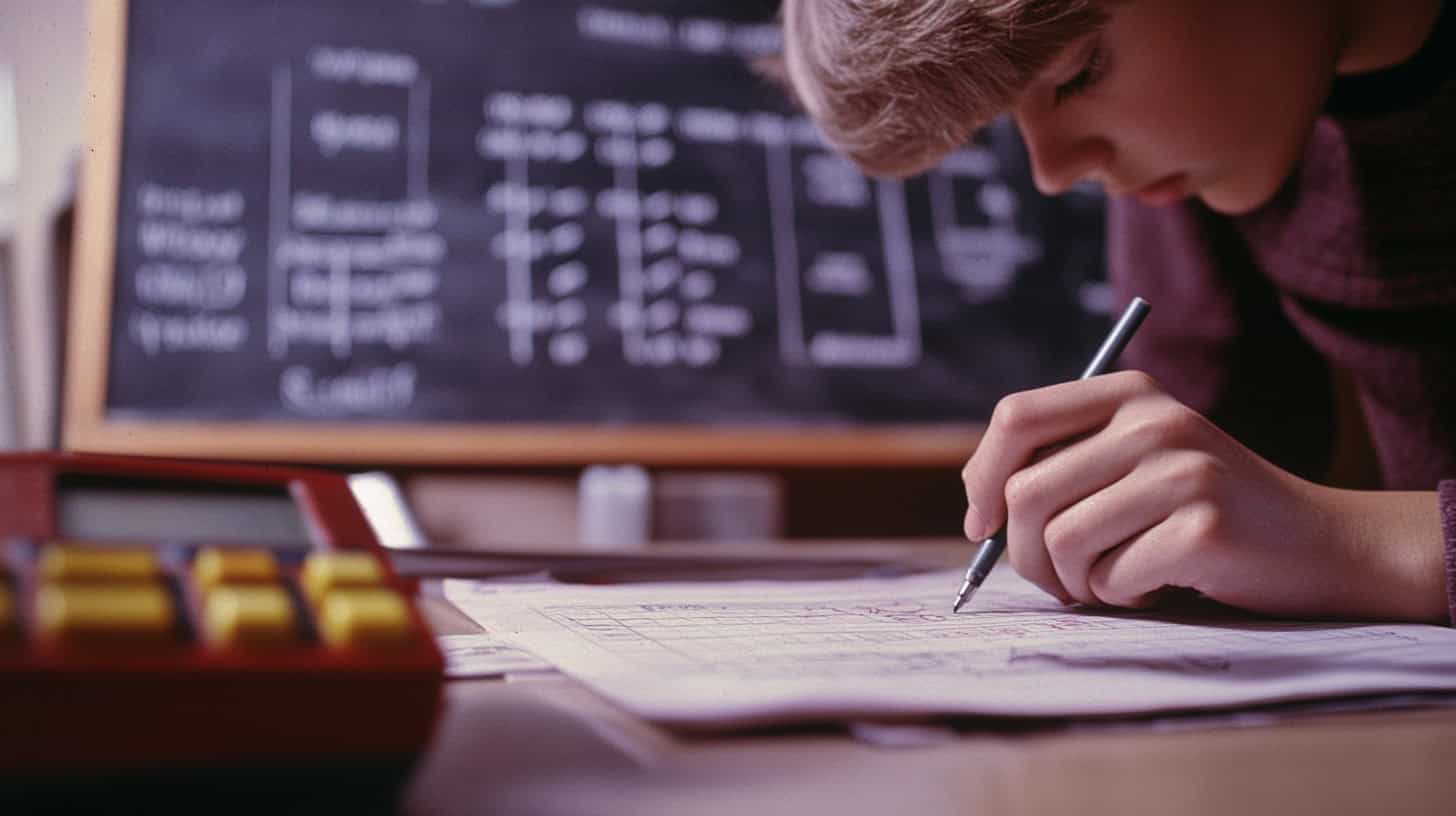
Before calculators became ubiquitous, we could add, subtract, and calculate percentages in our heads. This skill wasn’t just for homework – it was essential for shopping, tipping, and catching pricing errors. Today, when digital systems crash or batteries die, mental math can keep you from being overcharged or shortchanged.
4. Writing in Cursive

Cursive writing wasn’t just about penmanship – it was about communication. Being able to read and write cursive means you can still decipher grandma’s recipes, historical documents, and important legal papers. Plus, a handwritten note still carries more emotional weight than any email.
5. Basic Home Repairs

We grew up watching our parents fix leaky faucets, patch walls, and repair broken furniture. These DIY skills save money and time, especially when you can’t get a handyman right away. Knowing how to use basic tools and make simple repairs can prevent small problems from becoming expensive disasters.
6. Cooking from Scratch

Before microwaves and meal delivery services, we learned to cook using basic ingredients. Understanding how to prepare meals without relying on processed foods or recipes from the internet isn’t just nostalgic – it’s practical. This skill helps you eat healthier, save money, and handle food shortages or power outages.
7. Memorizing Phone Numbers
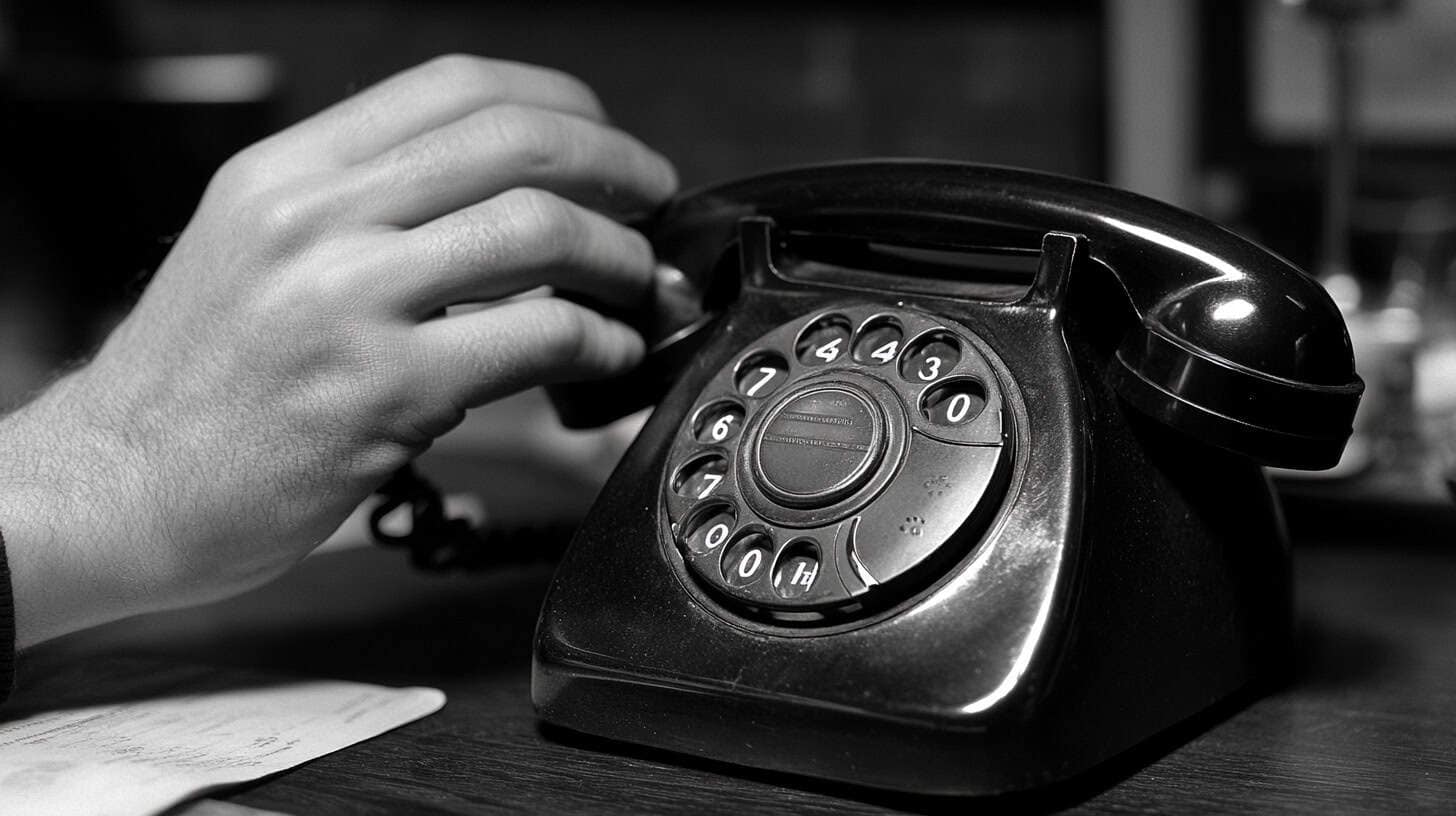
Before speed dial and contact lists, we memorized important phone numbers. This habit can be crucial when your phone is lost, dead, or stolen. Knowing key numbers by heart means you can still reach family and friends in emergencies, even without your digital crutch.
8. Darning and Basic Sewing

The ability to sew on a button or repair a small tear was once considered essential knowledge. These skills still come in handy for quick fixes and extending the life of clothing. Plus, basic sewing abilities can save you money and help avoid throwing away otherwise good garments.
9. Growing Your Own Food
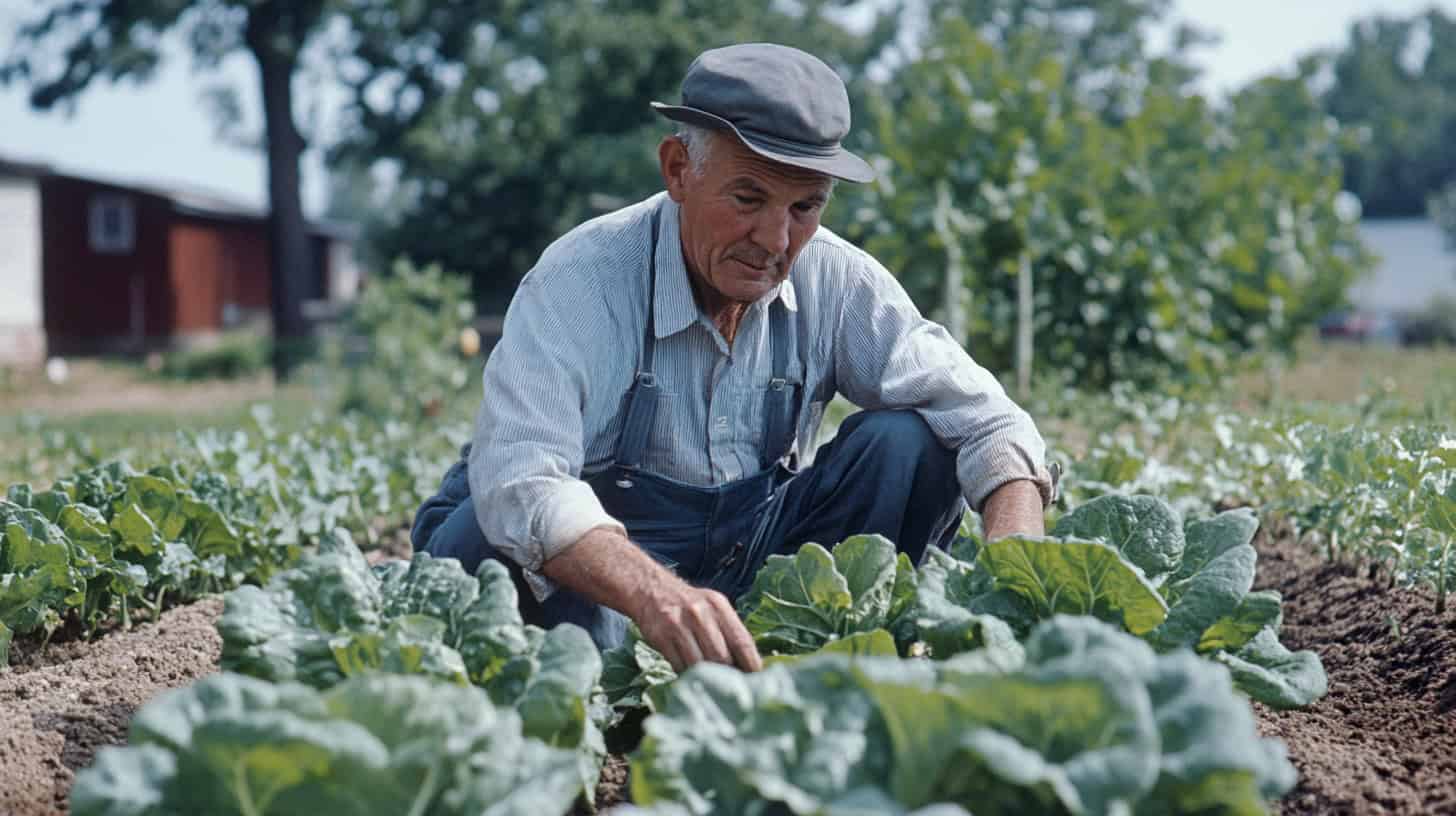
Many of us learned gardening basics from our parents or grandparents. Understanding how to grow and preserve food isn’t just a hobby – it’s a valuable skill during economic hardships or food shortages. Even a small vegetable garden can supplement your groceries and provide fresh, healthy produce.

We learned to make plans and stick to them, navigate social situations without digital distractions, and maintain conversations face-to-face. These skills are invaluable for building real relationships and handling situations when technology isn’t available or appropriate.
11. Balancing a Checkbook
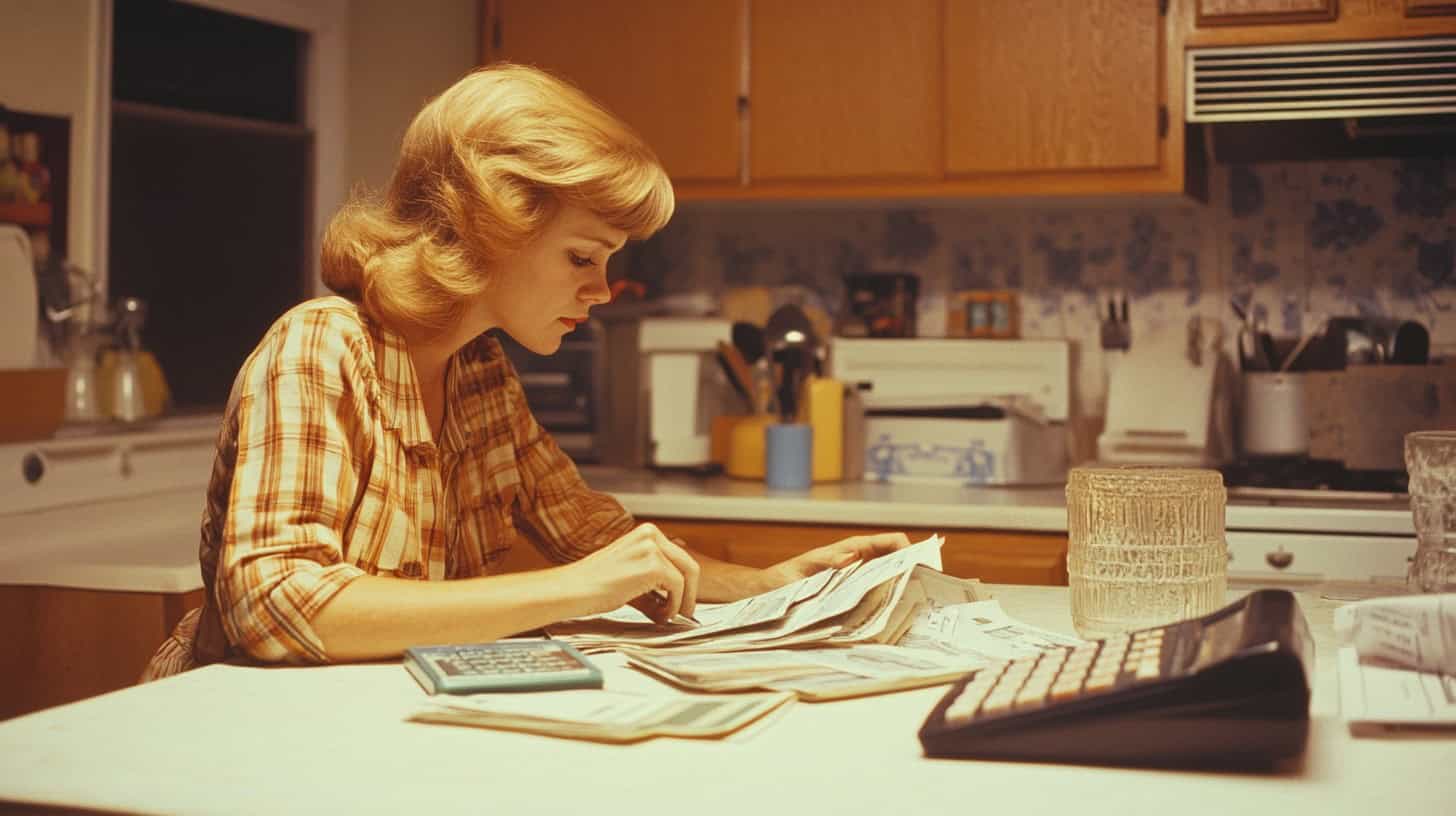
Manual tracking of expenses and income taught us financial responsibility and attention to detail. This skill translates into better money management today, even with digital banking. Understanding your finances without relying on apps helps prevent overdrafts and budgeting mistakes.
12. Using Reference Materials

Before Google, we knew how to use encyclopedias, dictionaries, and library card catalogs. These research skills help us evaluate information more critically and find reliable sources. Understanding how to verify information without the internet is increasingly valuable in today’s world of misinformation.
13. Basic First Aid

We learned to handle minor injuries and emergencies without rushing to the ER. Knowing how to clean wounds, apply proper bandages, and treat common ailments can save time and money. These skills are especially valuable during natural disasters or when medical help isn’t immediately available.
14. Telling Time on Analog Clocks

Reading analog clocks taught us to understand time spatially and estimate time intervals. This skill helps in situations where digital displays aren’t available or when quick time calculations are needed. It’s also essential for understanding historical documents and older equipment.
15. Making Change Without a Calculator
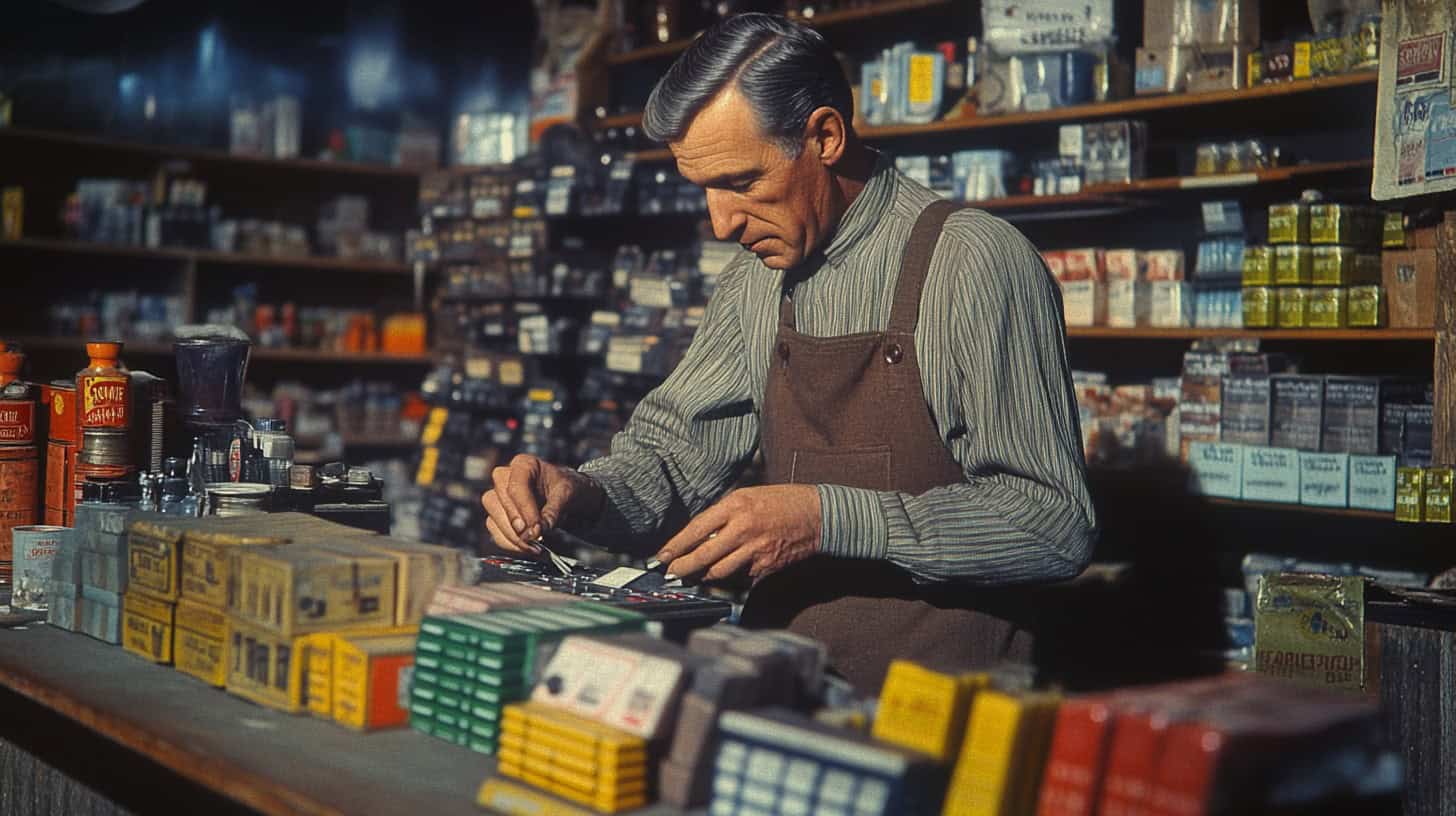
The ability to quickly calculate change was essential for any retail job. This skill combines mental math with money handling and helps ensure accurate transactions. When electronic systems fail, being able to make change manually keeps business running smoothly.
16. Face-to-Face Conflict Resolution

Before text messages and emails, we had to handle disagreements in person. These interpersonal skills help resolve conflicts more effectively and maintain better relationships. The ability to read body language and handle difficult conversations face-to-face remains valuable in both personal and professional settings.