Growing up in the 1970s meant living under a different set of rules than today’s kids face. Back then, parents weren’t afraid to set firm boundaries, and somehow, we all turned out just fine – maybe even better for it. Looking back now, those seemingly strict house rules actually helped shape us into self-reliant, responsible adults. Let’s revisit some of those character-building regulations that defined our childhood years.
Table of Contents
- 1 1. “Be Home When the Street Lights Come On”
- 2 2. “Clean Your Plate”
- 3 3. “Make Your Own Bed Every Morning”
- 4 4. “Do Your Homework Before TV”
- 5 5. “Set the Table for Dinner”
- 6 6. “Answer the Phone Properly”
- 7 7. “Don’t Interrupt Adult Conversations”
- 8 8. “Write Thank-You Notes”
- 9 9. “Make Your Own Lunch”
- 10 10. “No Phone Calls After 8 PM”
- 11 11. “Find Your Own Entertainment”
- 12 12. “Saturday Morning Chores Before Cartoons”
- 13 13. “Ask Permission Before Going to Someone’s House”
- 14 14. “No Seconds Until Everyone’s Finished Firsts”
- 15 15. “If You Break It, You Work to Replace It”
- 16 16. “No TV During Meals”
1. “Be Home When the Street Lights Come On”

This rule taught us time management without the need for digital devices. We learned to gauge time by the position of the sun and streetlights, which were reliable markers of the day’s end. It also instilled a sense of responsibility and trustworthiness, as being late often resulted in the loss of outdoor privileges.
Save for later
Want to come back to this story? Save it with your email so it is easy to find again.
2. “Clean Your Plate”

This rule emphasized the importance of not wasting food, reflecting the values of a generation that remembered the scarcity of the Great Depression and wartime rationing. While it might seem outdated today, it taught appreciation for the effort involved in meal preparation and gratitude for what was available.
3. “Make Your Own Bed Every Morning”

This simple daily task fostered a sense of accomplishment and responsibility from a young age. It wasn’t about perfection, but about creating a positive start to the day, teaching us that small acts of discipline contribute to larger successes in life.
4. “Do Your Homework Before TV”
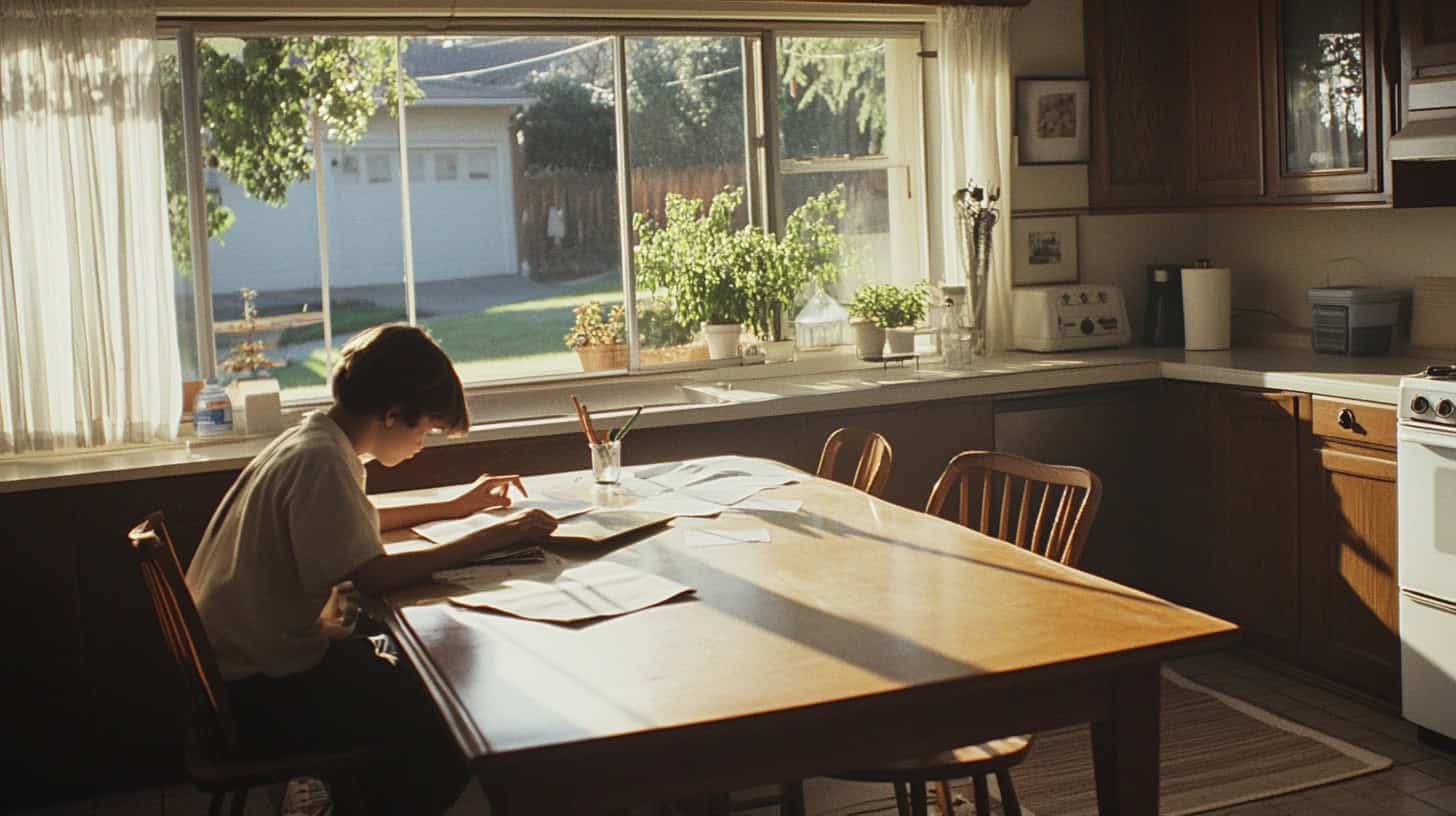
With only a few TV channels available, we had to prioritize homework to catch our favorite shows. This rule instilled a strong sense of responsibility and time management, ensuring that leisure didn’t interfere with educational obligations.
5. “Set the Table for Dinner”
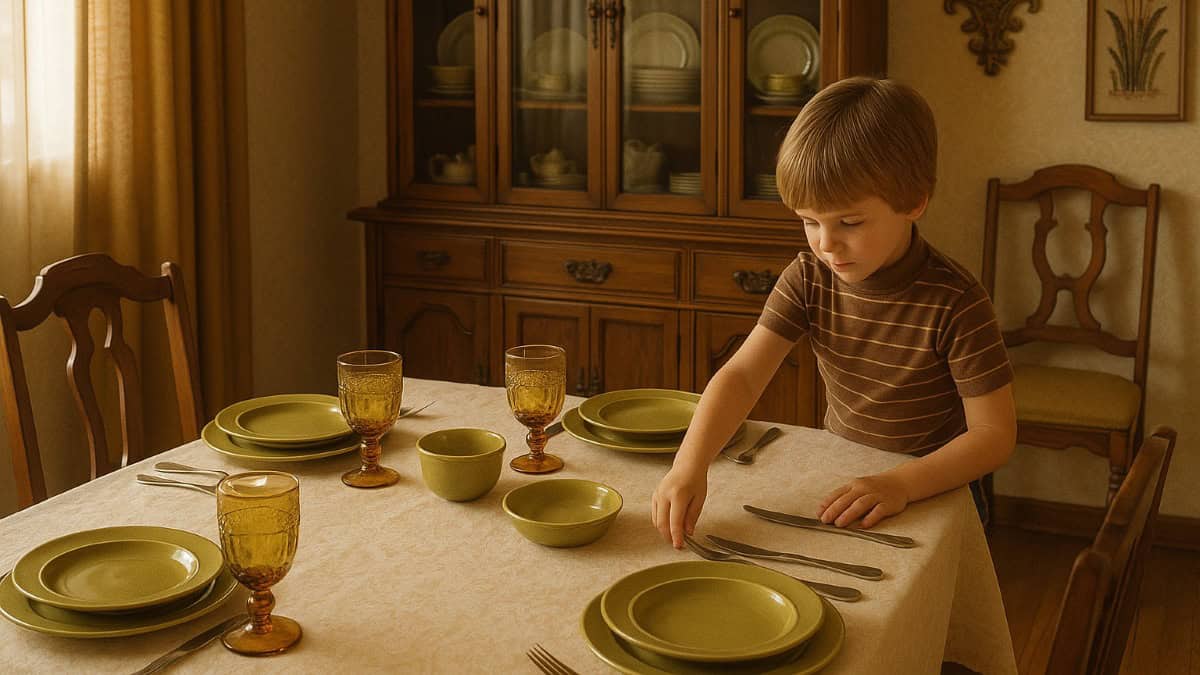
Setting the table was more than a chore; it was a family tradition that reinforced the importance of shared meals. This ritual taught us about teamwork and the significance of family unity, as well as attention to detail and the value of presentation.
6. “Answer the Phone Properly”

Answering the phone with a polite greeting was a staple of etiquette training. This practice taught us communication skills and accountability, as we often had to take and relay messages accurately in the absence of voicemail services.
7. “Don’t Interrupt Adult Conversations”

This rule taught patience and respect for others, emphasizing the importance of listening and waiting for an appropriate moment to speak. Learning to not interrupt helped us develop social awareness and the ability to engage in meaningful conversations.
8. “Write Thank-You Notes”
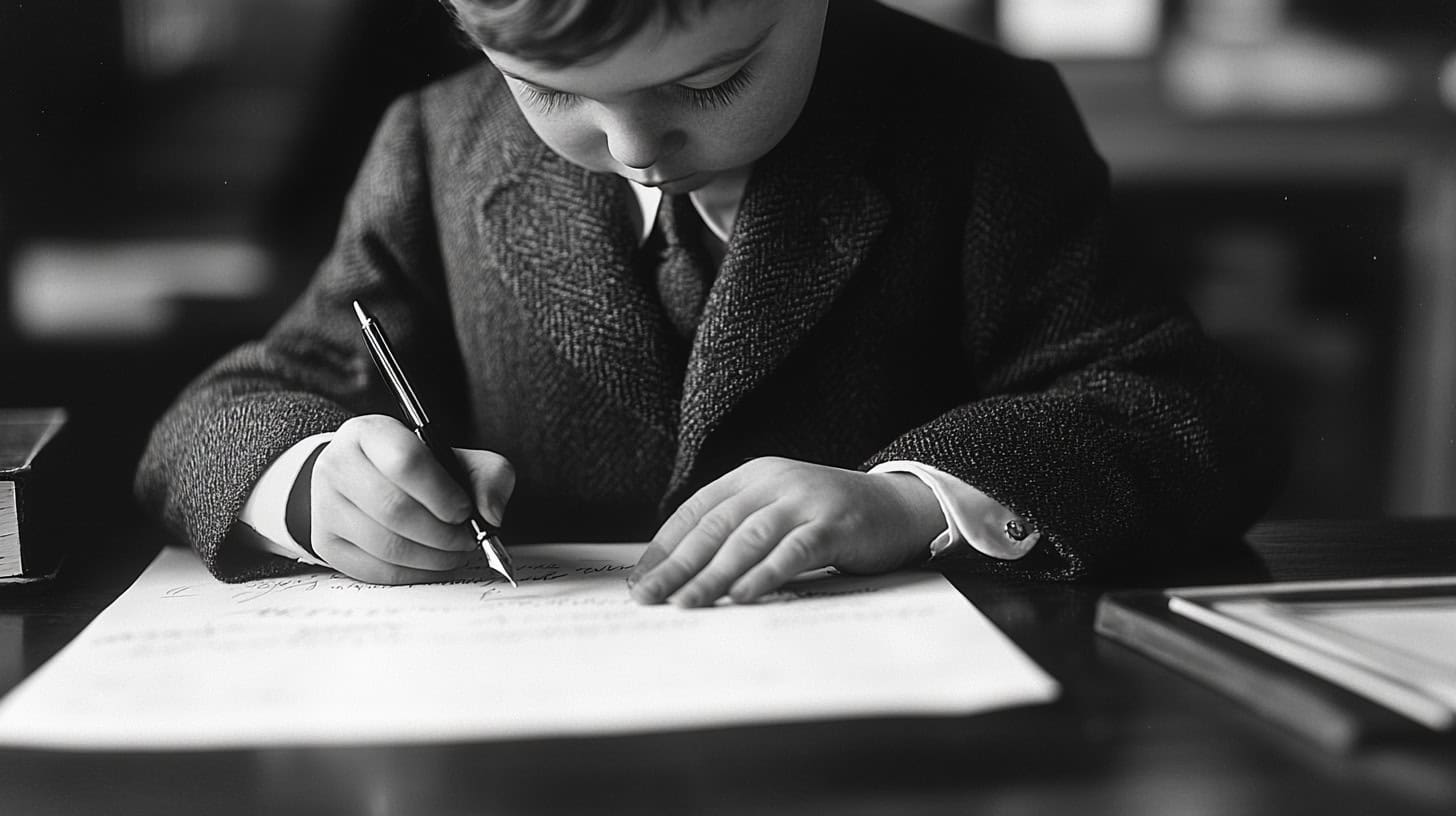
Expressing gratitude through handwritten notes was a norm that instilled a sense of appreciation and respect. This practice taught us the importance of acknowledging kindness and the value of thoughtful communication.
9. “Make Your Own Lunch”

Tasked with packing our own lunches, we learned about nutrition, planning, and self-sufficiency. This responsibility taught us the consequences of our choices and the importance of being prepared, reinforcing independence from a young age.
10. “No Phone Calls After 8 PM”

This rule ensured family time was prioritized and taught us to respect others’ schedules. It established boundaries and reinforced the concept of balancing social activities with family responsibilities and downtime.
11. “Find Your Own Entertainment”

We were encouraged to use our imagination to create our own fun, which fostered creativity and problem-solving skills. Whether we built forts, played outside, or read books, this independence paved the way for innovative thinking and self-reliance.
12. “Saturday Morning Chores Before Cartoons”

This rule taught us that rewards come after responsibilities. We learned to complete weekly chores efficiently in anticipation of watching our favorite Saturday morning cartoons, instilling a strong work ethic and time management skills.
13. “Ask Permission Before Going to Someone’s House”

This rule emphasized safety and respect. It taught us to plan and communicate our whereabouts, which reinforced accountability and consideration for others’ schedules and rules.
14. “No Seconds Until Everyone’s Finished Firsts”
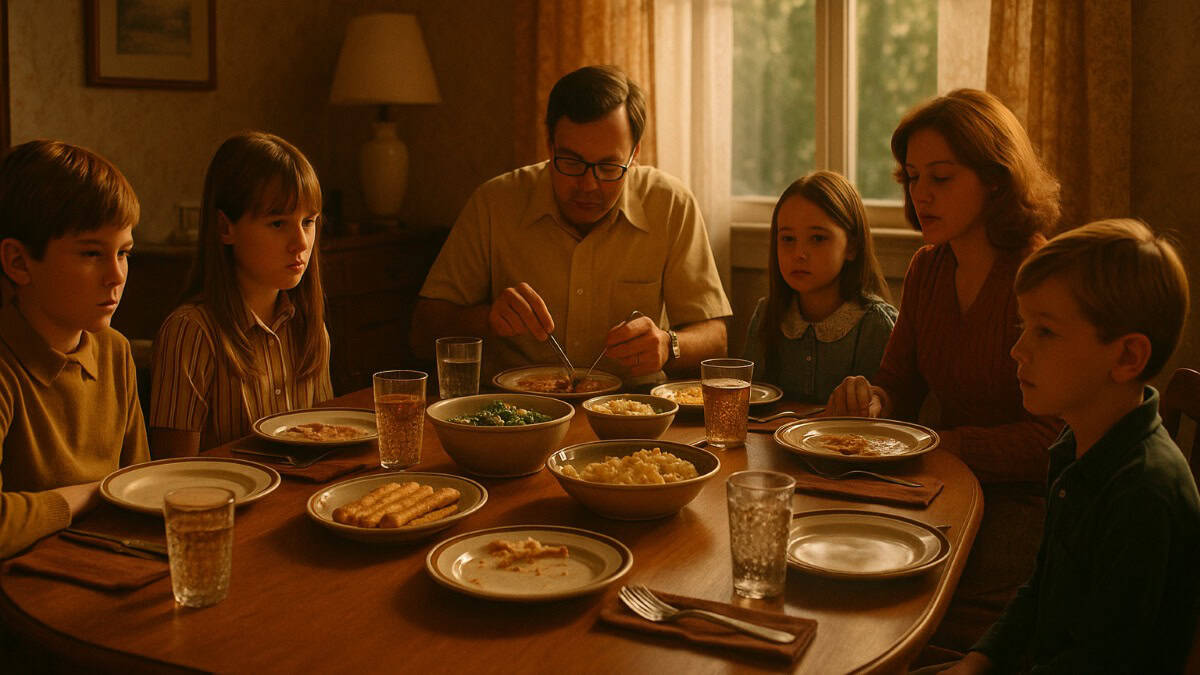
This dinnertime rule taught patience and consideration for others. It encouraged us to enjoy our meal at a leisurely pace and engage in conversations, which developed social skills and self-control.
15. “If You Break It, You Work to Replace It”

This rule taught us responsibility and the value of possessions. By working to replace broken items, we learned the importance of accountability and the effort required to earn and maintain our belongings.
16. “No TV During Meals”

Except for special occasions like major news events, the TV stayed off during meals. This rule emphasized family interaction and the importance of shared experiences, fostering communication and reinforcing family bonds that were crucial during our formative years.