Before smartphones and social media dominated our lives, family dinners were sacred occasions that brought us together in ways that digital connections never could. Growing up in the ’60s and ’70s, these cherished mealtime traditions weren’t just about eating – they were about strengthening family bonds and creating lasting memories. Let’s look back at some dinner table customs that maybe we should think about bringing back.
Table of Contents
- 1 1. The 6 O’Clock Sharp Rule
- 2 2. Setting the Table Together
- 3 3. The TV Stays Off
- 4 4. Sharing Daily Stories
- 5 5. Sunday Best Dinners
- 6 6. Grace or Moment of Thanks
- 7 7. Kids as Sous Chefs
- 8 8. The Clean Plate Club
- 9 9. Extended Family Sundays
- 10 10. Recipe Card Traditions
- 11 11. The Kids’ Table
- 12 12. No Phone Calls During Dinner
- 13 13. After-Dinner Walks
- 14 14. Rotating Conversation Leaders
- 15 15. Family Cleanup Time
- 16 16. The Dessert Reward
1. The 6 O’Clock Sharp Rule

Dinner time wasn’t a suggestion – it was an appointment. Everyone knew to be home and ready when that clock struck six. No texting “running late” or “grab something on your way.” This predictable routine created structure and guaranteed daily family connection time that we could count on.
Save for later
Want to come back to this story? Save it with your email so it is easy to find again.
2. Setting the Table Together
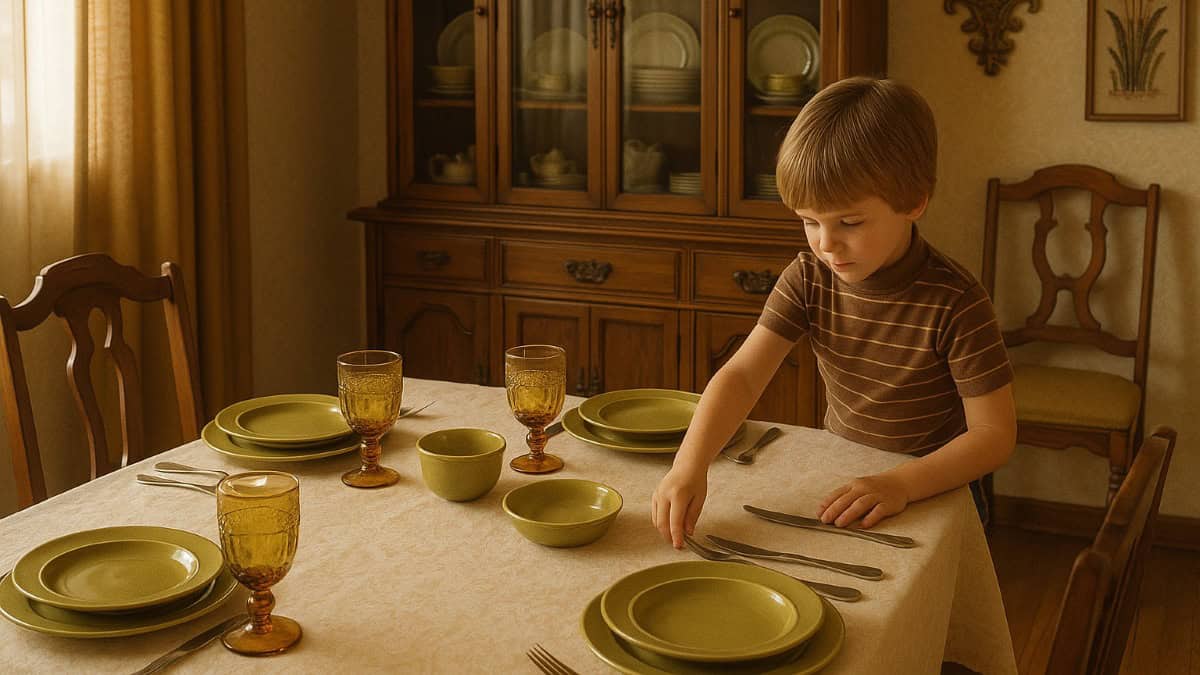
Children had assigned roles in preparing the table, from laying out placemats to arranging silverware. This ritual taught responsibility and teamwork while making everyone feel part of the dinner preparation process. The pride in properly folding napkins or placing water glasses just right created a sense of contribution.
3. The TV Stays Off

Unless it was a special event like the Moon landing, the television was off during dinner. No background noise, no distractions – just the sound of conversation and clinking silverware. This focused attention created an environment where real discussions could flourish.
4. Sharing Daily Stories

Everyone took turns sharing something about their day, both the good and the bad, and everything in between. This wasn’t just casual chat; it was how families stayed connected to each other’s lives. Parents learned about school challenges, and kids understood more about their parents’ work lives.
5. Sunday Best Dinners

Sunday dinners were special occasions where everyone dressed up, even if we weren’t expecting company. Using the good china and wearing our best clothes elevated the meal beyond just eating – it was an event that marked the week’s end and brought dignity to family time.
6. Grace or Moment of Thanks

Whether religious or not, many families took a moment before eating to express gratitude. This pause helped everyone transition from busy day mode to family time, creating a meaningful boundary between activities and mealtime togetherness.
7. Kids as Sous Chefs

Children were expected to help with meal preparation, learning family recipes and cooking skills along the way. This wasn’t just about help – it was an education in nutrition, measurement, and family heritage through food traditions.
8. The Clean Plate Club

While modern parents might disagree with the practice, being part of the “clean plate club” taught us to appreciate food and not waste it. It was a reflection of post-war values about gratitude and resourcefulness that shaped our generation.
9. Extended Family Sundays
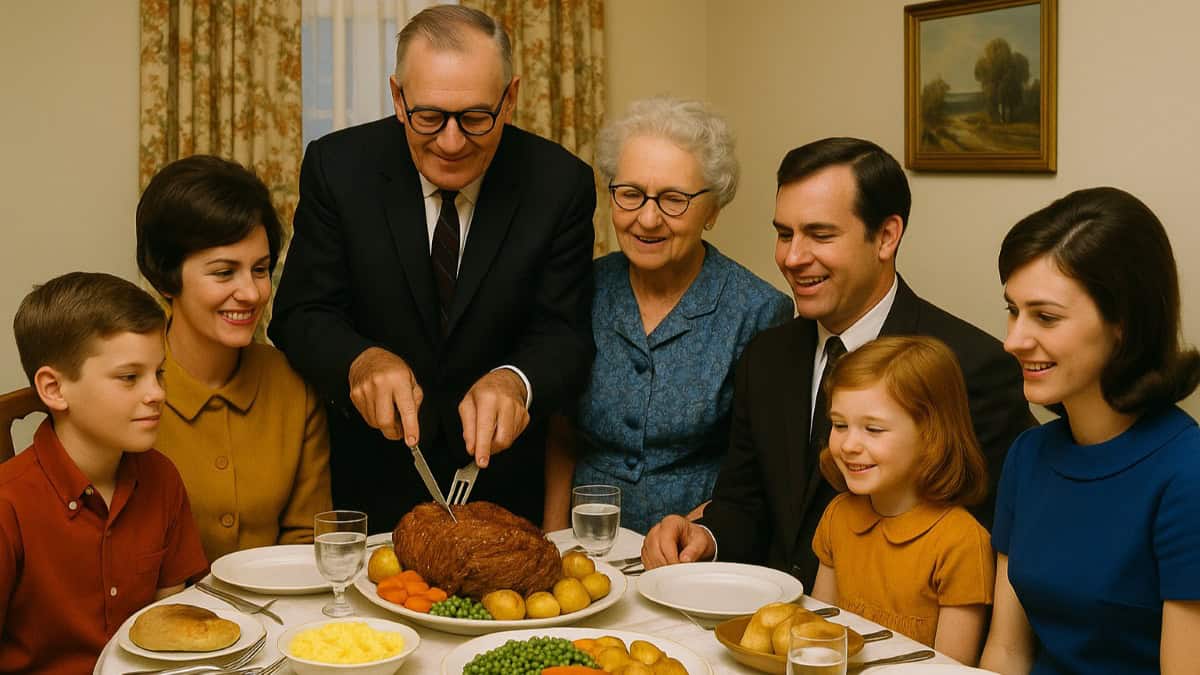
Regular Sunday dinners with grandparents, aunts, uncles, and cousins were a staple of family life. These gatherings strengthened extended family bonds and gave children a sense of belonging to something bigger than their immediate family unit.
10. Recipe Card Traditions
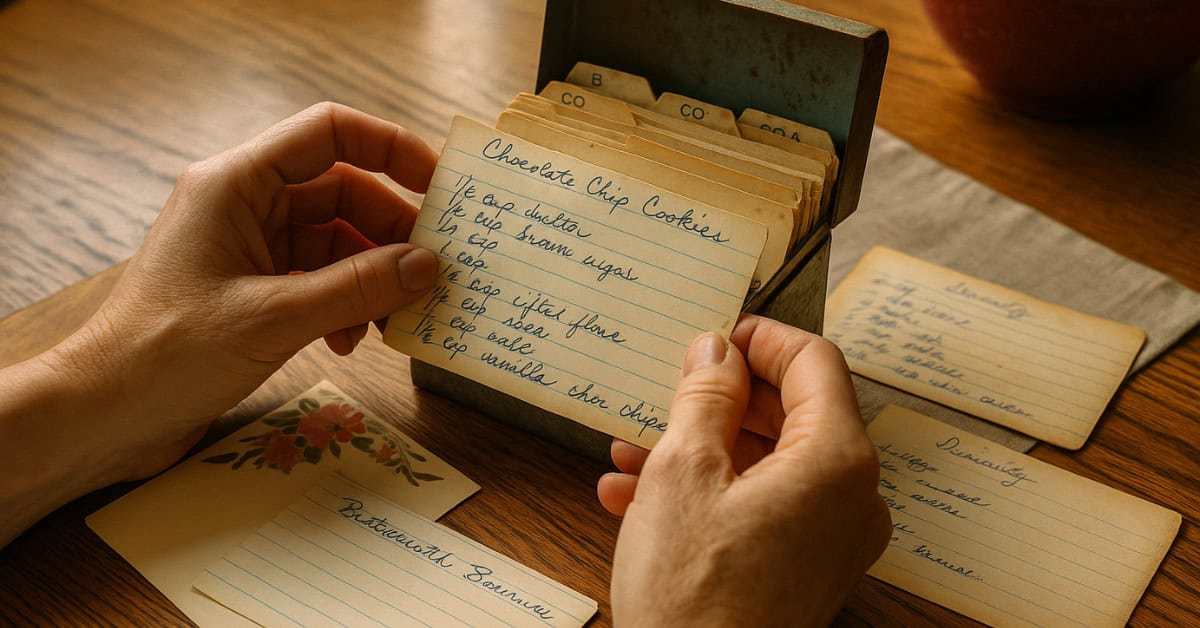
Family recipes were carefully recorded on cards and passed down through generations. These weren’t just cooking instructions – they were family history, complete with notes and modifications that told stories of their own.
11. The Kids’ Table

The kids’ table was more than just a space-saving solution – it was a special society where cousins bonded and family lore was passed between generations. It was where we learned to be independent while still being part of the larger family gathering, and graduating to the adult table was a rite of passage.
12. No Phone Calls During Dinner

The wall-mounted kitchen phone was off-limits during dinner hours. If it rang, it went unanswered – a practice that would seem foreign in today’s always-connected world. This boundary protected family time and reinforced that dinner conversations were the priority.
13. After-Dinner Walks

Many families would take a short walk together after dinner, continuing conversations and getting some fresh air. These casual strolls through the neighborhood helped digest both food and daily events, while also providing natural opportunities for deeper discussions.
14. Rotating Conversation Leaders

Each night, a different family member would be responsible for starting and leading the dinner conversation. This tradition taught children public speaking skills and ensured everyone had a chance to share what mattered to them, from world events to personal achievements.
15. Family Cleanup Time
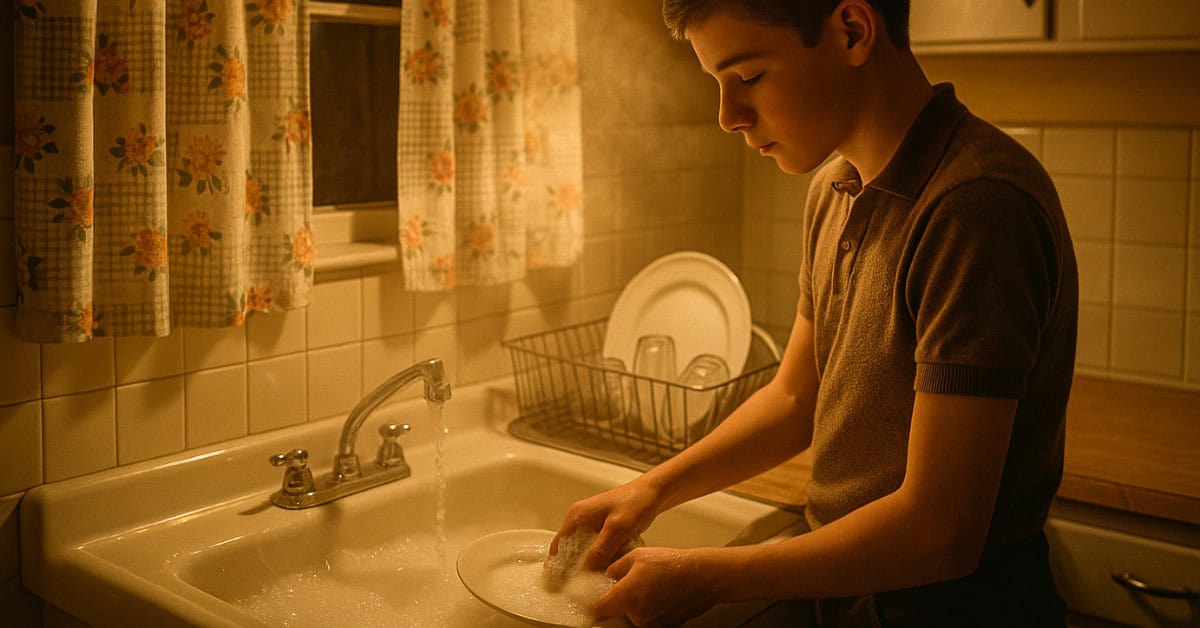
Cleaning up wasn’t just Mom’s job – it was a family affair. Whether washing, drying, or putting away dishes, everyone had a role. This teamwork often led to some of the day’s best conversations and jokes, making chores feel less like work.
16. The Dessert Reward

Dessert wasn’t just about sweet treats – it was a final act of the dinner performance. Staying at the table for dessert meant extended family time and special conversations. This tradition kept everyone together longer, creating opportunities for deeper connections and memorable moments.