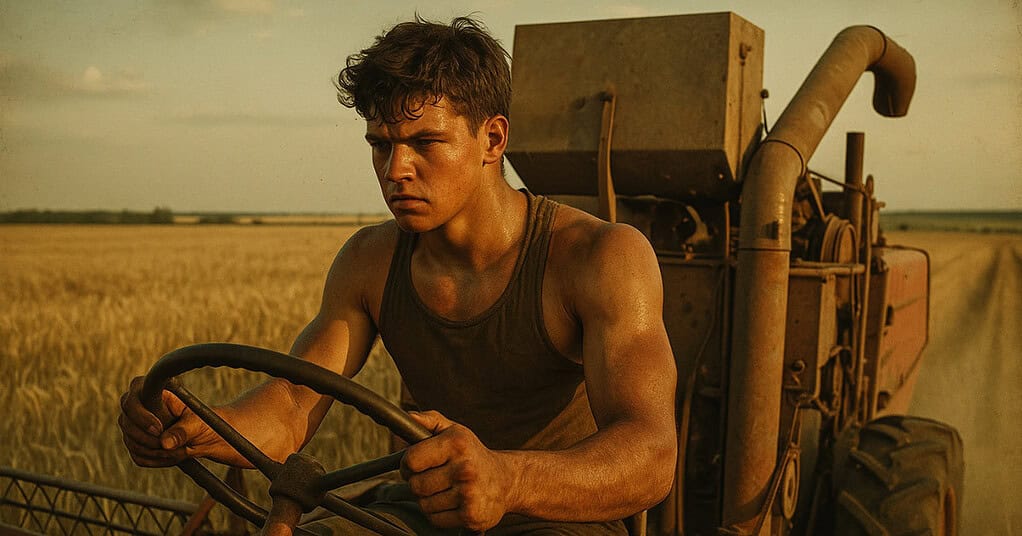
Remember when community meant more than just clicking ‘like’ on social media? Back in our day, being part of a community meant real face-to-face connections, shared experiences, and genuine relationships that shaped our lives. Let’s take a heartfelt look back at how community meant something entirely different in the good ol’ days.
Table of Contents
- 1 1. Front Porch Living Was Our Social Network
- 2 2. Block Parties Were Real Celebrations
- 3 3. Church Socials United Everyone
- 4 4. Borrowing a Cup of Sugar Was Normal
- 5 5. Local Diners Were Community Centers
- 6 6. Kids Played Outside Until Dark
- 7 7. Community Barn Raisings
- 8 8. Local Movie Theaters Were Social Hubs
- 9 9. Town Hall Meetings Mattered
- 10 10. Corner Stores Knew Your Name
- 11 11. Community Potlucks Were Legendary
- 12 12. Volunteer Fire Departments United Towns
- 13 13. Sewing Circles Stitched Lives Together
- 14 14. School Events Were Community Affairs
- 15 15. Barber Shops Were News Centers
- 16 16. Garden Sharing Showed True Community Spirit
1. Front Porch Living Was Our Social Network

Folks would gather on front porches, catch up on neighborhood news and watch kids play in the streets until dusk. These weren’t just casual chats – they were the threads that wove our community together. Parents would discuss local happenings while watching all the neighborhood children, who belonged to everyone in a way. The porch was our Twitter feed, Instagram, and community bulletin board all rolled into one.
Save for later
Want to come back to this story? Save it with your email so it is easy to find again.
2. Block Parties Were Real Celebrations
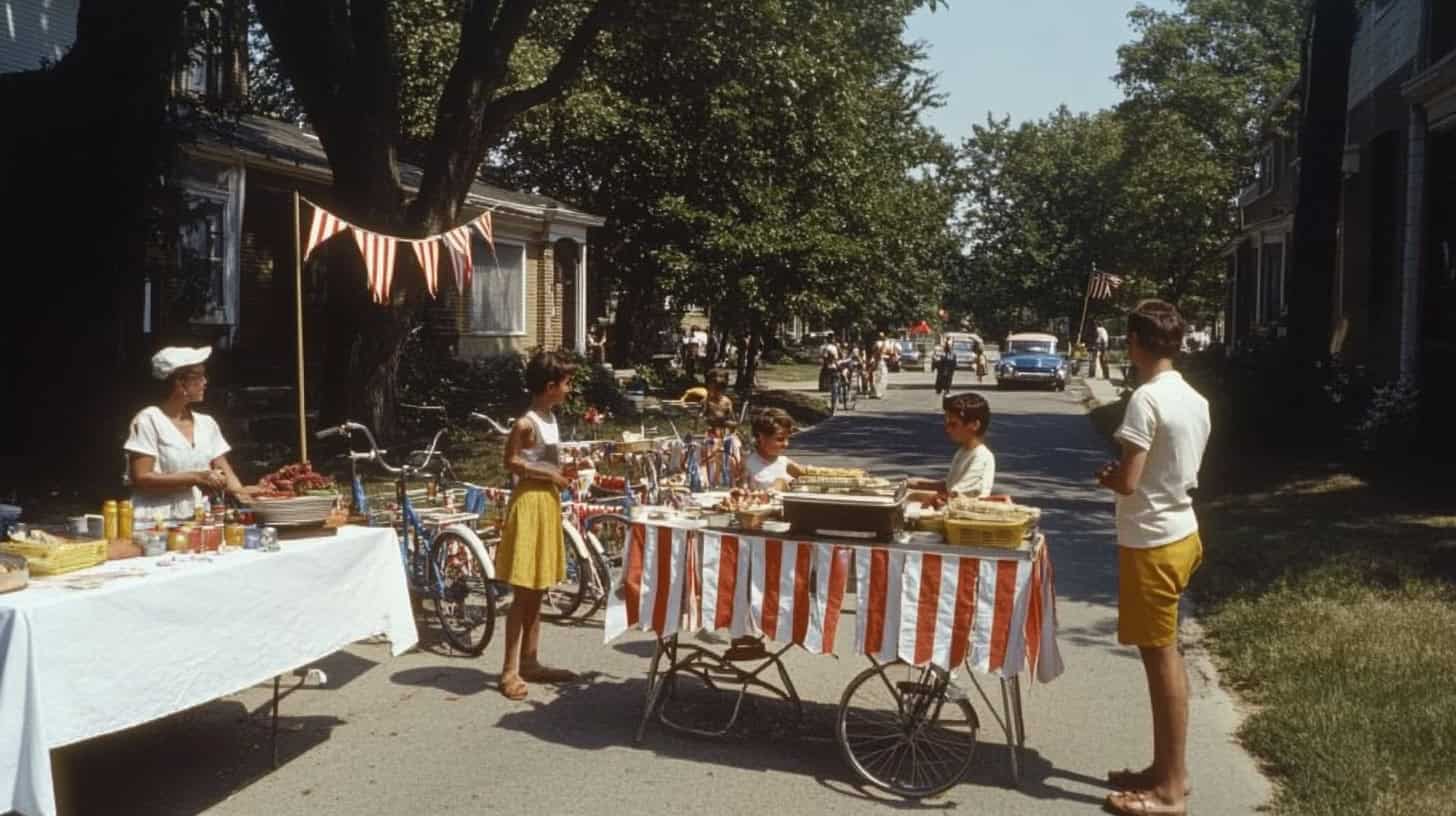
Summer block parties were epic events where everyone contributed something special. Mrs. Johnson would bring her famous potato salad, Mr. Rodriguez’s barbecue skills were legendary, and the Wilsons always organized the games. These weren’t just parties – they were celebrations of our shared lives, where every family brought their specialty dish and their stories to share.
3. Church Socials United Everyone

Whether you were a regular churchgoer or not, Sunday socials were community events that brought everyone together. The fellowship hall would be filled with covered dishes, children running around in their Sunday best, and adults catching up on the week’s events. These gatherings weren’t just about religion – they were about maintaining the bonds that kept our community strong and supportive.
4. Borrowing a Cup of Sugar Was Normal

Running out of ingredients wasn’t a crisis but an opportunity to visit a neighbor. We thought nothing of knocking on a neighbor’s door to borrow sugar, flour, or eggs. These small interactions built trust and reciprocity, creating a mutual support network that made everyone feel secure and connected.
5. Local Diners Were Community Centers

The local diner wasn’t just a place to eat – it was where the community gathered every morning. The waitresses knew everyone’s usual order, and you could catch up on all the local news before the newspaper even hit your doorstep. These weren’t just restaurants; they were the heart of small-town life where everyone from farmers to bankers shared coffee and conversation.
6. Kids Played Outside Until Dark

When the streetlights came on, that was our signal to head home. Parents didn’t worry because every adult on the block kept an eye out for all the kids. We played kick-the-can, hide-and-seek, and pickup baseball games that lasted until someone’s mom called out that dinner was ready – and that call would echo down the street.
7. Community Barn Raisings
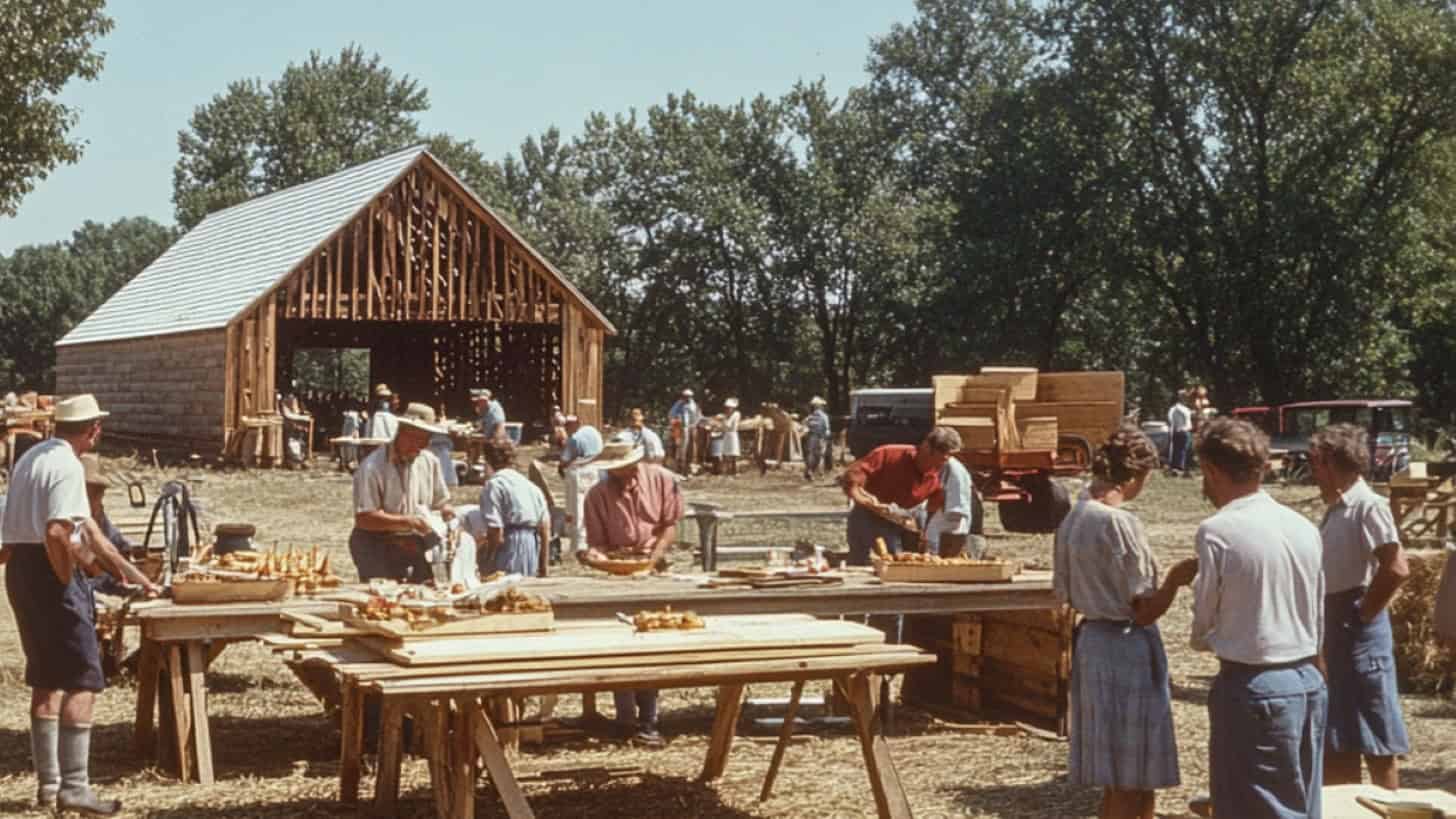
When someone needed help with a big project, the whole community showed up. Whether it was building a barn, fixing a roof, or helping after a storm, neighbors came together without being asked. These weren’t just construction projects – they were community events where skills were shared, stories were told, and bonds were strengthened.
8. Local Movie Theaters Were Social Hubs

Saturday matinees at the local theater were community events where everyone gathered. Kids would spend their allowance on popcorn and candy, while teenagers had their first dates in the back row. The theater owner knew everyone by name, and the whole town would be talking about the latest feature for weeks.
9. Town Hall Meetings Mattered

People actually showed up to town hall meetings to discuss community issues face-to-face. These weren’t just boring administrative sessions – they were passionate debates about our shared future. Everyone had a voice, and decisions were made by people who had to look their neighbors in the eye the next day.
10. Corner Stores Knew Your Name

The local corner store was more than just a shop – it was where the shopkeeper knew your family’s preferences and would set aside your favorite items. They’d let you run a tab when times were tough, and they remembered which candy your kids liked. These weren’t just transactions; they were relationships built on trust and community ties.
11. Community Potlucks Were Legendary

Every family had their signature dish that everyone looked forward to at community potlucks. These weren’t just meals – they were celebrations of our diverse heritage where recipes were shared and stories were passed down. The fellowship hall or community center tables would groan under the weight of countless casseroles, pies, and family specialties that told the story of our community through food.
12. Volunteer Fire Departments United Towns
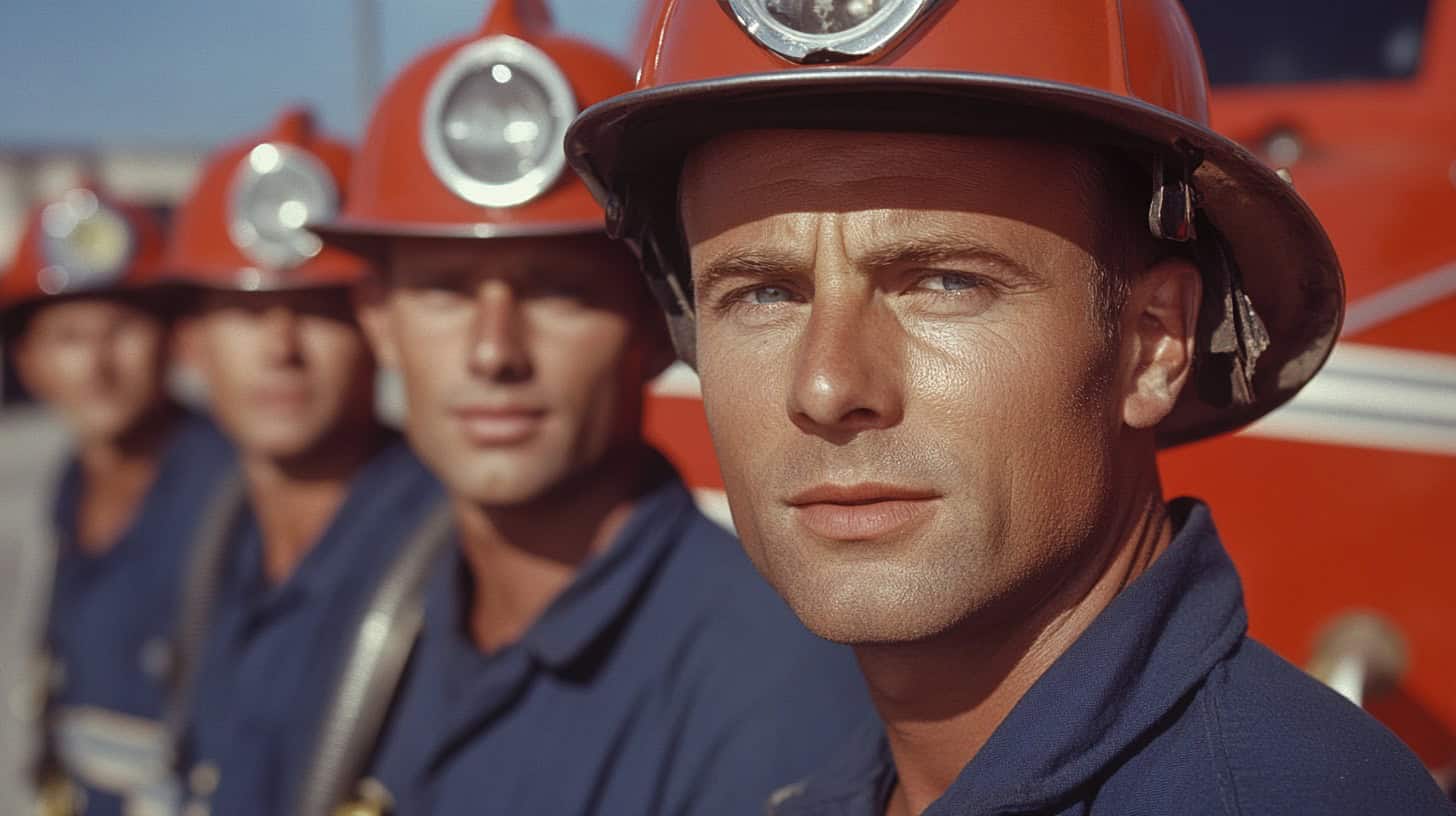
The local volunteer fire department was the pride of every small town. These weren’t just emergency responders – they were our neighbors who dropped everything to help when needed. The annual firefighters’ carnival was a highlight of the summer, bringing together the whole community to support their local heroes.
13. Sewing Circles Stitched Lives Together

Weekly sewing circles were about much more than quilting or mending. These gatherings were where women shared their joys and sorrows, offered support and advice, and kept the community’s social fabric strong. Many a problem was solved and many a marriage was saved over the quiet click of knitting needles and the hum of sewing machines.
14. School Events Were Community Affairs

School plays, spelling bees, and basketball games were major social events that drew the whole town. Everyone showed up, whether they had kids in school or not. These weren’t just academic or athletic events – they were opportunities for the community to come together and celebrate its young people, creating memories that would last a lifetime.
15. Barber Shops Were News Centers

The local barbershop was where men gathered to discuss everything from politics to baseball scores. These weren’t just places to get a haircut – they were community forums where opinions were shared, debates were held, and friendships were strengthened. The barber knew all the news and wasn’t shy about sharing it with his captive audience.
16. Garden Sharing Showed True Community Spirit
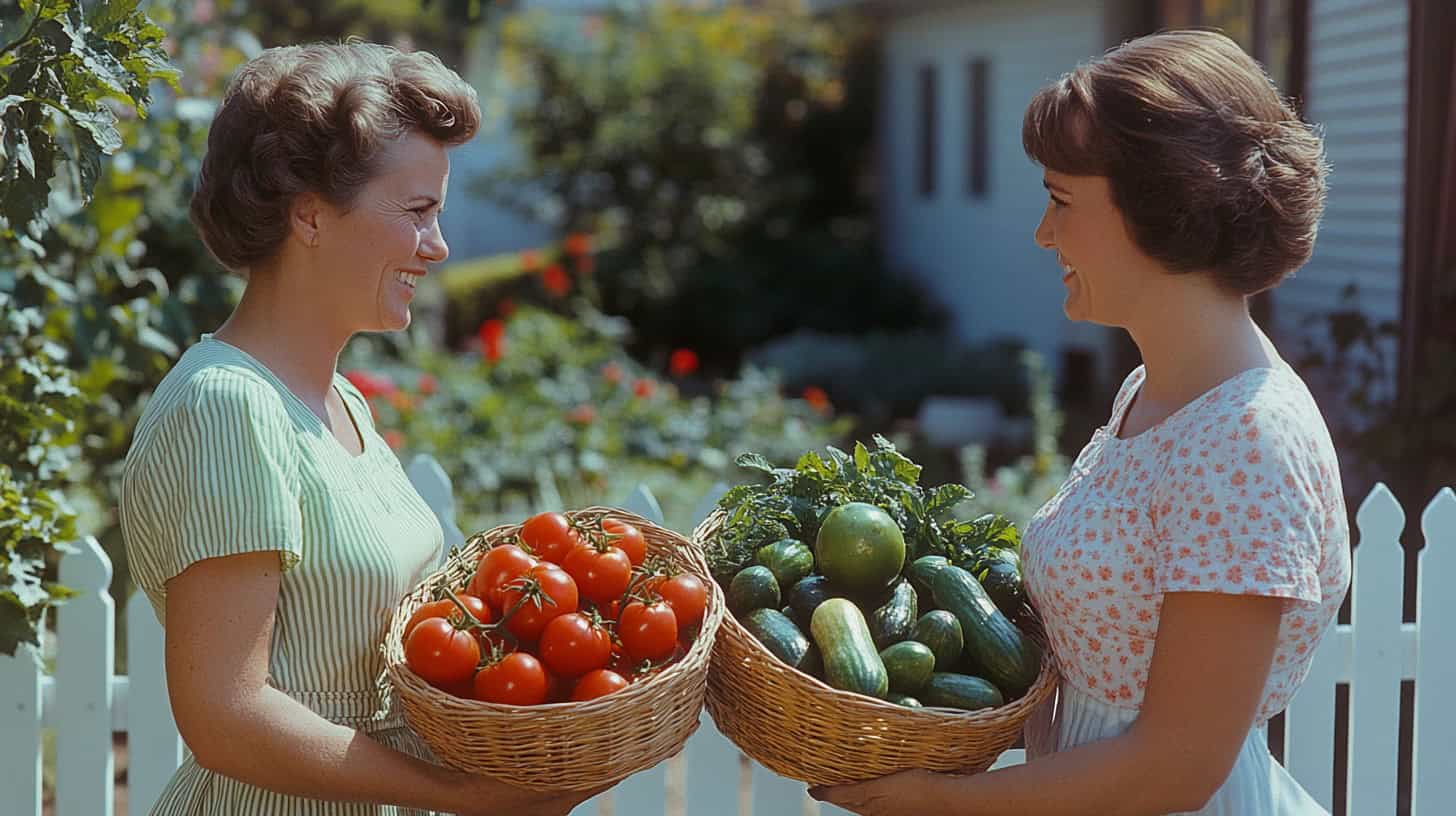
Summer meant sharing the bounty of our gardens with neighbors. If you grew tomatoes, you shared with those who grew cucumbers, and everyone knew who had the best green beans in town. These weren’t just vegetables being exchanged – they were tokens of friendship and community care that ensured no one went without fresh produce during harvest season.