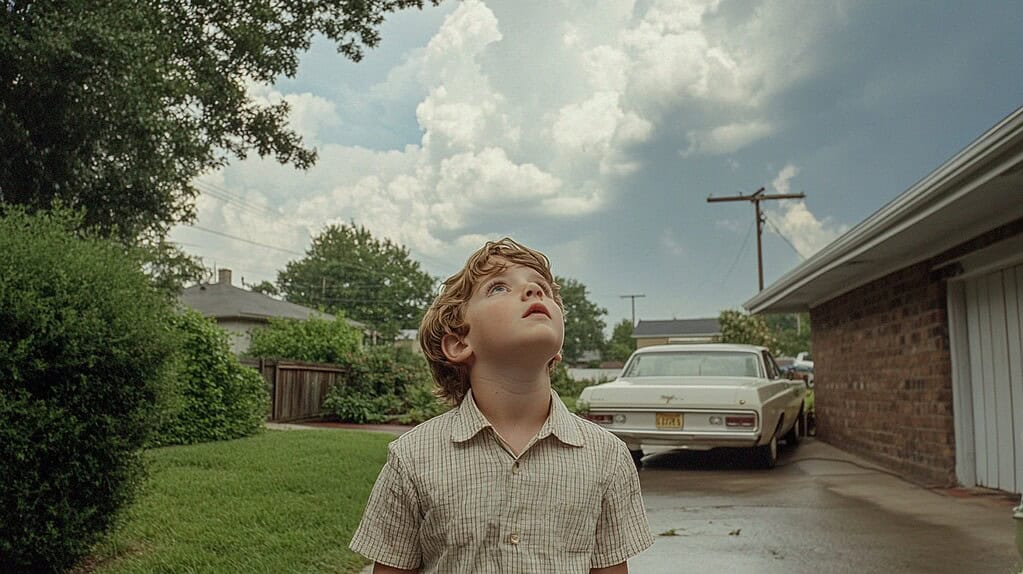
Remember when kids could roam the neighborhood until the streetlights came on? When summer meant adventure instead of structured activities? Growing up in the 60s and 70s, we learned independence, resilience, and street smarts without constant adult supervision. Here’s how we managed to stay safe while enjoying freedoms today’s kids can only dream about.
Table of Contents
- 1 1. We Knew Every Neighbor on the Block
- 2 2. The “Check-In” System Never Failed
- 3 3. We Traveled in Packs
- 4 4. We Learned Street Smarts Early
- 5 5. Public Payphones Were Our Lifeline
- 6 6. We Had Secret Hideouts
- 7 7. Hand Signals Were Universal
- 8 8. We Knew How to Handle Tools
- 9 9. First Aid Was Common Knowledge
- 10 10. We Had Clear Boundaries
- 11 11. The “Home Base” Rule
- 12 12. We Mastered Bike Safety
- 13 13. The “Secret Password” System
- 14 14. Weather Wisdom
- 15 15. The Neighborhood Phone Tree
- 16 16. The “Older Kid” Mentorship
1. We Knew Every Neighbor on the Block
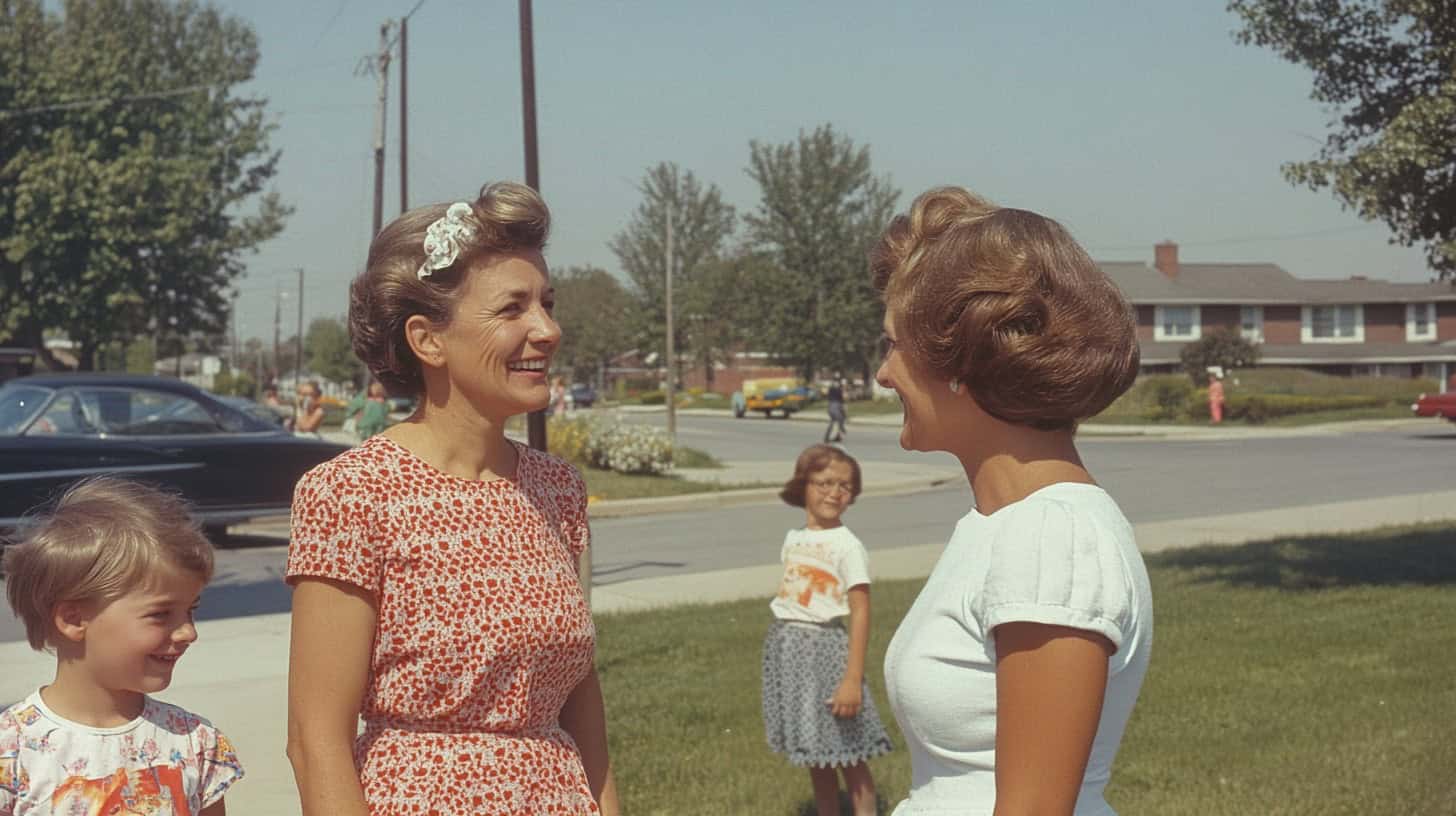
Back then, neighbors weren’t just people who lived next door – they were extended family. Mrs. Johnson would offer cookies and Band-Aids, Mr. Miller kept an eye on the street while tending his garden, and every adult knew whose kid belonged to whom. This informal neighborhood watch system meant someone always looked out for us, even when our parents weren’t around.
Save for later
Want to come back to this story? Save it with your email so it is easy to find again.
2. The “Check-In” System Never Failed
The rules were simple but effective: be home when the streetlights come on, check in if you’re going to someone else’s house, and always let Mom know where you’re headed. No cell phones were needed—just a quick shout through the screen door or a stop by the house between adventures. This system taught us time management and responsibility without constant monitoring.
3. We Traveled in Packs

Safety in numbers wasn’t just a saying – it was how we lived. Whether biking to the corner store or exploring the local creek, we moved in groups of three or more. The older kids watched out for the younger ones, and everyone knew that sticking together meant more fun and fewer problems. This natural buddy system kept us safer than any tracking app.
4. We Learned Street Smarts Early
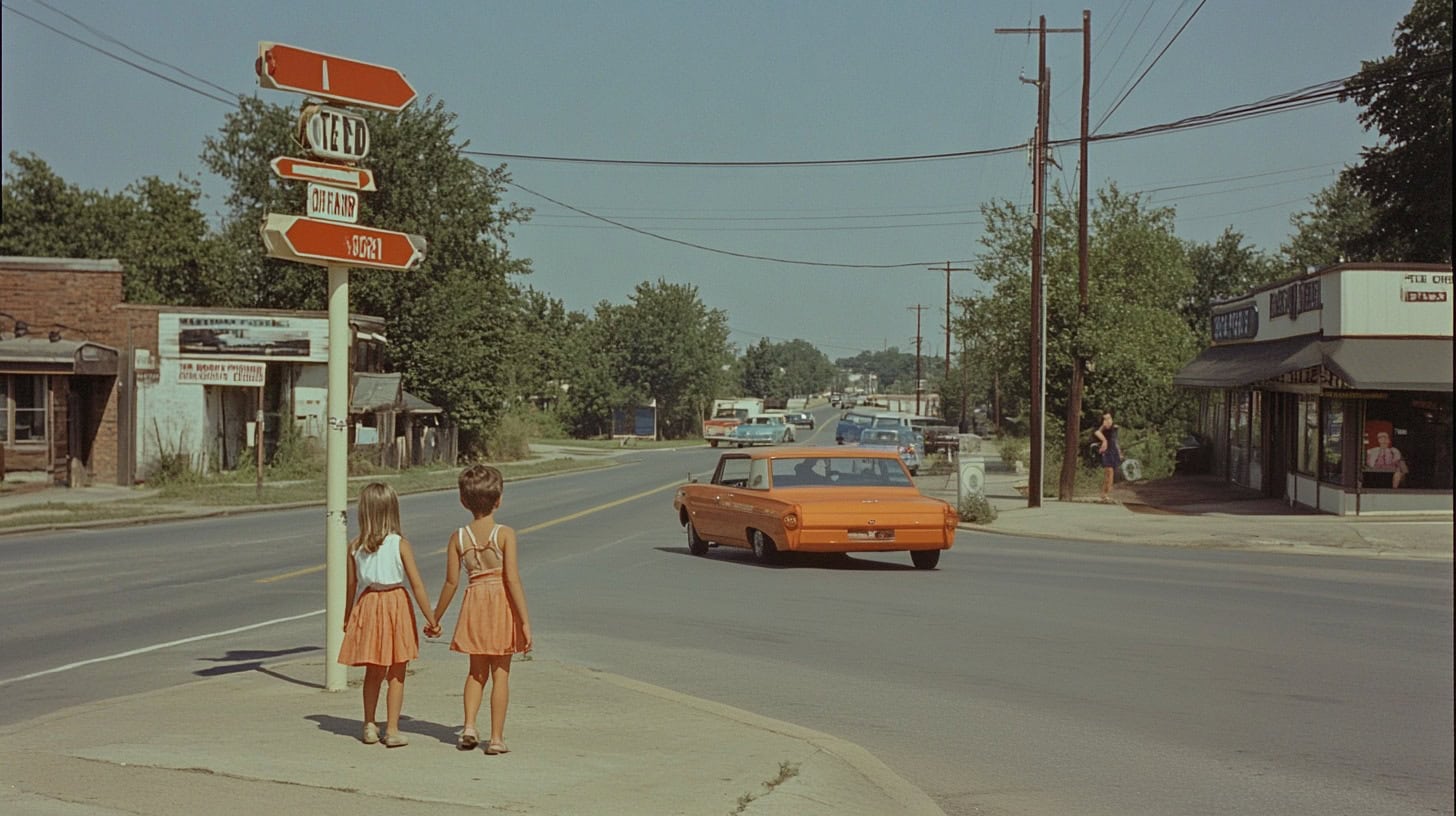
Experience was our greatest teacher. We learned which shortcuts were safe, which dogs to avoid, and how to spot trouble before it spotted us. Parents taught us the basics – don’t talk to strangers, stay in well-lit areas – but we developed our own street wisdom through daily independence and occasional scraped knees.
5. Public Payphones Were Our Lifeline

Every kid carried a dime (later a quarter) for emergency calls. We knew the locations of every payphone in the neighborhood, and collect calls were always accepted when needed. This system taught us to plan ahead and handle emergencies responsibly, without the constant connection of modern phones.
6. We Had Secret Hideouts
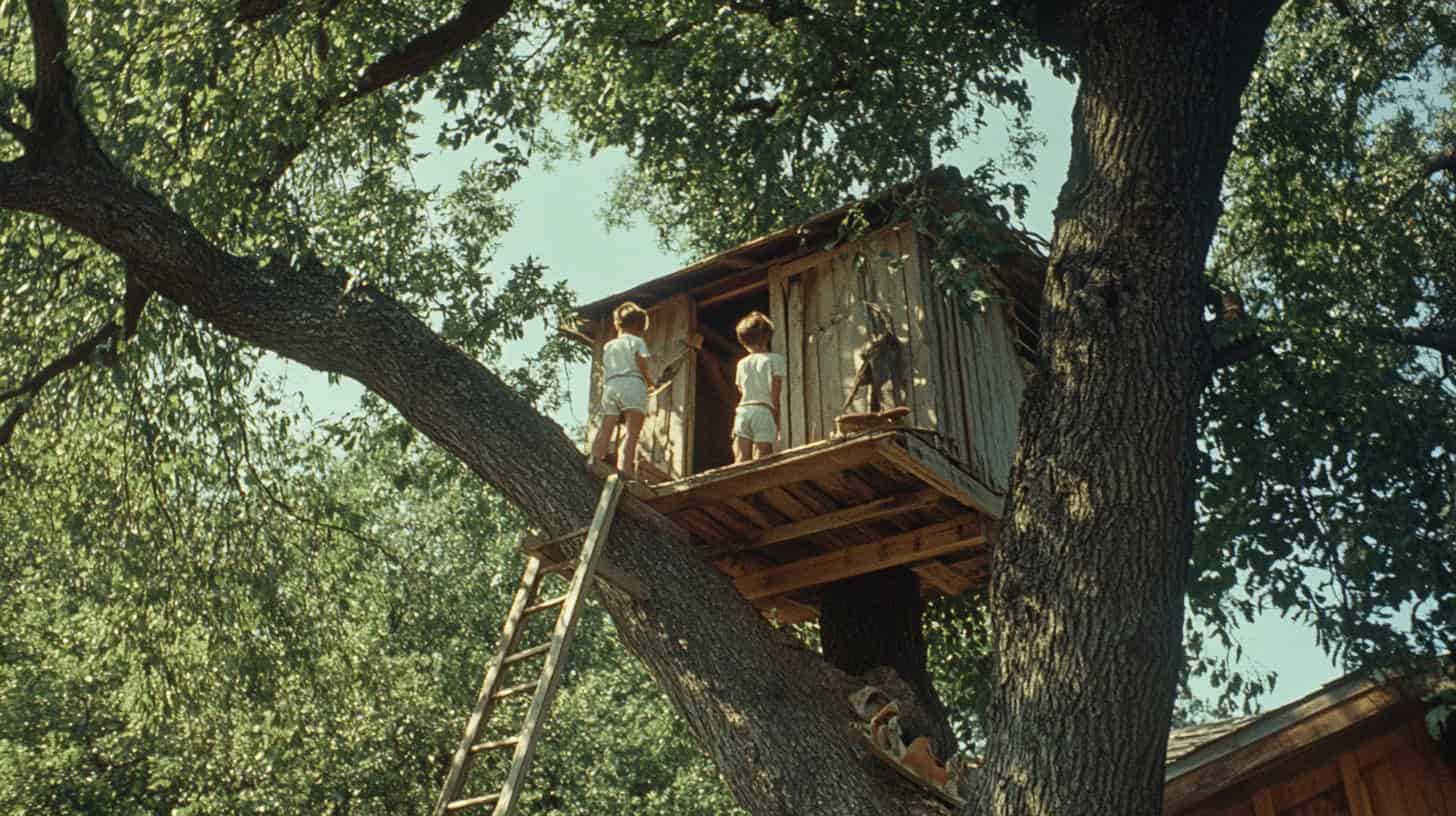
Tree houses, fort-like structures, and secret meeting spots weren’t just play areas – they were our private domains where we made our own rules and learned to govern ourselves. These spaces taught us creativity, problem-solving, and the importance of having a safe retreat when needed.
7. Hand Signals Were Universal
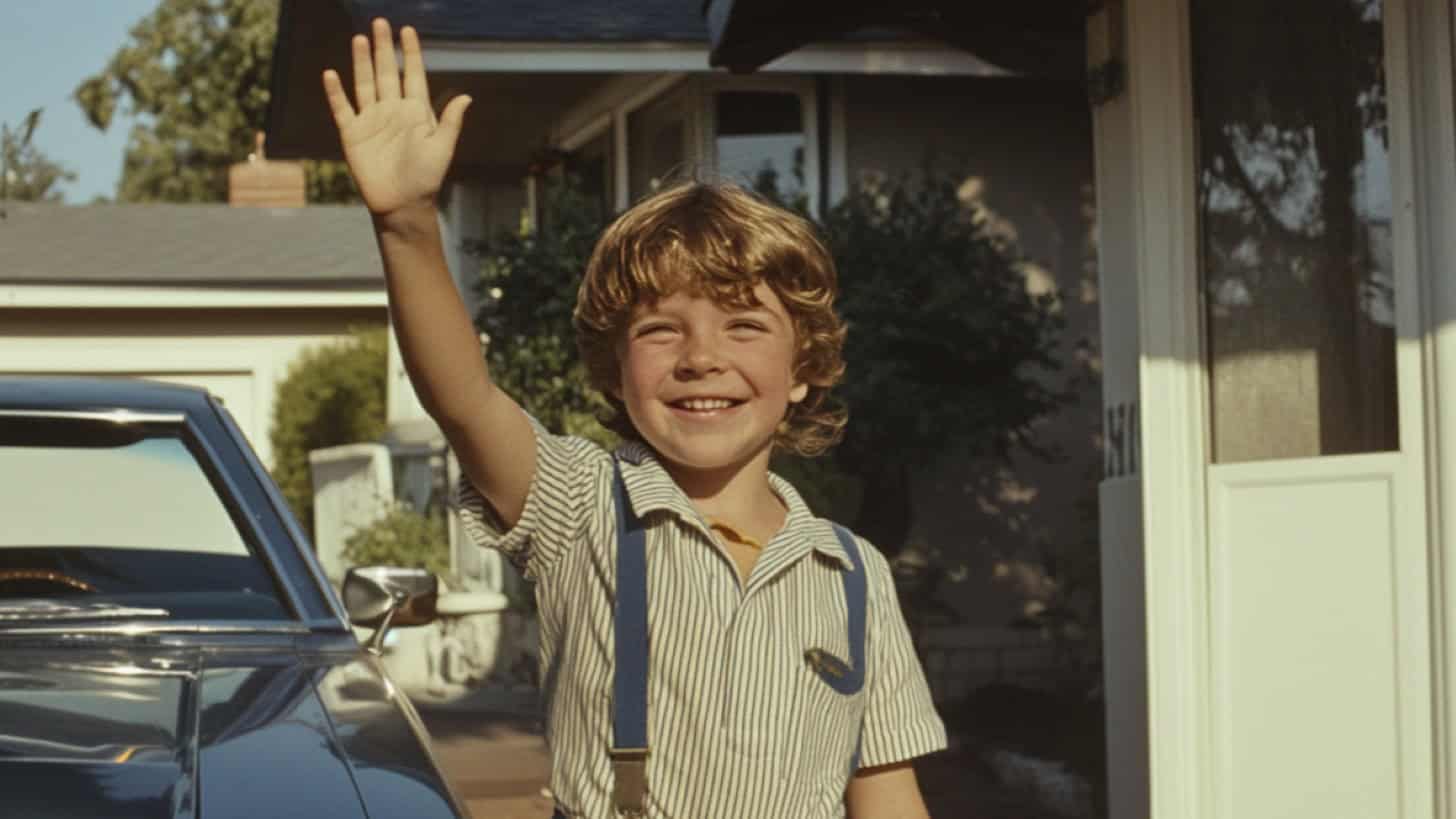
Before texting, we had an elaborate system of hand signals and whistles. Two fingers pointed at eyes meant “watch out,” and specific whistles could mean anything from “time to go home” to “adults approaching.” This silent communication system kept us coordinated and safe during our neighborhood adventures.
8. We Knew How to Handle Tools
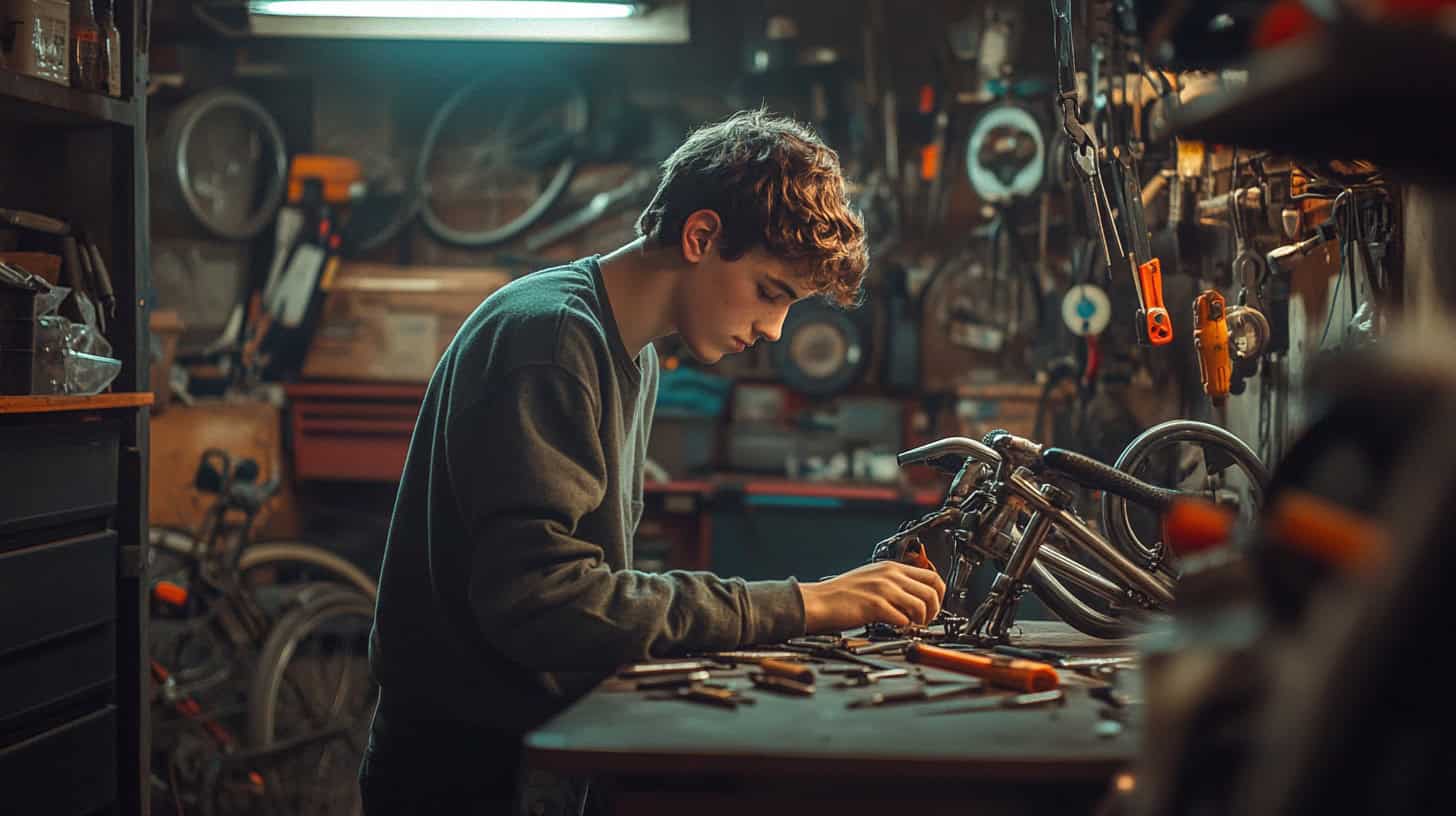
From pocket knives to hammers, we learned tool safety early. Parents taught us proper handling and respect for sharp objects, and we took pride in showing we could be trusted. This responsibility helped us develop confidence and practical skills that served us well into adulthood.
9. First Aid Was Common Knowledge
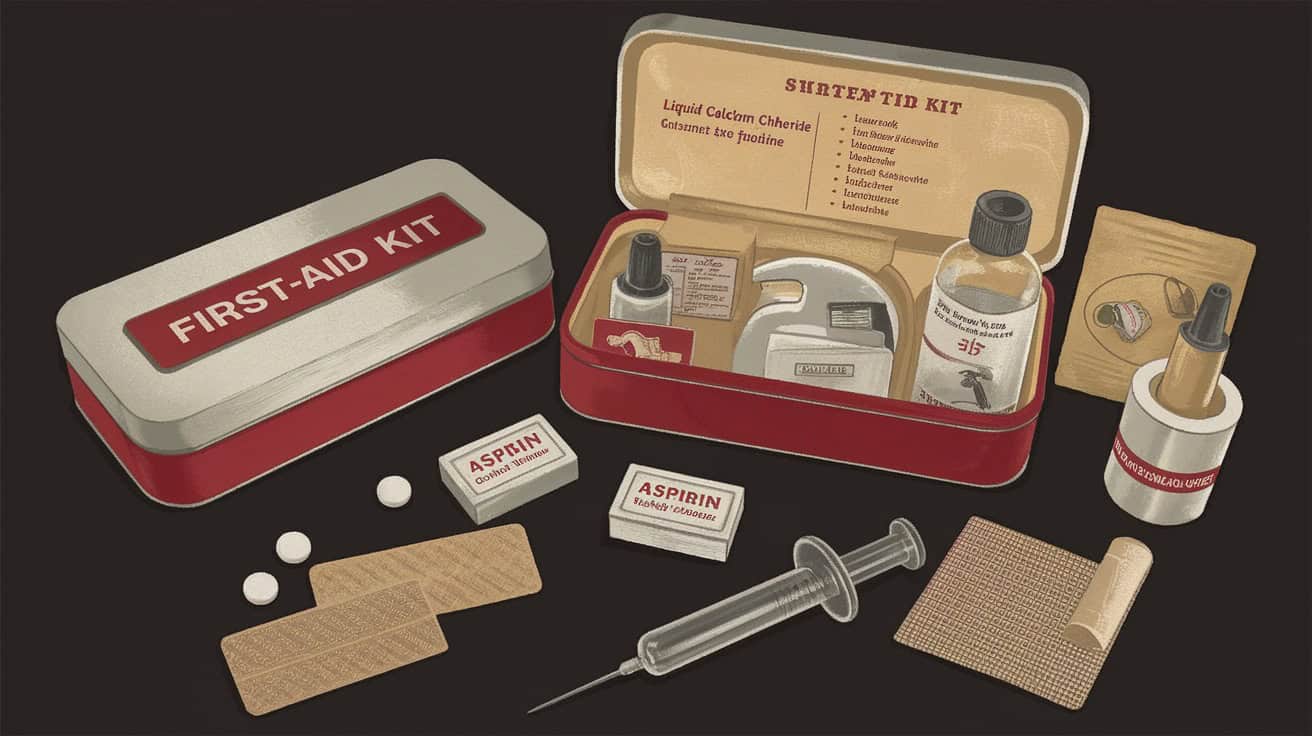
Every kid knew the basics: how to clean a scrape, when an injury needed adult attention, and where to find the nearest first-aid kit. We learned to assess situations and take care of minor injuries ourselves, developing self-reliance and good judgment.
10. We Had Clear Boundaries

Our parents set clear geographic limits – maybe it was the big oak tree, the corner store, or the next block over. These boundaries weren’t restrictive; they gave us the confidence to explore within safe limits. We knew exactly how far we could go, and that made our freedom feel both exciting and secure.
11. The “Home Base” Rule

Every kid had a designated “home base” – usually their own front porch or a friend’s yard. This wasn’t just for playing hide-and-seek; it was our safety net. If anything felt wrong or we separated from friends, everyone knew to meet at the predetermined home base. This simple system prevented many potential problems and gave us confidence to venture further.
12. We Mastered Bike Safety

Our bikes weren’t just toys – they were our primary mode of transportation, and we took them seriously. We learned to fix flat tires, adjust chains, and navigate traffic without adult supervision. Basic maintenance and road safety became second nature, teaching us responsibility and self-reliance while expanding our world significantly.
13. The “Secret Password” System
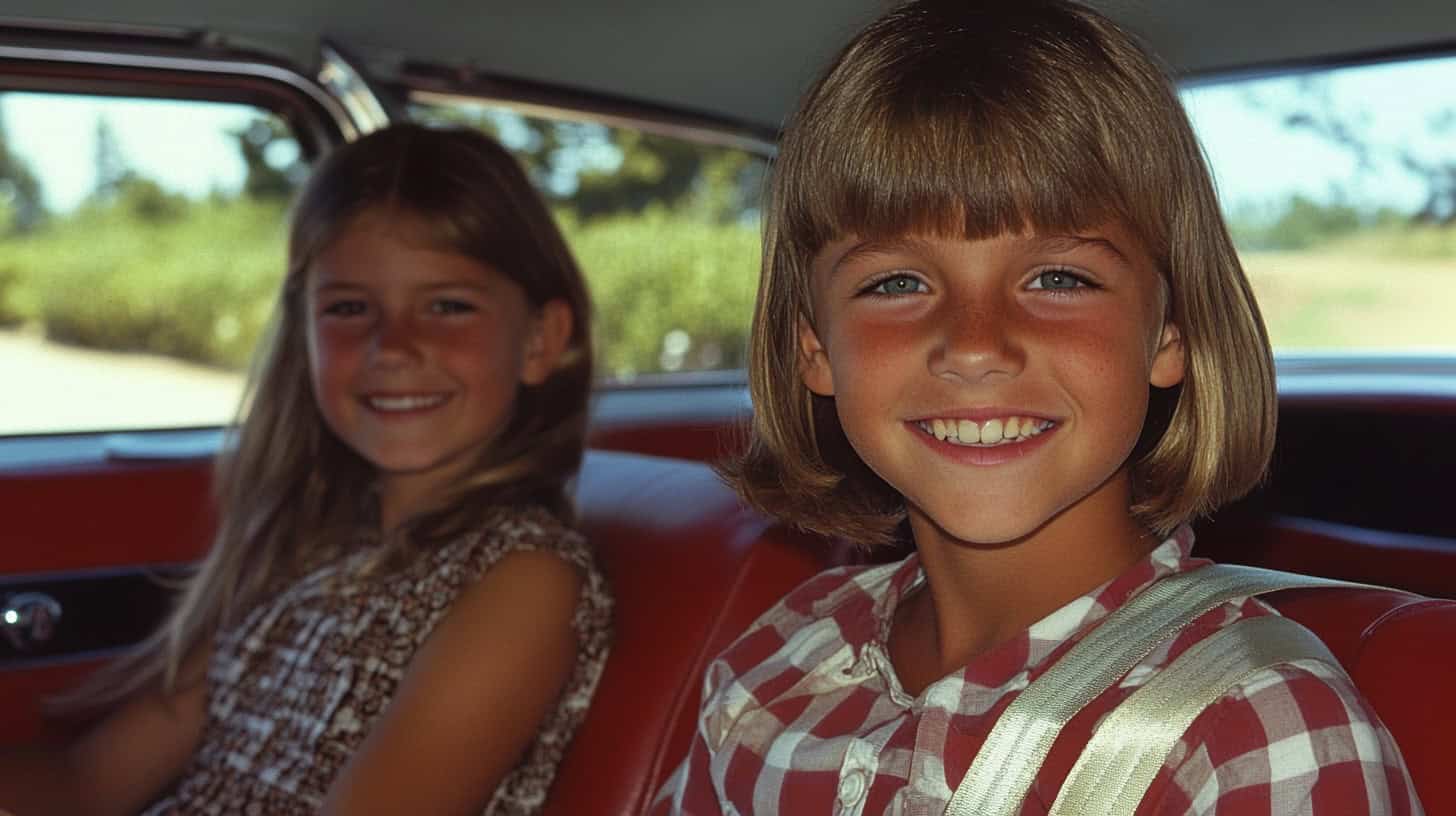
Long before stranger danger became a catchphrase, we had family passwords. If someone other than our parents needed to pick us up, they had to know the secret word. This simple but effective system protected us from potential dangers while teaching us the importance of verification and trust.
14. Weather Wisdom
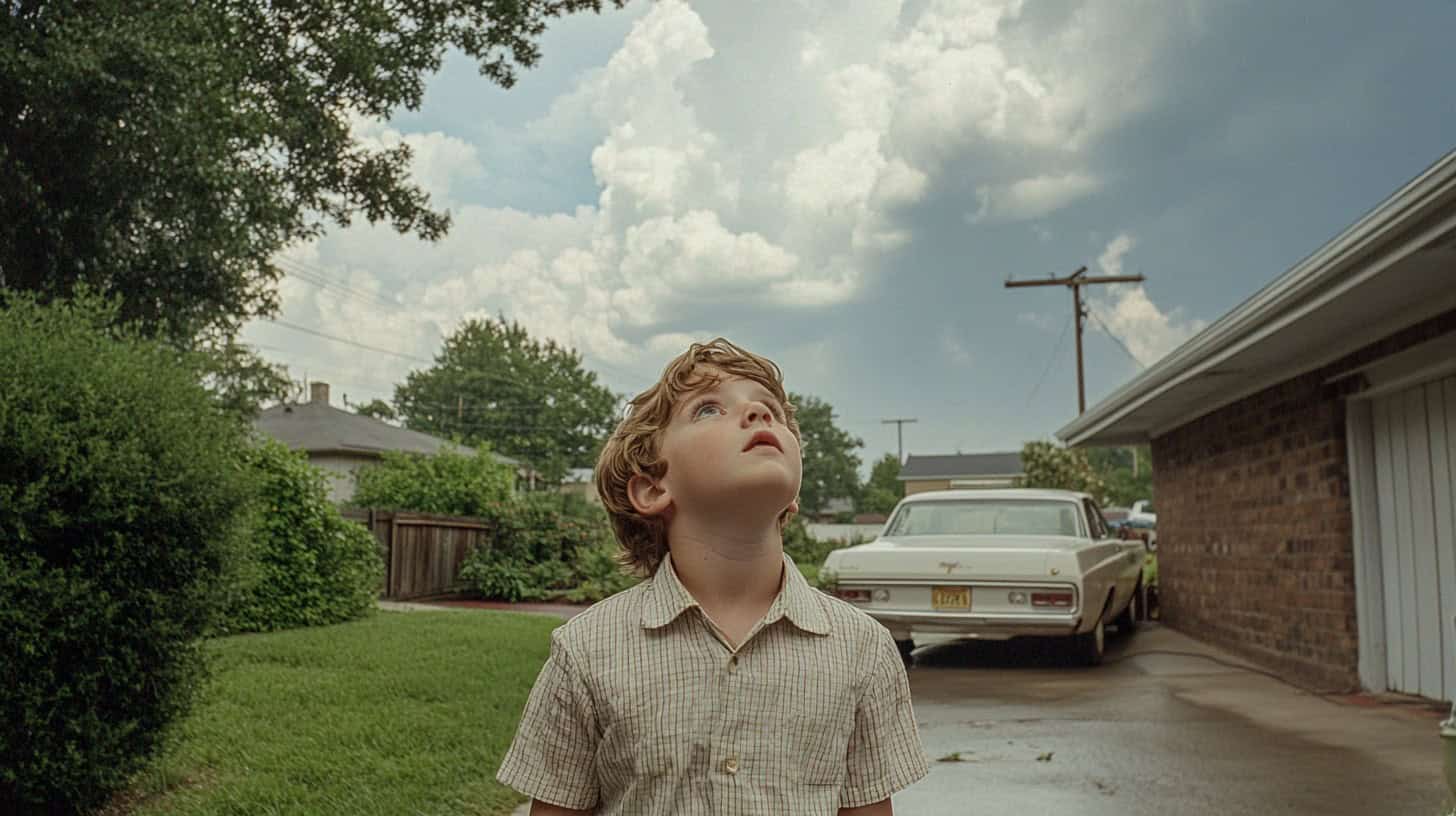
Without weather apps, we learned to read the sky and feel the wind. We knew when storms were coming, what clouds meant trouble, and how to find shelter quickly if needed. This natural awareness kept us safer than any smartphone alert system and connected us deeply to our environment.
15. The Neighborhood Phone Tree

Every family posted a list of neighbor phone numbers on their telephone. If something happened, one call could activate the entire neighborhood network. Parents shared information about where kids were last seen, and news traveled faster than any social media alert could today. This community communication system kept us all connected and protected.
16. The “Older Kid” Mentorship

Older kids in the neighborhood naturally took younger ones under their wing, teaching them the unwritten rules of street safety and social navigation. This informal mentoring system created a chain of knowledge passed down through generations of neighborhood kids, ensuring everyone knew how to stay safe and have fun responsibly.