If you grew up in the 1940s and early 1950s, you experienced a unique slice of American life that shaped our nation’s character. Those of us who came of age during and just after World War II witnessed incredible changes and developed values that would define a generation. Here’s a nostalgic look back at experiences that only those of us from the Greatest Generation would truly understand.
Table of Contents
- 1 1. Victory Gardens and Home-Grown Food
- 2 2. Collecting Scrap Metal for the War Effort
- 3 3. Radio as Family Entertainment
- 4 4. Ration Books and Stamps
- 5 5. Paper Routes and First Jobs
- 6 6. Playing Marbles at Recess
- 7 7. Air Raid Drills
- 8 8. Milk Delivery to Your Door
- 9 9. Party Line Telephones
- 10 10. Saturday Matinees
- 11 11. Corner Drug Store Soda Fountains
- 12 12. Walking to School in All Weather
- 13 13. Hand-Me-Down Clothes
- 14 14. Double Features at the Drive-In
- 15 15. Penny Candy Stores
- 16 16. Playing Outside Until Dark
- 17 17. Writing Letters to Servicemen
1. Victory Gardens and Home-Grown Food
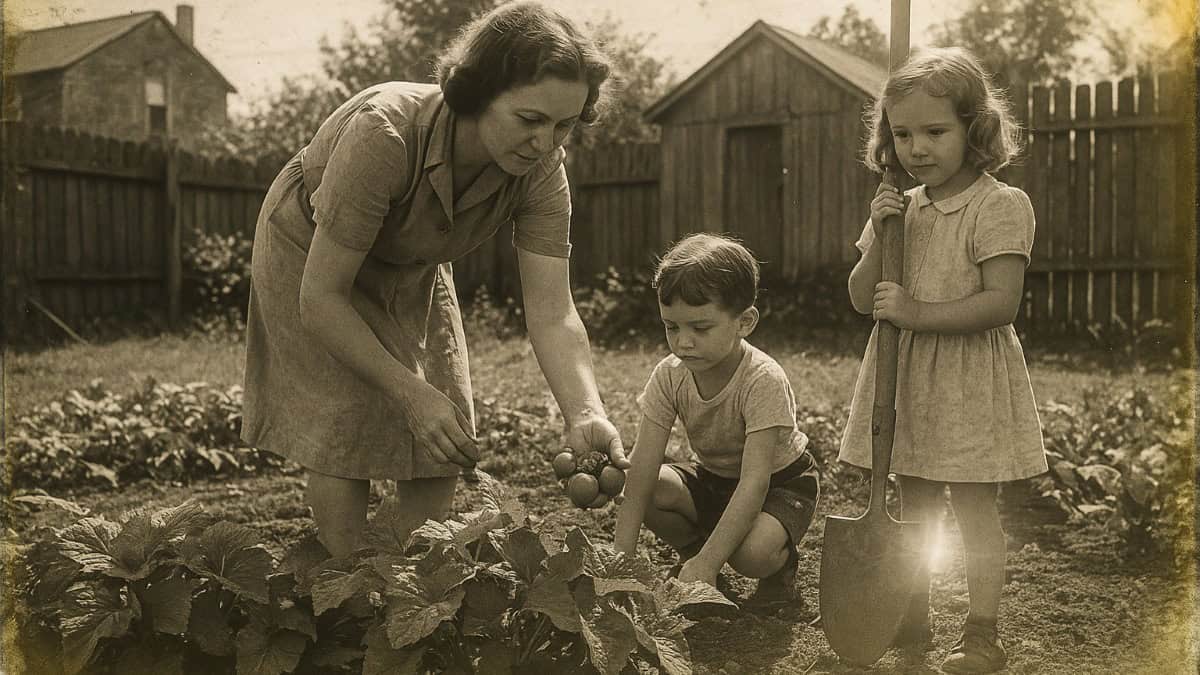
During the war years, every family had their own victory garden. We learned to grow vegetables, preserve food, and understand the importance of self-reliance. These gardens weren’t just about feeding our families – they were our way of contributing to the war effort and teaching us valuable lessons about responsibility and resourcefulness.
Save for later
Want to come back to this story? Save it with your email so it is easy to find again.
2. Collecting Scrap Metal for the War Effort
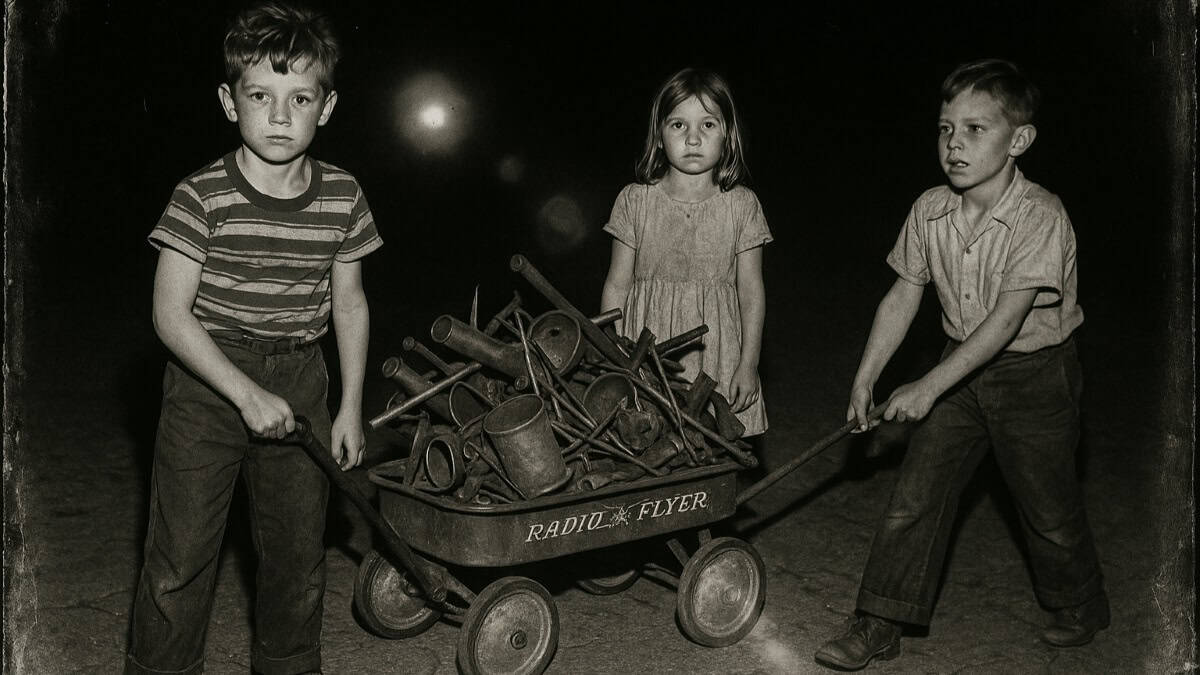
We scoured neighborhoods for anything metal – pots, pans, even toy cars. It was a point of pride to contribute to the collection drives, knowing our efforts were helping make tanks and planes. Every piece of scrap metal felt like a personal contribution to victory.
3. Radio as Family Entertainment

Evenings meant gathering around the radio for shows like “The Shadow” and “Little Orphan Annie.” We’d sit together, using our imagination to picture the scenes as they unfolded. Those radio dramas created a special kind of family bonding that today’s individual screens can’t replicate.
4. Ration Books and Stamps

Managing ration stamps was a serious responsibility that taught us about planning and sacrifice. Sugar, meat, butter, and gasoline were precious commodities. We learned to make do with less and waste nothing – values that stayed with us for life.
5. Paper Routes and First Jobs

Many of us started working early, delivering newspapers or helping at local stores. These jobs taught responsibility and the value of hard work. Getting up before dawn to deliver papers in all weather built character and showed us the importance of reliability.
6. Playing Marbles at Recess

Marbles weren’t just toys – they were serious business on the playground. We learned about strategy, fair play, and the art of negotiation through these games. Your prized “shooter” marble was often your most valuable possession.
7. Air Raid Drills
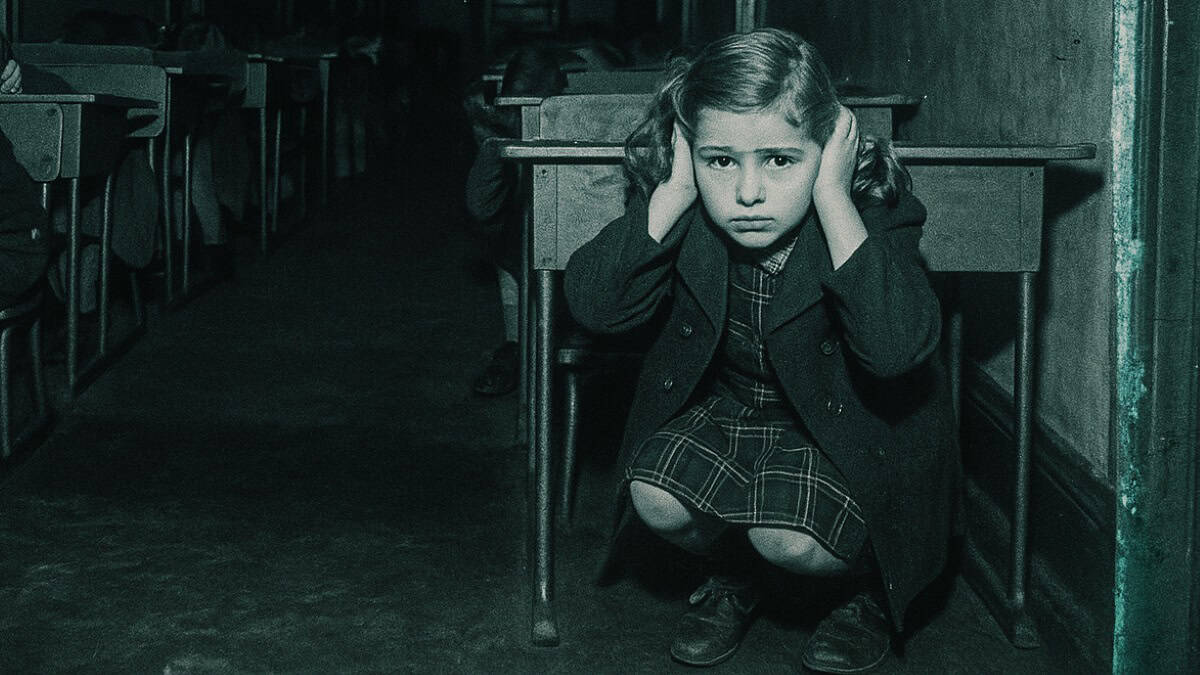
The sound of air raid sirens meant ducking under our desks or heading to shelters. While scary at times, these drills gave us a sense of preparedness and community. Everyone knew their role and worked together for safety.
8. Milk Delivery to Your Door

The early morning clinking of glass bottles meant the milkman had arrived. Fresh milk, cream, and butter delivered right to your doorstep. Returning the empty bottles for reuse was one of our first lessons in recycling.
9. Party Line Telephones
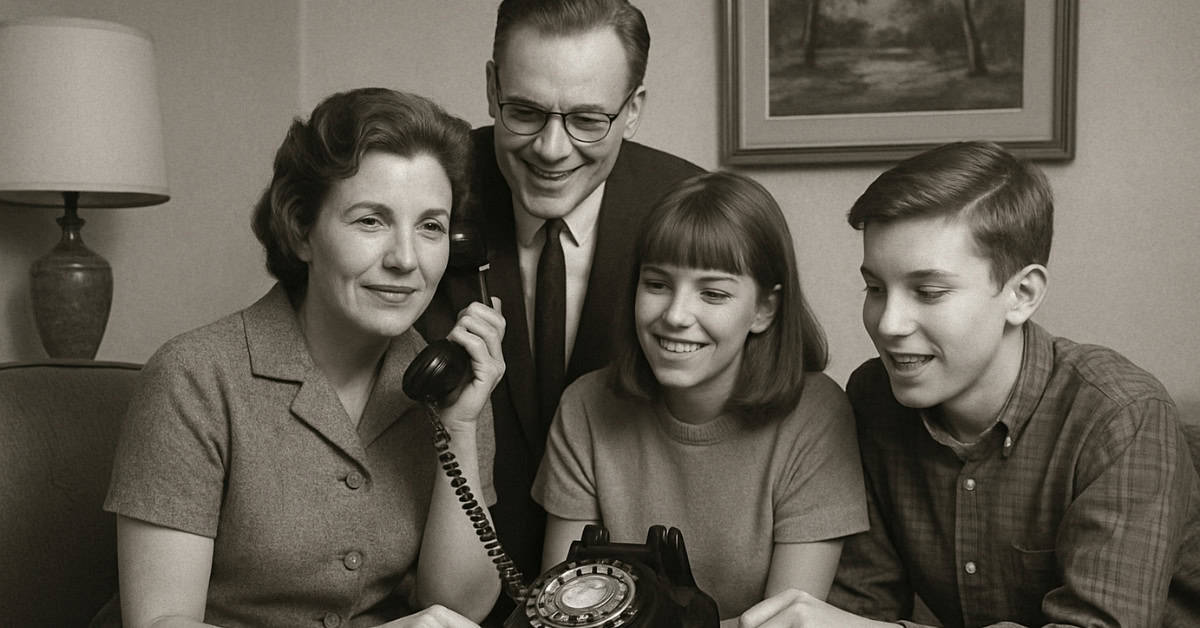
Sharing a phone line with neighbors taught patience and consideration. We learned to keep conversations brief and respect others’ privacy. That distinctive ring pattern telling you which call was yours is something unforgettable.
10. Saturday Matinees

A dime or quarter bought you entry to magical Saturday afternoons at the movies. Newsreels, cartoons, and serialized adventures kept us on the edge of our seats. The whole neighborhood would be there, sharing popcorn and excitement.
11. Corner Drug Store Soda Fountains
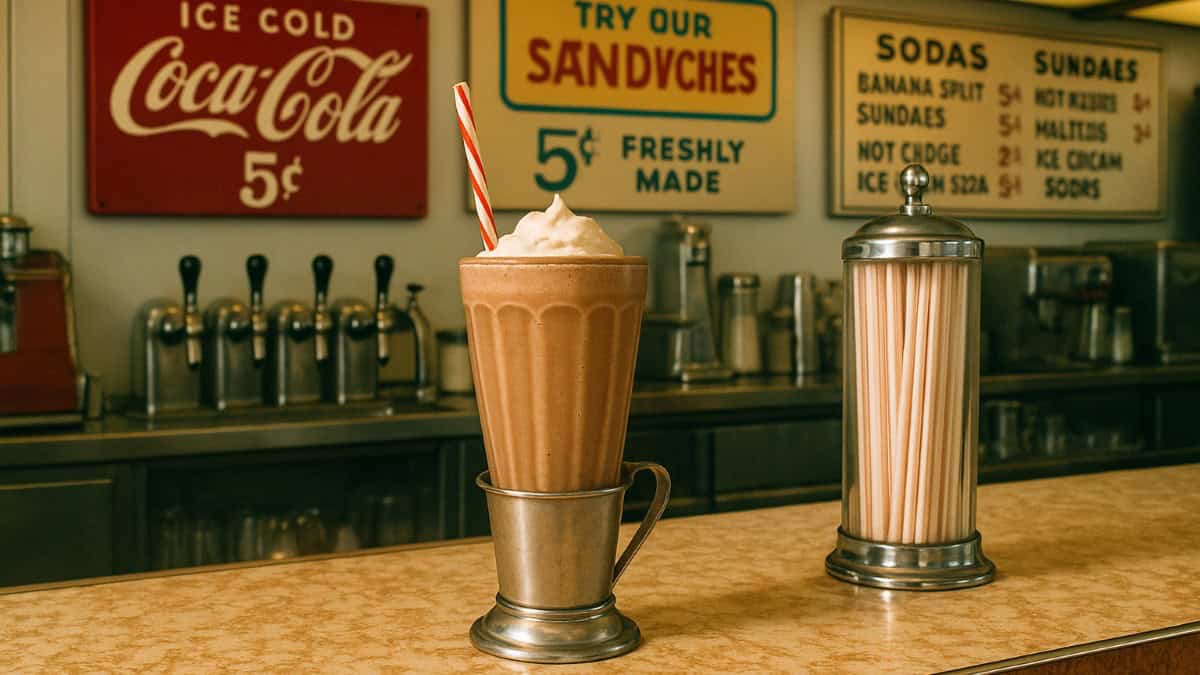
The local drugstore wasn’t just for prescriptions – it was where we gathered for ice cream sodas and phosphates. The soda jerk knew everyone’s favorite combinations, and those swiveling counter stools were the best seats in town. A nickel bought you a Coca-Cola that tasted better than anything today.
12. Walking to School in All Weather
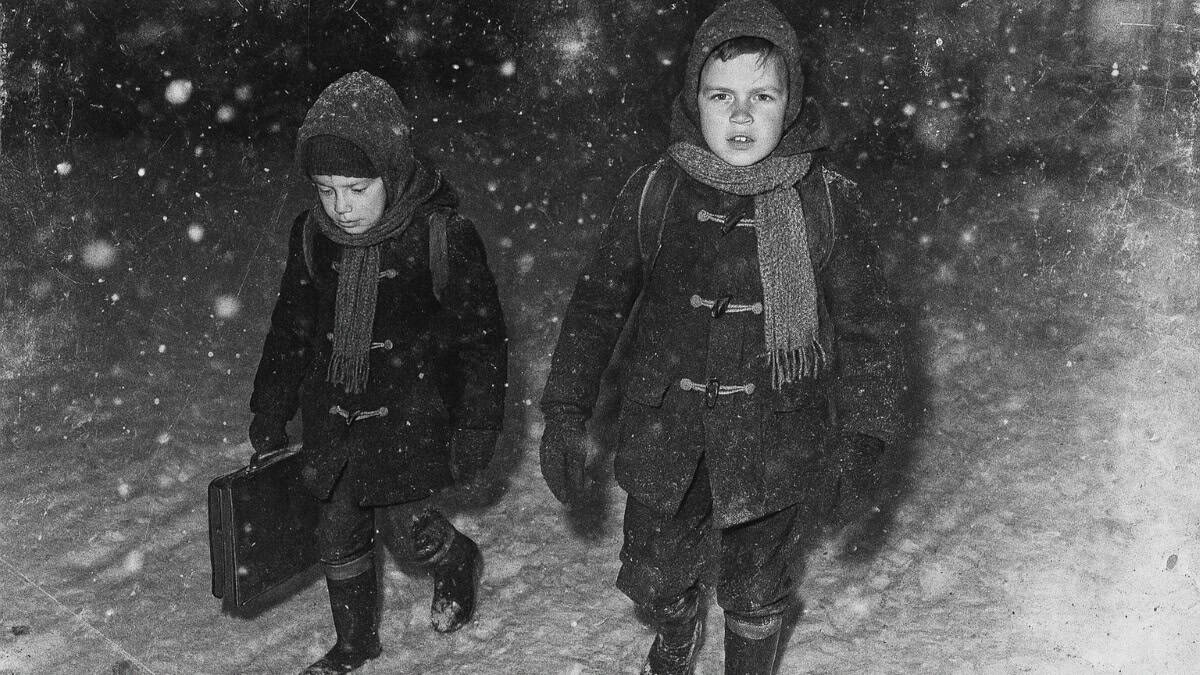
Rain or shine, snow or sleet, we walked to school. No parent chauffeurs or school buses for most of us – just our own two feet and maybe a friend or two to keep us company. Those daily walks built independence and gave us time to explore our neighborhoods.
13. Hand-Me-Down Clothes
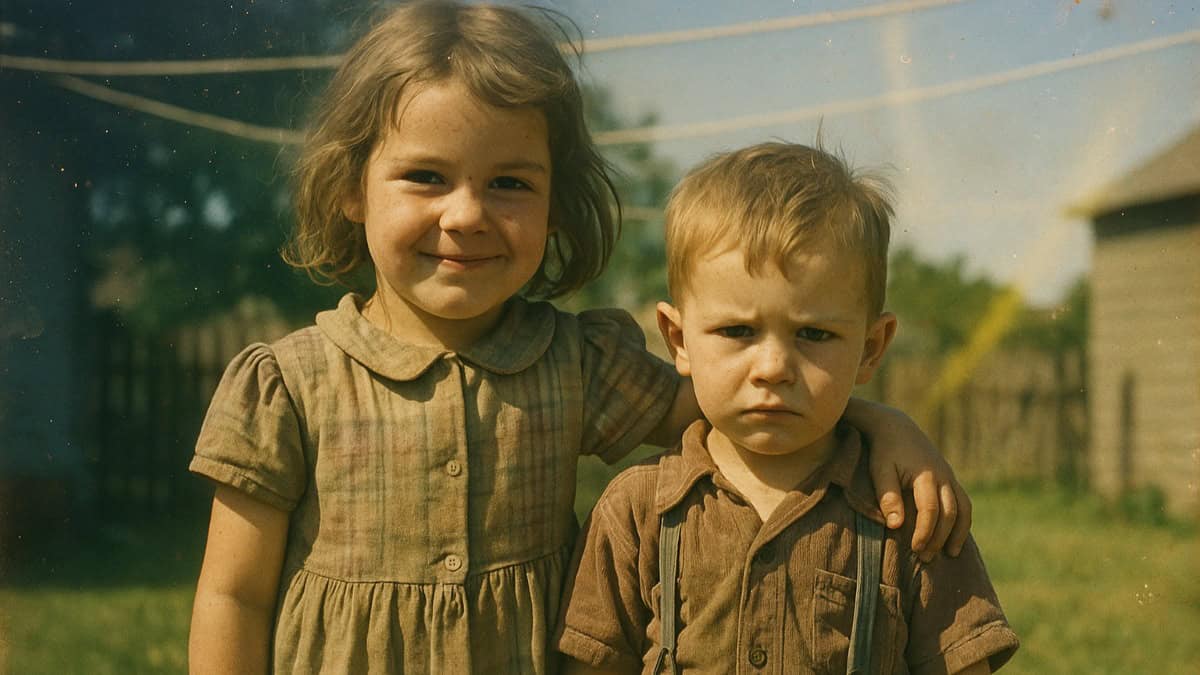
Getting a sibling’s outgrown clothes wasn’t just normal – it was expected. We learned to take care of our things knowing they’d be passed down. Those clothes carried stories and memories, and getting something brand new was a special treat to be cherished.
14. Double Features at the Drive-In
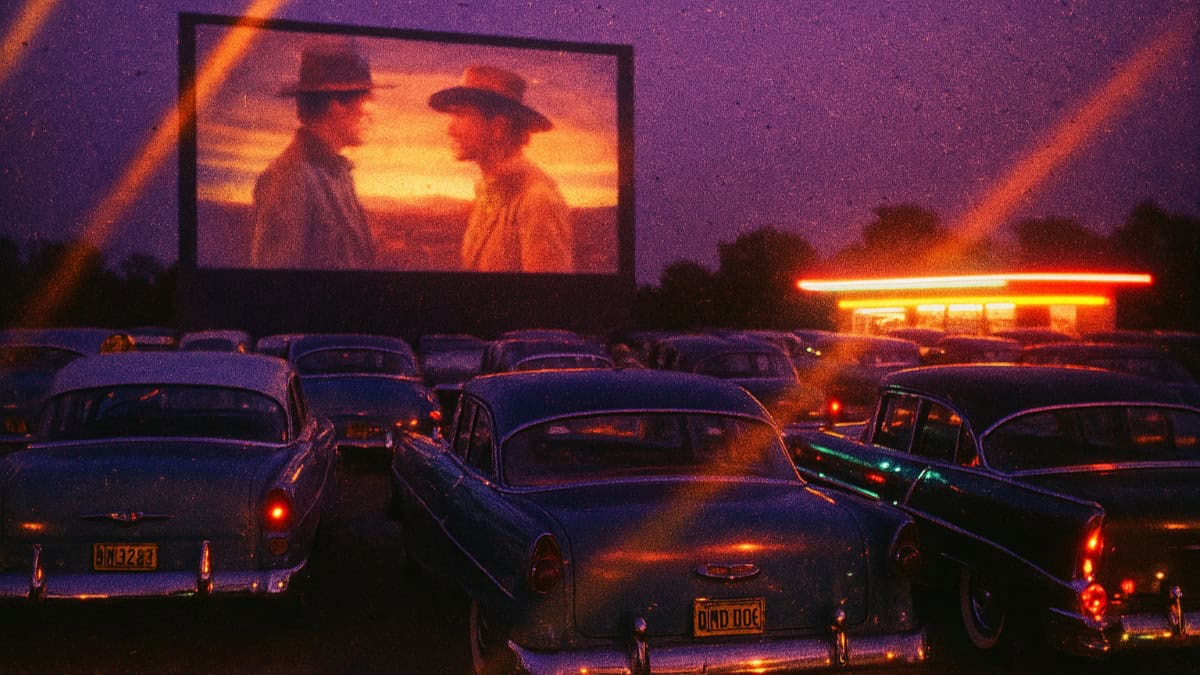
Summer nights meant piling into the car for drive-in movies. We’d wear our pajamas and try to stay awake for both features. The tinny sound from those hanging speakers, the intermission cartoons, and the concession stand hot dogs created unforgettable family memories.
15. Penny Candy Stores

A few pennies bought you a paper bag full of treats – Mary Janes, candy cigarettes, wax bottles, and licorice whips. The shopkeeper would patiently wait while we carefully counted out our coins and made our selections. Those decisions were as serious as any Wall Street transaction.
16. Playing Outside Until Dark

Our parents’ only rule was “be home when the street lights come on.” We’d spend entire days playing kick-the-can, hide-and-seek, and stickball in the streets. Everyone knew everyone else’s kids, and the whole neighborhood watched out for each other.
17. Writing Letters to Servicemen
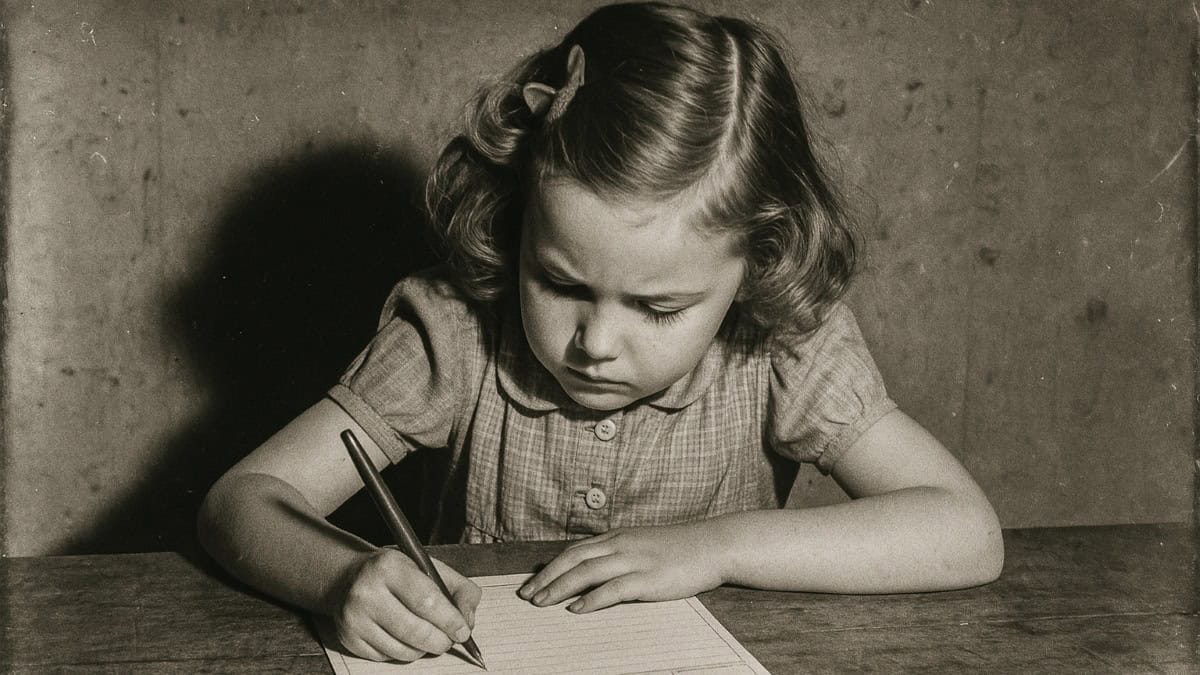
During the war, everyone knew someone serving overseas. Writing letters was our way of keeping spirits up and maintaining connections. Schools would often organize letter-writing campaigns to soldiers, teaching us about patriotism and the importance of supporting our troops.