Growing up in the 1960s, we learned valuable life lessons that seem to have gotten lost in today’s fast-paced digital world. From practical skills to timeless wisdom, these teachings shaped our generation and hold just as much relevance today as they did back then. Let’s take a walk down memory lane and rediscover some forgotten lessons that deserve a revival.
Table of Contents
- 1 1. The Art of Writing Letters
- 2 2. Basic Car Maintenance
- 3 3. Mental Math and Making Change
- 4 4. The Value of Repairing Things
- 5 5. Face-to-Face Conversation Skills
- 6 6. Planning Ahead Without GPS
- 7 7. Memorizing Important Information
- 8 8. The Power of Patience
- 9 9. Resourcefulness in Entertainment
- 10 10. The Importance of Community
- 11 11. Handwriting and Penmanship
- 12 12. The Value of Manual Labor
- 13 13. Meal Planning and Food Preservation
- 14 14. The Art of Storytelling
- 15 15. Financial Literacy Without Apps
- 16 16. The Power of Silence
- 17 17. Weather Reading Skills
1. The Art of Writing Letters

Back in our day, letter writing wasn’t just communication – it was an art form that taught patience, thoughtfulness, and proper grammar. We spent hours crafting messages to friends and family, carefully considering each word and its impact. In today’s world of instant messaging, taking time to write a heartfelt letter can still create meaningful connections and leave lasting impressions.
Save for later
Want to come back to this story? Save it with your email so it is easy to find again.
2. Basic Car Maintenance
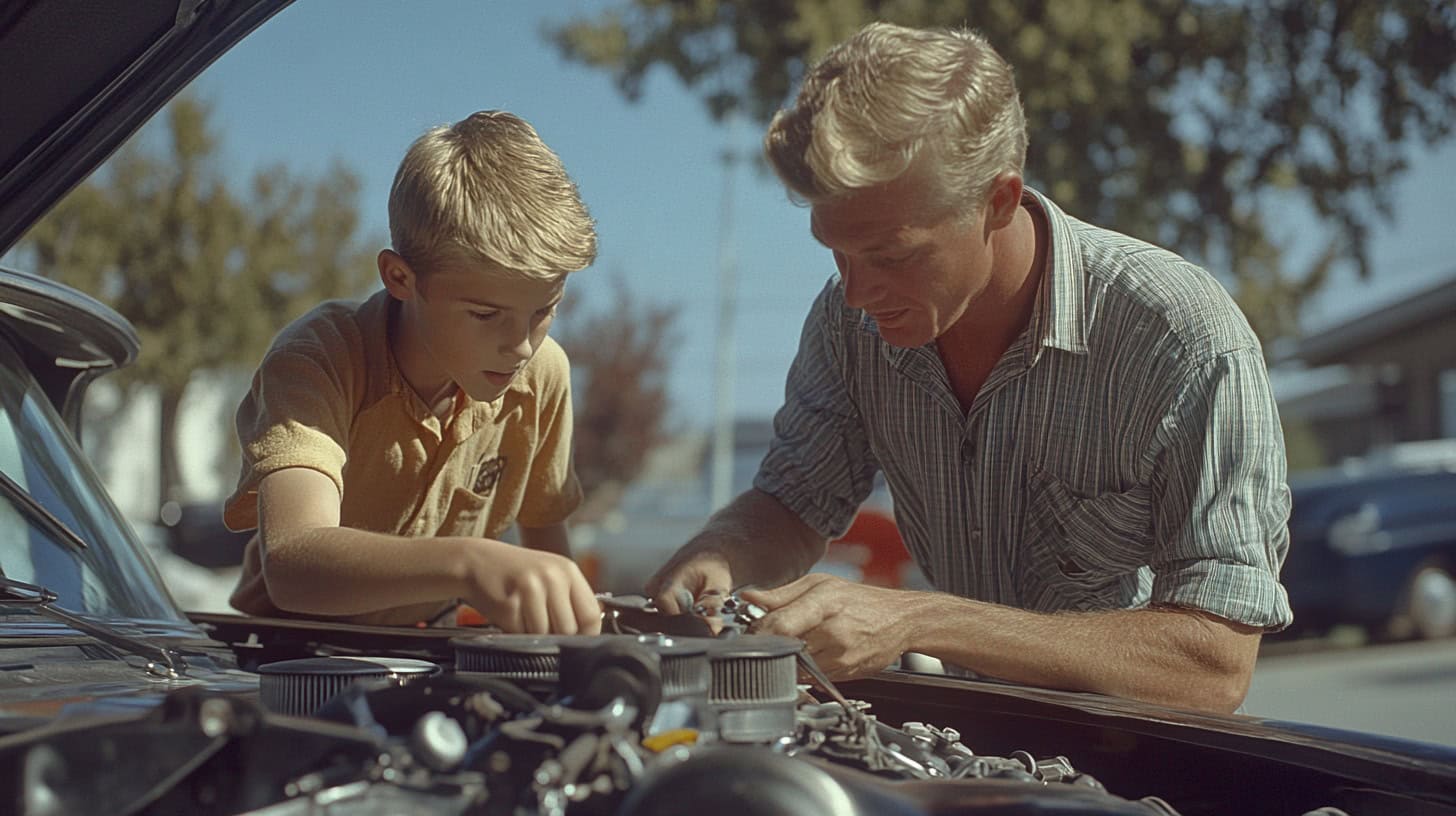
Every teenager once knew how to change a tire, check the oil, and jump-start a car. These fundamental skills saved us countless times on lonely highways before cell phones existed. Even with today’s advanced vehicles and roadside assistance, knowing basic car maintenance can still prevent expensive repairs and provide peace of mind during emergencies.
3. Mental Math and Making Change

Before calculators became ubiquitous, we could add, subtract, and calculate percentages in our heads. Making change wasn’t just about math – it taught us quick thinking and problem-solving. These skills still prove invaluable when technology fails or when you need to spot-check calculations in business dealings.
4. The Value of Repairing Things

In our youth, we fixed things instead of replacing them. From darning socks to repairing appliances, we understood the satisfaction of making things last. This mindset not only saves money but also reduces waste and environmental impact – something particularly relevant in today’s throwaway culture.
5. Face-to-Face Conversation Skills

Before smartphones dominated social interactions, we mastered the art of real conversation. Reading body language, maintaining eye contact, and engaging in meaningful dialogue were essential life skills. These interpersonal abilities remain crucial for building relationships and succeeding in both personal and professional spheres.
6. Planning Ahead Without GPS

Map reading and planning routes were essential skills that taught us spatial awareness and forethought. We learned to navigate using landmarks and prepare for journeys methodically. These planning abilities transfer to many aspects of life, from project management to problem-solving.
7. Memorizing Important Information

Before speed-dial and contact lists, we memorized phone numbers, addresses, and important dates. This mental exercise kept our minds sharp and prepared us for unexpected situations. Training our memory remains valuable, especially as we age and want to maintain cognitive function.
8. The Power of Patience

Waiting was once unavoidable, whether for letters to arrive or television shows to air. This taught us patience and appreciation for delayed gratification. In our instant-everything world, cultivating patience can reduce stress and lead to better decision-making.
9. Resourcefulness in Entertainment

We created our own fun with limited resources, using imagination and creativity to entertain ourselves. This resourcefulness fostered innovation and problem-solving skills. Today, this ability to create something from nothing remains valuable in both personal and professional contexts.
10. The Importance of Community

Neighbors once knew each other well, sharing tools, meals, and support during tough times. This sense of community created strong social bonds and safety nets. In our increasingly isolated world, building and maintaining community connections remains essential for mental health and social resilience.
11. Handwriting and Penmanship

We spent countless hours perfecting our cursive writing and maintaining legible penmanship. Beyond mere aesthetics, this practice developed fine motor skills and cognitive function. Studies show that handwriting still aids in memory retention and learning, making it a valuable skill even in our digital age.
12. The Value of Manual Labor

From mowing lawns to helping with household repairs, we learned the dignity of physical work early on. This hands-on experience taught us self-reliance and the satisfaction of a job well done. Today, these skills not only save money but provide a healthy counterbalance to our sedentary, screen-focused lives.
13. Meal Planning and Food Preservation

Our mothers taught us to plan meals for the week, preserve seasonal produce, and waste nothing. These practical skills helped families stretch their budgets and eat well year-round. With today’s focus on sustainability and rising food costs, these traditional practices are more relevant than ever.
14. The Art of Storytelling

Before endless streaming options, we entertained each other with stories, sharing family histories and personal experiences. This oral tradition strengthened family bonds and preserved cultural heritage. The ability to tell a compelling story remains a powerful tool for connection and influence in both personal and professional settings.
15. Financial Literacy Without Apps

Balancing checkbooks and tracking expenses by hand taught us intimate knowledge of our finances. This hands-on money management developed strong budgeting habits and financial awareness. While technology makes tracking easier, understanding these fundamental principles remains crucial for financial health.
16. The Power of Silence

Before constant connectivity, we understood the value of quiet reflection and solitude. These moments of silence allowed for deep thinking and personal growth. In our noisy, always-connected world, embracing silence and practicing mindfulness is more important than ever.
17. Weather Reading Skills

Before smartphone weather apps, we learned to read natural signs to predict weather changes. Understanding cloud formations, wind patterns, and animal behavior connected us to our environment. These observation skills still prove valuable, especially during outdoor activities or when technology isn’t available.