Before the miracle of air conditioning became commonplace in American homes, staying cool during those sweltering summer months was an art form. We had to get creative, and boy, did we ever! From simple tricks passed down through generations to ingenious architectural features, here’s how people managed to beat the heat in the days before air conditioning became king.
Table of Contents
- 1 1. The Classic Sleeping Porch
- 2 2. The Transom Window Trick
- 3 3. Basement Retreats
- 4 4. The Art of Window Management
- 5 5. Hand Fan Culture
- 6 6. The Ice Block Fan
- 7 7. High Ceilings and Tall Windows
- 8 8. Wet Sheet Trick
- 9 9. Front Porch Living
- 10 10. Underground Food Storage
- 11 11. Attic Fans
- 12 12. Movie Theater Refuge
- 13 13. The Summer Kitchen
- 14 14. Cool Drink Stations
- 15 15. Shade Tree Planning
- 16 16. The Window Fan System
- 17 17. Swimming Holes
1. The Classic Sleeping Porch
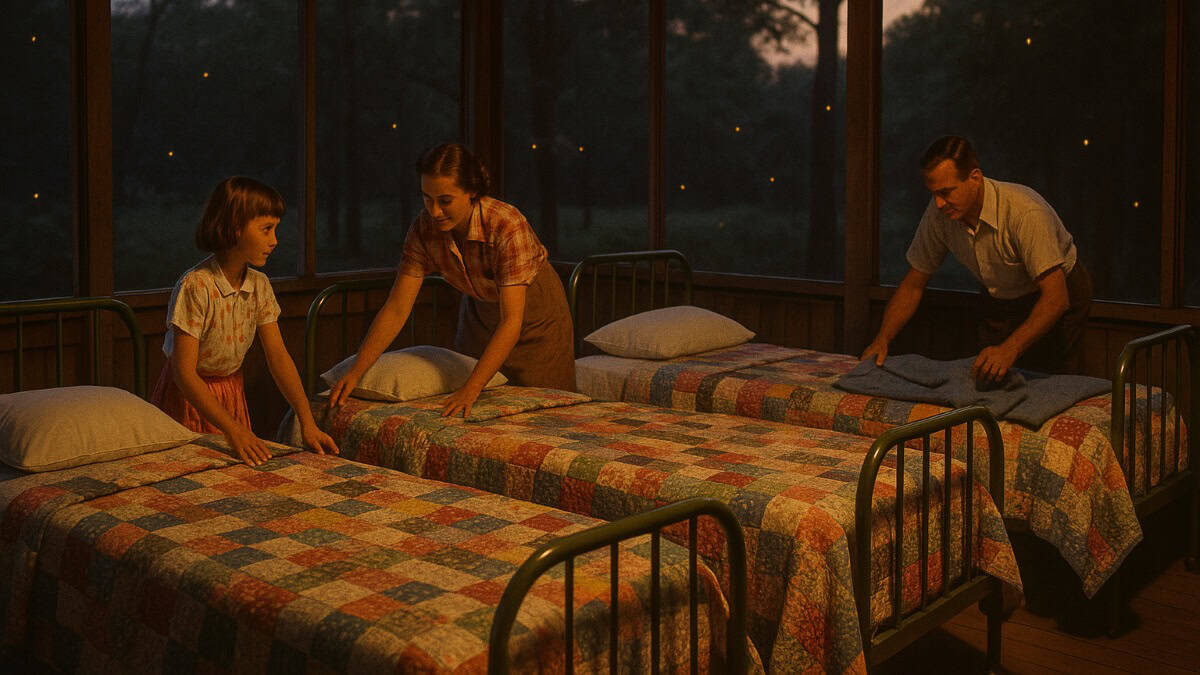
Nearly every old Southern home had a sleeping porch, and for good reason. These screened-in havens provided the perfect escape during hot summer nights when indoor bedrooms felt like ovens. Families would drag their mattresses out to catch the evening breeze, often making it a social affair with stories told under the stars. These architectural features were so popular that by 1900, many homes were built with sleeping porches as standard features.
Save for later
Want to come back to this story? Save it with your email so it is easy to find again.
2. The Transom Window Trick
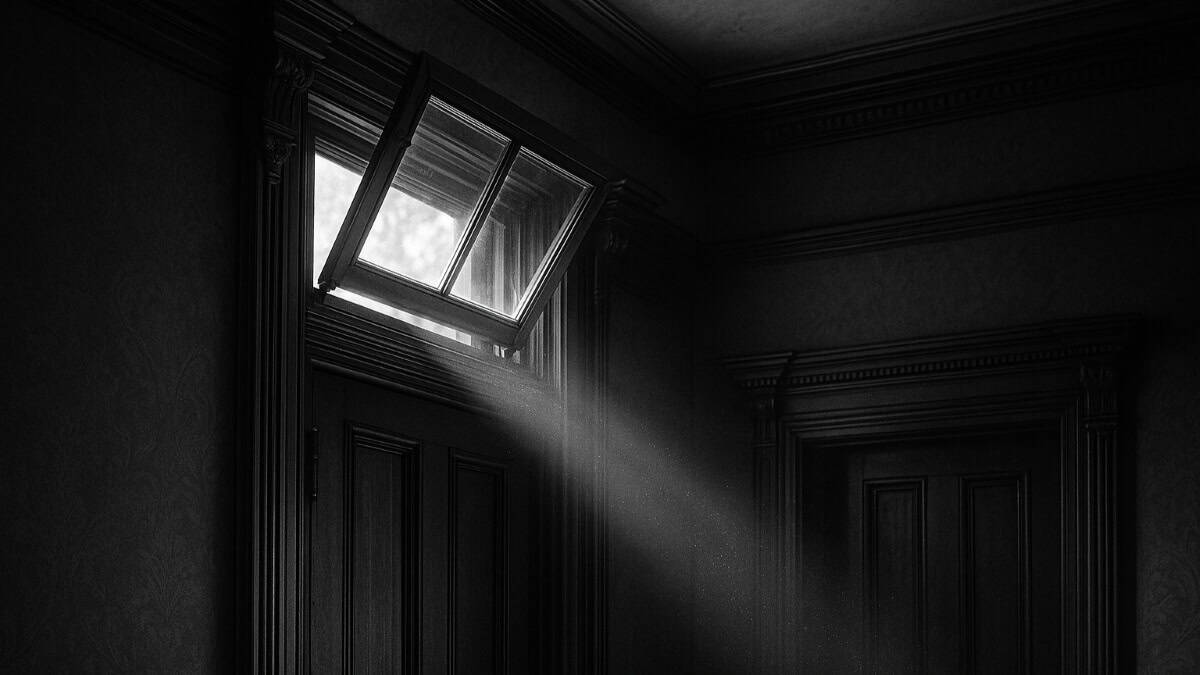
Those small windows above doors weren’t just for show. Transom windows were crucial for creating cross-ventilation throughout the house. Opening these windows allowed hot air to escape while drawing cooler air in through the lower windows. It was simple physics at work, and it made a world of difference in keeping indoor temperatures manageable.
3. Basement Retreats
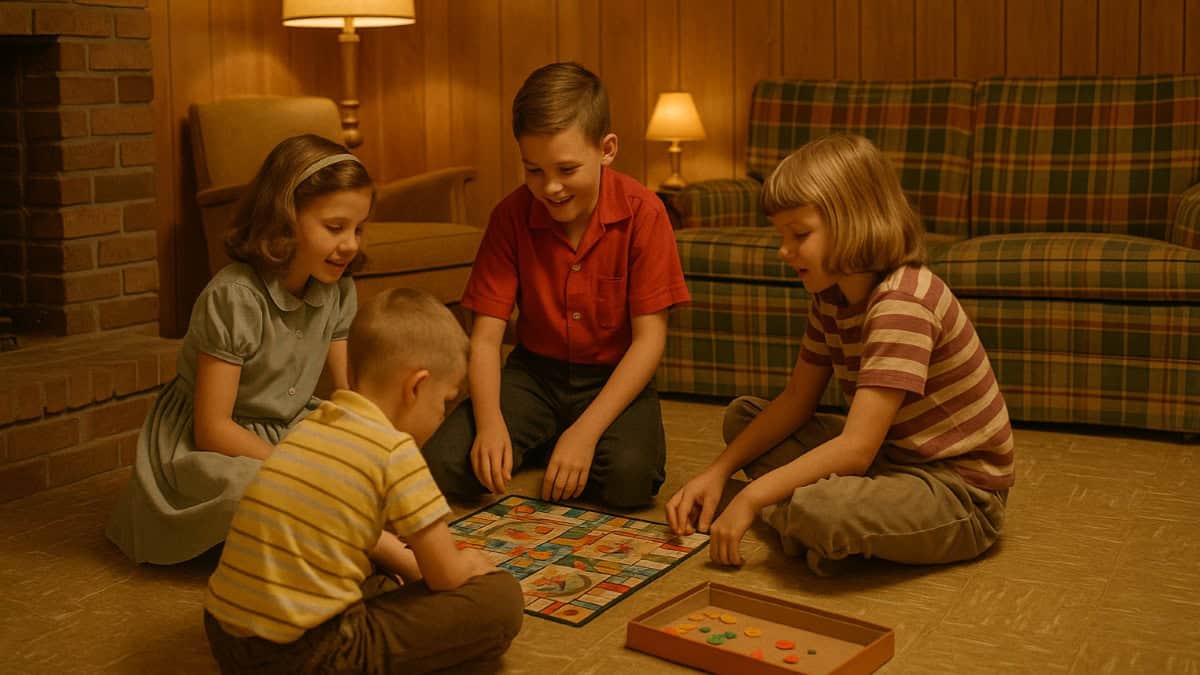
On scorching afternoons, the basement became everyone’s favorite hangout spot. These underground spaces stayed naturally cool, usually maintaining temperatures 10-15 degrees lower than upstairs. Families would set up card tables, bring down board games, and spend the hottest parts of the day in their cool basement sanctuary.
4. The Art of Window Management
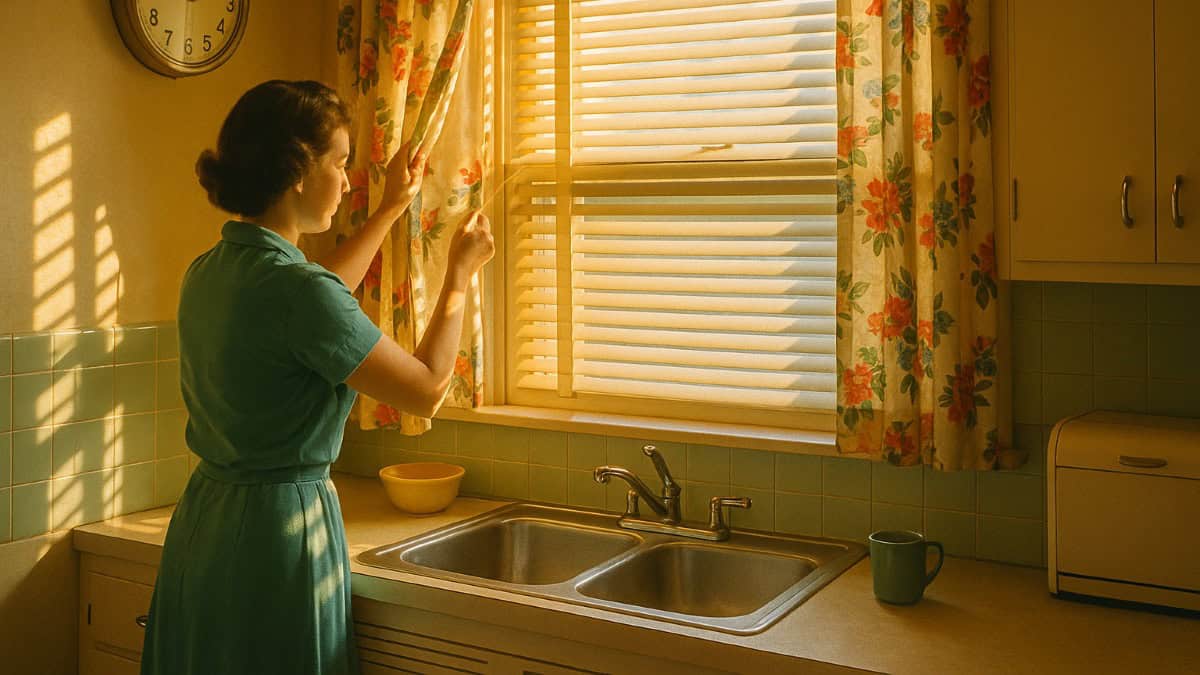
Every household had its own precise schedule for opening and closing windows. Open them early in the morning to let in cool air, close them and draw the shades before the sun hit, then open them again in the evening. This daily ritual was practically a science, passed down through generations like a family secret.
5. Hand Fan Culture

Paper fans were everywhere – in church pews, by bedsides, and tucked into pocketbooks. These weren’t just accessories; they were essential cooling tools. Many businesses and churches would provide advertising fans, making them both practical and a unique form of marketing. The gentle art of fan-waving became a social skill all its own.
6. The Ice Block Fan
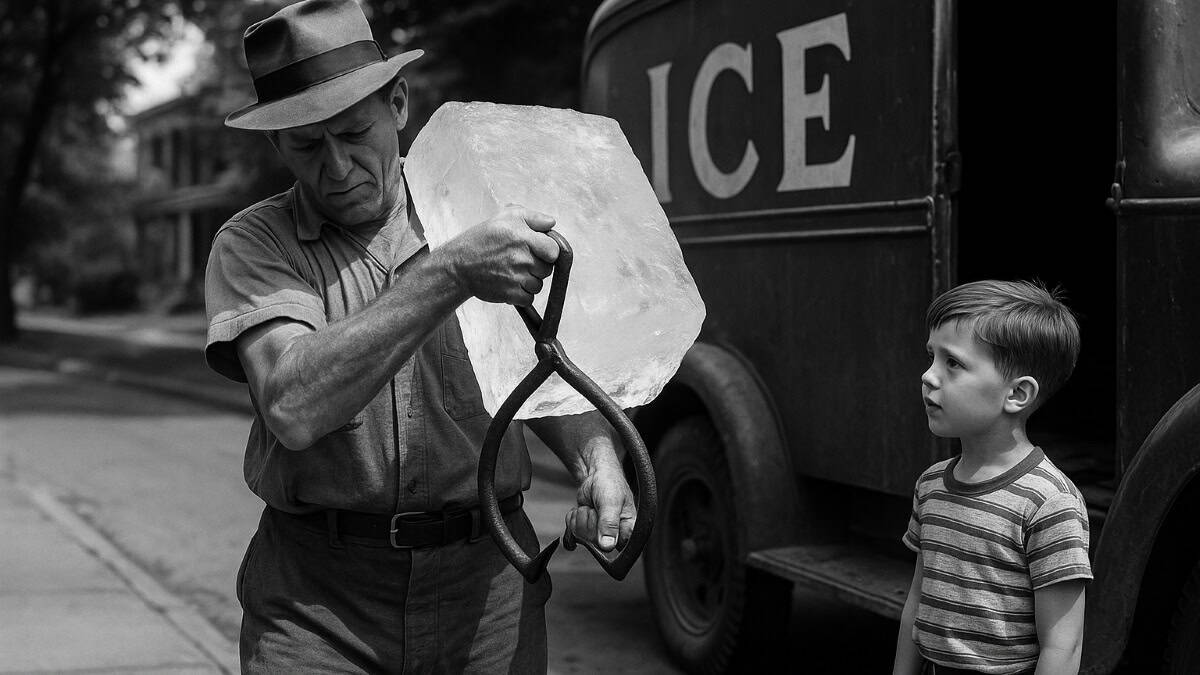
People would position a block of ice in front of a fan, creating a makeshift cooling system. The fan would blow air over the ice, creating a cool breeze throughout the room. Ice delivery men were essential workers during summer months, and families would carefully ration their ice blocks to last through the hottest parts of the day.
7. High Ceilings and Tall Windows
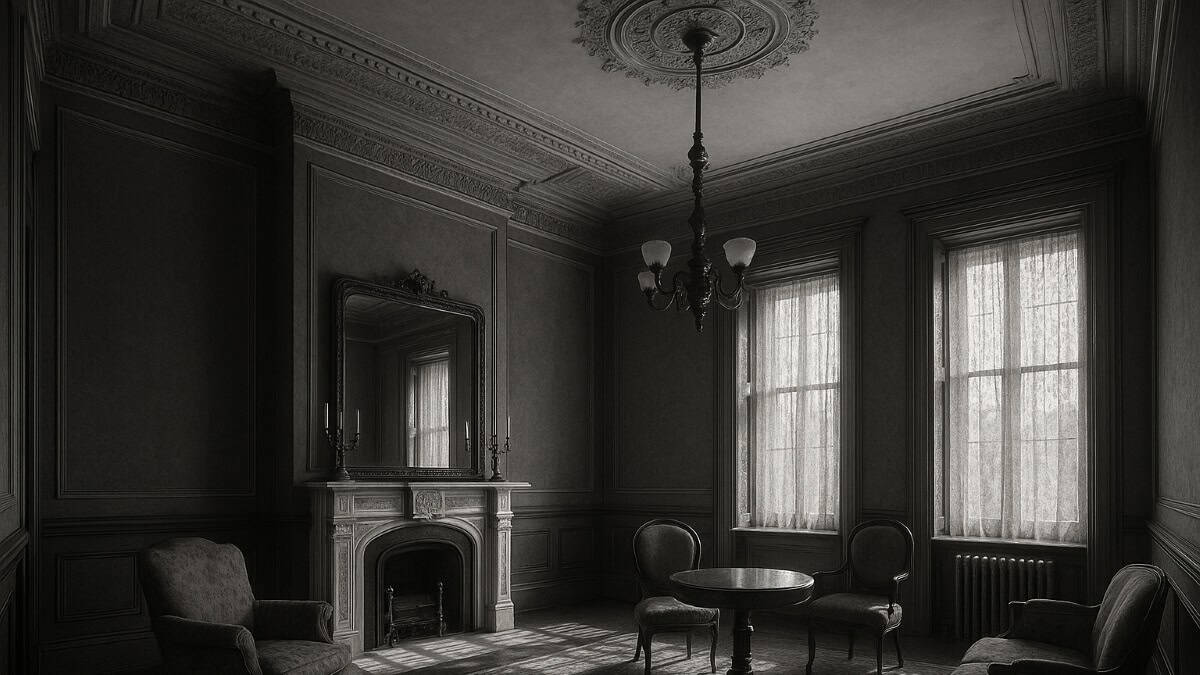
Old houses were built with high ceilings and tall windows for a reason. Hot air would rise to the ceiling while cooler air stayed at ground level where people lived and slept. These architectural features, combined with strategically placed windows, created natural air circulation that helped keep homes cooler.
8. Wet Sheet Trick
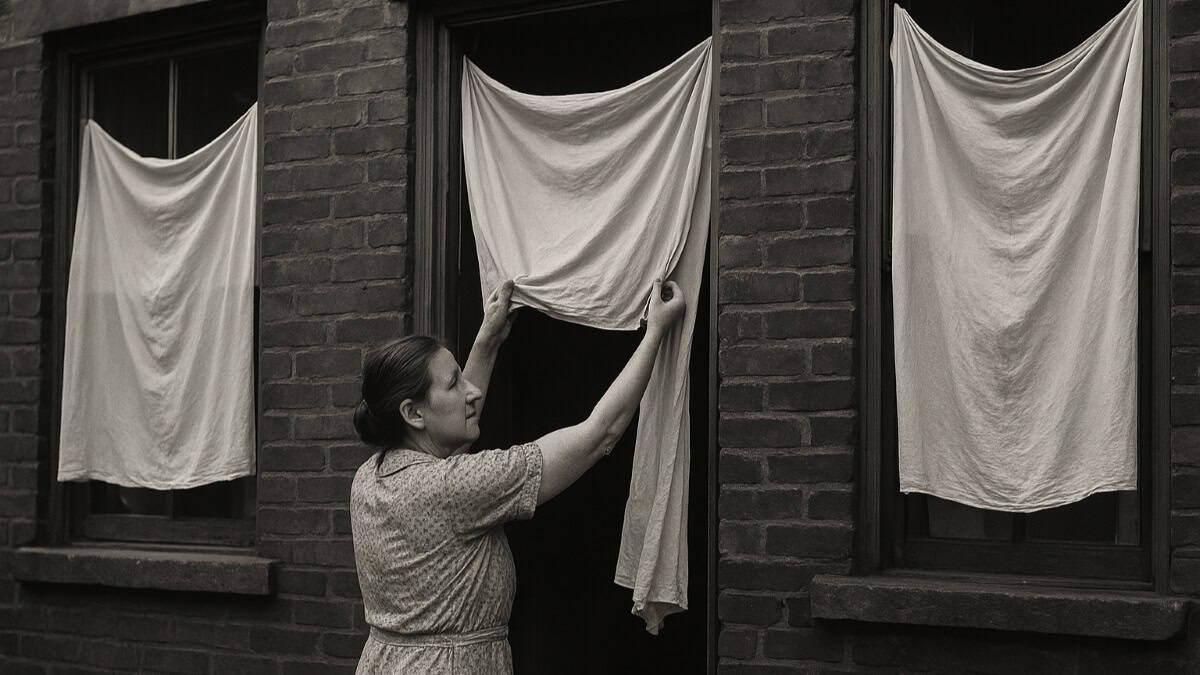
Hanging damp sheets in doorways or windows was a common cooling technique. As the breeze blew through the wet fabric, it created a cooling effect through evaporation. This method was especially popular in dry climates where the evaporation happened quickly and effectively.
9. Front Porch Living

The front porch wasn’t just for decoration – it was the family’s summer living room. Wide, shaded porches provided a cooler space to socialize, shell peas, or simply watch the world go by. Many porches were strategically designed to catch prevailing breezes while blocking the harsh afternoon sun.
10. Underground Food Storage

Root cellars and spring houses weren’t just for food storage – they were natural cooling retreats. These underground spaces maintained consistent cool temperatures year-round. Families would store perishables here, and sometimes even set up chairs for a brief escape from the summer heat.
11. Attic Fans

Before AC, many homes relied on powerful attic fans to cool the entire house. These massive fans would draw hot air up and out through the attic while pulling cooler night air in through the windows. The distinctive whirring sound of these fans was the soundtrack of summer nights, and many folks still swear they slept better with that gentle white noise.
12. Movie Theater Refuge
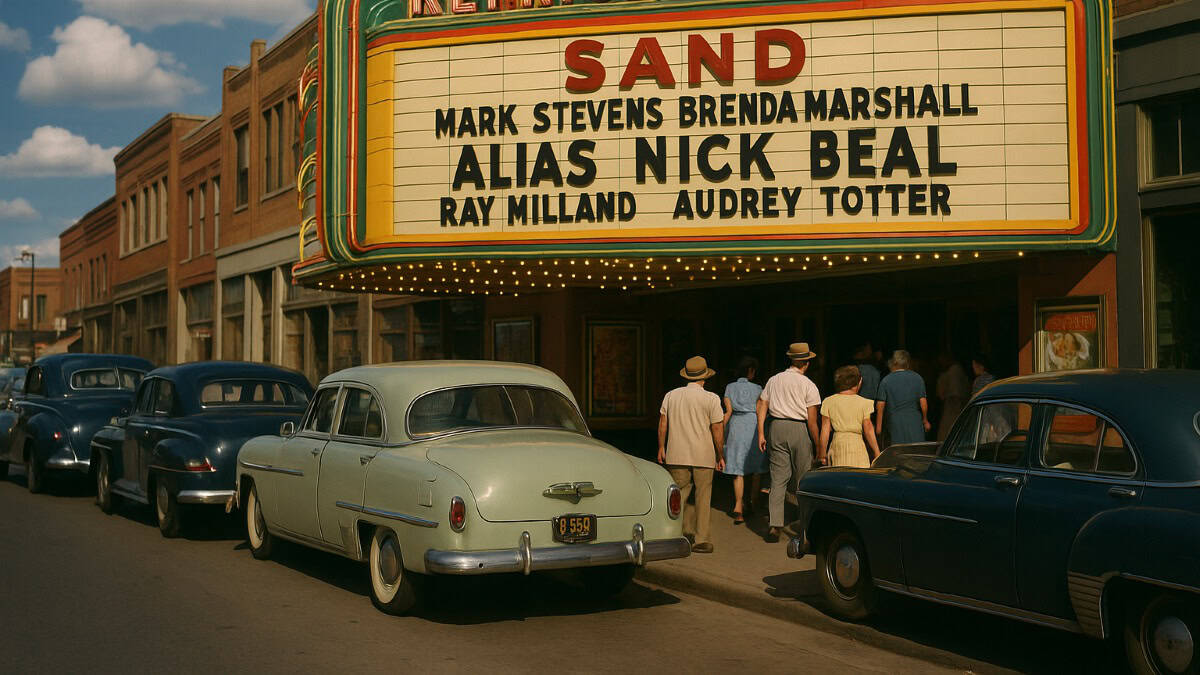
Movie theaters were among the first public spaces to get air conditioning, making them popular summer retreats. People would spend entire afternoons at the cinema, watching double features just to enjoy the cool air. Theater owners would advertise their “refrigerated air” right alongside the movie titles on their marquees.
13. The Summer Kitchen
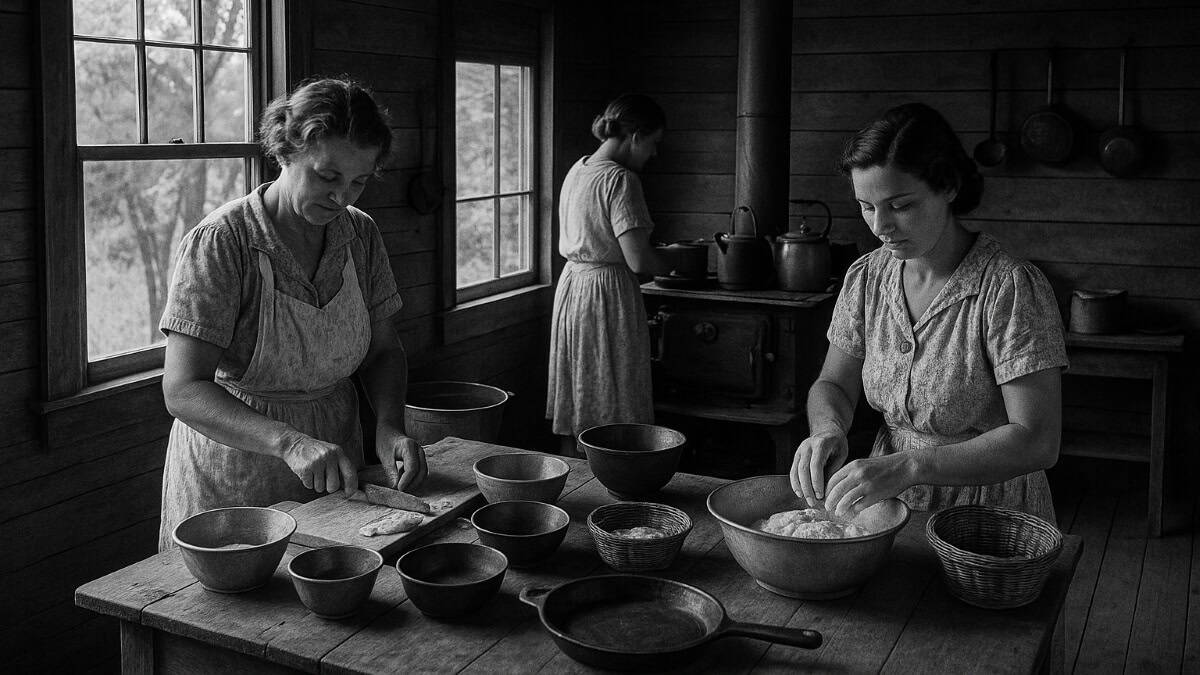
Many homes had separate summer kitchens – detached or semi-detached cooking spaces that kept the heat of cooking out of the main house. These practical spaces were often simple structures with good ventilation, and they helped keep the main house significantly cooler during the hot months. Some families would even eat their meals out there to avoid heating up the house.
14. Cool Drink Stations

Every porch had its water cooler or thermos of iced tea. These weren’t just for refreshment – they were survival stations during heat waves. Cold drinks were served in thick glasses that stayed cool longer, and recipes for cooling beverages like switchel (a mixture of water, vinegar, and ginger) were passed down through generations.
15. Shade Tree Planning

Our grandparents were masters at strategic tree planting. Deciduous trees were planted on the south and west sides of homes to provide shade during summer while allowing warming sunlight in winter. These living air conditioners could lower surrounding temperatures by up to 6 degrees Fahrenheit, and the planning of their placement was considered an essential part of home design.
16. The Window Fan System

Window fans were strategically placed throughout the house to create air circulation. The key was to have some fans blowing in and others blowing out, creating a cooling cross-breeze. Families would spend evenings debating the perfect fan placement, and everyone had their own theory about the most effective setup.
17. Swimming Holes

Before backyard pools became common, every community had its favorite swimming hole. These natural cooling spots – whether a creek, pond, or river – were social hubs during summer months. Kids would spend entire days splashing around while adults would wade in the shallows, sharing gossip and keeping an eye on the little ones.