Before helicopter parenting and constant digital surveillance, kids learned to navigate childhood through simple, sensible rules that kept us safe while allowing for adventure and growth. These were practical guidelines that taught us responsibility, street smarts, and self-reliance. Let’s remember these time-tested outdoor play rules that protected us while letting childhood flourish.
Table of Contents
- 1 1. The Street Light Rule
- 2 2. The Buddy System
- 3 3. The Distance Rule
- 4 4. Check-In Times
- 5 5. The Whistle Code
- 6 6. The Weather Check
- 7 7. The Safety House Network
- 8 8. The Bike Safety Code
- 9 9. The Equipment Check
- 10 10. The Water Safety Rules
- 11 11. The Stranger Protocol
- 12 12. The Tool Rules
- 13 13. The First Aid Basics
- 14 14. The Group Decision Rule
- 15 15. The Weather Gear Rule
- 16 16. The Animal Awareness Rule
- 17 17. The Respect Property Rule
1. The Street Light Rule
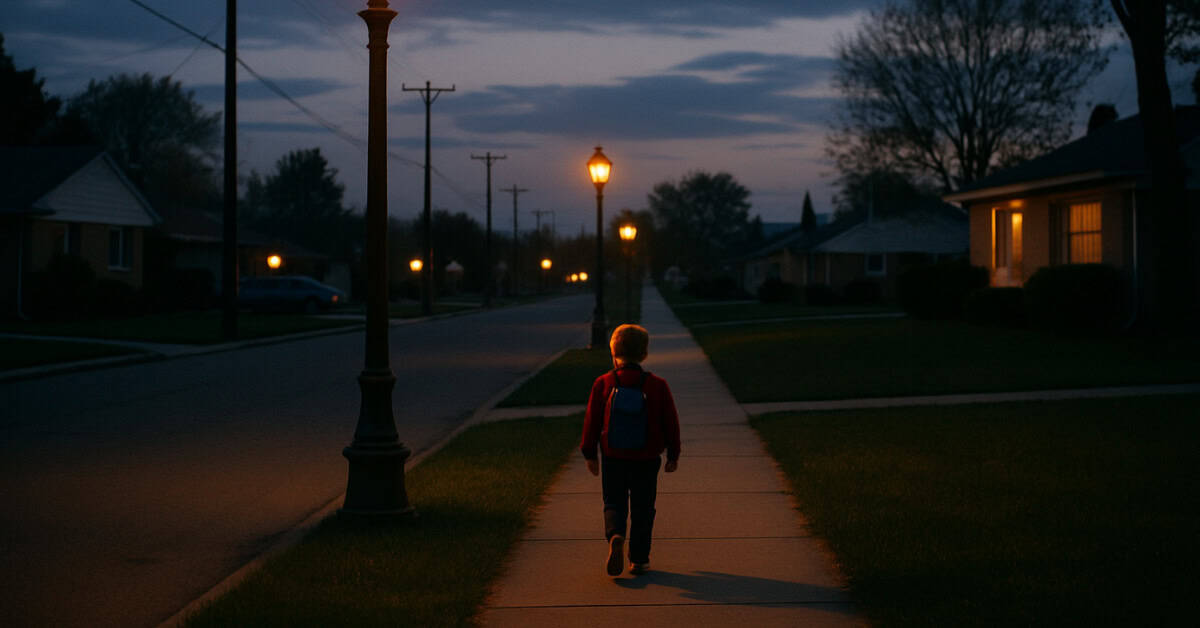
“Be home when the street lights come on” was the universal signal that playtime was over. This natural timer taught us to track time and respect boundaries without constant checking in. The gradual dimming of daylight gave plenty of warning, and everyone in the neighborhood operated on the same schedule, making it easy to follow.
Save for later
Want to come back to this story? Save it with your email so it is easy to find again.
2. The Buddy System
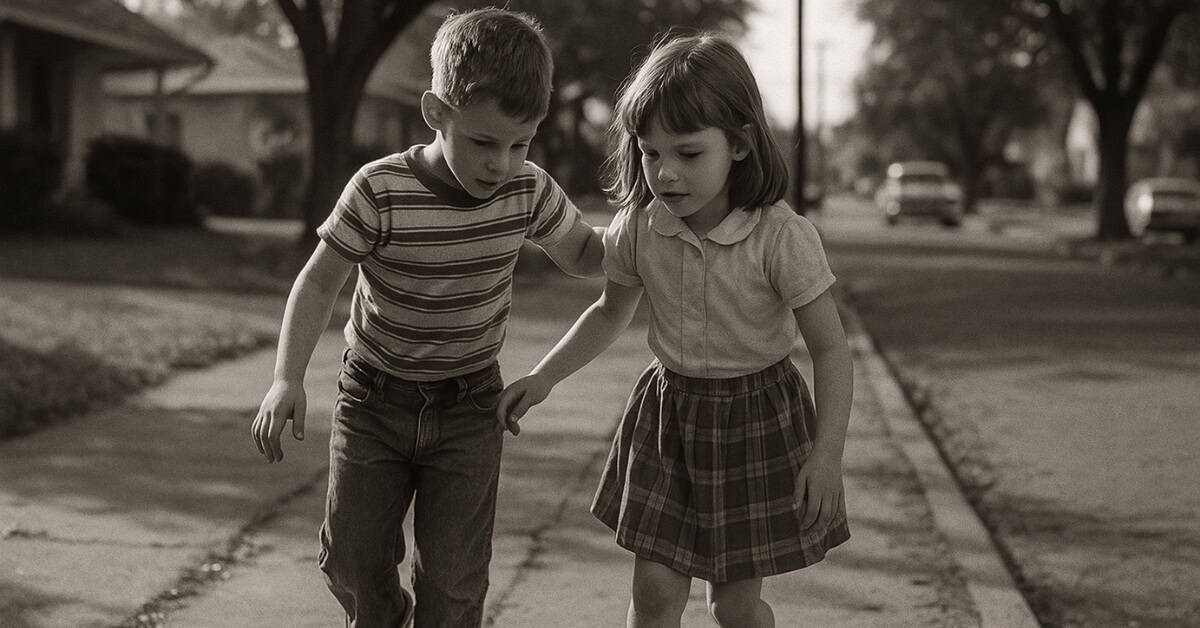
Never playing alone wasn’t just about safety – it taught cooperation and responsibility for others. Having a buddy meant someone always knew where you were and could get help if needed. This simple rule built lasting friendships while providing practical protection.
3. The Distance Rule
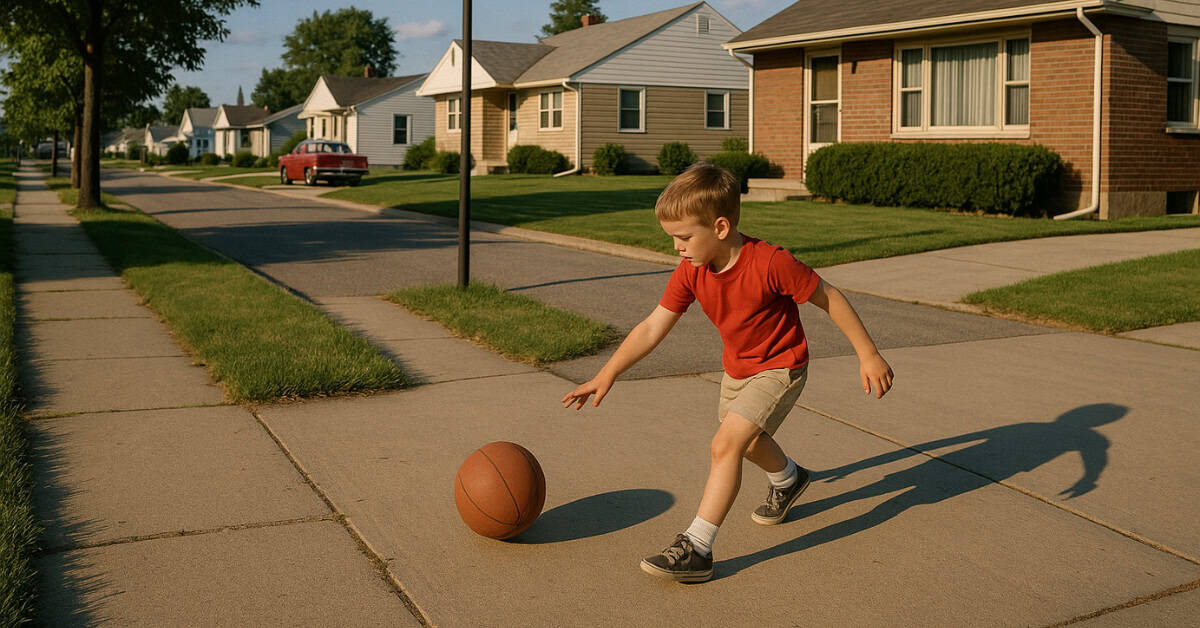
Staying within earshot of Mom’s call or within specific neighborhood boundaries taught us spatial awareness and respect for limits. These clear physical boundaries were easy to understand and follow, giving us freedom within safe parameters.
4. Check-In Times
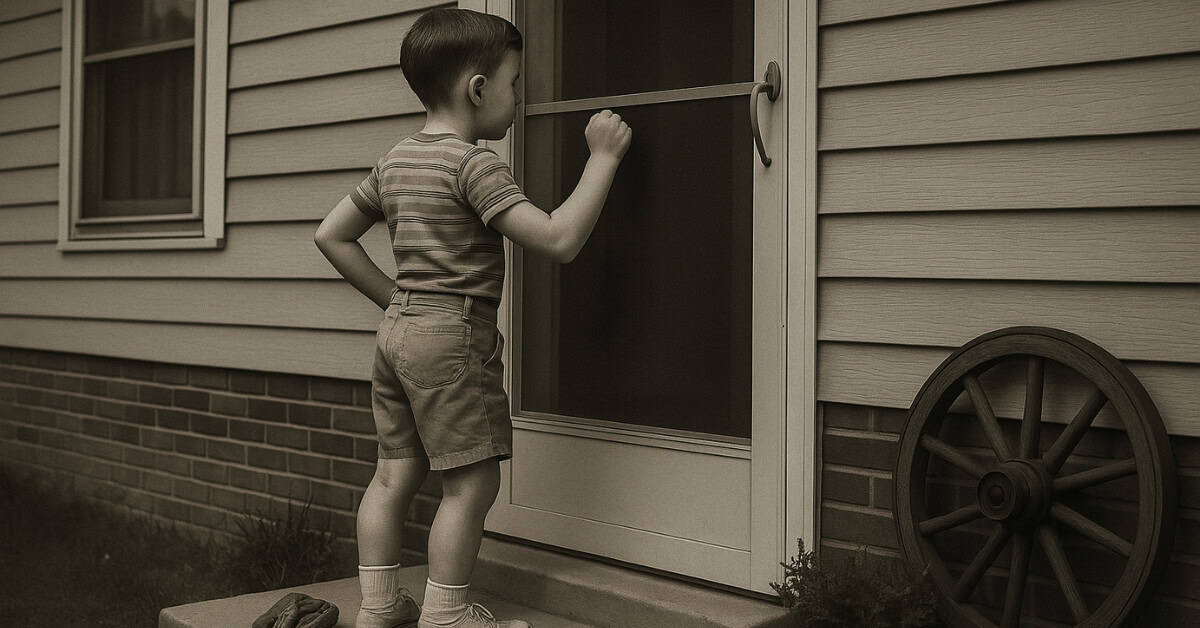
Regular check-ins, often at mealtimes, kept parents informed without constant monitoring. These natural breaks in play helped us learn time management and responsibility while ensuring our safety.
5. The Whistle Code

Different whistle patterns meant different messages – come home, check in, or emergency. This simple communication system worked across long distances and through neighborhood noise, teaching us to be responsive and alert.
6. The Weather Check

Reading weather signs and knowing when to seek shelter taught natural awareness. Understanding that dark clouds meant coming inside helped us develop judgment and self-preservation skills.
7. The Safety House Network
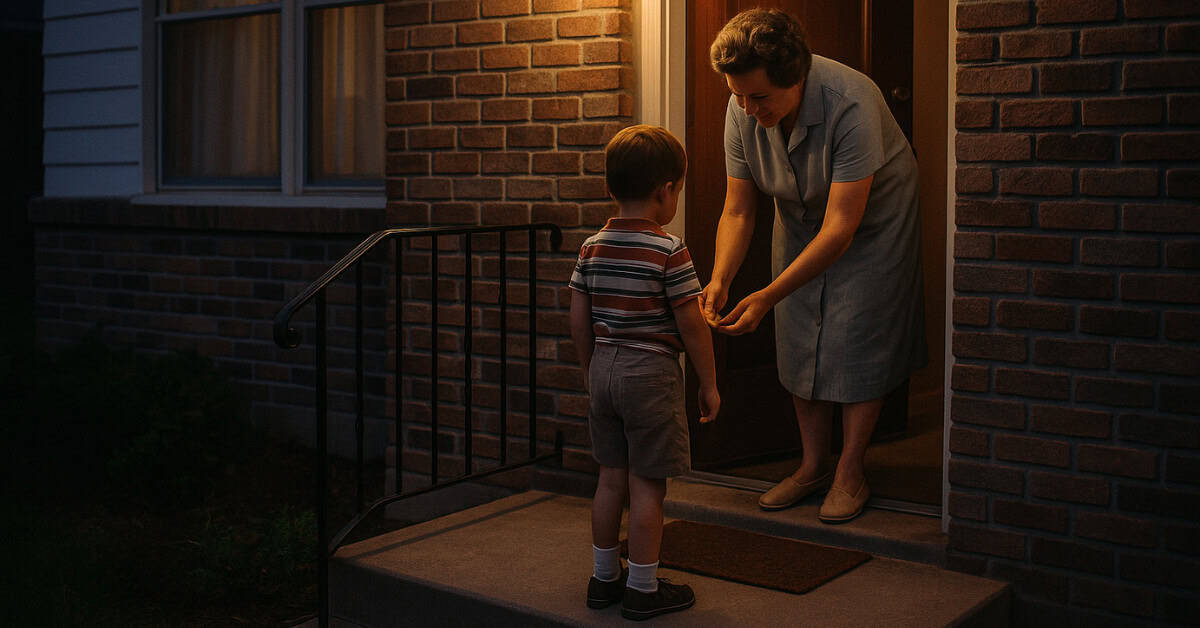
Knowing which neighbors’ houses were “safe spots” created a community safety net. These trusted homes provided emergency bathrooms, band-aids, and help when needed. This system taught us to build community connections while ensuring help was always nearby.
8. The Bike Safety Code
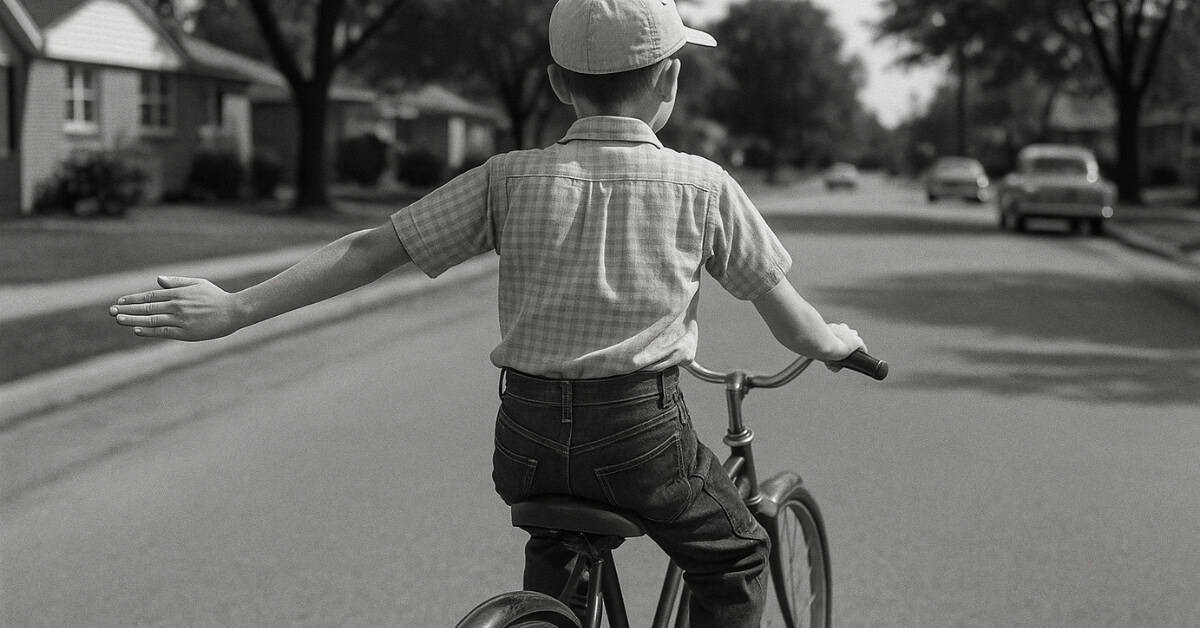
Hand signals, traffic rules, and designated safe routes made bicycle riding fun and secure. Learning these rules taught traffic awareness and responsibility without restricting our mobility. The freedom of two wheels came with clear safety expectations.
9. The Equipment Check
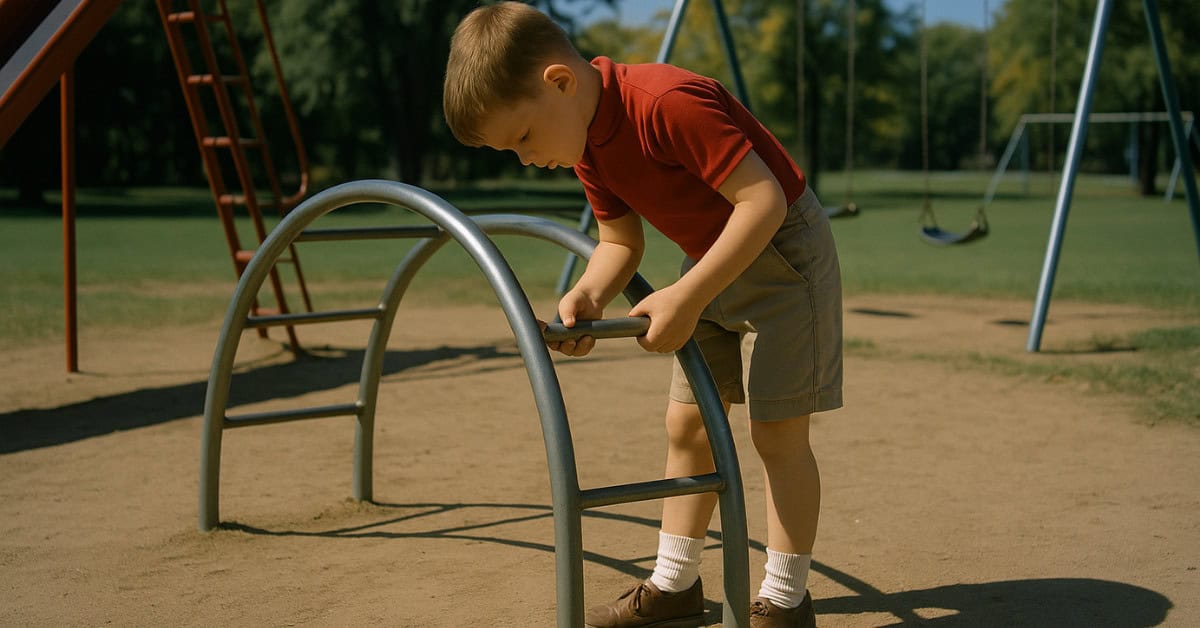
Testing playground equipment before use and checking bike chains before riding taught preventive safety. This habit of equipment inspection became second nature and prevented many accidents. We learned to trust our judgment about what was safe.
10. The Water Safety Rules

No swimming alone, waiting after eating, and staying in designated areas made water activities safe without spoiling the fun. These straightforward guidelines taught respect for water’s power while allowing us to enjoy summer swimming.
11. The Stranger Protocol

Simple rules about stranger interaction taught street smarts without creating paranoia. The family password system and knowing safe adults in the neighborhood helped us navigate potential dangers confidently.
12. The Tool Rules

Learning proper use of tools – from pocket knives to hammers – taught responsibility and respect for dangerous items. Clear guidelines about when and how to use tools safely gave us practical skills while preventing accidents.
13. The First Aid Basics

Knowing how to handle minor injuries and when to get adult help built confidence and self-reliance. Basic first aid knowledge let us handle small scrapes while recognizing serious situations that needed attention.
14. The Group Decision Rule

If anyone in the group felt something was unsafe, everyone stopped. This democratic approach to safety taught peer responsibility and respect for others’ comfort levels. It created a culture of looking out for each other.
15. The Weather Gear Rule

Proper clothing for different weather conditions was non-negotiable. This rule taught planning ahead and understanding how to stay safe in various conditions. We learned to take responsibility for our own comfort and safety.
16. The Animal Awareness Rule
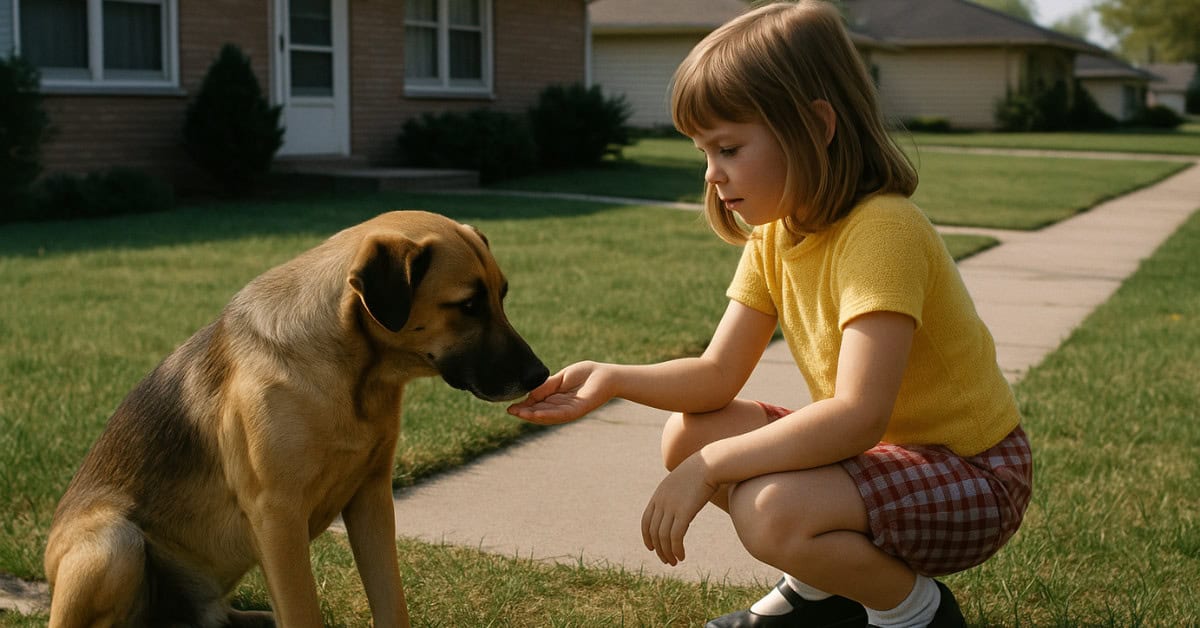
Understanding how to interact safely with pets and wild animals helped prevent dangerous situations. These guidelines taught respect for animals while keeping everyone safe. We learned which animals to avoid and how to read animal behavior.
17. The Respect Property Rule

Knowing how to ask permission before entering others’ yards and respecting private property taught consideration and boundaries. This rule helped maintain good neighborhood relationships while keeping us safe in known territories.