Growing up before the era of participation trophies taught us valuable life lessons about competition, achievement, and dealing with disappointment. We learned early that not everyone gets a prize, and that reality shaped our understanding of success and failure. Here’s a look back at experiences that built character in ways that might seem foreign to today’s youth.
Table of Contents
- 1 1. Real Competition in School Sports
- 2 2. Being Cut from Teams
- 3 3. Academic Rankings
- 4 4. Playground Hierarchy
- 5 5. Real Grades Without Curves
- 6 6. Earning Allowance
- 7 7. Musical Chair Reality
- 8 8. Spelling Bee Pressure
- 9 9. Science Fair Winners
- 10 10. Competitive Tryouts
- 11 11. Pick-up Game Rules
- 12 12. Real Birthday Party Games
- 13 13. Merit-Based Recognition
- 14 14. Skill-Based Advancement
- 15 15. Competitive Art Shows
- 16 16. Academic Competitions
- 17 17. Summer Job Competition
1. Real Competition in School Sports

Only one team won the championship, and only the winners got trophies. This wasn’t just about sports – it taught us that success requires effort and that losing is part of life. The sting of defeat motivated us to work harder next time.
Save for later
Want to come back to this story? Save it with your email so it is easy to find again.
2. Being Cut from Teams

Not everyone made the team, and that was okay. We learned to handle rejection, improve our skills, or find activities better suited to our abilities. These early lessons in accepting limitations and redirecting efforts shaped realistic self-awareness.
3. Academic Rankings

Honor rolls and class rankings were publicly posted. There was no cushioning the reality of where you stood academically. This transparency motivated achievement and taught us to either work harder or accept our capabilities honestly.
4. Playground Hierarchy

The playground had natural leaders and followers, with social status earned through ability, personality, or achievement. This organic social order taught us about leadership, group dynamics, and finding our place in social structures.
5. Real Grades Without Curves
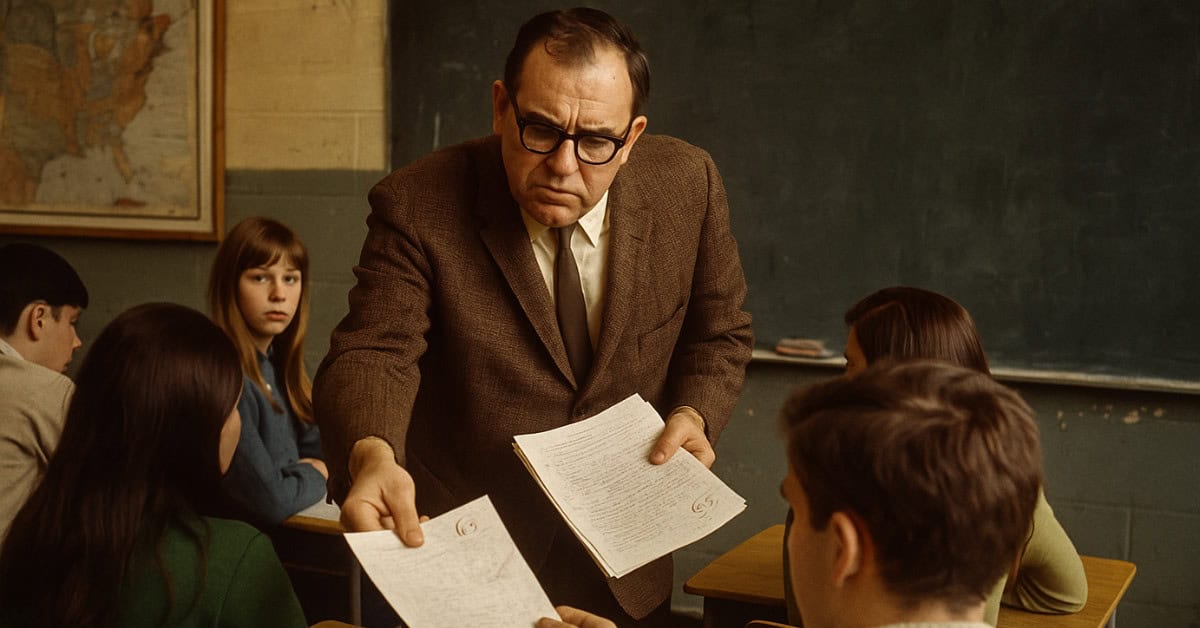
An F meant failure, plain and simple. Teachers didn’t adjust grades to make everyone pass. This direct feedback system taught us that results matter and that improvement requires genuine effort.
6. Earning Allowance

Money wasn’t handed out just for existing. Allowances were earned through actual work and could be withheld for poor performance. This system taught us the direct connection between effort and reward.
7. Musical Chair Reality

Games like musical chairs taught us that sometimes there aren’t enough spots for everyone. Learning to handle elimination with grace was as important as the competitive drive to win.
8. Spelling Bee Pressure

Standing in front of the class during spelling bees meant facing real pressure. Wrong answers meant public elimination, teaching us to handle stress and accept defeat gracefully.
9. Science Fair Winners

Science fairs had clear winners and losers. Not every volcano or plant growth experiment earned a ribbon, teaching us that innovation and execution quality matter.
10. Competitive Tryouts

Whether for sports, choir, or school plays, tryouts meant real competition. No guaranteed spots meant learning to handle both success and rejection while respecting others’ talents.
11. Pick-up Game Rules

Neighborhood games had winners and losers, with rules enforced by the kids themselves. This self-regulation taught fairness, negotiation, and accepting outcomes without adult intervention.
12. Real Birthday Party Games

Party games had actual winners who got prizes. Not everyone went home with a goody bag, and that was normal. These social events taught us to celebrate others’ success and handle disappointment.
13. Merit-Based Recognition

Awards were given for genuine achievement, not just participation. This made recognition meaningful and motivated real effort toward excellence rather than mere presence.
14. Skill-Based Advancement

Whether in swimming lessons or scout badges, advancement required demonstrating actual skills. No one moved forward without meeting specific standards, teaching us the value of genuine achievement.
15. Competitive Art Shows
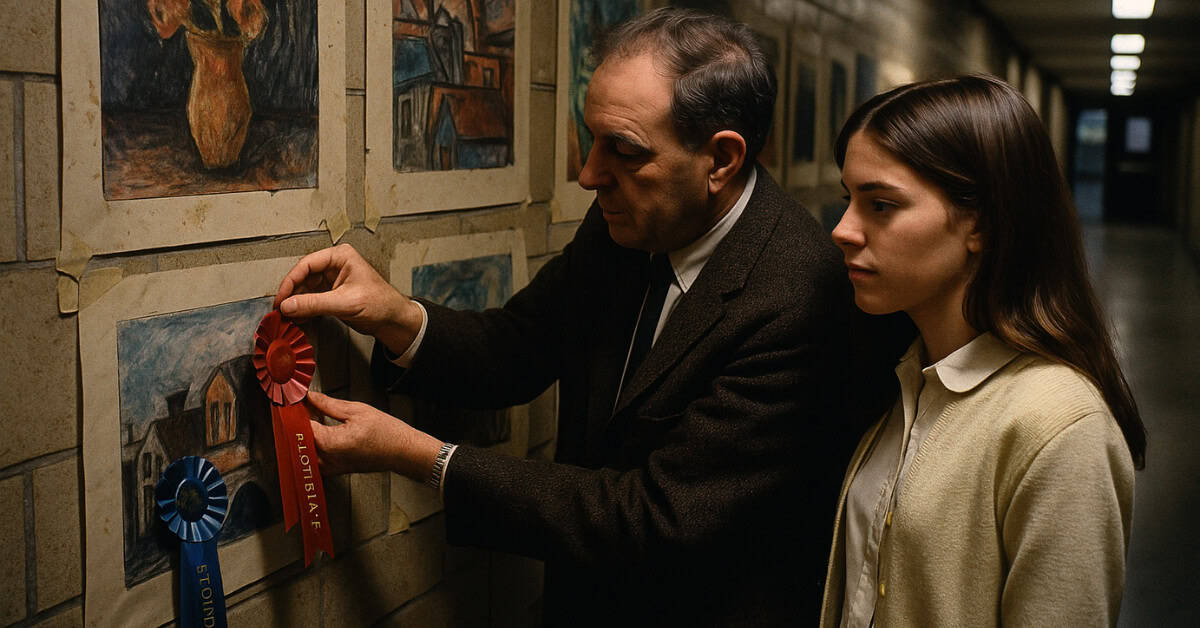
Art competitions had clear winners, teaching us that creative efforts could be judged on merit. This helped us understand the balance between subjective appreciation and objective skill.
16. Academic Competitions

Math contests, debate tournaments, and quiz bowls had clear winners based on performance. These competitions taught us to prepare thoroughly and handle intellectual challenges.
17. Summer Job Competition

Summer jobs weren’t guaranteed – you had to compete for positions and prove your worth. This early exposure to job market reality taught valuable lessons about work ethic and professional competition.