The 1960s—a decade of change, innovation, and what we now fondly remember as the “good ol’ days.” Home life transformed with modern conveniences that were considered luxuries at the time. Let’s take a nostalgic journey back to explore the items that made our homes feel like a dream come true.
Table of Contents
- 1 1. Color Television
- 2 2. Electric Dishwasher
- 3 3. Wall-to-Wall Carpeting
- 4 4. Central Air Conditioning
- 5 5. Built-in Ovens
- 6 6. Home Intercom Systems
- 7 7. Automatic Washing Machines
- 8 8. Hi-Fi Stereo Systems
- 9 9. Rotary Telephones
- 10 10. Electric Can Opener
- 11 11. Formica Kitchen Countertops
- 12 12. Lava Lamps
- 13 13. Shag Carpeting
- 14 14. Standalone Freezer
- 15 15. Electric Toothbrush
- 16 16. Microwave Oven
- 17 17. Portable Record Player
1. Color Television
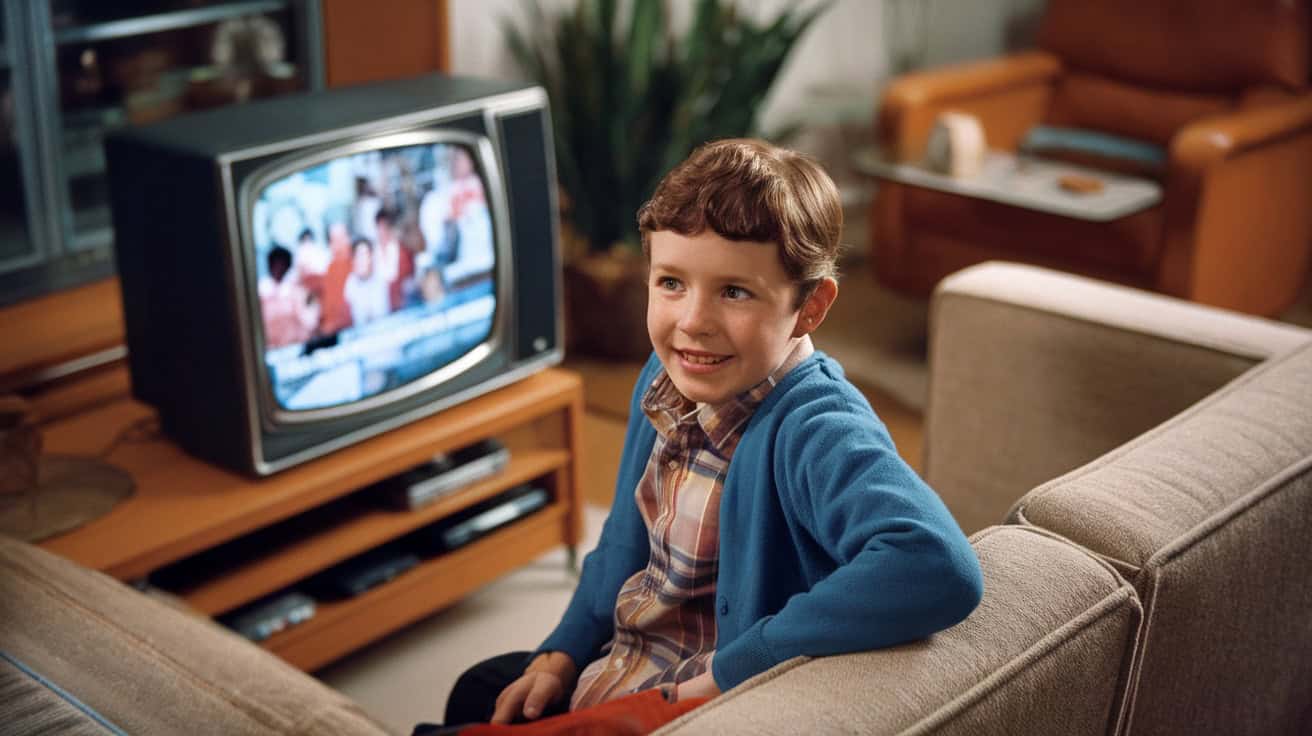
Remember the excitement of gathering around the color television set? In the 1960s, having a color TV was the ultimate status symbol. It brought shows like “The Wonderful World of Disney” to life, transforming living rooms into vibrant hubs of entertainment. Watching your favorite programs in color was nothing short of magical.
Save for later
Want to come back to this story? Save it with your email so it is easy to find again.
2. Electric Dishwasher

The electric dishwasher was a game-changer for 1960s households, freeing up time for more leisure activities. No longer did families have to spend evenings hand-washing dishes, as this modern marvel took over the chore. It was a symbol of progress and a must-have for the modern homemaker.
3. Wall-to-Wall Carpeting

Wall-to-wall carpeting was the height of home luxury in the ’60s, adding warmth and comfort underfoot. Available in a range of vibrant colors and patterns, it was a way to personalize your space and show off a bit of flair. Carpeting was a cozy addition that made any home feel more inviting.
4. Central Air Conditioning
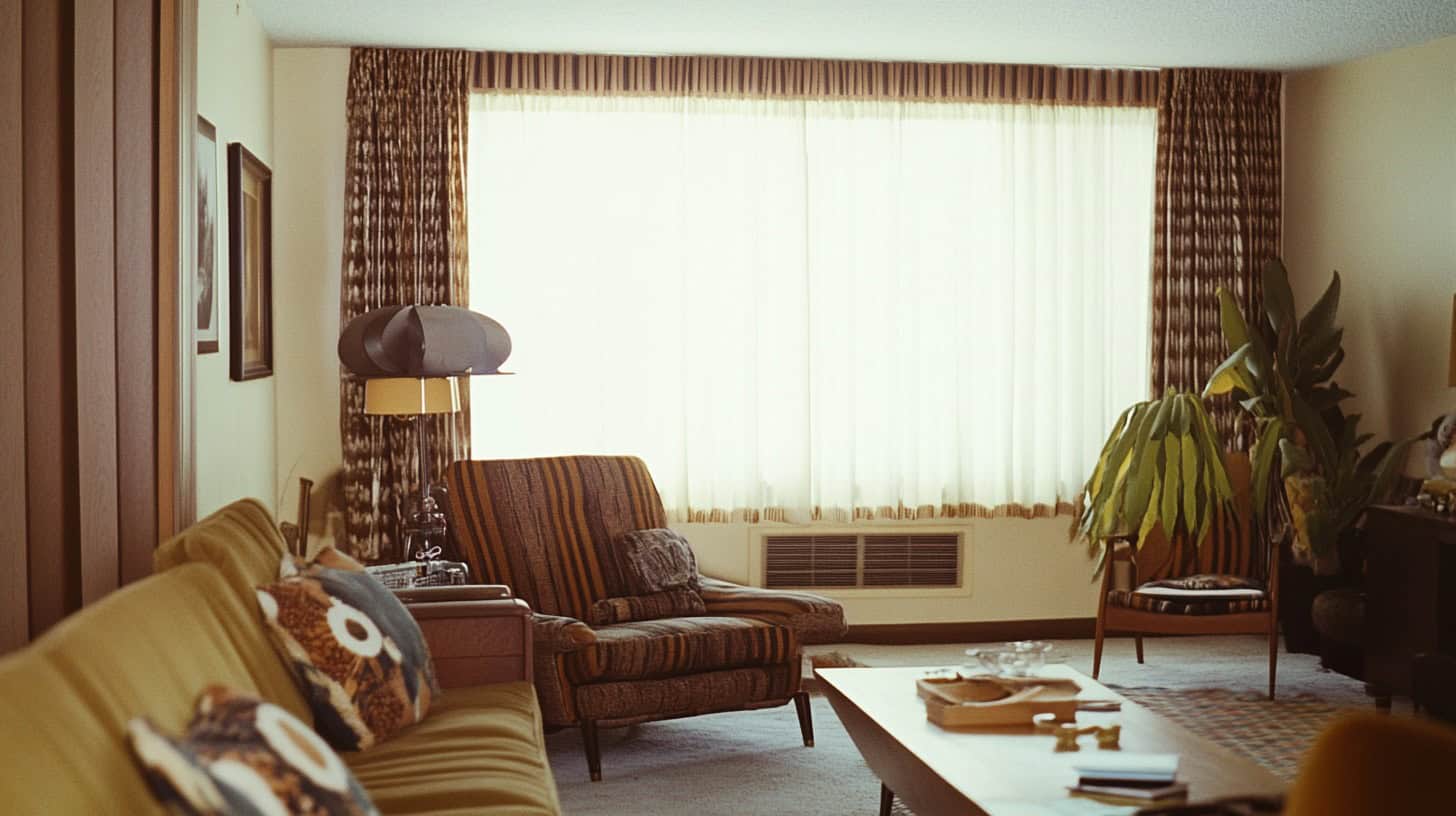
Central air conditioning was a luxury that few could afford in the 1960s, but those who did enjoyed cool comfort during hot summer months. It was a revolutionary change from window units, providing consistent temperature control throughout the home. This comfort was a true sign of modern living.
5. Built-in Ovens

Built-in ovens were the epitome of modern kitchen convenience, allowing for more streamlined cooking experiences. They freed up counter space and provided a sleek look to the kitchen. As culinary trends evolved, these ovens became indispensable in creating delicious homemade meals.
6. Home Intercom Systems

Home intercom systems were the high-tech gadgets of the ’60s, offering families a way to communicate across rooms without yelling. They were considered a luxury, adding a futuristic touch to suburban homes. Perfect for calling the kids to dinner or checking in with family members.
7. Automatic Washing Machines
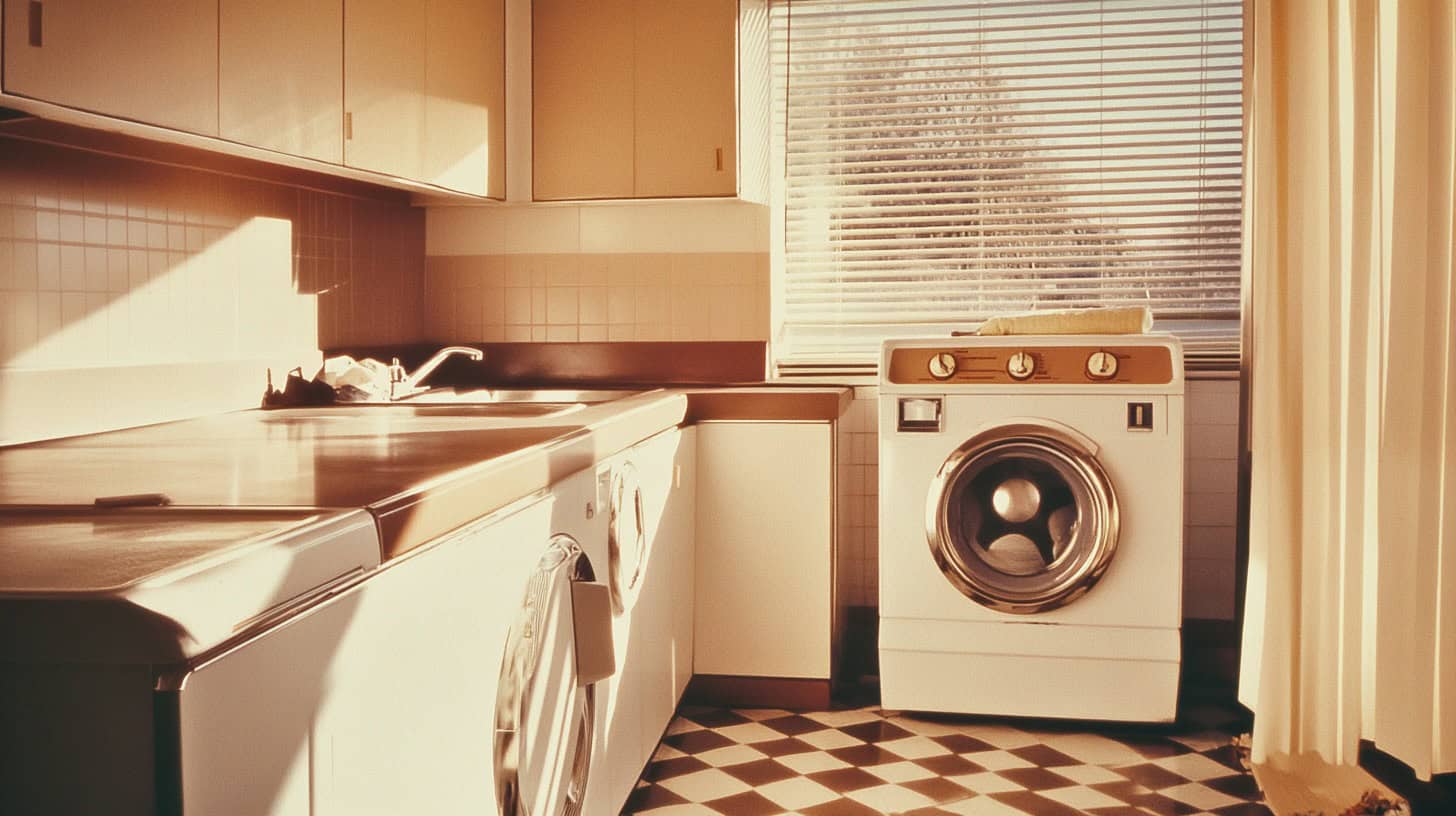
The introduction of automatic washing machines transformed laundry day into a less labor-intensive task. These machines offered settings for different fabric types and cycle speeds, a luxury that allowed for more efficient cleaning. They were a big step forward in home appliance convenience.
8. Hi-Fi Stereo Systems

Hi-Fi stereo systems brought high-quality sound into the home, elevating music listening to a new level. They were a prized possession for music lovers, offering rich, full sound for playing vinyl records. A staple in many living rooms, they made every gathering a musical event.
9. Rotary Telephones
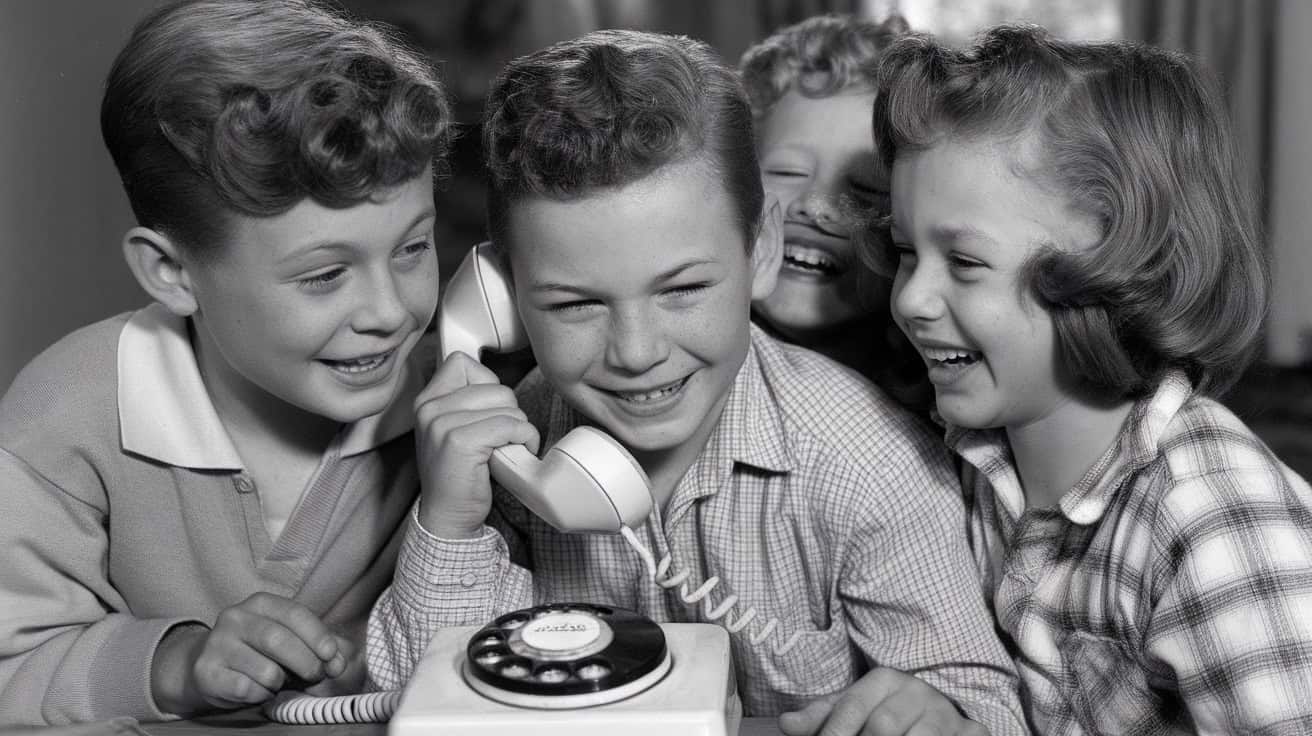
Rotary telephones were more than just communication devices; they were design icons of the 1960s. With their distinctive dial and sturdy construction, they connected families to the world. Owning a sleek model was considered a luxury, adding style to the home while facilitating connection.
10. Electric Can Opener
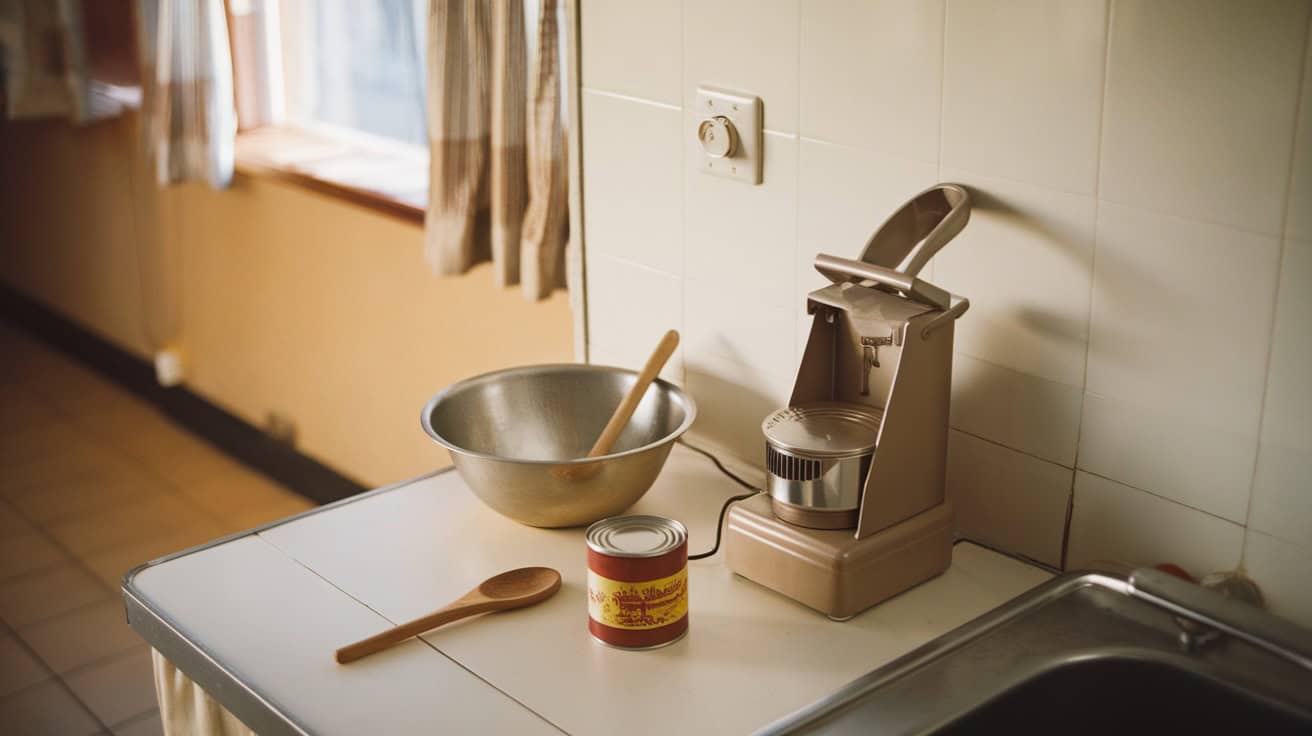
The electric can opener simplified meal prep and was a coveted kitchen gadget. It eliminated the need for manual can openers, making opening cans quick and effortless. This small appliance was a luxury that reflected the era’s fascination with automation and convenience.
11. Formica Kitchen Countertops
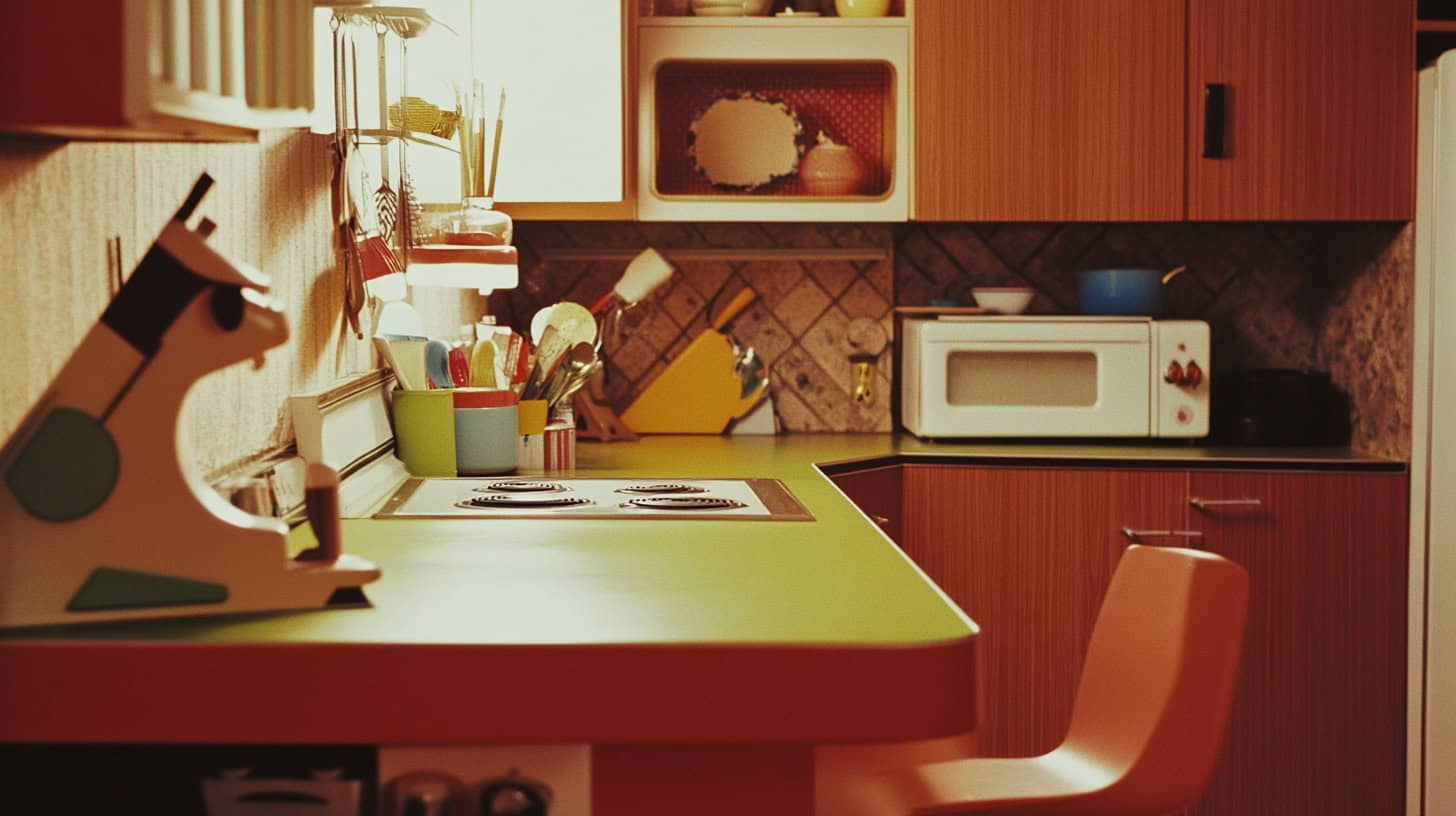
Formica countertops became popular for their durability and stylish appearance. Available in an array of colors and patterns, they offered homeowners a modern look that was easy to clean and maintain. This innovation was a practical luxury, symbolizing the era’s focus on design and functionality.
12. Lava Lamps

Lava lamps were the quintessential 1960s décor item, adding a psychedelic vibe to any room. Their mesmerizing flow of wax bubbles was both a conversation starter and a relaxation tool. Owning one was a luxury that reflected the decade’s penchant for bold, eye-catching designs.
13. Shag Carpeting

Shag carpeting, with its long fibers and plush texture, was a luxurious addition to any 1960s home. It provided a cozy, comfortable surface, often in bold colors that matched the decade’s daring design trends. Shag carpets were a status symbol, indicating a flair for fashion and comfort.
14. Standalone Freezer

Standalone freezers were a luxury that enabled families to stock up on meats and frozen goods, a convenience for the busy household. These appliances represented an era of growing consumerism and food storage innovations, making them a prized possession for families who valued preparedness.
15. Electric Toothbrush

The electric toothbrush was a futuristic addition to personal hygiene routines, promising better dental care with less effort. As a luxury item, it signified the shift towards automated gadgets that simplified everyday tasks, adding a touch of sophistication to daily life.
16. Microwave Oven

The microwave oven was a revolutionary device that changed how families cooked, offering speed and convenience. Though initially expensive, it quickly became a luxury that many aspired to own. As cooking technology advanced, the microwave became a staple in modern kitchens.
17. Portable Record Player

Portable record players brought music on-the-go, allowing for impromptu dance parties and gatherings. They were a cherished luxury for music enthusiasts, enabling them to enjoy their favorite tunes anywhere. This innovation was emblematic of the era’s love for music and social connection.