You know, looking back on all those pearls of wisdom our parents shared with us in the 50s and 60s, it’s amazing how much truth was packed into their sometimes-annoying advice. Sure, we rolled our eyes back then, but time has proven them right about so many things. Let’s take a stroll down memory lane and revisit some of that sage advice that’s more relevant than ever.
Table of Contents
- 1 1. “Money Doesn’t Grow on Trees”
- 2 2. “Eat Your Vegetables”
- 3 3. “Go Play Outside”
- 4 4. “A Penny Saved Is a Penny Earned”
- 5 5. “Don’t Sit So Close to the TV”
- 6 6. “Make Your Bed Every Morning”
- 7 7. “Write Thank You Notes”
- 8 8. “Don’t Slouch”
- 9 9. “Early to Bed, Early to Rise”
- 10 10. “Clean Your Plate”
- 11 11. “If You Can’t Say Something Nice…”
- 12 12. “Money Can’t Buy Happiness”
- 13 13. “Always Wear Clean Underwear”
- 14 14. “Don’t Put Off Until Tomorrow”
- 15 15. “Mind Your Manners”
- 16 16. “A Place for Everything”
- 17 17. “Learn to Cook”
- 18 18. “Get a Good Education”
1. “Money Doesn’t Grow on Trees”
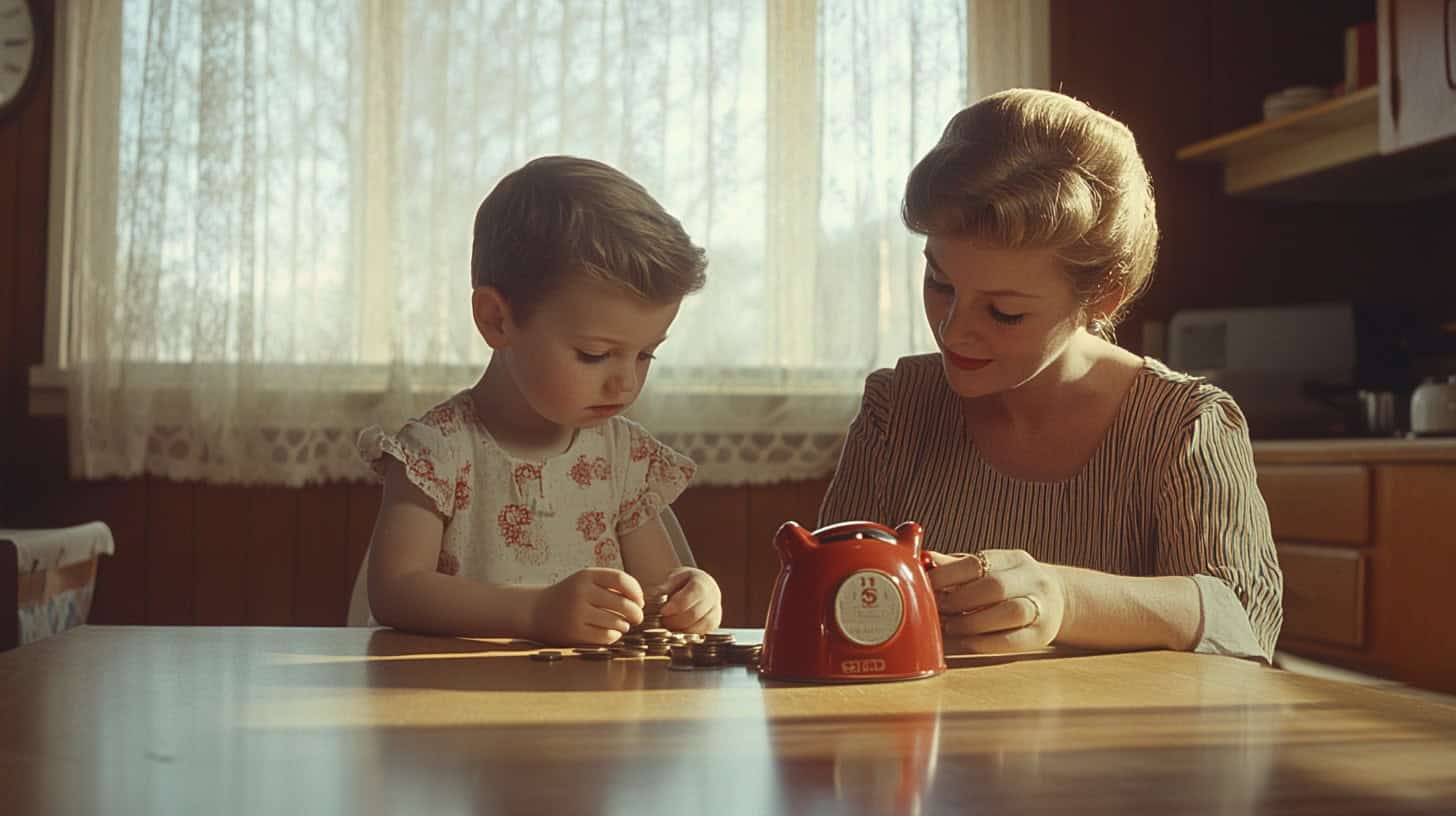
Remember how we’d beg for those fancy new Keds or that transistor radio? Mom and Dad’s constant reminders about the value of money weren’t just nagging – they were teaching us fundamental financial literacy. Today’s studies show that children who learn early money management are 32% more likely to have healthy financial habits as adults. The simple practice of saving birthday money and earning allowance through chores built a foundation for financial responsibility that serves us well in retirement.
Save for later
Want to come back to this story? Save it with your email so it is easy to find again.
2. “Eat Your Vegetables”

Those dinner table battles over Brussels sprouts and lima beans seem almost comical now. Modern nutritional science has proven that our parents’ insistence on eating vegetables was spot-on. The antioxidants, fiber, and nutrients in those dreaded greens help prevent heart disease, maintain healthy blood pressure, and support cognitive function. Who knew Mom’s garden-fresh vegetables were actually a prescription for longevity?
3. “Go Play Outside”

Being shooed outdoors until the streetlights came on wasn’t just our parents’ way of getting peace and quiet. Research now shows that outdoor play builds stronger bones, improves vision, reduces stress, and enhances creativity. Those endless summer days of riding bikes, playing kickball, and building forts were actually building our physical and mental resilience.
4. “A Penny Saved Is a Penny Earned”

That piggy bank on our dresser wasn’t just a cute decoration. The habit of saving, even small amounts, has proven to be one of the most valuable life lessons. Compound interest, which Einstein allegedly called the “eighth wonder of the world,” turns those saved pennies into substantial nest eggs. Financial experts still advocate this basic principle as the foundation of wealth building.
5. “Don’t Sit So Close to the TV”
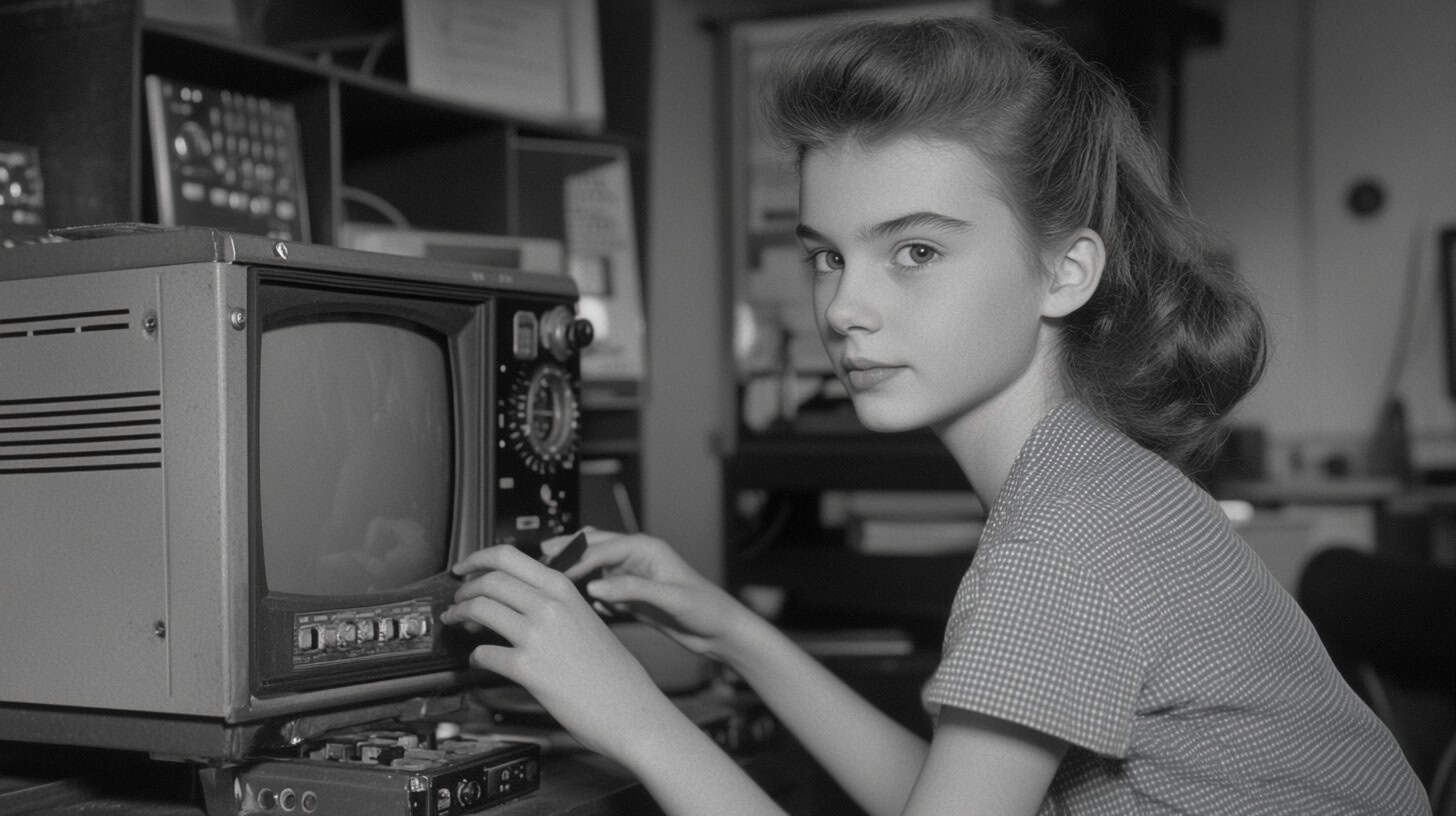
While sitting too close to the TV doesn’t actually damage eyesight permanently, our parents were onto something. Eye specialists confirm that prolonged close-up focus on screens can cause digital eye strain and temporary vision problems. Their intuition about moderation in screen time holds true today, especially in our digital age.
6. “Make Your Bed Every Morning”

This daily chore seemed pointless back then, but psychological studies now show that making your bed each morning sets a positive tone for the day. It creates a sense of accomplishment and order that can boost productivity and reduce stress. Those hospital corners Mom insisted on were actually building good habits and mental discipline.
7. “Write Thank You Notes”

Those Sunday afternoons spent writing thank-you notes for birthday gifts and special occasions weren’t just about etiquette. Research shows that expressing gratitude improves mental health, strengthens relationships, and increases overall happiness. In today’s world of quick texts and emails, a handwritten note still carries special meaning and creates lasting connections.
8. “Don’t Slouch”
Those constant reminders to “stand up straight” weren’t just about appearances. Orthopedic experts confirm that good posture prevents back pain, improves breathing, and maintains joint health. In our age of computer work and smartphone neck, Mom’s posture lectures seem more relevant than ever.
9. “Early to Bed, Early to Rise”
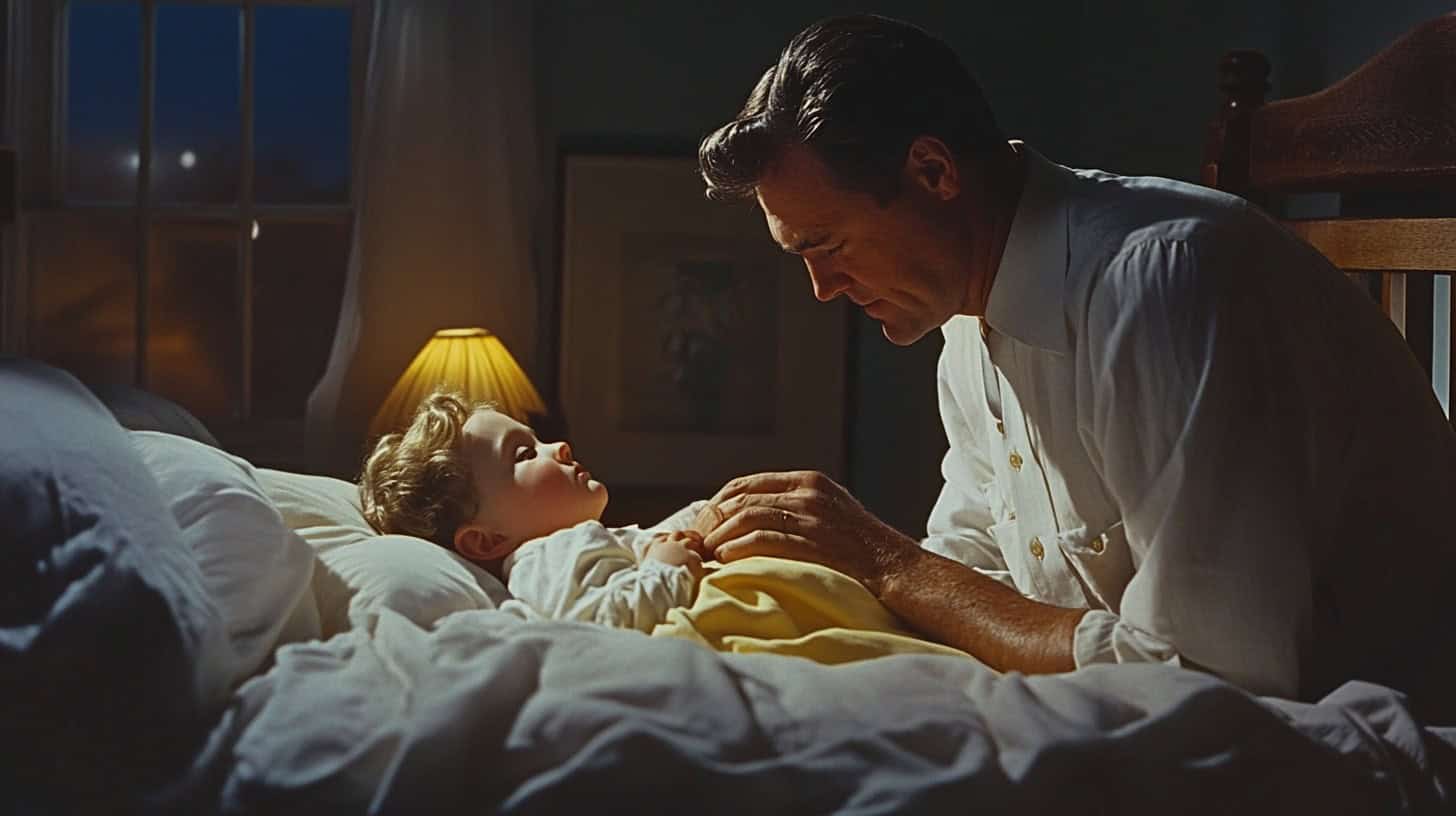
That dreaded early bedtime has been vindicated by modern sleep science. Regular sleep schedules align with our natural circadian rhythms, improving everything from memory to immune function. Studies show that early risers tend to be more productive and report higher levels of life satisfaction.
10. “Clean Your Plate”
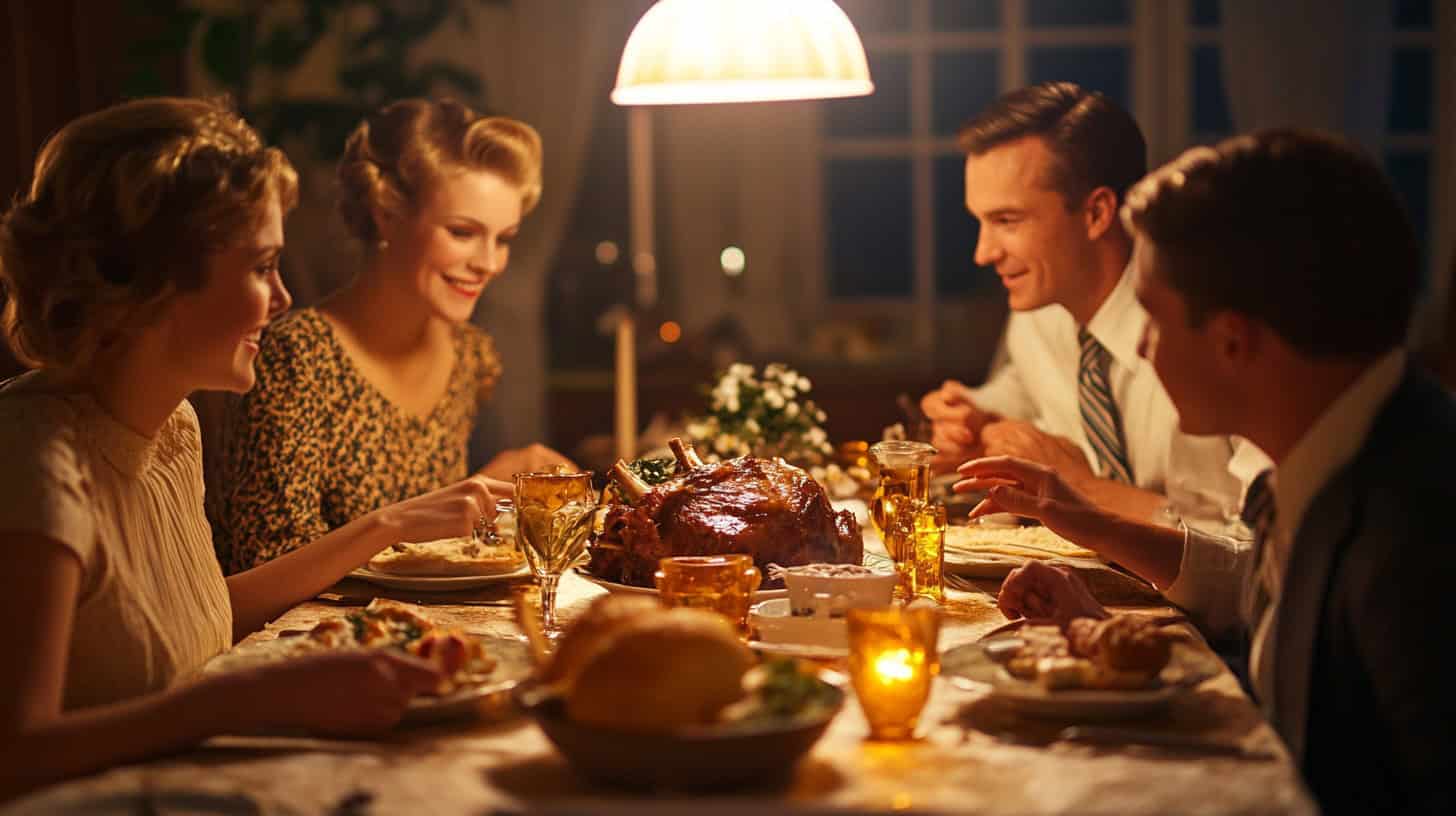
While we now know it’s okay to listen to our bodies’ fullness signals, the underlying message about food waste was spot-on. Today’s environmental concerns make their Depression-era wisdom about not wasting food more relevant than ever. Their teachings about appreciation for food and mindful consumption were ahead of their time.
11. “If You Can’t Say Something Nice…”

This golden rule of communication has proven invaluable in both personal and professional relationships. Psychological research confirms that positive interactions and kind words build stronger connections and reduce stress. In today’s social media age, this advice about thinking before speaking (or posting) is more crucial than ever.
12. “Money Can’t Buy Happiness”
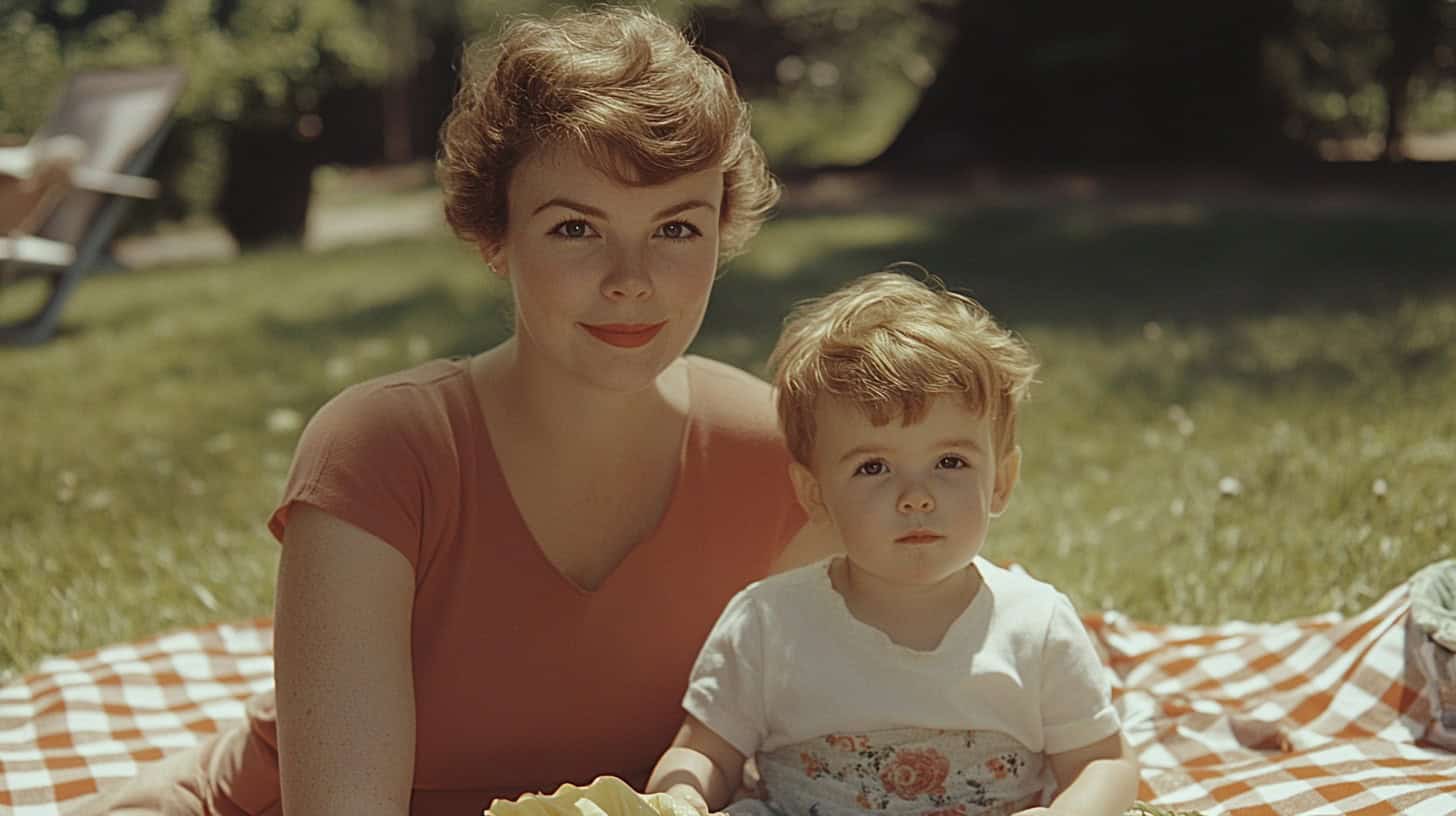
Modern research confirms what our parents knew intuitively – beyond meeting basic needs, additional wealth doesn’t significantly increase happiness. Studies show that experiences, relationships, and personal growth contribute more to life satisfaction than material possessions. Those simple family picnics and neighborhood gatherings created more lasting joy than any expensive toy.
13. “Always Wear Clean Underwear”

While the reasoning (“in case you’re in an accident!”) might have been dramatic, this advice about personal hygiene and self-respect was solid. Healthcare professionals confirm that good hygiene habits not only prevent infections but also boost confidence and social comfort. It’s a simple daily practice that reflects self-care and preparation for whatever the day might bring.
14. “Don’t Put Off Until Tomorrow”
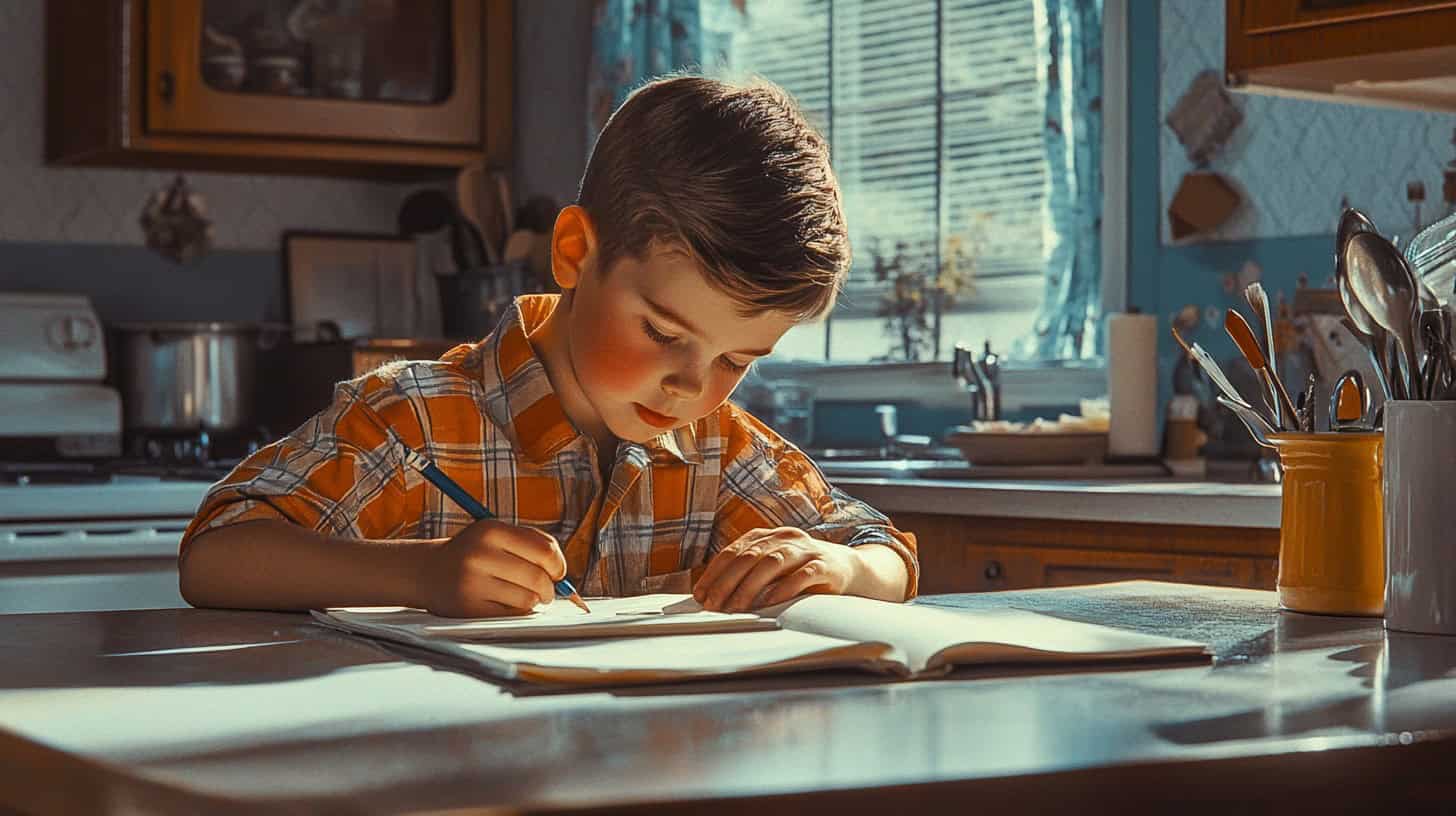
The battle against procrastination is one that modern productivity experts are still fighting. Research shows that procrastination increases stress levels and decreases work quality. Our parents’ insistence on tackling tasks promptly wasn’t just about discipline – it was about maintaining peace of mind and achieving better results.
15. “Mind Your Manners”

Those endless lessons about “please,” “thank you,” and proper table manners weren’t just about appearances. Studies in social psychology show that politeness and good manners create positive first impressions, build trust, and open doors in both personal and professional settings. In our increasingly casual world, these social graces still set people apart.
16. “A Place for Everything”

The organizational systems our parents insisted upon have been validated by modern research on productivity and mental health. Studies show that living in an organized environment reduces stress, improves focus, and saves time. Those Sunday evening cleaning sessions and strict rules about putting things away were actually teaching us valuable life management skills.
17. “Learn to Cook”

Those kitchen lessons with Mom or Dad weren’t just about survival skills. Research shows that home cooking leads to healthier eating habits, saves money, and provides valuable family bonding time. In today’s world of convenience foods and delivery apps, the ability to prepare wholesome meals from scratch is more valuable than ever.
18. “Get a Good Education”

Their persistent emphasis on education wasn’t just about career prospects. Studies show that lifelong learning keeps minds sharp, reduces the risk of cognitive decline, and leads to greater life satisfaction. Whether through formal education or self-study, their message about the value of knowledge has proven true throughout our lives.