Planning a road trip is completely different today than it was back in the day, before GPS’s and smart phones. You had to create a route using a road atlas, and the whole trip was an adventure rather than a set itinerary. I had many memorable trips across America before digital route planning. Getting lost and not being able to depend on a GPS created some of my favorite memories, as I reminisce about the many occasions and circumstantial events I encountered along my journeys. Although there wasn’t ever a ‘best’ moment, I can give you 18 examples of my experiences that are impossible to repeat in today’s world.
Table of Contents
- 1 1. The Great Map Unfold
- 2 2. The Gas Station Oracle
- 3 3. The Mile Marker Math Game
- 4 4. The TripTik Adventure
- 5 5. The Landmark Navigation System
- 6 6. The CB Radio Community
- 7 7. The Restaurant Roulette
- 8 8. The Sunset Scramble
- 9 9. The Navigator’s Throne
- 10 10. The Compass Companion
- 11 11. The Roadside Phone Booth Quest
- 12 12. The Sun Navigation System
- 13 13. The Town Square Technique
- 14 14. The Backseat Atlas Masters
- 15 15. The Highway Sign Countdown
- 16 16. The Paper Shortcut Collection
- 17 17. The Roadside Mailbox Mystery
- 18 18. The Last Gas Warning
1. The Great Map Unfold

Maps you get from gas stations that fold out into massive difficult to manage sheets of paper are not an easy thing to deal with. A map with cheese folded creases that are easy to break, can make navigation just that much more difficult. This is also true for state line crossing maps. Trying to manage numerous maps at once is an absolute pain.
Save for later
Want to come back to this story? Save it with your email so it is easy to find again.
2. The Gas Station Oracle

In the time before GPS and digital navigation, gas station maps and attendants provided all the detailed information and shortcuts one would need. They would even give you recommendations on local eateries or tourist attractions, and draw you maps to guide you to where you’re going.
3. The Mile Marker Math Game

Calculating how far it is from one mile marker to the next is a fun way to learn math, not just for kids, but for parents too. Kids would complete this with the hope of answering the dreaded question of “are we there yet?”
4. The TripTik Adventure

Road trippers would be super excited to get their hands on a TripTik by AAA. Creating this spiral bound booklet is a time consuming process. Highlighted and noted routes are created based off of road construction and tourist attractions. Most people get their TripTik in conjunction with the start of their vacation.

Directions sometimes feature memorable landmarks instead of street names. You might say, **“turn right at the big red barn”**, or **“if you see the giant chicken statue you’ve gone too far.”** These cues, instead of giving street names, always made the directions interesting and made the lore of the family stories.
6. The CB Radio Community

When traveling, condition and directions updates were shared over the CB radio. Rolling communities made long trips feel less lonely to all travelers. Correct direction to travelers often meant they learned the lingo, which made it more interesting.
7. The Restaurant Roulette

Without online reviews, travelers had to rely on instinct and recommendations of gas station employees. Many great meals were found at unreviewed places.
8. The Sunset Scramble
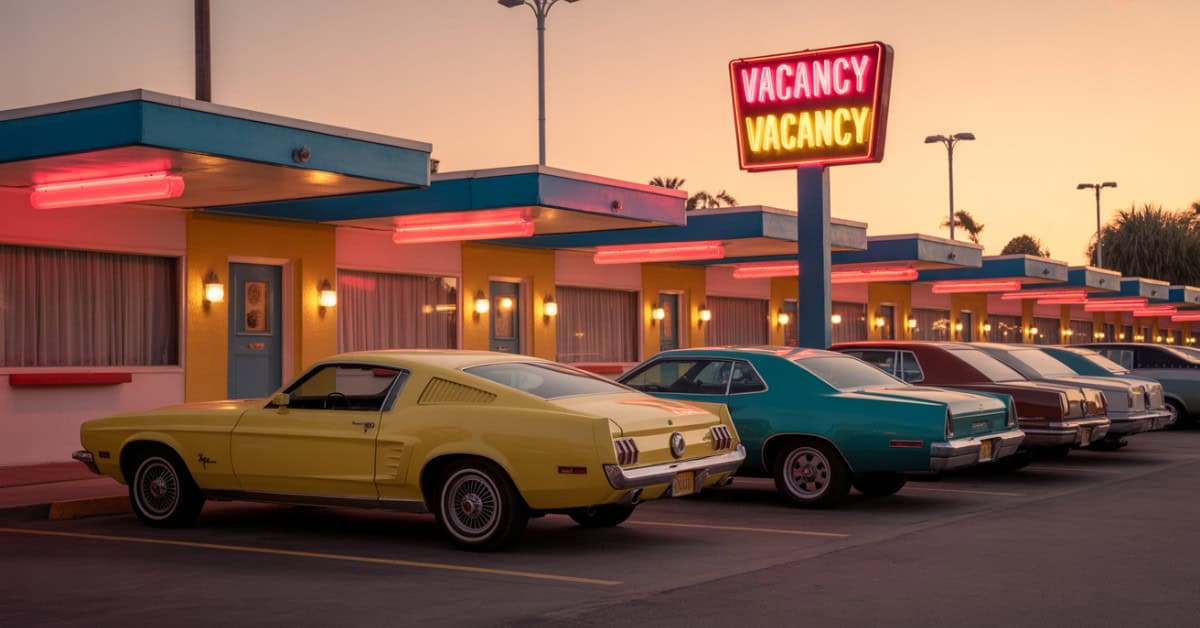
Finding places to sleep before it gets dark was also very important since they couldn’t check the online no vacancies. Travelers were found to time their searches down the dark highways to find places to sleep.

The passenger seat came with responsibilities as the navigator. It required you to read the map and be of the right direction, or else marriages were tested in the navigator seat.
10. The Compass Companion

A dashboard compass once an essential piece of equipment for serious road travelers. While the specific road may be unclear, a compass helps confirm you are heading in the right general direction. The bounce of the compass needle is enough to make a road trip feel exciting.
11. The Roadside Phone Booth Quest

It was an adventure just finding a working phone booth to make a reservation or call to report delays. Smart road travelers always kept a cup of quarters in case they needed to make a call.
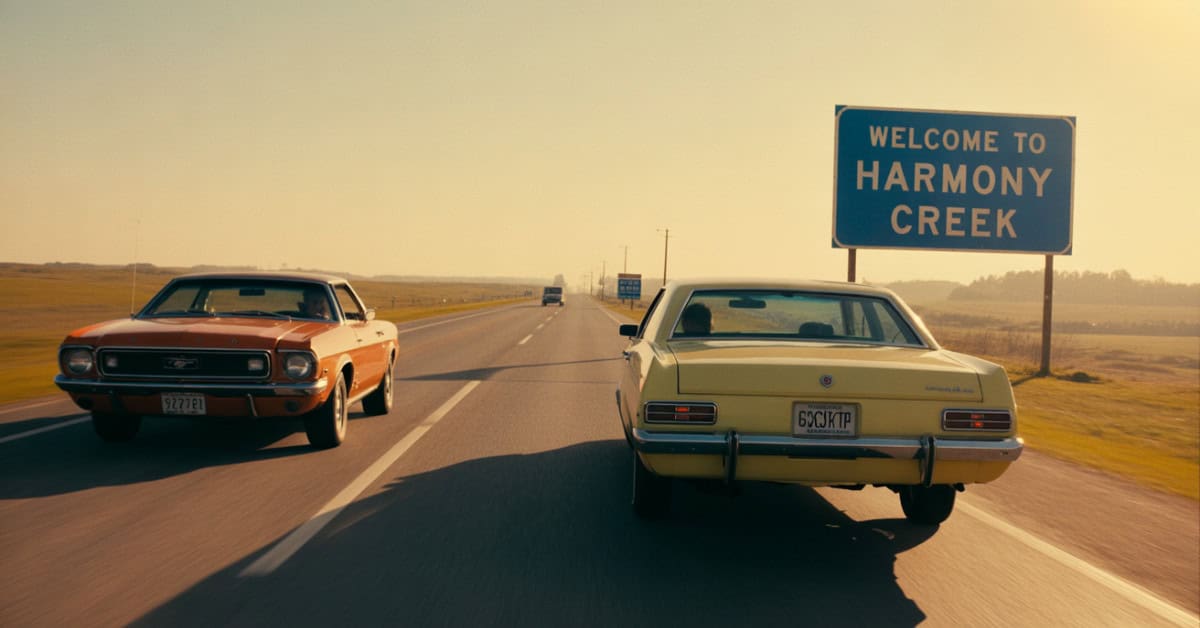
Knowing that the sun rises in the east and sets in the west is key to navigation. Experienced road travelers can tell their general direction based on the sun’s position; however, this system has limitations at noon and on cloudy days.
13. The Town Square Technique
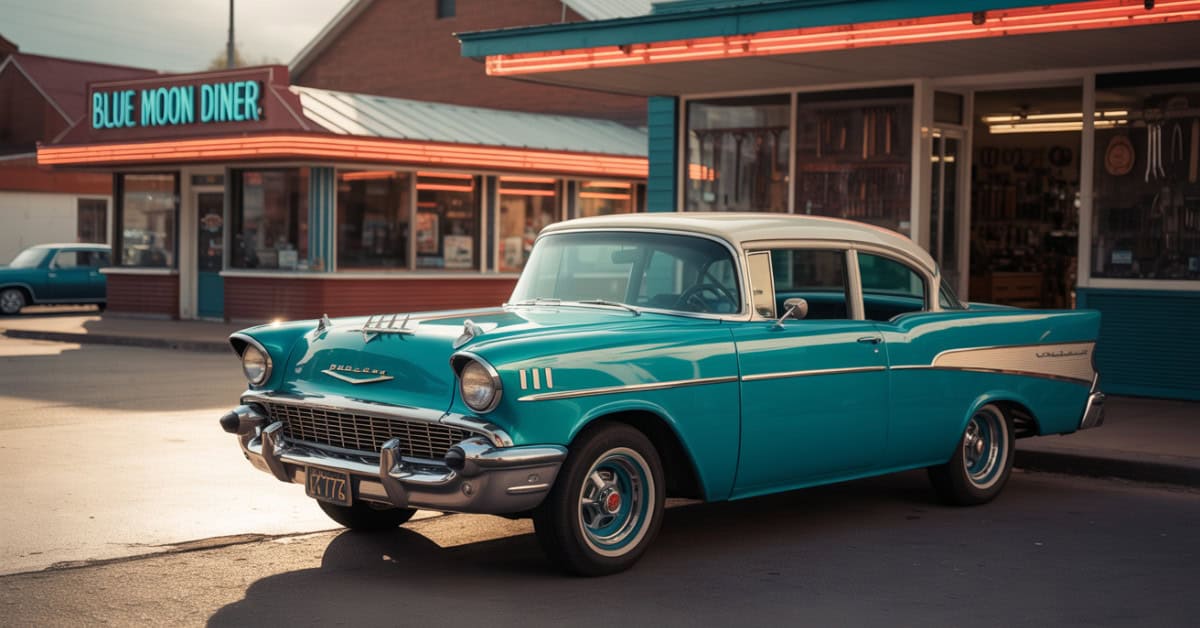
If you are lost in a small town looking for the town square may be a good strategy. These central locations often have direction signs and locals who are eager to help guide you.
14. The Backseat Atlas Masters
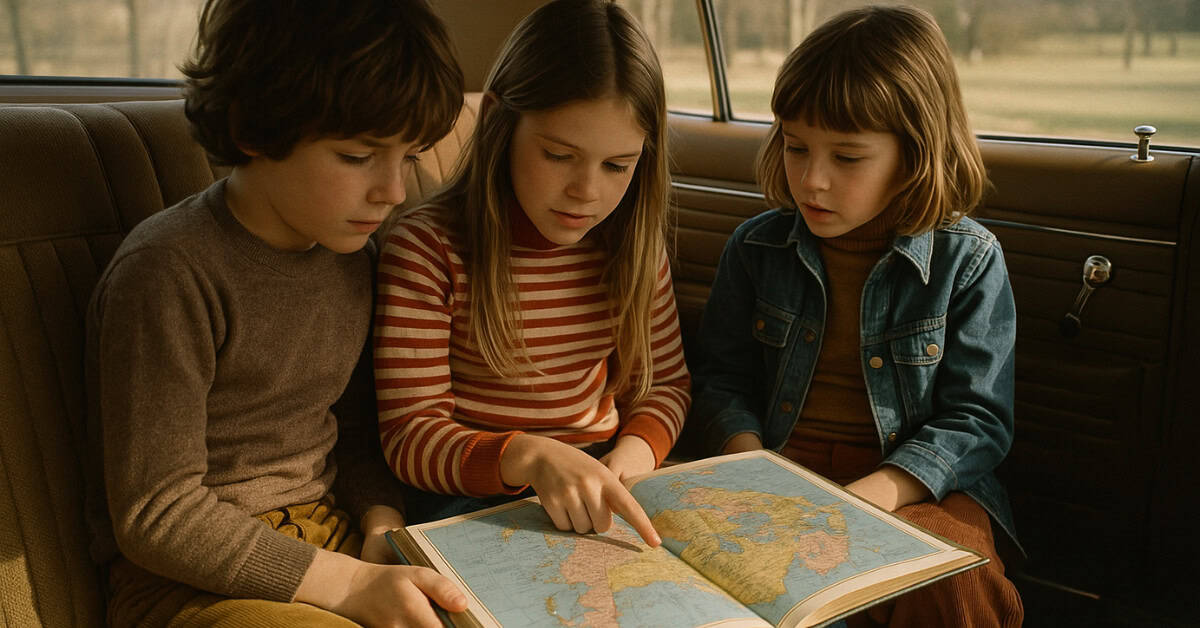
Children also learned geography on road trips by following along in the atlas. Countless trips led to countless map and distance calculations. Saving your place became an act of impromptu geography.
15. The Highway Sign Countdown
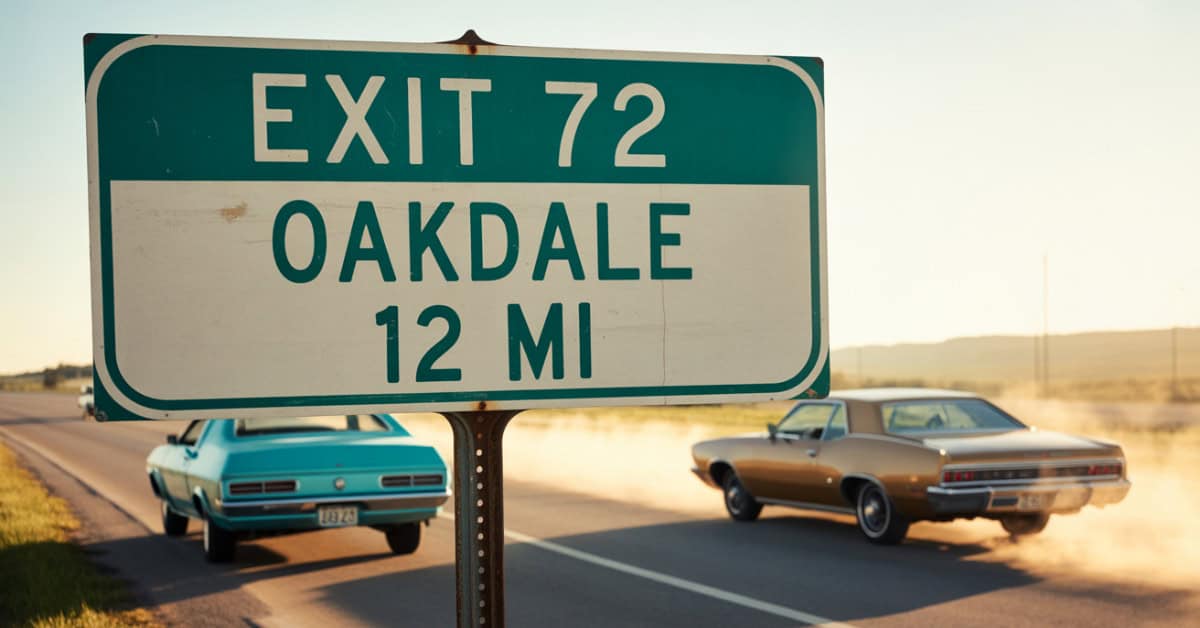
Watching the distance numbers decrease on highway signs was a competitive family activity. Arriving time estimates and calculations excited the whole family. As the numbers got smaller the anticipation increased.
16. The Paper Shortcut Collection
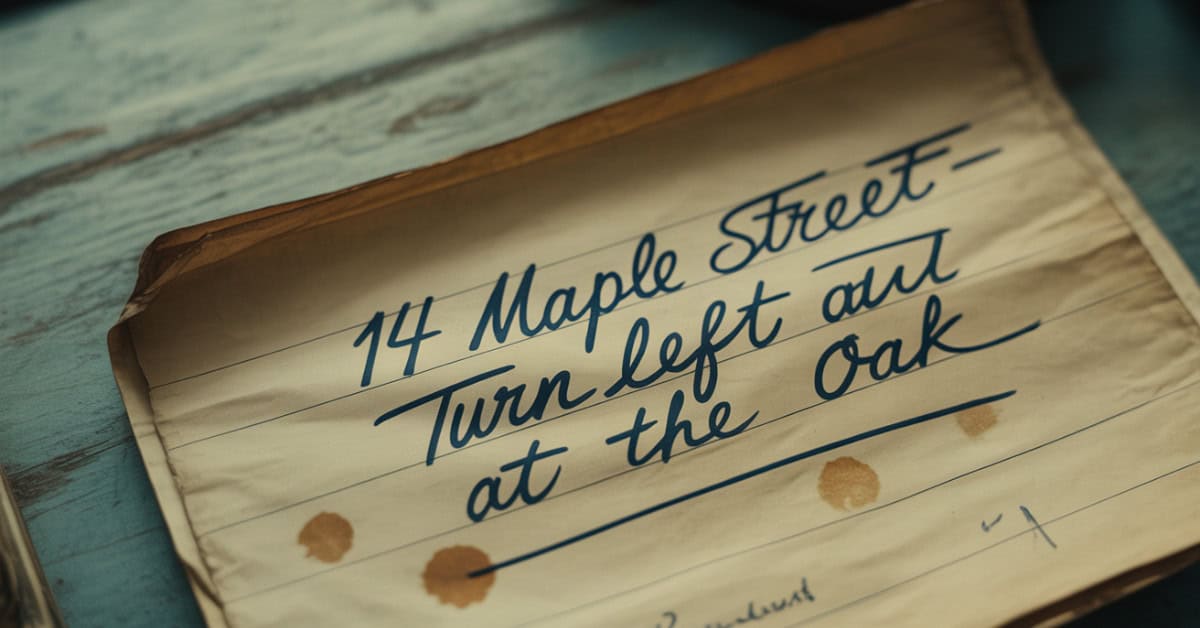
You might not have seen it, but experienced travelers created their own handwritten notes on how to get to each area they had visited, with notes and personal touches added to each one. The notes ended up getting passed down in families and the best shortcuts became secrets they passed down through generations. Some collections of directions are still kept as sentimental pieces.
17. The Roadside Mailbox Mystery
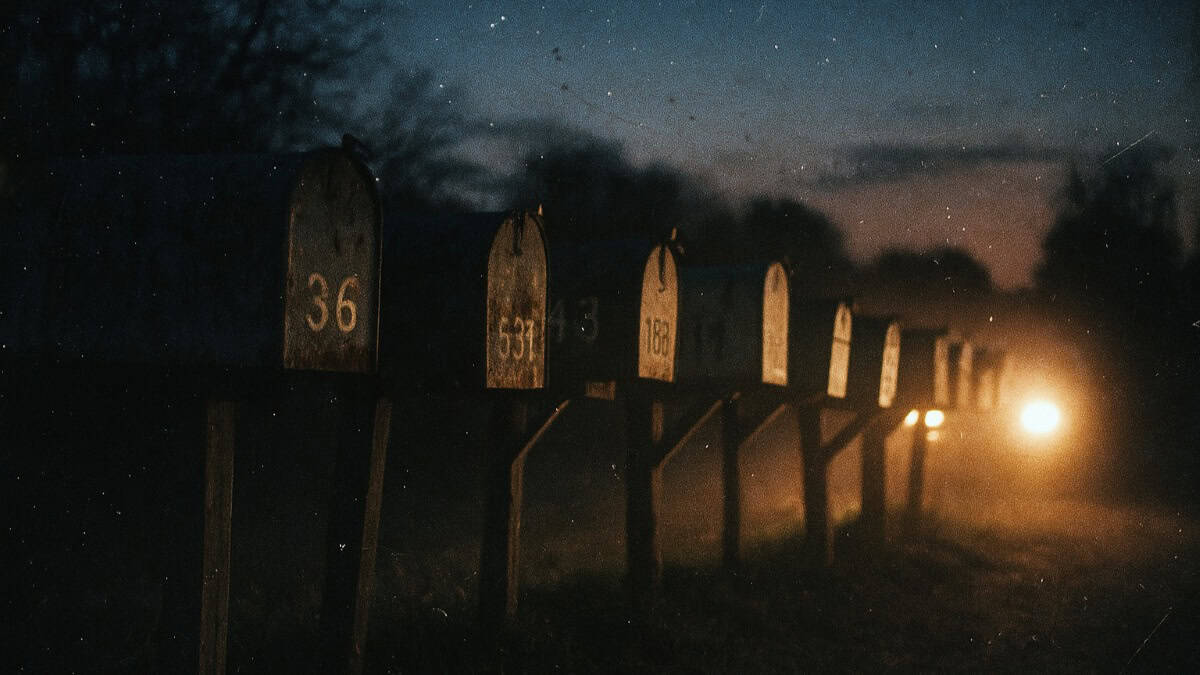
In rural areas, directions were extremely complicated. Mailboxes didn’t have numbers, or were covered with newspaper. Finding a certain mailbox required you to scan through the mailboxes one by one, as the numbers were often faded.
18. The Last Gas Warning

Because there are few gas stations on the road, travelers have to take signs warning of no gas stations seriously. Experienced travelers have learned to fill up their gas tank when going into an area with few gas stations, regardless of how full they think the tank is. There is a level of anxiety associated with watching the fuel gauge drop.