The 1980s revolutionized action movies in ways that we still feel today. As someone who watched this transformation happen from the front row of countless movie theaters, I can tell you that these larger-than-life heroes didn’t just change how action movies were made – they redefined what audiences expected from their entertainment. From one-man armies to everyday cops facing impossible odds, these characters created templates that filmmakers still follow today.
Table of Contents
- 1 1. Arnold Schwarzenegger as The Terminator
- 2 2. Sylvester Stallone as John Rambo
- 3 3. Bruce Willis as John McClane
- 4 4. Mel Gibson as Martin Riggs
- 5 5. Harrison Ford as Indiana Jones
- 6 6. Chuck Norris as J.J. McQuade
- 7 7. Kurt Russell as Snake Plissken
- 8 8. Carl Weathers as Apollo Creed
- 9 9. Jean-Claude Van Damme as Frank Dux
- 10 10. Michael Dudikoff as Joe Armstrong
- 11 11. Sigourney Weaver as Ellen Ripley
- 12 12. Mr. T as B.A. Baracus
- 13 13. Michelle Yeoh as Inspector Yang
- 14 14. Michael Biehn as Kyle Reese
- 15 15. Dolph Lundgren as Ivan Drago
- 16 16. Don “The Dragon” Wilson
- 17 17. Brandon Lee as Jake Lo
- 18 18. Cynthia Rothrock as China O’Brien
- 19 19. Jeff Speakman as Jeff Sanders
- 20 20. David Carradine as Bill
1. Arnold Schwarzenegger as The Terminator

James Cameron’s 1984 sci-fi thriller revolutionized the concept of an unstoppable antagonist, before flipping the script in the 1991 sequel by making Schwarzenegger the hero. The Terminator’s emotionless efficiency and iconic one-liners created a new template for action movie characters, combining superhuman capabilities with memorable catchphrases that became part of pop culture.
Save for later
Want to come back to this story? Save it with your email so it is easy to find again.
2. Sylvester Stallone as John Rambo

“First Blood” (1982) introduced audiences to a different kind of action hero – a traumatized Vietnam veteran fighting against a system that had forgotten him. Rambo’s character transformed from a sympathetic figure in the first film to an over-the-top super-soldier in the sequels, creating the template for the one-man-army action hero.
3. Bruce Willis as John McClane

“Die Hard” (1988) revolutionized the genre by introducing a vulnerable, wise-cracking everyman hero. McClane wasn’t a super-soldier or trained killer – he was just a cop in the wrong place at the wrong time. His relatability and human frailty, combined with determination and quick wit, created a new archetype for action heroes.
4. Mel Gibson as Martin Riggs
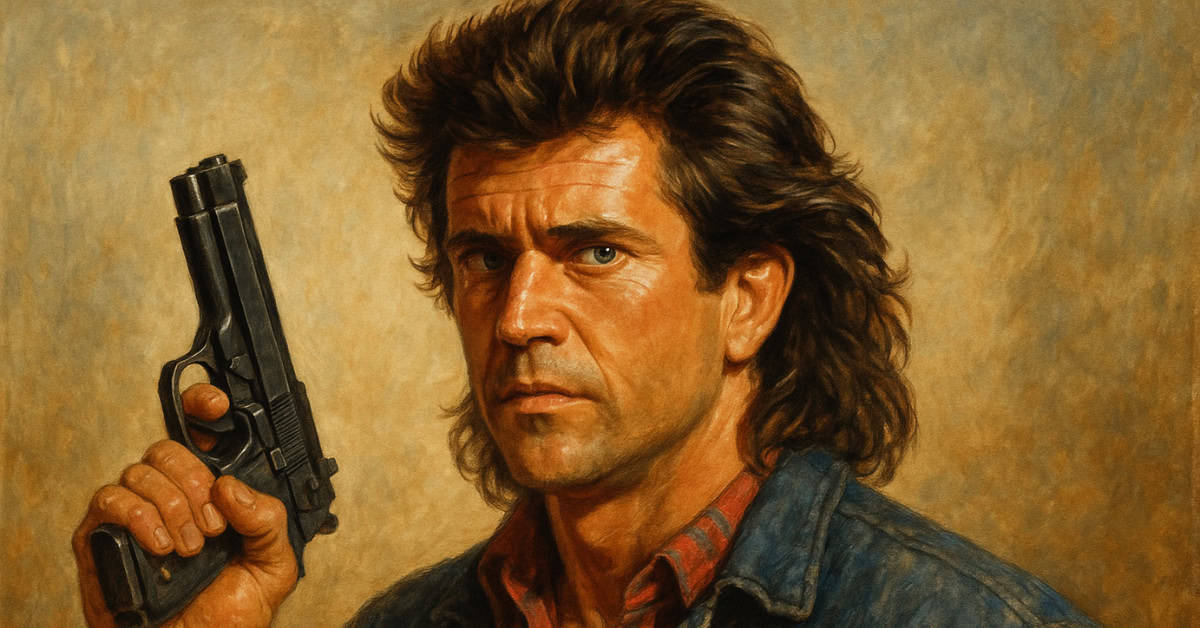
“Lethal Weapon” (1987) introduced the concept of the unstable, borderline suicidal cop who’s as dangerous to himself as he is to criminals. Riggs’ psychological trauma and unorthodox methods, combined with the buddy cop dynamic, created a new standard for character depth in action movies.
5. Harrison Ford as Indiana Jones

While technically an adventure series, Raiders of the Lost Ark (1981) revolutionized action sequences with its combination of humor, historical elements, and spectacular stunts. Indiana Jones proved that an action hero could be both intellectual and tough, creating the template for the scholarly adventurer.
6. Chuck Norris as J.J. McQuade

“Lone Wolf McQuade” (1983) established Norris as the quintessential American martial arts action hero. His stoic Texas Ranger character combined Eastern fighting techniques with Western cowboy aesthetics, creating a unique hybrid that influenced action films for decades and later inspired his long-running “Walker, Texas Ranger” series.
7. Kurt Russell as Snake Plissken
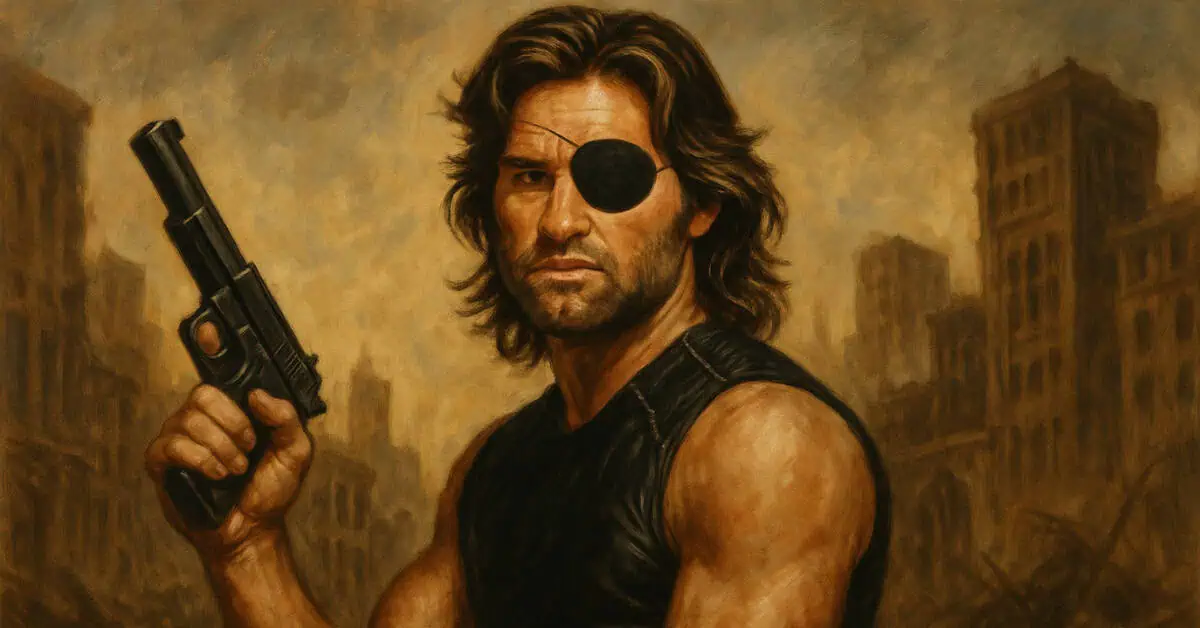
“Escape from New York” (1981) introduced the anti-hero concept to mainstream action films. Plissken’s cynical attitude and reluctant heroism created a new archetype for action protagonists who didn’t fit the traditional hero mold, influencing characters like Mad Max and countless video game protagonists.
8. Carl Weathers as Apollo Creed

While technically introduced in the ’70s, Apollo Creed’s character evolution throughout the ’80s Rocky sequels revolutionized how action movies handled supporting characters. His transformation from antagonist to mentor and friend created a template for complex character development in action franchises.
9. Jean-Claude Van Damme as Frank Dux

“Bloodsport” (1988) brought tournament-style martial arts action to mainstream audiences. Van Damme’s athletic prowess and dramatic splits became iconic, influencing how martial arts sequences were choreographed and filmed in Hollywood productions.
10. Michael Dudikoff as Joe Armstrong
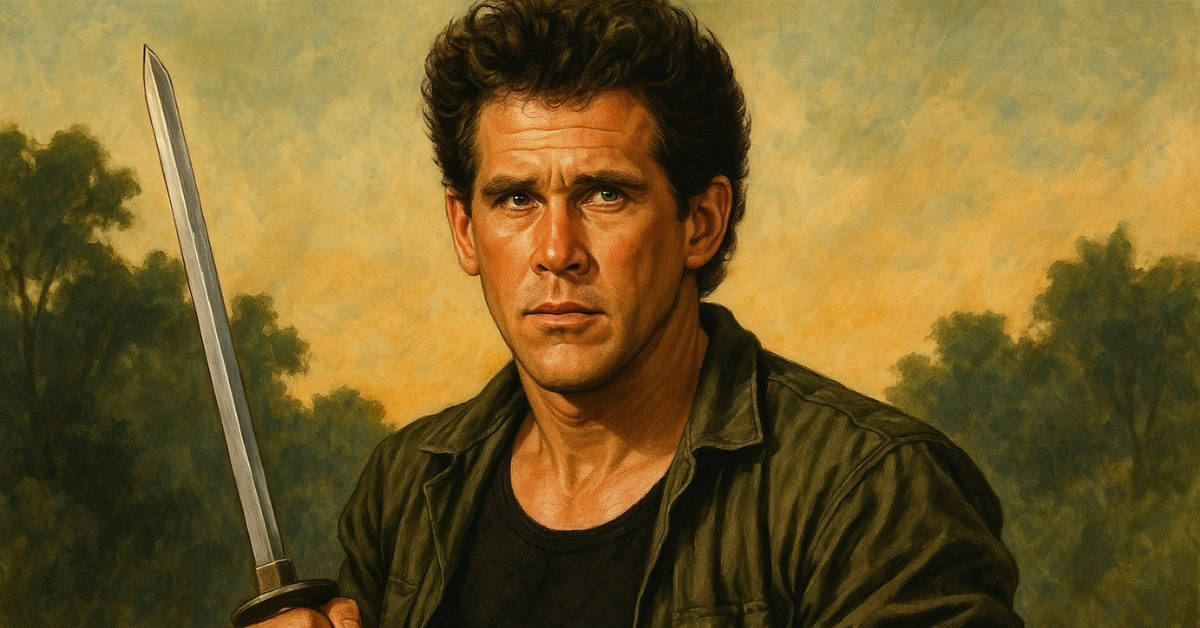
“American Ninja” (1985) popularized ninja-themed action movies in Western cinema. The series created a new subgenre that combined traditional martial arts with modern military elements, influencing everything from G.I. Joe to countless direct-to-video action films.
11. Sigourney Weaver as Ellen Ripley

While introduced in 1979’s “Alien,” Ripley’s transformation into a full-fledged action hero in “Aliens” (1986) revolutionized female representation in action films. Her combination of maternal instincts and warrior spirit created a new template for strong female protagonists that went beyond traditional gender roles.
12. Mr. T as B.A. Baracus

“The A-Team” (1983-1987) brought action heroes to television, with Mr. T’s B.A. Baracus becoming a cultural phenomenon. His distinctive look, catchphrases, and combination of toughness and heart influenced how action heroes could be marketed to mainstream audiences, including children.
13. Michelle Yeoh as Inspector Yang
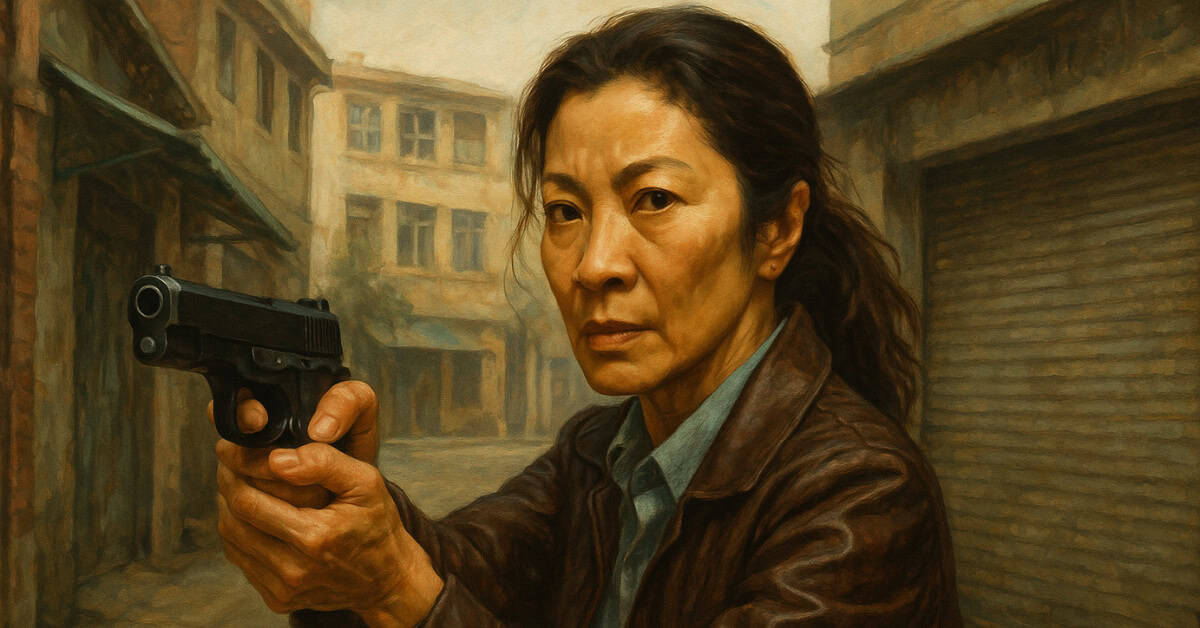
“Yes, Madam!” (1985) showcased Yeoh’s incredible martial arts prowess and established her as one of Hong Kong’s premier action stars. Her style of athletic, acrobatic combat influenced how female action scenes would be choreographed for decades to come.
14. Michael Biehn as Kyle Reese

“The Terminator” (1984) established Biehn’s character as the prototype for the future-soldier archetype. His intense portrayal of a man fighting against impossible odds while dealing with time-travel paradoxes influenced countless sci-fi action roles.
15. Dolph Lundgren as Ivan Drago

“Rocky IV” (1985) introduced Lundgren’s iconic Soviet boxer, creating the template for the seemingly invincible foreign antagonist. His portrayal of the emotionless, scientifically-enhanced warrior became the blueprint for many action movie villains.
16. Don “The Dragon” Wilson

The “Bloodfist” series (beginning 1989) helped establish the direct-to-video action market. Wilson’s authentic martial arts background and straightforward approach to action scenes created a template for countless low-budget but highly successful action franchises.
17. Brandon Lee as Jake Lo

Though his career was tragically cut short, Lee’s work in late ’80s and early ’90s films like “Legacy of Rage” (1986) bridged the gap between Hong Kong and Hollywood action styles. His fluid combination of martial arts and gunplay influenced future action choreography.
18. Cynthia Rothrock as China O’Brien

“China O’Brien” (1988) established Rothrock as one of the first female martial arts stars in Western cinema. Her authentic martial arts skills and tough-but-feminine approach created new opportunities for female action stars.
19. Jeff Speakman as Jeff Sanders

“The Perfect Weapon” (1991) introduced Kenpo Karate to mainstream action audiences. Speakman’s rapid-fire striking style influenced how American martial arts would be portrayed in future films and TV shows.
20. David Carradine as Bill
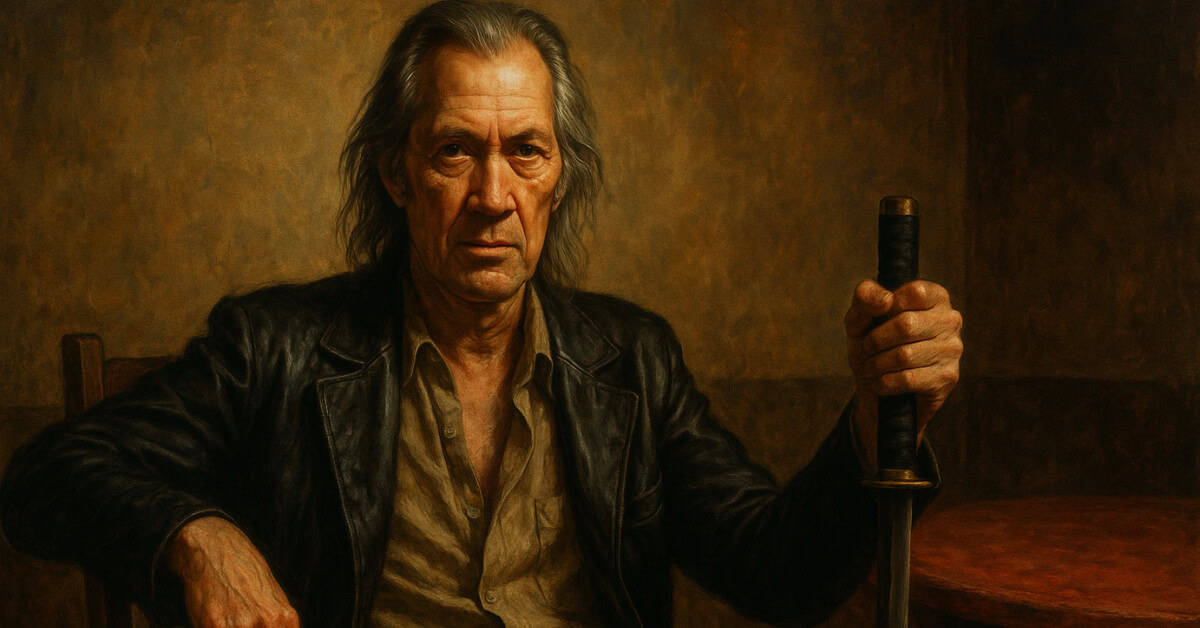
While famous from the ’70s “Kung Fu” series, Carradine’s ’80s work in films like “Kung Fu: The Movie” (1986) bridged the gap between Eastern philosophy and Western action, influencing how martial arts would be portrayed in American media.