The 1960s was a revolutionary decade for cinema, giving birth to techniques and storytelling approaches that filmmakers still reference today. From groundbreaking special effects to innovative narrative structures, these films didn’t just entertain – they transformed how movies are made. Let’s look at twenty influential films from the ’60s that continue to shape Hollywood’s creative landscape.
Table of Contents
- 1 1. Psycho (1960)
- 2 2. 2001: A Space Odyssey (1968)
- 3 3. The Graduate (1967)
- 4 4. Bonnie and Clyde (1967)
- 5 5. Dr. Strangelove (1964)
- 6 6. Easy Rider (1969)
- 7 7. The Good, the Bad and the Ugly (1966)
- 8 8. Night of the Living Dead (1968)
- 9 9. Lawrence of Arabia (1962)
- 10 10. Breathless (1960)
- 11 11. The Birds (1963)
- 12 12. Planet of the Apes (1968)
- 13 13. Who’s Afraid of Virginia Woolf? (1966)
- 14 14. Rosemary’s Baby (1968)
- 15 15. A Fistful of Dollars (1964)
- 16 16. The Wild Bunch (1969)
- 17 17. Blow-Up (1966)
- 18 18. The Apartment (1960)
- 19 19. Spartacus (1960)
- 20 20. Repulsion (1965)
1. Psycho (1960)
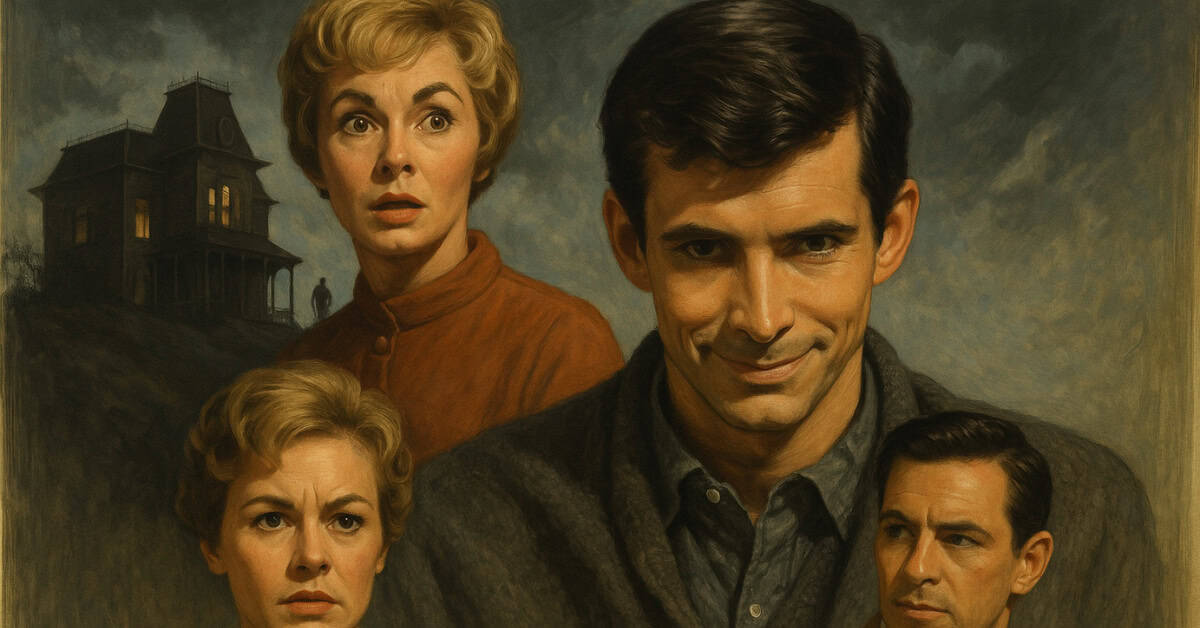
Hitchcock’s masterpiece revolutionized the thriller genre and established conventions still used today. The film’s shocking shower scene, with its rapid cuts and implied violence, created a template for modern horror editing. Its influence can be seen in countless psychological thrillers, from “The Silence of the Lambs” to “Get Out,” while its marketing campaign invented the “no late admission” policy and spoiler culture.
Save for later
Want to come back to this story? Save it with your email so it is easy to find again.
2. 2001: A Space Odyssey (1968)

Kubrick’s sci-fi epic set new standards for special effects and philosophical storytelling in cinema. Its groundbreaking visual effects influenced everything from “Star Wars” to “Interstellar.” The film’s approach to artificial intelligence, space travel, and human evolution continues to inspire modern science fiction, while its practical effects techniques are still studied and emulated today.
3. The Graduate (1967)
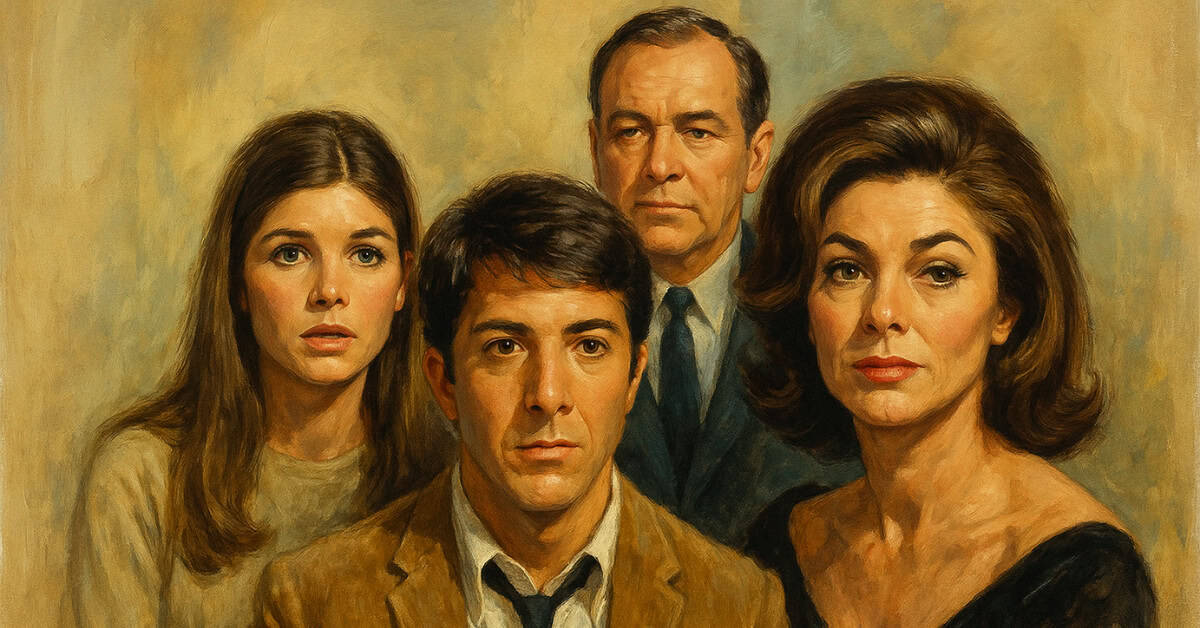
Mike Nichols’ masterpiece revolutionized how popular music could be used in film soundtracks. Its innovative use of Simon & Garfunkel’s songs to comment on the action created a template for modern film scoring. The movie’s exploration of post-college ennui and generational disconnect continues to influence coming-of-age films, while its iconic cinematography by Robert Surtees inspired countless imitators.
4. Bonnie and Clyde (1967)

Arthur Penn’s controversial film changed how violence was depicted in American cinema. Its graphic but stylized portrayal of bloodshed influenced directors from Scorsese to Tarantino. The film’s blend of humor, romance, and brutality created a new template for crime dramas, while its editing techniques during action sequences remain influential.
5. Dr. Strangelove (1964)
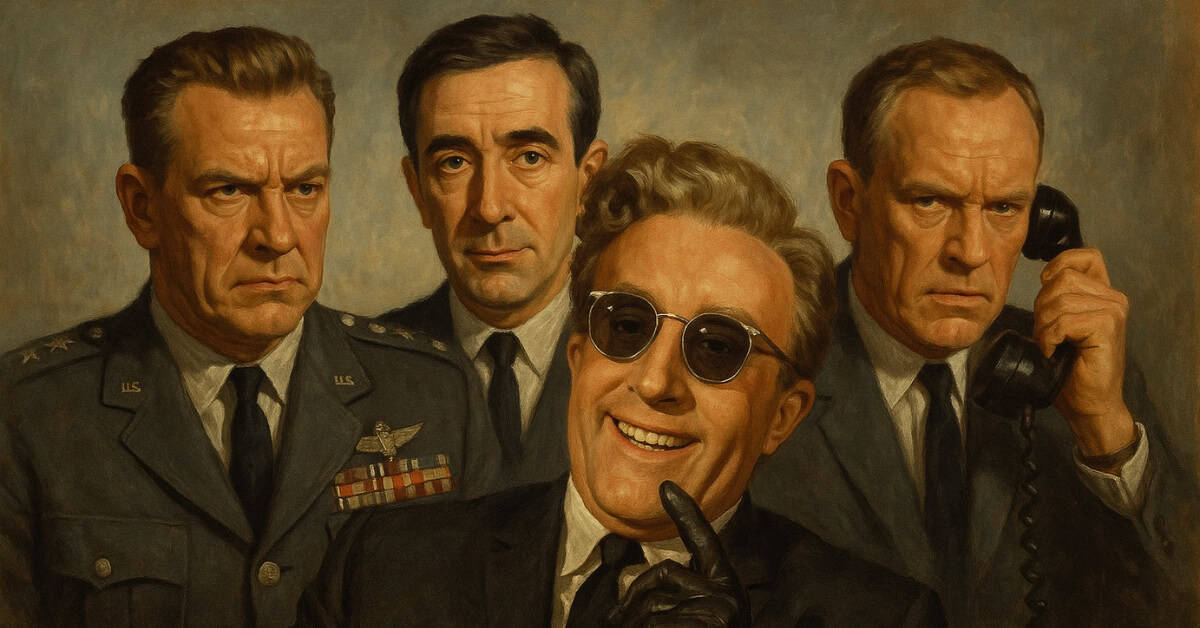
Kubrick’s dark comedy about nuclear war established a new approach to political satire. Its influence can be seen in everything from “Wag the Dog” to “Vice.” The film’s ability to find humor in apocalyptic scenarios created a template for modern dark comedies, while Peter Sellers’ multiple roles inspired many actors to take on similar challenges.
6. Easy Rider (1969)
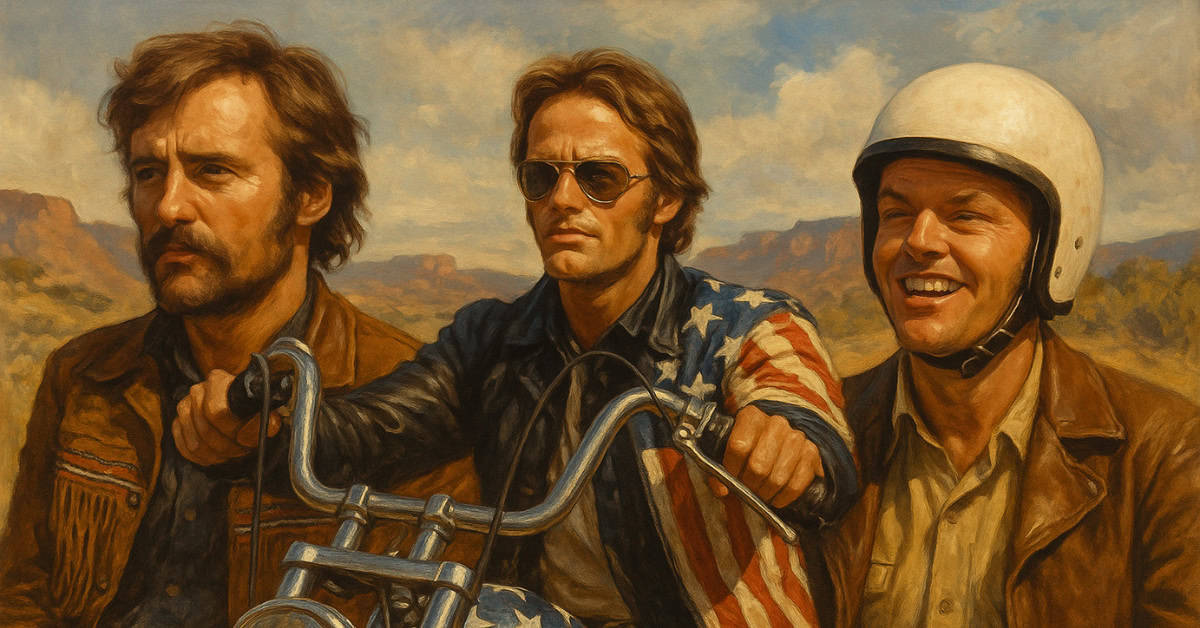
Dennis Hopper’s counterculture classic revolutionized independent filmmaking. Its low-budget success helped establish the modern indie film movement. The movie’s use of rock music, location shooting, and unconventional narrative structure influenced generations of filmmakers, while its exploration of American freedom and disillusionment remains relevant.
7. The Good, the Bad and the Ugly (1966)

Sergio Leone’s epic Western redefined the genre with its stylized violence and morally ambiguous characters. Its innovative cinematography, particularly the extreme close-ups and wide shots, influenced countless directors. Ennio Morricone’s iconic score established new possibilities for film music, while its visual style continues to be referenced in modern Westerns and action films.
8. Night of the Living Dead (1968)
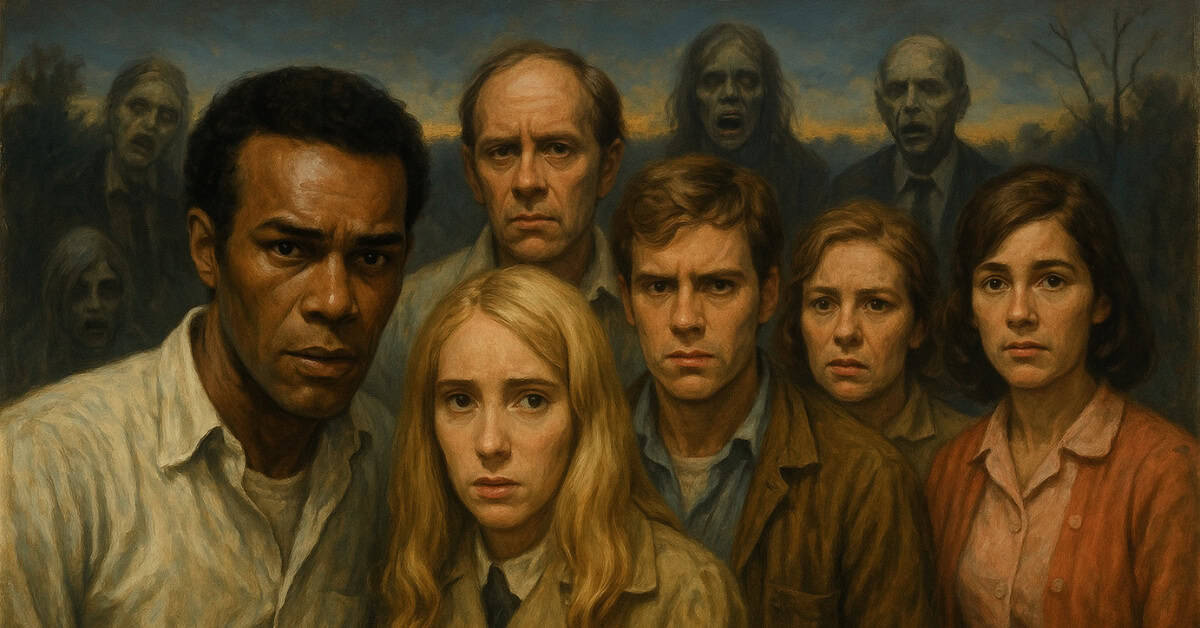
George Romero’s low-budget horror film created the modern zombie genre. Its social commentary and graphic violence established a template for horror films with deeper meanings. The film’s influence extends beyond horror, showing how genre films could address serious social issues while still entertaining audiences.
9. Lawrence of Arabia (1962)
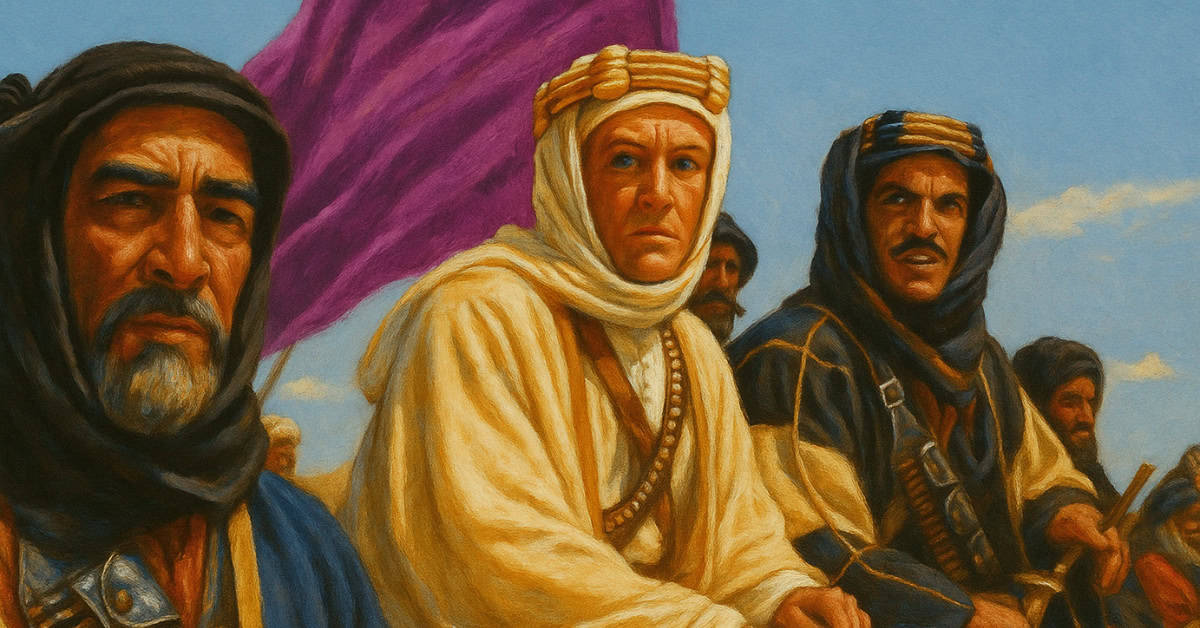
David Lean’s epic biography set new standards for cinematography and scope in filmmaking. Its sweeping desert vistas and intimate character study influenced films like “Dune” and “The English Patient.” The film’s approach to historical drama and character complexity continues to influence modern biopics.
10. Breathless (1960)
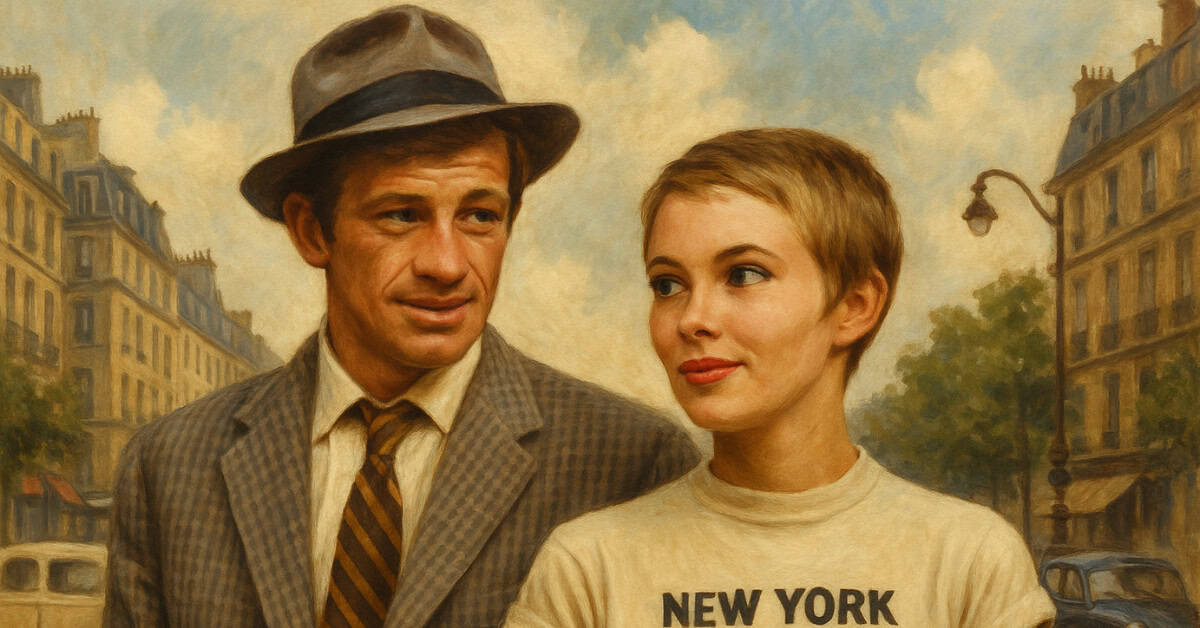
Jean-Luc Godard’s French New Wave masterpiece revolutionized editing techniques with its innovative jump cuts. Its influence can be seen in modern music videos, commercials, and films. The movie’s casual approach to narrative and fourth-wall-breaking techniques continue to inspire contemporary filmmakers.
11. The Birds (1963)

Hitchcock’s nature-horror film pioneered special effects techniques and sound design that influenced decades of thriller films. Its lack of musical score and use of electronic bird sounds created a new approach to audio tension. Modern environmental horror films like “A Quiet Place” still draw from its innovative sound design and gradual build-up of tension.
12. Planet of the Apes (1968)

This science fiction classic revolutionized makeup effects and demonstrated how genre films could address serious social issues. Its groundbreaking prosthetic makeup techniques by John Chambers influenced countless films. The movie’s approach to social commentary through science fiction continues to inspire modern filmmakers like Jordan Peele.
13. Who’s Afraid of Virginia Woolf? (1966)

Mike Nichols’ adaptation helped end the Production Code era with its frank dialogue and adult themes. Its intense performances and claustrophobic atmosphere influenced modern domestic dramas. The film’s approach to adapting stage plays for the screen continues to guide contemporary filmmakers.
14. Rosemary’s Baby (1968)

Polanski’s psychological horror film established new standards for subtle terror and paranoia in cinema. Its influence can be seen in modern horror films that emphasize psychological dread over explicit scares. The movie’s exploration of urban paranoia and gaslighting continues to influence contemporary thrillers.
15. A Fistful of Dollars (1964)
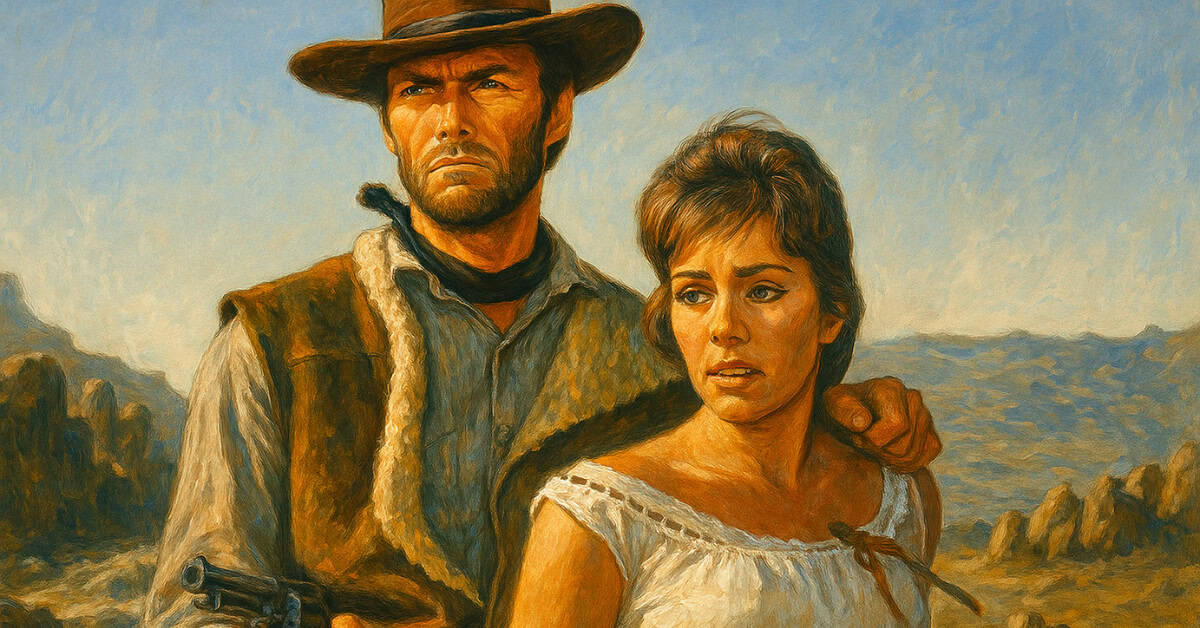
Leone’s revolutionary Western introduced Clint Eastwood’s iconic “Man with No Name” and redefined the genre. Its stylized violence and moral ambiguity influenced countless action films. The movie’s visual style and character archetypes continue to inspire modern Westerns and action cinema.
16. The Wild Bunch (1969)

Peckinpah’s violent Western revolutionized action cinematography with its use of slow motion and multiple camera angles. Its editing techniques influenced directors from John Woo to Quentin Tarantino. The film’s approach to choreographing and filming violence remains influential in modern action cinema.
17. Blow-Up (1966)

Antonioni’s mystery thriller influenced how films deal with perception and reality. Its exploration of photographic evidence and truth-seeking inspired films like “The Conversation” and “Blow Out.” The movie’s meditation on image and reality continues to resonate in our digital age.
18. The Apartment (1960)

Billy Wilder’s romantic comedy-drama created a template for modern workplace stories. Its blend of comedy and serious themes influenced countless films about office life and romance. The movie’s sophisticated approach to adult relationships continues to inspire contemporary romantic comedies.
19. Spartacus (1960)

Kubrick’s historical epic set new standards for large-scale filmmaking and battle sequences. Its approach to filming massive crowd scenes influenced modern epics like “Gladiator” and “Braveheart.” The film’s blend of personal drama with spectacular action continues to guide historical epic filmmaking.
20. Repulsion (1965)

Polanski’s psychological horror film pioneered subjective cinematography to portray mental breakdown. Its innovative use of sound and visuals to represent psychological states influenced films like “Black Swan” and “The Babadook.” The movie’s exploration of isolation and mental deterioration continues to inspire modern psychological thrillers.