Growing up in the 1960s, manners weren’t just suggestions – they were non-negotiable life skills taught by parents and reinforced by teachers, neighbors, and pretty much every adult within earshot. Looking back, these social graces did more than just keep us in line; they helped create a sense of community and respect that seems increasingly rare these days.
Table of Contents
- 1 1. Standing When Adults Entered the Room
- 2 2. Addressing Adults as Sir or Ma’am
- 3 3. Phone Etiquette
- 4 4. Writing Thank You Notes
- 5 5. Table Manners
- 6 6. Offering Your Seat
- 7 7. Not Interrupting Adult Conversations
- 8 8. Showing Respect for the Flag
- 9 9. Greeting Visitors Properly
- 10 10. Respecting Property
- 11 11. Responding When Called
- 12 12. Proper Dining RSVPs
- 13 13. Church Behavior
- 14 14. Borrowing and Returning
- 15 15. Cleaning Your Plate
- 16 16. Door Holding Etiquette
1. Standing When Adults Entered the Room

This was one of the most fundamental rules of respect we learned as children. When an adult walked into the room, you stood up straight – no exceptions. It wasn’t just about showing respect; it was about acknowledging their presence and authority. This simple gesture spoke volumes about the hierarchical structure of society in the 1960s and taught us the importance of showing deference to our elders.
Save for later
Want to come back to this story? Save it with your email so it is easy to find again.
2. Addressing Adults as Sir or Ma’am
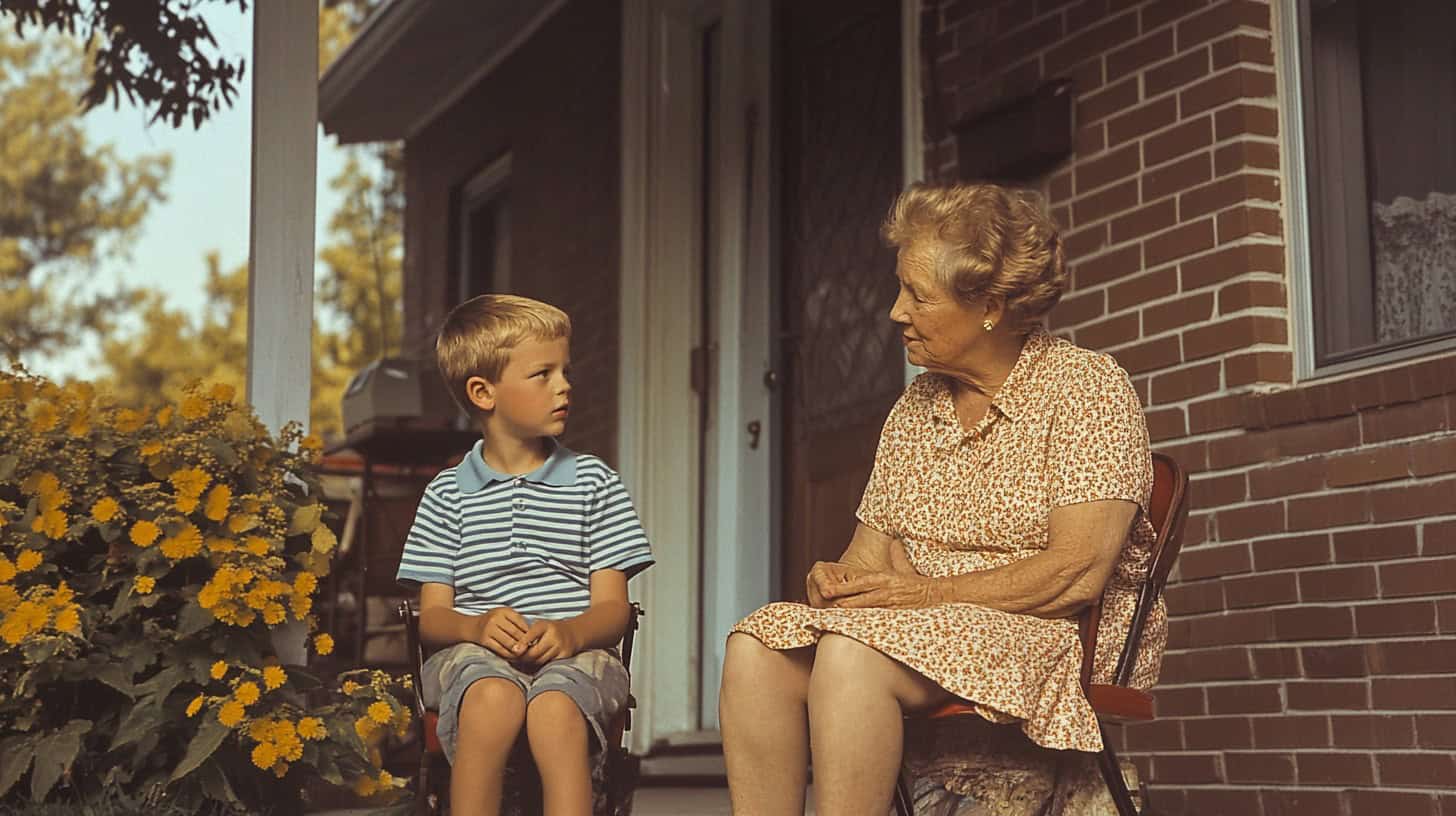
It was unthinkable to address an adult by their first name unless specifically invited to do so. “Yes, sir” and “No, ma’am” were automatic responses, drilled into us from an early age. Even if you knew Mrs. Johnson next door for your entire life, she was always Mrs. Johnson – never Betty. This formal way of addressing adults reinforced the boundary between children and grown-ups.
3. Phone Etiquette
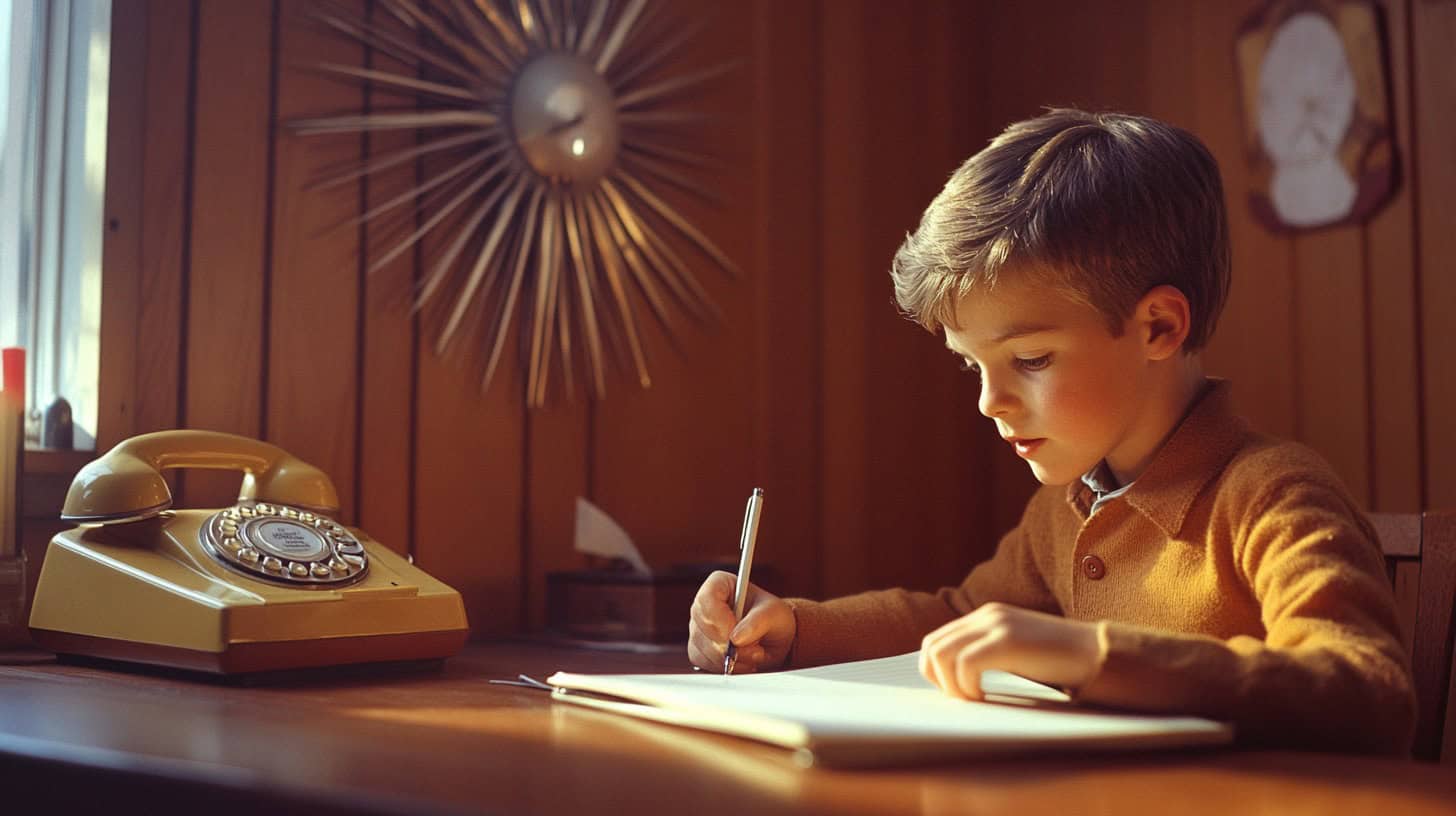
Answering the phone was a skill that required proper training. We were taught to say, “Smith residence, Johnny speaking” – never just “hello.” And if the call was for our parents, we were expected to politely take a message, complete with the caller’s name, number, and reason for calling. The family phone was treated with almost ceremonial respect.
4. Writing Thank You Notes
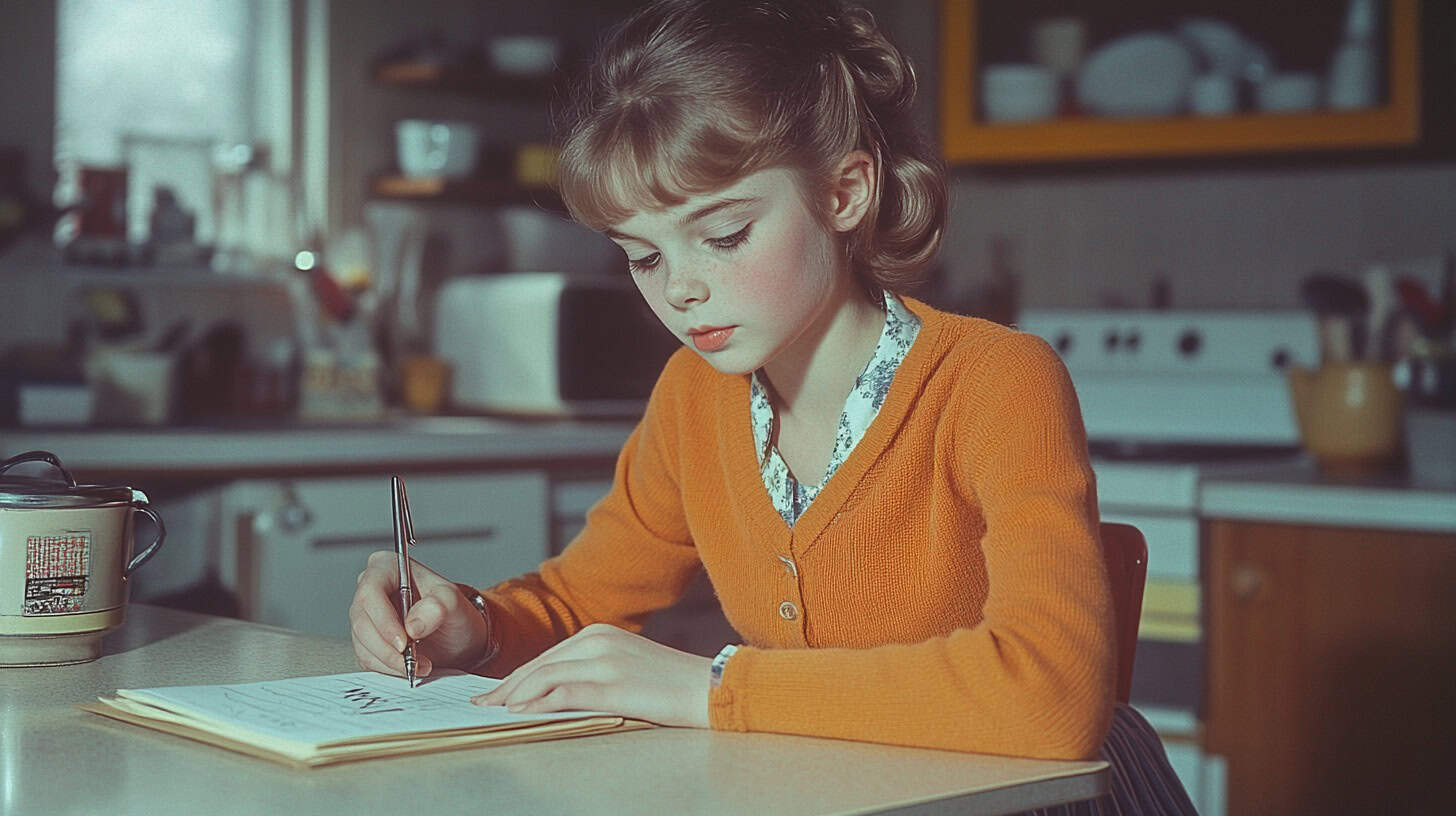
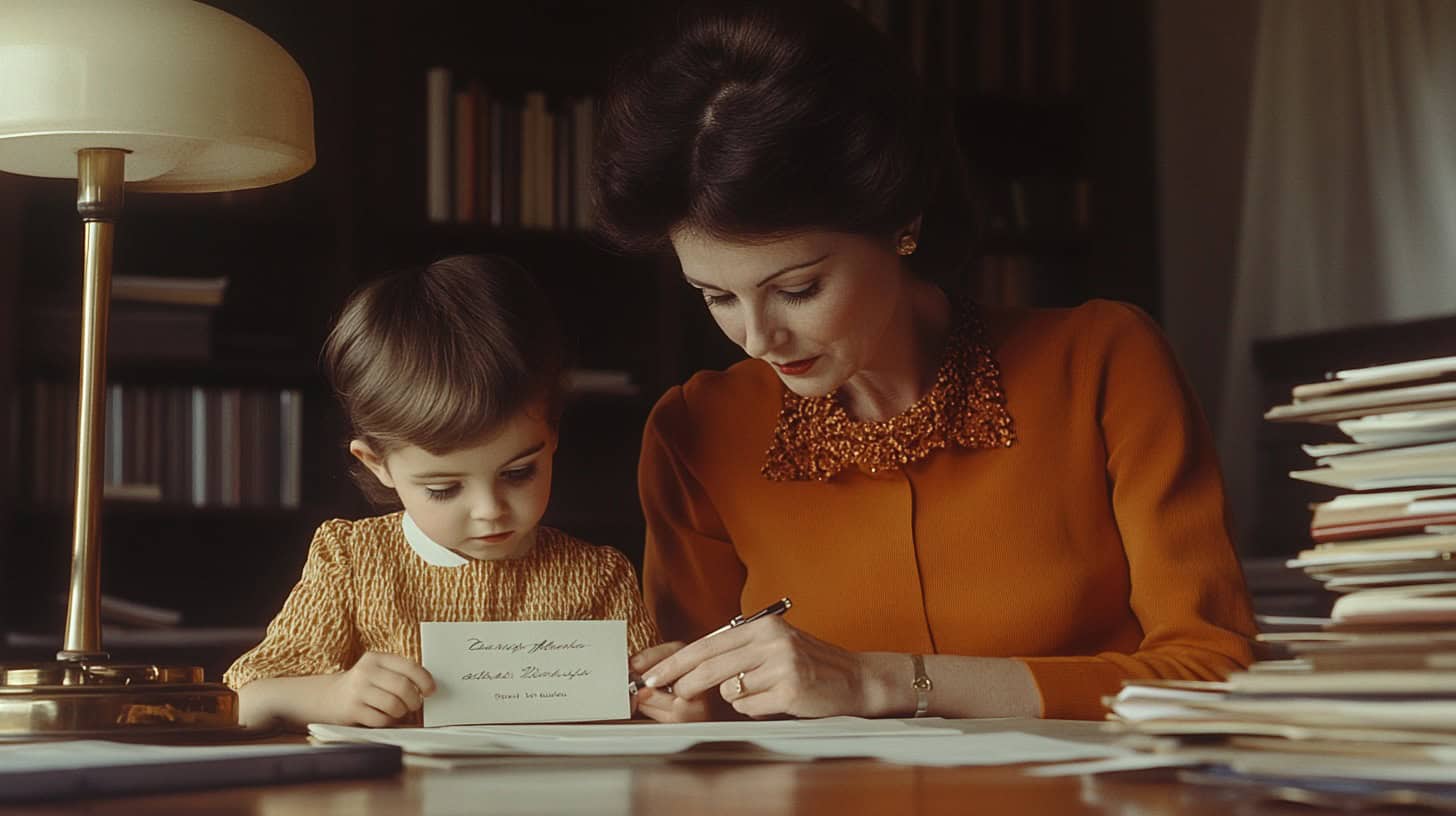
After receiving any gift, no matter how small, writing a thank you note was mandatory. These weren’t quick text messages or emails – they were handwritten notes that required thought and effort. Our mothers would sit us down at the kitchen table with proper stationery and supervise as we expressed our gratitude in carefully practiced penmanship.
5. Table Manners
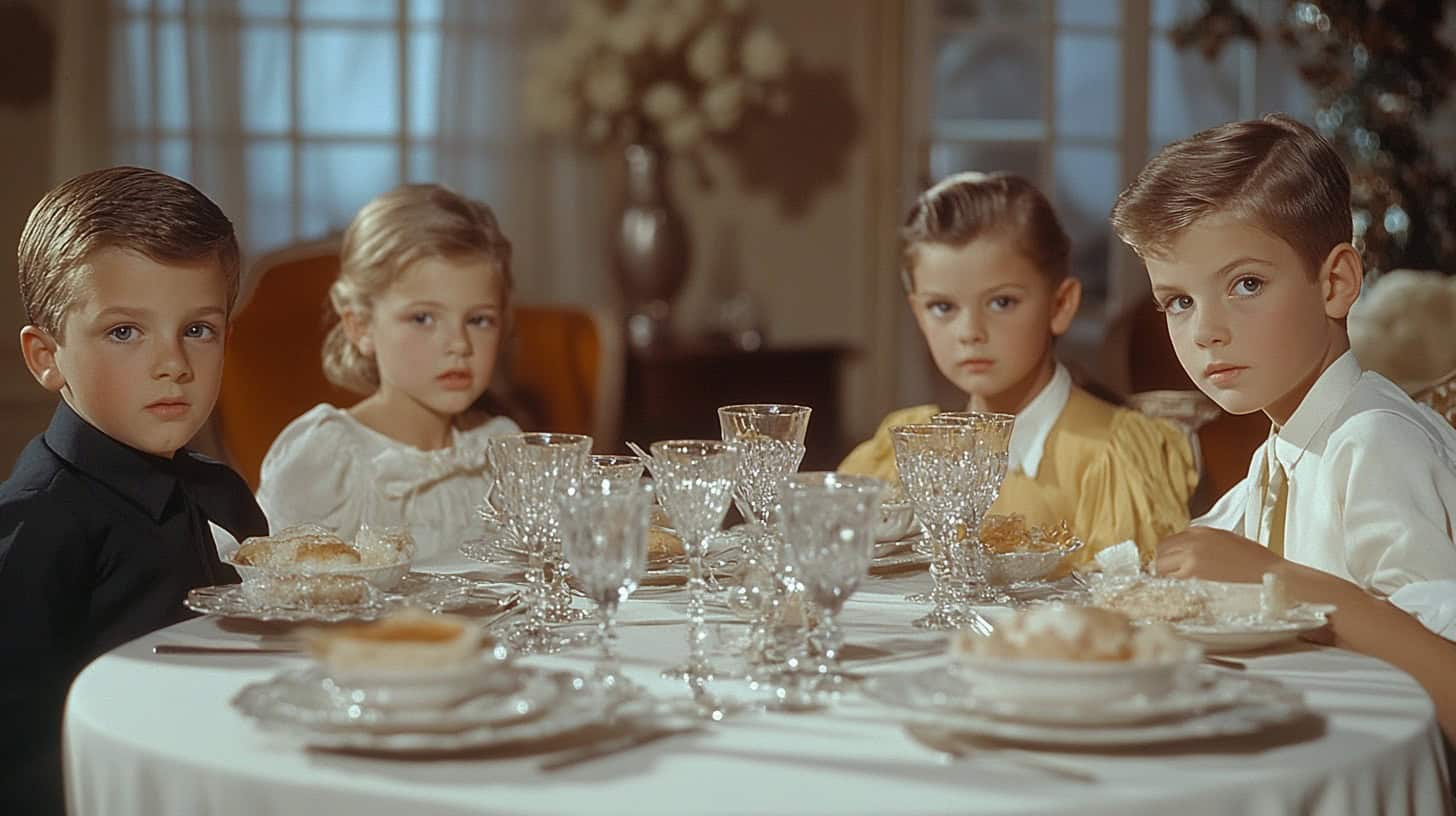
Dinner was a formal affair with strict rules: no elbows on the table, napkin in lap, wait until everyone was served to begin eating, and always ask to be excused before leaving the table. These weren’t just arbitrary rules – they were part of a larger lesson about respect for family time and consideration for others during shared meals.
6. Offering Your Seat

Whether on a bus, train, or in any public place, children were expected to give up their seats to adults, especially elderly people or pregnant women. This wasn’t just suggested – it was an absolute requirement. The lesson went beyond simple courtesy; it taught us to be aware of others’ needs and to put them before our own comfort.
7. Not Interrupting Adult Conversations

The phrase “children should be seen and not heard” might sound harsh today, but it taught us patience and respect for others’ conversations. If we needed to speak to an adult who was already in conversation, we were taught to wait quietly nearby until acknowledged. This taught us valuable lessons about patience and appropriate social timing.
8. Showing Respect for the Flag
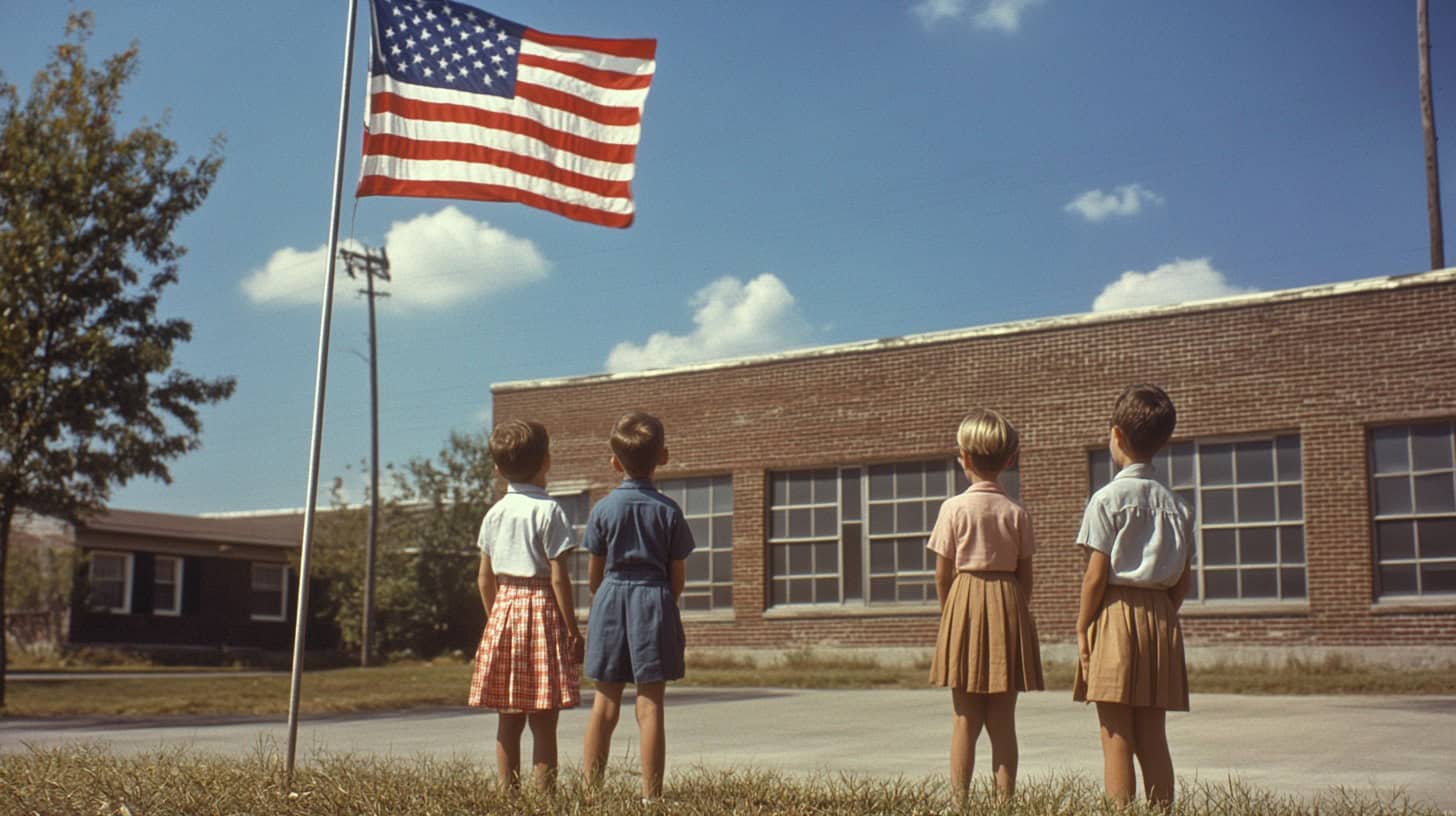
Patriotism was a daily practice in the 1960s. We learned to stand at attention during the national anthem, remove our hats, and place our hands over our hearts. When the flag was raised or lowered, all activity stopped. This reverence for national symbols was part of our daily routine, especially at school.
9. Greeting Visitors Properly
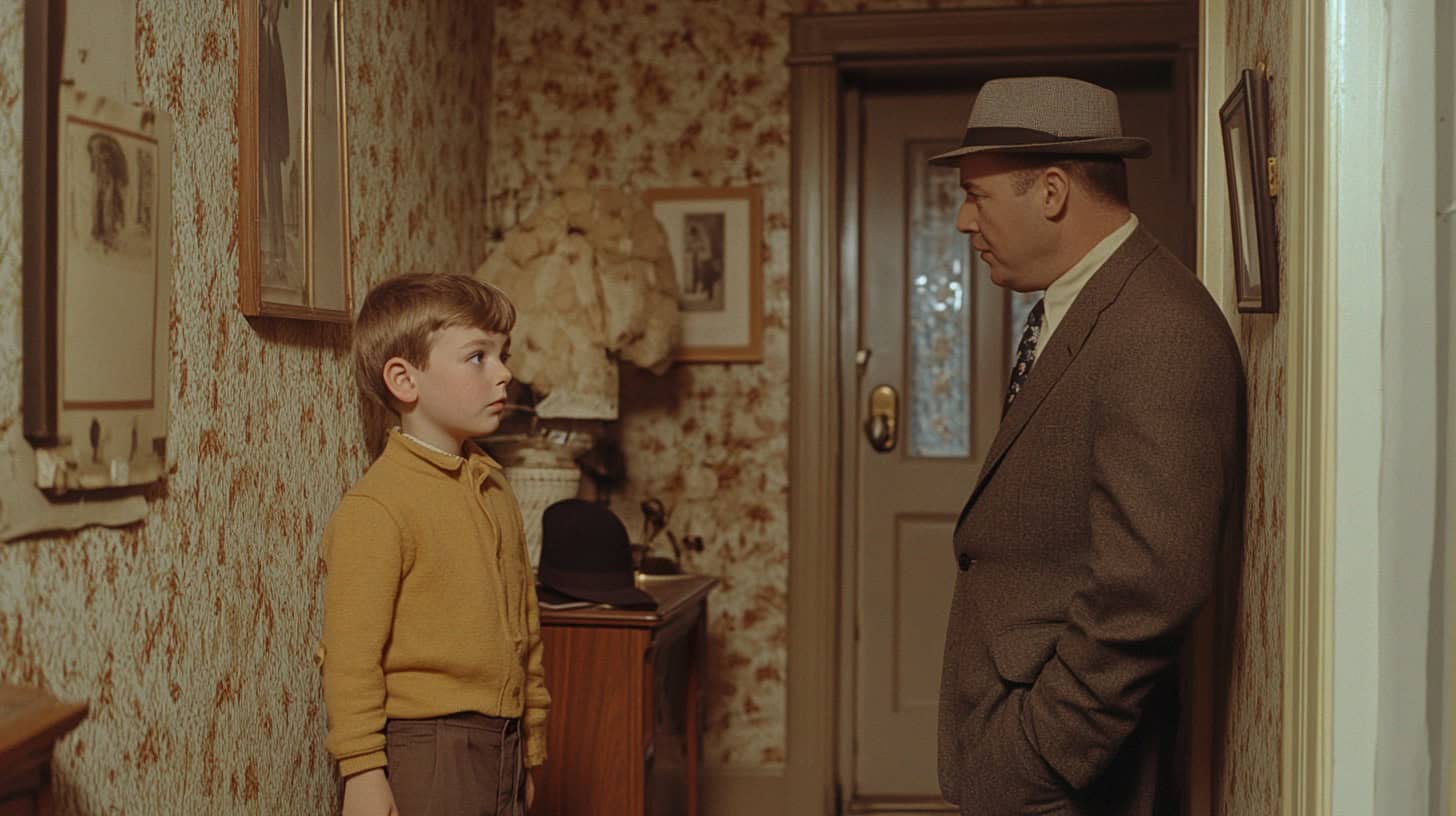
When guests arrived at our homes, children were expected to greet them properly at the door, take their coats, and make them feel welcome. We were taught to look people in the eye, shake hands firmly, and engage in polite conversation. These weren’t optional social niceties – they were fundamental expectations of how children should behave.
10. Respecting Property

Whether it was a neighbor’s flower garden or a friend’s toys, we were taught to treat others’ property with utmost respect. Breaking or damaging something that belonged to someone else was considered a serious offense. This extended to public property as well – we were raised to leave places better than we found them.
11. Responding When Called

When an adult called your name, “coming!” wasn’t enough – you were expected to respond with “Yes, Mother” or “Yes, Father” and actually appear promptly. Ignoring a call from your parents or any adult was considered deeply disrespectful. This immediate response system kept families connected in an era before cell phones and taught children the importance of being readily available.
12. Proper Dining RSVPs
If invited to dinner at a friend’s house, we were taught to respond promptly and stick to our answer. Changing plans last minute was considered incredibly rude, as mothers planned meals carefully and precisely. We also learned to arrive neither early nor late, but exactly on time – a skill that required genuine forethought in an era without GPS.
13. Church Behavior
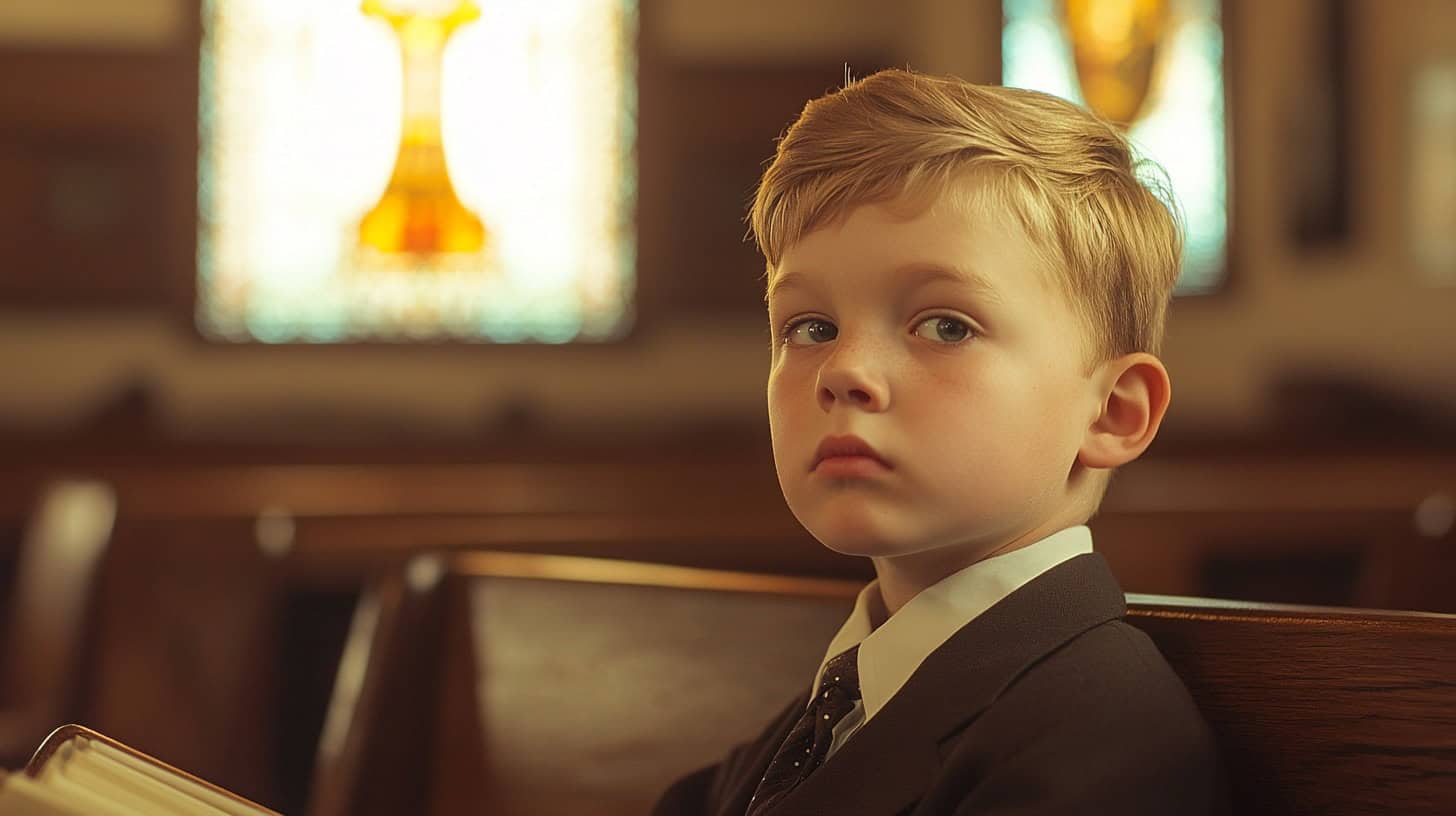
Sunday best wasn’t just about clothes – it was about behavior too. Children were expected to sit quietly during services, follow along in their hymnals, and show proper reverence in houses of worship. Fidgeting, whispering, or causing any disruption was met with swift correction, usually in the form of “the look” from Mom or Dad.
14. Borrowing and Returning
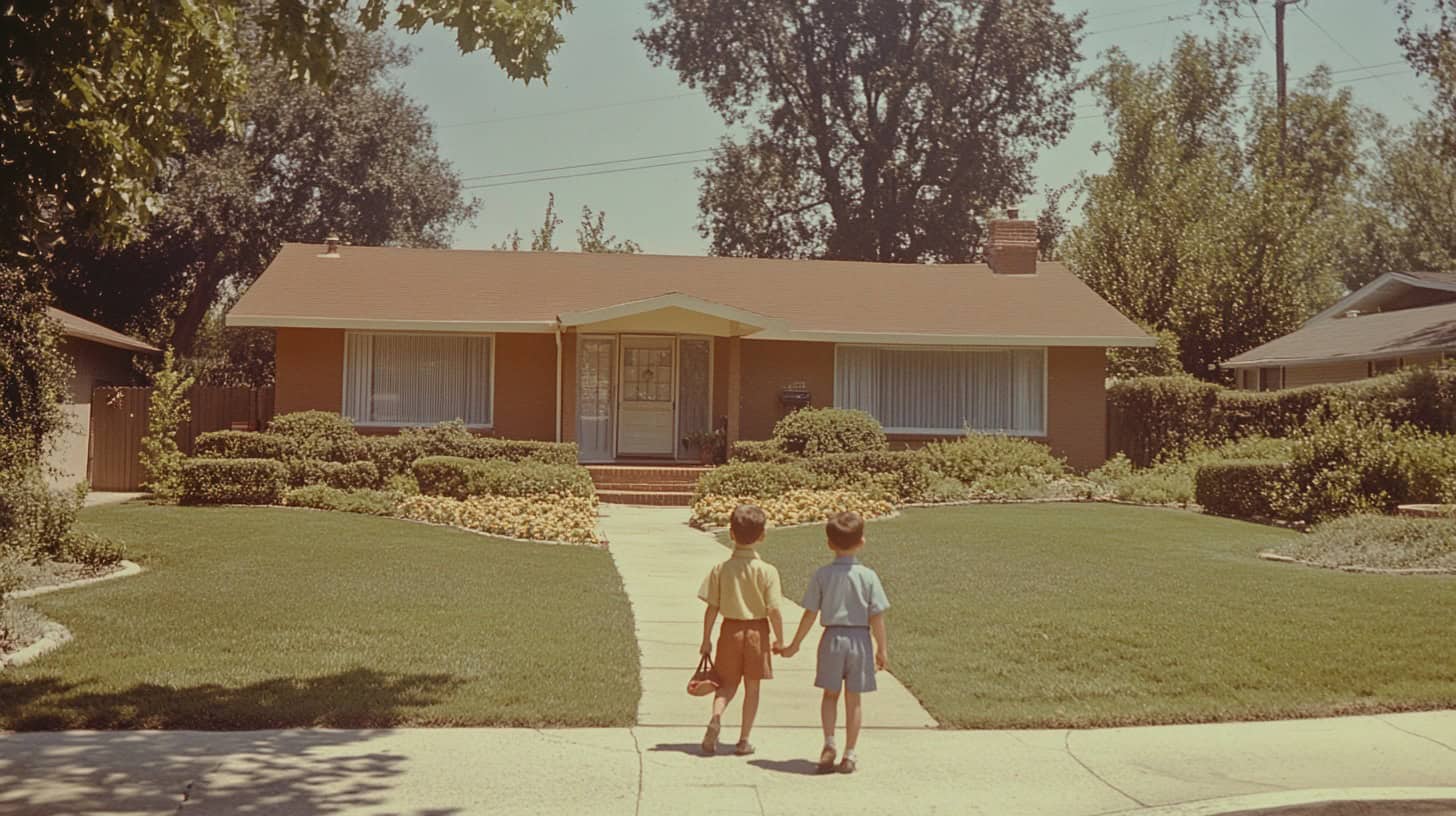
If you borrowed something, whether from a neighbor or the library, it was returned promptly and in the same (or better) condition than when you received it. This wasn’t just about responsibility – it was about maintaining trust within the community. Children learned early that their reputation for reliability started with these small acts of responsibility.
15. Cleaning Your Plate
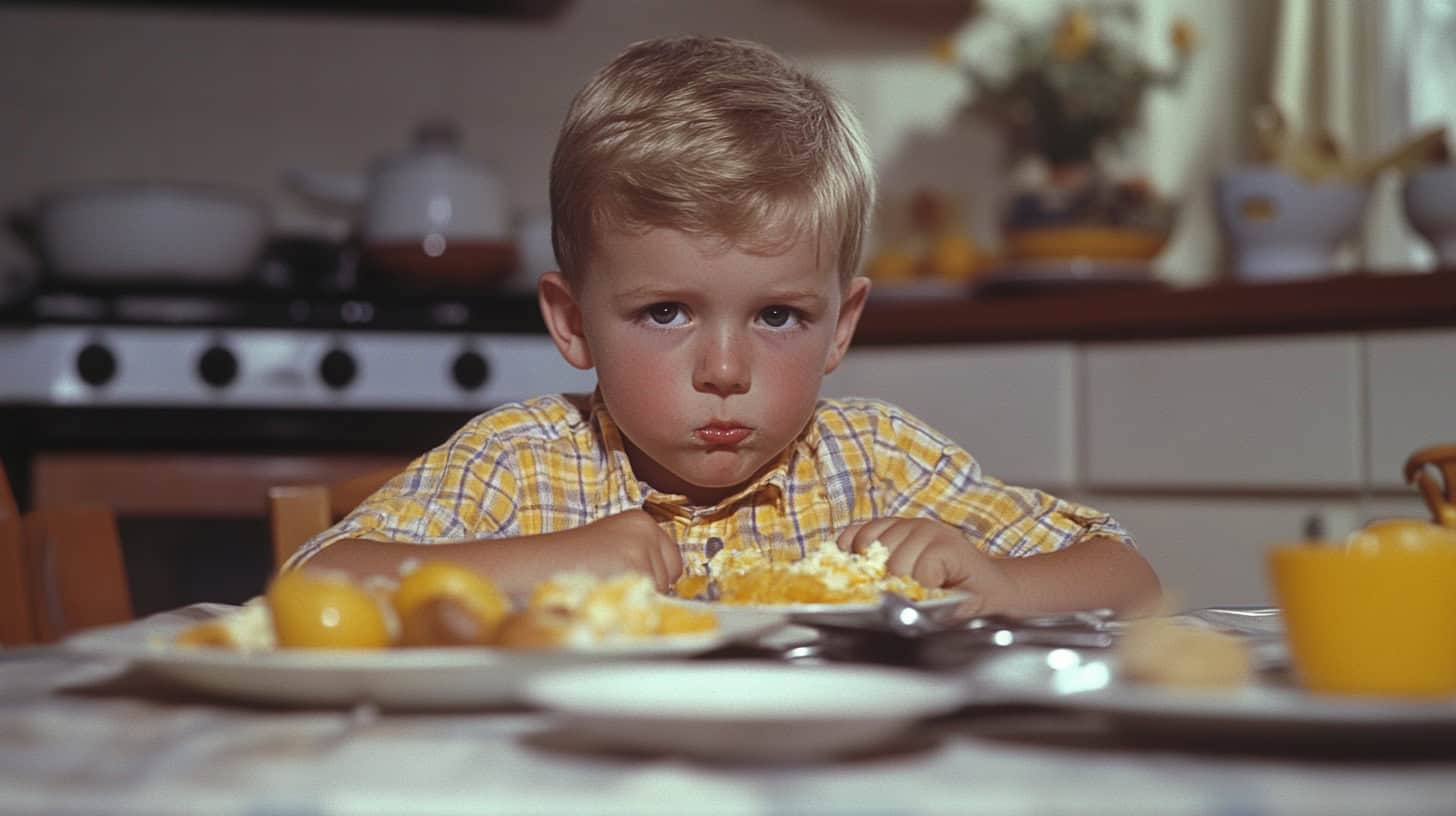
Wasting food was considered a serious offense in 1960s households. We were taught to take only what we could eat and finish everything on our plates. This wasn’t just about avoiding waste – it was about showing respect for the effort that went into preparing the meal and appreciation for our relative prosperity compared to the hardships our parents or grandparents may have experienced.
16. Door Holding Etiquette

Holding doors for others wasn’t just a suggestion – it was an expectation. Boys were specifically taught to hold doors for girls and women, while all children learned to hold doors for adults, people carrying packages, or anyone coming through behind them. This simple act of courtesy was considered a fundamental sign of good breeding and social awareness.