Sometimes, I think about how different things were back in the day—and I’m not just talking about the prices! The social fabric of our society was built upon certain expectations and courtesies that seem to have unraveled over time. Let me share some of those cherished social rules that made our communities feel more connected and civilized.
Table of Contents
- 1 1. Showing Up Unannounced Was Actually Welcome
- 2 2. Children Addressing Adults with Respect
- 3 3. Sunday Best Was a Thing
- 4 4. The Art of Letter Writing
- 5 5. Dinner Time Was Sacred
- 6 6. The Importance of RSVPs
- 7 7. Phone Call Etiquette
- 8 8. Respecting Public Spaces
- 9 9. The Lost Art of Conversation
- 10 10. Neighborhood Watch Culture
1. Showing Up Unannounced Was Actually Welcome
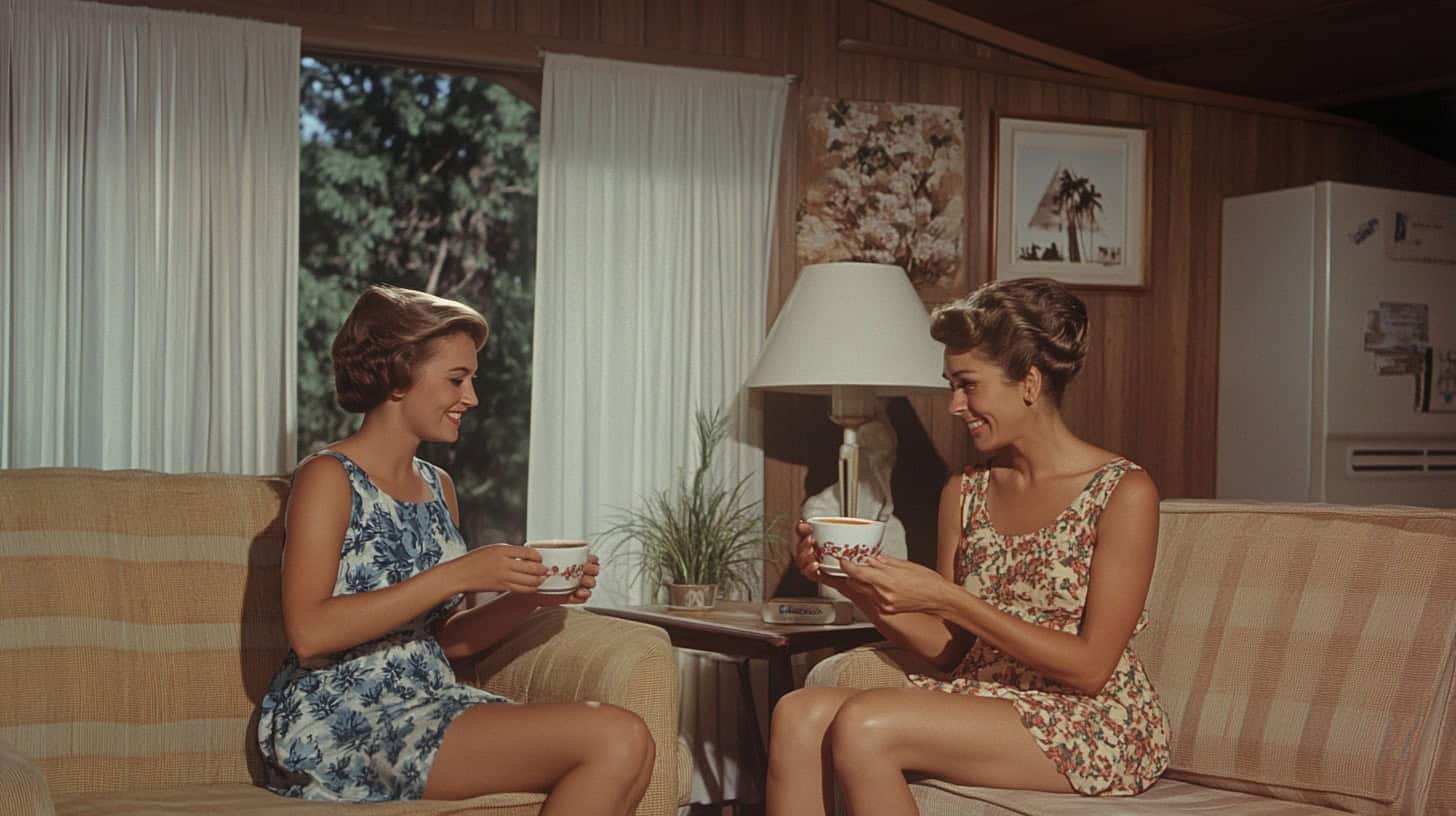
Remember when neighbors would just pop by for coffee and conversation? No text messages, no scheduling apps – just the friendly ring of the doorbell and the promise of good company. Homes were always “visitor-ready,” and there was something wonderful about that spontaneous social connection that made our neighborhoods feel like real communities.
Save for later
Want to come back to this story? Save it with your email so it is easy to find again.
2. Children Addressing Adults with Respect
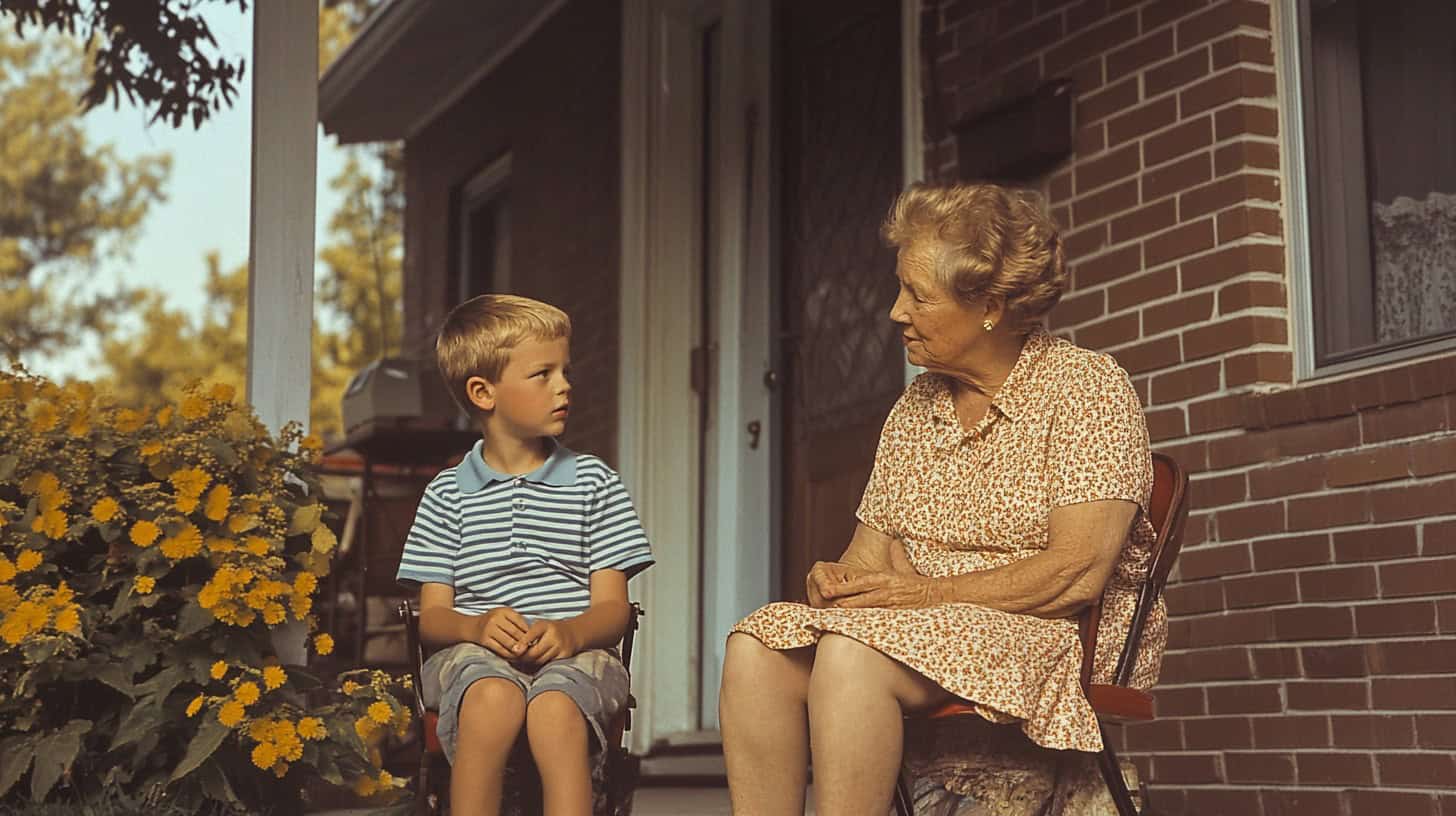
It was “Yes, sir” and “No, ma’am” without exception. Children were taught to stand when adults entered the room and to look people in the eye when speaking. This wasn’t just about manners – it was about teaching young people to respect their elders and authority figures, creating a foundation of civility that carried into adulthood.
3. Sunday Best Was a Thing

Dressing up wasn’t just for special occasions—it was a way of showing respect for yourself and others. People took pride in their appearance when heading to church, dining out, or traveling. This wasn’t about vanity but about demonstrating that you valued the occasion and the company you were in.
4. The Art of Letter Writing
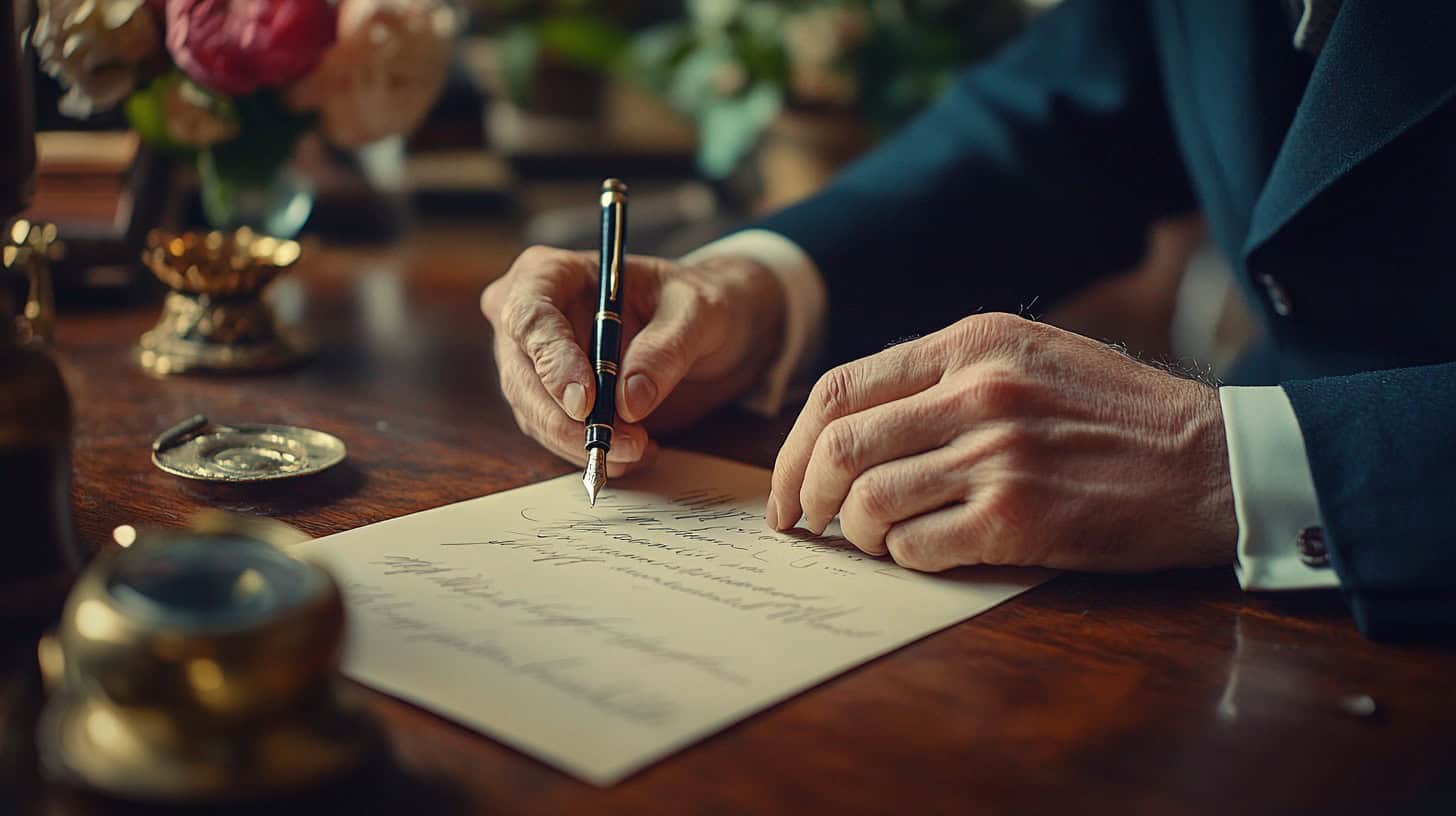
Taking the time to write a proper letter showed thoughtfulness and care. Thank-you notes weren’t optional, and personal correspondence was an art form. The anticipation of receiving a handwritten letter and the joy of carefully crafting a response created meaningful connections that today’s instant messages will never replicate.
5. Dinner Time Was Sacred
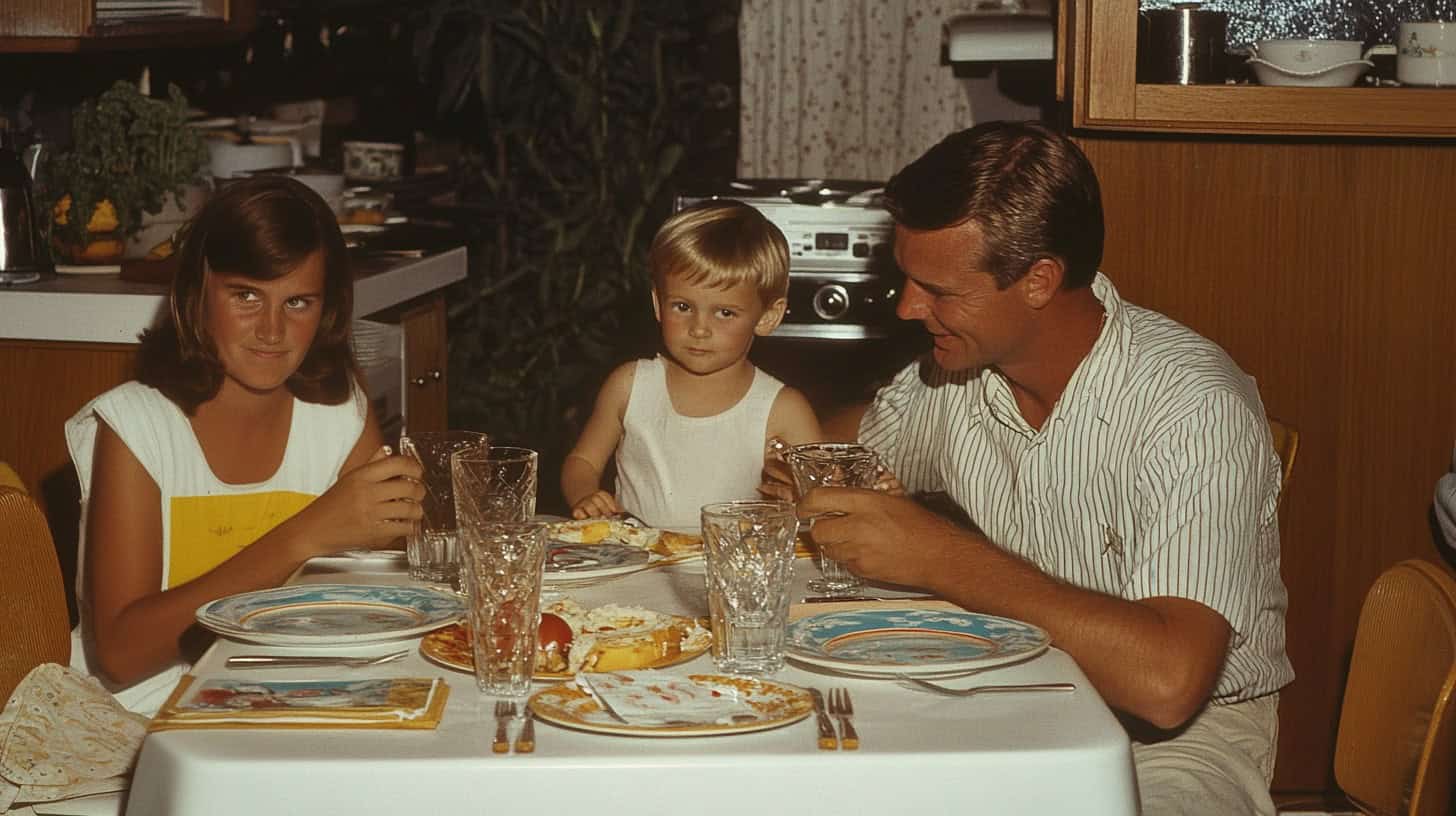
Families gathered at the table every evening. There were no phones nor TV, just conversation and connection. Everyone waited until all were served before eating, and asking to be excused was mandatory. These daily rituals helped build strong family bonds.
6. The Importance of RSVPs
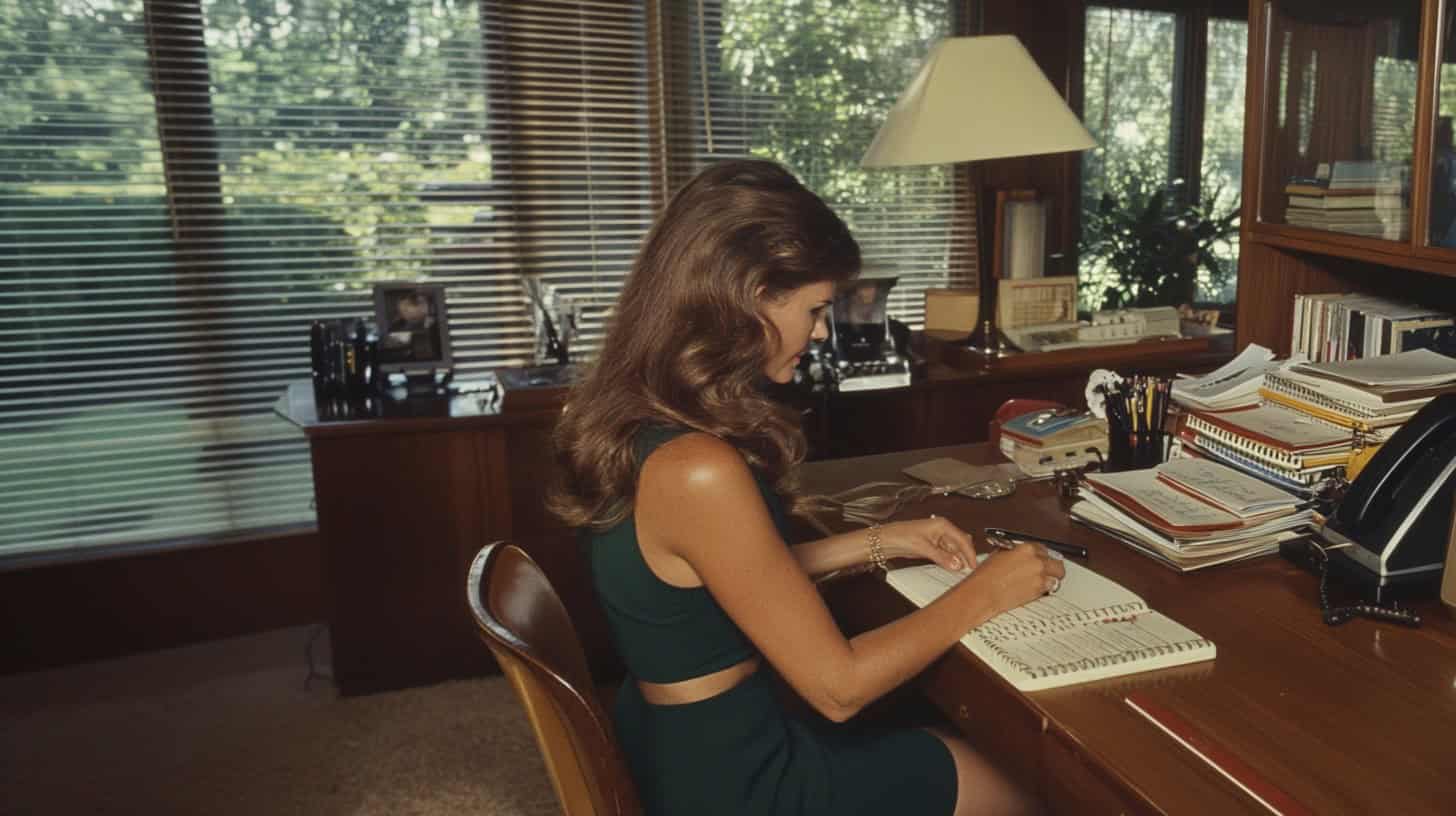
When you received an invitation, responding promptly was non-negotiable. People understood that planning events took effort and resources. The simple courtesy of a timely RSVP showed respect for the host and made social gatherings more organized and enjoyable for everyone involved.
7. Phone Call Etiquette

No calls during dinner hours, introducing yourself properly, and never calling after 9 PM unless it was an emergency. Phone conversations had structure and respect built into them. Even children were taught proper phone manners, including politely taking messages for their parents.
8. Respecting Public Spaces

People were mindful of their volume in public, kept their children well-behaved, and always cleaned up after themselves. Whether at a restaurant, movie theater, or park, everyone understood and followed an unwritten code of conduct, making public spaces more pleasant.
9. The Lost Art of Conversation

People knew how to engage in meaningful dialogue without checking their phones every few minutes. Topics like politics and religion could be discussed civilly, and listening was considered as important as speaking. These conversations built real connections and understanding between people.
10. Neighborhood Watch Culture

Neighbors looked out for each other’s children, properties, and well-being without being asked. If someone was sick, food would appear on their doorstep. If kids were misbehaving, any adult could correct them. This created a genuine sense of community and shared responsibility.