Remember those days when grocery shopping was a completely different experience? Before the era of self-checkout lanes and smartphone coupons, getting groceries was a much simpler affair. Let’s take a nostalgic trip back to the 1960s when grocery shopping was not just about filling your cart but about community, conversation, and some pretty remarkable prices that’ll make your jaw drop today.
Table of Contents
- 1 1. Glass Milk Bottles with Home Delivery
- 2 2. S&H Green Stamps Were Like Gold
- 3 3. Grocery Stores Closed on Sundays
- 4 4. Paper, Not Plastic
- 5 5. The Butcher Knew Your Name
- 6 6. Those Amazing Prices
- 7 7. No Scanners at Checkout
- 8 8. Limited Frozen Food Options
- 9 9. Grocery Store Credit
- 10 10. Personal Service at Every Counter
- 11 11. Glass Soda Bottle Return Station
- 12 12. Real Produce Seasonality
- 13 13. The Coffee Grinding Station
1. Glass Milk Bottles with Home Delivery

The milkman was a daily fixture in our lives back then. Every morning, we’d wake up to fresh milk in glass bottles right on our doorstep. Sometimes, cream, butter, and eggs were also delivered. The empty bottles would be cleaned and left out for the next day’s delivery – a recycling system that was indeed ahead of its time. Glass bottles kept the milk colder and fresher than today’s cartons.
Save for later
Want to come back to this story? Save it with your email so it is easy to find again.
2. S&H Green Stamps Were Like Gold
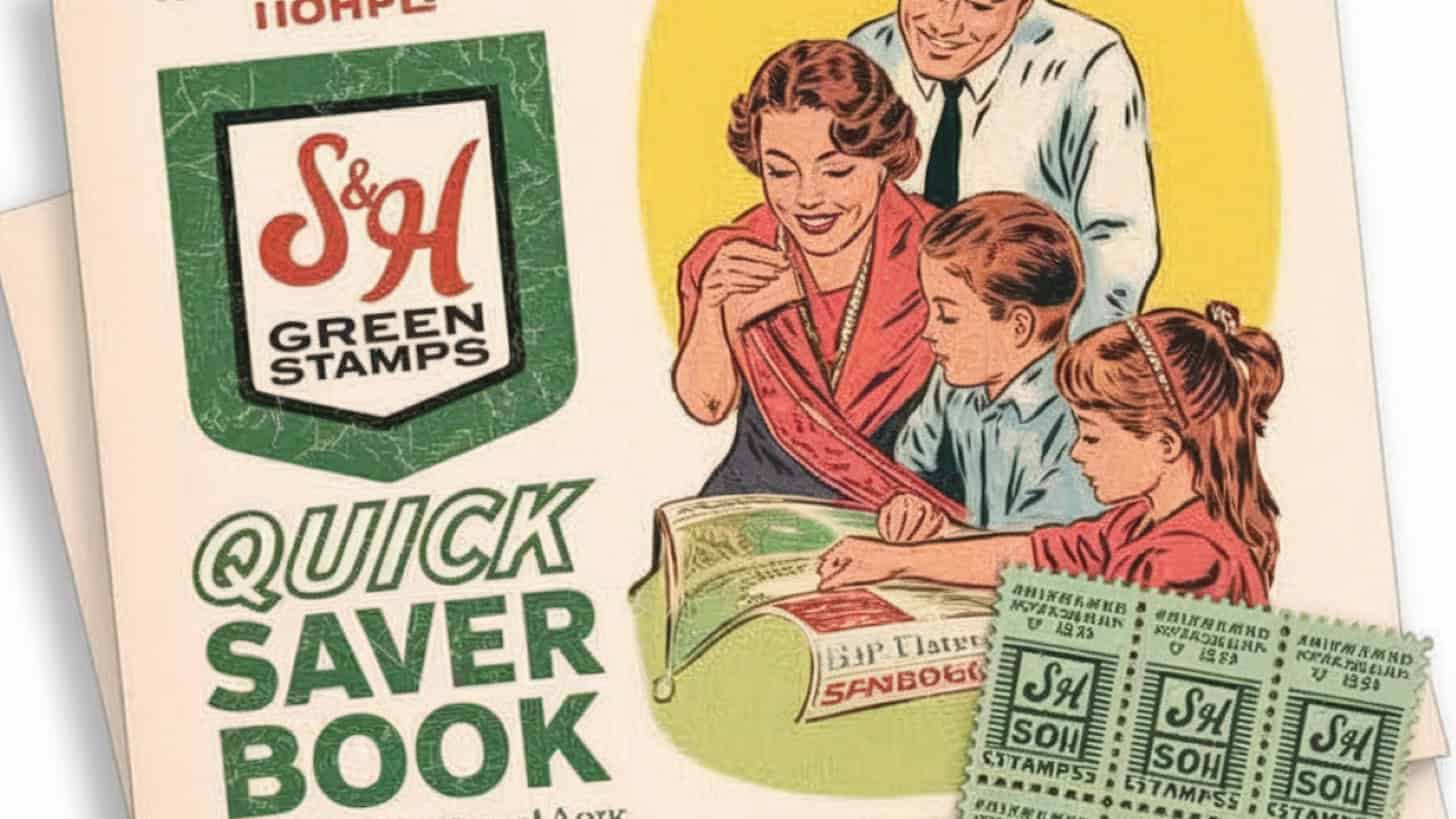
Every grocery purchase came with S&H Green Stamps that we carefully stuck into books. It was one of the first loyalty programs. Once enough books were filled, they were exchanged for household items. This was a fun and rewarding system for families, and the anticipation of redeeming stamps made shopping more exciting.
3. Grocery Stores Closed on Sundays

Due to Blue Laws, most grocery stores were closed on Sundays. Shoppers had to plan ahead to avoid running out of essentials. Sundays were reserved for rest, family gatherings, and home-cooked meals. This collective pause in the week fostered community bonds and offered a rhythm to life that is less common today.
4. Paper, Not Plastic

There wasn’t a “paper or plastic” choice—it was sturdy brown paper bags all the way. These bags were often repurposed for various uses, like covering school books. The baggers were skilled at arranging items efficiently, and the familiar crinkle of a full paper bag evokes nostalgia for many.
5. The Butcher Knew Your Name
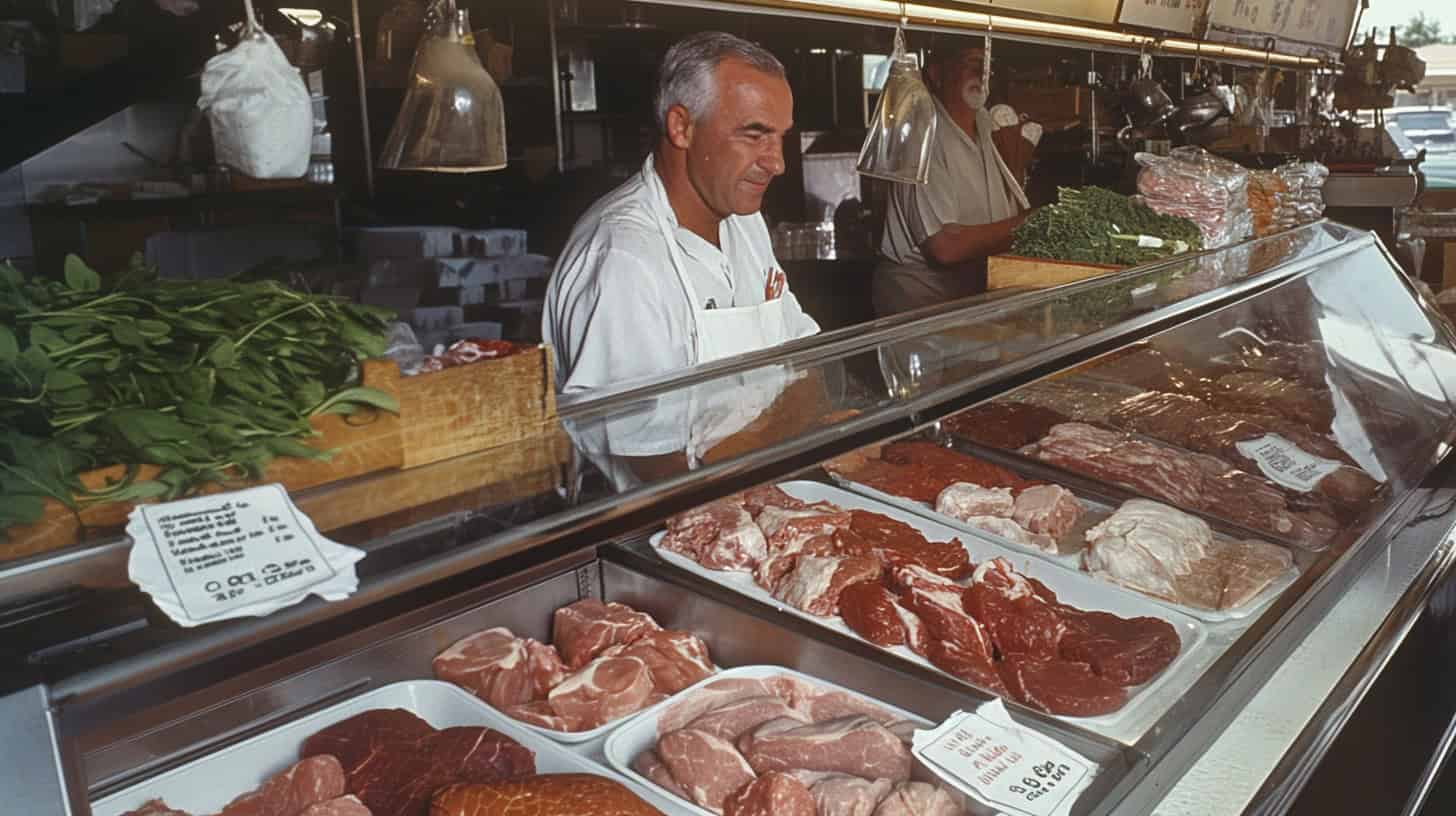
The local butcher wasn’t just someone behind the counter — he knew your family’s preferences and would set aside your favorite cuts. Customers could request special orders, receive cooking advice, and enjoy friendly chats. The meat was wrapped in brown paper and string, a far cry from today’s plastic packaging.
6. Those Amazing Prices
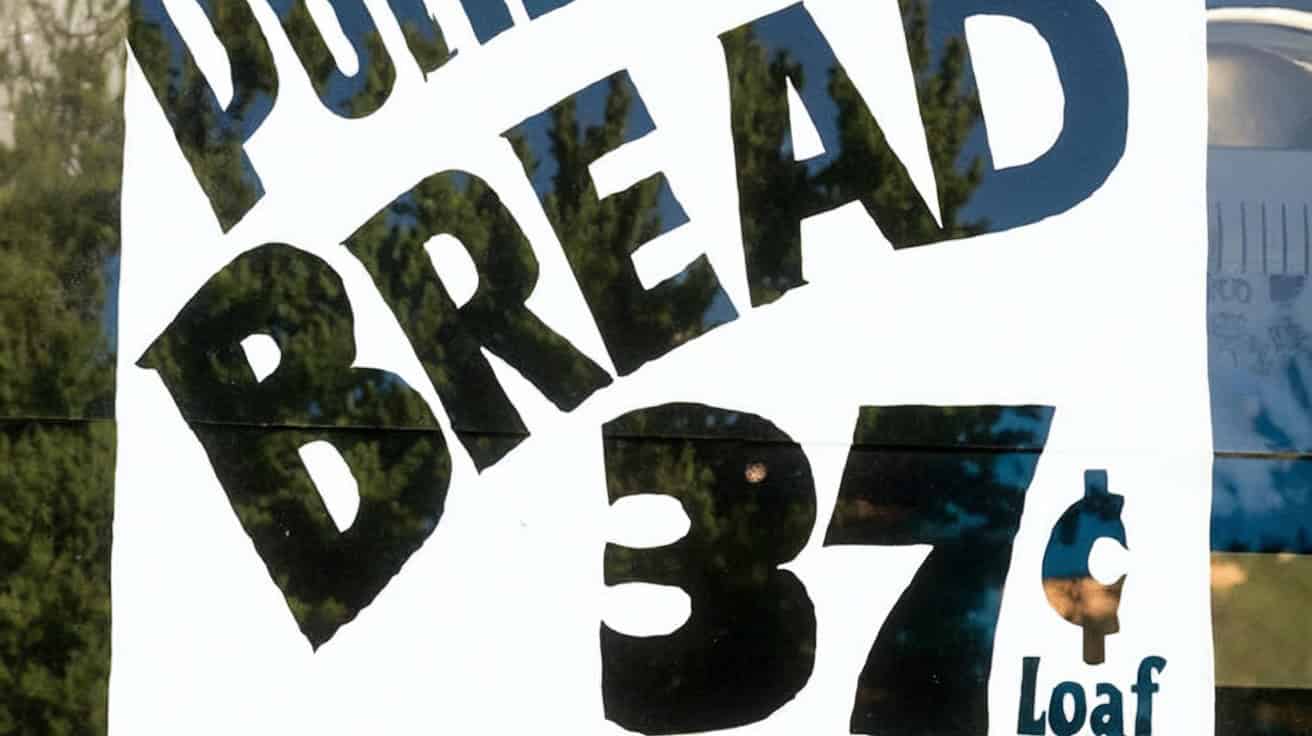
A loaf of bread for 20 cents, milk for 49 cents a gallon, and eggs for 53 cents a dozen were typical prices. While wages were lower, the affordability of groceries was notable. Prices were often hand-written, adding a personal touch to the shopping experience.
7. No Scanners at Checkout
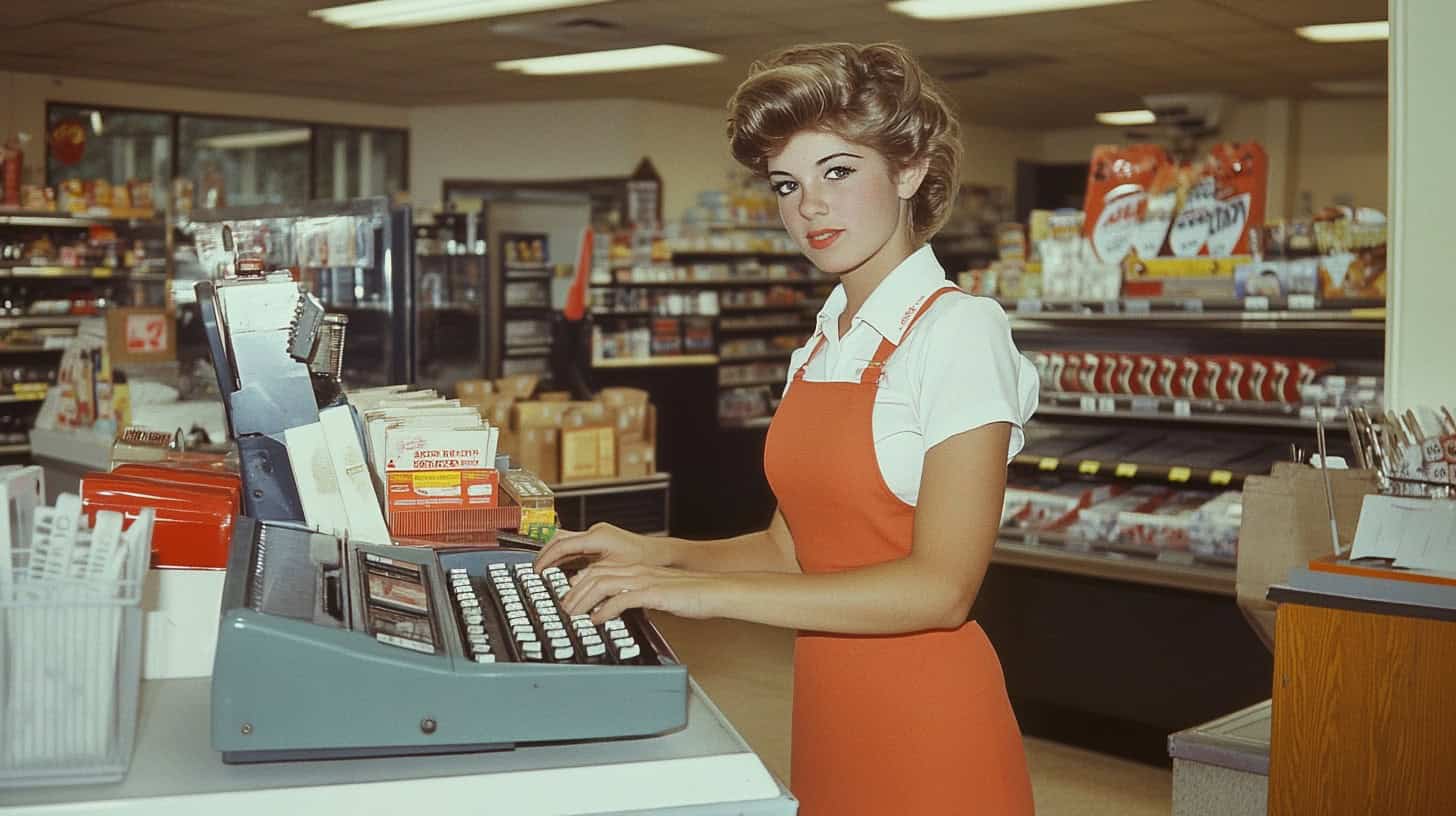
Cashiers had to manually enter every price, displaying impressive speed with mechanical registers. The iconic ka-ching of the cash drawer was familiar and comforting. Watching them calculate change by hand was a testament to their skill and efficiency.
8. Limited Frozen Food Options
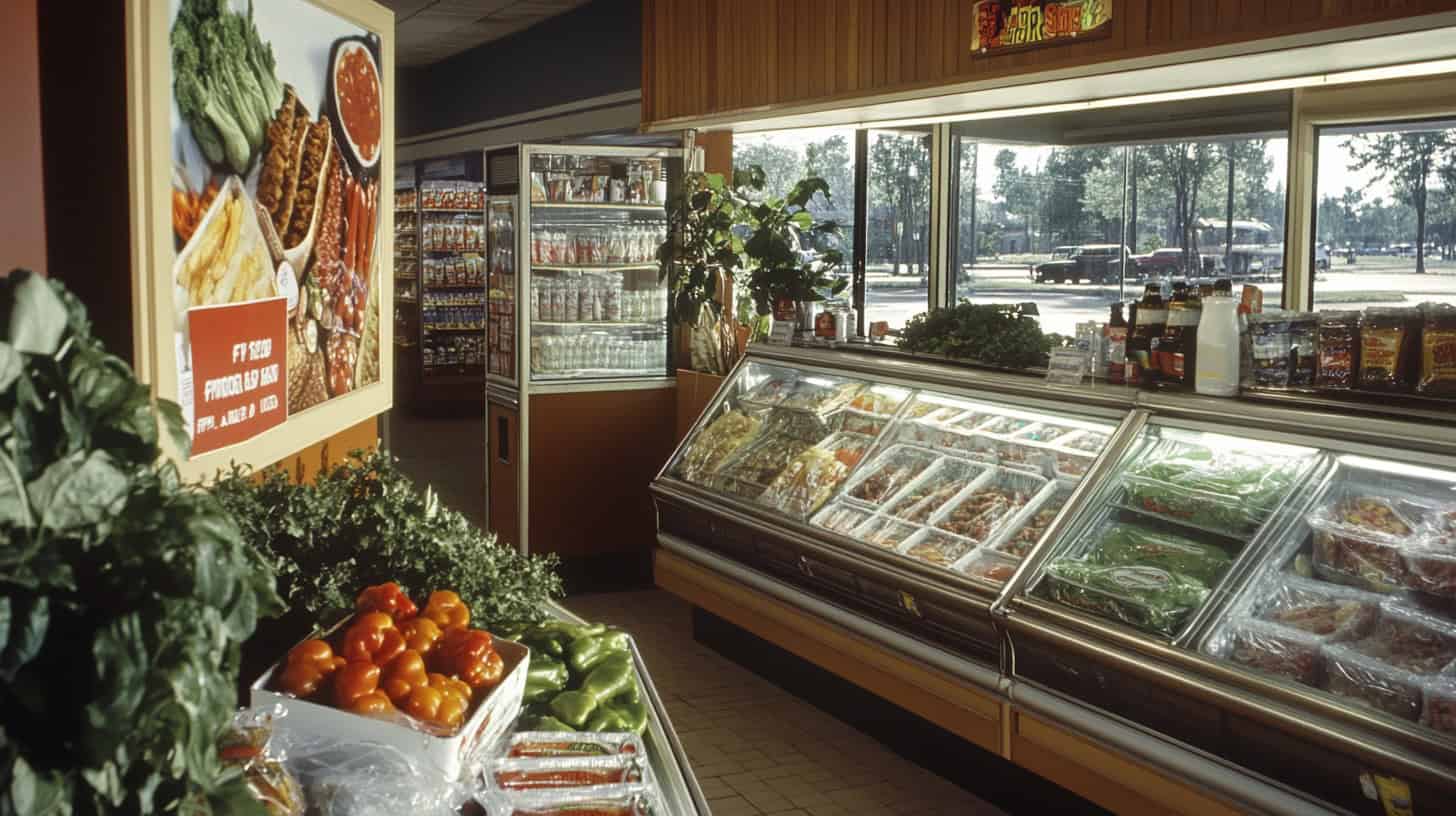
The frozen food section was small, with TV dinners just gaining popularity. Most families cooked from scratch, relying on frozen vegetables and ice cream as staples. Freezer cases required manual defrosting, often resulting in foggy glass doors.
9. Grocery Store Credit
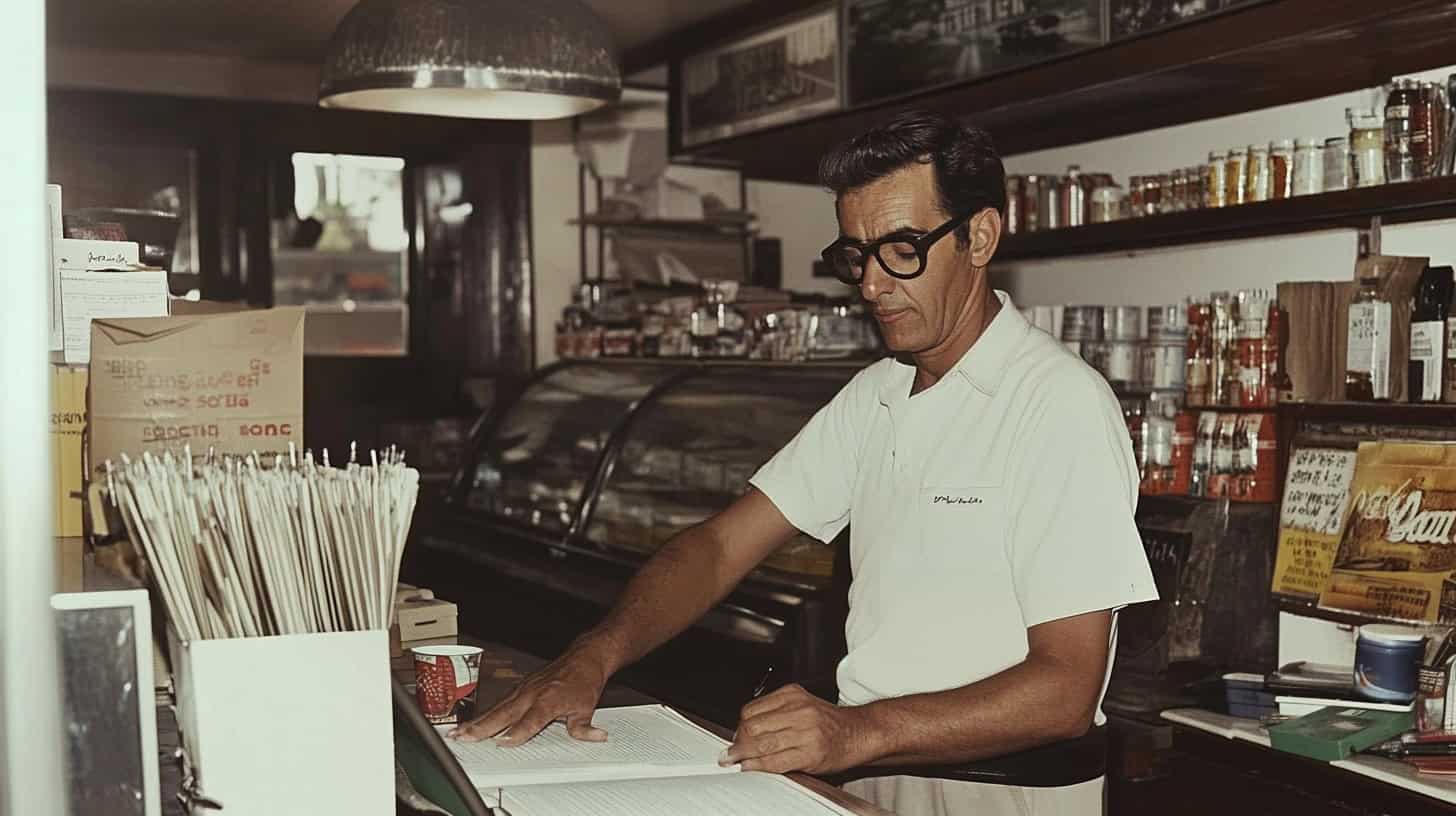
Local grocery stores often offered credit to regular customers, recording purchases in small notebooks. This system was based on trust and community ties, allowing families to settle their bills monthly without concerns about credit scores or interest.
10. Personal Service at Every Counter

At the deli, produce section, or bakery, there was always someone to assist you with selecting the freshest items and offering cooking tips. The personal attention made shopping a social experience, and employees were often neighbors who took pride in their work.
11. Glass Soda Bottle Return Station
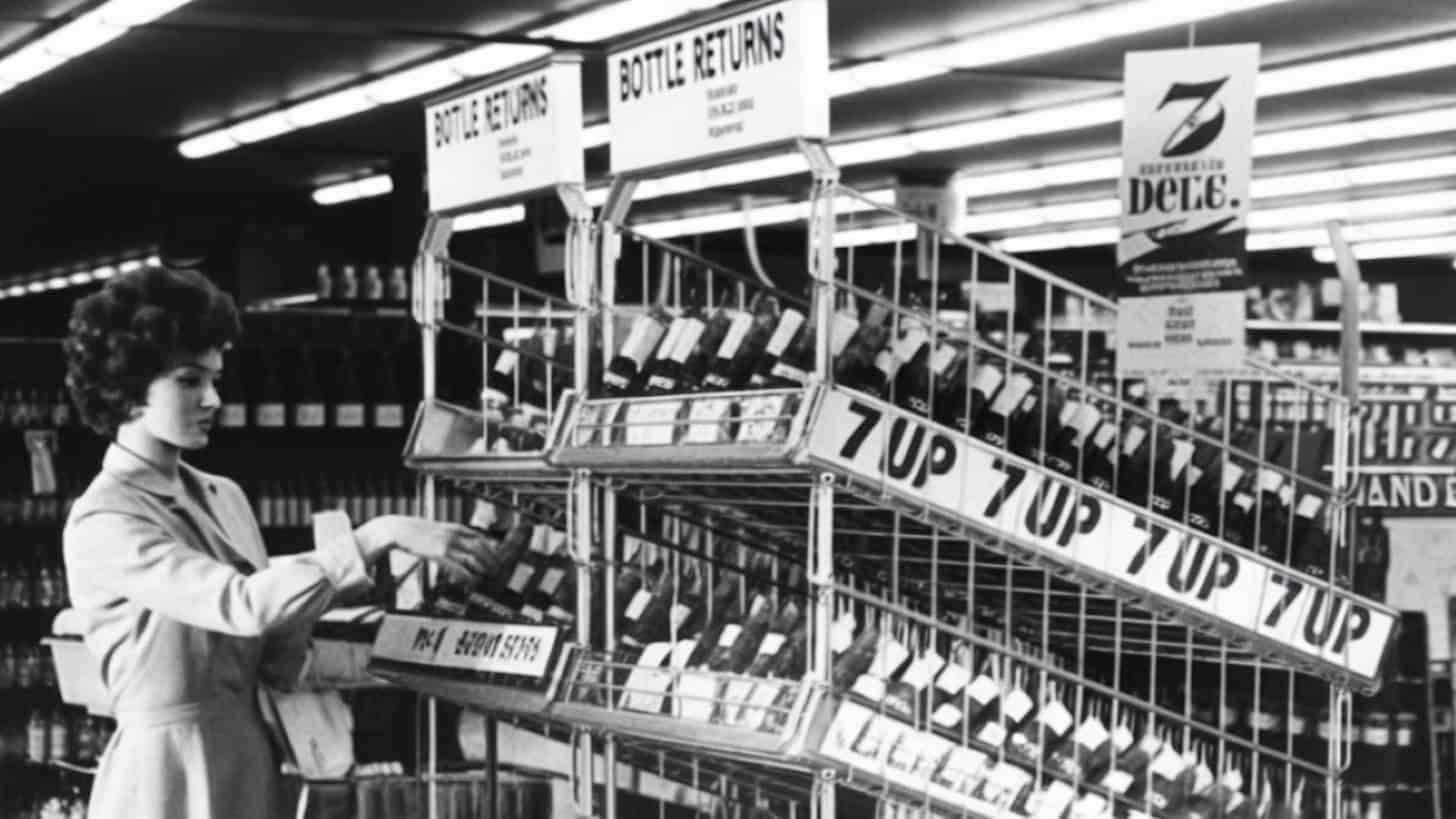
Every grocery store had a bottle return station where kids could return glass soda bottles for a small refund, often around 2 cents each. This encouraged recycling and gave children a fun way to earn pocket money, making it seem like a treasure hunt.
12. Real Produce Seasonality

Produce was strictly seasonal, with strawberries in spring, corn in late summer, and oranges in winter. This seasonal availability made each harvest special, and families eagerly anticipated the arrival of their favorite fruits and vegetables.
13. The Coffee Grinding Station
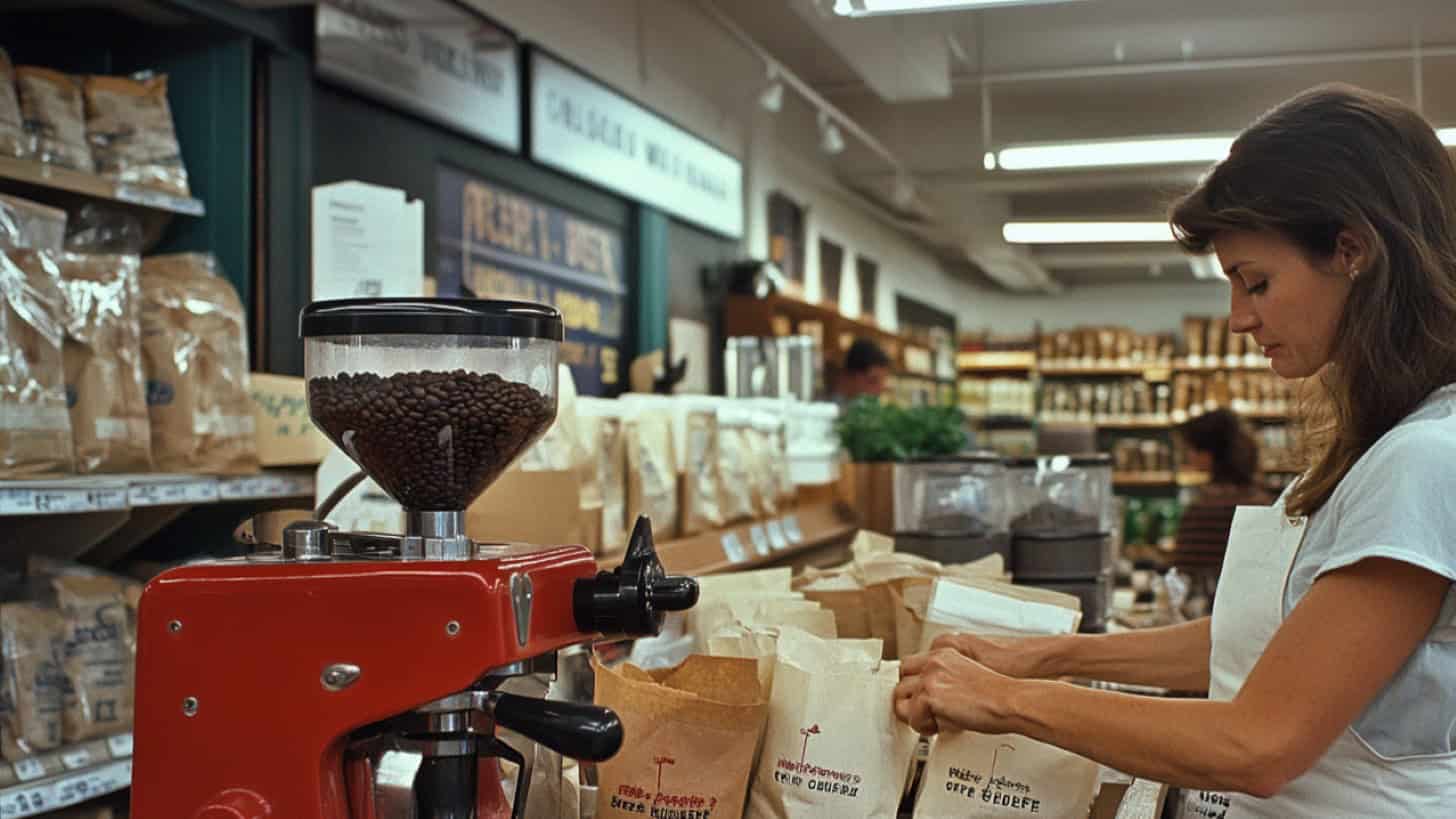
The rich aroma of freshly ground coffee filled the aisle as customers used the store’s grinder. Selecting whole beans from large bins and grinding them right there ensured a fresh and aromatic coffee experience that many remembered fondly.