Do you remember when you would learn news other than just refreshing a webpage? When learning news used all the senses? There was the crisp sound of the newspaper being opened, the pop of static from radios, and the rush of sharing the news with a friend? Nostalgia is how we felt about getting news before there was a 24 hour news cycle.
Table of Contents
1. The Morning Paper

Getting a newspaper was almost like an alarm clock. Once we heard a paper drop on our porch, we would go and unpack the paper. Each family member would take a different section and would talk about it while eating breakfast.
Save for later
Want to come back to this story? Save it with your email so it is easy to find again.
2. Evening News Radio
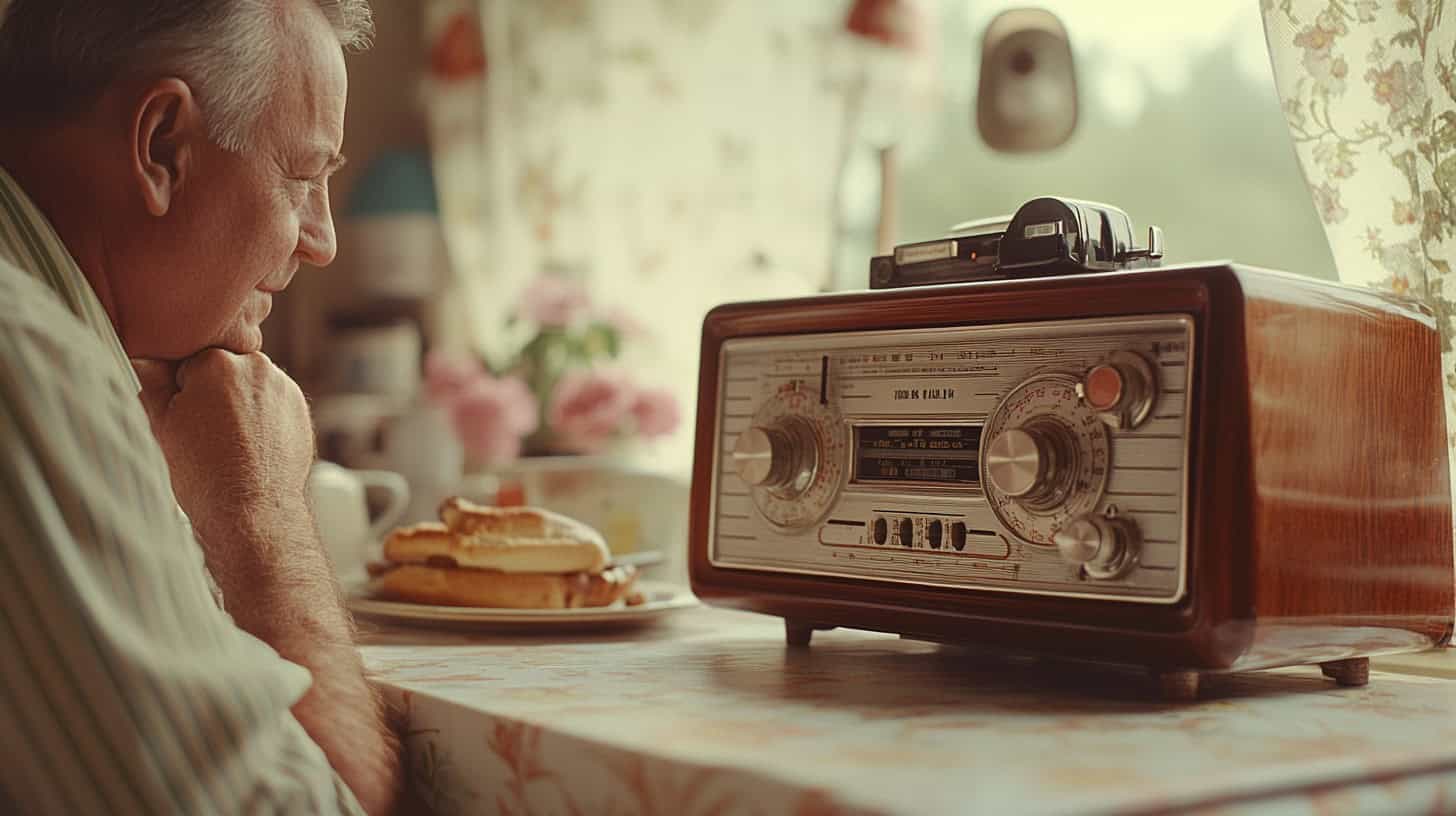
Even when news was just radio and we would sit and listen with the family to Ed Murrow. When he started to speak he painted pictures with his words. It was a lot clearer than whatever image a TV could produce.
3. The 6 O’Clock News

With Cronkite and the other news anchors we all had family members who were not in our own houses. These news anchors were with us at dinner from the start to end of the news cycle. They picked very few stories to discuss. And when he said “that is how it is” we were the most educated.
4. Weekly News Magazines

Photographic coverage and in-depth analysis of historical events are found in the pages of Life, Look, and Time magazines. The weekly publication cycle allowed coverage of events, issues, and stories that are too close in time for daily publications to allow analysis. Many families built unofficial time capsules by saving magazines.
5. Newsreels at the Movies
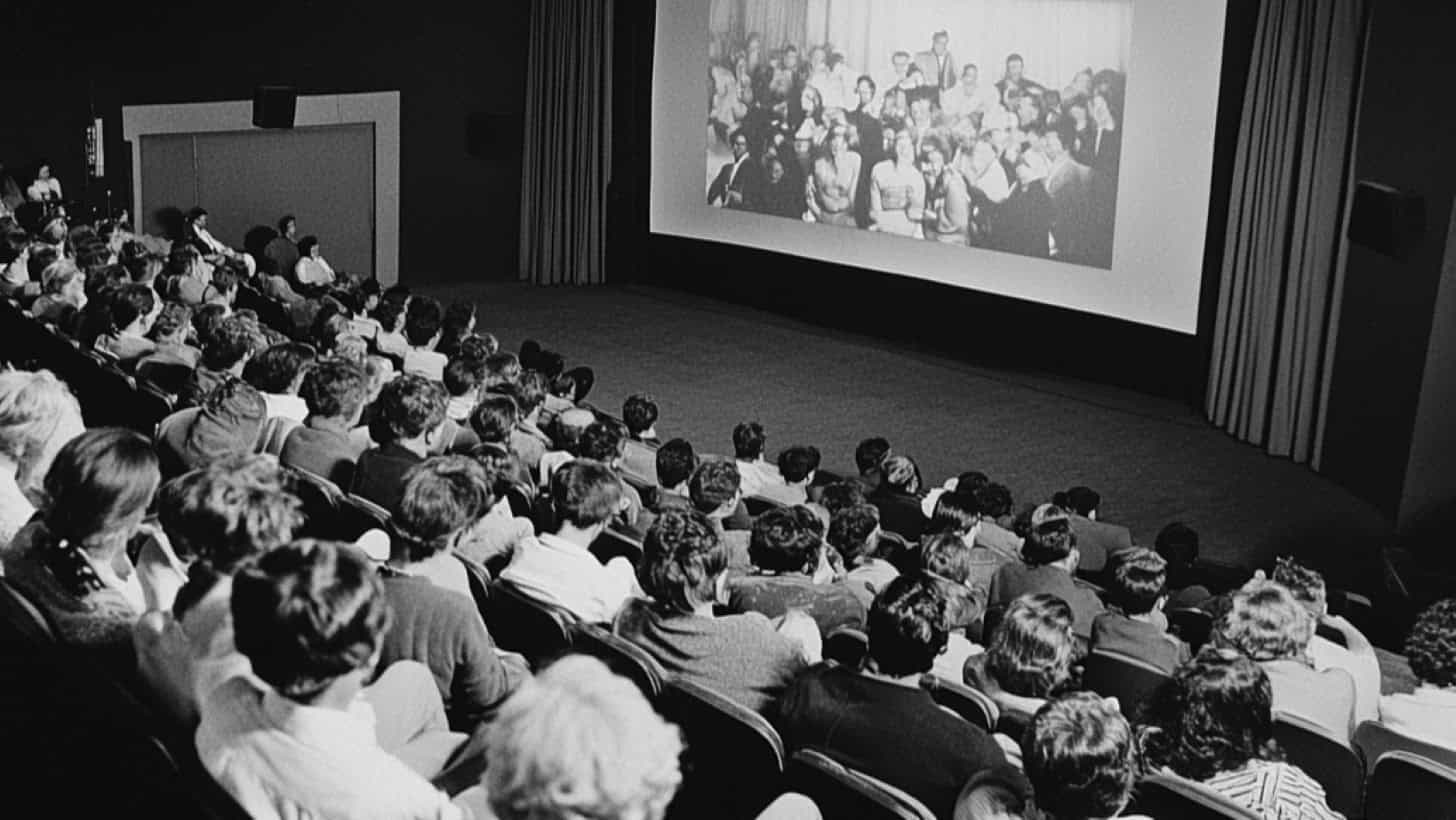
Newsreels offered one of the only opportunities to see major events unfolding and to hear the drama of an orchestra. Narration, and music would accompany the newsreel and would serve to heighten the viewer’s response to the events. Prior to a feature-length film, a newsreel would show events that had occurred recently from around the globe.
6. Word of Mouth

Local news was often spread through back fences, neighborhood gatherings, and the local corner store, beauty salon, and barbershop. Local news was discussed and shared through these informal news centers and dispersed via these social networks. Personal connections were the most effective means to spread the news.
7. Party Line Phone Calls
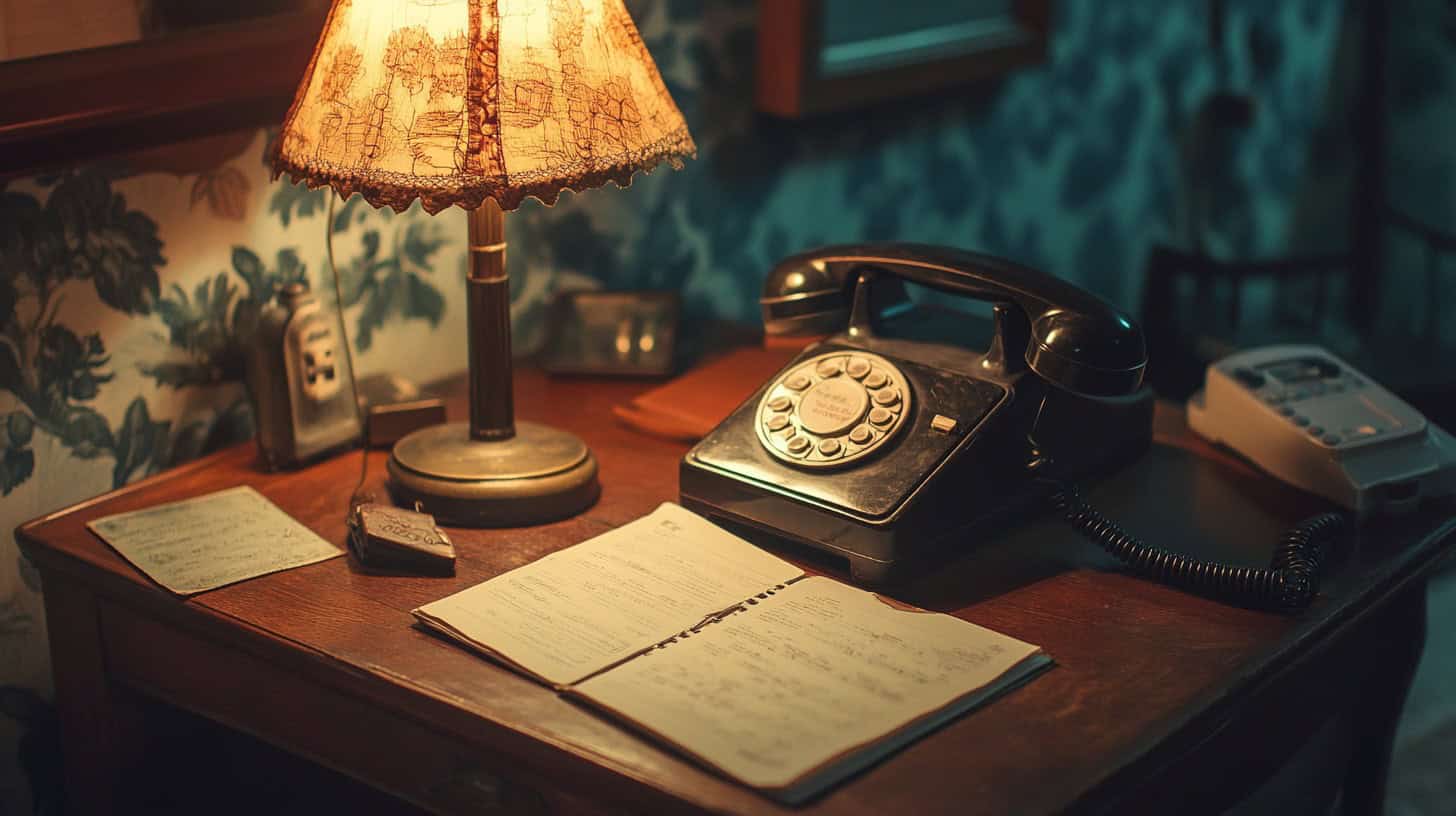
News was spread through what could have been considered a communal network. Although shared telephone lines were not the most private means of communication, they were effective in rural and suburban areas. News that was important to the community was passed quickly through these lines.
8. Bulletin Boards

Billboard signs at the local grocery store, post office, and community centers have always served as the official communication center of the community in rural towns. On these boards, communally important news and event announcements are posted.
9. Police and Fire Scanners

Police scanners would have provided real-time information on emergency events and incidents to households before reporting on the events. Scanners provided a line to first responders and reported community happenings before it was news.
10. Public Speeches

Community leaders and politicians held regular speeches and town halls to announce important information updates. These events served a social purpose by helping the community to come together and learn and discuss these issues face to face.
11. News Tickers

As for large urban areas, the big buildings had electronic news tickers that showed the passing pedestrians the latest news. The most famous one was the “zipper” news ticker located at Times Square, which started operating in 1928. The news headline scrollers attracted large crowds and generated communities for impromptu news sharing.