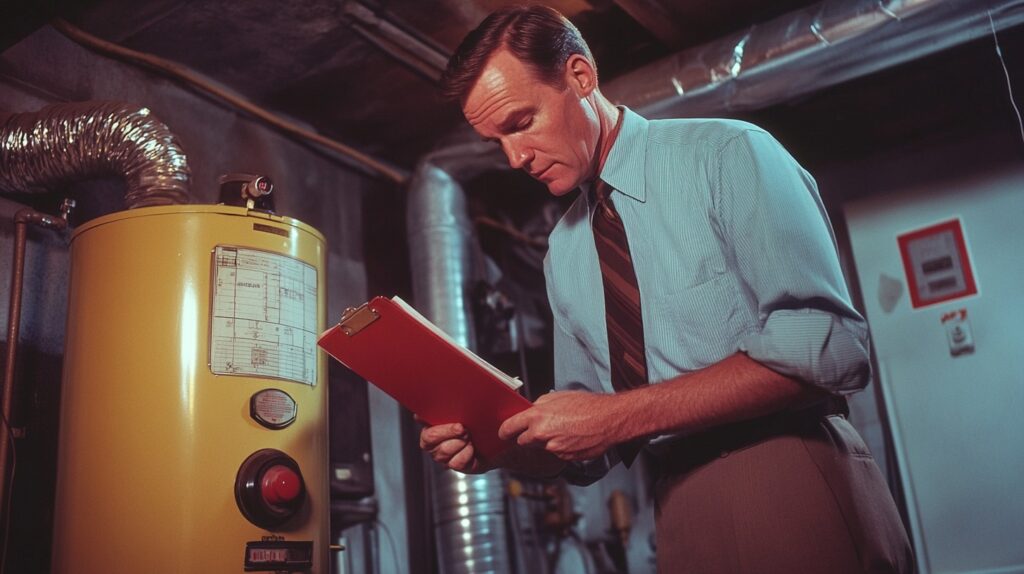
Before we could Google every home repair solution or watch step-by-step videos on our phones, Dad had his way of fixing things around the house. Armed with his trusty toolbox, a dog-eared repair manual, and years of trial-and-error experience, he tackled everything from squeaky doors to temperamental appliances. Let’s remember how our fathers kept everything running smoothly in the pre-Internet age.
Table of Contents
- 1 1. The Sacred Workshop Manual
- 2 2. The Neighborhood Expert Network
- 3 3. The Hardware Store Help Desk
- 4 4. The Duct Tape Solution
- 5 5. The Trial and Error Method
- 6 6. The Sears Catalog Bible
- 7 7. The Universal Toolbox
- 8 8. The Parts Collection
- 9 9. The Weekend Project
- 10 10. The Maintenance Schedule
- 11 11. The Repurposing Master
- 12 12. The Emergency Light Setup
1. The Sacred Workshop Manual

Every Dad had that worn Chilton or Haynes manual stashed in the garage, its pages stained with grease and coffee. These detailed guides were like the internet of their day, showing exploded views of every car part imaginable. Dad would spend hours studying these diagrams before tackling any automotive repair, treating each manual like a sacred text.
Save for later
Want to come back to this story? Save it with your email so it is easy to find again.
2. The Neighborhood Expert Network
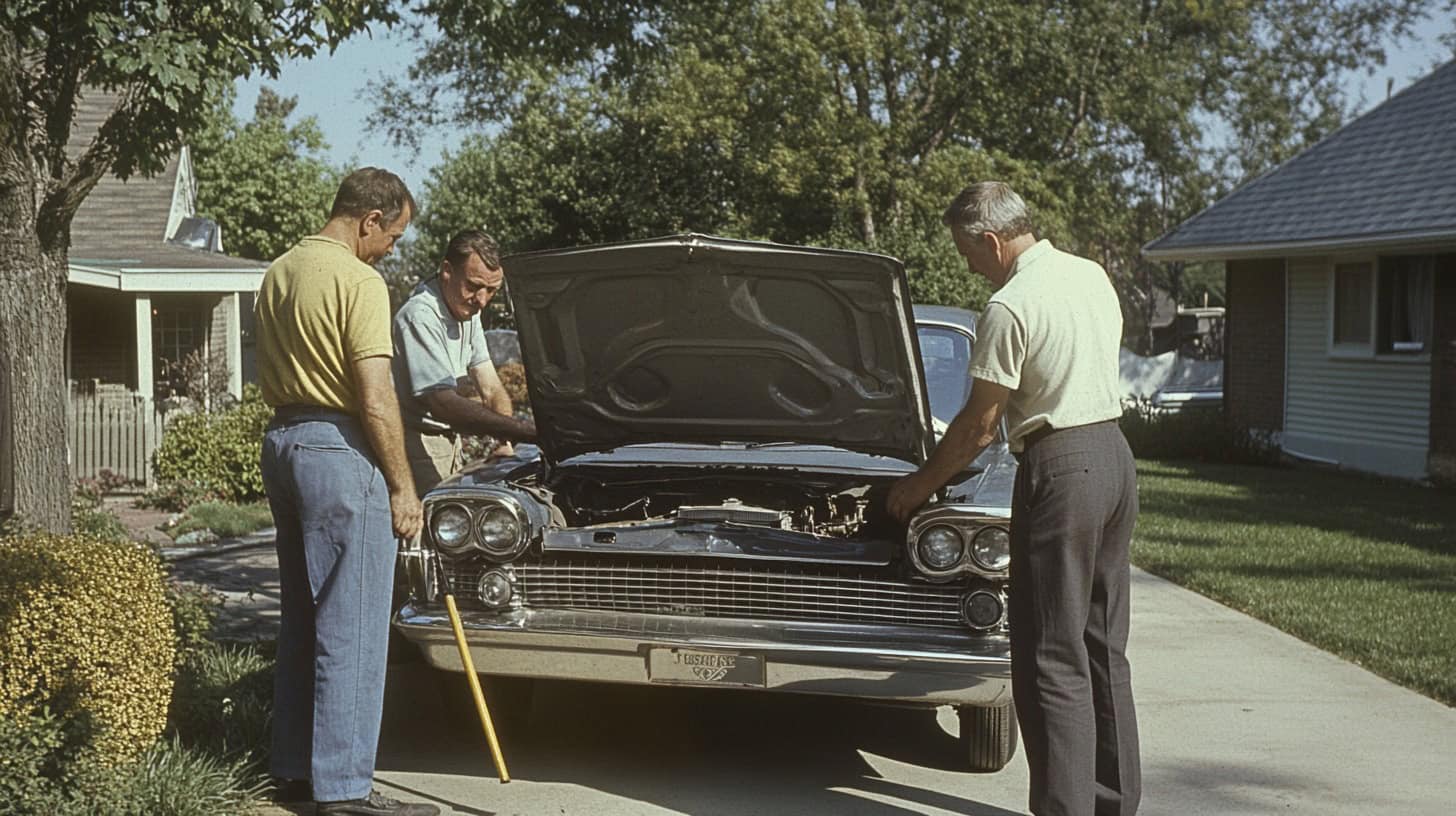
Before online forums, there was the neighborhood network. Every block had specialists – one dad knew plumbing, another was an electrical wizard, and someone else could fix any lawn mower. They’d gather in driveways, sharing tips and tools, turning repairs into social events complete with coffee and commentary.
3. The Hardware Store Help Desk
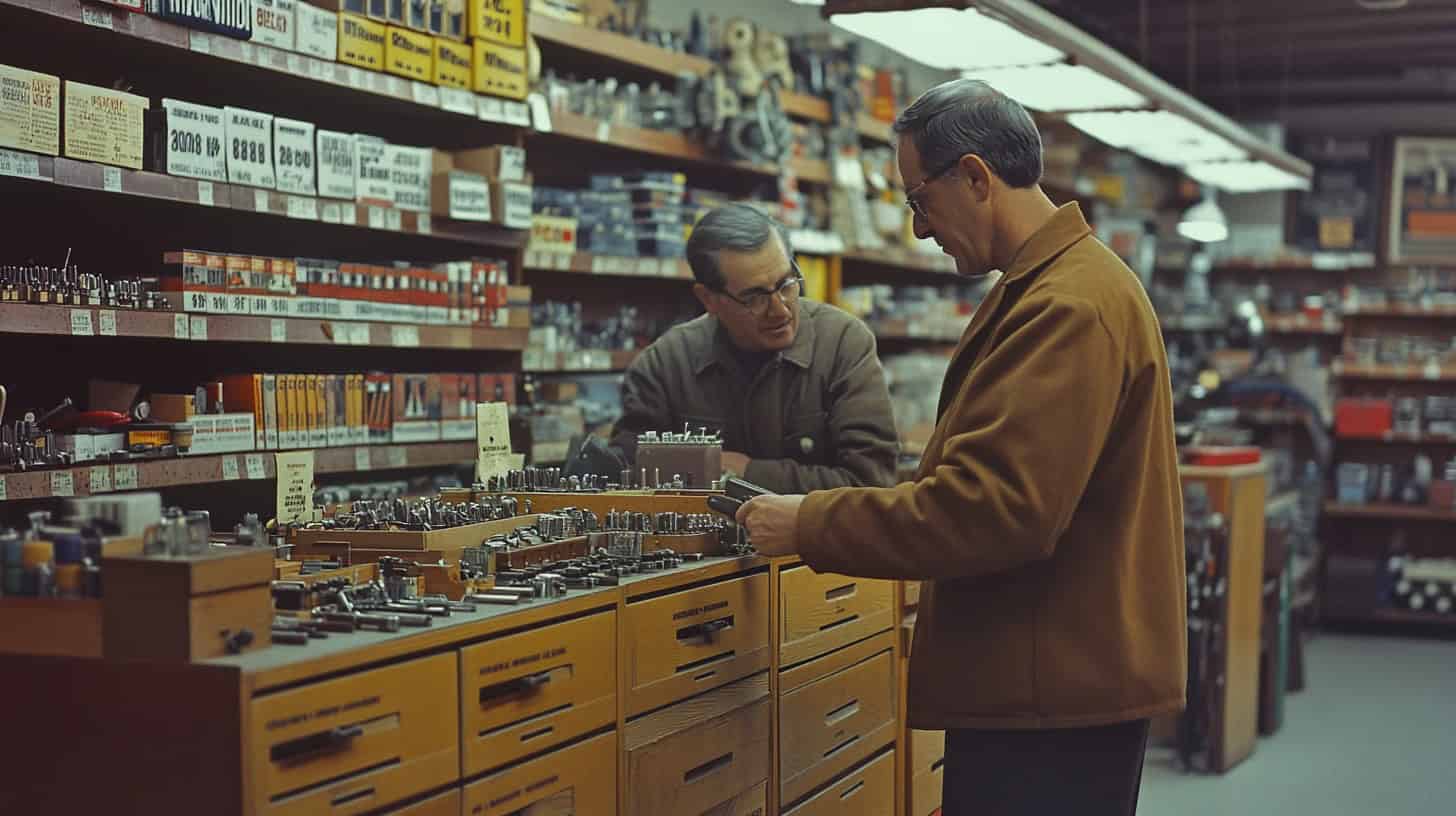
The local hardware store was Dad’s Google. Those seasoned clerks could diagnose problems just from Dad’s descriptions and sound effects. They knew every nut, bolt, and washer in the store, and could guide you to the exact tool you needed. Their advice was free, and usually worth every penny.
4. The Duct Tape Solution

When all else failed, there was always duct tape. This silver miracle worker could fix anything from a leaky garden hose to a broken lawn chair. Dad’s philosophy was simple: if it moves and shouldn’t, use duct tape. If it doesn’t move and should, use WD-40.
5. The Trial and Error Method
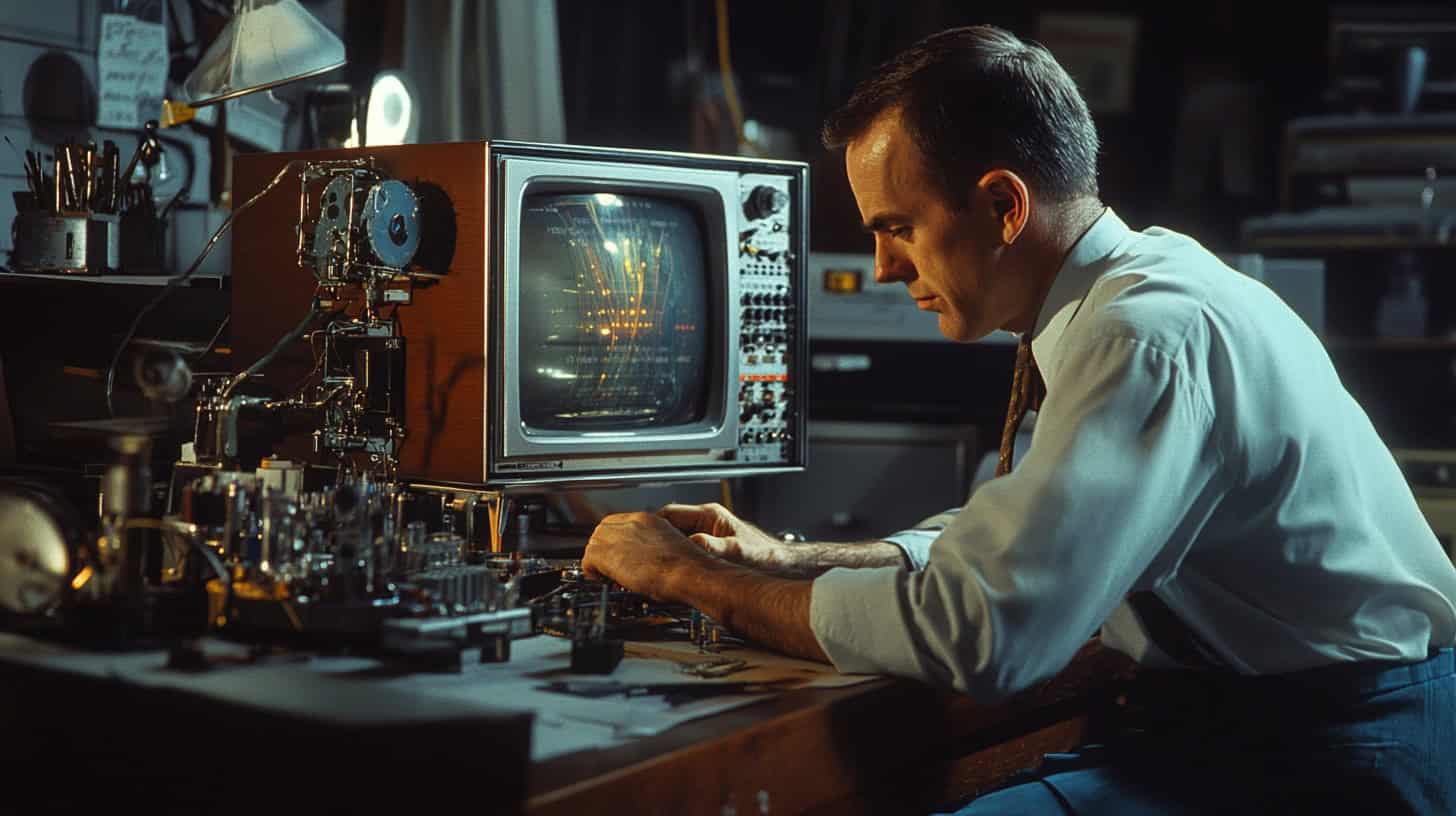
Sometimes, figuring out what was wrong meant taking everything apart and putting it back together, usually with a few “extra” parts left over. This hands-on approach taught us valuable lessons about how things worked, even if the process involved some colorful language and skinned knuckles.
6. The Sears Catalog Bible
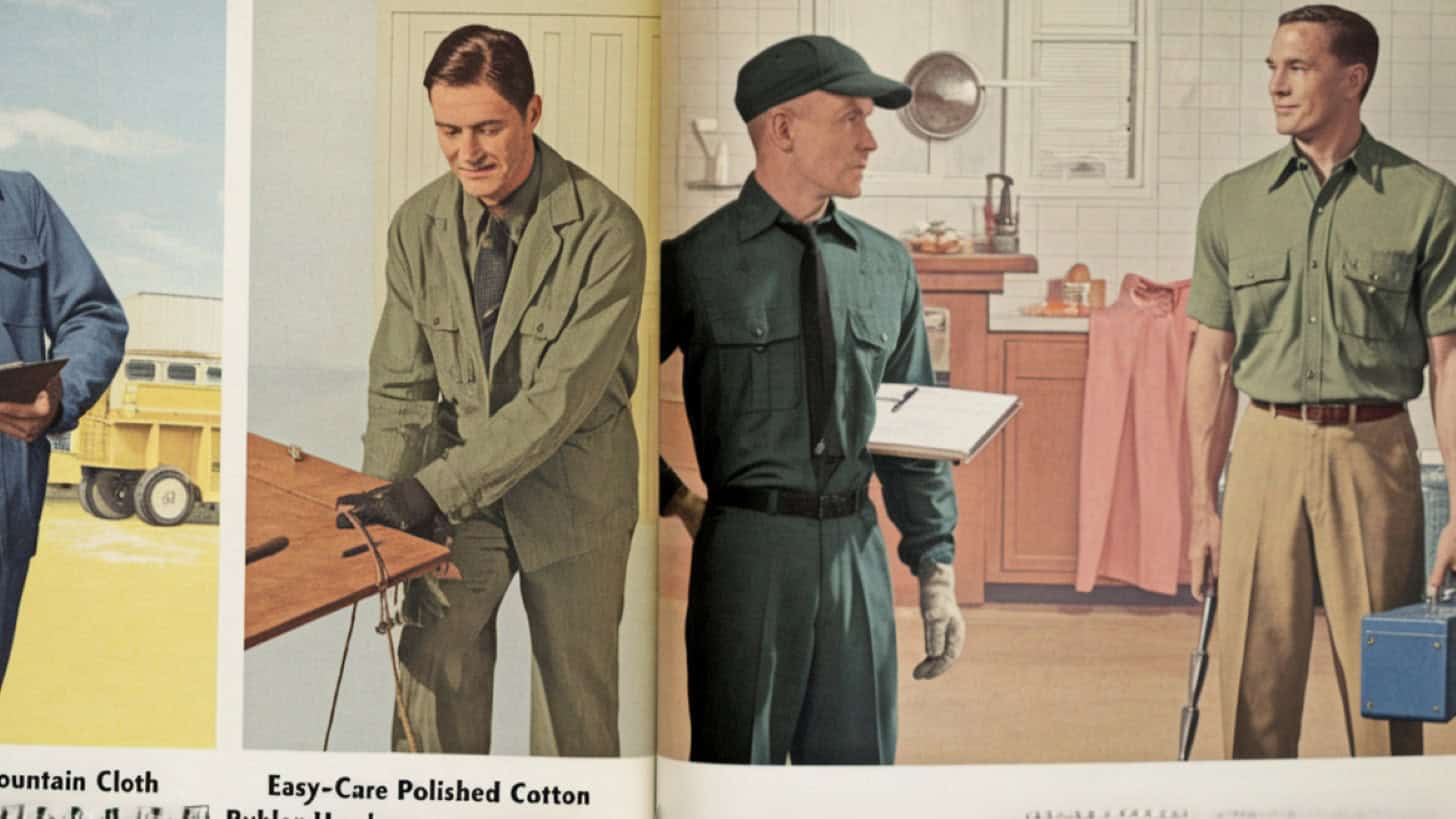
The Sears catalog wasn’t just for shopping – it was a repair manual in disguise. Those detailed parts diagrams helped Dad identify exactly what piece had broken on the washing machine or lawn mower. He’d spend hours studying those pages, planning his next repair strategy.
7. The Universal Toolbox
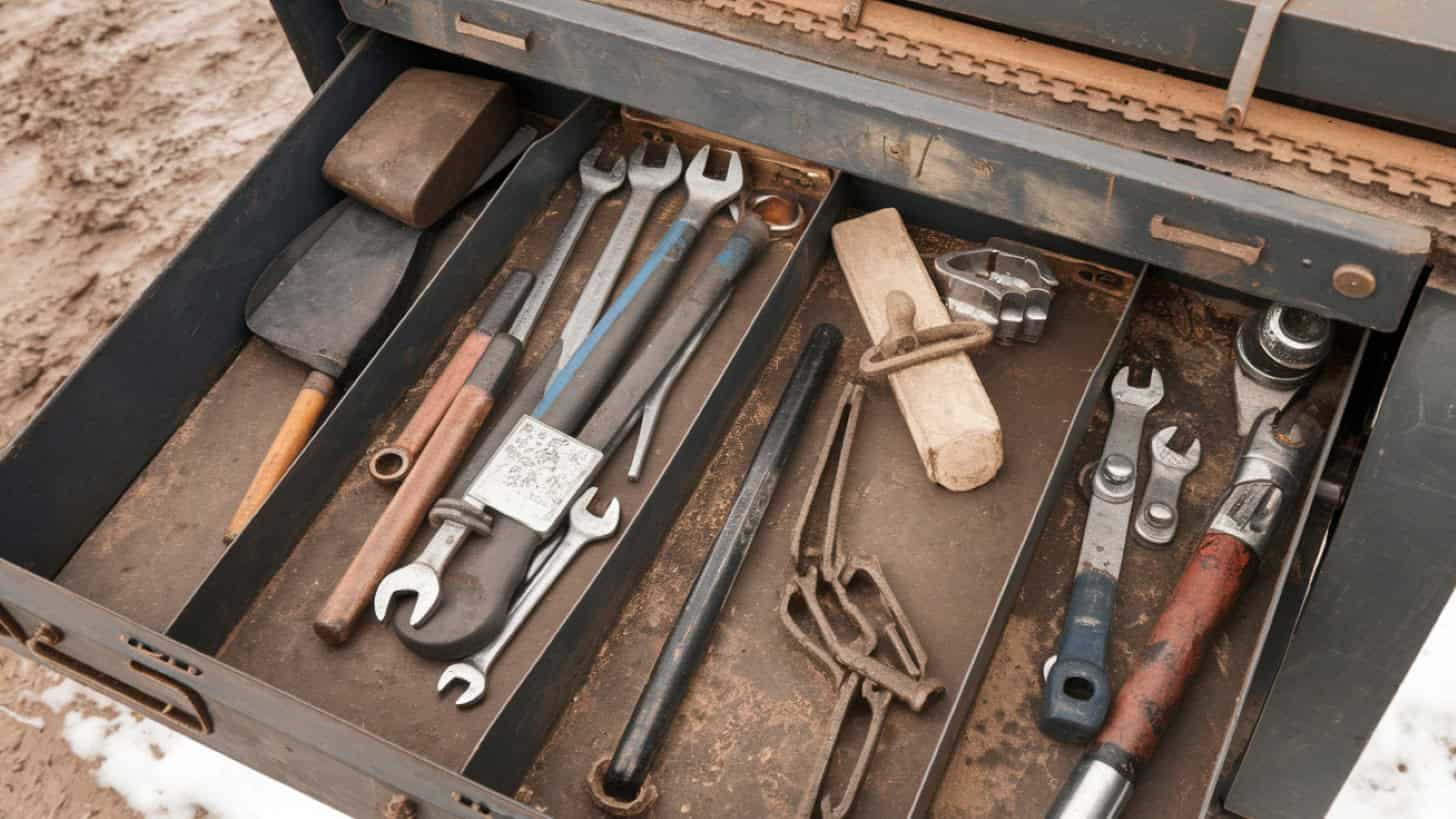
Dad’s toolbox was a treasure chest of solutions, carefully collected over decades. Each tool had its story and specific purpose, though an adjustable wrench and screwdriver could tackle most problems. The toolbox was often a Craftsman model, guaranteed for life, just like Dad’s determination to fix things.
8. The Parts Collection

Every Dad had that one drawer or coffee can full of miscellaneous nuts, bolts, and “spare parts” saved from previous repairs. Nothing was ever thrown away because “you never know when you might need it.” Surprisingly often, that random collection provided exactly the right part needed for a repair.
9. The Weekend Project

Major repairs were always “weekend projects,” starting early Saturday morning. These often stretched into multi-weekend affairs, with the family car up on blocks or the washing machine in pieces. Mom would just roll her eyes and make contingency plans for getting the laundry done.
10. The Maintenance Schedule

Prevention was Dad’s best repair strategy. He kept detailed maintenance schedules for everything from the car to the furnace. Every spring and fall meant a full inspection of all major appliances and systems, often accompanied by his trusty clipboard and checklist.
11. The Repurposing Master
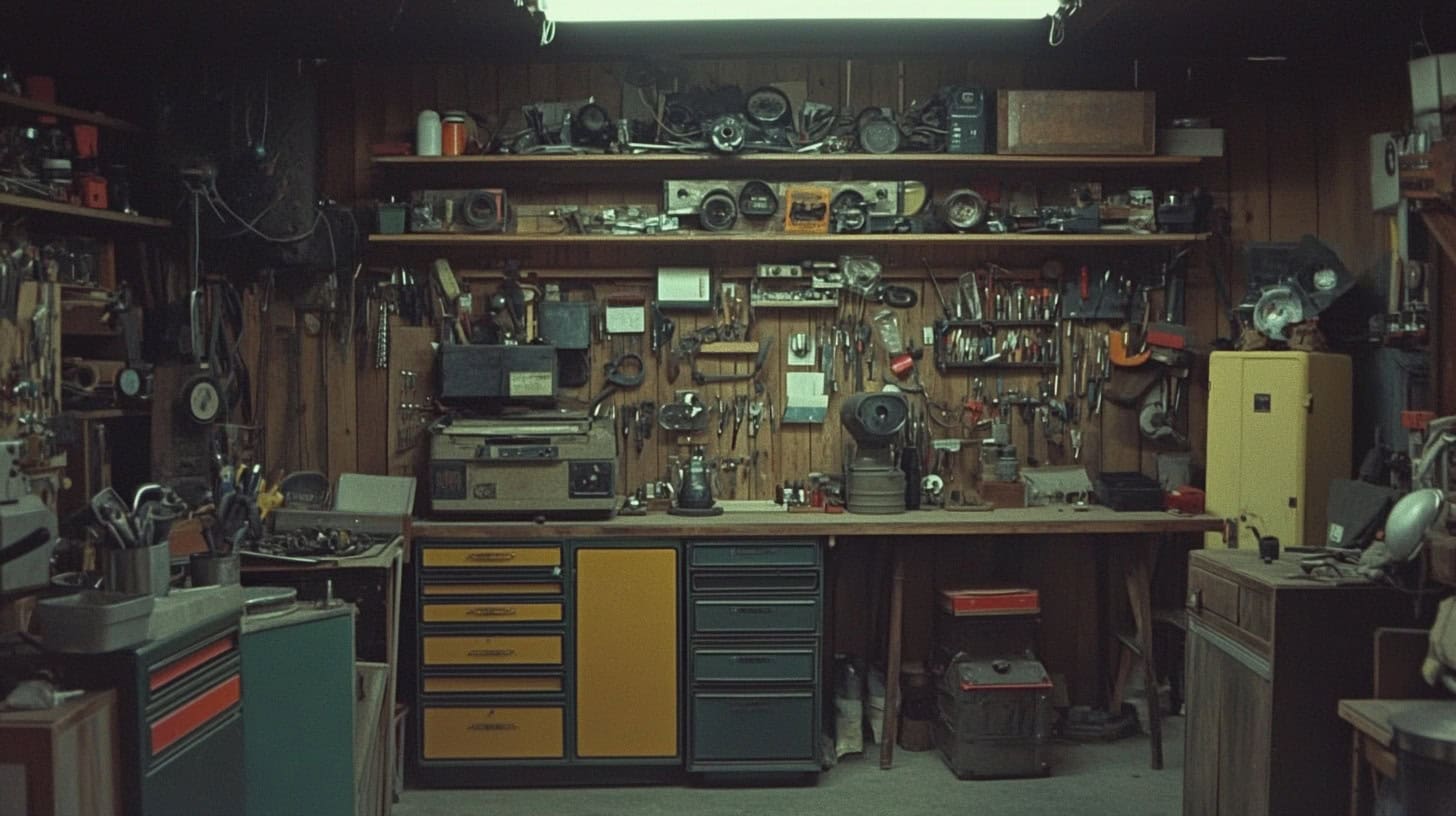
Before recycling was trendy, Dad was the king of repurposing. Old bicycle parts became garden tools, broken appliances donated their motors and switches to other projects, and nothing with potential use ever went to waste. His garage was a repository of possibilities.
12. The Emergency Light Setup

For those repairs that ran into the night, Dad had his trusty trouble light, usually with a wire cage around the bulb. The extension cord would snake through the house or garage, providing the essential illumination for those “just one more minute and I’ll have it” repairs that often lasted hours.