Remember when we actually talked to each other face-to-face? Before smartphones took over our lives, we had some pretty ingenious ways of staying connected. Sure, they might have taken a little more effort, but something special about these old-school communication methods made our relationships feel more genuine and meaningful. Let’s take a walk down memory lane and revisit some communication techniques that worked better than today’s endless stream of text messages.
Table of Contents
- 1 1. Letter Writing
- 2 2. Party Line Telephone Systems
- 3 3. Bulletin Boards at the Local Market
- 4 4. CB Radio
- 5 5. Passing Notes in Class
- 6 6. Ham Radio Operators
- 7 7. Neighborhood Newsletters
- 8 8. Door-to-Door Visits
- 9 9. Church and Community Center Message Boards
- 10 10. Walkie Talkies
- 11 11. Pagers and Beepers
- 12 12. Telegram Service
- 13 13. Newspaper Classified Ads
- 14 14. Physical Address Books
1. Letter Writing

There was something magical about sitting down with a fresh piece of stationery and pouring your heart out with a pen. We’d spend hours crafting the perfect letter to friends and family, knowing they’d treasure our words for years to come. The anticipation of waiting for a response made each letter in the mailbox feel like a gift, and many of us still have boxes of these precious memories stored away in our attics.
Save for later
Want to come back to this story? Save it with your email so it is easy to find again.
2. Party Line Telephone Systems
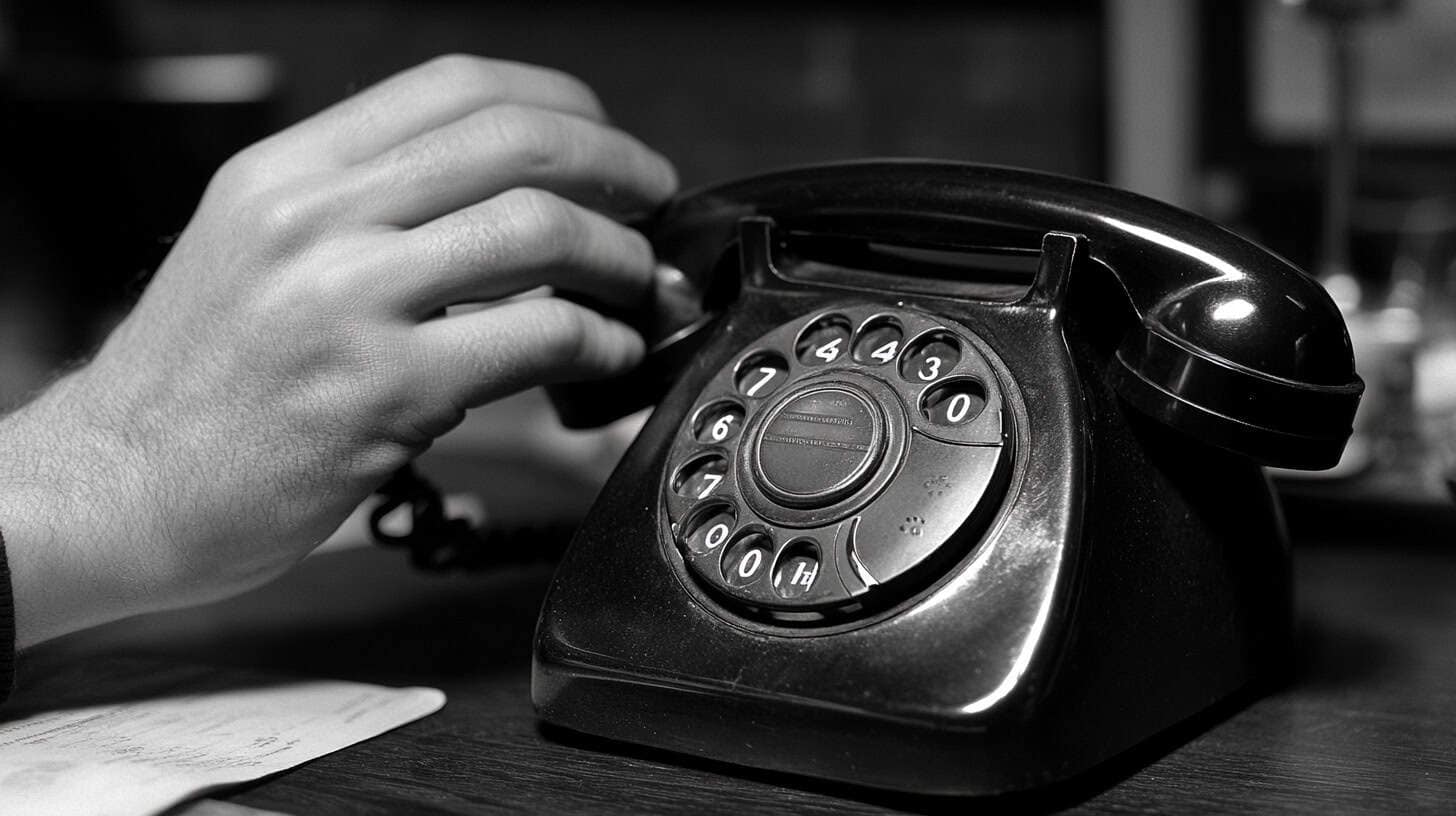
Before private lines became the norm, party lines were our window into the community. You had to share your telephone line with neighbors, but it taught us patience and consideration. We all knew Mrs. Johnson’s special ring pattern and the unwritten rule of limiting calls to five minutes when others were waiting. It was social networking before social networks existed!
3. Bulletin Boards at the Local Market

The community bulletin board at the grocery store was our Craigslist and Facebook Marketplace rolled into one. From garage sales to lost pets, these corkboards covered in colorful paper were the heartbeat of local news. You’d always run into someone you knew while checking the notices, leading to real conversations instead of emoji reactions.
4. CB Radio

The original social network of the highways, CB radio, was our lifeline on the road. With handles like “Rubber Duck” and “Teddy Bear,” we formed communities of travelers sharing road conditions, weather updates, and friendly conversation. That crackle of static followed by a friendly “What’s your 20?” made long drives feel less lonely.
5. Passing Notes in Class

Before silent text messages, we mastered the art of folding papers into tiny triangles and orchestrating complex note-delivery systems across the classroom. The thrill of receiving a handwritten note from your best friend or crush was unmatched. Even getting caught by the teacher was part of the adventure – at least our messages couldn’t be screenshot and shared with the whole school!
6. Ham Radio Operators

Ham radio operators were our connection to the world beyond our hometown. These dedicated enthusiasts could communicate across continents, sharing stories and making friends thousands of miles away. During emergencies, these radio wizards became community heroes, providing crucial communication when other systems failed. Many of us still remember the thrill of hearing a voice from Australia or Japan crackle through the speaker.
7. Neighborhood Newsletters

Every month, dedicated neighbors would compile local news, upcoming events, and community announcements into carefully typed and photocopied newsletters. These precious pages kept us informed about everything from block parties to gardening tips. Mrs. Anderson’s recipe column was always a highlight, and you better believe we all knew whose kid was selling Girl Scout cookies!
8. Door-to-Door Visits
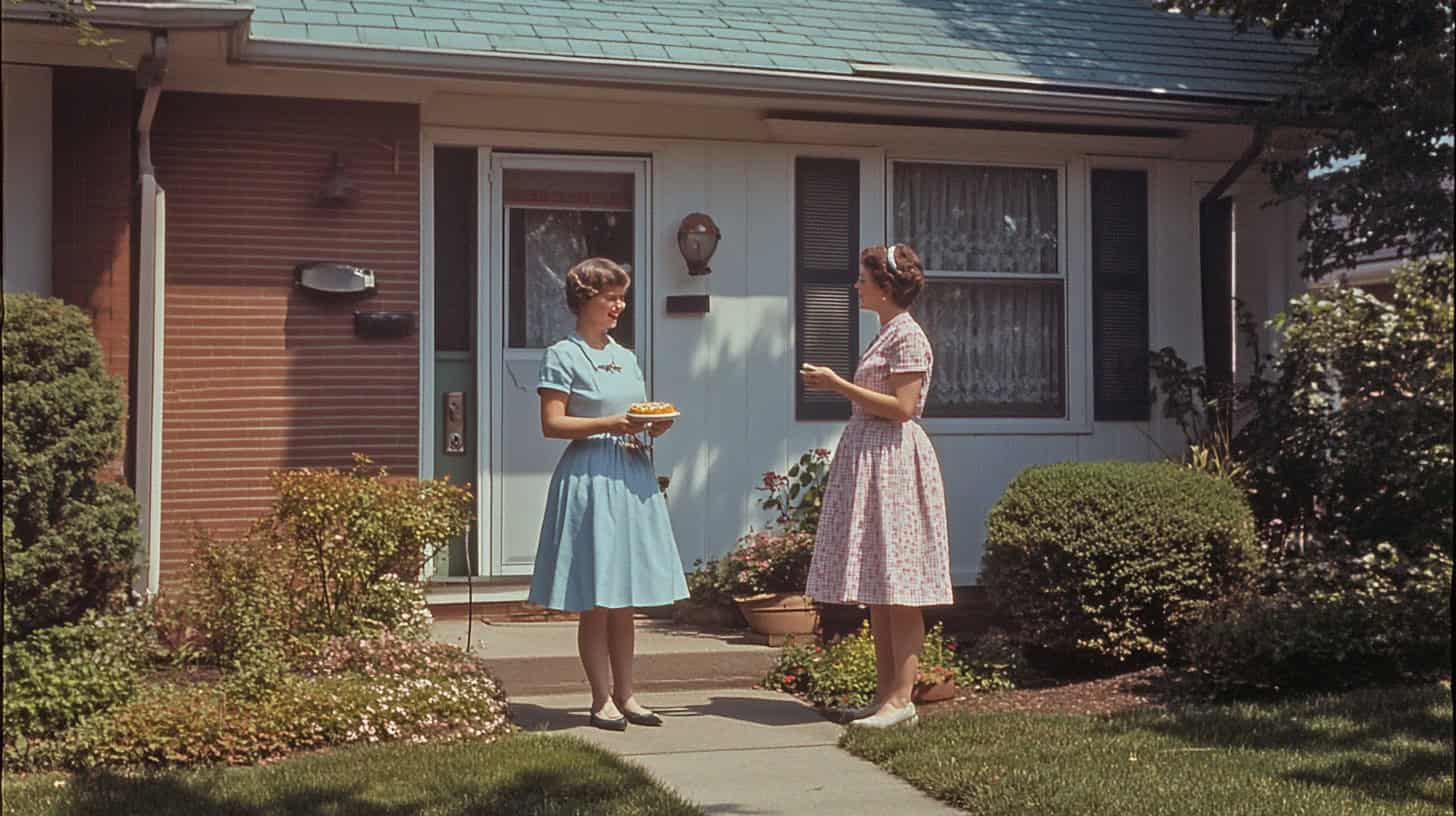
Remember when dropping by unannounced wasn’t considered rude? We’d simply walk over to a neighbor’s house, knock on the door, and be welcomed for coffee and conversation. These impromptu visits often became hours of storytelling, problem-solving, and genuine human connection. There was no need to check if someone was “active” online—you could see their porch light on!
9. Church and Community Center Message Boards

The message board after Sunday service was our weekly update on everything happening in town. These boards were the hub of community life, from prayer requests to potluck signups. You’d linger after services, catching up on news and making plans for the week ahead. It was social media with real faces and genuine handshakes.
10. Walkie Talkies

These handheld radios were every kid’s dream communication device. We’d coordinate neighborhood-wide games, secret missions, and backyard adventures with military precision. “Over and out” wasn’t just a saying – it was part of our daily vocabulary. The limited range only made us more creative in finding ways to stay connected.
11. Pagers and Beepers
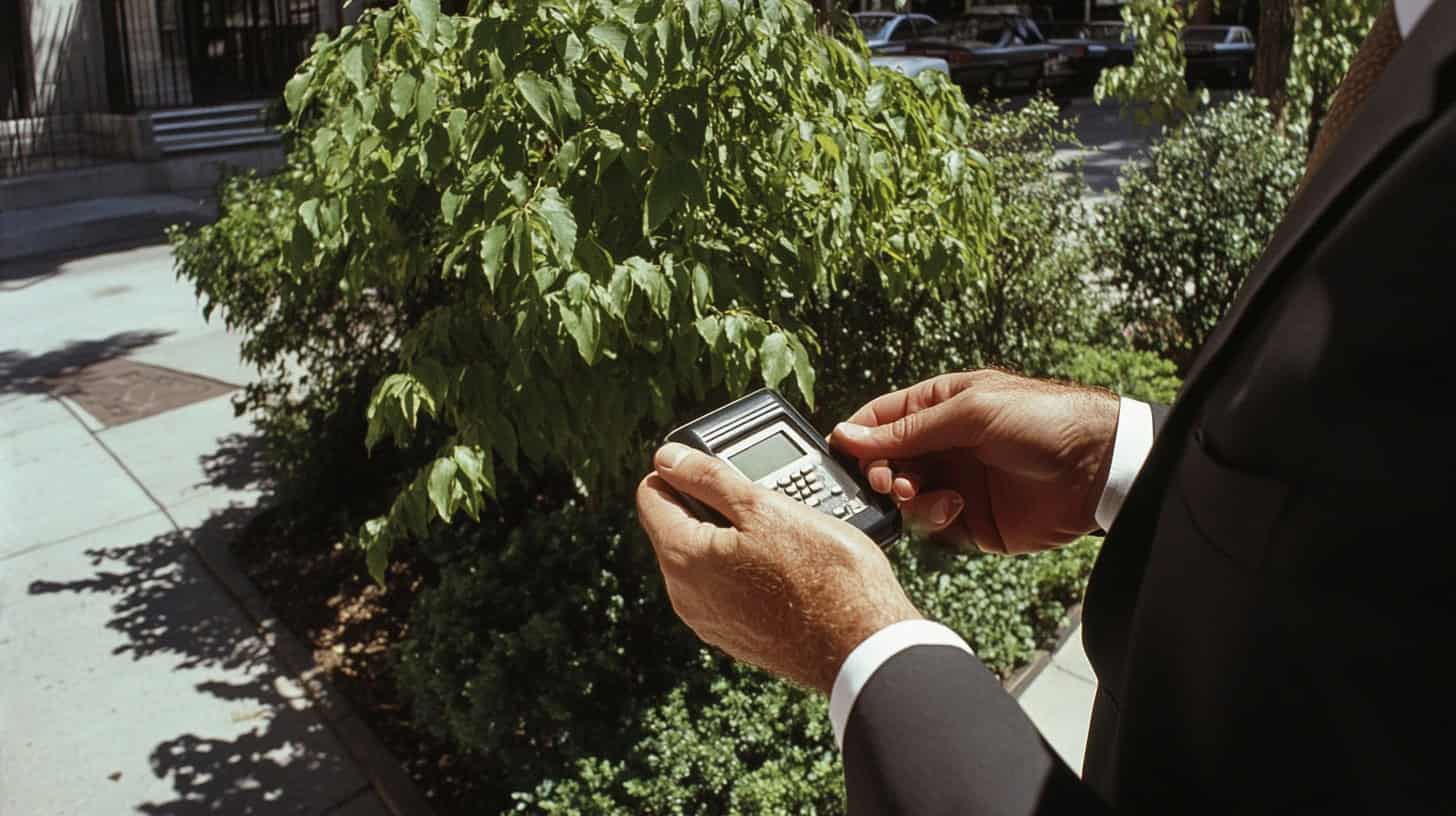
Before smartphones, that little beep on your hip meant someone was thinking about you. We developed our own code language – 143 for “I love you,” 911 for emergencies. Finding a payphone to call back added an element of adventure to every communication. Sure, it was less convenient than texting, but it made every message feel important.
12. Telegram Service

When news couldn’t wait for a letter but didn’t warrant a long-distance call, telegrams were our express message service. Each word would cost money, so we learned to be concise yet meaningful. The arrival of a telegram messenger always brought excitement – and sometimes life-changing news. Those yellow envelopes held everything from birth announcements to wedding congratulations.
13. Newspaper Classified Ads

Sunday mornings meant spreading out the newspaper and scanning the classified section. Whether you were job hunting, selling your old Chevy, or looking for love in the personal ads, these tiny printed messages connected our community. The thrill of finding exactly what you were looking for in those densely packed columns was unmatched.
14. Physical Address Books

Those well-worn little books held our entire social world. Each carefully written entry represented a real relationship, not just a digital connection. Cross-outs and updates told the stories of friends’ moves and life changes. Unlike today’s contact lists, losing your address book was a genuine crisis – it contained irreplaceable information collected over the years.