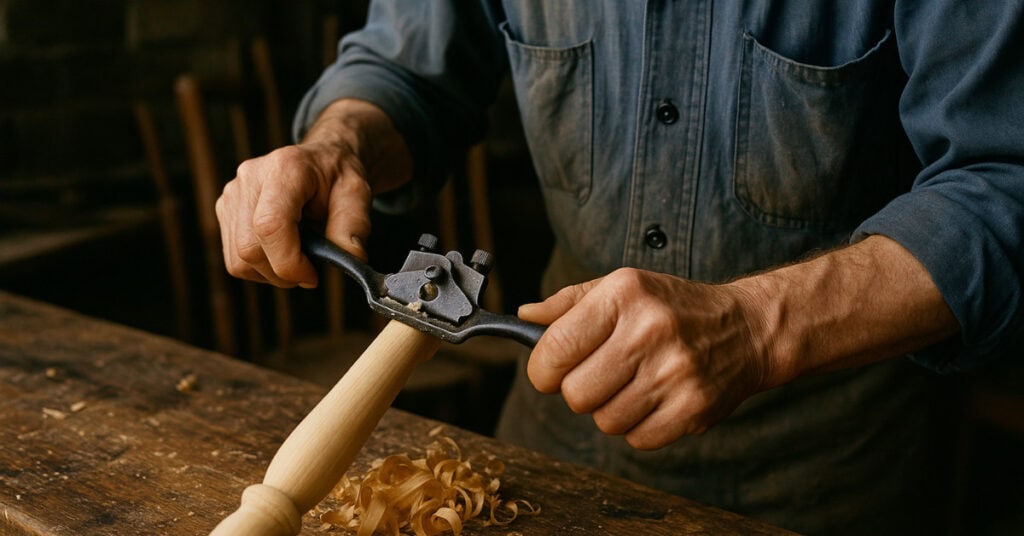
Remember when every dad’s workshop was a treasure trove of specialized tools, each with its own unique purpose? Back in the day, we didn’t have fancy digital gadgets or battery-powered everything – we had solid, mechanical tools that required skill and patience to master. Let’s take a nostalgic journey through some workshop classics that have largely disappeared from today’s home workshops.
Table of Contents
1. Hand-Cranked Drill Press
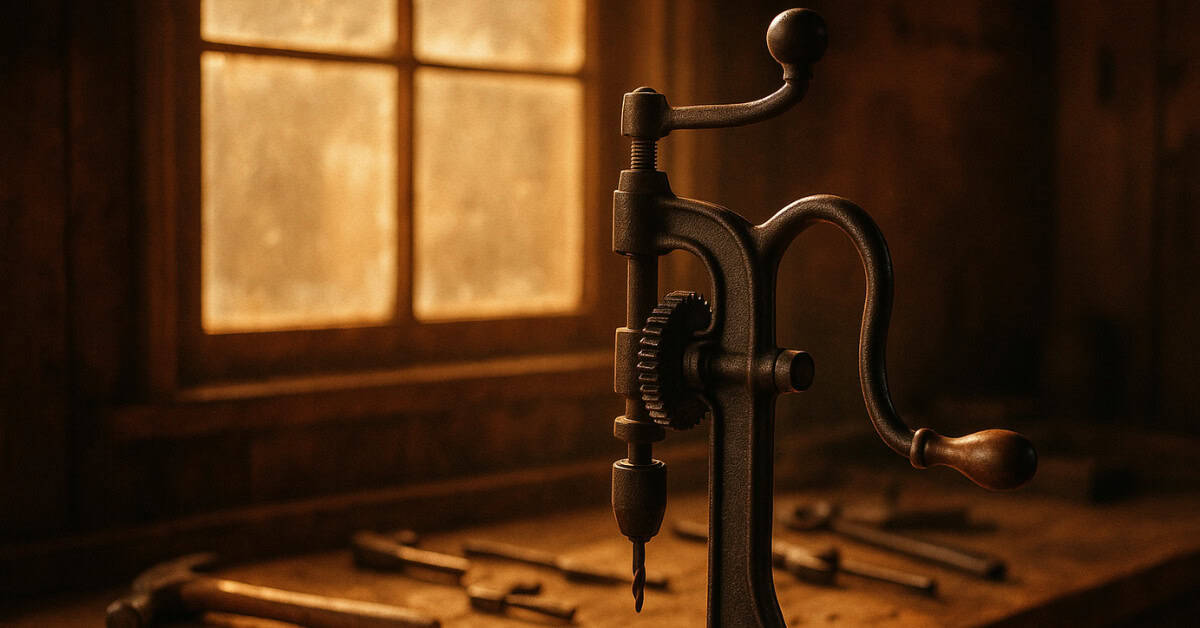
Before electric drill presses became workshop staples, these manual beauties required real elbow grease. The post-war era saw these tools in nearly every serious home workshop, featuring precision gearing systems that could drill through metal and hardwood with surprising accuracy. While they took more time and effort than their electric counterparts, they never needed charging and could work through any power outage.
Save for later
Want to come back to this story? Save it with your email so it is easy to find again.
2. Wooden Plane Scraper

These simple yet effective tools were essential for achieving glass-smooth wood surfaces before modern electric sanders took over. Made from hardwood with a precisely angled metal blade, they could remove the finest shavings from wood surfaces without leaving any scratches. Many craftsmen still swear they produce better results than power tools, especially on figured woods.
3. Spoke Shave

Originally designed for shaping wooden wheel spokes, these versatile tools were perfect for creating curved wooden surfaces. Every dad who enjoyed woodworking had at least one in their arsenal, using it for everything from chair legs to tool handles. Today’s mass-produced furniture has made these specialized tools increasingly rare in home workshops.
4. Manual Bench Grinder
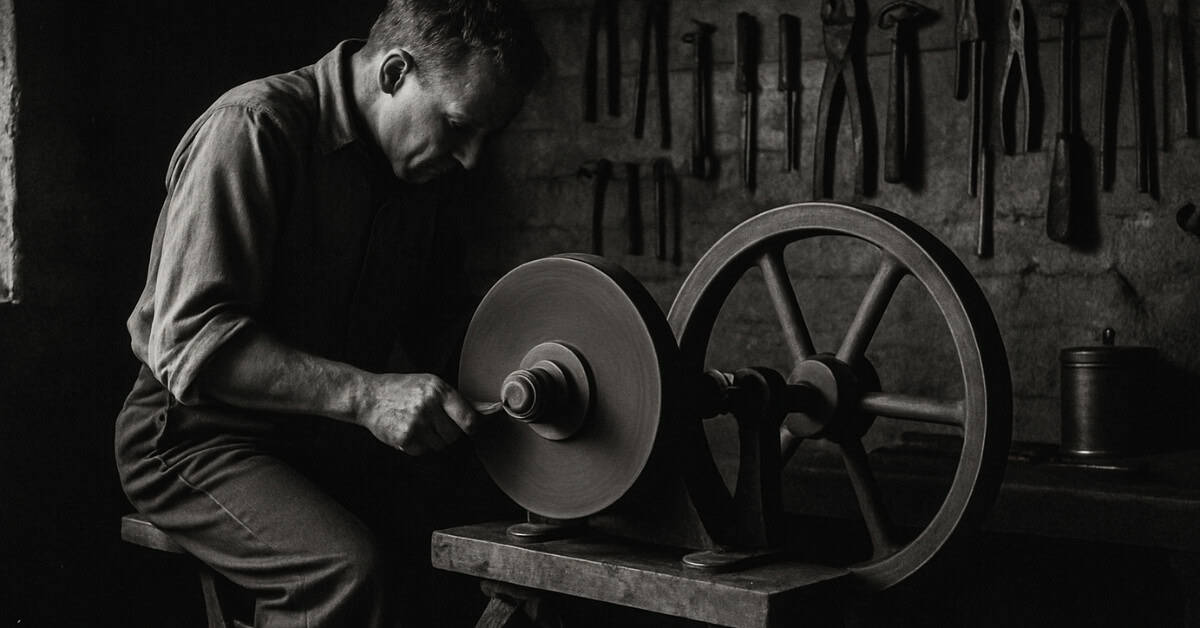
These foot-pedal-operated grinders were workshop staples throughout the 1950s and 60s. With a large flywheel and comfortable wooden seat, you could sharpen tools for hours without electricity. The rhythmic motion of pedaling while sharpening tools was almost meditative, though younger folks today might consider it too much work.
5. Brace and Bit
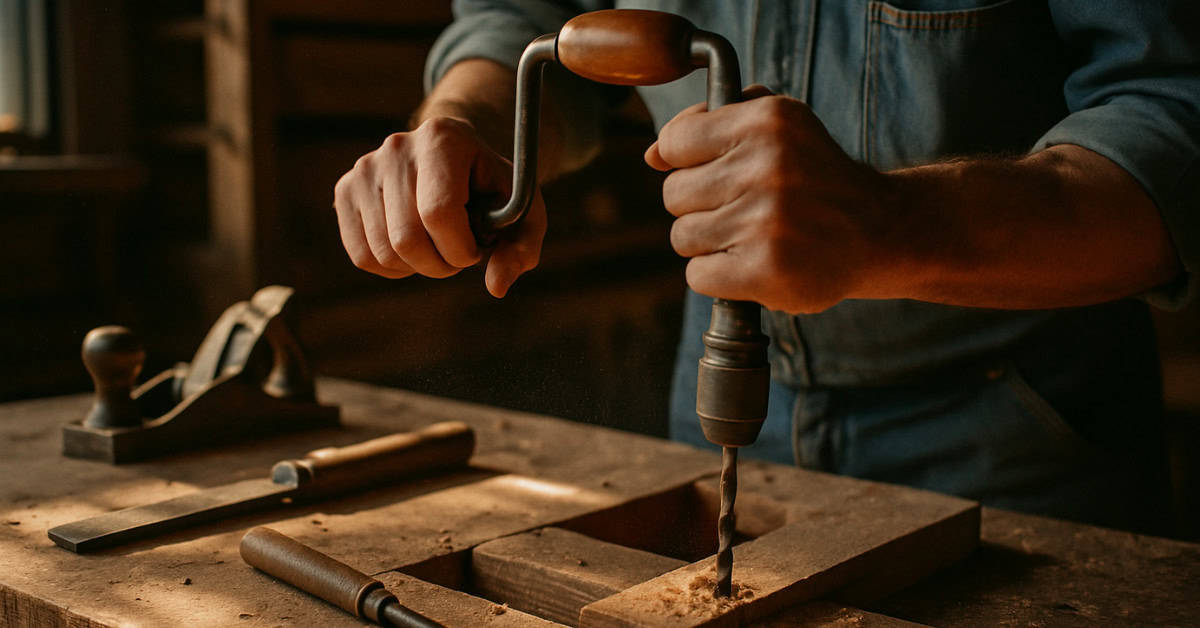
The predecessor to the modern power drill, these elegant tools could bore perfect holes with nothing but arm strength and skill. The smooth wooden handle would develop a rich patina over years of use, and the ratcheting mechanism made a satisfying click that every workshop kid remembers. Many of us learned woodworking basics using these precise, quiet tools.
6. Draw Knife
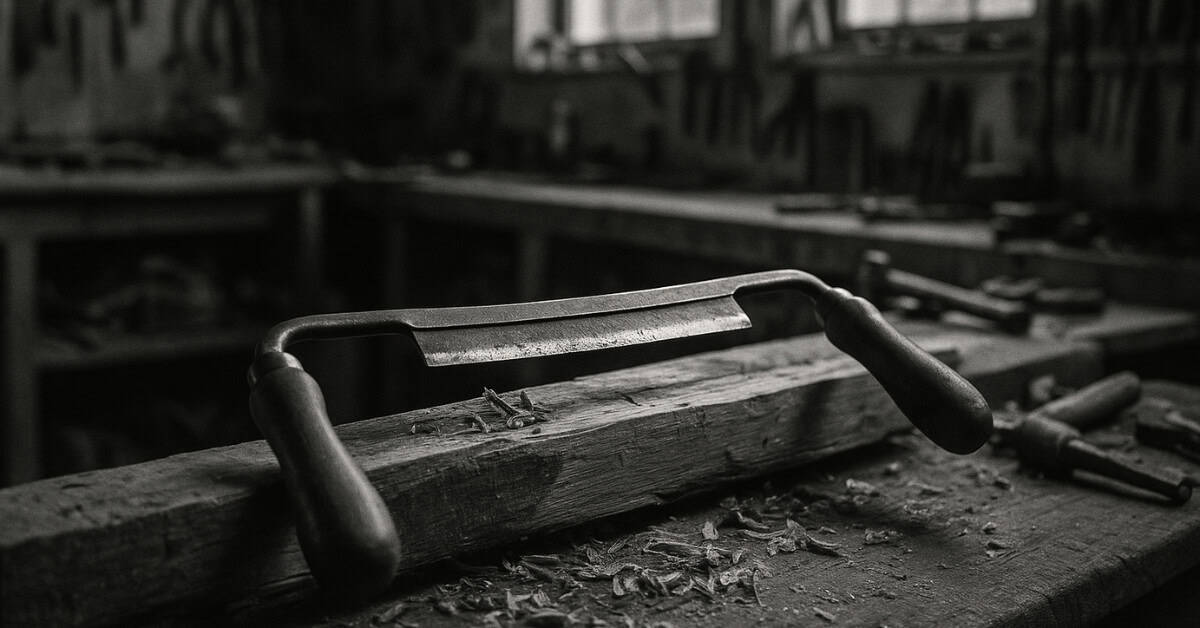
This deceptively simple tool was essential for rough-shaping wood before power tools took over. With its long blade and two handles, it could quickly remove large amounts of wood material while maintaining precise control. It was particularly popular among fathers who enjoyed making their own tool handles or doing basic log cabin repairs.
7. Folding Ruler
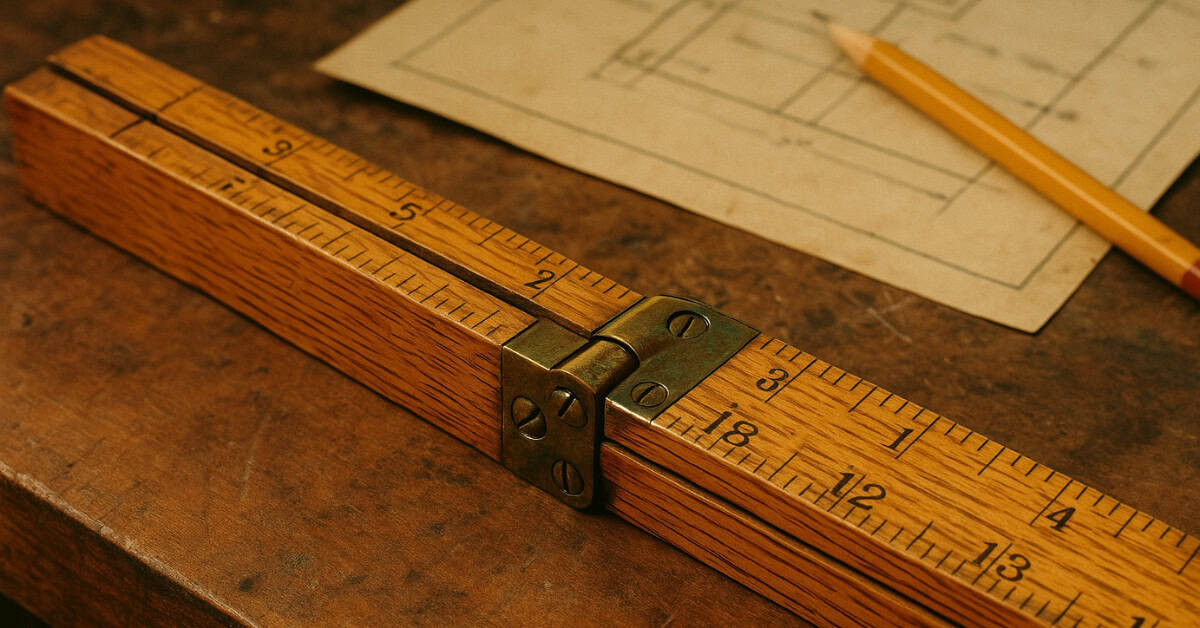
Before tape measures dominated, these wooden marvels were found in every workshop pocket. Made from hardwood with brass joints, they could measure, mark, and even calculate angles. The satisfying click as each section unfolded was a sound every workshop kid knew by heart, and many came with built-in spirit levels.
8. Manual Drill Guide
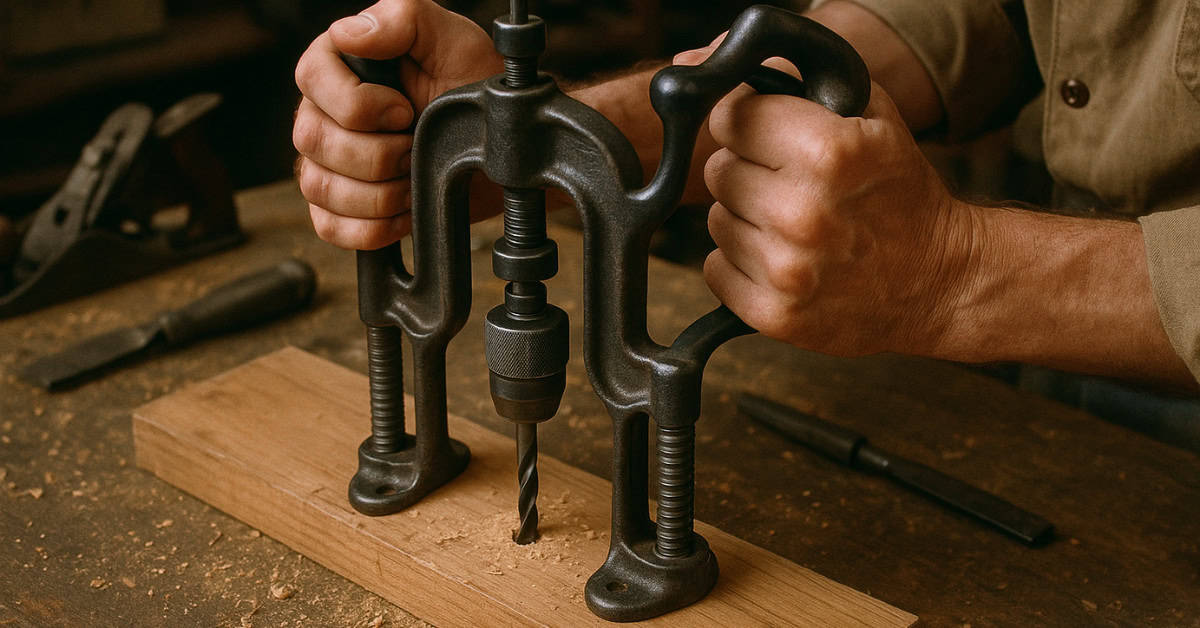
These ingenious devices helped ensure perfectly perpendicular holes before laser guides existed. Made from cast iron with precision-ground surfaces, they were essential for any serious woodworker. While modern drill presses have made them obsolete, they represented the perfect marriage of simplicity and accuracy.
9. Carpenter’s Marking Gauge
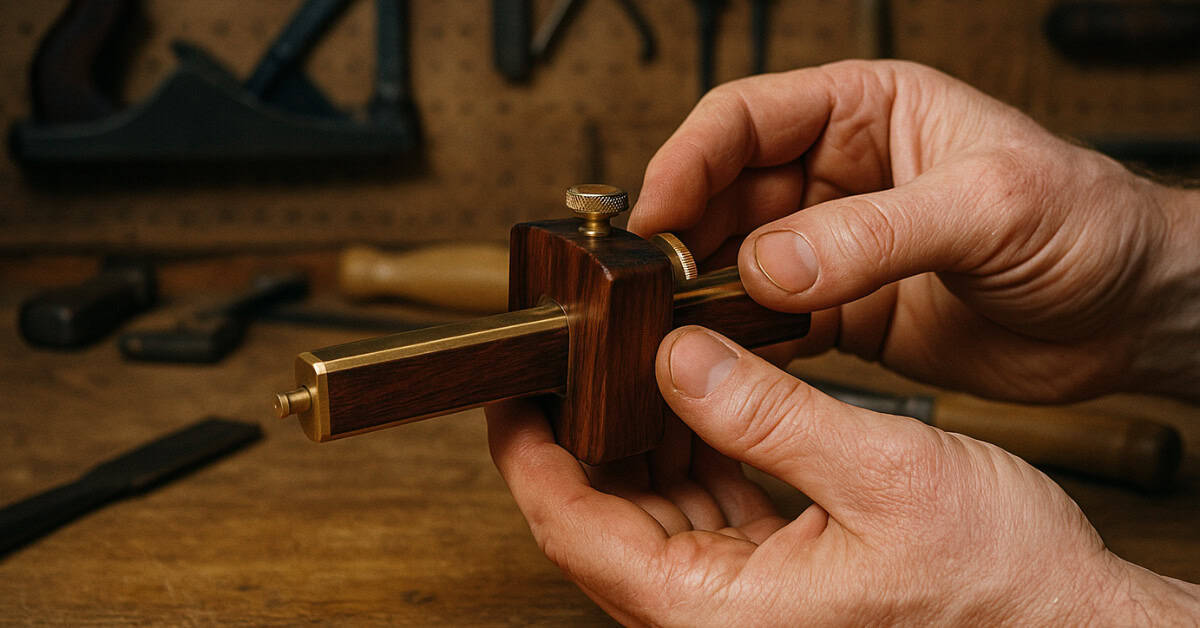
These precise marking tools were essential for laying out joinery and marking cutting lines before digital measuring tools appeared. With their brass fittings and hardwood construction, they were often passed down through generations. The pin would leave a crisp, clean line that pencils simply couldn’t match.
10. Hand-Powered Grinding Wheel
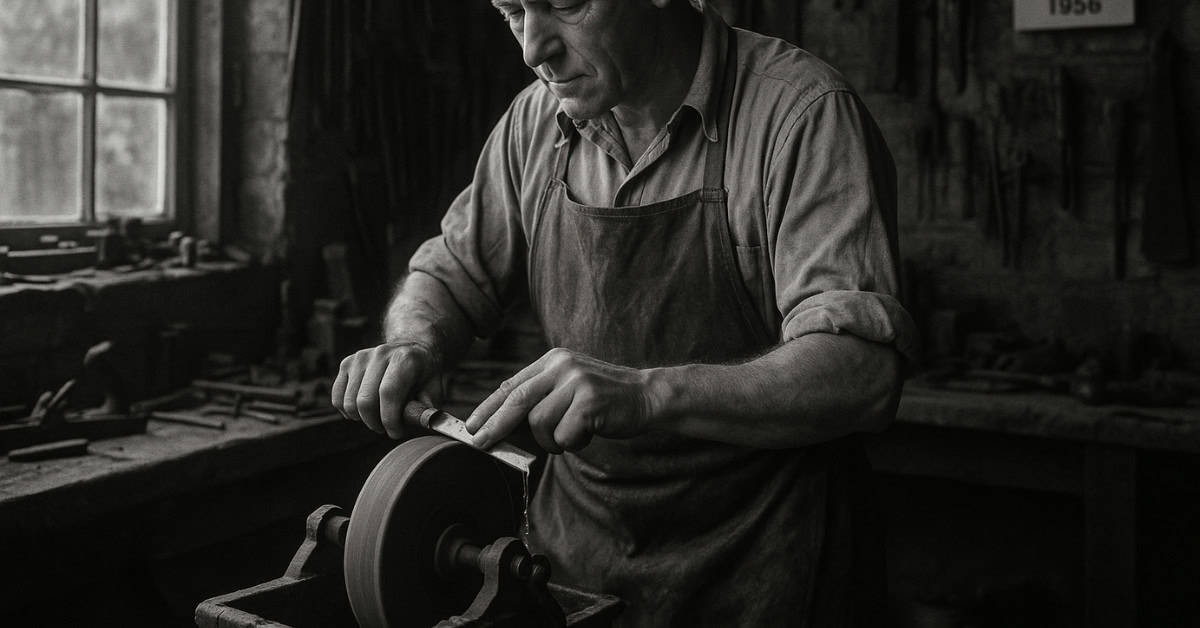
These workshop classics featured a sandstone wheel mounted on a cast iron frame with a hand crank. Perfect for sharpening everything from kitchen knives to garden tools, they required no electricity and could last for decades. The gentle swoosh of the wheel turning through water was a common workshop sound that’s rarely heard today.
11. Wooden Miter Box
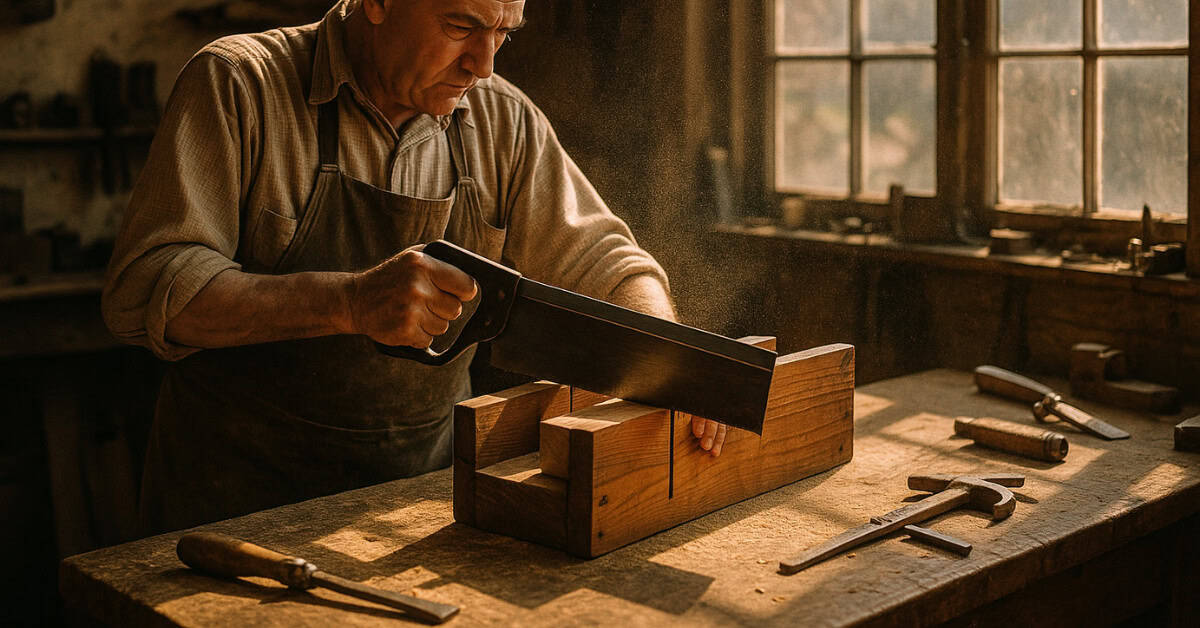
Before compound miter saws became workshop staples, these hardwood guides were essential for making precise angle cuts. Typically handmade from maple or oak, they featured precisely cut slots at common angles like 45 and 90 degrees. Combined with a quality backsaw, they could produce joints so tight you barely needed glue – something many modern power tools struggle to match.
12. Spring Dividers
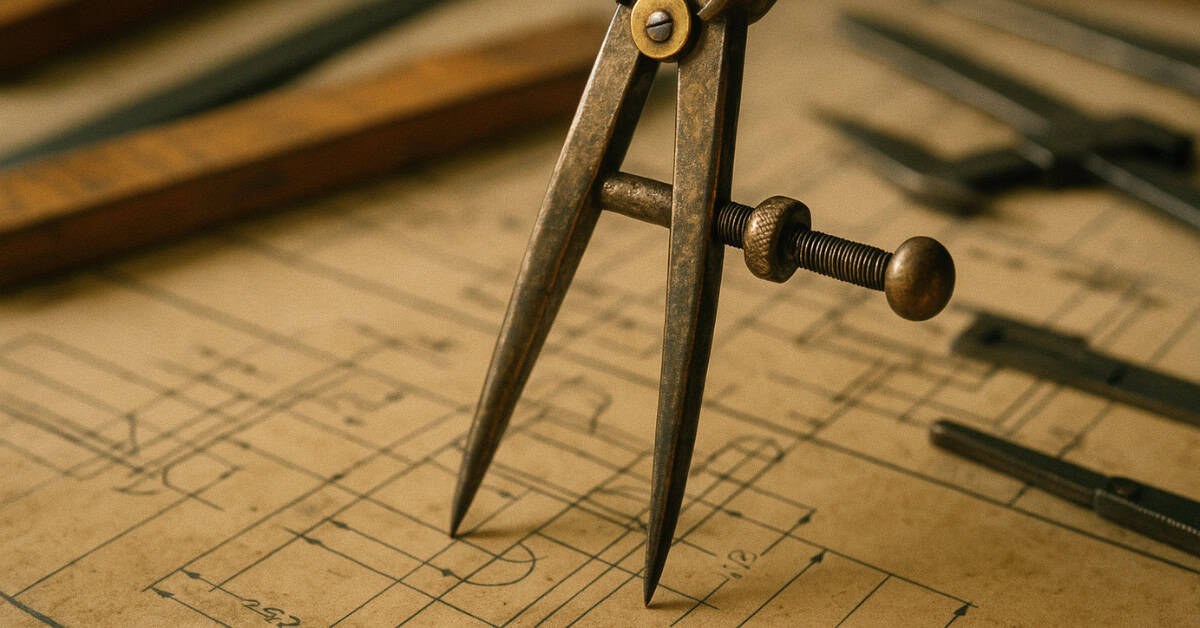
These elegant brass and steel instruments were the CAD programs of their day, used for everything from marking equal distances to scribing perfect circles. Every serious workshop had at least one pair, often proudly displayed on a tool wall. The precision-ground points and smooth adjustment screws represented a level of craftsmanship that’s hard to find in modern measuring tools.