Let me tell you about the trendsetters who shaped the way we dressed during the most exciting decades in fashion history. These weren’t just celebrities wearing nice clothes – they were revolutionary figures who challenged the status quo and influenced how we express ourselves through fashion. From London’s Carnaby Street to Studio 54, these icons defined what it meant to be stylish in the ’60s and ’70s.
Table of Contents
- 1 1. Twiggy – The Face That Launched a Thousand Pixie Cuts
- 2 2. Jackie Kennedy – America’s Queen of Elegance
- 3 3. Diana Ross – The Supreme Style Queen
- 4 4. Cher – The Original Fashion Risk-Taker
- 5 5. Mary Quant – The Miniskirt Revolutionary
- 6 6. David Bowie – The Chameleon of Rock Fashion
- 7 7. Jane Birkin – The Original French-English Style Fusion
- 8 8. Bianca Jagger – Studio 54’s Queen of Glamour
- 9 9. Jean Shrimpton – The Original Supermodel
- 10 10. Yves Saint Laurent – The Designer Who Changed Everything
- 11 11. Farrah Fawcett – The Golden Girl of the ’70s
- 12 12. Mick Jagger – The Rock God of Fashion
1. Twiggy – The Face That Launched a Thousand Pixie Cuts

In 1966, Lesley Hornby – better known as Twiggy – became the face of Swinging London at just 16 years old. Her androgynous look, characterized by her boyish pixie cut, dramatic eye makeup, and mini dresses, revolutionized the modeling industry. Twiggy challenged the curvaceous beauty standards of the previous decade and became one of the world’s first supermodels, representing the youthful spirit of the ’60s.
Save for later
Want to come back to this story? Save it with your email so it is easy to find again.
2. Jackie Kennedy – America’s Queen of Elegance
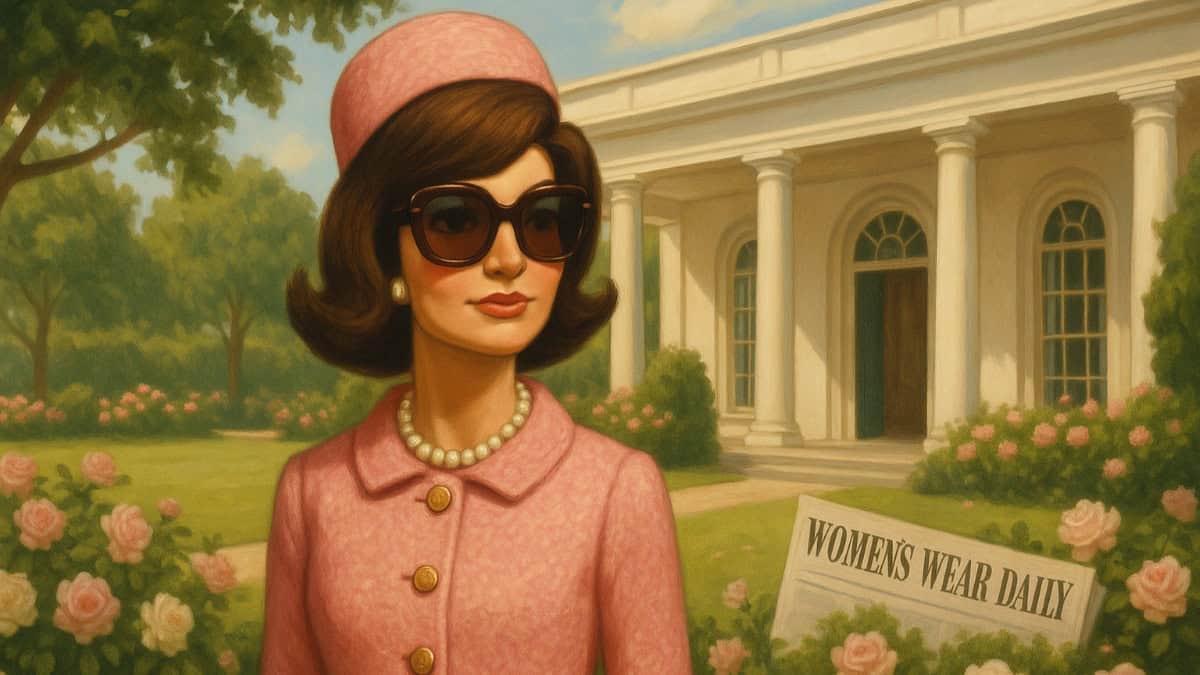
Jackie Kennedy redefined First Lady fashion and became a global style icon. Her signature pillbox hats, tailored suits, and oversized sunglasses created a look that women worldwide wanted to emulate. Working closely with designers like Oleg Cassini, she brought European haute couture sensibilities to American fashion, making elegance accessible to the masses.
3. Diana Ross – The Supreme Style Queen
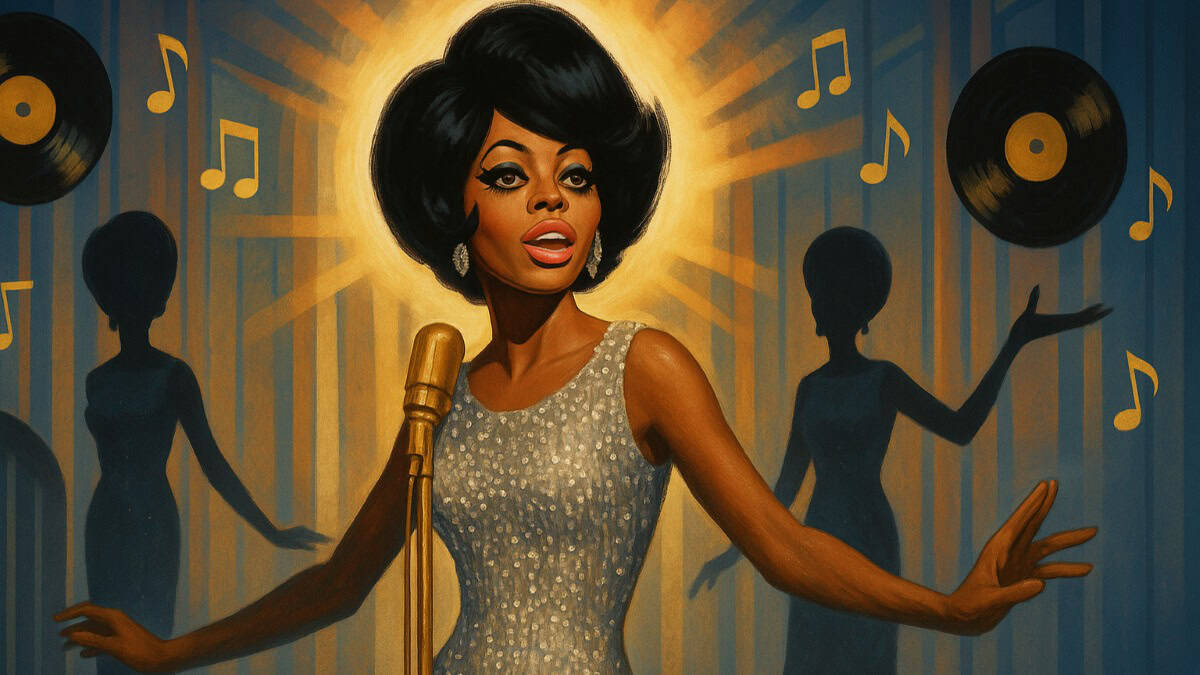
From sequined gowns to elaborate stage costumes, Diana Ross embodied glamour throughout both decades. Her evolving style – from the matching outfits of The Supremes to her solo career’s more dramatic looks – influenced both stage fashion and streetwear. Ross proved that African American style could be high fashion, paving the way for future generations.
4. Cher – The Original Fashion Risk-Taker
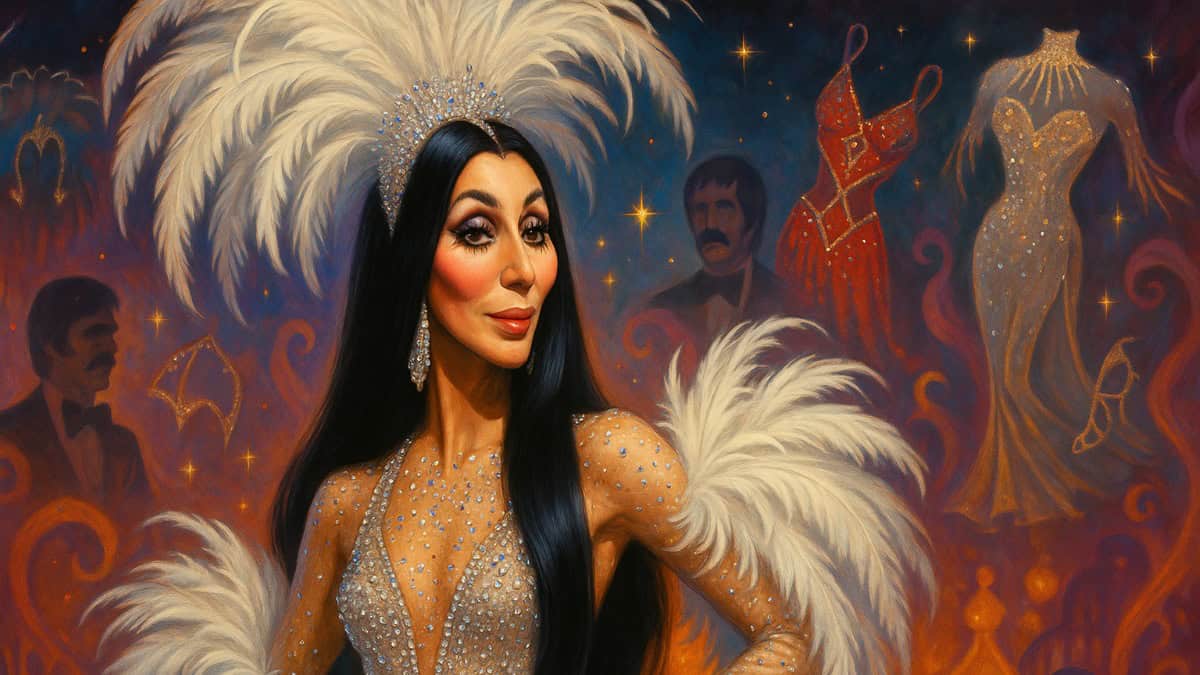
Working with designer Bob Mackie, Cher pushed the boundaries of fashion throughout the ’70s. Her revealing, elaborate costumes and unique style created countless memorable moments, from her early days on “The Sonny & Cher Comedy Hour” to her solo career. She showed that fashion could be both theatrical and personal.
5. Mary Quant – The Miniskirt Revolutionary
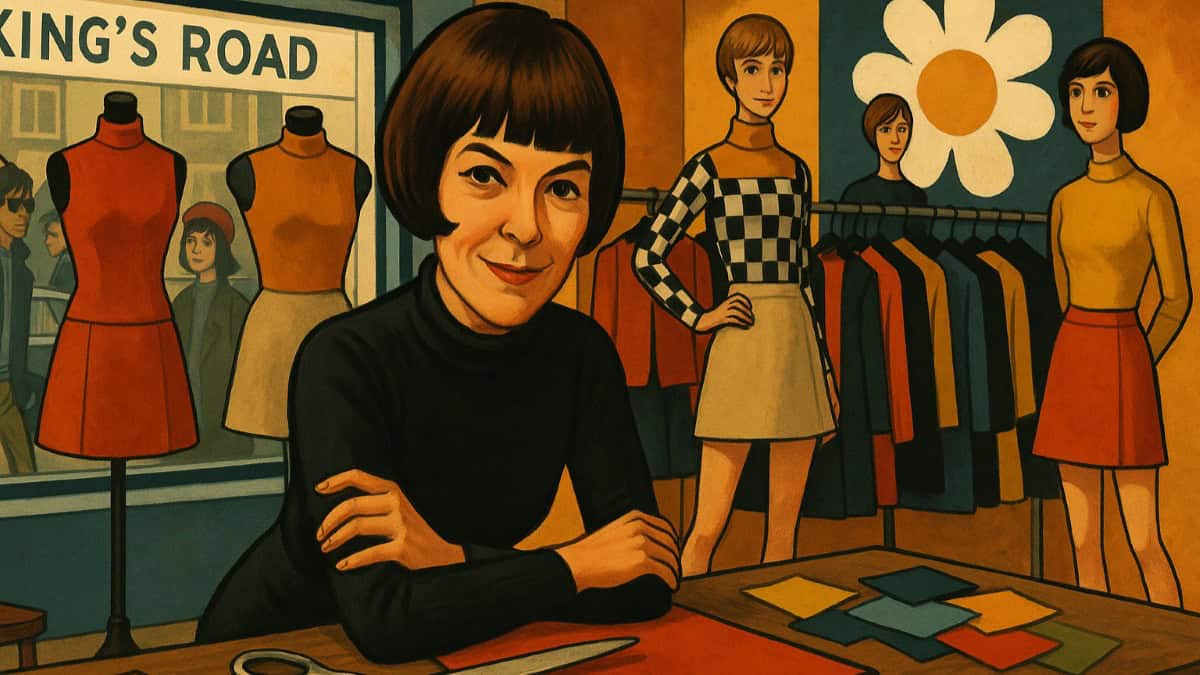
While she didn’t invent the miniskirt, Mary Quant made it a global phenomenon from her boutique on King’s Road. Her designs embodied the youthful spirit of the ’60s, featuring bold colors, simple shapes, and that infamous hemline that shocked the world. Quant’s influence extended beyond clothing to makeup and accessories.
6. David Bowie – The Chameleon of Rock Fashion
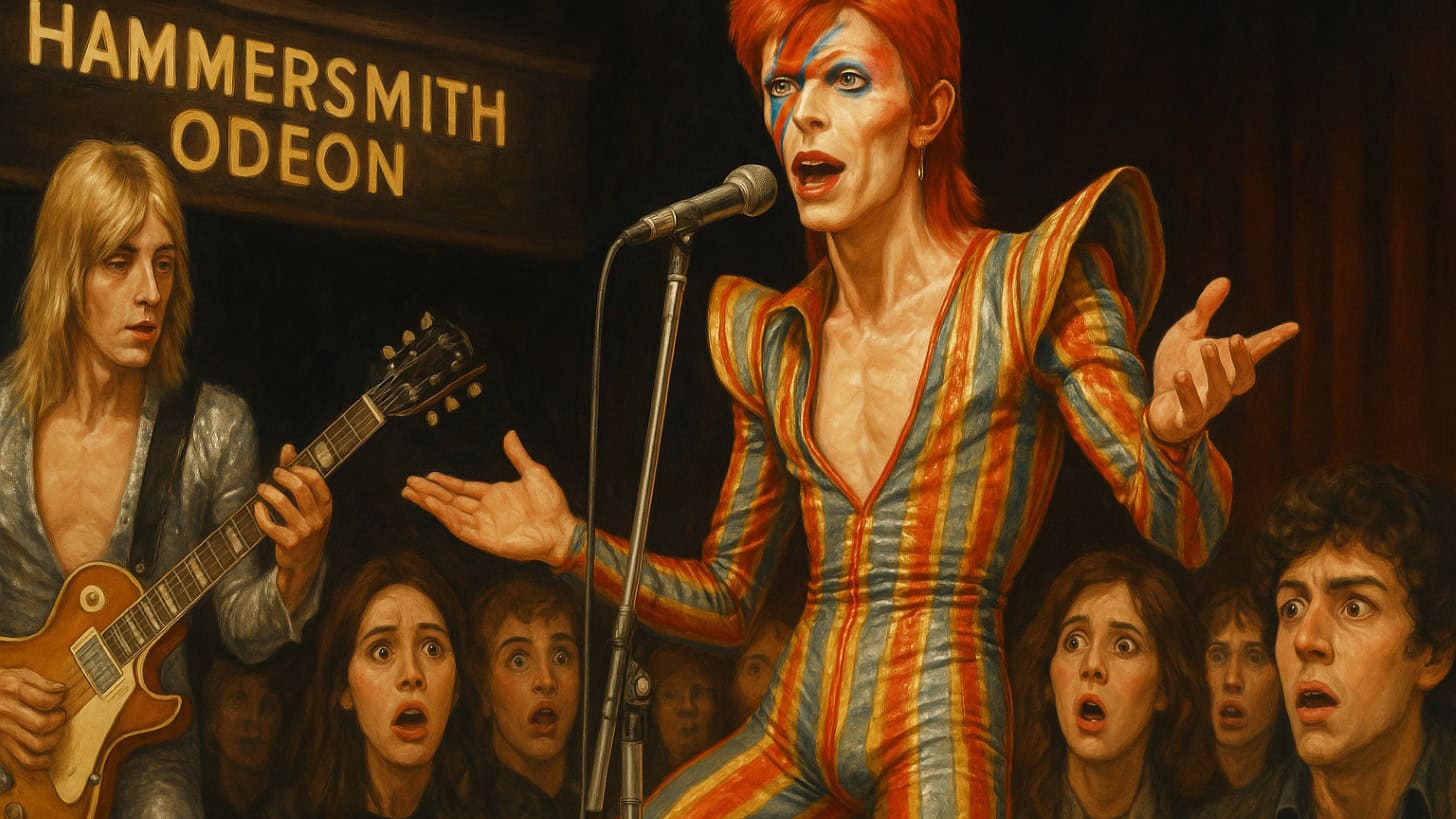
Through his various personas, particularly Ziggy Stardust, Bowie challenged gender norms and traditional fashion boundaries. His collaboration with designer Kansai Yamamoto created some of the most iconic looks of the ’70s. Bowie’s androgynous style and theatrical costumes influenced both men’s and women’s fashion for decades to come.
7. Jane Birkin – The Original French-English Style Fusion
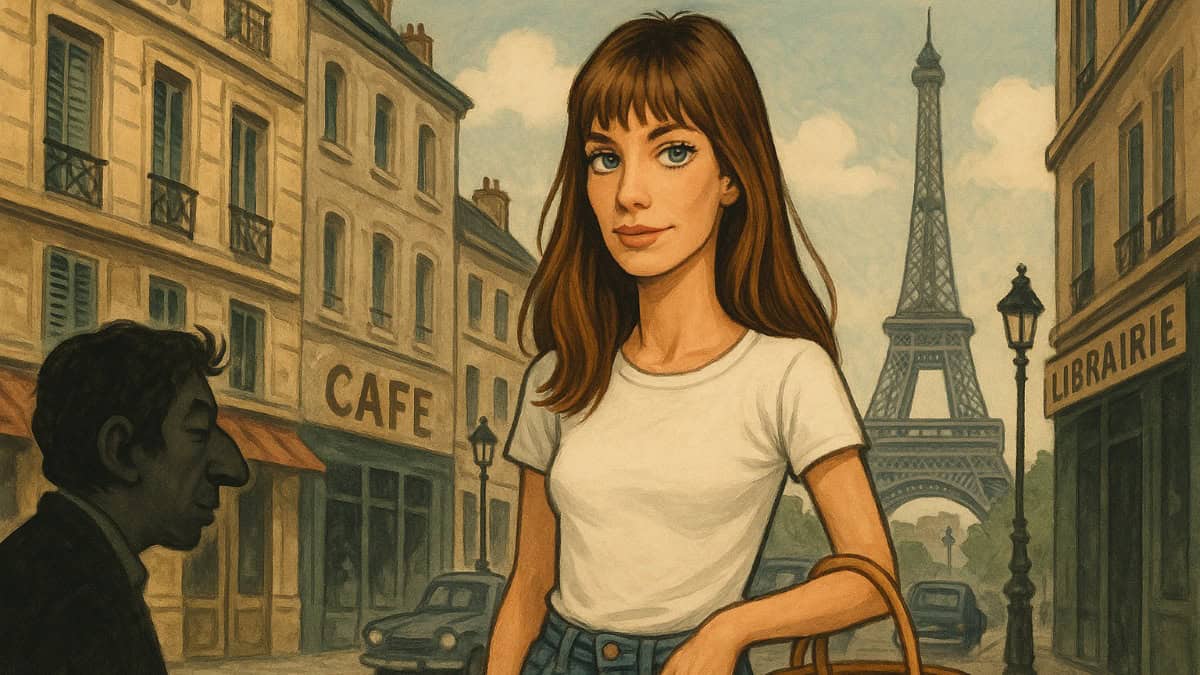
Jane Birkin’s effortless style combined English cool with French chic. Her signature look – white t-shirts, jeans, and that famous basket bag – influenced casual fashion throughout the ’60s and ’70s. Her impact was so significant that Hermès named their most famous bag after her, cementing her place in fashion history.
8. Bianca Jagger – Studio 54’s Queen of Glamour

As a regular at Studio 54, Bianca Jagger defined ’70s glamour with her white suits, plunging necklines, and dramatic hats. Her marriage to Mick Jagger might have put her in the spotlight, but her unique style kept her there. She famously arrived at Studio 54 on a white horse, wearing a red Halston dress – an iconic moment in fashion history.
9. Jean Shrimpton – The Original Supermodel
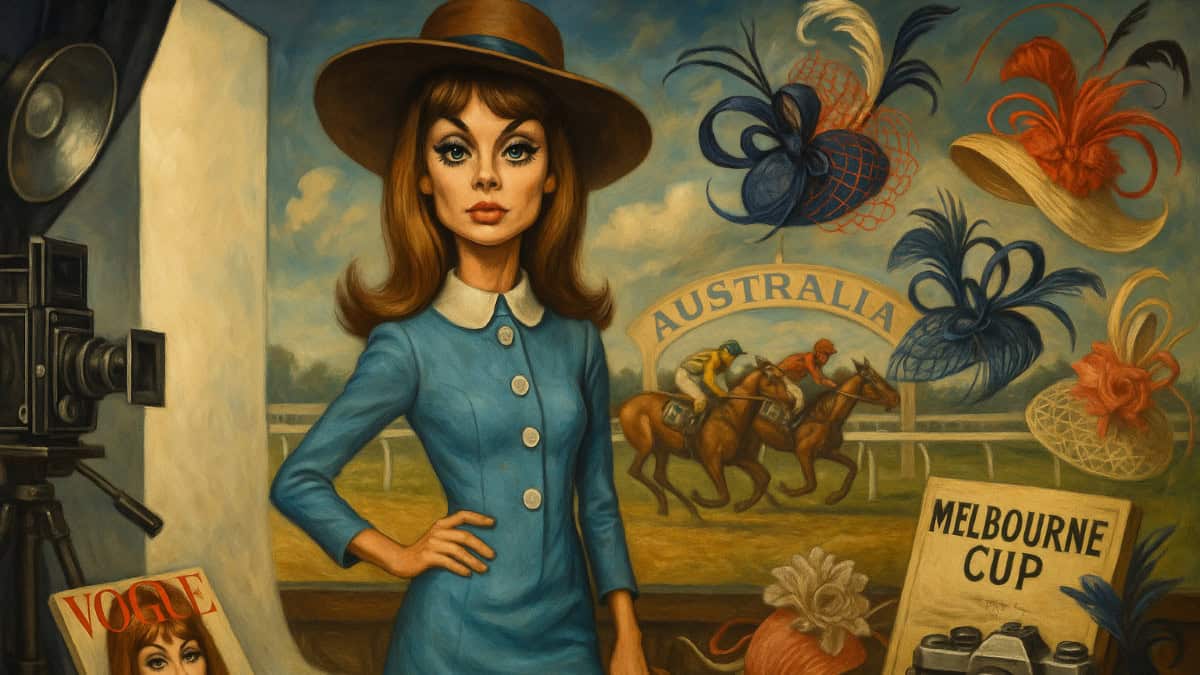
Before Twiggy, there was Jean Shrimpton. “The Shrimp” caused a scandal in 1965 when she wore a minidress to the Melbourne Cup in Australia. Her collaboration with photographer David Bailey created some of the most iconic fashion images of the ’60s, and her natural look influenced both fashion photography and beauty standards.
10. Yves Saint Laurent – The Designer Who Changed Everything

While primarily a designer, Saint Laurent himself became a style icon, representing the bridge between haute couture and ready-to-wear fashion. His introduction of the “Le Smoking” tuxedo suit for women in 1966 revolutionized fashion. His personal style, including his signature thick-rimmed glasses, influenced men’s fashion throughout both decades.
11. Farrah Fawcett – The Golden Girl of the ’70s
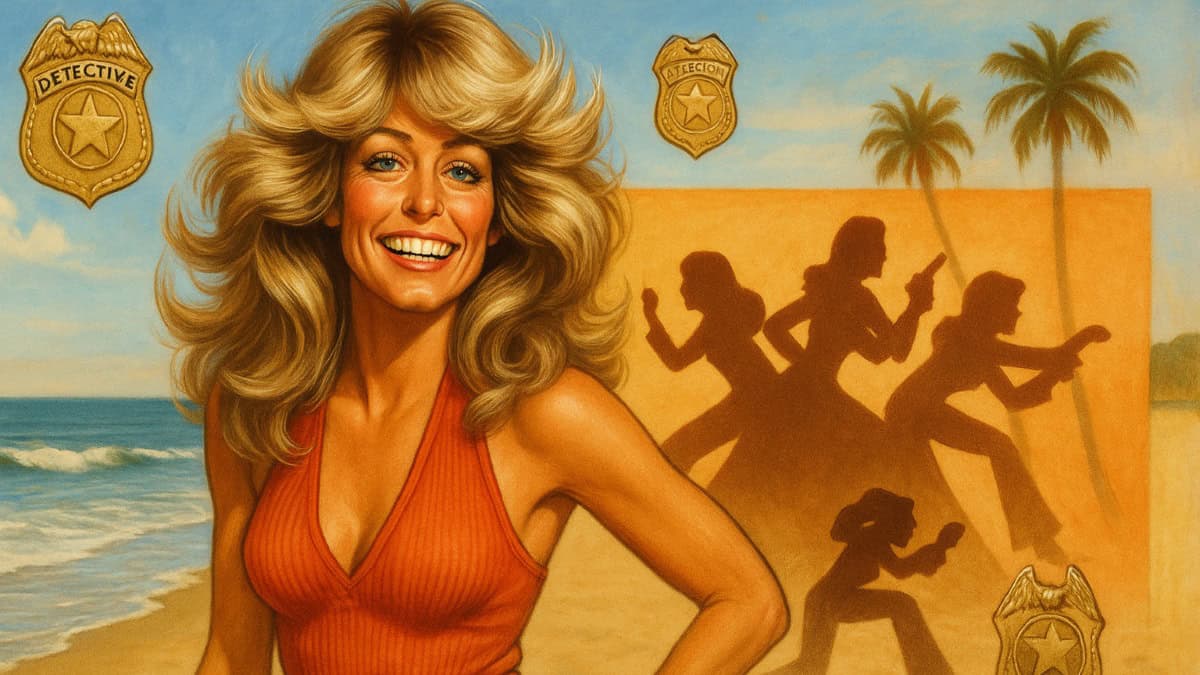
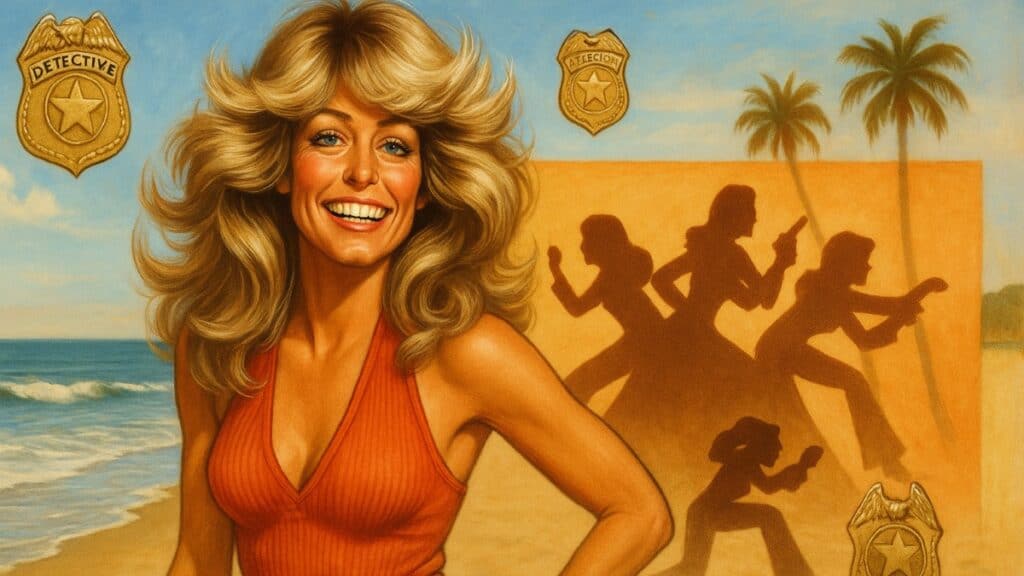
Farrah’s feathered hair became the most copied style of the 1970s, but her fashion influence went far beyond that iconic hairdo. Her casual-yet-sexy style, from bell-bottom jeans to wrap dresses, defined all-American fashion of the era. That red swimsuit poster sold over 12 million copies, making it the best-selling pin-up of all time and cementing her status as a style icon.
12. Mick Jagger – The Rock God of Fashion

Mick Jagger’s fashion evolution from sharp-suited mod to gender-bending glam rocker influenced men’s fashion throughout both decades. His stage costumes, designed by the likes of Ossie Clark and Michael Fish, pushed boundaries with their bold colors and feminine touches. Jagger proved that men could be both masculine and flamboyant, paving the way for future rock star fashion.