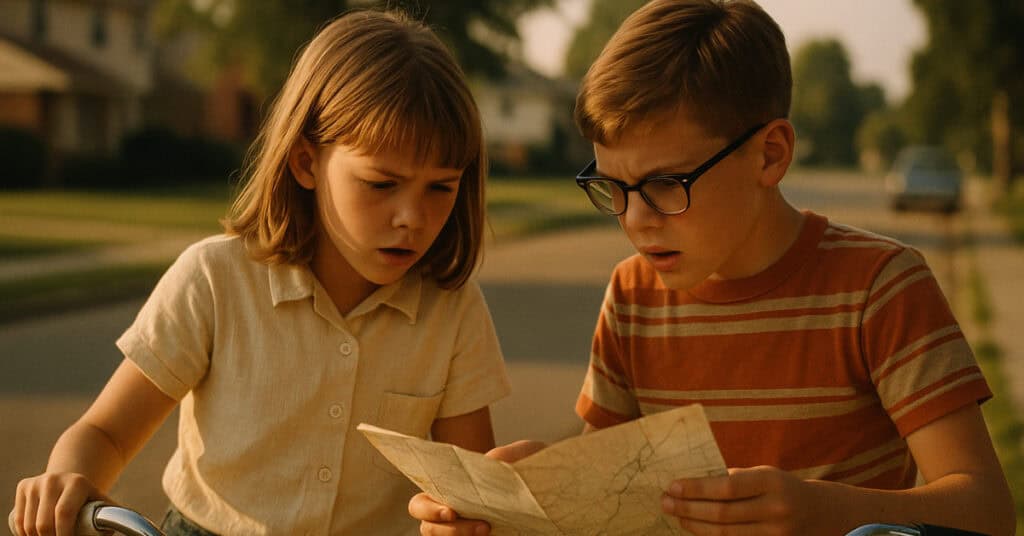
Before parents tracked every moment of their children’s lives through smartphone apps and scheduled every minute of their day, kids learned life’s most valuable lessons through freedom and natural consequences. Growing up in the ’60s and early ’70s meant learning independence, resilience, and street smarts through everyday experiences. Here’s how we naturally developed crucial life skills without constant adult supervision.
Table of Contents
- 1 1. Problem-Solving Through Play
- 2 2. Natural Risk Assessment
- 3 3. Social Navigation Skills
- 4 4. Time Management
- 5 5. Natural Consequences
- 6 6. Creative Resource Management
- 7 7. Physical Confidence
- 8 8. Navigation and Spatial Awareness
- 9 9. Emergency Response
- 10 10. Emotional Resilience
- 11 11. Community Awareness
- 12 12. Self-Entertainment
- 13 13. Natural Leadership
1. Problem-Solving Through Play
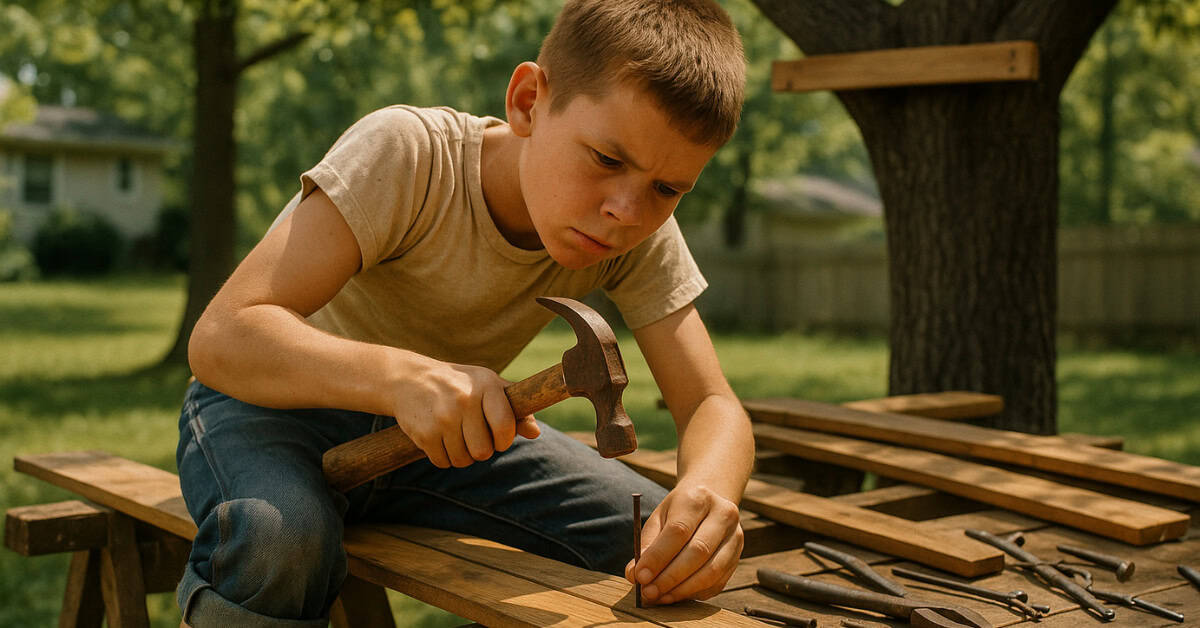
When kids had to create their own entertainment, they developed incredible problem-solving skills. Building tree houses, creating games from scratch, and figuring out how to make a bicycle ramp with limited materials taught us engineering, physics, and creativity. These unstructured play sessions were actually sophisticated learning laboratories where trial and error was the best teacher.
Save for later
Want to come back to this story? Save it with your email so it is easy to find again.
2. Natural Risk Assessment
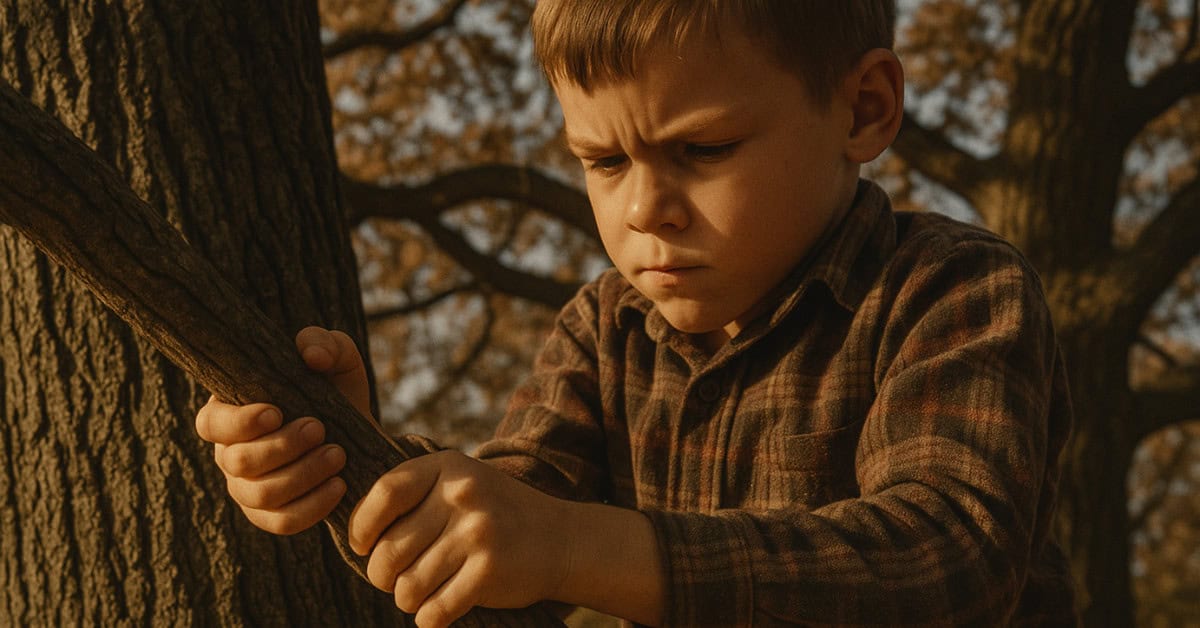
Climbing trees, riding bikes without helmets, and jumping creeks taught us to evaluate risks naturally. We learned our own limits through trial and error, developing an internal safety gauge that was far more valuable than constant warnings. These experiences helped us understand consequences and make better decisions.

Without adults mediating every interaction, we learned to handle conflicts, make friends, and deal with bullies on our own. Neighborhood dynamics taught valuable lessons about diplomacy, compromise, and standing up for yourself. These social skills were developed through real experience rather than organized playdates.
4. Time Management

“Be home when the street lights come on” was the universal parent call. This simple rule taught us to track time, plan activities, and manage our day without constant reminders. We learned natural consequences when we didn’t make it home on time, building responsibility and awareness.
5. Natural Consequences

Forgetting your lunch meant going hungry. Leaving your bike in the rain meant dealing with rust. These natural consequences taught responsibility more effectively than any lecture could. We learned to think ahead and take care of our belongings through experience rather than constant reminders.
6. Creative Resource Management

With limited toys and resources, we became masters of invention. A cardboard box could become anything from a spaceship to a fort. This resourcefulness developed creativity and problem-solving skills that would serve us well throughout life.
7. Physical Confidence

Hours of unsupervised physical play – running, climbing, jumping – helped us develop natural athletic abilities and body awareness. We learned our physical capabilities and limits through exploration rather than structured activities, building confidence in our own abilities.

Exploring neighborhoods freely taught us to navigate, remember landmarks, and develop mental maps. Without GPS or phones, we learned to find our way home from anywhere in the neighborhood, developing crucial spatial awareness skills.
9. Emergency Response
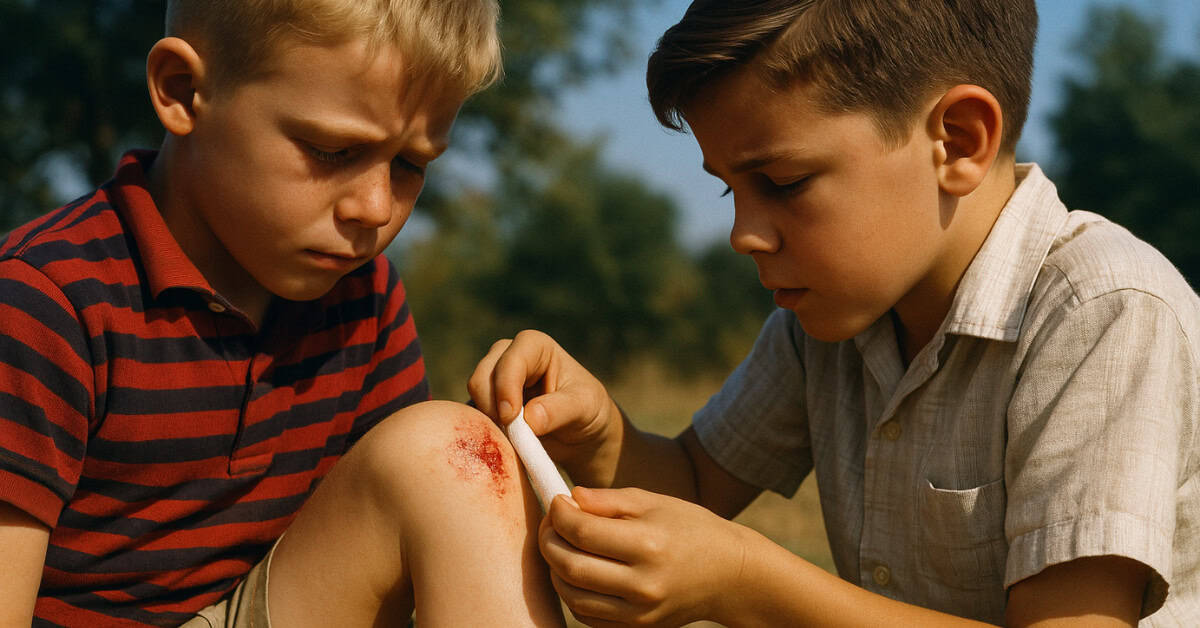
When minor accidents happened away from home, we learned to handle them ourselves or seek appropriate help. Whether it was a scraped knee or a broken bike chain, we developed resilience and problem-solving skills in real-world situations.
10. Emotional Resilience

Dealing with disappointments, losses, and failures without constant adult intervention helped build emotional resilience. Whether it was losing a game or not being picked for a team, we learned to process emotions and bounce back naturally.
11. Community Awareness

Knowing which neighbors to trust, which dogs were friendly, and which shortcuts were safe came from direct experience. This street smarts developed naturally through exploration and community interaction, creating a practical understanding of our environment.
12. Self-Entertainment

Without constant electronic entertainment, we learned to occupy ourselves productively. Reading, creating games, or simply daydreaming developed our imagination and internal resources. This ability to self-entertain built independence and creativity.
13. Natural Leadership
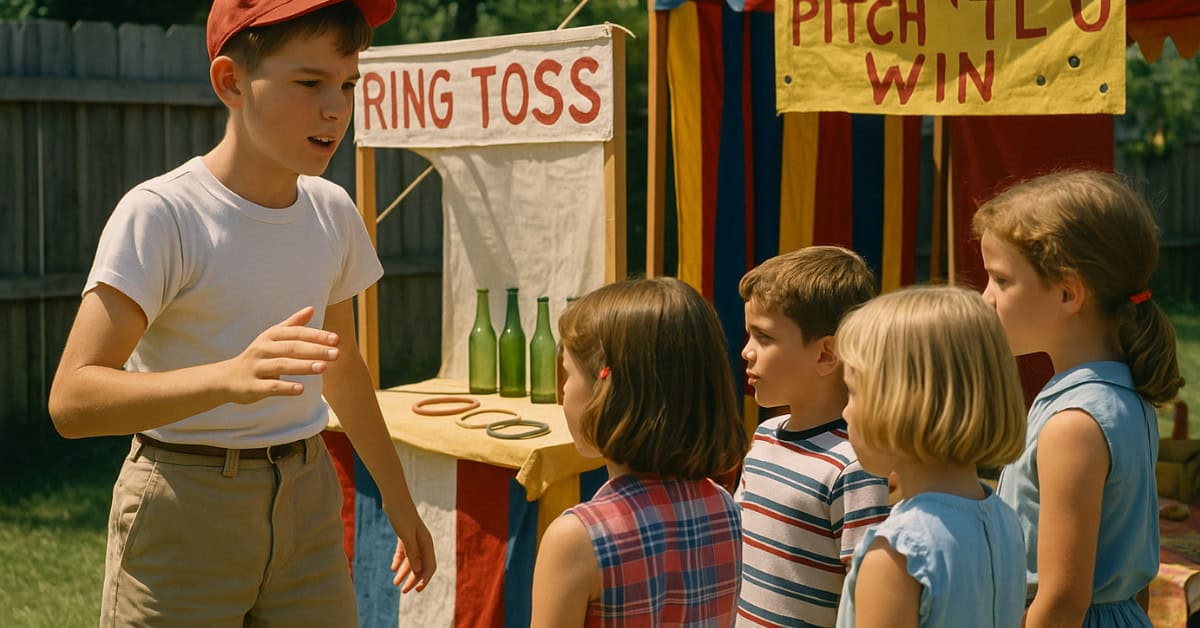
Organizing neighborhood games, deciding what to play, and resolving disputes developed natural leadership skills. These organic opportunities to lead and follow taught valuable lessons about group dynamics and decision-making that no structured activity could replicate.